2027 Purdue Global Online BS in Accounting - Tax Accountancy: Cost, Curriculum, Admissions, and Career Outcomes

Co-Founder and Chief Data Scientist
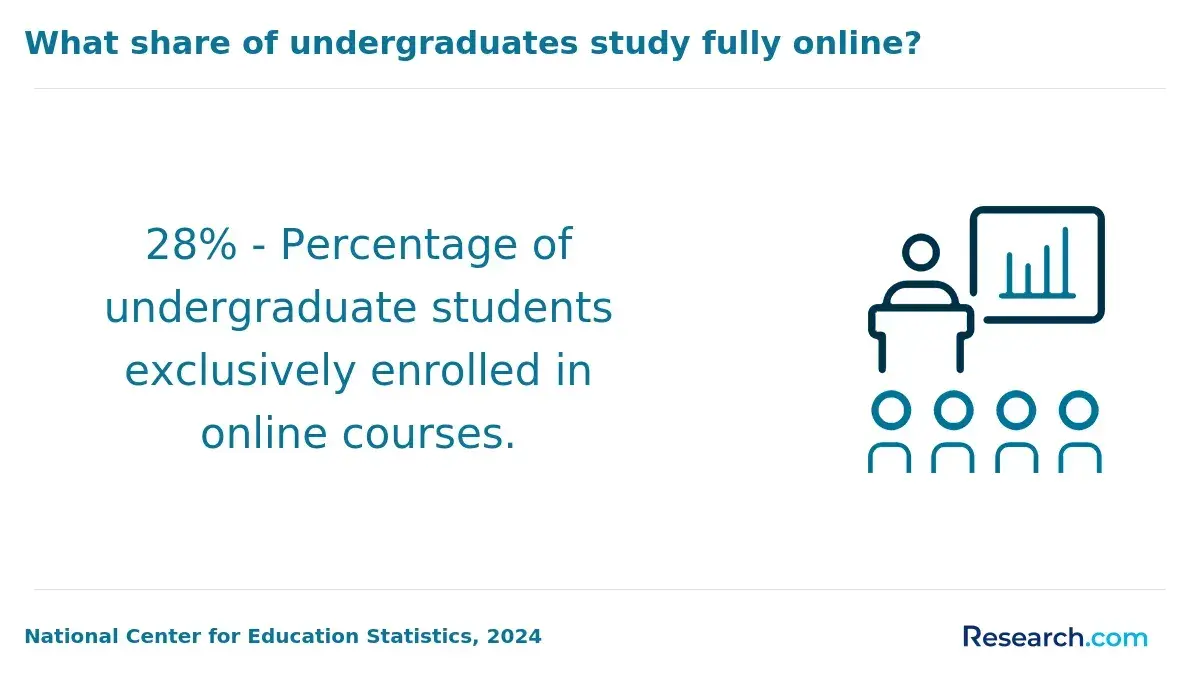
Determining whether pursuing a BS in Accounting - Tax Accountancy at Purdue Global aligns with one's academic and career goals requires careful consideration of program demands, flexibility, and outcomes. As online education enrollment among adult learners increased by over 12% in 2024 according to the National Center for Education Statistics, many seek programs that balance rigorous training with accessibility.
The tax accounting specialization also demands understanding evolving regulatory environments and employer expectations for practical skills. This article examines Purdue Global's cost, curriculum, admissions criteria, and career outcomes to clarify how the program fits diverse student needs and professional ambitions.
Key Points About Purdue Global's BS in Accounting - Tax Accountancy Program
- Open admission to Purdue Global's BS in Accounting - Tax Accountancy lowers entry barriers but may limit peer academic competitiveness, influencing cohort dynamics and initial skill levels.
- Tuition totaling $19,560 positions the program as a moderate investment, requiring students to weigh cost against uncertain graduation rates and subsequent return on education in tax accounting roles.
- The curriculum's practical focus and experienced faculty aim to align skills with employer demands, though concrete outcome data is limited, making career advancement prospects dependent on individual initiative and the broader job market.
What can students expect from Purdue Global's online BS in Accounting - Tax Accountancy curriculum?
The curriculum in Purdue Global's online BS in Accounting - Tax Accountancy is designed to mirror core accounting standards prevalent across the United States while embedding specialized tax accountancy skills that meet employer demands. Many programs emphasize familiar financial and managerial accounting foundations, but this curriculum goes further to incorporate detailed tax regulation and compliance, addressing real-world tasks tax professionals face, such as preparing returns or advising on tax strategy for individuals and businesses.
To illustrate, a graduate handling a client's tax planning must navigate federal rules alongside ethical considerations, which this curriculum purposefully integrates. Below are key aspects of Purdue Global's tax accountancy course structure that shape workforce readiness:
- Federal Taxation: Students engage deeply with tax codes, focusing on practical application of federal tax laws to individual and corporate scenarios. Mastery here is crucial for roles requiring tax preparation and advisory competencies under evolving regulations.
- Accounting Fundamentals: Coursework covers financial, managerial, and auditing principles, ensuring graduates meet the general expectations of accounting employers who prioritize accuracy, compliance, and analytical skills as baseline proficiencies.
- Ethics and Compliance: This section emphasizes the ethical frameworks and legal obligations that govern tax practices, preparing students to handle sensitive financial information responsibly and navigate the regulatory landscape professionally.
This structure reflects the broader US curriculum outcomes but adds notable depth in taxation focus, which is vital as tax rules become increasingly complex and enforcement intensifies. Students should consider how the program's blend of foundational accounting and targeted tax training aligns with their long-term goals, particularly if they aim to pursue CPA certification or specialize in tax accountancy. For those weighing advanced study options, comparing this curriculum's outcomes with those of an online master may offer a strategic perspective on the sequence of credentials needed for competitive advantage in the tax profession.
What are Purdue Global's admission requirements for online BS in Accounting - Tax Accountancy program?
The admissions process for Purdue Global's online BS in Accounting - Tax Accountancy prioritizes accessibility over rigid academic benchmarks, which suits applicants balancing work, family, or other responsibilities. For example, a working adult returning to college after years in an unrelated field could apply without needing standardized test scores or extensive recommendation letters. The core application requirements focus on verifying prior education and relevant experience to allow a broad range of candidates to enter the program. Below are key admission criteria prospective students should expect:
- High School Diploma or Equivalent: Applicants must have completed secondary education or its equivalent. This baseline ensures students possess foundational skills required for undergraduate study without enforcing a minimum GPA threshold.
- Standardized Test Scores: No SAT, ACT, or GMAT scores are required. This exclusion reduces barriers for non-traditional students or those who do not perform well on standardized testing often used by other institutions.
- Official Transcripts: Submission of transcripts from previous schools is mandatory. These documents verify academic history and are used to assess eligibility, especially for transfer credits.
- Resume or Personal Statement (Optional): While not strictly required, applicants may include these to provide context about their professional and academic background, which could support holistic application review in some cases.
- Transfer Credits: Transfer students must provide transcripts from all accredited postsecondary institutions attended. Purdue Global evaluates these credits to potentially reduce the time and cost needed to complete the degree, though acceptance depends on alignment with their curriculum.
Is it difficult to get admitted to Purdue Global's online BS in Accounting - Tax Accountancy program?
Most traditional BS in Accounting - Tax Accountancy programs involve competitive admissions processes that limit entry through selective criteria and standardized test scores. This restricts spots and often weighs heavily on applicants' academic records and test performance, reflecting employer preferences for candidates with proven academic rigor.
Purdue Global's online BS in Accounting - Tax Accountancy program diverges by implementing an open admission policy, effectively removing typical barriers like seat limitations or SAT/ACT requirements. This approach allows applicants who meet basic educational prerequisites to enroll without competing for limited spaces, making it more accessible for working adults or career changers seeking flexible scheduling.
While this inclusivity eases entry, it also shifts the onus to students to self-assess readiness, as the absence of selective filtering can affect cohort preparedness and peer competition. Prospective students should weigh whether the streamlined admission aligns with their professional goals and learning style in a field where employers may still prioritize demonstrated competency and credentials.
One graduate recalled applying during a career transition while balancing family obligations. "I hesitated at first because I wasn't sure if skipping standardized tests meant the degree would carry less weight," she shared. "But the straightforward process allowed me to start quickly, which was crucial since I needed to improve my qualifications without delay." This candid reflection highlights the tradeoff between admission ease and personal confidence in program value common among online accounting students.
What is the cost of attending an online BS in Accounting - Tax Accountancy program at Purdue Global?
The tuition cost for the online BS in Accounting - Tax Accountancy program at Purdue Global is approximately $10,110 annually, excluding books, room, and board. The overall yearly expense, including these additional costs, reaches about $19,560. This flat-rate tuition model, which does not vary based on a student's location, simplifies financial planning for remote learners but may limit opportunities for cost savings often found in regionally tiered pricing.
Unlike many traditional programs, Purdue Global does not charge separate technology fees specific to online learners. However, the cost of books and supplies can be a significant portion of the total expenses, and prospective students should factor these into their budget. In comparison, on-campus students at public universities often face lower tuition but may incur higher living expenses, underscoring the tradeoffs between tuition cost and ancillary expenses.
When compared with the national averages for a BS in Accounting - Tax Accountancy, Purdue Global's pricing is competitive, especially considering the convenience of online access. Students evaluating this program alongside a traditional degree should weigh the transparent, steady tuition against factors such as employer perception and networking opportunities, which can vary widely between online and on-campus settings. For those seeking an accelerated associate degree or similar paths, understanding these cost dynamics is crucial for informed decision-making.
The total cost of attendance and tuition rates for Purdue Global's BS in Accounting - Tax Accountancy online degree reflect a balanced approach to pricing but require students to manage supplementary expenses prudently to maximize value in a competitive job market.
Are there financial aid options for online BS in Accounting - Tax Accountancy students at Purdue Global?
Financial aid at Purdue Global for the online BS in Accounting - Tax Accountancy can significantly influence a student's ability to manage educational expenses, but it requires navigating specific eligibility criteria and program limitations. For example, a working professional might leverage employer tuition reimbursement to offset costs, while a veteran could rely on GI Bill benefits. The availability of institutional scholarships adds another layer of financial support but varies by term and applicant profile. Understanding these distinctions early allows prospective students to tailor their funding strategies effectively. Below are key financial aid options typically accessible to students in this program.
- Federal Aid: Includes grants, loans, and work-study designed for students meeting financial need requirements and maintaining academic progress. Award amounts vary, often covering a portion of tuition but necessitating application through FAFSA and compliance with federal regulations.
- Institutional Scholarships: Targeted scholarships exist for business and accounting students, though specific offerings for the Tax Accountancy specialization can fluctuate each term. These competitive awards often require demonstrating academic merit or financial need and are administered directly by the university.
- Tuition Reimbursement: Available to employed students whose employers support education benefits. This option can significantly lower out-of-pocket costs but depends on employer policies and may require proof of course completion.
- Veteran Benefits: Military service members, veterans, and eligible family members can apply GI Bill and related benefits at Purdue Global, helping to cover tuition and fees. Eligibility criteria and benefit usage must align with Department of Veterans Affairs requirements.
- Institutional Aid: For qualifying applicants demonstrating financial need beyond federal aid, Purdue Global may offer additional grants or awards. These are less predictable but can bridge funding gaps, requiring separate application processes and documentation.
What learning resources are available to online BS in Accounting - Tax Accountancy students at Purdue Global?
Access to robust and specialized learning resources is critical for students pursuing an online BS in Accounting - Tax Accountancy, as these resources directly impact the ability to grasp complex tax regulations and accounting standards independently. Navigating asynchronous classes and limited face-to-face interaction places greater onus on effective academic and technical support structures. For example, a working professional balancing employment and coursework relies heavily on prompt technical help and clear academic guidance to maintain progress without delays or confusion.
This reliance underscores how the quality and availability of resources can shape both student outcomes and workforce readiness. The learning resources available to students reduce friction points and enable better integration of theoretical knowledge with practical application. The following key supports are especially notable:
- Digital Infrastructure: A comprehensive online platform hosts all course materials, assignments, and communication tools, supporting flexible study schedules and accommodating both synchronous and asynchronous learning needs.
- Technical Support: Responsive assistance addresses technology issues quickly, minimizing downtime and ensuring uninterrupted access to coursework and live sessions, an essential component for students managing remote study.
- Academic Advising and Tutoring: Personalized tutoring and guidance help clarify difficult tax and accounting concepts, enhancing comprehension and strategic learning, which proves vital for students preparing for professional certifications or complex job tasks.
- Writing Assistance: Dedicated support refines students' written communication, a skill necessary for producing clear reports, tax documentation, and compliance materials valued by employers in accounting roles.
- Career Services: Resources like resume preparation, interview coaching, and virtual job fairs build the bridge between academic training and employment, addressing a common gap in many online degree programs.
Does Purdue Global's online BS in Accounting - Tax Accountancy program have in-person clinicals or practicums?
In accounting education, most programs prioritize practical skill development through simulated exercises rather than mandatory in-person clinicals or practicums, a contrast to fields like healthcare where hands-on experiences are standard. The absence of required on-site practicums in the Purdue Global online BS in Accounting - Tax Accountancy program aligns with this industry norm, reflecting the profession's focus on technical proficiency via virtual case studies and software applications.
Specifically, Purdue Global online BS in Accounting practicum requirements do not include any compulsory in-person clinicals or practicums. Instead, students engage with real-world accounting and tax scenarios through project-based assignments designed to replicate workplace functions such as tax form preparation and financial analysis. This approach provides flexibility critical for students balancing education with other commitments but may limit direct exposure to organizational environments, which some employers value.
While traditional internships or practicum components are optional or external to Purdue Global's curriculum, students aiming for direct workplace experience should consider supplementing their studies with external internships. This balance ensures all core competencies are met without mandatory on-site attendance. For those comparing program structures or exploring options related to career readiness, reviewing offerings alongside data on the most affordable online masters can clarify cost-effectiveness and practical value.
What careers can graduates of online BS in Accounting - Tax Accountancy at Purdue Global secure?
Graduates of the online BS in Accounting - Tax Accountancy at Purdue Global often face a competitive market where translating academic credentials into sustainable career paths requires strategic positioning. Employers in the United States typically seek candidates who not only grasp core accounting principles but also demonstrate specialized knowledge of tax codes and compliance.
This degree can steer graduates toward roles demanding precision in tax return preparation and interpretation of evolving tax policies, a critical competency given frequent regulatory changes. Understanding these nuances helps graduates navigate tradeoffs between compliance and advisory services, ultimately shaping their professional trajectories. Below are common career outcomes reflecting the practical application of their specialized training.
- Tax Accountant: These professionals prepare tax returns and ensure adherence to federal and state regulations. Their work involves minimizing client liabilities through strategic tax planning, with salaries often starting competitively for entrants holding the online BS in Accounting - Tax Accountancy.
- Tax Analyst: Focused on assessing the impact of tax legislation, Tax Analysts aid businesses in compliance and financial decision-making. This role requires analytic rigor and understanding of policy developments affecting tax obligations.
- Internal Auditor: Graduates applying accounting expertise to internal audits help maintain accuracy and compliance within organizations' financial reports. This position demands attention to detail and strong knowledge of accounting and tax regulations.
- Financial Accountant: In this capacity, professionals manage financial records with an emphasis on accuracy and regulatory compliance, often supporting tax-related reporting functions.
This degree's alignment with Certified Public Accountant (CPA) certification requirements enhances marketability for tax-focused careers, offering access to consultancy and management roles that evolve with experience. Considering workforce realities, prospective students may also want to explore access to colleges with no application fee as a cost-efficiency factor when comparing programs offering similar credentials.
What is the salary outlook for online BS in Accounting - Tax Accountancy graduates?
Graduates holding an online BS in Accounting - Tax Accountancy from Purdue Global tend to enter the workforce with earnings that reflect a competitive niche within accounting fields, though the difference from some related business disciplines can influence long-term financial growth. For professionals prioritizing steady demand in tax-related roles, the median salary of $43,610 is notably higher than the overall median alumni salary of $36,596, signaling a practical return relative to many other degree paths.
This salary outlook for online BS in Accounting - Tax Accountancy graduates in the US demonstrates modest advantages when compared with adjacent sectors. Business Administration, Management, and Operations typically offer slightly higher median earnings around $47,866, while Legal Support Services track lower at approximately $37,834. Such comparisons underscore the importance of weighing program specialization against broader career flexibility and salary potential when evaluating career earnings after Purdue Global Bachelor of Science in Accounting - Tax Accountancy.
The real-world consequence for graduates may involve balancing immediate employability in taxation roles with growth opportunities influenced by market demand and professional certifications. Students navigating options can benefit from researching college degrees for felons and other accessible programs aligned with their goals and circumstances.
How do you know if Purdue Global's online BS in Accounting - Tax Accountancy program is the right choice for you?
Choosing whether Purdue Global's online BS in Accounting - Tax Accountancy program suits your needs requires a rigorous assessment of how its design intersects with your academic priorities, career expectations, and everyday demands. This decision hinges on understanding the tradeoffs between flexibility, practical skill development, and community engagement. Consider these key factors to navigate your fit for the program:
- Curriculum Relevance: Analyze how well the courses incorporate up-to-date tax laws and accounting practices to ensure the knowledge you gain translates directly to workplace readiness and regulatory compliance.
- Learning Format Compatibility: Reflect on your capacity to manage primarily self-paced, online study supplemented by virtual instructor access, which demands discipline but offers flexibility for those balancing work or family.
- Community Interaction: Evaluate your preference for online forums and virtual collaborations instead of traditional face-to-face networking, as this impacts your ability to build professional relationships during your studies.
- Career Versatility: Consider whether a program blending general accounting concepts with specialized tax knowledge aligns with your target roles, giving you adaptability across functions or industries.
A graduate shared that initially, uncertainty about remote learning and networking held them back. After weighing how their full-time job would clash with fixed class times at other schools, they chose this program for its asynchronous format and real-world tax curriculum. They noted, "Knowing I could study at night yet still connect through discussion boards gave me the flexibility I needed without sacrificing rigor."
This balance was critical to finishing the degree while meeting professional responsibilities, a scenario common to many adult learners. Such firsthand experiences underscore the importance of matching program structure with personal circumstances, not just academic content, when deciding if Purdue Global's offering fits your career trajectory.
What Graduates Say About Purdue Global's BS in Accounting - Tax Accountancy Program
- Jackson: "Studying the BS in Accounting - Tax Accountancy program at Purdue Global gave me a solid technical foundation, especially in tax regulations and compliance. I found the course structure flexible, which allowed me to balance work and study without putting my career on hold. However, after graduating, I quickly realized that many employers gave more weight to real-world experience and certifications like CPA, so I focused on internships and building a portfolio to stay competitive."
- Cesar: "Pursuing my BS in Accounting - Tax Accountancy with Purdue Global was a strategic move to pivot my career toward tax advisory. The program's hands-on approach and in-depth tax coursework helped me understand the complexities of tax planning, which has been invaluable in client meetings. While I didn't immediately pursue licensure, the degree opened doors to remote work opportunities and entry-level roles, providing a practical pathway for growth while I worked toward my CPA."
- Andre: "Reflecting on my time at Purdue Global, the BS in Accounting - Tax Accountancy program was challenging but rewarding, especially in its emphasis on up-to-date tax codes and case studies. It prepared me for the realities of the workplace where licensure matters - I've found advancement can be limited without it, but the degree was critical in securing my first long-term position. I recommend being proactive and supplementing the curriculum with internships or CPA prep to navigate the competitive job market."
Other Things You Should Know About Degrees
The program is designed with adult learners in mind, offering flexible scheduling that allows students to progress at their own pace. However, this flexibility comes with the expectation of self-discipline and time management, as accelerated courses may require substantial weekly study hours. Those balancing full-time work should realistically assess their availability to avoid falling behind, as the rigor can be intense despite its online format.
While the BS in Accounting - Tax Accountancy degree from Purdue Global is regionally accredited, some employers may view degrees from traditional universities more favorably, especially in highly competitive job markets. Graduates will need to demonstrate relevant skills and certifications like CPA to strengthen their candidacy, making practical experience and exam preparation equally important as the degree itself.
Because the program is fully online, students miss out on in-person networking events that traditional campuses often provide, which can be crucial in the accounting field. However, Purdue Global offers virtual career services and online discussion forums that can substitute to an extent, but proactive engagement is necessary. Students prioritizing strong, local professional connections may find this aspect limiting and should plan supplementary networking outside the program.
Purdue Global's online BS in Accounting - Tax Accountancy ensures academic rigor through an interactive curriculum featuring simulations, real-world projects, and virtual collaboration. This structure enables students to develop necessary tax accountancy skills and knowledge efficiently without in-person practicums.
References
- Online Accounting Degrees | How They Stack Up to Traditional Programs https://www.accounting-education.org/degree/online-degree/
- Is an Accounting Degree Worth It? 2026 ROI & Job Analysis https://www.accountingedu.org/is-accounting-degree-worth-it-roi-analysis/
- Your Company Name — Your Slogan https://www.accountingdegree.net/requirements.php
- Purdue Global - Finance and Accounting Degrees, How to Apply, Tuition & Financial Aid https://www.topaccountingdegrees.org/school-profiles/purdue-university-global/
- Earn an Online Accounting Degree | OEDb.org https://www.oedb.org/rankings/online-accounting-programs/
- Student Success Resources - Purdue University Global Academic Success Center https://purdueglobalwriting.center/student-success-resources/
- Best Accounting Degree Jobs | Accounting.com https://www.accounting.com/resources/top-jobs-bachelor-in-accounting/
- How to Choose an Accounting Specialization https://freemannews.tulane.edu/2025/11/03/how-to-choose-an-accounting-specialization
- How Purdue Global is expanding Purdue U's access to adult learners https://www.highereddive.com/news/how-purdue-global-is-expanding-purdue-us-access-to-adult-learners/545554/
- Bachelor's Degree in Accounting - Purdue University Northwest https://www.pnw.edu/program-finder/accounting-bsa/