2027 Is National University's Online PhD-PSY in Psychology of Gender and Sexual Fluidity Worth It? What Students Should Know

Co-Founder and Chief Data Scientist
Choosing the right online PhD-PSY in Psychology of Gender and Sexual Fluidity program can feel daunting when balancing evolving academic interests with professional ambitions. With 45% of doctoral students pursuing degrees online according to the National Center for Education Statistics, flexibility is increasingly a priority. Yet, not all programs match the nuanced focus on gender and sexuality or offer sufficient research mentorship. This mismatch can hinder career trajectories in academic or clinical settings that demand specialized expertise. This article examines National University's online offering in depth to clarify its fit for prospective students' goals, rigorous standards, and market relevance, guiding informed enrollment decisions.
Key Points About National University's Online PhD-PSY in Psychology of Gender and Sexual Fluidity Program
- National University's online PhD-PSY in Psychology of Gender and Sexual Fluidity has a noncompetitive acceptance rate, offering broad access but potentially larger cohorts that may affect individualized attention.
- The total tuition of $38,943 paired with a median graduate salary of $67,548 yields a 2.70x earnings to debt ratio, illustrating a financially reasonable outcome for advanced study investment.
- Faculty focus on gender and sexual fluidity research positions graduates well for roles in academic and clinical settings where such expertise is increasingly valued by employers.
What makes National University's online PhD-PSY in Psychology of Gender and Sexual Fluidity program stand out?
National University's online PhD-PSY in Psychology of Gender and Sexual Fluidity program offers a targeted approach that addresses a niche yet growing field in psychology, a critical factor when considering the alignment of doctoral education with evolving workforce demands. For professionals balancing work and research ambitions, the program's fully online format provides asynchronous coursework that supports ongoing employment while pursuing advanced credentials without geographic constraints.
This program's specialization distinguishes it from broader psychology PhDs by focusing on gender and sexual fluidity-areas increasingly relevant in clinical settings, diversity-driven organizations, and academic research. With 344 full-time and 2,668 part-time faculty contributing expertise, students benefit from diverse perspectives though may face the typical tradeoff of less personalized interaction compared to smaller, campus-based programs. Given the 50% average graduation rate, prospective students should weigh the demanding nature of such specialized doctoral research against the potential to impact interdisciplinary practices where this knowledge uniquely applies.
Is it difficult to get admitted to National University's online PhD-PSY in Psychology of Gender and Sexual Fluidity program?
Admission to most PhD-PSY in Psychology of Gender and Sexual Fluidity programs is generally competitive, with applicants often facing rigorous requirements like standardized tests, significant academic achievement, and selective acceptance rates. These barriers can limit entry to a narrow pool of candidates, reflecting the field's rising academic stature but also its exclusivity. For those considering the field, this competitive nature means preparing thoroughly and anticipating strict screening.
In contrast, National University's online PhD-PSY in Psychology of Gender and Sexual Fluidity program adopts an open admission policy that significantly lowers entry barriers. It does not require SAT or ACT scores, removing a common hurdle found in many doctoral admissions. This accessibility means the program is not competitive in the traditional sense; applicants who meet basic eligibility criteria can gain acceptance without contending against a limited number of seats or intense institutional gatekeeping. While this lowers stress about admission, it also implies the program may attract a broad range of applicants with diverse academic backgrounds, which can influence peer cohort dynamics and academic culture.
The tradeoff here involves weighing ease of access against the program's selective reputation and potential signaling power to employers and academic peers. Candidates prioritizing straightforward entry and flexible learning might find National University's format advantageous, especially if logistical or career commitments restrict engagement with more demanding admissions processes.
One graduate recalled applying after a prolonged phase of uncertainty about readiness and career goals. Without SAT/ACT requirements, they submitted materials late into the cycle, relieved to avoid the pressure of standardized testing. "I hesitated for months because I doubted if I'd meet traditional criteria elsewhere," they shared. "Not having to prep for extra exams ended up shifting my focus to research interests instead, which made the process feel less like a competitive sprint and more like a genuine academic decision."
How does the curriculum of National University's online PhD-PSY in Psychology of Gender and Sexual Fluidity program stay aligned with current industry trends?
National University's online PhD-PSY in Psychology of Gender and Sexual Fluidity takes a distinctive approach to ensure graduates meet the evolving demands of clinical, academic, and advocacy roles focused on complex gender and sexuality issues. In environments where employers increasingly expect proficiency in culturally competent care and advanced research skills, this program's curriculum integrates pivotal elements to remain relevant. Key factors that enable alignment with current trends are highlighted below.
- Research Methodology Rigor: The curriculum emphasizes mastery of both qualitative and quantitative research methods, equipping students to produce evidence-based interventions. This rigor is essential for roles requiring data-driven assessments and policy formulation, distinguishing graduates in a competitive job market.
- Integration of Cultural Competency: Ethical and cultural considerations are ingrained throughout the coursework, reflecting the field's shift toward inclusivity and nuanced understanding of gender diversity. This prepares students to engage effectively with diverse client populations and address systemic barriers in clinical settings.
- Practical Application Focus: Through dissertation work and case conceptualization exercises, students apply theoretical constructs to real-world scenarios. This bridges academic knowledge with hands-on clinical and advocacy experience, facilitating smoother workforce transitions and stronger professional impact.
By aligning its curriculum with predominant themes in psychology of gender and sexual fluidity PhD programs in the United States, National University positions its graduates to meet employer expectations within expanding sectors. Prospective students should weigh these educational strengths against alternative options, including cost and delivery format. Insights into affordability and program comparability are accessible via affordable PhD programs, aiding informed decision-making for those exploring advanced psychology degrees.
How much does National University's online PhD-PSY in Psychology of Gender and Sexual Fluidity program cost?
Tuition for National University's online PhD-PSY in Psychology of Gender and Sexual Fluidity program is set at a flat rate of $13,320 annually, which simplifies budgeting for students regardless of their geography. Additional costs for books and supplies average around $936 per year, but total expenses including room and board can push the figure closer to $38,943 annually. For many online learners, excluding room and board lowers the financial burden significantly, a factor especially important for professionals balancing work and study.
The cost structure also reflects institutional efforts to remove separate online technology fees, which is not universally standard but reduces hidden expenses. Students should consider financial aid opportunities carefully, as about 77% of undergraduates at National University receive aid averaging $6,275-indicative of possible support channels such as scholarships or tuition reimbursement that may extend to doctoral candidates. Consulting the financial aid office is crucial to gauge available assistance for this specialized psychology degree. The cost breakdown for National University's online PhD-PSY Psychology of Gender and Sexual Fluidity degree thus requires attention not only to tuition but to the total commitment influenced by aid and personal living situations.
Compared nationally, this program's tuition is moderately priced, especially when doctoral programs in similar specializations often exceed $20,000 per year before living expenses. This comparative affordability makes National University a potentially strategic option for those prioritizing cost-efficiency without sacrificing advanced expertise in gender and sexual fluidity psychology. However, potential candidates must weigh this against the broader practical implications of an online doctorate in a niche field with varying employer recognition and regional demand.
For students considering various pathways, evaluating National University's costs alongside other doctoral offerings, including accelerated degree programs, can clarify long-term financial and career impacts. Resources like accelerated degree programs might offer alternative routes to meet educational goals within different budget and timing parameters, underscoring the value of comprehensive cost-benefit analysis before committing to this specialized PhD track.
What are the admission requirements for National University's online PhD-PSY in Psychology of Gender and Sexual Fluidity program?
The open admissions approach of national university's online PhD-PSY in Psychology of Gender and Sexual Fluidity streamlines entry but reflects tradeoffs in preparatory expectations. Prospective students with a basic secondary education and reliable computer access face minimal formal hurdles, which may benefit those returning to academia but could require extra diligence to ensure readiness for doctoral-level rigor. Candidates should carefully assess the absence of standardized test requirements and potentially minimal documentation demands against employer or professional standards in psychology-related fields seeking advanced specialization. Below is an outline of key admission parameters students must consider before applying.
- Educational Background: Applicants must have completed high school or possess a General Educational Development (GED) certificate. There is no prerequisite for prior college degrees, broadening access but shifting the onus to foundation building during the program.
- Technology Access: Enrollment requires personal access to a computer. The university does not offer hardware purchase or lease options, which may present a barrier for candidates lacking current equipment.
- Transfer Credits: National university accepts transfer credits recommended by ACE alongside credits from programs like Excelsior, CLEP, and DSST/Dantes. This flexibility can shorten time to degree for students with relevant prior coursework.
- Test Score Requirements: PhD-PSY applicants are not required to submit SAT, ACT, entrance exams, or practical assessments, reducing upfront testing burdens but potentially limiting data points employers use to gauge candidate preparedness.
- Supplementary Materials: While letters of recommendation or personal statements aren't explicitly mandated, prospective students should verify with admissions for any additional documentation, as this can affect the application's completeness and evaluative weight.
What is the ROI of attending National University's online PhD-PSY in Psychology of Gender and Sexual Fluidity program?
The return on investment for attending National University's online PhD-PSY in Psychology of Gender and Sexual Fluidity hinges largely on balancing educational costs with realistic earning prospects in specialized fields. With an annual total cost near $39,000-including tuition, fees, and living expenses-this program represents a significant upfront investment. Graduates begin with a median salary around $67,500, which remains relatively stable over the following decade, suggesting limited rapid salary escalation but steady professional income within niche academic and healthcare roles.
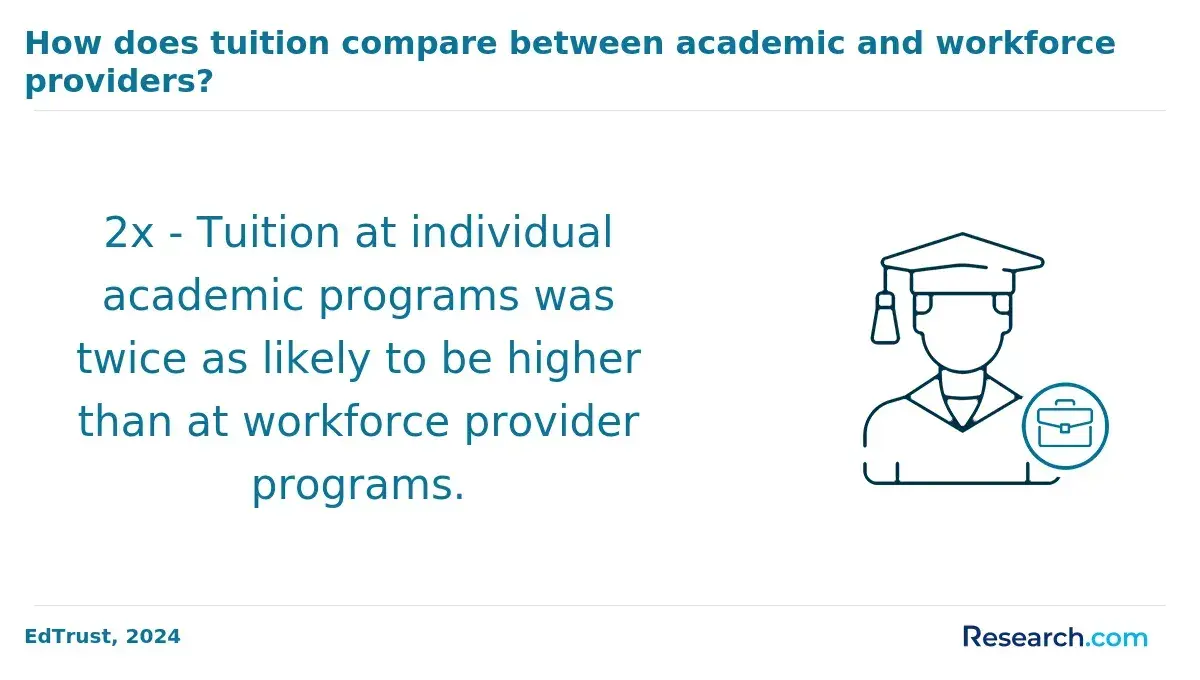
This steady income contrasts with an average student debt load of approximately $25,000, resulting in a graduate earnings-to-debt ratio of about 2.7x. While this ratio signals manageable debt repayment relative to earnings, it also underscores that substantial financial gains require cautious budgeting and potential external funding. Scholarships, grants, or employer tuition assistance can materially improve ROI, reducing reliance on debt and softening financial pressure post-graduation.
Practically, securing higher-paying roles in government research or specialized healthcare organizations focused on gender studies often depends on demonstrated expertise and networking beyond the degree alone. Moderate salary growth patterns in this field imply graduates should weigh the non-monetary value of specialized knowledge and stable employment against the costs and debt incurred. Prospective students must assess whether their career goals justify this investment given the program's cost-to-income trajectory and the evolving labor market for psychology professionals specializing in gender and sexual fluidity.
Is there a high student satisfaction for National University's online PhD-PSY in Psychology of Gender and Sexual Fluidity program?
Student satisfaction for National University's online PhD-PSY in Psychology of Gender and Sexual Fluidity program reveals a nuanced reality shaped by the demands of advanced doctoral study and the practical challenges of remote learning. While the availability of student-led organizations and mentoring programs offers meaningful support, the program's 50% graduation rate indicates a significant portion of enrollees struggle to maintain pace amid rigorous coursework and competing personal responsibilities. For professionals balancing careers or family commitments, these factors can heavily influence persistence and perceived value of the degree.
National University's efforts to foster community and flexibility resonate well with many learners who prioritize moderating workload alongside external obligations. However, this balance requires deliberate time management and engagement with available resources-elements not all students find intuitive or accessible. The intensity of a specialized PhD in gender and sexual fluidity psychology amplifies these pressures, underscoring that student satisfaction is often contingent on one's capacity to navigate academic rigor within a remote format.
A graduate from the program recounted initial hesitation about tackling such a demanding discipline online, especially given their full-time job and caregiving duties. They emphasized that the mentoring support was invaluable but only after learning to proactively reach out rather than expecting structured hand-holding. By the dissertation phase, the flexibility praised earlier became a double-edged sword, requiring strict self-discipline. Despite these strains, they described satisfaction in having successfully adapted and completing a credential that directly informed their work in clinical settings focused on LGBTQ+ populations, framing the challenges as integral to the program's ultimate relevance and rigor.
How does National University help online PhD-PSY in Psychology of Gender and Sexual Fluidity graduates secure employment?
Employer preference and hiring outcomes in psychology show that university-facilitated connections substantially influence job acquisition success. Graduates of national university's online PhD-PSY in Psychology of Gender and Sexual Fluidity program benefit from targeted career support that leverages this dynamic. Research indicates that 75% of psychology-related job placements owe to networks cultivated through academic institutions, underscoring how strong university ties can enhance chances in competitive fields. This reality frames the importance of examining national university career support for psychology of gender and sexual fluidity graduates. Below are some key resources that shape employment prospects for these alumni.
- Virtual Job Fairs: These events connect students with employers specifically seeking expertise in gender and sexual fluidity psychology, allowing candidates to interact directly with potential recruiters and gain early leads on job openings.
- Online Resume Workshops: Tailored resume support enhances presentation of specialized research and clinical skills to better align applications with the expectations of psychology employers.
- Dedicated Job Placement Portal: Exclusive access to curated psychology-specific job listings reduces search friction by filtering opportunities most relevant to graduates' training and focus areas.
- Alumni Mentorship Program: Experienced alumni in academia, clinical, and research roles provide career advice and professional references, which is proven to improve employment outcomes by about 20% in this field compared to graduates without such networks.
In terms of job placement assistance for online PhD-PSY in Psychology of Gender and Sexual Fluidity alumni, the support reflects practical recognition of how psychology hiring operates-as a network-heavy, niche-driven labor market. Applicants who maximize institutional resources often enter positions sooner or secure more relevant roles. Prospective students should weigh this against factors like the rigor of independently building such networks or using broader labor platforms where competition is higher.
For those evaluating pathways, comparing this focused support to alternatives highlights a strategic advantage in employment navigation. Additionally, students investigating related options might consider programs often listed among the easiest 2 year degree to get, as a contrasting approach to rapid credentialing and labor market entry.
What are the career outcomes for recent graduates of National University's online PhD-PSY in Psychology of Gender and Sexual Fluidity?
Career outcomes critically inform whether pursuing an online phd-psy in psychology of gender and sexual fluidity at National University aligns with one's professional goals, especially given the program's specialized focus. Graduates seeking roles that integrate advanced research and clinical skills will find that entry salaries generally align with the baseline $36,571 figure noted for broader psychology alumni, though this varies significantly by career pathway and licensure status. Balancing specialized expertise against practical workforce demands means graduates often trade immediate earnings for longer-term positioning in academia, policy, or clinical settings. Such decision-making impacts both short-term financial viability and longer-term professional influence. Employment outcomes for National University online phd-psy in psychology of gender and sexual fluidity alumni show diverse trajectories across education, healthcare, and advocacy sectors. Below are examples of common employment avenues:
- University Faculty Roles: Graduates often join higher education institutions as professors or researchers focused on gender and sexuality studies, engaging in multidisciplinary research while contributing to curriculum development. Salaries tend to vary widely depending on institution type and geographic location.
- Clinical Psychologist Specializations: Many secure licensure to provide therapeutic services tailored to gender-diverse populations, often earning above general psychology starting salaries. Success depends on licensure, clinical hours, and regional demand across health systems.
- Diversity and Inclusion Consultants: Experts in gender and sexual fluidity are increasingly employed in corporate or nonprofit sectors to develop policies and training programs, with salaries influenced by organizational size and sector.
- Social Services and Policy Advisors: These roles involve shaping programs and policies in government or nonprofit spheres. Compensation aligns closer to social sciences and public administration averages, reflecting the specialized expertise required.
Students evaluating this program should weigh these varied employment outcomes and typical salary trajectories alongside other factors such as program cost and time commitment. For individuals exploring flexible education options with a focus on gender and sexuality, it's worthwhile to compare this path with similar degrees found at online schools no application fee. This comparison can clarify how program characteristics and outcomes align with personal circumstances and workforce realities.
How do I know if National University's online PhD-PSY in Psychology of Gender and Sexual Fluidity program is the right fit for my goals?
Deciding if National University's online PhD-PSY in Psychology of Gender and Sexual Fluidity aligns with your career goals hinges on multiple factors that extend beyond prestige or convenience. The program's worth is highly contingent on how well it matches your academic focus, professional aspirations, and the realities of employment within specialized psychology fields. For someone aiming to work in research or clinical roles centered on gender and sexual fluidity, program features like curriculum depth and faculty mentorship directly influence employability and contribution to the field. Conversely, if your career path demands a hybrid or in-person clinical training, the fully online delivery might present significant limitations. Consider these key criteria when evaluating whether this program fits your objectives:
- Curriculum Alignment: Analyze if the course offerings and research opportunities directly address gender and sexual fluidity psychology. A specialized curriculum is essential for developing expertise that employers seek in academia, healthcare, or advocacy roles focused on these topics.
- Faculty Expertise and Mentorship: Assess faculty qualifications and active engagement in the field. Mentorship from recognized scholars with relevant publications or professional involvement can be a critical factor for scholarly growth and networking prospects.
- Program Delivery Suitability: Reflect on your learning preferences and whether the online format supports sustained interaction, feedback, and collaboration. Programs lacking robust virtual engagement tools may hinder motivation and the rigor expected at this level.
- Post-Graduation Outcomes: Examine employment rates, types of positions secured by graduates, and research funding opportunities. Outcomes that closely track with your professional goals indicate stronger program relevance.
- Financial and Time Investment: Weigh the program's cost and duration against expected career benefits. Practical constraints like financial sustainability can determine if pursuing this degree is a viable long-term investment in your workforce trajectory.
For prospective students facing unique admissions challenges, such as criminal records, it's valuable to explore specialized resources on online colleges that accept felons, which provide guidance on accessibility and program suitability. Evaluating admission criteria and program outcomes for National University's online PhD-PSY in Psychology of Gender and Sexual Fluidity requires a nuanced balance of these academic, professional, and practical considerations to ensure alignment with your goals.
What Graduates Say About National University's Online PhD-PSY in Psychology of Gender and Sexual Fluidity Program
- Aubrey: "Studying the PhD-PSY in Psychology of Gender and Sexual Fluidity at National University gave me a deep analytical framework to approach complex identity studies in clinical settings. However, transitioning into the workforce revealed that many employers prioritized candidates with extensive practical portfolios and internship experience over just academic credentials. Still, the program's flexibility allowed me to gain remote consultancy roles early on, which helped me build a diverse client base despite the usual challenges around licensure and certification requirements."
- Phoebe: "My time at National University was both rigorous and eye-opening, pushing me to rethink how psychology interfaces with gender and fluidity in real-world social systems. After graduating, I found that while salary growth had some limitations without traditional clinical licensure, the unique focus of the program opened doors to specialized research and advocacy roles. Navigating those career decisions involved a pragmatic acceptance that advancement often required strategic certification additions and networking beyond the academic network."
- Mariah: "I pursued the PhD-PSY in Psychology of Gender and Sexual Fluidity at National University knowing that I wanted a career that balanced teaching, research, and direct community engagement. Reflecting on that journey, I realize that the program's online structure was invaluable for managing my professional commitments, but securing certain academic positions post-graduation meant competing heavily with candidates holding more traditional credentials. Nonetheless, the degree strengthened my ability to pivot into interdisciplinary roles, which has proven crucial for long-term career sustainability."
Other Things You Should Know About Degrees
Conducting advanced research in gender and sexual fluidity within an online environment can be demanding due to limited immediate access to faculty and research facilities. Students must be highly self-directed to manage independent data collection, analysis, and frequent communication with advisors remotely. This can slow progress compared to on-campus programs with more direct supervision, so applicants need strong time management skills to handle these tradeoffs effectively.
While the curriculum is rich in theory related to gender and sexual fluidity, the online format offers fewer direct opportunities for hands-on clinical practice or in-person community engagement. Students may need to seek external internships or partnerships independently to gain practical experience, which is essential for doctoral candidates planning clinical careers. Choosing this program should involve weighing the ease of online delivery against the need for applied, experiential learning.
This program is well-suited for students focused on scholarly research due to its emphasis on theory development and advanced analysis of gender and sexual fluidity concepts. However, those whose priority is clinical licensure or practice should carefully evaluate additional certification requirements and the availability of supervised clinical hours outside the program. Prioritizing National University's PhD-PSY program makes more sense if research output and academic contribution align with your career goals.
References
- Psychology, Psychology of Gender and Sexual Fluidity, PhD https://catalog.ncu.edu/preview_program.php
- Return on Investment For an Online Psychology Degree https://www.onlinepsychologydegrees.com/articles/return-on-investment-for-an-online-psychology-degree/
- 2025 National College Student Satisfaction and Priorities https://www.ruffalonl.com/papers-research-higher-education-fundraising/national-student-satisfaction-and-priorities-report/
- National Student Survey - NSS - Office for Students https://www.officeforstudents.org.uk/for-providers/student-protection-and-choice/national-student-survey-nss/
- Psychology Ph.D. & Psy.D.: Costs, Requirements, And Careers https://www.psychology.org/degrees/phd/
- PsyD vs PhD: Which Degree is Best for Your Career Goals? https://www.pacificu.edu/blog/psyd-vs-phd-which-degree-best-your-career-goals
- The Science of Sexual Fluidity and Gender Fluidity https://podcasts.apple.com/cr/podcast/the-science-of-sexual-fluidity-and-gender-fluidity/id1505460817
- PhD in Clinical Psychology vs. PsyD: Which Doctoral Degree Is Right for You? https://paloaltou.edu/resources/blog/phd-clinical-psychology-vs-psyd-which-doctoral-degree-right-you
- NU Career Services https://nu.concerncenter.com/resource/737
- Internet Sites for Career Planning https://ncda.org/resources/