2027 Is Arizona State University's Online BA in Psychology - Positive Psychology Worth It? What Students Should Know

Co-Founder and Chief Data Scientist
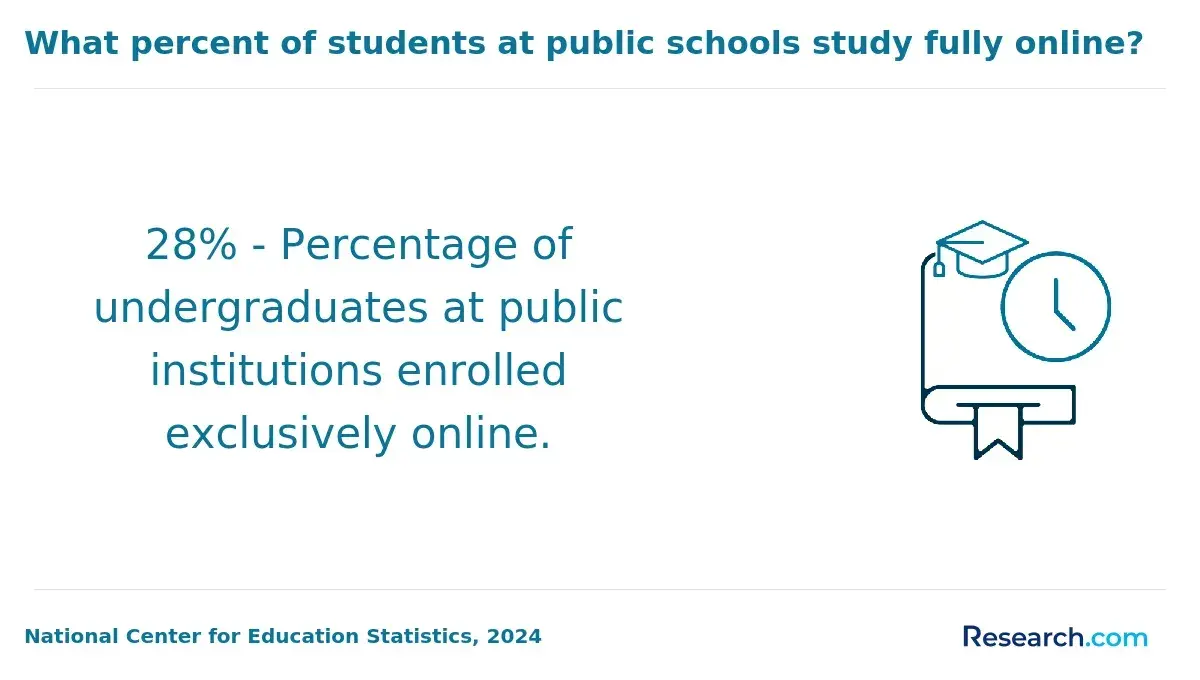
Choosing an online BA in Psychology - Positive Psychology program often involves balancing academic rigor with flexibility and career relevance. With online higher education enrollment rising by over 12% according to the National Center for Education Statistics, accessibility no longer guarantees program quality or employability. Students eyeing Arizona State University must consider whether its curriculum aligns with evolving workforce demands and their professional aspirations in fields like mental health or organizational well-being.
The challenge lies in identifying if this program cultivates practical skills recognized by employers or primarily offers theoretical knowledge. This article examines these factors to help clarify if Arizona State University's offering fits your goals and learning preferences.
Key Points About Arizona State University's Online BA in Psychology - Positive Psychology Program
- Arizona State University's online BA in Psychology - Positive Psychology has a 90% acceptance rate, allowing broad access but requiring commitment to a rigorous curriculum.
- Graduates benefit from a median salary of $62,668, demonstrating that the program's reputation supports employability across diverse professional sectors.
- Total tuition is $34,845, yielding a favorable earnings-to-debt ratio of 3.21x, highlighting careful financial planning is essential for optimizing return on investment.
What makes Arizona State University's online BA in Psychology - Positive Psychology program stand out?
Arizona State University's online BA in Psychology - Positive Psychology program offers distinct value by emphasizing human strengths and well-being instead of focusing solely on clinical or experimental psychology. For students balancing work or family commitments, the flexible online format combined with extensive academic support, including live webinars and personalized advising, addresses practical learning needs while maintaining rigor.
This structure suits those aiming for careers in counseling, coaching, or organizational settings where applied positive psychology principles enhance client and workplace outcomes.
Unlike many traditional psychology degrees, the concentration in Positive Psychology equips graduates with a specialized skill set aligned with growing demand in mental health and organizational wellness fields. However, students should weigh how this focus aligns with their longer-term goals, as it may require additional credentials for certain clinical roles.
The program's scale-with 79,593 total students and 14,448 staff-also implies access to substantial resources, but the 68% average graduation rate suggests persistence and self-discipline remain critical for success in an online environment.
Is it difficult to get admitted to Arizona State University's online BA in Psychology - Positive Psychology program?
Admissions to a typical BA in Psychology - Positive Psychology program can be competitive, often reflecting high demand in psychology fields that attract many qualified applicants. The selective nature tends to arise from limited program capacity and the appeal of specialized curricula focused on well-being and resilience, which positions graduates for roles in counseling, human services, or organizational development.
At Arizona State University, however, the admissions landscape is notably less restrictive. With an acceptance rate of 90%, the university admits 62,084 out of 68,840 applicants annually, demonstrating an inclusive admissions approach. ASU's policy of not requiring SAT or ACT scores lowers entry barriers and broadens access for diverse applicants, contrasting with more selective institutions where standardized test scores remain a significant hurdle.
This accessibility reflects a strategic tradeoff: while the program's ease of entry reduces competition, students benefit from a reputable curriculum without facing intense admissions gatekeeping. For prospective students weighing options, this means less upfront filtering based on traditional metrics and greater reliance on self-motivation and performance during the program to stand out in the job market.
One graduate recounted that the straightforward application process at Arizona State University was both a relief and a source of initial doubt. "I applied late in the cycle because I wasn't sure if I'd catch the deadline," she said. "The lack of test requirements made me hesitate less, but I worried the program might be too easy to get into and less valued."
Ultimately, she found that the real challenge wasn't admission but balancing coursework with a full-time job. Her decision to apply despite initial uncertainty was driven by the program's accessibility, which removed a key obstacle in transitioning her career path.
How does the curriculum of Arizona State University's online BA in Psychology - Positive Psychology program stay aligned with current industry trends?
Arizona State University's online BA in Psychology - Positive Psychology attempts to reflect evolving workforce demands but presents tradeoffs familiar across many online psychology programs. Its curriculum prioritizes research methods and applied positive psychology concepts, which aligns with current employer needs for evidence-based interventions and data-driven strategies in mental wellness roles.
However, the degree's real-world market value depends on how well students leverage practical experience components, as foundational psychology content alone often lacks distinction in a crowded job market. The following three factors illustrate how ASU balances academic rigor with skills relevant to contemporary industry standards:
- Research Integration: Coursework emphasizes research techniques and statistical analysis, enabling students to critically assess interventions and support data-informed decision-making. This aligns with growing employer preference for candidates who can demonstrate analytical capabilities in applied settings.
- Applied Experience: ASU incorporates experiential learning and project-based assignments that simulate workplace scenarios, providing practical skills needed to design and evaluate interventions in healthcare, education, or organizational contexts. Without this, graduates risk being underprepared for the nuanced demands of positive psychology roles.
- Contemporary Topics Emphasis: The program addresses stress management, mindfulness, and community well-being, reflecting current trends integrating psychological principles into holistic health. This targeted content matches sectors expanding their mental health services but still requires careful student effort to translate theory into workplace impact.
Assessing the alignment of Arizona State University's online positive psychology curriculum trends with employer expectations highlights that this degree can meet industry requirements if students actively develop applied competencies beyond academic knowledge. Students considering an ASU BA in Psychology - Positive Psychology should weigh how the balance between foundational theory and practical application matches their career goals.
Those seeking roles such as wellness coaching or human resources consultancy may find the curriculum suitably aligned, though competitiveness often demands supplemental experience or credentialing. Exploring related degrees you can get online that pay well may also provide alternative strategies for merging psychology expertise with marketable skills.
How much does Arizona State University's online BA in Psychology - Positive Psychology program cost?
Tuition at Arizona State University for the online BA in Psychology - Positive Psychology program is set at $12,051 annually, excluding room and board costs that most online students avoid. Additional yearly expenses like books and supplies add roughly $1,320, making careful budgeting essential for those managing their overall education costs. These figures highlight a core financial consideration: whether the fixed tuition rate aligns with one's capacity for long-term investment in this field given online program affordability.
Financial aid plays a decisive role for many students, with approximately 93% of undergraduates receiving assistance averaging $12,396. This significant support, including institutional grants and corporate tuition reimbursement partnerships, can notably reduce net costs and alter the ROI calculus. For prospective students considering Arizona State University online bachelor's degree in positive psychology, understanding these options is key to assessing real cost versus sticker price.
When compared to other institutions, the overall expenses for ASU's program are competitive. Nationally, tuition for similar online psychology degrees can vary widely, though many programs include additional fees or technology costs that ASU's flat-rate tuition deliberately avoids, promoting price predictability. However, the comprehensive total annual cost approaches $34,845 when factoring in indirect expenses, suggesting that for some candidates, this program's pricing may still represent a significant commitment.
The value proposition of an online BA in Psychology - Positive Psychology from ASU must be weighed against the backdrop of labor market realities and alternative choices among fun majors in college that pay well. Prospective students should carefully balance tuition fees with program outcomes, financial aid availability, and the long-term employability advantages typical within this specialization.
What are the admission requirements for Arizona State University's online BA in Psychology - Positive Psychology program?
Meeting the admission criteria for Arizona State University's online BA in Psychology - Positive Psychology program is a strategic step that shapes both academic trajectory and workforce readiness. Candidates must evaluate their educational background and language proficiency carefully, since these factors influence timely enrollment and integration into the curriculum.
Below are important admission considerations prospective students should review:
- Academic Credentials: Applicants need a high school diploma or GED with an official secondary school transcript. While recommendations and competency demonstrations can enhance profiles, they do not determine eligibility.
- Standardized Testing: SAT or ACT scores are not mandated, reducing some barriers for applicants; however, non-native English speakers must submit TOEFL scores to verify language skills critical for academic success.
- Transfer Policies: The program accepts transfer credits, including those evaluated by ACE, CLEP, and DSST exams, supporting students who have prior postsecondary experience and seek credit recognition to accelerate completion.
- Technology Access: Enrollees must have computer access, which can be purchased or leased through the university, reflecting the digital demands of online learning environments.
- Admission Selectivity: This program does not offer open enrollment; students must meet these standards, balancing inclusivity with maintaining academic rigor and ensuring preparedness for the specialized curriculum.
What is the ROI of attending Arizona State University's online BA in Psychology - Positive Psychology program?
The return on investment for attending Arizona State University's online BA in Psychology - Positive Psychology program involves careful cost-to-earnings consideration. While the total annual cost approximates $34,845, including living expenses, graduates have a median starting salary near $62,668, which remains stable a decade post-graduation.
This suggests steady income potential but limited wage growth without further credentials or advanced degrees, contrasting with typical salary increases in psychology fields within five to ten years.
For students able to access scholarships, grants, or reduce overall debt burden, the earnings-to-debt ratio of 3.21x indicates relatively manageable repayment stress and a favorable financial outlook. However, those financing the degree solely through loans could face tighter constraints, especially given the relatively static median salaries.
Employment outcomes often hinge on alignment with healthcare and wellness sectors where the program's positive psychology focus is relevant, but career progression typically requires additional certification or graduate study to surpass entry-level salary plateaus.
Ultimately, the decision to invest in this program should factor in personal financial support structures and realistic job market positioning in psychology and allied fields. Consistent earnings without notable growth highlight a tradeoff between stable income and the potential need for further education to enhance competitiveness in evolving employer landscapes.
Is there a high student satisfaction for Arizona State University's online BA in Psychology - Positive Psychology program?
Student satisfaction with Arizona State University's online BA in Psychology - Positive Psychology program tends to reflect a balance of institutional support and the inherent demands of self-directed learning. While a notable portion of students successfully graduate, the program requires strong personal discipline due to its flexibility and online format, which can strain those juggling work or family commitments.
For students seeking a program that offers autonomy alongside structured resources, this creates a realistic tradeoff between freedom and the need for proactive time management.
The university provides extensive support through a large staff and targeted online mentorship, which helps mitigate the isolation common in remote learning. Student-led organizations and virtual events foster community, which plays a crucial role in sustaining engagement and motivation. However, these benefits hinge on a student's willingness to actively participate and leverage available platforms, as the coursework itself demands consistent self-regulation and initiative.
Feedback frequently highlights how the program's adaptability is ideal for those who cannot attend traditional classes but also warns that students must be prepared to manage their schedules rigorously to avoid falling behind. This environment closely mirrors many professional settings requiring independent problem-solving and balancing multiple priorities-skills that can enhance workforce readiness but may overwhelm less disciplined learners.
One graduate recalled initially hesitating because of past struggles with time management but found the available mentoring and peer groups invaluable. They shared, "Balancing a full-time job and the coursework wasn't easy, but the online forums and my mentor provided just enough structure without micromanaging me. It wasn't about hand-holding but about knowing where to turn when I needed guidance."
This nuanced experience underscores that satisfaction often correlates with how effectively students engage with the program's support ecosystem while managing their personal commitments.
How does Arizona State University help online BA in Psychology - Positive Psychology graduates secure employment?
Institutional support remains a critical factor influencing employment outcomes for online psychology graduates. Employers often weigh the backing and networks a university offers when assessing candidates. One industry study reveals that 85% of employers consider the reputation and career resources of a candidate's alma mater important in hiring choices, highlighting the practical value of strong post-graduation support.
For graduates of Arizona State University's online BA in Psychology - Positive Psychology, the integration of dedicated career services with alumni engagement creates tangible pathways to employment. These resources help mitigate common challenges faced by distance learners, such as limited local networking options and reduced access to traditional career offices.
Below are specific areas where ASU facilitates job placement and career progression for its online graduates:
- Virtual Job Fairs: ASU hosts online job fairs focused on psychology-related roles, allowing graduates to connect directly with potential employers without the constraints of location or travel expenses.
- Online Resume Workshops: Tailored sessions help students optimize their resumes for the psychology job market, addressing keywords and competencies that align with employer expectations.
- Alumni Mentorship Programs: With over 570,000 global members, ASU's alumni network pairs students with professionals for real-world guidance and networking, a crucial asset in competitive job searches.
- Dedicated Career Portal: This platform aggregates job postings relevant to psychology and related fields, streamlining the job search process and keeping students informed of timely opportunities.
These concerted efforts reflect how Arizona State University online psychology graduate career services are structured to bridge the gap between academic credentials and workforce demands, especially for remote learners. Students evaluating the online BA in Psychology - Positive Psychology should weigh the program's support mechanisms alongside other factors like curriculum and practical experience.
Considering options within the broader landscape of college programs for moms can also be important for those balancing education with caregiving responsibilities, as ASU's online format coupled with career services provides structured assistance in navigating employment prospects post-graduation.
What are the career outcomes for recent graduates of Arizona State University's online BA in Psychology - Positive Psychology?
Graduates from Arizona State University's online BA in Psychology - Positive Psychology program often enter roles that demand practical application of positive psychology concepts but tend to offer limited initial earning potential. For those weighing whether to pursue this degree, recognizing the modest salary range and typical career trajectories is crucial. Salaries generally start between $30,000 and $40,000, reflecting industry norms for entry-level psychology-related positions rather than fields with higher immediate income potential.
However, this reflects a tradeoff where the work centers on meaningful outcomes like enhancing community well-being or supporting mental health rather than higher pay. This dynamic shapes how students prioritize earnings versus intrinsic job satisfaction. Considering job prospects for graduates of Arizona State University BA in Psychology - Positive Psychology can clarify expected paths. Here are some typical career options:
- Behavioral Health Technician: These professionals assist in delivering mental health services, often in clinical or community settings. Starting salaries hover near the lower end of the psychology field average, aligning with the supportive and operational nature of the role.
- Human Resources Assistant: Entry-level HR roles involve recruiting, onboarding, and employee relations, where understanding psychological principles supports organizational development. Compensation aligns typically with entry-level organizational support roles.
- Case Manager: Case managers coordinate services for clients in social or health programs, utilizing strengths-based psychology tactics. Salaries here are modest but stable within nonprofit or public agency budgets.
- Research Coordinator: These individuals manage data collection and study logistics within social science research projects, contributing to evidence-based practice in psychology and related disciplines. Compensation is consistent with research support positions.
Compared to some other social science disciplines at ASU, psychology alumni's salaries are midrange, and students seeking greater immediate income might look at degrees in business or computer science. Yet, those committed to positive psychology's aims can expect meaningful roles that, while financially modest at first, serve as a platform for continued growth. Many graduates leverage experience here to pursue further education or move into higher-paying, specialized roles.
For those evaluating broader educational options aligned with workforce demand and value, examining the most versatile masters degrees can provide critical context on pathways beyond the bachelor's level.
How do I know if Arizona State University's online BA in Psychology - Positive Psychology program is the right fit for my goals?
Determining whether Arizona State University's online BA in Psychology - Positive Psychology program fits your goals requires weighing multiple nuanced factors important to both academic growth and workforce relevance. The choice hinges on your career trajectory, whether your interest lies more in applied settings such as counseling or wellness coaching, or if your ambitions align with research and community impact.
This decision has tangible consequences, as program characteristics influence practical skill development and employability. Consider these key criteria when evaluating if Arizona State University's online bachelor's in psychology with a focus on positive psychology fits your personal and professional aspirations in Arizona:
- Curriculum Alignment: The program should offer in-depth coursework that enhances knowledge of resilience, well-being, and strengths-based psychology, ensuring that academic content supports your intended career path rather than purely theoretical learning.
- Program Flexibility: Evaluate whether the online delivery accommodates your schedule and learning preferences, especially if balancing work or family. Asynchronous options benefit self-directed learners, while structured formats aid those needing scheduled interaction.
- Experiential Opportunities: Access to internships, research projects, or applied assignments is critical if your goals include entering fields requiring hands-on experience, giving you a competitive edge for roles in counseling or organizational development.
- Professional Network and Reputation: Faculty expertise and program recognition within positive psychology circles can facilitate mentorship, collaboration, and job prospects, which are essential for leveraging your degree effectively in the professional landscape.
Given the specialized nature of this degree, assessing its fit also involves understanding real-world tradeoffs in employability and skill applicability. For military-affiliated students considering education options that accommodate unique circumstances, exploring military spouse friendly online colleges can provide additional context for selecting a program that meets distinct scheduling and support needs.
What Graduates Say About Arizona State University's Online BA in Psychology - Positive Psychology Program
- Anthony: "Studying at Arizona State University in the BA in Psychology - Positive Psychology program gave me a comprehensive understanding of psychological concepts with a unique focus on well-being. However, entering the workforce, I quickly realized employers valued internships and practical experience more than just the degree itself. The flexibility of the online format allowed me to complete internships remotely, which helped build my portfolio and land a position in employee wellness. Still, without pursuing licensure, I find salary growth slower than peers who opted for graduate programs."
- Soojin: "Arizona State University's BA in Psychology - Positive Psychology program was a pivotal step during my career pivot from corporate HR to mental health advocacy. The curriculum's emphasis on positive psychology principles provided me practical frameworks I could immediately apply, which impressed hiring managers during interviews. That said, competing for roles required supplementing the degree with certifications and volunteering experiences I gained alongside the coursework. The program's online nature fit perfectly with my demanding schedule and supported my transition without putting life on hold."
- Sean: "I appreciated the flexibility of Arizona State University's BA in Psychology - Positive Psychology program, which let me work full-time while studying. After graduation, I found the positive psychology focus valuable for remote wellness coaching jobs, though I noticed many employers prioritize licensure or clinical experience for advancement. This influenced me to view the degree as a solid workforce entry point rather than a final credential. It's a realistic program that aligns with evolving workplace demands, but I advise graduates to actively seek internships and certification opportunities alongside the degree to remain competitive."
Other Things You Should Know About Degrees
Arizona State University's Online BA in Psychology with a focus on Positive Psychology is designed for flexibility. In 2027, students can expect a curriculum that accommodates part-time study, allowing for a realistic balance between work and academic commitments. The program offers asynchronous coursework, enabling students to tailor study schedules around professional obligations.
This specialized positive psychology track focuses more on applied well-being and research methods specific to positive psychology rather than broad foundational psychology topics. While it equips students with unique insights, it may require additional self-study or coursework for those aiming for traditional clinical or experimental psychology graduate programs. If graduate school is the goal, students should consider supplementing their coursework or choosing electives that cover core psychological theories and statistics to smooth the transition.
The degree's specialized nature helps graduates stand out in wellness, coaching, or organizational development roles but may limit candidacy for some conventional psychology technician or research assistant positions that prioritize general psychology knowledge. Employers outside the positive psychology niche might view the focus as too narrow unless supplemented with broader psychology course experience. Students targeting broad-based psychology roles should weigh whether the program's emphasis aligns with their intended job markets or if a general psychology major is preferable.
If your career objectives specifically involve positive psychology applications such as resilience training, employee well-being, or happiness research, this program offers targeted skills and credibility worth prioritizing. However, for those uncertain about specializing or pursuing varied psychology fields later, a broader online psychology degree may offer more versatility. Weighing specialization against flexibility is key: choose the BA in Psychology - Positive Psychology for depth in this subfield, and a general program for wider foundational training.
References
- 20 Top Positive Psychology Degrees & Master’s Programs https://positivepsychology.com/positive-psychology-degree/
- Top 10 Rankings of Arizona State University - Smart Edu Link https://www.smartedulink.com/blog-details/top-10-rankings-of-arizona-state-university/r/recS9FgQ3Hp1zDOWC
- What’s the Difference Between a B.A. & B.S. in Psychology? | INSIGHT https://www.thechicagoschool.edu/insight/career-development/difference-between-ba-and-bs-in-psychology/
- Global Education Programs https://ippanetwork.org/what-is-positive-psychology/global-education-programs/
- Growing gratitude: ASU research says positive psychology stems from family dynamics - The Arizona State Press https://www.statepress.com/article/2026/02/scitech-asu-happiness-research-69a117061eb03
- BA or Bachelor’s Specialization in Positive Psychology & Consciousness https://www.miu.edu/bachelors-in-positive-psychology-and-consciousness
- 2026 Rankings of the Best Psychology Degree Programs in Arizona https://psychologyonlinedegrees.org/programs/arizona/
- Psychology at Arizona State University https://www.vaia.com/en-us/degrees/universities/arizona-state-university/psychology-at-arizona-state-university/
- How To Choose A Psychology Program | Psychology.org https://www.psychology.org/resources/choosing-a-program/
- 2025 Best Master’s in Positive Psychology Programs - Online, Low Cost, & Quick Options https://www.counselingpsychology.org/psychology/degrees/positive-psychology/masters/