2027 Is National University's Online PhD-PSY in Gerontology Worth It? What Students Should Know

Co-Founder and Chief Data Scientist
Choosing an online PhD-PSY in gerontology program often involves balancing rigorous academic demands with professional and personal commitments. With the U. S. Bureau of Labor Statistics projecting a 23% growth in gerontology-related psychology roles, accessibility and flexibility become key decision factors. National University's program must meet expectations for research opportunities, faculty expertise, and practical application. Prospective students should consider how well the curriculum aligns with evolving industry needs and their long-term career goals. This article examines whether the program's structure, outcomes, and recognition justify the investment, helping readers determine if it fits their path forward in gerontology psychology.
Key Points About National University's Online PhD-PSY in Gerontology Program
- National University's PhD-PSY in Gerontology has an open admission policy with a noncompetitive acceptance rate, increasing accessibility but potentially affecting cohort selectivity and networking opportunities.
- Tuition costs $38,943, yielding an earnings to debt ratio of 2.70x, which suggests moderate financial viability relative to a median alumni salary of $67,548.
- Graduates typically secure stable roles in gerontology-related fields, indicating workforce relevance despite the university not being a top-tier research institution.
What makes National University's online PhD-PSY in Gerontology program stand out?
National University's online PhD-PSY in Gerontology program offers flexibility crucial for working professionals who must balance demanding careers with rigorous doctoral study. The asynchronous coursework lets students engage with material on their own time, which suits those unable to commit to fixed schedules without sacrificing professional responsibilities. This adaptability, however, requires strong self-discipline as fewer synchronous interactions mean less immediate academic support compared to traditional programs.
With a total student body of 19,924 and a faculty of 5,052, including 344 full-time and 2,668 part-time instructors, the program presents a broad range of expertise that supports diverse research interests. The focus on gerontology within a psychological framework aligns well with labor market needs in aging services, research, and policy fields, though the average 50% graduation rate signals a challenging curriculum that demands sustained commitment and adequate institutional support. This balance makes the program suitable for learners who value depth and specialty knowledge but must realistically assess their capacity for long-term academic engagement.
Is it difficult to get admitted to National University's online PhD-PSY in Gerontology program?
PhD-PSY in gerontology programs commonly present a competitive admission landscape, with many institutions requiring strong academic records and standardized test scores. This gatekeeping often narrows access, limiting enrollment to candidates who can demonstrate both academic excellence and research readiness. Programs with such rigorous entry criteria can delay career progression for applicants who may need repeated attempts or supplemental preparation to qualify.
National University's online PhD-PSY in Gerontology contrasts sharply with this norm by maintaining a noncompetitive admission difficulty rating and not requiring SAT or ACT scores. This less restrictive approach broadens access, allowing applicants from diverse educational and professional backgrounds to enter without facing the usual barriers of standardized testing or high-stakes evaluations. While this inclusivity can speed entrance into doctoral study, it may also mean that the cohort includes a wider range of preparedness levels, potentially impacting peer learning dynamics and faculty resources.
For students navigating workforce demands or balancing other responsibilities, National University's accessible admissions process offers a pragmatic option. However, candidates should weigh the tradeoffs between entry ease and the rigor or networking benefits that traditionally selective programs might provide. Some employers in aging services or research sectors may prioritize graduates from more selective programs, making it important to consider how program reputation and selective criteria align with professional goals.
One graduate shared that they delayed applying to National University's program due to uncertainty about meeting typical doctoral prerequisites elsewhere. When they discovered the open admission policy, it felt like a relief but also required careful timing-they submitted their application shortly before a professional deadline and experienced some anxiety over the less structured admissions timeline. "It wasn't about being the top scorer but showing my commitment," they recalled, emphasizing the strategic choice to pursue a pathway that fit their career momentum rather than waiting indefinitely for more competitive acceptance options.
How does the curriculum of National University's online PhD-PSY in Gerontology program stay aligned with current industry trends?
Programs that aim to prepare graduates for impactful roles in gerontology psychology must balance theoretical foundations with applied skills tailored to real-world geriatric challenges. National University's online PhD-PSY in Gerontology curriculum demonstrates alignment with current industry expectations by integrating research rigor and practical competencies essential to careers in aging-focused psychological services. Below are three key areas where the program reflects these demands:
- Interdisciplinary Curriculum: The coursework bridges advanced psychological theories with neuropsychology and health psychology concentrated on lifespan development. This structure equips students to understand aging comprehensively, which is critical as employers seek practitioners fluent in multifaceted gerontological issues including cognitive decline and mental health assessment.
- Emphasis on Empirical Research: By prioritizing data analysis, ethics, and intervention strategies, the program prepares students to contribute to evidence-based practices and policy development. Graduates are thus better positioned for roles in clinical or community settings where integrating research findings into practical care improves outcomes for older adults.
- Applied Dissertation Focus: Requiring a dissertation centered on gerontological psychological problems ensures students gain expertise relevant to industry needs. This capstone reflects a practical tradeoff, as it demands significant original research while producing domain-specific knowledge applicable to both academic and applied gerontology.
In relation to other pathways, those weighing National University's online PhD-PSY in Gerontology encounter a curriculum that aligns well with industry trends but must also consider the rigor and specialization required. For students seeking flexible options with in-depth aging-focused content, this program offers relevant preparation suited to an aging demographic and evolving workforce demands. Those interested in exploring options for advanced degrees in psychology may also review programs offering an online masters degree to gauge pathways into or alongside doctoral-level study.
How much does National University's online PhD-PSY in Gerontology program cost?
The tuition cost for National University's online PhD-PSY in Gerontology program is $13,320 annually, excluding additional expenses such as books, room, and board, which add approximately $936 yearly. This clear tuition baseline, combined with a total cost of attendance near $38,943, reflects an important consideration for prospective students balancing budget constraints with program requirements. The absence of online-specific technology fees and a flat-rate tuition regardless of residency can benefit learners by providing predictable expenses, especially for those outside the university's state.
National University's tuition fees position it well below the national average for comparable PhD-PSY gerontology programs, where annual tuition frequently exceeds $20,000. This cost advantage may factor strongly into decisions around program value and return on investment, particularly in fields like gerontological psychology where employment prospects are influenced by both credentials and financial commitments. The relatively moderate pricing makes it worthwhile to assess the program's academic content alongside its financial accessibility.
The net cost to students can be further offset by the university's institutional financial aid, with 77% of undergraduates receiving an average award of $6,275. While specific graduate aid data is less transparent, the university's history of employer collaborations and tuition reimbursement programs suggests avenues for further financial support. Prospective candidates should consider these assistance opportunities when evaluating the cost of earning a PhD-PSY in gerontology online at National University within a workforce context where debt management is a practical concern.
When deciding among doctoral options, comparing these financial aspects is crucial alongside program outcomes. For those seeking accelerated study paths, it can be beneficial to explore additional offerings such as the best 1 year bachelor degree online programs, which may serve as stepping stones or alternative routes in psychology disciplines. Strategic investment in doctoral education should weigh these cost factors against employability and long-term career goals in gerontological psychology.
What are the admission requirements for National University's online PhD-PSY in Gerontology program?
National University's admission process for the online PhD-PSY in Gerontology reflects a low barrier to entry that suits candidates balancing professional and personal responsibilities. The absence of standardized tests like the SAT or ACT reduces upfront academic gatekeeping, which may appeal to those with nontraditional backgrounds or significant work experience. However, students should weigh this leniency against how hiring managers often scrutinize program rigor in doctoral-level roles within academic or healthcare settings. Understanding the specific admission expectations can clarify candidacy strength and inform whether additional preparatory work might be beneficial.
Key admission elements include:
- Educational Background: Applicants must have completed high school or hold a GED credential, establishing a minimal baseline but requiring further academic merit for doctoral-level success.
- Technology Requirements: Enrollment presumes access to a personal computer; the university does not provide devices, so reliable hardware is essential for uninterrupted participation in coursework.
- Credit Transfers: The program accepts various credit sources such as advanced placement (AP), life experience, ACE recommendations, CLEP, and DSST exams, offering flexibility in accelerating progress for those with prior learning.
- Transfer Students: Transfer credits from other institutions are generally welcomed, with terms available year-round, but specific limits on credit acceptance remain unspecified, which could affect program duration.
- Application Materials: Notably, no letters of recommendation, resumes, personal statements, or portfolios appear mandatory, streamlining application but potentially limiting holistic evaluation of candidate readiness.
What is the ROI of attending National University's online PhD-PSY in Gerontology program?
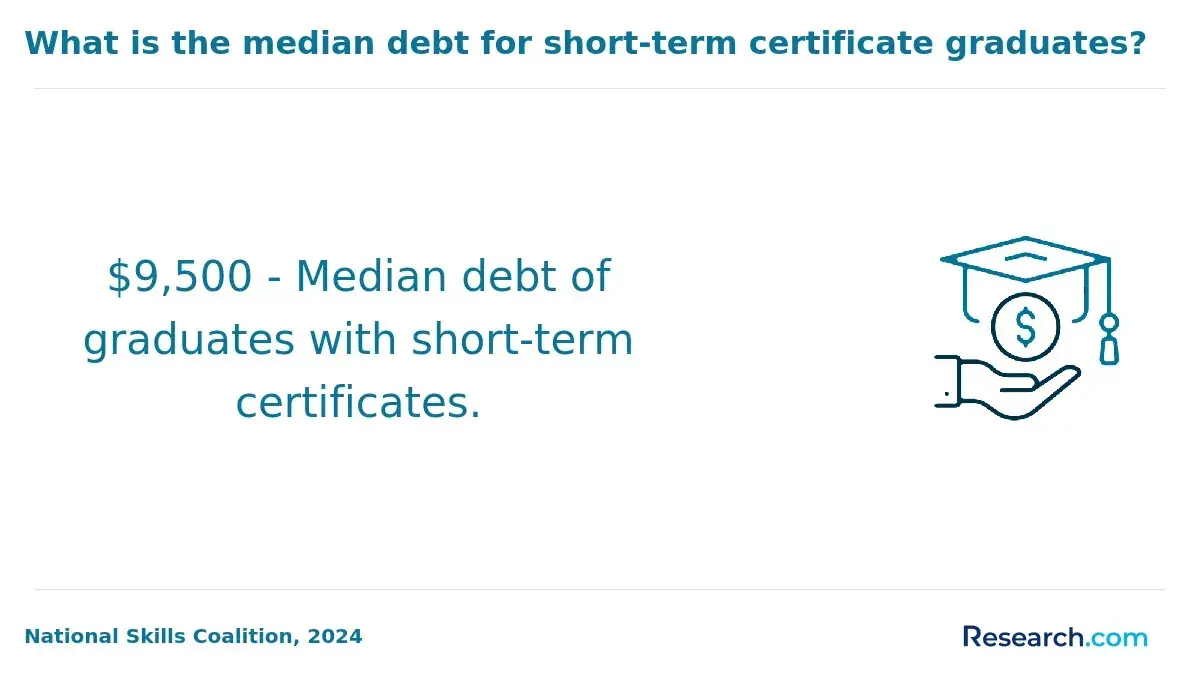
The return on investment for National University's online PhD-PSY in Gerontology must be assessed through the lens of both financial commitment and employment realities in a specialized field. With annual costs near $39,000, the program places prospective students in a position where managing debt becomes a crucial consideration since graduates report a median debt of about $25,000. This debt load contrasts with a stable median starting salary of around $67,500, which remains relatively flat over a decade, underscoring a limited wage growth trajectory typical in gerontology psychology roles within healthcare and policy sectors.
For students who can access scholarships or assistantships, the financial burden and corresponding ROI improve substantially. However, given the niche scope of the discipline, career outcomes depend heavily on securing roles in healthcare organizations, aging services, or government agencies that value this expertise. The earnings-to-debt ratio of about 2.7x indicates graduates earn nearly three times their debt over time, but this metric also suggests modest returns compared to other doctoral psychology disciplines with higher salary growth potential.
Decision-making around enrolling in this program should weigh the stable but limited income progression against the program's comprehensive cost and career alignment. Candidates aiming for research or policy influence in aging might justify the investment more than those prioritizing rapid financial advancement, highlighting the importance of individual career goals in evaluating this ROI.
Is there a high student satisfaction for National University's online PhD-PSY in Gerontology program?
Student satisfaction with National University's online PhD-PSY in Gerontology reflects a complex balance between academic rigor and the practical demands of distance learning. The program's 50% overall graduation rate signals significant challenges, suggesting that persistent students often face a demanding curriculum alongside remote study hurdles. Yet those who remain engaged benefit from structured mentoring and student organizations aimed at fostering community among online learners. This support is critical in a field where research depth and professional networking directly impact employability and career progression.
Many students value the program's flexibility, which allows them to juggle research and personal responsibilities, a frequent necessity for doctoral candidates in gerontology. Faculty responsiveness and technical support contribute positively to the experience, though the absence of separate data on online-specific outcomes clouds full clarity on retention and completion. The demanding nature of doctoral work coupled with limited formal reporting on online persistence means prospective students should weigh program intensity and individual circumstances carefully before committing.
A graduate shared that while initial doubts about remote learning's effectiveness were common among peers, the availability of dedicated advisors and interactive forums helped overcome isolation. "Balancing my job and family with intensive research wasn't easy, but the flexibility made it possible," they noted. "I especially appreciated when faculty promptly addressed concerns, which kept me moving forward even during tough phases." Their experience underscores that satisfaction often hinges on how well students can leverage available resources amid the inherent challenges of an online doctoral program.
How does National University help online PhD-PSY in Gerontology graduates secure employment?
Employment success for graduates of National University's online PhD-PSY in Gerontology is closely linked to the institution's investment in targeted career support, a factor often overlooked when evaluating program value. Employers in specialized fields such as gerontology psychology increasingly prioritize candidates who have access to industry-specific networking and practical job search tools. National University's approach reflects this reality-nearly 85% of graduates who secure jobs within six months attribute their success to the school's career resources. This underscores how institutions influence outcomes through strategic support rather than the degree alone. The following highlights key job placement resources for National University PhD-PSY gerontology graduates that facilitate a smoother transition from academic study to professional roles.
- Virtual Job Fairs: These events connect students directly with potential employers focused on gerontology and psychology, offering flexible opportunities to engage recruiters without geographic constraints. Early access can lead to interviews before program completion.
- Online Resume Workshops: Tailored to enhance resumes for roles involving aging populations and psychological research, these workshops refine how candidates present specialized expertise, making applications more competitive.
- Alumni Mentorship Network: An active alumni community bridges current students with established professionals in academia, healthcare, and social services, fostering valuable career advice and referrals.
Such integrated services respond to sector-specific hiring behaviors and highlight the importance of enrolling in accredited programs with substantial career support. Prospective students might also consider how well these job placement resources align with their long-term goals within gerontology.
National University appears on lists of accredited online universities, which signals it meets recognized quality standards important to employers and licensure bodies.
What are the career outcomes for recent graduates of National University's online PhD-PSY in Gerontology?
Career outcomes provide critical insight into whether investing time and resources in National University's online PhD-PSY in Gerontology aligns with long-term professional goals. Graduates face a tradeoff between fields with variable financial returns and those centered on impactful roles in aging-related healthcare and policy. Many employers expect candidates to demonstrate applied expertise in multidisciplinary settings, often involving research or clinical interventions that improve elder care. These practical realities shape employment outcomes for graduates of National University PhD-PSY in Gerontology program, influencing not just role availability but also salary trajectories. Below are key career paths frequently pursued:
- Gerontological Researcher: Professionals in this role engage in empirical studies on aging populations, contributing to academic knowledge and evidence-based policy development. Entry-level salaries may align with general psychology averages around $36,500, with growth linked to specialization and funding acquisition.
- Clinical Psychologist Specializing in Aging: These practitioners deliver therapeutic services tailored to older adults, addressing cognitive and emotional aspects of aging. Compensation often increases considerably in clinical settings, with allied health treatment roles averaging $94,452.
- Healthcare Policy Consultant: Leveraging deep understanding of aging and healthcare systems, consultants advise on program design and resource allocation affecting elderly care, typically gaining access to leadership positions.
- Health Services Manager: Graduates managing clinical operations or nursing administration in elder care environments command salaries near $47,121 to $85,563, reflecting managerial responsibility and sector demand.
For students weighing this program, understanding these varied career outcomes and potential earnings is essential. Many turn to lists of the most affordable online colleges to assess cost-efficiency relative to their anticipated professional returns.
How do I know if National University's online PhD-PSY in Gerontology program is the right fit for my goals?
- Curriculum Alignment With Career Goals: Review the program's emphasis-whether research, clinical practice, or policy development in aging-and confirm that its focus matches your intended professional path, as this choice decisively impacts your post-graduate employability and relevance.
- Research and Mentorship Opportunities: Investigate the availability of faculty mentorship and resources tailored to gerontology specialties, since strong mentorship is often pivotal for those pursuing research-intensive roles or academia.
- Compatibility With Learning Style and Technology: Consider your adaptability to online learning formats like asynchronous lectures or live discussions, and the robustness of technological support, as these affect both your engagement and successful program completion.
- Accreditation and Professional Recognition: Confirm that the program's credentials are acknowledged by licensing bodies and professional networks, since this recognition can influence licensure eligibility and funding access.
- Flexibility to Accommodate Personal Obligations: Examine options for part-time enrollment or adjustable pacing, which are critical for balancing advanced study with work or family commitments.
Given the specific nature of gerontology and diverse career outcomes, those exploring programs should also be aware of alternative credentialing pathways. For example, some individuals might consider shorter studies such as one year degrees for seniors to supplement professional knowledge without committing to lengthy doctoral study. This underscores how the national university online PhD-PSY in gerontology program admission criteria and curriculum should be weighed in the context of your long-term professional trajectory rather than as mere academic milestones.
What Graduates Say About National University's Online PhD-PSY in Gerontology Program
- Zachary: "Choosing National University's PhD-PSY in Gerontology program was a strategic decision to deepen my expertise while maintaining my full-time job. The flexibility of the online format allowed me to focus on research areas that aligned with industry trends, which helped me build a portfolio that employers valued more than traditional licensure. Although some roles still prioritize certification, I found that demonstrating applied knowledge through internships I secured via the program was key to advancing into a leadership role."
- Tanner: "Reflecting on my time at National University, the PhD-PSY in Gerontology program prepared me for the complexities of workforce realities that I hadn't fully appreciated before. Despite excelling academically, I encountered limits in salary growth due to the absence of clinical licensure, which prompted me to pivot towards administrative and policy-focused positions. The program's robust curriculum and remote structure provided practical skills and networking opportunities that made this transition possible."
- Vincent: "National University's PhD-PSY in Gerontology program offered me a comprehensive education delivered entirely online, which was vital given my family and work commitments. Post-graduation, I've found that employers in gerontology highly value hands-on experience and certifications alongside the degree, so I prioritized obtaining specialized credentials to complement my doctorate. The program gave me a strong theoretical foundation, but navigating competitive hiring environments also required me to remain adaptable and proactive about skill-building."
Other Things You Should Know About Degrees
The research demands are substantial, requiring students to engage deeply with both quantitative and qualitative methodologies specific to aging populations. Many students find the balance between coursework, dissertation milestones, and any professional or personal commitments challenging. Prospective students should prioritize strong time-management skills and consider reducing outside work to maintain steady progress without burnout.
While the online delivery provides flexibility, mentorship is primarily virtual, which may limit informal interactions common in on-campus settings. Networking largely depends on proactivity since peer connections and faculty engagement happen via scheduled meetings and forums rather than spontaneous encounters. Students aiming to build strong professional relationships should actively seek virtual communities and participate in external gerontology conferences or groups.
National University's program includes applied research projects and policy analysis components, but its heavier emphasis on theory and dissertation work may require graduates to pursue additional practical certifications or internships for clinical licensure or policy implementation roles. Candidates focused on applied careers should plan on supplementing their training with targeted experiential learning or postdoctoral opportunities.
References
- Psychology, Gerontology Specialization, PhD https://catalog.ncu.edu/preview_program.php
- Career Services https://an.edu/career-services/
- Return on Investment For an Online Psychology Degree https://www.onlinepsychologydegrees.com/articles/return-on-investment-for-an-online-psychology-degree/
- Psychology PhD Wiki http://psychphdsearch.wikidot.com/
- Average Cost of a Doctorate Degree [2026]: Ph.D., Psy.D. & More https://educationdata.org/average-cost-of-a-doctorate-degree
- Cognitive Aging in a Social Context https://www.brandeis.edu/psychology/doctoral/aging.html
- National Student Survey - NSS - Office for Students https://www.officeforstudents.org.uk/for-providers/student-protection-and-choice/national-student-survey-nss/
- PhD in Gerontology | Doctorate Degree | SUSS https://www.suss.edu.sg/programmes/detail/phd-in-gerontology-phger
- Psychology Ph.D. & Psy.D.: Costs, Requirements, And Careers https://www.psychology.org/degrees/phd/
- NU Career Services https://nu.concerncenter.com/resource/737