2027 Is National University's Online BA in Sport Psychology Worth It? What Students Should Know

Co-Founder and Chief Data Scientist
Selecting an online BA in Sport Psychology program requires scrutinizing how well the curriculum aligns with real-world demands and personal learning preferences. Students often face challenges in balancing flexible online coursework with practical experience, especially as the Bureau of Labor Statistics highlights a steady growth in demand for sport psychology professionals integrating mental health and performance. This trend underscores the importance of programs that blend theory with applied skills. Evaluating National University's offering means weighing its adaptability, accreditation, and career support against evolving industry standards. This article examines these factors to help readers determine if National University's program fits their academic goals and professional trajectory.
Key Points About National University's Online BA in Sport Psychology Program
- National University's open admission BA in sport psychology costs $38,943, offering accessible timing and financial entry but requiring students to weigh investment against job market competitiveness.
- The curriculum's design aligns with workforce needs, leading employers to value graduates who have secured diverse roles in sports psychology settings.
- Graduates earn a median salary of $67,548 with an earnings to debt ratio of 2.70x, reflecting strong post-degree financial returns relative to student debt.
What makes National University's online BA in Sport Psychology program stand out?
National University's online ba in sport psychology program offers flexibility that suits students balancing work or personal obligations, thanks to its asynchronous format. This structure allows learners to progress at their own pace without losing access to consistent faculty engagement, a critical factor given the program's substantial full-time and part-time faculty presence. For students needing adaptable schedules, this can offset some challenges of online study, though those seeking highly interactive, cohort-driven experiences might find tradeoffs in peer networking opportunities.
The program stands out by integrating practical application with robust academic resources, such as virtual labs and specialized research databases. This combination supports skills directly relevant to sport psychology fields, distinguishing it from more theoretical programs. With an average graduation rate of 50 percent, the program reflects both its rigor and the importance of ongoing academic support, making it a suitable choice for self-motivated students who value direct faculty feedback alongside flexible pacing.
Is it difficult to get admitted to National University's online BA in Sport Psychology program?
Admission to most BA in Sport Psychology programs involves moderate competition, with many universities requiring minimum GPA thresholds and standardized test scores to manage applicant quality. This can create barriers for applicants balancing time and resources, especially those shifting careers or returning to school after years away from academia.
National University's online BA in Sport Psychology program, by contrast, operates with an open admission policy characterized by a broadly accessible acceptance rate and a noncompetitive admission difficulty. This means applicants are not filtered by SAT or ACT scores or intense applicant pools, an approach that can expedite entry but may require students to self-motivate through potentially less selective academic environments. For working adults or those with unconventional academic histories, this model reduces upfront hurdles but shifts the emphasis onto personal discipline and ongoing engagement to leverage the degree's value effectively.
Such accessibility, however, often places responsibility on students to weigh the tradeoff between ease of admission and rigor or prestige, which can influence employer perception in applied sport psychology roles or graduate school admissions. Candidates must consider how this balance aligns with their career goals, especially in fields where internships, certifications, or advanced degrees increasingly impact employability.
One graduate shared that applying to national university's program felt like a relief after years of hesitation: "I delayed my application because I worried about standardized tests and my spotty academic record. When I found out they didn't require SAT or ACT scores, it changed everything. The admission process was straightforward, but I had to quickly get organized and submit everything after months of procrastination. It wasn't glamorous, but the accessibility made the decision practical for me."
How does the curriculum of National University's online BA in Sport Psychology program stay aligned with current industry trends?
Curriculum alignment with evolving workforce demands is critical for sport psychology programs to offer genuine value beyond academic credentials. National University's online BA in Sport Psychology reflects this by integrating both theoretical and applied frameworks tailored to the realities faced by professionals across athletic and healthcare environments. Considering the practical competencies expected for entry-level roles, employers increasingly seek graduates who blend psychological insight with effective collaboration across coaching, medical, and rehabilitation teams. This tradeoff-balancing research literacy with hands-on skill development-positions graduates to navigate the complexities of sport psychology's expanding scope. Below are key factors supporting the industry alignment in National University's online sport psychology curriculum updates:
- Integrated Skill Sets: The degree curriculum emphasizes cognitive-behavioral techniques, motivational strategies, and stress management crucial to supporting athletes' mental well-being, reflecting direct employer demand for applicable psychological tools rather than solely academic theory.
- Applied Learning Focus: By requiring internships and project-based experiences, the program exposes students to authentic clinical and performance settings, enhancing readiness for workplace dynamics and the multifaceted roles sport psychology professionals often assume.
- Data and Team Collaboration: Growing industry emphasis on data-driven decision-making is addressed through coursework in research methods and interdisciplinary cooperation, a necessity as professionals increasingly integrate quantitative analysis into athlete management.
For those weighing program options, it is important to recognize that while this curriculum aligns with many contemporary employer expectations, the evolving field may increasingly favor candidates pursuing advanced credentials or specialized certifications beyond a BA. Students should also consider career pathways that intersect with related healthcare and coaching domains where this degree provides relevant foundational knowledge. For wider context on graduate educational trajectories that blend professional focus with academic progression, exploring online doctoral programs may offer additional insight.
In sum, National University's industry-aligned courses in sport psychology degree balance theoretical grounding and practical relevance, making it a reasonable option for students focused on entry-level employment in sport psychology and allied areas where applied mental skills and interdisciplinary collaboration are valued.
The tuition fees for National University's online BA in Sport Psychology are notably lower than many comparable programs, with a base tuition and fees amounting to $13,320 annually. When factoring in books and supplies, students should anticipate an additional cost near $936 each year. The total estimated annual cost-including tuition, fees, room, board, and other expenses-reaches $38,943. A key operational advantage is the absence of additional technology fees for online learners, combined with a flat in-state tuition rate that applies regardless of geographic location. This pricing structure may offer significant savings for out-of-state students who would otherwise face higher on-campus tuition rates.
Students considering the cost of National University's online BA in Sport Psychology program should weigh the practical effects of financial aid. Approximately 77% of undergraduates receive some form of assistance, with average awards near $6,275, including institutional grants and corporate reimbursement partnerships aimed primarily at working adults and military-affiliated students. This level of support can materially reduce the net price and shift the balance when comparing other programs.
Compared with national averages, the cost of attending a sport psychology degree program often spans a much wider range, commonly between $20,000 and $40,000 annually. National University's base tuition remains competitively positioned below these figures, especially considering the comprehensive flat-rate tuition for online students. For those evaluating the long-term return on investment, the balance between lower upfront costs and the market reputation of the degree should guide enrollment decisions.
Prospective students interested in flexible degree completion timelines might explore the benefits of an accelerated bachelor's degree online to reduce overall education expenses. Integrating cost considerations like those of National University's online BA in Sport Psychology program into broader financial planning can clarify whether this pathway aligns with the student's professional aspirations and economic realities.
National university's open admission policy for its online BA in sport psychology reduces traditional barriers but also shifts responsibility for academic readiness onto students. This approach can benefit those with prior credits or life experience but might require self-directed effort to ensure preparedness for upper-division coursework. For working adults or transfer students, the broad acceptance of diverse credit sources eases continuity and accelerates degree progress, though the absence of clear credit caps means candidates should verify specific transfer evaluations in advance.
Key elements define the admission framework, providing clarity for applicants navigating application decisions. Consider these points carefully as they impact how quickly and smoothly one can start and complete the program.
- Academic Background: Applicants must have completed high school or hold a GED certificate, establishing a minimum educational standard without test score submissions.
- Standardized Tests: SAT and ACT scores are not required, reducing entry barriers especially for non-traditional students whose skills may not be reflected by standardized exams.
- Transfer Credits: A wide variety of credits-AP, CLEP, DSST/Dantes, Excelsior, and ACE recommendations-are accepted, facilitating credit mobility but requiring individual evaluation to optimize degree planning.
- Supplemental Documents: Letters of recommendation, personal statements, and portfolios are not part of the application, simplifying submission but limiting opportunities to showcase unique qualifications.
- Technology Requirements: Students must have access to a computer, though National University does not provide device purchase or lease options, making self-sufficiency in technology essential.
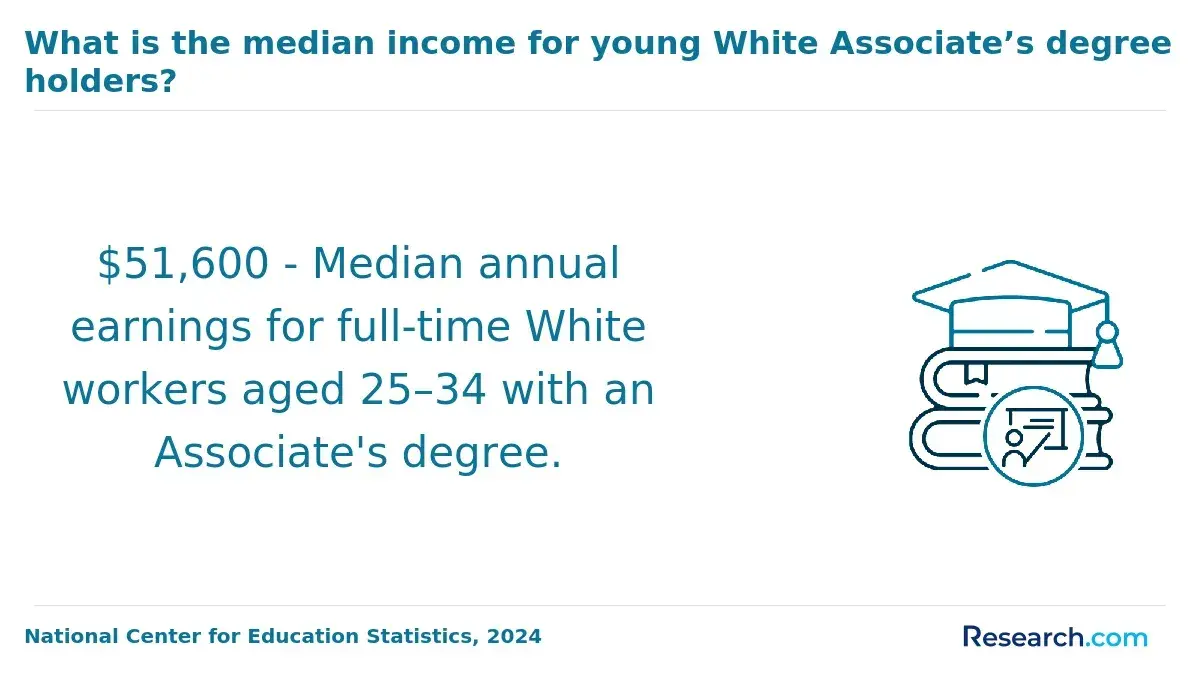
Evaluating the return on investment (ROI) for National University's online BA in Sport Psychology requires weighing the substantial upfront cost against realistic earnings and career outcomes. With an annual total cost near $38,943, including tuition and living expenses, the program demands a significant financial commitment. Graduates enter the workforce with a median starting salary around $67,548, paralleling broader BA in Sport Psychology workforce averages, which suggests stable earning potential but not immediate substantial salary gains relative to cost.
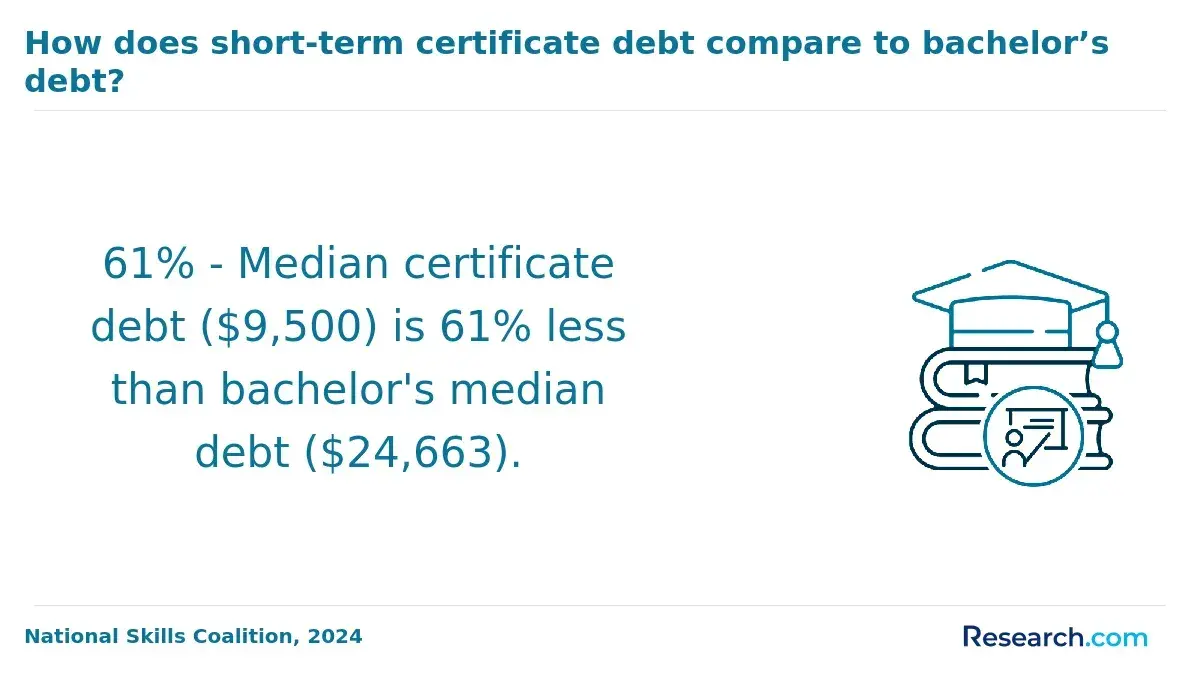
Scholarships and grants can meaningfully shift this balance by reducing debt burden from the reported median of $25,000, which currently yields an earnings-to-debt ratio of about 2.70x. This ratio indicates that typical graduate earnings exceed debt by a fair margin over time but reflect a moderate pace of debt recovery, emphasizing the importance of financial planning for prospective students.
Post-graduation employment quality also affects ROI materially. Graduates securing roles in professional sports teams, collegiate programs, or consulting firms often see income growth over five to ten years, enhancing long-term returns. However, those unable to access these niche opportunities may experience slower financial progress, underscoring the trade-off between program cost and the practical likelihood of landing higher-paying positions in specialized sport psychology fields.
Student satisfaction with National University's online BA in Sport Psychology program often depends on how well learners balance self-discipline with the university's available resources. The program's moderate graduation rate indicates a mixed outcome-students who thrive tend to be those who can independently manage the demands of coursework alongside personal and professional responsibilities. Unlike institutions with robust online peer networks or dedicated mentorship, National University offers limited online-specific community engagement, which may leave some students feeling isolated, particularly if they require structured interaction or collaborative learning environments.
The program's flexibility is a key advantage for students juggling work or family commitments, allowing for more adaptable scheduling than traditional on-campus programs. However, this flexibility comes with tradeoffs: academic support primarily relies on a large but dispersed faculty base rather than targeted online student services. This means students must proactively seek guidance and have the motivation to navigate challenges largely on their own. For applicants, understanding this dynamic is crucial, especially in a field like sport psychology where applied experience and interpersonal skills are vital for employability.
A graduate shared that choosing National University's program was driven by the need to study while maintaining a full-time job. They appreciated the freedom to arrange classes around shift work but noted, "At times, it felt like I was managing everything solo, with limited chances to connect with classmates or mentors who truly understood the online learner's reality." Ultimately, they found satisfaction in completing the degree but stressed that success hinged on strong personal motivation and realistic expectations about the program's support structure.
The role of university-facilitated career services is crucial in the competitive landscape of employment for graduates of an online BA in Sport Psychology. Postsecondary institutions that provide active, targeted support can meaningfully influence hiring outcomes by bridging gaps between employers and candidates with relevant skill sets. More than 70% of recent graduates land jobs through resources connected directly to their schools, such as job portals or alumni networks, underscoring the strategic value of institutional engagement in employment opportunities. National University's career services align with these findings by implementing several key avenues that help its sport psychology graduates enter the workforce sooner and more effectively. A detailed look at these support mechanisms reveals how they operate in practice.
- Virtual Job Fairs: These events connect students with potential employers seeking skills specific to sport psychology, enabling graduates to pursue opportunities before completing their degrees and gain early exposure to career options.
- Resume Workshops: Tailored online sessions help students optimize resumes to industry expectations, emphasizing competencies that are particularly persuasive to hiring managers in the sports and psychology sectors.
- Alumni Mentorship: An active network pairs current students with graduates already working in relevant fields to provide insight into job market navigation, professional networking, and direct referrals.
Integrating career-focused experiences within the academic path leverages National University sport psychology career services to enhance the practical employability of graduates. Considering the increased demand across healthcare and sports organizations for professionals with specialized psychological training, this blend of academic and career resources can be decisive for those weighing the merits of an affordable online degree program option like National University's.
Graduates of National University's online BA in Sport Psychology often enter roles focused on supporting athlete mental health, yet these positions typically come with modest starting salaries compared to more technical or business-related degrees. The average annual income for those with general psychology backgrounds from this institution hovers around $36,571, reflecting the early to mid-career phases in related counseling or mental health support jobs. It is crucial to weigh these financial realities when considering the practical value of the program, especially as advancing within sport psychology frequently requires additional certifications or graduate education.
Employment outlook for National University online BA in sport psychology degree holders points toward roles where foundational knowledge feeds into allied sectors like health services and public administration, which offer somewhat higher wage potential. This context helps clarify the professional tradeoff: the bachelor's degree provides essential groundwork but may necessitate further specialization for more competitive compensation.
Typical career outcomes demonstrate the variety of applicable roles graduates pursue. Below are examples illustrating the common paths and corresponding salary expectations:
- Mental Skills Coach: These professionals work directly with athletes to improve concentration and mental resilience. Average salaries tend to be entry-level, often near the program's average earning range.
- Sports Counselor: Focused on emotional and psychological support, sports counselors assist athletes in managing stress and recovery, usually in institutional or private practice settings, with moderate income prospects.
- Performance Consultant: Acting as intermediaries between athletes and coaching staff, these consultants specialize in optimizing mental preparation and execution, though such roles may require advanced credentials for higher pay.
- Health Services Roles: Graduates sometimes leverage their degree into health services, where salaries can exceed those in pure sport psychology roles, reflecting broader public health applications.
The career opportunities for graduates of National University sport psychology programs reflect a realistic starting point that benefits from strategic upskilling. For those evaluating the program's worth, assessing these employment outcomes alongside further educational commitments is essential. Students may also explore options among self paced online universities to compare program flexibility and outcome alignment.
Determining whether National University's online BA in sport psychology program is the right fit depends heavily on aligning the program's features with your specific academic and career objectives. For example, a student focused on clinical applications of sport psychology might find a program without sufficient mental health course offerings less suitable, which affects long-term employability in healthcare settings. Given that there are multiple factors shaping the value of such programs, prospective students should consider key criteria carefully. Here are some vital considerations when evaluating if this program meets your goals:
- Curriculum Depth and Specialization: Assess if the course offerings align with your intended career focus, whether it's performance enhancement, sports counseling, or research methodology. A narrowly tailored curriculum supports more targeted skill development, which employers increasingly expect.
- Online Delivery Format: Evaluate the program's structure-synchronous versus asynchronous lectures, pacing, and digital tools. Matching these features to your learning preferences and schedule constraints is crucial, especially for balancing studies with work or personal commitments.
- Practical Experience and Networking: Investigate internship opportunities, mentorship availability, and the program's connections within the sport psychology field. Access to these practical elements often translates to better job readiness and professional relationships.
- Accreditation and Faculty Expertise: Confirm that the program maintains recognized accreditation and employs faculty with proven professional and scholarly backgrounds, as these factors influence the quality and credibility of your education.
Reflecting on these points is particularly important when considering the National University online sport psychology program benefits; ultimately, the worthiness of the program is tied to how well it integrates with your career plans. Students who identify as introverts might also want to explore jobs for introverts within sport psychology or related sports sciences, assessing how program elements prepare them for those paths.
What Graduates Say About National University's Online BA in Sport Psychology Program
- Hunter: "Studying at National University gave me the flexibility to juggle part-time work while completing my BA in Sport Psychology, which was critical given my family commitments. The coursework itself emphasized practical skills that employers value, such as developing mental training plans and understanding athletic behavior, but I quickly learned that without advanced licensure, breaking into higher-tier roles was challenging. Still, the program equipped me to enter the workforce faster and secure a remote position as a performance consultant, which fit my lifestyle well."
- Marvin: "National University's BA in Sport Psychology program laid a solid academic foundation, but I found that hiring managers in this field prioritized hands-on experience and certifications more than the degree alone. My decision to pursue internships alongside my studies was crucial and helped me overcome the competitive job market. While salary growth has its limits without a graduate degree or license, the program's comprehensive curriculum definitely helped me pivot into specialized roles within sports organizations and mental health support."
- Jerome: "Reflecting on my time at National University, I appreciate the pragmatic approach of their BA in Sport Psychology curriculum, which prepared me for the realities of the industry. The combination of theoretical knowledge and internship encouragement allowed me to build a portfolio that made me a more appealing candidate. Navigating career advancement was a nuanced process, especially since many employers weigh applied experience as heavily as formal education, but the program ultimately positioned me to adapt and grow steadily within collegiate athletic departments."
Other Things You Should Know About Degrees
Students usually complete about 45 quarter units of general education before upper-division coursework begins. Those lower-division classes typically cover writing, math, social sciences, and natural sciences, then students move into major courses in sport and exercise psychology.
While the curriculum provides a solid theoretical foundation, hands-on practical experience is somewhat limited in the fully online format. Students looking to enter applied roles should proactively seek local internships or volunteer positions in sport psychology settings, as the program does not mandate clinical or field placements. Prospective students who prioritize immersive practical training may need to supplement their education independently.
Employers and graduate programs generally recognize the degree as legitimate, but perceptions can vary depending on the prestige of the institution and the applicant's experience. Candidates with strong academic records and relevant extracurricular engagement may offset any skepticism toward online credentials. Those aiming for competitive graduate programs or advanced clinical roles should plan to demonstrate applied skills and practical experience beyond the online coursework.
National University's online BA in sport psychology may provide foundational knowledge, but it does not directly lead to licensure. Clinical sport psychology often requires advanced degrees and specific licensing. Students should consider this if their path involves clinical practice.
- Online Bachelor’s Degree in Sports Psychology https://www.sportspsychology.org/degree/bachelors/
- NU Career Services https://nu.concerncenter.com/resource/737
- Master's in Sport and Performance Psychology https://www.commonwealthu.edu/academics/programs/sports-performance-psychology-ms
- 15 Best Sports Psychology Degrees, Courses, & Programs https://positivepsychology.com/sports-psychology-degree/
- Return on Investment For an Online Psychology Degree https://www.onlinepsychologydegrees.com/articles/return-on-investment-for-an-online-psychology-degree/
- Career Services https://an.edu/career-services/
- National Student Survey - NSS - Office for Students https://www.officeforstudents.org.uk/for-providers/student-protection-and-choice/national-student-survey-nss/
- How To Become A Sports Psychologist | Psychology.org https://www.psychology.org/careers/sports-psychologist/
- Sports Psychology https://www.brianmac.co.uk/articles/article580.htm
- Master of Science in Sport Psychology, MS https://catalog.ncu.edu/preview_program.php