2027 Cheapest Online Degrees at Michigan State University

Co-Founder and Chief Data Scientist
Finding affordable online degree programs remains a challenge for many students nationwide. Tuition prices vary widely, and with remote enrollment reaching over 40% of all undergraduate students according to recent education reports, cost volatility directly impacts access and completion rates. Students often struggle to pinpoint institutions offering quality programs that fit tight budgets without sacrificing potential career outcomes.
Michigan State University presents an option worth examining for those seeking online degrees with competitive tuition. Understanding its program offerings, fees, and how its credentials align with workforce expectations can clarify whether it meets both financial constraints and professional goals. This article will analyze Michigan State University's online degree affordability and practical value to help guide informed enrollment decisions.
Key Points About the Cheapest Online Degrees at Michigan State University
- The total tuition cost for an online degree at Michigan State University is $34,926, reflecting a mid-range expense compared to similar public institutions. This cost level situates MSU as an investment that requires weighing program outcomes against financial commitment.
- MSU offers several online programs blending affordability with academic rigor, including business, education, and communication fields. These options cater to students seeking specialized credentials without incurring excessive debt.
- A reported earnings to debt ratio of 2.89x indicates that graduates generally experience income improvements sufficient to offset their education expenses, supporting the economic viability of pursuing an online degree at Michigan State University.
Why is Michigan State University emerging as a top choice for cost-effective online education?
Michigan State University emerges as a top choice for cost-effective online education by delivering measurable economic value combined with broad financial support. In a climate where 58% of remote learners nationwide express concern about the direct return on investment from online degrees, Michigan State demonstrates an earnings-to-debt ratio of 2.89x, which means graduates are likely to earn nearly three times their debt load after finishing their program. This metric illustrates the practical advantage for students juggling careful budgeting alongside career aspirations in a crowded market of online options.
Consider a working adult pursuing a degree in business who needs accessible education without incurring overwhelming loan debt. At Michigan State University, such a student benefits from a large and diverse online campus enabling flexible program choices paired with financial aid that reduces the average undergraduate's cost of attendance.
Below are core factors that underpin Michigan State University's prominence in affordable, outcome-focused online education:
- High Financial Aid Availability: 97% of online students receive aid, lowering initial expenses substantially and making degree completion financially feasible for cost-conscious learners.
- Strong Earnings-to-Debt Ratio: Graduates earn nearly three times their educational debt, signaling practical long-term value crucial for students prioritizing debt management and economic stability.
- Diverse Program Catalog: A broad selection of online degrees supports diverse career goals, allowing students to tailor their education without relocating or interrupting employment.
- Alignment with Workforce Demand: Curriculum closely maps to job market realities, enhancing graduates' employability amid growing saturation of remote enrollments nationwide.
One graduate recalled choosing Michigan State University's online program after researching how program graduates fared financially. She noted, "I hesitated at first because of all the online options out there, but the fact that nearly everyone received aid made it less risky. I was able to finish without taking on major loans, which relieved a huge weight when I started looking for jobs. It felt like a practical step rather than just an expense." This experience reflects how affordability combined with solid economic returns sets Michigan State apart in the cost-effective online education landscape.
What is the current base cost of online programs at Michigan State University?
The average total annual cost at Michigan State University, including tuition, fees, and living expenses, is $34,926. In comparison, many public universities offer online programs with lower sticker prices, yet Michigan State's online tuition maintains competitiveness relative to its comprehensive offerings.
Online tuition typically runs around $590 per credit for undergraduate courses and up to $800 per credit for graduate courses. Additional fees such as technology and course materials are modest but should be anticipated. Evaluating these costs is essential when identifying the cheapest online degree programs Michigan State University offers or comparing programs nationally.
A 2024 study shows growing disparities in tuition pricing between on-campus and online education, reflecting institutional efforts to align costs with access and program demand. This trend highlights the importance of analyzing how Michigan State University's pricing fits within broader market strategies rather than simply focusing on base tuition rates.
Prospective students should weigh these prices against career outcomes and employer value perceptions. Not all cost savings through online study guarantee higher return on investment without alignment to labor market demand. Those seeking affordable credentials may explore the cheapest PhD programs online as part of their strategic education decisions.
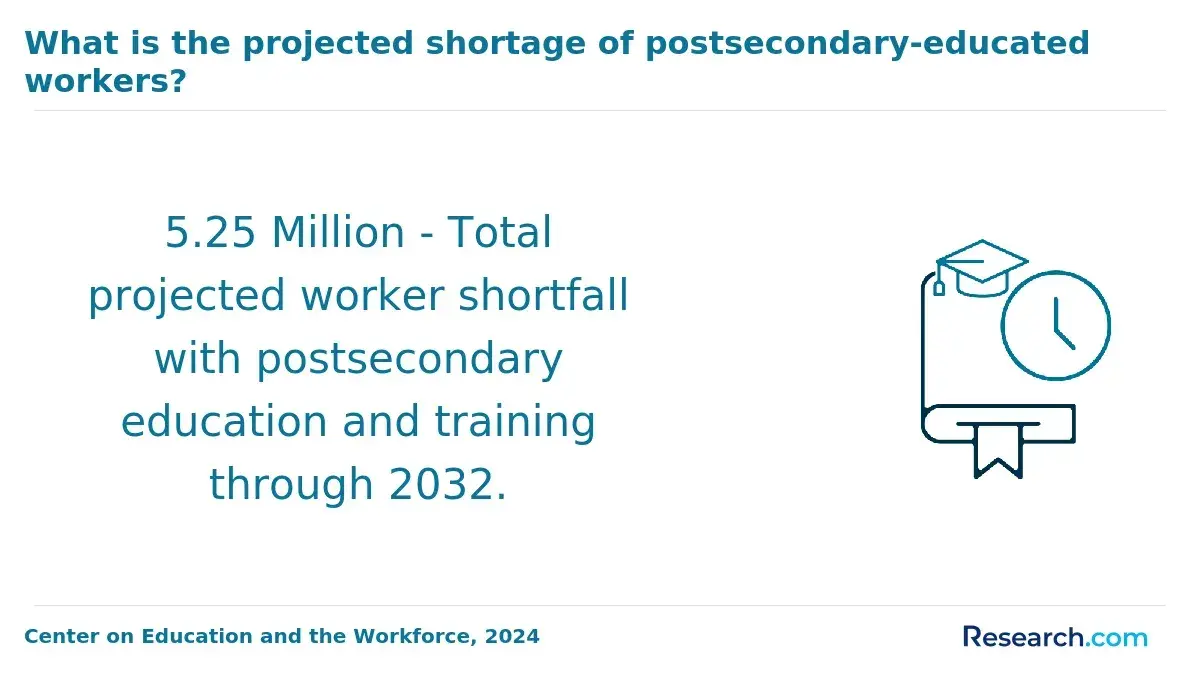
Does Michigan State University offer flat-rate tuition for out-of-state distance learners?
The average out-of-state tuition for distance learners at Michigan State University is considerably higher than in-state rates, often pushing the total non-resident cost of attendance well beyond typical budgets. This financial gap affects access for many prospective students living outside Michigan's borders.
Unlike some institutions that offer flat-rate or regional tuition waivers to reduce expenses, Michigan State University applies standard residency-based pricing. These costs do not fluctuate based on state agreements or digital reciprocity, which limits financial relief for out-of-state learners who might otherwise benefit from cross-state tuition equalization.
Nationally, only about 15% of public universities provide flat-rate tuition regardless of residency, according to a 2024 study. This emerging but uncommon trend highlights how Michigan State University's model reflects the current norm rather than a progressive cost-equalizing approach in online education.
Students comparing out-of-state premiums should note that Michigan State's rates are consistent with typical practices nationwide but offer fewer opportunities for savings. This reality intensifies the importance of evaluating program value relative to total cost, especially when long-term career outcomes and debt levels are considered.
Which online bachelor's degrees at Michigan State University offer the lowest total tuition?
Lower total tuition costs at Michigan State University reflect targeted affordability for students opting for online bachelor's degrees, particularly in fields that balance educational expense with career relevance. For individuals managing tight budgets, such as a working parent seeking to enter education without incurring excess debt, choosing an economical online degree can reduce financial strain and support timely completion. The following degrees stand out for their reasonable per-credit tuition and practical curriculum design.
- Interdisciplinary Social Science: At $520 per credit, this program integrates multiple social science disciplines using open educational resources to cut costs. The curriculum format emphasizes online discussions and projects, making it accessible for those balancing employment. Its affordability and flexible format make it ideal for students seeking reduced overall out-of-pocket investment.
- Communications: Priced at $540 per credit, Communications at MSU uses a blend of asynchronous lectures and interactive digital tools. The program utilizes low-cost digital texts, helping to offset traditional textbook expenses. This degree suits students aiming for effective communication skills in affordable, well-structured online courses.
- Elementary Education: At $560 per credit, this track includes state-aligned teacher preparation with an emphasis on virtual role-plays and field experiences. The use of digital materials and OER contributes to lower ancillary costs. This degree benefits those focused on education careers wanting to minimize debt while meeting certification requirements.
- Hospitality Business: With tuition at $590 per credit, this program offers online modules reflecting industry needs and incorporates case studies and simulations. Reduced reliance on expensive textbooks further lowers expenses. It appeals to students targeting cost-effective business education suited for hospitality management roles.
- Computer Science: At $600 per credit, this program is the highest priced among the lowest-cost options but remains competitive nationally. It combines coding labs with practical projects delivered fully online. While pricier, it remains a strategic choice for students balancing technical skill acquisition and manageable tuition expense.
Nationally, undergraduate remote enrollment accounts for nearly 40% of students, illustrating the growing preference for online education formats. Humanities degrees typically carry 15% lower tuition than technical fields, like computer science, a pattern consistent with Michigan State University's pricing strategy. Such disparity matters as debt-to-income ratios below 1.0 significantly improve graduates' financial sustainability. Social science and education degrees at MSU align with this target, representing pragmatic options for cost-conscious students.
Prospective enrollees should not only consider the cheapest online bachelor's degrees at Michigan State University based on tuition alone. The balance between low cost and career market relevance must guide decisions. For those prioritizing affordability enhanced by easiest online degrees, programs utilizing open educational resources in social sciences and education stand out for decreasing total cost without compromising educational quality.
What are the most affordable online master's degree programs at Michigan State University?
Michigan State University presents some of the cheapest online master's degree programs among public research universities, particularly when viewed through a cost-efficiency lens that factors in tuition, hidden fees, and program delivery. Unlike institutions that require costly on-campus residencies, MSU's online master's degrees often eliminate travel expenses, making them practical for working professionals. For those weighing options between in-person and online credentials, the savings in travel and lodging can notably improve the total cost of attendance. Below are examples of affordable degree programs that balance tuition pricing, fully or primarily online coursework, and prospects for enhancing salary trajectories without excessive debt.
- Community Sustainability: This program's tuition is about $737 per credit hour, below MSU's graduate average, and is structured to be completed fully online. It minimizes ancillary costs by avoiding mandatory campus visits, enabling sustainability professionals to deepen expertise while maintaining current employment and accelerating salary potential in environmental sectors.
- Educational Technology: Designed for educators and instructional designers, this degree delivers content mostly online with limited or optional residencies. Its low per-credit tuition supports accessible upskilling focused on digital learning, which is a growth area in education technology, helping graduates secure roles with improving wages.
- Social Work: Offering a mostly virtual curriculum, this program reduces the typical financial burdens tied to travel and lodging. It targets working social service professionals seeking advanced credentials to qualify for leadership positions with better compensation, benefiting from MSU's cost-conscious tuition structure.
- Public Policy: Geared towards public sector careers, the program emphasizes accessibility through predominantly online coursework at the same competitive $737 per credit rate. Graduates leverage the degree for roles requiring policy expertise with upward salary movement balanced against manageable education debt.
- Agricultural Economics: This degree supports agricultural professionals seeking business acumen without interrupting their careers. Its low tuition and mostly online classes reduce the financial and time investment barriers common to master's programs, enhancing long-term earning prospects in rural and agribusiness markets.
Many of these cheap online graduate degrees at Michigan State University do not impose time-intensive on-campus residencies, an important factor for distant or working adults. Though material fees align with standard policy, students should anticipate potential costs for digital textbooks or software related to specialized training. A 2024 national analysis highlights a median income increase of roughly 30% for advanced degree holders compared to bachelor's graduates, underscoring the practical payoff of affordable graduate programs like these where debt is minimized and residency demands are low.
This dynamic is essential for prospective students calculating the net return on investment of MSU's offerings relative to other institutions. Students considering which degree path to follow may also find value in exploring related associates degree options that can complement or precede graduate work in cost-effective ways.
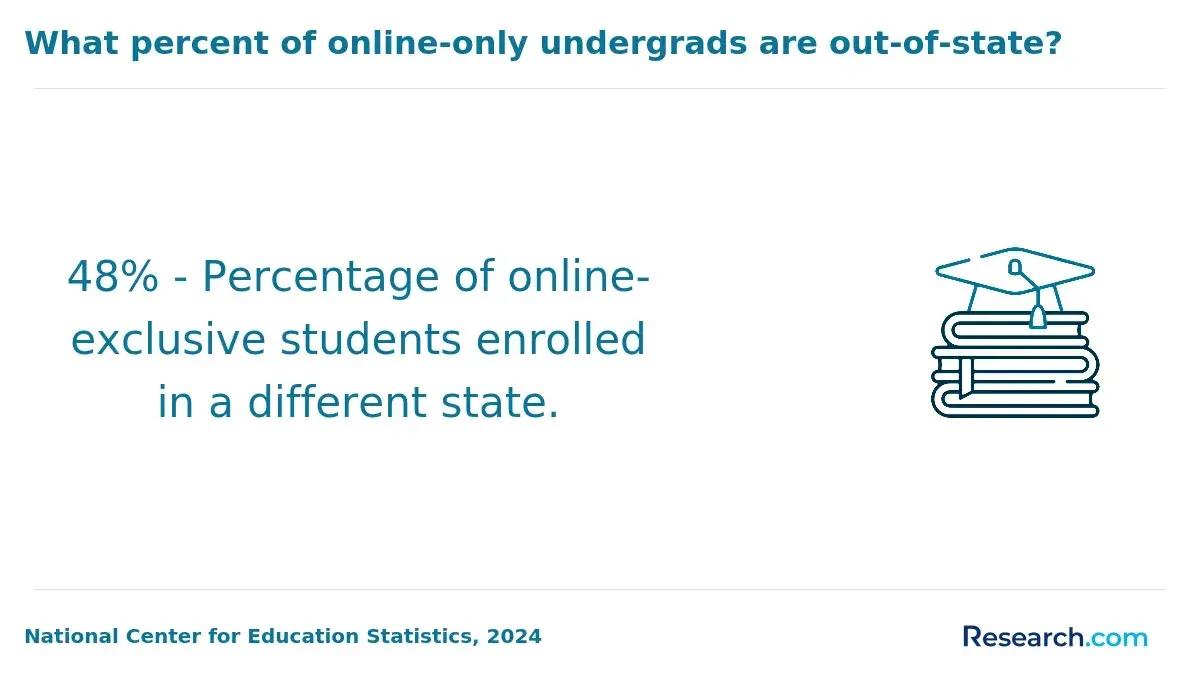
Are digital course materials at Michigan State University expensive?
Online students must budget for digital course materials and supplies separate from tuition. At Michigan State University, these costs average around $1,420, which aligns with national figures estimating $1,350 annually for digital learning resources. This expense can notably affect students in STEM and health-related programs where multiple specialized platforms are required simultaneously. When planning finances, students should consider specific course material fees in addition to base tuition. The following are key digital resources commonly used at Michigan State University and their typical impacts on student costs:
- WileyPLUS: An interactive textbook platform that supports active learning through quizzes and assignments. It is essential for courses needing integrated practice but costs about $60 to $150 per course, adding to overall expenses.
- MindTap: Personalized learning software that adapts to student progress and provides multimedia content. Common in social sciences and business classes, it costs within the $60 to $150 range per course.
- Labster Virtual Labs: Virtual science labs that simulate real experiments for biology, chemistry, and related fields. Especially critical for remote STEM students, costs typically fall between $100 and $150 each semester.
- McGraw-Hill Connect: Digital homework and study management tool, widely used for courses requiring frequent assessments. Expenses usually reach $100 or more, depending on course requirements.
Does Michigan State University offer accelerated term options for online students?
Michigan State University follows a traditional semester calendar for online degrees, typically requiring the standard two-semester academic year to complete courses. Unlike institutions offering 5-week or 7-week accelerated terms, Michigan State lacks condensed sessions that accelerate program completion for online students.
This setup means tuition is calculated on a per-credit or per-semester basis. While finishing courses quickly might reduce living and opportunity costs, it does not reduce the tuition directly. Students cannot bypass fees tied to extra semesters since accelerated terms are unavailable, limiting potential savings through faster degree progression.
Many schools adopting accelerated academic tracks report up to a 20% improvement in time-to-degree and retention, according to a 2024 study on higher education trends. Michigan State's absence of such options offers less scheduling flexibility for working adults who need faster credentialing to stay competitive in the job market or adapt to employer demands.
Students balancing work and family may find that other universities' fast-track options better suit their timelines and budgets. Without these, Michigan StateOnline learners must rely on standard pacing, affecting long-term cost efficiency and the pace at which they can enter or advance within their careers.
Can online students Michigan State University transfer credits to reduce tuition costs?
Michigan State University accepts up to 64 transfer credits toward its fully online bachelor's degrees, which can immediately lower tuition by reducing the 120-credit requirement. This flexibility translates into notable savings on the approximately $34,926 tuition, making the cost barrier less daunting for many transfer students.
Actual tuition savings vary because MSU's articulation agreements with regional schools are limited and inconsistent. Transfer eligibility often hinges on accreditation status and course compatibility. Additionally, Prior Learning Assessments and military training evaluations provide alternative credit routes, but outcomes differ greatly per individual case and prior experience.
National trends show that institutions with clear, flexible transfer systems boost enrollment and degree completion by up to 15%, reflecting the value of effective transfer policies in affordability and education continuity. For Michigan State University, prospective online learners should scrutinize credit evaluations closely to maximize cost benefits.
Transfer credits recognized by MSU include those recommended by ACE and earned via CLEP or DSST exams, emphasizing the importance of standardized credit recognition over non-accredited coursework to ensure acceptance and mitigate lost time and expense.
Jake, an online business student, recalled hesitating before submitting credits from a community college. "I worried some courses wouldn't transfer and might mean paying full tuition again," he said. After MSU's team thoroughly evaluated his transcripts and military service credits, he reduced his required courses significantly. The financial relief freed him from taking extra loans and confirmed the practical advantage of MSU's flexible transfer policies.
What financial aid options are available to online students at Michigan State University?
Financial aid options at Michigan State University significantly impact the affordability of their online degrees by reducing out-of-pocket costs for students. More than 97% of undergraduates receive aid, with an average award of $9,950, making these programs critical for learners balancing education with work and family. Students should assess eligibility criteria carefully, as the cost savings differ across awards and may influence their program choice and career investment.
Considering that the average US borrower graduates with over $30,000 in debt and that national trends show more than 70% of students rely on scholarships or grants to limit borrowing, MSU's aid programs are a vital resource for online learners. The following highlights key financial aid options available to online students at Michigan State University.
- Spartan Scholarship: Targets online students demonstrating academic excellence. It can cover a significant portion of tuition, providing substantial financial relief for high-achieving undergraduates.
- MSU Online Completion Grant: Designed for students returning to finish their degree. Offers funding up to $3,000 to help reduce tuition costs and ease the financial burden for adult learners.
- Michigan Tuition Grant: Reserved for in-state students with demonstrated financial need. This grant offsets tuition expenses to make online education more accessible to Michigan residents.
- Graduate School Fellowship: Provides partial merit-based funding for graduate-level online students. This fellowship supports students pursuing advanced degrees by helping cover tuition costs.
- Veterans Grant: Offers financial incentives to military-affiliated learners. This grant reduces costs significantly, helping veterans transition back into civilian careers through education.
Online students at Michigan State University can leverage these funding options alongside other resources to manage expenses strategically. Accessing aid effectively improves long-term financial health and employability outcomes by mitigating student debt. For those exploring affordable pathways, it is useful to compare program costs and aid availability with projected career returns before committing. Additionally, prospective students interested in open-enrollment programs may find value by reviewing online colleges with open enrollment and no application fee, broadening options for accessible, flexible education choices.
How do you know if the affordable online programs at Michigan State University are worth it?
Evaluating whether the affordable online degree programs at Michigan State University are worth it depends on understanding core outcome metrics and their alignment with specific career goals. A practical scenario involves comparing graduates in Computer and Information Sciences, who earn a median of $76,292 annually, against those in Natural Resources Conservation and Research, with a median of $27,553. This stark difference illustrates the necessity of weighing economic return as much as cost. Navigating this balance requires focusing on data-driven indicators reflecting value and long-term worth. Below are key criteria to assess Michigan State University's online offerings:
- Graduation Rate: MSU reports an 82% graduation rate, suggesting strong program completion likelihood. Higher completion can reduce wasted tuition and accelerate entry into the workforce.
- Salary Outcomes: Median alumni salary is $67,253 but varies widely by field. Prospective students should prioritize disciplines with proven salary advantages aligned with market demand, such as engineering and computing.
- Debt-to-Income Ratios: Many graduates nationwide struggle with high debt-to-income ratios that hinder financial stability. Evaluating tuition costs alongside expected income post-graduation is essential for a sustainable investment.
- Program Accreditation and Specialization: A degree's accreditation and focus affect employer recognition. MSU's accredited programs with recognized specializations offer clearer pathways into in-demand roles.
- Labor Market Alignment: Employers increasingly seek technical competence and specialized skills. MSU's online degree programs reflect this trend better in STEM fields versus humanities, impacting employability.
- Flexibility and Practical Relevance: Online format flexibility and curriculum practicality influence completion and career readiness. MSU's offerings balance these factors but require analysis based on personal circumstances.
- Career Trajectory: Return on investment depends on realistic career growth possibilities post-degree. Choosing programs with long-term workforce adaptability maximizes educational value.
MSU's affordable online degree programs offer varied value depending on the discipline and student goals. For seniors or others exploring remote options, resources like online degree programs for seniors shed light on suitable pathways. Considering these factors helps prospective students navigate the true worth of an online degree from Michigan State University.
What Graduates Say About the Cheapest Online Degrees at Michigan State University
- Diego: "Choosing an online program at Michigan State University was a strategic decision for me, especially when weighing the upfront costs against long-term benefits. The affordability was definitely a factor, but I also had to navigate some unexpected technology fees that weren't clear at first glance, which complicated the financial picture. Still, avoiding expenses like housing and daily commuting gave me real relief, and the flexibility of the program allowed me to balance work and study, ultimately accelerating my entry into a project management role in the tech sector."
- Zain: "My experience with Michigan State University's online degree was fairly pragmatic-I appreciated how the program's cost competitiveness stacked up against other universities, though it wasn't the cheapest once you factored in additional digital platform fees. However, the convenience of accessing coursework at my own pace without commuting made a tangible difference, particularly since I maintained a part-time job throughout my study. After graduation, I found that the degree's reputation opened doors, but the real-world application of what I learned was what helped me climb into a mid-level marketing analyst position."
- Arjun: "When I picked Michigan State University's online program, I was drawn by the balance between cost and curriculum depth, but I remained cautious about how "cheap" it really was after hidden fees. Thankfully, not having to uproot my life for on-campus living saved me thousands of dollars, and that financial breathing room was crucial. The degree gave me solid credentials and the flexibility to keep working, which sped up my transition into software development. Still, I'd recommend prospective students calculate total expenses carefully and weigh them against their professional goals before deciding."
Other Things You Should Know About Michigan State University Degrees
The cheapest online programs at Michigan State University generally offer asynchronous coursework, allowing students to complete assignments at their own pace within set deadlines. However, some courses include required live sessions or timed exams, which can limit flexibility for working students or those with complex schedules. Prospective students should review individual course formats carefully and prioritize programs with minimal synchronous requirements to balance study with other commitments effectively.
Michigan State University does not distinguish between its online and on-campus degrees on diplomas, which helps maintain employer recognition. Still, some employers may undervalue fully online credentials depending on industry norms or lack of direct networking opportunities. Given this, applicants in competitive fields should consider supplementing their degree with internships or certifications that enhance practical experience and demonstrate skills beyond the degree itself.
The workload in the most affordable online degrees at Michigan State University is designed to match the rigor of on-campus equivalents, meaning students often face consistent reading, writing, and project demands. Despite the online format, the lack of immediate peer or instructor interaction can require stronger self-motivation and time management. Students who struggle to stay organized in remote learning environments may find the workload overwhelming without additional support or discipline.
References
- Difference Between University of Michigan and Michigan State? https://empowerly.com/faq/difference-between-university-of-michigan-and-michigan-state/
- Michigan State Tuition and Financial Aid https://www.prepscholar.com/sat/s/colleges/Michigan-State-tuition-financial-aid
- MSU | Online Degrees and Certificates https://explore.michiganstateuniversityonline.com/
- About Michigan State University Online https://www.michiganstateuniversityonline.com/about/
- Opinion: MSU’s last-minute switch to remote frustrates students like me https://www.detroitnews.com/story/opinion/2020/08/25/opinion-msu-remote-classes-last-minute-covid-19-reopening/3430259001/
- Michigan State University https://www.collegemagazine.com/colleges/michigan-state-university/
- Michigan State University (MSU) https://www.princetonreview.com/college/michigan-state-university-1022671
- Accelerated Online Learning - MSU Denver https://www.msudenver.edu/online/accelerated-online-learning/