2027 Is Johns Hopkins University's Online MS in Biotechnology - Molecular Targets and Drug Discovery Technologies Worth It? What Students Should Know

Co-Founder and Chief Data Scientist
Facing a surge in demand for specialized biotech skills, prospective students must weigh how an online MS in Biotechnology - Molecular Targets and Drug Discovery Technologies fits their career trajectory and learning preferences. With the labor market for biotechnology roles expected to grow significantly, according to the U. S. Bureau of Labor Statistics, flexible access to advanced training becomes crucial for working professionals and career changers.
Yet, online programs vary widely in rigor, industry alignment, and networking opportunities, which can impact long-term employability. This article examines whether pursuing this specific program at Johns Hopkins University aligns with students' goals and practical constraints, helping clarify its actual value in today's competitive biotech landscape.
Key Points About Johns Hopkins University's Online MS in Biotechnology - Molecular Targets and Drug Discovery Technologies Program
- Johns Hopkins University's program accepts only 8% of applicants, indicating intense competition that may delay admission for many qualified candidates despite the program's prestige.
- The total tuition cost is $80,778, balanced by an earnings to debt ratio of 8.54x, suggesting the investment can yield strong financial returns over a graduate's career.
- Alumni hold positions at leading biotech firms, showing strong employer recognition and signaling that completion improves access to influential roles in the sector.
What makes Johns Hopkins University's online MS in Biotechnology - Molecular Targets and Drug Discovery Technologies program stand out?
Choosing an online MS in Biotechnology - Molecular Targets and Drug Discovery Technologies at Johns Hopkins University involves weighing specialization against flexibility. For professionals already working in biomedical fields, the program's focus on molecular targets and drug discovery provides targeted, industry-relevant skills, which can significantly enhance practical competencies sought by pharmaceutical and research employers. Conversely, students without prior experience might find the rigorous subject matter demanding but will benefit from a curriculum aligned with current industry trends rather than generic biotechnology topics.
The program's delivery format accommodates diverse needs by combining synchronous and asynchronous elements, allowing working professionals to maintain employment while studying. Johns Hopkins University's extensive faculty-1,646 members according to Peterson's data-and robust resources such as virtual labs and digital libraries provide critical academic support, which is vital given the 95% graduation rate reflecting strong student retention. This blend of specialization, institutional support, and flexible learning makes the program stand out among online biotechnology degrees focused on practical outcomes in drug discovery and molecular research.
Is it difficult to get admitted to Johns Hopkins University's online MS in Biotechnology - Molecular Targets and Drug Discovery Technologies program?
Admission to an MS in Biotechnology - Molecular Targets and Drug Discovery Technologies program is generally competitive, given the interdisciplinary expertise required and the specialized focus on cutting-edge biotech sectors. Applicants often face significant scrutiny, as programs seek candidates with strong academic foundations and relevant scientific skills. This inherent competition reflects the high demand for roles involving molecular drug research and development within pharmaceutical and biotech industries.
Johns Hopkins University intensifies this challenge with an acceptance rate around 8%, making it one of the more selective options among its peers. With nearly 39,000 applicants vying for fewer than 3,000 seats, candidates must present outstanding academic metrics, including verbal SAT scores between 750 and 780, math scores from 780 to 800, or ACT results of 34 to 36. This stringent screening ensures admission of candidates well-prepared for the demanding curriculum and research expectations inherent in molecular biotechnology.
One graduate shared that their application process was marked by a delicate balance of timing and preparation. "I submitted my materials just before the deadline, but I worried that my GRE scores arrived late," they recalled. "Waiting weeks for the decision, I second-guessed not applying earlier or choosing a less competitive program." Their experience highlights the strategic planning and persistence necessary for applicants targeting highly selective online biotechnology degrees, where delays or small missteps can add uncertainty to an already difficult admissions process.
How does the curriculum of Johns Hopkins University's online MS in Biotechnology - Molecular Targets and Drug Discovery Technologies program stay aligned with current industry trends?
Curriculum relevance in biotechnology graduate programs significantly impacts graduates' employability and practical readiness, particularly within molecular targets and drug discovery sectors that evolve rapidly. Johns Hopkins University's online MS in Biotechnology - Molecular Targets and Drug Discovery Technologies program aligns closely with industry expectations, balancing rigorous foundational science with emerging technological applications. This alignment addresses a common tradeoff where some programs emphasize theory at the expense of hands-on skills sought by employers. The following points illustrate key curriculum elements that maintain this link:
- Industry-driven course content: The curriculum integrates molecular biology, pharmacology, and computational drug discovery methods tailored to current research imperatives, ensuring students understand both theoretical frameworks and their application to real-world biotech challenges such as biomarker identification and drug target validation.
- Practical skill development: The program's combination of virtual lab simulations and optional on-site experiences equips students with hands-on approaches to molecular assay development, addressing a critical employer demand for candidates experienced in laboratory techniques as well as bioinformatics tools.
- Emerging technology focus: Emphasizing personalized medicine and advanced screening technologies prepares students for roles in R&D and regulatory affairs where interdisciplinary analytical capabilities are needed, reflecting ongoing shifts in therapeutic development.
Graduates from this program typically possess competencies that correspond with hiring trends in biotechnology firms and healthcare research institutions, making the degree relevant for students prioritizing immediate workforce applicability. However, prospective students should weigh the practical lab exposure available online against programs offering more extensive in-person internships.
For those assessing cost-effectiveness and program accessibility alongside industry alignment, exploring the cheapest online colleges can provide additional context on alternatives. Overall, the curriculum's conscious alignment with current biotech industry trends supports graduates aiming to enter specialized molecular targets and drug discovery fields with competitive, practice-oriented qualifications.
How much does Johns Hopkins University's online MS in Biotechnology - Molecular Targets and Drug Discovery Technologies program cost?
The tuition and fees for Johns Hopkins University's online MS in Biotechnology - Molecular Targets and Drug Discovery Technologies program total approximately $63,340 annually, with overall costs reaching about $80,778 once books, supplies, and living expenses are factored in. This pricing reflects the specialized curriculum and research intensity of the program but represents a significant upfront investment. Unlike many institutions offering differential pricing for online versus in-person students, Johns Hopkins applies a uniform tuition rate without in-state discounts, which impacts affordability for remote learners.
Your financial aid options can meaningfully influence net cost, with about two-thirds of undergraduates receiving aid averaging over $54,000 annually. Although graduate online students may experience different benefit levels, institutional scholarships and corporate tuition reimbursement partnerships may moderate expenses for working professionals balancing education with employment. These factors are crucial when evaluating how much the online MS in Biotechnology - Molecular Targets and Drug Discovery Technologies tuition fees translate into actual out-of-pocket costs and long-term return on investment.
When compared with similar programs nationwide, Johns Hopkins' tuition and fees are generally higher, echoing its established research reputation and program focus on molecular targets and drug discovery technologies. Many other biotechnology master's programs with comparable career pathways tend to have lower price points, which may be a consideration for applicants weighing financial tradeoffs. Prospective students should balance these costs against career outcomes, as institutions with strong industry connections can accelerate employment opportunities despite the premium tuition.
For those assessing alternative pathways, exploring options such as online associate degree programs might provide more affordable entry points into biotech-related fields. The choice to invest in this online MS degree at Johns Hopkins hinges on assessing cost against specialized training and employer expectations within biotechnology's competitive landscape.
What are the admission requirements for Johns Hopkins University's online MS in Biotechnology - Molecular Targets and Drug Discovery Technologies program?
Admission to the Johns Hopkins University online MS in Biotechnology - Molecular Targets and Drug Discovery Technologies program demands more than basic credentials, as it signals candidates must prove strong academic readiness aligned with the competitive nature of biotech fields. Candidates unfamiliar with the competitive standards may underestimate the necessity of standardized test scores and formal documentation, which can affect transfer credit acceptance and readiness for advanced coursework. Below are key admission factors applicants must navigate to assess fit and prepare accordingly.
- Academic Records: Applicants must provide evidence of high school completion or equivalent, including transcripts reflecting GPA and a college-preparatory curriculum when available, underpinning foundational knowledge expected at the graduate level.
- Standardized Testing: Achieving competitive SAT scores, particularly 750-780 verbal and 780-800 math, or ACT equivalents, serves as a benchmark for academic abilities, influencing admission decisions and signaling preparedness for rigorous content.
- English Proficiency: Non-native English speakers must submit TOEFL scores to validate language skills critical for effective participation in technical coursework and professional communication.
- Transfer Credit Policy: Transfer students should anticipate that only certain credits, primarily from prior college coursework and AP credits, are accepted; experiential or dual credits are generally excluded, affecting program duration and cost.
- Supplemental Materials: Letters of recommendation, personal statements, and professional resumes are integral to contextualizing academic records and demonstrating relevant background, which can influence employer and faculty perceptions post-graduation.
What is the ROI of attending Johns Hopkins University's online MS in Biotechnology - Molecular Targets and Drug Discovery Technologies program?
Investing close to $81,000 annually in the Johns Hopkins University online MS in Biotechnology - Molecular Targets and Drug Discovery Technologies reflects a substantial financial commitment that must be weighed against realistic earning potential and career trajectories. Graduates report a median starting salary of approximately $87,555, aligning with stable median earnings even a decade post-graduation. This suggests that while upfront costs are high, the program offers sustained income potential compared to many industry peers.
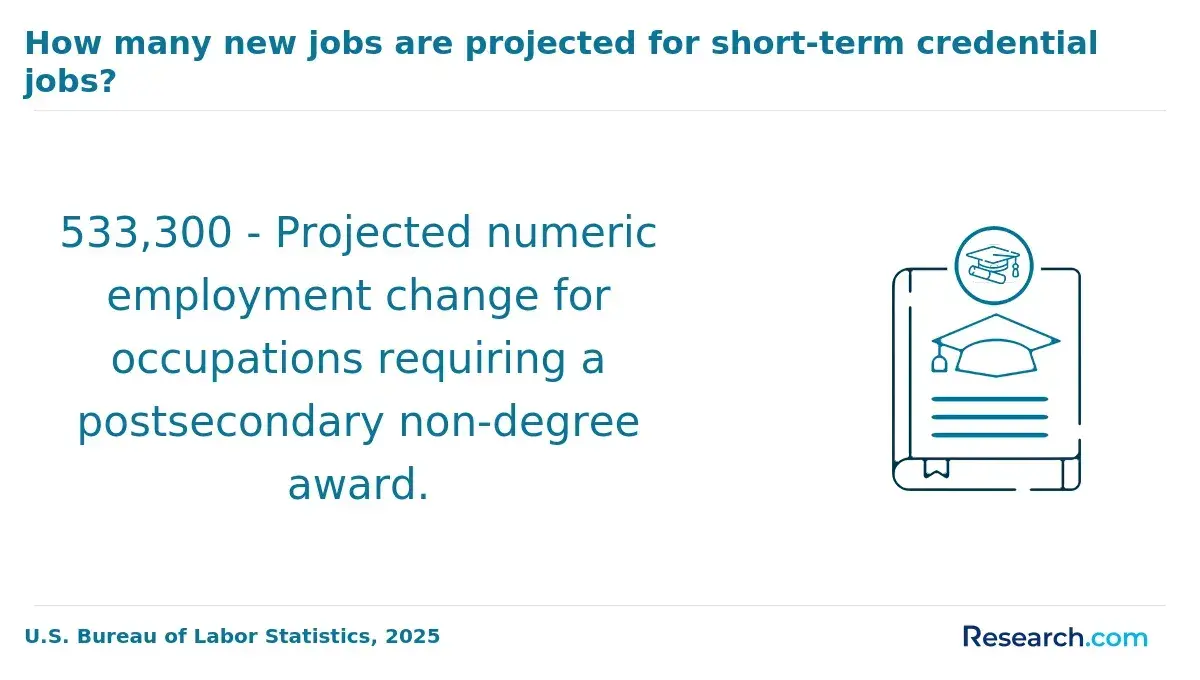
However, the value proposition depends heavily on individual financial circumstances. Those able to secure scholarships, grants, or employer tuition assistance will see a markedly improved return on investment. Conversely, accumulating around $10,250 in graduate debt with high tuition costs may pose challenges without solid employment outcomes. The graduate earnings-to-debt ratio of 8.54x signals a favorable balance overall but may vary in practical terms based on job market fluctuations and regional salary differences in biotechnology and drug discovery sectors.
Professionals entering government agencies, major pharmaceutical companies, or research institutions tend to experience salary growth five to ten years into their careers, supporting long-term ROI. Nonetheless, applicants should consider that early-career salary stability might not fully offset living costs during the program, and success often hinges on leveraging this specialized degree in competitive STEM job markets.
Is there a high student satisfaction for Johns Hopkins University's online MS in Biotechnology - Molecular Targets and Drug Discovery Technologies program?
Student satisfaction in Johns Hopkins University's online MS in Biotechnology - Molecular Targets and Drug Discovery Technologies often hinges on how well institutional resources offset the program's rigorous demands. High graduation rates point to effective academic support, but balancing intense coursework with professional or personal responsibilities remains a real challenge for many. Employers in biotech sectors typically expect graduates to navigate complex content under tight deadlines, so the program's emphasis on time management and faculty accessibility plays a critical role in shaping the student experience and future workplace preparedness.
The university's large faculty pool and robust mentorship options contribute meaningfully to a supportive learning environment, which is not always guaranteed in online STEM programs. Student-driven groups and remote engagement initiatives foster a community that helps reduce the isolation often felt in virtual settings. However, the program's intensity requires students to proactively manage their schedules, which can influence overall satisfaction-particularly for those balancing full-time employment or caregiving duties alongside their studies.
One graduate recalled initially hesitating to enroll due to concerns about juggling work and coursework. They found the program's flexibility invaluable but noted that success depended heavily on staying organized and seeking faculty help early. Despite moments of overwhelm, consistent peer interaction and targeted academic support made the experience rewarding, affirming that satisfaction here largely depends on individual commitment coupled with the program's structural supports.
How does Johns Hopkins University help online MS in Biotechnology - Molecular Targets and Drug Discovery Technologies graduates secure employment?
Employment outcomes for graduates of Johns Hopkins University's online MS in Biotechnology - Molecular Targets and Drug Discovery Technologies program are closely influenced by the institution's active role in career facilitation. This is more than a matter of degree prestige-schools providing targeted career support consistently improve graduate employability, with data showing candidates from programs with strong alumni networks are 25% more likely to be employed within six months. These tangible connections, combined with digital engagement and institutional resources, create a significant advantage for students navigating the biotechnology job market.
The university's approach to career support for Johns Hopkins University biotechnology graduates addresses common barriers in STEM hiring by creating pathways that often begin prior to degree completion. Consider these key job placement services for online MS in Biotechnology - Molecular Targets and Drug Discovery Technologies alumni:
- Virtual Career Fairs: Live online events connect students with biotechnology and pharmaceutical employers, providing direct access to hiring managers and internship opportunities that may lead to full-time positions.
- Resume Workshops: Focused sessions help graduates tailor application materials to industry standards, increasing interview callbacks through professional feedback and targeted revisions.
- Job Placement Portal: A specialized platform aggregates openings specifically relevant to the program's focus, helping students identify roles aligned with their expertise and career interests.
- Alumni Mentorship Network: Experienced professionals offer guidance and often referrals, bridging the gap between academic credentials and workforce realities.
Such concerted career support demonstrates why program selection can critically affect a graduate's ability to translate an advanced credential into meaningful employment. Those evaluating whether to pursue an advanced biotechnology degree may also review affordability and outcomes by comparing options through resources like the affordable online masters listings, helping balance educational investment with employment prospects.
What are the career outcomes for recent graduates of Johns Hopkins University's online MS in Biotechnology - Molecular Targets and Drug Discovery Technologies?
Career outcomes for graduates of the Johns Hopkins University online MS in Biotechnology - Molecular Targets and Drug Discovery Technologies program often reflect entry-level roles within competitive sectors such as biotech and pharmaceuticals, where practical lab skills and regulatory understanding are critical. Early salaries tend to align with related fields like biomedical engineering and general biology, which provide a benchmark for the initial earning potential. The program's focus on molecular targets means students enter positions requiring expertise in experimental design, biological data analysis, and drug candidate development, which, with experience, can lead to more advanced and better compensated roles.
For many prospective students, grasping these outcomes aids in assessing opportunity costs and the balance between specialized training and broader industry demand-in particular, the tradeoff between moderate starting salaries and long-term advancement possibilities tied to niche expertise. Those exploring job placement rates for Johns Hopkins University biotechnology graduates should consider that the network and reputation facilitate access to R&D roles that may not produce immediate high wages but can evolve into lucrative careers with sustained experience and skills growth. Below is an overview of typical career paths:
- Research Scientist: Professionals investigate molecular mechanisms to inform drug discovery, typically involved in experimental setups and data interpretation in lab environments. Salaries frequently begin in the lower $30,000 range but grow with specialization.
- Bioprocess Engineer: This role manages the design and scale-up of processes for producing biological products, combining engineering principles and biotech knowledge. Average pay situates near biomedical engineering benchmarks, around mid-$30,000 initially.
- Clinical Research Associate: These associates oversee clinical trials ensuring compliance with protocols and regulatory standards, an essential component in drug development. Compensation may start modestly but benefits from regulatory expertise.
- Molecular Biologist: Specialists analyze genetic material and protein interactions to support drug target identification. Early salaries resemble those in general biology but increase with cutting-edge methodological skills.
Given these realistic career outcomes, evaluating the program's worth involves weighing its specialized training against the moderate starting salaries common in biosciences. For learners balancing career goals and financial investment, understanding these tradeoffs is critical. Those seeking detailed educational options and flexible formats might explore a variety of offerings rated among best online self paced colleges to complement or extend their expertise across intersecting domains.
How do I know if Johns Hopkins University's online MS in Biotechnology - Molecular Targets and Drug Discovery Technologies program is the right fit for my goals?
Deciding if Johns Hopkins University's online MS in Biotechnology - Molecular Targets and Drug Discovery Technologies program is the right fit for your goals requires weighing several practical factors that extend beyond institutional reputation. The value of such a specialized degree depends heavily on how well it matches your specific academic aims and professional trajectory, especially in biotech sectors where hiring preferences and role expectations vary. Tradeoffs between depth of technical content and flexible delivery formats can influence both immediate learning effectiveness and long-term applicability in research or industry positions. Below are key criteria to evaluate before committing to this degree path.
- Curriculum Alignment: Confirm that the program's course content concentrates on molecular targets and drug discovery technologies relevant to your career goals. This is critical for roles in pharmaceutical development or biotech research that require specialized expertise rather than generalist knowledge.
- Flexibility and Delivery Format: Assess how well the online schedule fits your personal circumstances. Determine if asynchronous lectures, live sessions, or a hybrid model supports your ability to absorb complex scientific material while balancing work or other responsibilities.
- Faculty Expertise and Industry Connections: Investigate faculty research areas and their ties to biotech industries. Professors actively engaged in current research or linked to companies can provide valuable networking opportunities that impact internships and job placements.
- Career Support Services: Evaluate the availability and strength of online career services like job placement assistance, resume workshops, and alumni networks focused on biotechnology. These resources often make a measurable difference in employment outcomes.
- Program Reputation and Accreditation: Verify the degree's recognition within the biotechnology field to ensure it holds credibility with prospective employers, which matters for both immediate job prospects and future academic opportunities.
For those still exploring options, comparing this program with other alternatives listed among the best online colleges with weekly start dates can help clarify where it stands in terms of scheduling flexibility and institutional support. Reflecting on your own professional goals relative to these factors is essential when assessing whether Johns Hopkins University online MS in biotechnology career alignment meets your needs.
What Graduates Say About Johns Hopkins University's Online MS in Biotechnology - Molecular Targets and Drug Discovery Technologies Program
- Isaac: "Studying at Johns Hopkins University in the MS in Biotechnology - Molecular Targets and Drug Discovery Technologies program gave me a solid technical foundation, but entering the job market revealed how much employers value hands-on experience and project portfolios over just a degree. I found that internships and real-world laboratory skills were critical to securing roles, and while the program's flexibility allowed me to transition careers without pausing my income, I needed to be proactive about building a practical portfolio. It's important for prospective students to understand that the program opens doors, but it doesn't guarantee immediate advancement without strategic career moves."
- Victor: "The MS in Biotechnology - Molecular Targets and Drug Discovery Technologies program at Johns Hopkins University was instrumental in helping me pivot from academia to industry. What stood out most was the program's focus on molecular targets, which aligned perfectly with biotech firms looking for specialized knowledge. However, I quickly realized that salary growth can be limited without additional certifications or licensure, especially in regulatory roles. That said, the remote learning aspect enabled me to maintain full-time work throughout, balancing study with job responsibilities while gaining critical skills directly applicable to my role."
- Luis: "Reflecting on my experience with Johns Hopkins University's MS in Biotechnology - Molecular Targets and Drug Discovery Technologies program, I appreciate how it prepared me for the realities of biotech hiring in a competitive field. Many employers prioritize direct experience and demonstrated problem-solving skills, so while the degree elevated my profile, I also had to supplement it with internships to stay competitive. The program's structure offered flexibility that let me remain employed full-time but also demanded strong self-discipline. Ultimately, the degree helped me secure a role focused on drug discovery technologies, but I'm aware that continuing education is essential for long-term advancement."
Other Things You Should Know About Degrees
The online ms in biotechnology - molecular targets and drug discovery technologies at Johns Hopkins University typically requires a significant weekly time commitment, often estimated between 15 to 20 hours. While the program is designed with working professionals in mind, managing coursework alongside a full-time job requires disciplined scheduling. Students with highly demanding jobs or family obligations should realistically assess their capacity to maintain consistent progress, as falling behind can jeopardize timely completion.
The program emphasizes cutting-edge molecular targets and drug discovery technologies but is primarily theoretical and research-focused, with limited hands-on lab components due to its online format. This means students may need to seek additional practical experience elsewhere if their goal is immediate lab-based work post-graduation. For those prioritizing laboratory skills, complementing this degree with internships or on-site training is advisable to strengthen applied competencies.
In 2027, the program demands a rigorous but manageable weekly workload, typically requiring about 15-20 hours of study. Balancing this with a full-time job is feasible with disciplined time management and leveraging available resources like asynchronous lectures and academic advisor support.
The focused curriculum is a strength for roles in drug development and related fields but may constrain those seeking roles in other biotech sectors like agricultural biotech or general bioinformatics. Prospective students should prioritize this specialization only if their career goals strongly align with molecular targets and drug discovery. Otherwise, a broader biotechnology master's might offer more versatile career pathways.
References
- Molecular Biotechnology https://www.hcw.ac.at/studium-weiterbildung/studienangebot/molecular-biotechnology
- MS in Biotechnology in USA (2025): Top Universities, Cost & Salary https://yocket.com/blog/masters-in-biotechnology-in-usa
- How to Become a Biotechnologist - Steps & Time Requirements https://www.medicaltechnologyschools.com/biotechnology/how-to-become-a-biotechnologist
- JHU Online MS in Biotechnology & MBEE Programs https://www.mhaonline.com/school-profiles/jhu-aap-online-biotechnology-masters-programs
- Johns Hopkins University (JHU) https://www.princetonreview.com/college/johns-hopkins-university-1022939
- What can you expect from your studies? https://www.imc.ac.at/en/study/master/science-technology/medical-and-pharmaceutical-biotechnology/
- MS of Biotechnology (BTS) https://www.elms.edu/academics/nsmt/master-of-biotechnology/
- What Are the Career Opportunities With a Master’s Degree in Biotechnology? https://www.rushu.rush.edu/news/what-career-opportunities-masters-degree-biotechnology