2027 Is Grand Canyon University's Online MS in Psychology - Human Factors Psychology Worth It? What Students Should Know

Co-Founder and Chief Data Scientist
Choosing an online MS in Psychology - Human Factors Psychology program demands careful consideration of curriculum relevance and delivery method. With 45% of graduate students opting for online programs, according to the National Center for Education Statistics, accessibility and flexibility increasingly influence enrollment choices. Students must weigh whether Grand Canyon University's program aligns with evolving industry expectations and supports practical skill development necessary for roles integrating psychology with human-system interaction.
This alignment affects not only immediate academic success but also long-term career adaptability in a competitive landscape. This article evaluates program fit, outcomes, and value to help prospective students make informed decisions about enrolling.
Key Points About Grand Canyon University's Online MS in Psychology - Human Factors Psychology Program
- Grand Canyon University's online MS in Psychology - Human Factors Psychology has a 60% acceptance rate, indicating moderate selectivity that balances accessibility with program standards.
- The program's $37,212 tuition leads to a median alumni salary of $42,186, showing a 1.91x earnings to debt ratio which suggests a balanced financial return for graduates.
- Employers value GCU's applied psychology emphasis, positioning alumni for roles in diverse industries that require human factors expertise and practical skills.
What makes Grand Canyon University's online MS in Psychology - Human Factors Psychology program stand out?
The key distinction of Grand Canyon University's online MS in Psychology - Human Factors Psychology lies in its flexibility aligned with workforce demands in niche psychology roles. For professionals juggling work and personal commitments, its asynchronous format allows self-paced progress without sacrificing access to comprehensive academic resources. This flexibility can be a critical factor for those aiming to pivot into specialized fields like user experience or ergonomics, where practical knowledge often weighs heavily alongside formal credentials.
The program's concentration on human factors psychology offers a practical advantage by blending theory with applied skills relevant to industries focused on system design and safety. Amid a competitive market, this specialization links well with roles requiring expertise in the interaction between humans and technology, making graduates potentially more attractive to employers in sectors like healthcare systems, aviation, and manufacturing. While the program supports this career focus, students should weigh the program's 43% graduation rate and large staff-to-student ratio to assess how institutional scale may impact personalized guidance and completion outcomes.
Is it difficult to get admitted to Grand Canyon University's online MS in Psychology - Human Factors Psychology program?
Admission to most MS in Psychology - Human Factors Psychology programs tends to be moderately competitive, reflecting the specialized skill set required to analyze human-system interactions. While demand from applicants interested in this interdisciplinary field is rising, the selection process typically balances academic preparedness with practical experience rather than relying solely on high-standard numeric cutoffs.
Grand Canyon University's online MS in Psychology - Human Factors Psychology fits within this middle ground, with a 60% acceptance rate that signals neither a highly selective nor an open-enrollment structure. Of the nearly 48,000 applicants annually, about 29,000 receive offers, demonstrating accessible entry for candidates who meet baseline academic requirements. The school's flexibility regarding standardized testing is notable: SAT scores from 540 to 620 (verbal) and 518 to 555 (math), alongside a broad ACT range up to 43, suggest admissions personnel consider a variety of factors beyond test scores, which can be advantageous for applicants with diverse educational backgrounds or nontraditional qualifications.
For prospective students weighing options, this degree process avoids the extreme gatekeeping seen in some STEM or clinical psychology disciplines, reducing risk of repeated rejection while maintaining meaningful standards. However, the acceptance rate also implies a need for applicants to present coherent, focused motivations and preparatory experiences related to human factors psychology's tech-centered applications to improve their chances in the middle-tier competition.
One recent graduate shared that the application period was initially a source of hesitation due to uncertainty about meeting standardized test score expectations. "I wasn't sure if my SAT scores, which were on the lower end, would hold me back," they recalled. "I decided to submit anyway, focusing on highlighting my professional experience with user interface research. The waiting was tense, but it helped that GCU's admissions seemed to weigh my work background heavily. When the acceptance finally came through after a few weeks, it relieved a lot of the stress I'd felt about timing and readiness."
How does the curriculum of Grand Canyon University's online MS in Psychology - Human Factors Psychology program stay aligned with current industry trends?
Grand Canyon University's online MS in Psychology - Human Factors Psychology demonstrates a focused alignment with practical industry demands, particularly in applying cognitive science and ergonomics to complex system design. Employers often emphasize the necessity for graduates who not only understand theoretical concepts but can also translate them into actionable insights that improve real-world product usability and safety. This is especially critical in sectors such as healthcare and aviation where human error has significant consequences. Below are key factors explaining how the program mirrors workforce needs and evolving human factors competencies.
- Human-Computer Interaction Focus: The curriculum prioritizes human perception, cognition, and behavioral science, central to designing intuitive interfaces. This emphasis on core HCI principles ensures that graduates can effectively address usability challenges in environments that increasingly depend on sophisticated technology integration.
- Applied Research Integration: By incorporating data-driven decision-making and applied research methods, the program equips students to conduct usability testing and system evaluations that inform iterative design improvements. This practical component bridges the gap between academic theory and practical workplace application, enhancing employability in data-centric roles.
- Industry-Relevant Project Work: The inclusion of case studies and project-based learning simulates real-world problem solving, fostering critical thinking skills necessary for assessing and optimizing human-system interaction. This experiential approach helps students develop adaptability needed to respond to rapidly changing occupational demands.
When considering the alignment of Grand Canyon University human factors psychology curriculum and industry relevance, these aspects collectively position graduates to meet the complex demands present in the field. However, prospective students should balance this with the program's specific course offerings and compare them against alternative pathways, especially when seeking specialized roles that might require more research-intensive or technical training. For those looking beyond typical master's programs, exploring options such as a cheap doctorate degree online could better address advanced career trajectories. Overall, the online MS in Psychology Human Factors program alignment with workforce needs appears thoughtfully constructed with practical value but warrants individual assessment against career goals.
How much does Grand Canyon University's online MS in Psychology - Human Factors Psychology program cost?
The tuition for an online MS in Psychology - Human Factors Psychology at Grand Canyon University is set at $17,450 annually for base tuition and fees, excluding additional costs like books and supplies. Students should also anticipate roughly $1,100 annually for these materials. Since this program is online, expenses tied to room and board-which commonly inflate total costs for on-campus students-are generally avoided, making the net cost more manageable for distance learners.
Financial aid can significantly alter the affordability equation. With 99% of undergraduates at GCU receiving aid, and an average award around $7,744, graduate students may similarly access institutional scholarships, grants, or corporate tuition reimbursement programs. These funding sources matter because they help offset the sticker price, especially for those balancing education with ongoing professional responsibilities. GCU's flat tuition rate regardless of residency removes geographic cost disparities, simplifying budget planning for remote students pursuing a human factors psychology master's degree at Grand Canyon University.
Comparatively, the national average tuition for similar MS in Psychology - Human Factors Psychology programs often exceeds GCU's base rate, particularly after factoring in hidden technology fees or regional price variation present at other institutions. For prospective students evaluating cost-effectiveness, GCU's pricing structure can be attractive when weighed against these factors and available financial aid though one must still consider the program's specific career outcomes versus alternative programs, including accelerated options such as the associate degree in 6 months online.
Ultimately, determining whether the cost of earning a human factors psychology master's degree at Grand Canyon University aligns with individual career goals depends on careful consideration of post-graduate employment prospects and ongoing professional development needs. Students should balance direct program expenses against potential salary uplift and workforce demand in human factors psychology roles, where practical applicability and employer expectations strongly influence return on investment.
What are the admission requirements for Grand Canyon University's online MS in Psychology - Human Factors Psychology program?
Admission to Grand Canyon University's online MS in Psychology - Human Factors Psychology requires deliberate preparation, as the process reflects both general graduate standards and program-specific expectations. Understanding these criteria is essential because incomplete or weak applications can delay enrollment or reduce chances of acceptance, especially given the program's selective admission approach. Below is a summary of the key requirements prospective students should consider when planning their application.
- Academic Credentials: Applicants must hold a high school diploma or GED as foundational evidence of prior education. While secondary GPA is required, other factors like class rank and college-prep coursework are recommended but not mandatory.
- Transfer Credits: The program allows credit transfers from various standardized assessments such as ACE, CLEP, and DSST exams. However, limits on transferable credits vary, so candidates should verify these limits early to avoid surprises.
- English Proficiency: International students are required to submit TOEFL scores to demonstrate English language skills, addressing a common barrier to successful graduate studies in the U.S.
- Supporting Materials: Though no mandatory entrance exam or portfolio is required, letters of recommendation, personal statements, and resumes can enhance application strength, especially in competitive admission cycles.
- Technology Requirements: The university neither mandates purchase nor lease of computers, indicating flexibility but also shifting responsibility for access to suitable technology onto the student.
What is the ROI of attending Grand Canyon University's online MS in Psychology - Human Factors Psychology program?
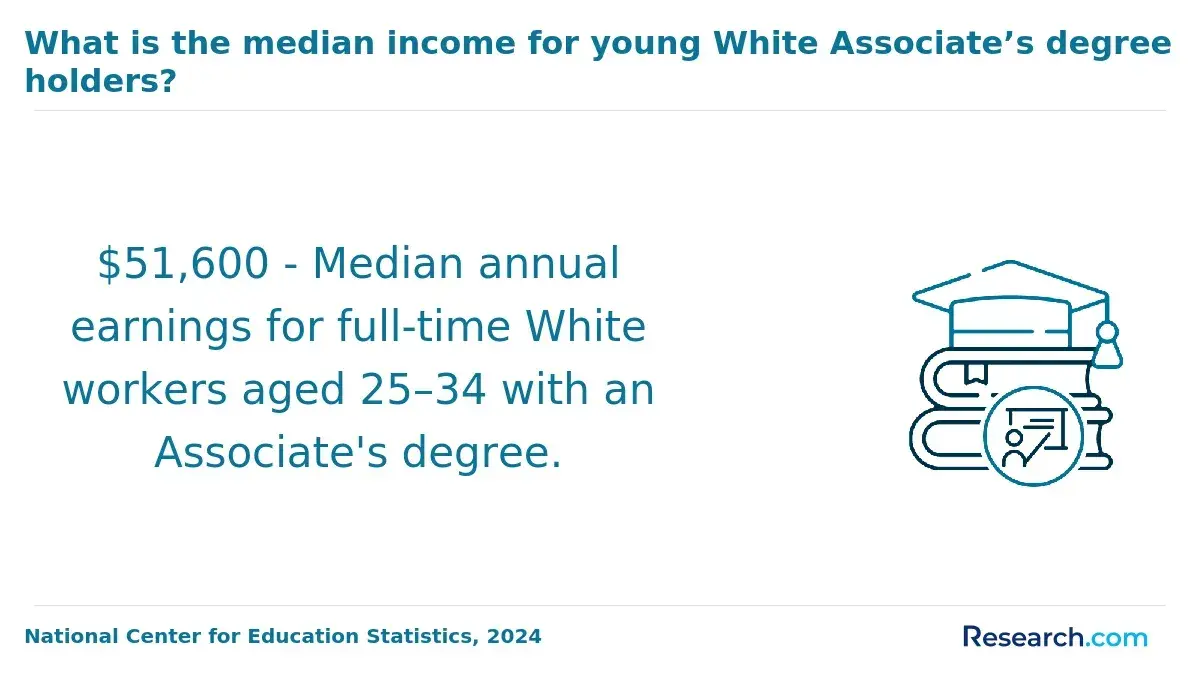
Assessing the ROI of Grand Canyon University's online MS in Psychology - Human Factors Psychology requires weighing substantial upfront costs against achievable earnings in specialized roles. The program's total annual expense approaches $37,212, aligning with federal data for comparable in-state attendance. Graduates typically start with a median salary near $42,186, which is stable a decade post-graduation, indicating consistent income but modest growth relative to other STEM-related fields. This translates to an earnings-to-debt ratio of about 1.91x given typical student debt of $22,114, suggesting that the degree's financial return doubles the associated debt over time but may not rapidly accelerate beyond that baseline.
Students able to access scholarships or grants can improve their cost basis, enhancing ROI, while those targeting roles in aerospace, defense, or government agencies may find the degree's specialized focus critical for employer demand. However, securing positions with significantly higher pay often requires additional experience or complementary skills, tempering immediate earnings potential. In practice, this degree suits candidates prioritizing steady employment in human factors psychology rather than rapid income escalation, highlighting the importance of clear career planning and realistic expectations when evaluating educational investments at Grand Canyon University.
Employer Confidence in Online vs. In-Person Degree Skills, Global 2024

Is there a high student satisfaction for Grand Canyon University's online MS in Psychology - Human Factors Psychology program?
Student satisfaction in grand canyon university's online MS in Psychology - Human Factors Psychology program reflects a balance of institutional strengths and real-world challenges, notably shaped by the program's demanding nature and varying levels of academic support. The university's large enrollment signals extensive resources, yet the middling graduation rate hints at underlying obstacles to persistence and completion that influence how students perceive their overall experience. For working professionals balancing career and study, the program's flexibility is a valued asset but can also complicate maintaining a sustainable workload.
The presence of student-led organizations and mentoring initiatives tailored to online learners attempts to foster connection and engagement. Still, feedback indicates mixed outcomes in managing school-life integration, with some students benefiting from structured support while others encounter difficulty harmonizing academic demands with personal responsibilities. The absence of publicly detailed retention data for exclusively online cohorts further blurs the precise picture of satisfaction among distance learners specifically, making tradeoffs in individual circumstance and institutional support critical considerations.
One graduate recalled initially grappling with the rigorous pace while juggling a full-time job and caregiving duties. "The flexibility let me keep my job, but I had to learn strict time management quickly," they shared. Access to online peer forums and mentorship was "a lifeline" during peak stress, though the path was "far from easy." Ultimately, the graduate felt the program's challenges were offset by acquiring practical skills applicable to human factors roles but emphasized the importance of realistic expectations about balancing commitments throughout the journey.
How does Grand Canyon University help online MS in Psychology - Human Factors Psychology graduates secure employment?
Graduates of Grand Canyon University's online MS in Psychology - Human Factors Psychology program face distinct hiring challenges where employer perception of institutional affiliation can shape outcomes significantly. Research shows that 65% of graduates attribute their success in securing satisfactory employment to their school's reputation and alumni network, underscoring the tangible advantage of targeted career support for specialized psychology fields. In this context, the services and networks that GCU offers play a critical role in smoothing the transition from academia to relevant job roles. This dynamic is especially important given the competitive nature of employment opportunities for ms in psychology human factors graduates. Below are key opportunities GCU provides that can influence job placement before or immediately after graduation:
- Virtual Job Fairs: These events connect students directly with employers recruiting in psychology and human factors specialties, allowing early engagement and real-time conversations that can accelerate job offers.
- Online Workshops: Focused on resume building and interview prep tailored to industry-specific skills, these workshops address common gaps between academic credentials and employer expectations.
- Job Placement Portals: GCU offers specialized portals that feature curated job listings aimed at human factors roles, improving the relevance and efficiency of the job search process.
- Alumni Mentorship Programs: Established graduates provide guidance and networking, helping new graduates understand employer needs and secure referrals in a niche sector.
The degree's career support structure must be weighed alongside program content to assess overall employability, particularly compared to peer programs. For broader context on comparable online degree programs and institutional impacts on hiring, consult the best online universities ranking, which highlights critical factors influencing workforce outcomes.
What are the career outcomes for recent graduates of Grand Canyon University's online MS in Psychology - Human Factors Psychology?
Career outcomes significantly influence whether investing in Grand Canyon University's online MS in Psychology - Human Factors Psychology aligns with your professional goals. This discipline intersects psychology and technology, preparing graduates for niche roles where understanding human interaction with systems reduces error and enhances usability. Considering employment opportunities for Grand Canyon University MS in Psychology - Human Factors Psychology graduates helps clarify how this specialization compares with broader psychology or related fields. Here are examples of typical career paths graduates pursue:
- Human Factors Specialist: These professionals analyze user interactions with technology or environments to improve safety and efficiency. They often collaborate with engineering or design teams, earning salaries that typically exceed average psychology roles due to technical expertise and industry demand.
- Usability Analyst: Focusing on user experience research, usability analysts test products and interfaces in sectors like software development and healthcare. Their work drives design improvements and can lead to competitive compensation tied to project outcomes and organizational impact.
- Ergonomics Consultant: Consultants in ergonomics assess workspaces and workflows to minimize injury risk and boost productivity, particularly in manufacturing or aviation. Their expertise often commands premium pay reflecting specialized knowledge and rising employer prioritization of human-centered design.
While exact salary data for this concentration at Grand Canyon University is unavailable, related psychology alumni report median incomes around $34,000. This contrasts with careers linked to degrees like business administration, which average higher earnings. The decision to pursue this program should weigh the specialized focus's potential for career advancement with grand canyon university human factors psychology online degree against more generalist options. For foundational educational pathways, exploring an online associates degree can also be a strategic step toward such advanced roles.
How do I know if Grand Canyon University's online MS in Psychology - Human Factors Psychology program is the right fit for my goals?
Evaluating the fit of Grand Canyon University's ms in psychology - human factors psychology for your professional development requires matching these factors realistically with your intended outcomes and lifestyle demands. Since some employers prioritize demonstrable skills over credentials alone, consider how the program supports hands-on experiences or research relevant to workplace needs.
- Curriculum Relevance: Analyze if the program's coursework centers on human factors principles that apply directly to your target industry, such as ergonomics or cognitive engineering. Reviewing course descriptions and specialization options helps determine alignment with your career path.
- Faculty Expertise and Support: Investigate the background and practical experience of instructors, as strong mentorship and accessible academic advising are vital for mastering specialized topics and navigating advanced psychology subjects effectively.
- Program Flexibility and Delivery: As an online offering, assess whether course schedules, deadlines, and interaction formats suit your lifestyle, especially if balancing work and study. Programs with asynchronous elements often better accommodate working professionals' time constraints.
- Reputation and Outcome Data: Look beyond institutional branding to tangible metrics like graduate employment rates, internship availability, and industry partnerships, as these factors influence your ability to convert the degree into real career opportunities.
For those wanting remote-capable roles, explore broader considerations by reviewing established work from home degrees to understand how an advanced psychology degree may support such flexibility within human factors disciplines.
What Graduates Say About Grand Canyon University's Online MS in Psychology - Human Factors Psychology Program
- Scarlet: "Studying the MS in Psychology - Human Factors Psychology program at Grand Canyon University gave me practical insights that helped me transition into a UX research role smoothly. The balance of remote learning and hands-on projects allowed me to build a portfolio that employers really valued, even though I wasn't licensed. My biggest challenge has been navigating salary growth-without clinical licensure, advancement can be limited, but the program's focus on applied skills made me competitive for roles focused on user experience and human-computer interaction."
- Cassidy: "Grand Canyon University's MS in Psychology - Human Factors Psychology program was pivotal when I pivoted careers from general psychology to the tech industry. The coursework emphasized real-world human factors applications, which helped me secure internships that strengthened my resume. I've learned firsthand that while the degree opens doors, many employers prioritize demonstrable experience and certifications over academic credentials alone, so I complemented my studies with specialized UX certification to increase my marketability."
- Seth: "Completing my MS in Psychology - Human Factors Psychology at Grand Canyon University gave me the flexibility to study while working full-time, which was a major factor in my decision. The program's structure prepared me for remote roles, an essential feature in today's job market. I found that employers in this field often look for internship or project experience to assess candidates more than their licensure status, so I focused on internships during my studies. Still, there's a trade-off between quicker workforce entry and the potential ceiling on advancement without clinical credentials."
Other Things You Should Know About Degrees
The ms in psychology - human factors psychology at Grand Canyon University requires consistent weekly engagement with both theory and practical projects, which can be demanding alongside a full-time job. Students should expect a rigorous pace, with some courses involving detailed design analyses and user experience assignments that require significant time investment. Those balancing work and study should prioritize time management and possibly reduce work hours during intensive modules to maintain performance.
The program offers applied learning components, but it leans more toward theoretical foundations and research methodologies than extensive practical internships. Employers in human factors psychology often look for candidates with real-world problem-solving and software proficiency, which this program addresses partially through project-based coursework. For those targeting immediate employment, supplementing the curriculum with internships or external practicum experiences is advisable to gain stronger field exposure.
This ms in psychology - human factors psychology has a relatively fixed curriculum with a focus on core human factors principles and research skills, limiting the opportunity for deep specialization in niches such as ergonomic design or cognitive neuroscience. Students seeking highly tailored expertise might find the program somewhat restrictive compared to more customizable graduate degrees. Prospective students should weigh the program's structured approach against their need for specialized skill sets in the job market.
In 2027, Grand Canyon University's online program offers networking opportunities through virtual events, discussion forums, and professional networks. Students can connect with peers, faculty, and industry professionals, but should proactively engage in these platforms to maximize their networking potential.
References
- Best Accredited Human Factors Psychology Degrees and Programs https://www.psychologydegree411.com/degrees/human-factors-psychology/
- Common Master's in Psychology Job Options and Outlook https://www.verywellmind.com/what-can-i-do-with-a-masters-degree-in-psychology-2795629
- Psychology (M.S.) | University of Idaho https://www.uidaho.edu/academics/degree-finder/psychology-ms
- Grand Canyon University Reviews https://www.gradreports.com/colleges/grand-canyon-university
- Best Value Online Master's in Psychology Programs - BestMedicalDegrees.com https://www.bestmedicaldegrees.com/rankings/best-online-masters-in-psychology-programs/
- How To Choose A Psychology Program | Psychology.org https://www.psychology.org/resources/choosing-a-program/
- Grand Canyon University Clinical, Counseling and Applied Psychology | 78% Acceptance Rate, ROI 61/100 https://www.gradgpt.com/grand-canyon-university/masters/clinical-counseling-and-applied-psychology
- Human Factors International https://www.humanfactors.com/coolstuff/degrees.asp
- Return on Investment For an Online Psychology Degree https://www.onlinepsychologydegrees.com/articles/return-on-investment-for-an-online-psychology-degree/
- Careers https://www.gce.com/careers.html