2027 Can You Earn a Degree Faster at Simmons University as an Adult Learner?

Co-Founder and Chief Data Scientist
Adult learners returning to higher education often face the challenge of balancing prior professional experience, existing college credits, and work commitments while seeking to finish their degree efficiently. At Simmons University, the question arises whether these factors translate into a genuinely faster path to graduation or if structural limitations and program pacing slow progress. This concern grows as 59% of adult students nationally now prioritize programs with flexible credit transfers and accelerated formats, signaling a shift in adult education demands.
This article analyzes how Simmons University's policies on credit recognition, online course options, and scheduling flexibility impact adult learners aiming to complete degrees sooner. It offers evidence-based insights to help prospective students determine practical strategies for shortening their time to graduation within this specific institutional context.
Key Points About Faster Degree Completion at Simmons University
- Simmons University allows adult learners to apply up to 90 transfer credits toward degree requirements, enabling substantial program acceleration if prior coursework aligns with core curriculum needs.
- Online programs offer scheduling flexibility tailored to working adults, reducing delays caused by rigid class times and allowing learners to maintain employment while progressing steadily toward graduation.
- A 71% graduation rate combined with a 2.56x earnings to debt ratio indicates that completing a degree early via these pathways improves economic returns without extending financial burden or time to career reentry.
Can adult learners at Simmons University realistically complete their degrees quickly?
Adult learners at Simmons University can realistically accelerate their degree completion by up to one year through strategic use of transfer credits and professional certifications. The institution's online programs typically take 2 to 2.5 years, compared to the conventional 4-year timeline. Students transferring applicable credits can trim significant time off their path to graduation.
Online students benefit from flexible course loads, permitting course overloading each term within set limits. This option suits motivated adult learners balancing external obligations but seeking to expedite their studies. However, overloading requires careful workload management to maintain academic performance and personal wellbeing.
National trends reveal that adult learners utilizing competency-based education or prior learning credits graduate up to 30% faster than peers in traditional programs, reflecting growing institutional support for accelerated pathways. This statistic highlights how leveraging such mechanisms at Simmons University can meaningfully reduce time to degree.
Completion timelines vary across Simmons University based on program structure, credit policies, and discipline-specific demands. Some fields may allow more credit transfer and flexible pacing, while others maintain stricter course sequences. Adult learners must weigh time savings against maintaining program quality and career readiness.
Does Simmons University have specific admission requirements for adult learners?
Simmons University does not establish radically different admission requirements exclusively for adult learners but integrates specific accommodations that reflect their unique educational backgrounds. Adult learners can leverage transfer credits, CLEP subject exams, AP credits, and notably, life experience credits to accelerate degree progress.
These policies acknowledge practical learning outside traditional classrooms, a significant factor given that 72% of institutions with adult-centered programs have adapted admissions to validate non-traditional learning pathways, expediting enrollment.
For example, a working professional with prior college credits and years of industry experience can shorten degree timelines by applying this experience as credit, reducing time and expense.
The following key admission criteria guide adult learner admission requirements at Simmons University and inform how adult students can meet undergraduate admission criteria for adult students in Boston.
- High School Credential: Applicants must submit proof of a completed secondary education such as a GED or high school diploma. This baseline ensures all candidates have foundational academic preparation despite varied life experiences.
- Transfer and Exam Credits: Simmons accepts previous college credits and standardized exams like CLEP and AP, helping adult learners avoid redundant coursework and get credit for prior knowledge, which is crucial for those returning to education after a break.
- Life Experience Credit: Recognizing professional and non-college learning, Simmons awards credit based on life experiences. This policy allows adult learners to translate job skills or military service into academic credit, validating practical expertise efficiently.
- Language and Recommendations: Non-native English speakers must provide TOEFL scores, while all applicants need recommendations, ensuring language proficiency and personal endorsement support academic success.
While Simmons is not open admission, taking advantage of these flexible admission options is a practical route for adults balancing education, work, and personal priorities. Students interested in understanding financial aspects of adult education pathways should explore resources such as what online college gives the most financial aid.
Are there executive programs at Simmons University for mid-career professionals?
Simmons University offers executive degree programs for mid-career professionals designed to accelerate degree completion by valuing prior work experience and transfer credits. These programs support adult learners seeking faster credentialing while maintaining employment, a critical factor for those balancing career and education demands.
Unlike traditional online tracks that often rely solely on asynchronous coursework, Simmons' executive programs blend online instruction with weekend intensives or cohort formats. This hybrid model enhances peer collaboration and immediate application of skills, which can improve retention and practical outcomes but requires commitment to scheduled in-person sessions.
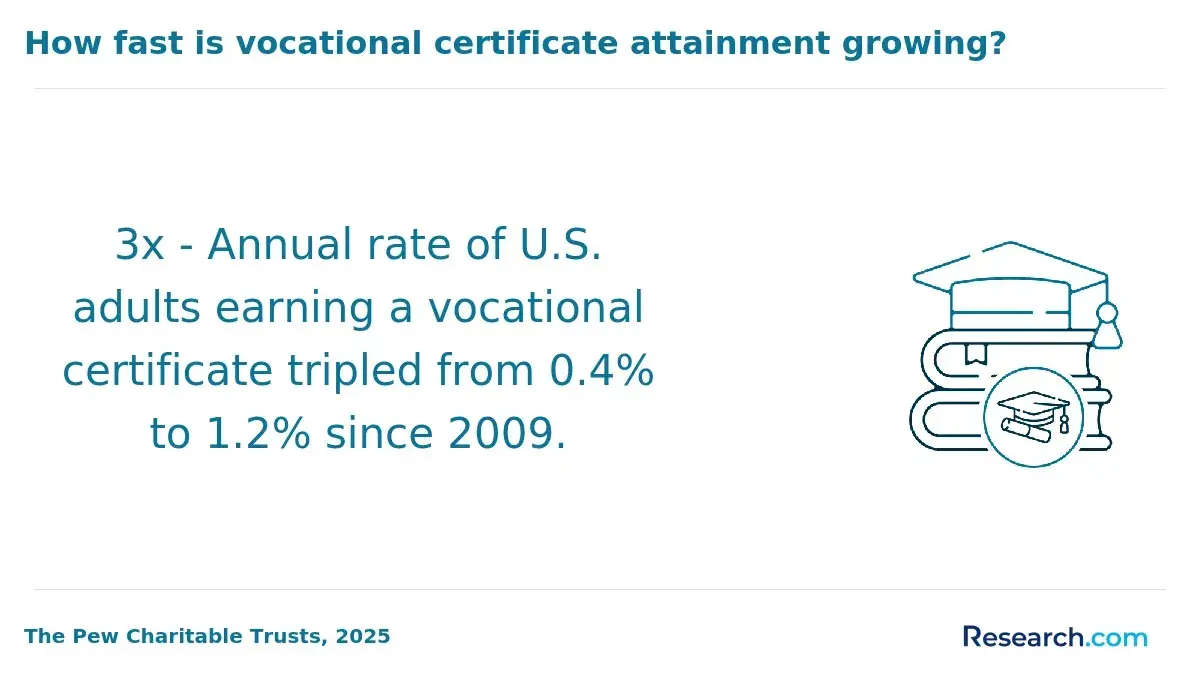
A 12% increase in executive education enrollment nationally reflects a rising demand for career-focused pathways that suit working adults. For example, a healthcare manager can leverage an executive program at Simmons to deepen leadership expertise without pausing their career, aligning with industry employers' preference for applied learning.
Adult learners interested in accelerated executive education options at Simmons University should also consider the value of programs aligned with in-demand fields, such as those linked to highest paying majors. This ensures that the time saved translates into long-term career and salary benefits.
Credit transfers at Simmons University enable adult learners to shorten their time-to-graduation by allowing them to bypass substantial portions of the curriculum, especially when credits satisfy core major requirements. For instance, a working parent who completed prior college-level coursework can skip foundational courses, accelerating their enrollment in advanced classes and reducing overall semesters.
A key national study revealed that students who transfer credits early finish degrees approximately six months sooner, highlighting the tangible impact of well-applied transfer credits on time-to-degree. However, adult learners must consider potential pitfalls like prerequisite mismatches or rigid course sequences that may delay progress despite transferable credits.
Below are specific ways credit transfers can drive faster completions for adult students at Simmons University:
- Core Requirement Fulfillment: Credits that meet major core requirements eliminate the need for repetitive foundational courses, allowing students to jump directly into specialized subjects critical for their degree progression.
- Flexible Term Enrollment: Acceptance of transfer credits in both Fall and Spring terms provides adult learners with adaptable start times, harmonizing academic plans with work or family commitments.
- Reduction in Total Credit Load: By lowering the number of credits needed to graduate, transfer students can consider lighter course loads per term or finish their studies in fewer semesters, avoiding burnout.
- Use of CLEP Exams: Simmons' recognition of CLEP subject exams offers an alternative pathway to earn credit for knowledge already acquired, effectively decreasing course requirements and associated costs.
Adult learners at Simmons University can accelerate degree completion by converting professional certifications and relevant work training into academic credits through the institution's Prior Learning Assessment (PLA). This pathway can substantially reduce coursework and shorten time to graduation. Nonetheless, transfer eligibility varies significantly by program, and some certifications may require additional verification or supplementary coursework.
Some adult learners with military experience or industry-specific certifications may qualify more readily than others. For example, a nursing assistant seeking credit for Certified Nursing Assistant (CNA) training might find it easier to align with healthcare-related degree requirements than a student with unrelated certificates.
Many programs maintain strict academic standards, so credits are granted only when professional training demonstrably overlaps with course learning outcomes. This system reflects the complex balance between speeding degree progress and maintaining academic rigor. Common professional certifications accepted for credit transfer at Simmons University span various fields.
The following list presents several examples with brief explanations:
- Project Management Professional (PMP): Recognized globally, PMP certification validates advanced project management skills essential in business programs. It translates well into credit because it aligns with course objectives in leadership and organizational management.
- Certified Nursing Assistant (CNA): CNA certification represents hands-on healthcare competency. Given the practical nature of nursing degrees, this certification often converts into clinical credit hours.
- Teaching Licenses: Educator certifications demonstrate mastery of pedagogy and classroom management, supporting credit in education-focused degrees where instructional skills are core.
- Certified Public Accountant (CPA) Exam Steps: Progress through CPA exams signifies comprehensive accounting knowledge. These exams correlate with upper-level accounting coursework, enabling credit transfer.
- Healthcare Certifications (CPR and Phlebotomy): These certifications show proficiency in vital clinical procedures, making them applicable for credit in medical and health science programs.
Research from the National Center for Education Statistics indicates that students using PLA credits can finish degrees approximately 33% faster on average, emphasizing the practical impact of prior learning. However, adult learners must assess how these transfer credits affect employer recognition and long-term career options.
Some employers may prefer traditional degrees, and others may require documentation beyond certificates alone. Therefore, carefully matching one's certifications to program requirements and industry expectations is crucial for leveraging PLA effectively.
This consideration is vital for those looking to earn one of the easiest associate degrees or accelerate their studies through credit conversion.
Simmons University does not currently offer dedicated competency-based education programs for adult learners. Their model lacks direct-assessment tracks that enable progression by mastery rather than credit hours. Instead, adult learners rely primarily on traditional transfer credit evaluations and flexible online or hybrid course schedules, which can help accelerate degree completion but do not embody the self-paced structure typical of competency-based degree programs at Simmons University.
In real-world terms, a working adult with significant professional experience might find Simmons' approach less efficient than a competency-based model where specific skills translate directly to credit. Competency-based programs, often available in fields like nursing or information technology elsewhere, allow students to demonstrate mastery and finish faster.
Without these, Simmons learners must follow conventional, time-based coursework pacing, which may extend degree timelines when balancing other responsibilities.
National data shows a 15% increase in enrollment in direct-assessment programs among adult learners as workforce demand for flexible, outcomes-focused education grows. Adults weighing Simmons should consider how flexible course schedules support progress but review accelerated bachelor's degree options that use competency-based models for potentially faster completion.
Simmons University does not operate a continuous school calendar that eliminates summer breaks. Instead, it follows a traditional academic calendar with fall and spring semesters and an optional summer session. This means adult learners must plan around fixed registration periods, lacking the flexibility offered by institutions with continuous enrollment models.
Continuous calendars can accelerate degree completion by reducing downtime between terms. A recent 2024 study on adult higher education found that multi-term calendars enable 23% faster degree completion on average. This efficiency arises because students can start courses year-round without long breaks, which is less feasible under Simmons' structure.
Adult learners at Simmons may still use summer sessions strategically to speed up graduation by taking extra courses, though these are often condensed and require a heavier weekly commitment. For example, a working professional balancing hours and family may find the increased intensity challenging despite the potential time savings.
Term lengths at Simmons can vary depending on program-specific requirements, affecting how additional summer courses fit into degree plans. This variation requires learners to carefully assess how accelerated options align with their schedules and obligations before committing.
Accelerating degree completion at Simmons University presents notable tradeoffs, including substantial risks to adult learners' academic and financial stability. A recent study highlights that 38.7% of non-traditional students withdraw from accelerated courses due to stress and workload, reflecting the difficulty of balancing concentrated academic demands with work and family obligations.
For example, a working parent enrolled in an accelerated online bachelor's program might find that the condensed timeline leaves little room for unforeseen work deadlines or childcare issues, forcing them to reduce course loads or pause their studies. The key challenges of faster degree completion involve structural, financial, and personal factors that adult learners should carefully evaluate.
Below are the primary hurdles adults face when attempting to accelerate their path to graduation.
- Academic Burnout and Stress: Accelerated courses require intense focus over shorter periods, significantly increasing stress levels. Students need to develop superior time management skills and consider pacing themselves to avoid early withdrawal or diminished performance.
- Traditional Semester Structure: Many Simmons programs still adhere to semester pacing, limiting the extent of acceleration. Students must understand program sequencing to ensure they meet prerequisite requirements without sacrificing learning quality.
- Credit Transfer Limitations: Credit acceptance and prior learning recognition are often restricted, especially in specialized fields. Adult learners should proactively engage with advisors to maximize credit transfers and plan realistic timelines.
- Financial Aid Compliance Risks: Variable course loads in accelerated formats can jeopardize financial aid eligibility. Careful planning is essential to maintain full-time status when required and avoid funding interruptions.
- Self-Directed Learning Demands: Accelerated programs depend heavily on strong independent study habits, which not all learners have developed. Without these skills, students risk superficial engagement that can hurt knowledge retention and employability.
Simmons University students can accelerate their degree completion by fully engaging with targeted institutional resources that address common obstacles facing adult learners. For example, a working professional balancing a full-time job and family responsibilities might reduce graduation time by collaborating closely with advisors to prioritize transfer credits and choose an accelerated course sequence, thus avoiding unnecessary classes.
The university's support framework functions best when students actively use available services designed around non-traditional needs.
Below are key resources that enable momentum for degree acceleration and academic success.
- Specialized Academic Advising: Advisors skilled in adult education focus on evaluating transfer credit efficiently and helping students plan accelerated course loads. Proactive advising has been linked to a 15.3% higher retention rate among online adult learners, reflecting the value of clear, personalized pathways.
- Dedicated Success Coaches: These coaches offer tailored guidance in time management and course selection while addressing work-life balance challenges. Their support prevents common pitfalls like course repetition, thereby speeding up time to graduation.
- Tutoring Services for Foundational Subjects: Targeted tutoring addresses difficult core topics which are often barriers to maintaining the satisfactory academic progress required for accelerated programs.
- Fast-Track Credit Review Process: This process expedites the evaluation of prior learning assessments and professional credentials, potentially saving up to a semester's worth of coursework for adult learners managing competing career priorities.
- Flexible Scheduling Options: Accelerated summer and winter sessions allow compression of the traditional academic calendar, enabling students to complete degrees faster through intensive course loads during breaks.
- Workforce-Aligned Degree Planning: Resources here align degree progress with employer expectations for continuous learning, ensuring that accelerated programs and online colleges with flexible start dates maintain relevance and rigor for long-term employability.
Earning a degree faster at Simmons University directly enhances career trajectory by reducing the time away from the workforce. For example, an adult learner who transfers prior credits and leverages professional experience can complete their degree months ahead of schedule, allowing a quicker return to full-time employment or pursuit of promotion.
A recent National Center for Education Statistics study found that 72% of employers favor candidates with accelerated or alternative credential pathways, indicating these graduates often demonstrate greater readiness and motivation. This preference reflects the value employers place on up-to-date skills and the ability to manage rigorous workloads, both essential in competitive labor markets.
The primary career advantages for adult learners completing degrees on an accelerated timeline include:
- Reduced financial burden: Shorter degree programs mean less time paying tuition and accumulating debt, which at Simmons University averages $24,840. Minimizing debt exposure improves long-term financial stability and increases return on investment for adult learners balancing education with life expenses.
- Faster workforce reentry: Completing degrees sooner enables adult learners to reenter or advance in their careers more quickly. This can lead to earlier salary increases or new job opportunities that require current credentials and relevant experience.
- Enhanced employer appeal: Accelerated degrees showcase an ability to learn efficiently, a quality employers value. With growing demand for skills agility, graduates positioned as quick learners often stand out in hiring pools.
- Leverage of prior experience: Simmons University's recognition of transfer credits and professional history expedites progress. This integration aligns education with real-world skills, improving adaptability across industries and sectors.
What Graduates Say About Being an Adult Learner at Simmons University
- Charlotte: "Choosing to pursue my degree through Simmons University's online program was strategic-I wanted to avoid retaking admissions tests, and their test-optional policy really eased that burden. By transferring several credits from my previous coursework and leveraging their credit-by-exam options, I condensed what would typically take four years into under two. This acceleration didn't just save me time; it allowed me to enter the workforce sooner and negotiate a position with better pay because I had my degree in hand quickly. The flexibility to study around my job kept me productive without sacrificing quality, and in hindsight, the decision to optimize every available pathway was key to my swift career transition."
- Linh: "My experience with Simmons University's online degree program was pragmatic from the start. Juggling a full-time job and family meant I needed every advantage to finish faster, so I focused on maximizing credit transfers and converting my professional experience into academic credits. While the administrative relief provided by test-optional admissions and credit-by-exam eliminated typical hurdles, the real challenge was structuring my studies efficiently. Ultimately, this approach allowed me to graduate well ahead of the usual timeline and enter the workforce with confidence, though the salary growth has been steady rather than exponential. It's a reminder that accelerating graduation is a tool, not a guarantee."
- Paige: "Enrolling in the online program at Simmons University as an adult learner was an intentional choice to balance speed with quality. I appreciated that their test-optional policy removed unnecessary stress, and the ability to convert prior work experience into credits was a game changer for shortening my timeline. What surprised me most was how these acceleration strategies translated into real-world benefits: I not only finished faster but found that employers valued the efficient, focused nature of my degree completion. The timing allowed me to pivot careers without extended downtime, affirming that with some planning, adult learners can leverage Simmons University's program to make meaningful workforce moves."
Other Things You Should Know About Simmons University Degrees
Online courses at Simmons University often utilize an accelerated schedule with shorter terms and faster deadlines, which can create a demanding workload. Adult learners should realistically assess their time management capacity since maintaining full-time employment while completing these intensive courses may reduce learning retention and increase stress. Prioritizing a slightly longer but more manageable course load might better support both career and academic goals without sacrificing performance.
Limited faculty availability can lead to challenges in accessing timely academic support and guidance. For adult learners at Simmons University, this might result in difficulties when it comes to scheduling necessary consultations, potentially slowing down the pace of their degree completion efforts.
Yes, adult learners aiming for quicker completion should target programs with clearly structured course sequences and minimal prerequisite bottlenecks. Programs that integrate practical projects or capstones efficiently can reduce redundant coursework. Simmons University programs with cohort models or fixed schedules tend to provide clearer timelines, reducing uncertainty in planning and helping students avoid pitfalls that prolong time to degree.
Adult learners can shorten time to graduation by transferring approved college-level credit from regionally accredited schools. Simmons reviews transcripts course by course, and applicable credits can reduce the number of remaining requirements. A final transfer evaluation is usually completed after admission, before registration.
- Simmons introduces Exploratory Accelerated Graduate Education Programs for undergraduate students https://simmonsvoice.com/14152/news/simmons-introduces-exploratory-accelerated-graduate-education-programs-for-undergraduate-students/
- Fast Track Programs - Hardin-Simmons University https://www.hsutx.edu/fasttrack/
- Best Advice for Going Back to School as an Adult https://www.straighterline.com/blog/degreecompletion-best-advice-for-adults-going-back-to-college
- Simmons Academic Calendar | What's on in Boston https://www.academicjobs.com/employers/simmons-university/3697/academic-calendar
- Apply to Simmons University https://www.commonapp.org/explore/simmons-university/
- Accelerated Bachelor to Master’s Pathway - University of Maine at Augusta https://www.uma.edu/academics/programs/ils/masterspathway/
- Benefits of Graduating Early: 7 Reasons to Consider It https://www.xceedprep.org/benefits-of-graduating-early/
- Simmons University graduate health sciences - City Year https://www.cityyear.org/alumni-life/career-resources/university-partnerships/simmons-university-school-of-nursing/
- Adult Postsecondary Learners: Reviewing the Data and Evidence https://www.jff.org/idea/adult-learners/
- Professional certifications in technological innovation management https://thetransferinstitute.com/certification