2027 Can You Earn a Degree Faster at Herzing University as an Adult Learner?

Co-Founder and Chief Data Scientist
Adult learners with prior college credits or significant work experience often face uncertainty about whether online programs like those at Herzing University can actually shorten their path to a degree. Balancing work, family, and study pressures means time is scarce, so understanding how transfer policies and accelerated course formats impact completion speed becomes critical. Recent data shows that 43% of adult learners nationwide prioritize faster degree attainment when choosing institutions, highlighting the demand for clear, flexible pathways.
This article examines how Herzing University structures its online programs to address these needs. It offers a detailed analysis of credit transfer, competency-based assessments, and scheduling options to help adult students make informed decisions about earning their degrees faster.
Key Points About Faster Degree Completion at Herzing University
- Herzing University allows up to 75% of credits to be transferred, including recognition of prior professional experience, reducing time to degree but requiring careful evaluation of credit applicability to avoid delays in program completion.
- Online programs provide scheduling flexibility that can accelerate degree progression; however, the institution's 28% average graduation rate highlights potential pacing challenges adult learners must navigate to finish early.
- Graduates achieve an earnings to debt ratio of 1.72x, indicating a moderate financial return that should be weighed against the tuition of $28,414 and the risk of extended enrollment when planning accelerated study.
Can adult learners at Herzing University realistically complete their degrees quickly?
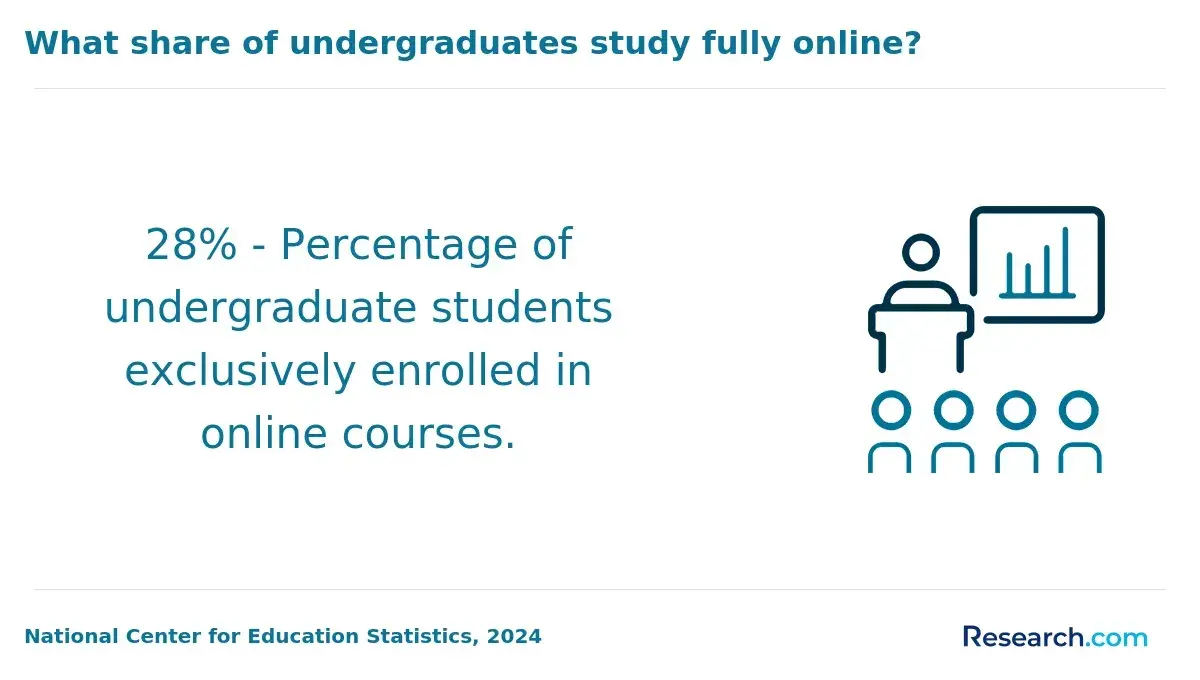
Adult learners at Herzing University face significant challenges when attempting to finish their degrees quickly. Although accelerated online programs theoretically allow completion within 18 to 24 months, only about 28% of students graduate in this timeframe. Realistically, most take closer to three years due to work, family, and other obligations.
Transfer credits from prior professional experience or certifications can shave several months off the degree timeline, but the exact reduction depends on individual credit evaluations. Institutional policies limit course overloads by capping maximum term credits, which restricts how aggressively students can fast-track their progress.
National data shows adult learners in flexible programs benefit more from steady pacing than rushing. A recent study highlights that 45% of non-traditional students who maintained balanced course loads reported better skill mastery and improved employability. This matters because employers often prioritize demonstrated competencies and sustained academic performance over speed of graduation.
Completion timelines at Herzing University vary widely by program design and requirements. While some programs enable faster finishes through credit transfer and flexible scheduling, the potential time saved differs based on specific degree structures and individual circumstances.
Does Herzing University have specific admission requirements for adult learners?
Herzing University does impose specific admission requirements that reflect the realities of adult learners while maintaining academic standards. For example, an adult student who works full-time and has prior college coursework may leverage transfer credits and professional experience to reduce time in the program. Adult learners evaluating Herzing University adult learner admission criteria should note several key requirements that balance access with rigor.
Below are important factors relevant to adult student enrollment at Herzing University:
- Academic Credential Verification: Prospective adult students must provide a high school diploma or equivalent. This baseline ensures readiness for college-level work and verifies foundational education required for successful degree completion.
- Transfer Credit Evaluation: Official transcripts from prior institutions are required to assess credits eligible for transfer. This process recognizes previous academic achievements, making it possible for adult learners to shorten their path to graduation.
- Professional Experience Documentation: Where applicable, proof of relevant work experience can enhance transfer credit eligibility. This acknowledges practical knowledge and supports non-traditional learners in accelerating degree progression.
- Personal Interview or Assessment: Adult learners participate in an interview or readiness assessment to evaluate their preparedness. This step is designed to identify potential barriers early, allowing for tailored academic advising and support.
Recent workforce education studies report that nearly 65% of institutions adopting flexible admission criteria for adult learners experience better retention and completion rates. This trend highlights why Herzing University's combination of transfer credit policies and recognition of professional experience is crucial for adults seeking to earn a degree faster.
For those considering a compressed timeframe, reviewing Herzing's requirements alongside options such as one-year masters programs can provide valuable pathways to meet career and education goals efficiently.
Are there executive programs at Herzing University for mid-career professionals?
Herzing University offers programs aligned with executive degree programs for mid-career professionals, particularly in fields like Business Administration and Healthcare Management. These options help adult learners reduce time to graduation by using flexible delivery formats and recognizing prior learning, which benefits those seeking to earn a degree faster while maintaining employment.
Their executive education options at Herzing University differ from traditional online tracks by emphasizing hybrid courses, weekend intensives, and cohort-based models. These structures facilitate practical application and continuous income, unlike fully asynchronous online programs that may lack direct engagement or faster cohort progression. This approach suits working adults needing balance between study and career demands.
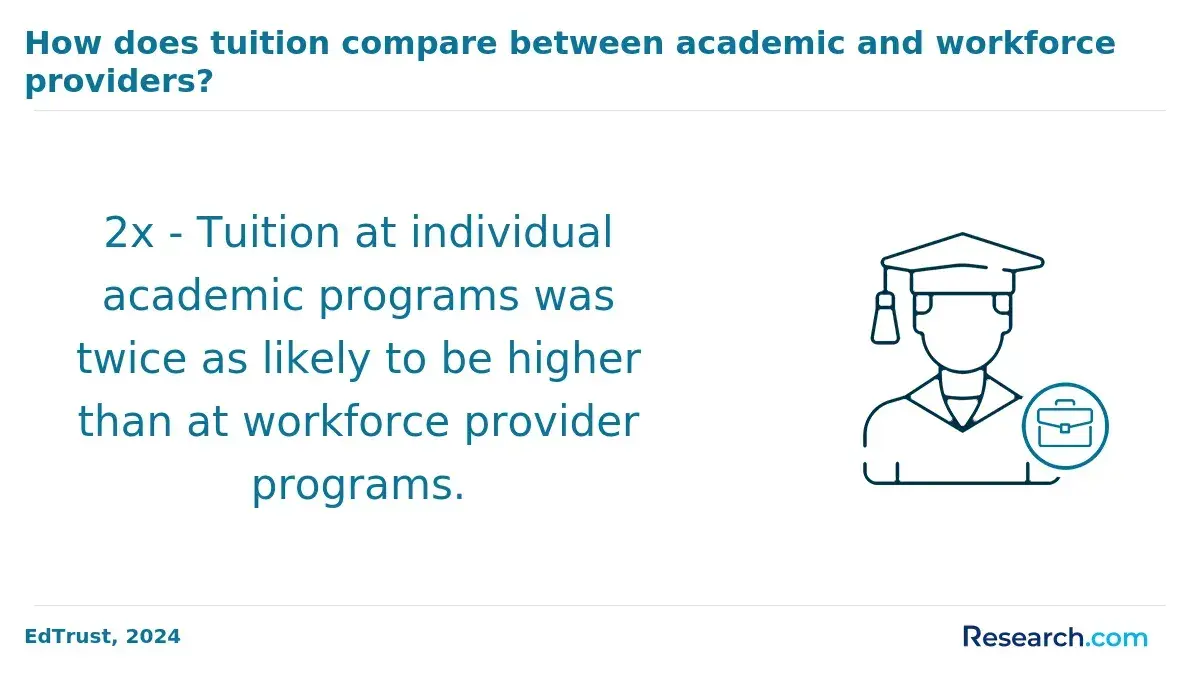
Recent trends show executive-level enrollment in professional training programs has risen by 18.5%, indicating growing demand for credential advancement without full-time study. This trend is important as it reflects a broader shift toward accelerated executive education options at Herzing University and beyond, catering to learners prioritizing career continuity and expedited degree paths.
For example, a mid-career professional pursuing management might leverage recognized transfer credits and the flexible format of Herzing University to finish a degree while avoiding extended employment gaps. Exploring the best bachelor degrees aligned with this strategy further supports informed decision-making regarding program selection and career outcomes.
How can credit transfers affect the time-to-graduation for adult learners at Herzing University?
Credit transfers at Herzing University can decisively shorten the time-to-graduation, particularly when transferred credits directly satisfy core major requirements. For example, an adult learner entering a nursing program with completed prerequisite science courses can bypass foundational classes and enroll directly in advanced courses. This targeted credit application avoids delays caused by prerequisite sequencing, a common pacing factor in Herzing's structured curricula.
A 2024 national study showed community college transfers experienced a 15% reduction in time-to-degree with streamlined transfer policies, underscoring the practical advantage of accepted credits aligning with a degree's core needs. However, credits that cover general electives or non-major requirements produce more modest acceleration since essential courses still require full completion.
Below are specific ways credit transfers can accelerate degree progress at Herzing University:
- Direct Major Course Advancement: Transfer credits that fulfill mandatory major courses let students skip initial and sometimes multiple sequential classes, cutting months from degree timelines.
- Reduced Redundant Coursework: Avoiding repetition of previously mastered material reduces credit overload, easing course scheduling and workload, beneficial for adult learners balancing external commitments.
- Prerequisite Fulfillment: Successfully transferring prerequisite credits eliminates bottlenecks in course progression, preventing delays tied to missing foundational classes.
- Streamlined Transcript Evaluations: Meeting Herzing's entrance criteria through recognized transfer credits minimizes enrollment delays and accelerates full program engagement.
One Herzing University online degree graduate recalled initially worrying her previous credits might not count due to the institution's specific course requirements. After a thorough transcript review, she discovered her completed technical courses not only transferred but also fulfilled key prerequisites, allowing her to start advanced classes immediately.
This reduced what was originally a three-year plan to just under two years, providing much-needed flexibility to manage family obligations while progressing swiftly toward graduation. Her experience highlights the critical need to evaluate credit alignment carefully and engage early with Herzing's admissions to maximize potential time savings.
Can professional certifications and training be converted into credits at Herzing University?
Herzing University allows adult learners to convert certain professional certifications and work training into academic credits, providing a practical route to shorten degree completion times. However, credit transfer eligibility varies depending on program requirements, and upper-level or major-specific courses may not qualify for PLA credit.
Eligibility depends on how closely the certification or training matches relevant coursework and program standards, with verifiable documentation required for assessment. Adult learners should weigh how these credits align with their career goals and degree pathway, as not every credential translates equally across all programs.
Examples of professional certifications accepted for credit include various industry-recognized credentials. The following list highlights key certifications and why they can be converted into credits at Herzing University:
- Project Management Professional (PMP) Certification: PMP demonstrates advanced project coordination skills that correlate with core business and management coursework, facilitating credit transfer.
- Information Technology Certifications (CompTIA A+, Network+): These certifications cover foundational IT knowledge, aligning well with associate or bachelor's IT degree requirements.
- Healthcare Trainings (CPR, Medical Billing Certificates): These show specialized healthcare skills relevant to allied health programs, reflecting competencies needed in foundational classes.
- Cybersecurity Credentials (CISSP): CISSP aligns with upper-level cybersecurity and information assurance courses, representing comprehensive domain expertise.
- Microsoft Office Specialist (MOS): MOS certification validates essential software proficiency, supporting credit for related computer applications coursework.
Informed by a 2024 study, nearly 65% of U.S. institutions have expanded acceptance of workforce credentials through PLA, underscoring growing industry recognition of experiential learning. For adult learners at Herzing University, converting professional certifications credit transfer Herzing University programs can reduce tuition and accelerate graduation, but requires strategic evaluation to optimize outcomes.
Adults evaluating ways to convert work training into college credits Herzing University offers should consider practical tradeoffs tied to employer expectations and degree goals. For those seeking quick certifications that pay well, the credential-to-credit process here represents a valuable step when properly aligned with academic structures and career plans.
Does Herzing University have competency-based education programs for adult learners?
Herzing University offers competency-based education programs for adult learners that allow faster degree completion by focusing on demonstrated mastery of skills instead of fixed credit hours. These programs are available at associate, bachelor's, and master's levels, with options in Nursing, Business Administration, Information Technology, Health Information Management, and Criminal Justice. For example, a working nurse may validate prior clinical experience to accelerate earning a bachelor's degree through Herzing's direct-assessment approach.
Competency-based education requires self-motivation, as students must provide clear evidence of proficiency in specific areas rather than simply progressing by time. National trends indicate a 23% growth in CBE enrollment among adult learners, highlighting growing employer demand for skill verification over traditional credentials. This makes Herzing's approach relevant for adults who want to align learning with practical workforce needs.
Adults evaluating degree acceleration can benefit from exploring Herzing's competency-based programs alongside other options like transfer credits or credit recovery through online college classes at your own pace. These strategies combined increase flexibility and may reduce time-to-degree significantly while maintaining rigorous academic standards.
Does Herzing University run a continuous school calendar that eliminates summer breaks?
Herzing University utilizes a multi-term calendar that effectively removes traditional long summer breaks, promoting near-continuous enrollment. This setup suits adult learners aiming to finish degrees quicker by avoiding extended downtime between terms. For example, a working parent can enroll in successive sessions, reducing overall program length while managing family obligations during shorter breaks.
This continuous calendar offers flexibility through optional summer sessions, allowing students to progress at personalized paces. Recent research indicates that nearly 65% of adult learners prefer such accelerated and continuous formats because they align better with workforce demands and condensed schedules. This preference highlights the calendar's practical role in helping adults manage education alongside professional and personal responsibilities.
Such continuous enrollment requires sustained focus, which may challenge learners balancing multiple priorities. The compressed course pacing can limit deeper engagement or part-time study opportunities, which could impact knowledge retention or skill mastery in demanding fields. Adult students should assess their capacity for this intensive rhythm before committing.
Term lengths and scheduling at Herzing University vary depending on program requirements and coursework demands. Programs with clinical or lab components might have different timelines to accommodate practical experience. This variability means adult learners must consider both calendar structure and specific program demands when planning accelerated degree completion.
What are the challenges of faster degree completion for adult learners at Herzing University?
Attempting to accelerate degree completion at Herzing University requires adult learners to confront multiple systemic challenges that can undermine both academic success and personal balance. For example, consider a student working full-time while caring for a family who tries to double their course load to graduate sooner.
They might encounter fatigue that leads to poorer retention or the need to drop courses, reflecting a 28% rise in accelerated credit withdrawals seen nationally among similar non-traditional students, highlighting the real risk of burnout and its consequences. The following points break down key hurdles adult learners face when pursuing faster graduation timelines and strategies to navigate them.
- Intense Academic Demands: Accelerated programs increase course density and pace, often overwhelming students balancing external responsibilities. Planning study times carefully and seeking academic support early can help mitigate this pressure.
- Transfer Credit Limitations: Policies may restrict how many prior credits can be applied, so students must verify acceptance upfront to avoid unexpected delays in graduation timelines.
- Rigid Course Scheduling: Core courses tied to specific terms limit flexibility. Students should coordinate with advisors early to align course sequences with personal schedules.
- Financial Aid Compliance Complexity: Accelerated course loads can conflict with federal aid rules, risking eligibility. Reviewing financial aid implications before increasing credits helps prevent funding interruptions.
- Limited Credit for Professional Experience: Opportunities to count work experience toward degree requirements are often constrained, reducing time savings. Actively exploring prior learning assessments is essential.
One Herzing University online graduate shared the challenges of attempting to finish faster while juggling full-time employment and family demands. "I wanted to speed through my health administration program, taking extra courses each semester. But by midterm, I was exhausted and falling behind."
"The courses required more focus than I expected, and my employer's schedule changed, throwing off my study time. I had to pause and reassess, working closely with my advisor to space out classes. I learned faster isn't always better, especially when work and family create real limits." This account underscores the tension between ambition and practical capacity when accelerating adult degree paths.
How can Herzing University students leverage school resources to fast-track their degree?
Adult learners at Herzing University can meaningfully reduce time to degree by strategically using specific institutional supports. For example, a working professional balancing job demands and family obligations can leverage these resources to map an efficient path through their program while preserving skill mastery critical to employer needs.
A 2024 EDUCAUSE study links regular engagement with professional advising and coaching to a 15% higher retention rate among adult learners, underscoring the importance of proactive support in accelerated degree completion. Below are key student resources that facilitate this process.
- Specialized Academic Advising: Advisors understand the unique needs of online and adult students, helping craft course sequences that avoid unnecessary delays. They identify ways to integrate prior learning credits, accelerating progress.
- Success Coaching: Dedicated coaches provide motivation and performance monitoring, helping students stay on track when juggling multiple responsibilities.
- Transfer Credit Evaluation: Institutional evaluations expedite the acceptance of military and professional training credits. Early credit reviews reduce administrative hold-ups, directly shortening time to degree completion.
- Tutoring Services: On-campus and virtual tutoring help students master complex material faster, which is vital in compressed course formats.
- Flexible Scheduling Options: Accelerated online terms and hybrid formats allow concentration on fewer courses simultaneously, maintaining academic momentum while accommodating personal schedules.
- Career Alignment Resources: Programs integrate practical skill assessments so learners can balance speed with competencies valued by employers, avoiding purely rapid credentialing with limited market relevance.
- Professional Contextualization: Adult learners should consider career paths demanding specific skills, such as those found in growing healthcare sectors or niche introvert jobs, to ensure acceleration aligns with long-term goals and employer expectations.
Herzing University credit transfer options for adult learners and flexible accelerated degree programs at Herzing University jointly create a framework where completion speed does not compromise educational depth or employability. Students who integrate these resources thoughtfully are better positioned to fast-track their degrees while meeting professional standards.
What are the career advantages of earning a degree from Herzing University on a shorter timeline?
Earning a degree on a shorter timeline at Herzing University can significantly improve career trajectories by minimizing income disruption and accelerating access to advancement opportunities. Consider an adult learner working full-time who uses transfer credits and professional experience credits to complete their degree faster. This individual can reenter the labor market more swiftly or qualify sooner for promotions that require formal credentials.
A 2024 labor market study found that accelerated online graduates experience a 15% higher employment rate within six months of finishing their programs, indicating that quicker degree completion aligns with employer demand for timely, relevant qualifications. The key professional advantages of earning a degree faster at Herzing University include the following:
- Reduced Debt Burden: Completing a degree in less time lowers tuition costs and limits the accumulation of student debt, which averages $21,500 for Herzing graduates. This reduction enhances long-term financial stability and career mobility.
- Faster Eligibility for Promotions: Achieving degree milestones promptly allows adult learners to meet employer requirements sooner, making them strong candidates for salary increases and leadership roles.
- Improved Market Responsiveness: Accelerated completion enables learners to seize emerging job opportunities and respond to shifting industry needs without delay, leveraging both academic credentials and existing experience.
- Recognition of Professional Experience: Herzing's policies credit prior work experience, further shortening the path to degree completion and reinforcing workforce readiness in practical, employer-valued skills.
What Graduates Say About Being an Adult Learner at Herzing University
- Riley: "When I decided to pursue my degree as an adult learner, the online program at Herzing University was a strategic choice because of its flexibility and the ability to transfer credits from my prior professional certifications. Navigating the admissions testing was straightforward thanks to their test-optional policy, which saved me time and stress. Accelerating my coursework by leveraging credit-by-exam opportunities truly cut down my completion time, allowing me to enter the workforce faster and secure a position that aligned with my new qualifications."
- Sierra: "As someone balancing a full-time job and family responsibilities, enrolling in Herzing University's online degree program felt like the only viable route to advance my career. I appreciated their clear pathways for converting my work experience into academic credit, which made the acceleration options more than just theoretical. Although I was cautious about how quickly I could finish, the program's structure enabled me to graduate ahead of schedule, which directly impacted my ability to negotiate a salary increase shortly after starting my new role."
- Ariana: "Choosing Herzing University's online program allowed me to escape the usual academic bureaucracies that slow down many adult learners. The credit transfer process was smooth, and the flexibility to test out of subjects complemented my learning style and professional background. Reflecting on the experience, while finishing faster was beneficial, the real value came from applying the skills I gained immediately to progress within my company. The support around admissions and acceleration was pragmatic and saved me months in total compared to traditional programs."
Other Things You Should Know About Herzing University Degrees
Herzing University structures many online courses in accelerated terms, often lasting about 7 weeks instead of a traditional 15-week semester. This pacing allows motivated adult learners to complete more courses per calendar year, effectively shortening the path to graduation. However, this faster pace demands a concentrated time commitment and strong self-discipline, which can be challenging for those balancing work and family responsibilities. Prospective students should realistically assess their ability to manage a more intense workload before opting for this path.
Financial aid disbursements at Herzing University may align with shorter term schedules, requiring more frequent but possibly smaller funding allocations. This setup means adult learners must plan carefully to ensure aid covers all accelerated terms without gaps that could disrupt enrollment. Prioritizing timely completion of the FAFSA and staying on top of institutional deadlines is critical since delays can cause interruptions impacting how quickly a degree can be finished. Adult learners should view financial aid timing as part of their overall pacing strategy rather than a fixed resource.
Completing a degree faster at Herzing University in 2027 might pose challenges in learning quality, as accelerated programs require condensed study periods. However, the university maintains educational standards. While quicker completion is valuable, employer recognition depends more on individual performance and skills than the pace of degree completion.
While transfer credits can shorten time-to-degree, Herzing University also imposes limits on how many credits can be transferred and requires those credits to meet specific criteria. This means some adult learners might find their transfer options less flexible than expected, influencing when and how they can enroll in accelerated terms. A practical recommendation is to fully verify credit transfer decisions before admission to avoid unexpected course loads or repeated content. Clear understanding of these policies helps adult learners plan enrollment timing to optimize faster degree completion.
References
- Herzing University Academic Calendar | What's on in Brookfi… https://www.academicjobs.com/employers/herzing-university/14467/academic-calendar
- The Adult Learner’s Guide to Online Classes - ReUp Education https://reupeducation.com/blog/the-adult-learners-guide-to-online-classes/
- Accelerated Online Adult Degree Programs at George Fox Univ. https://www.georgefox.edu/adult-degree/index.html
- Herzing University | College Degrees, Courses & Education Online https://www.academicinfo.net/online-schools/herzing-university/
- Herzing University Transfer Courses from Sophia | Sophia Learning https://herzing.sophia.org/
- Benefits of Graduating Early: 7 Reasons to Consider It https://www.xceedprep.org/benefits-of-graduating-early/
- Why college? A deep dive into adult learners’ journeys https://www.luminafoundation.org/news-and-views/why-college-a-deep-dive-into-adult-learners-journeys/
- Will Transfer Credits Impact your College Graduation Date? | Blog https://waves.portagelearning.edu/blog/will-transferring-college-credits-impact-your-graduation-date
- Executive Education - Center for Leadership https://center-for-leadership.org/executive-education/
- Best Advice for Going Back to School as an Adult https://www.straighterline.com/blog/degreecompletion-best-advice-for-adults-going-back-to-college