2027 Cheapest Online Legal Services Associate Degree Programs That Pay Well: Tuition, Duration, and Career Outcomes
Audited and Verified:
Our Editorial and Data Verification Process
Research.com uses government datasets, official education statistics and primary institutional information to support its career and degree guides. Our review process checks factual accuracy, occupational definitions, source dates and the requirements associated with the credentials discussed.
How This Article Was Fact-Checked
Our editorial team verifies salary estimates, employment projections, education requirements and program information against original data providers and official organizations. Salary figures are checked against the relevant occupational definitions and reporting periods. Information about licensure, accreditation and required in-person training is reviewed separately.
Fact-checked and verified on:

Co-Founder and Chief Data Scientist
Choosing a low-cost online legal services associate degree is a cost-versus-career decision: will the credential help you qualify for legal support work without taking on unnecessary debt? The answer depends on the role you want, the price you actually pay, and whether the program builds practical skills in legal research, writing, ethics, document preparation, and law office technology. For a national benchmark, the U.S. Bureau of Labor Statistics reported a May 2025 median annual wage of $62,890 for paralegals and legal assistants, with about 40,800 average annual openings projected for 2025–2035 in that occupation (BLS Table 1.2, May 2025 wages; 2025–2035 projections). Those figures are not entry-level guarantees, but they are useful when comparing tuition against realistic career options.
Key Things You Should Know
- The lowest-cost online legal services associate degrees are usually public community college or state-system programs, especially for students who qualify for resident tuition and can transfer prior credits.
- For career planning, use role-specific data. BLS reported a May 2025 median annual wage of $62,890 for paralegals and legal assistants, with about 40,800 average annual openings projected for 2025–2035.
- An associate degree can support legal support careers, but it does not qualify graduates to practice law. Compare curriculum, accreditation, transfer value, internships, online fees, and local employer expectations before enrolling.
Which Are the Cheapest Online Legal Services Associate Degree Programs That Lead to Well-Paying Careers?
The cheapest online legal services associate degree options are usually public community colleges and state-system colleges that offer online or mostly online paralegal studies, legal assisting, legal support services, or legal studies associate degrees. These programs are most useful when they connect directly to legal support roles rather than presenting the degree as a shortcut to becoming a lawyer.
An associate degree in legal services can prepare students for support work in law firms, courts, government agencies, corporate legal departments, insurance companies, title offices, and compliance teams. It does not qualify graduates to practice law or sit for a bar exam. The strongest low-cost programs make that distinction clear and focus on job-ready skills: legal research, legal writing, civil litigation procedure, contracts, ethics, document drafting, case management, confidentiality, and legal technology.
| Program type to compare | Common online degree name | Why it may be affordable | Best-fit career goal | Value check before enrolling |
| Public community college | AA, AS, or AAS in Paralegal Studies, Legal Assisting, or Legal Studies | Public two-year colleges often charge lower tuition than private online colleges, especially for in-district or in-state students. | Entry-level paralegal, legal assistant, law office support, or transfer to a bachelor’s degree | Confirm the tuition category that applies to you, including online and out-of-district fees. |
| State-system online college | AS or AAS in Legal Studies or Legal Support Services | State systems may offer predictable pricing, transfer pathways, and online student services. | Students who want an affordable credential now with room to continue later | Ask how credits transfer into public four-year institutions and whether legal courses count toward the major. |
| Career-focused public college program | AAS in Paralegal or Legal Assisting | Applied programs may include practical legal courses, document assignments, and internship options. | Students seeking work in law offices, courts, or government legal support | AAS degrees can be less transfer-friendly than AA or AS degrees unless an articulation agreement exists. |
| Online program with accelerated terms | AS, AAS, or certificate-to-associate pathway in legal support | Shorter terms and year-round scheduling may reduce time out of the workforce for prepared students. | Working adults who can manage compressed reading and writing deadlines | Accelerated study is not always cheaper if tuition is charged per credit and fees are high. |
| Private nonprofit or private career college | AA or AAS in Paralegal Studies, Legal Support, or Legal Studies | May offer frequent starts, structured online delivery, and advising for adult learners. | Students who need schedule predictability or intensive online support | Compare net price after grants and transfer credit; private tuition can be substantially higher. |
Students comparing legal services with adjacent public safety fields may also want to review the best online associate degree programs in criminal justice, especially if their target roles involve courts, corrections, probation support, victim advocacy, or law enforcement administration rather than law office work.
A cheap program is most likely to pay off when the low price is paired with a credible curriculum, usable credits, and practical experience. Before treating any school as a top-value option, ask for the total cost to graduate, the required course sequence, online student support details, internship or capstone options, and written transfer information.
How Much Does an Online Legal Services Associate Degree Cost?
The cost of an online legal services associate degree depends on tuition category, required credits, online fees, transfer credit, books, and aid eligibility. The advertised tuition rate is only one part of the price. A program with lower tuition can still cost more if it requires more credits, charges high online fees, or accepts fewer transfer credits.
Use total program cost—not a single per-credit number—when comparing schools. Ask each college to calculate the estimate using your residency status, planned enrollment pace, transfer credits, and program requirements.
| Cost factor | What to check | Why it matters for affordability |
| Per-credit tuition | Resident, nonresident, online, military, and out-of-district rates | The lowest rate may apply only to local or in-state students. |
| Required credits | Total degree credits plus any prerequisites or developmental courses | More required credits can increase the final bill even when tuition looks low. |
| Online and technology fees | Per-course or per-credit online charges | Fees can reduce or erase the savings from a low tuition rate. |
| Books and legal research tools | Textbooks, citation manuals, database access, and software | Legal courses may require specialized resources beyond standard textbooks. |
| Transfer credit | Maximum transfer credits and minimum credits that must be completed at the school | Accepted transfer credit can reduce both cost and time to completion. |
| Internship or fieldwork costs | Background checks, transportation, professional clothing, or unpaid field hours | Practical experience can be valuable, but it may add indirect costs. |
To compare programs fairly, use the same formula for each school:
- Multiply required credits by the tuition rate that applies to your residency and online status.
- Add mandatory online, technology, course, graduation, and student service fees.
- Estimate books, legal research tools, software, and required materials.
- Subtract grants, scholarships, employer tuition assistance, military benefits, and accepted transfer credits.
- Compare the final net cost with realistic local entry-level pay for your target job, not only national median wages.
Students weighing legal services against a broader justice-related credential can also compare the typical criminal justice degree price to see how tuition, fees, and online delivery costs differ across related programs.
How Long Does It Take to Complete an Online Legal Services Associate Degree?
Completion time depends on course load, transfer credit, required course sequencing, and whether the school uses traditional semesters, shorter terms, or year-round scheduling. Full-time students generally finish faster, while part-time students may prefer a longer schedule that fits work and family responsibilities.
Time affects return on investment in two ways. Finishing sooner may help you enter the workforce faster, but taking too many legal writing and research courses at once can lead to withdrawals, repeated courses, or weaker work samples. The best schedule is the one you can complete successfully.
| Enrollment format | How it usually works | Who it fits best | ROI consideration |
| Full-time online | Students take a heavier course load during standard terms. | Students who can make school a primary responsibility | Can shorten time to completion, but requires consistent weekly availability. |
| Part-time online | Students take fewer courses each term. | Working adults, parents, caregivers, and students with unpredictable schedules | Spreads out tuition but can delay career benefits. |
| Accelerated online | Courses run in compressed sessions, often with faster deadlines. | Organized students with strong reading, writing, and time-management skills | May reduce opportunity cost, but the workload can be demanding. |
| Transfer-heavy pathway | Prior college credits apply toward the associate degree. | Students with previous college, military training, or related certificates | Often the most efficient route if credits apply directly to requirements. |
| Internship or capstone pathway | Students complete fieldwork or a practical final project. | Students who want work samples and local legal experience | May take extra planning but can strengthen employability. |
Do not assume the shortest program is automatically the best deal. Legal services courses are document-heavy and deadline-driven. If you are new to college or returning after a long break, a steady schedule may produce better results than an aggressive accelerated plan.
The highest-paid legal occupations are not all reachable with an associate degree. Lawyers and judges have high national median wages, but they generally require legal education and licensure beyond an associate program. For associate-degree students, the more relevant salary comparison is among legal support roles such as paralegal, legal assistant, legal secretary, title examiner, court reporting, and related support work.
The table below uses national BLS occupational data to show how selected legal occupations compare. Wages are May 2025 medians; projected openings are annual averages for 2025–2035 from BLS Table 1.2. These are national benchmarks, not entry-level offers or local salary guarantees.
| Occupation | Associate-degree relevance | May 2025 median annual wage | 2025–2035 projected employment change | Average annual openings, 2025–2035 |
| Lawyers | Not an associate-degree outcome; requires a law degree and state licensure. | $159,670 | 4.7% | About 28,700 |
| Judges, magistrate judges, and magistrates | Not an associate-degree outcome; typically requires substantial legal experience. | $153,990 | 2.8% | About 800 |
| Administrative law judges, adjudicators, and hearing officers | Generally not an entry-level associate-degree role. | $117,860 | 0.0% | About 500 |
| Arbitrators, mediators, and conciliators | May require advanced education, legal experience, or specialized training depending on setting. | $75,530 | 4.7% | About 300 |
| Court reporters and simultaneous captioners | Related court role; training and certification expectations vary by state and employer. | $72,420 | -0.1% | About 1,800 |
| Legal support workers, all other | Related support category; duties vary widely by employer. | $72,110 | -0.3% | About 4,700 |
| Paralegals and legal assistants | Most directly aligned with a legal services or paralegal associate degree. | $62,890 | -0.3% | About 40,800 |
| Title examiners, abstractors, and searchers | Related records and property-document role. | $58,650 | 2.1% | About 5,300 |
| Legal secretaries and administrative assistants | Related law-office administrative role. | $55,570 | -5.2% | About 18,100 |
For most online legal services associate degree students, paralegal or legal assistant work is the clearest occupational fit. BLS describes common entry routes for paralegals and legal assistants as including an associate degree in paralegal studies or a bachelor’s degree in another field plus a paralegal certificate; employer preferences vary (BLS Occupational Outlook Handbook, Paralegals and Legal Assistants).
AI and automation are changing legal support work, especially research, document review, and drafting workflows. BLS notes that technology, including AI, may improve efficiency and could limit demand for paralegals and legal assistants, so students should prioritize programs that teach legal technology, careful writing, confidentiality, ethical judgment, and attorney-supervised document work.
If your long-term goal is management in public agencies, court administration, or policy work, an associate degree may be only the first step. Some students eventually move from legal services or criminal justice into graduate public administration programs, including a 1 year MPA online, but that route normally requires completing a bachelor’s degree first.
The affordable online legal services associate degree with the best return on investment is the one that keeps net cost low while preserving job readiness, transfer value, and flexibility. A cheaper program is not the better investment if it lacks practical legal coursework, limits transfer options, or leaves online students without advising, library access, or career support.
| Student goal | Degree structure to consider | Why it may improve ROI | Watch out for |
| Start working in a law office | AAS in Paralegal Studies or Legal Assisting | Usually emphasizes applied legal courses, document drafting, and office procedures. | May not transfer cleanly into a bachelor’s program. |
| Transfer to a bachelor’s degree | AA or AS in Legal Studies, Paralegal Studies, Criminal Justice, or a related transfer pathway | General education credits may apply more easily to a four-year degree. | May include fewer hands-on paralegal courses unless planned carefully. |
| Keep borrowing low | Public community college with online delivery and resident tuition | Lower net cost can make entry-level wages more manageable. | Residency rules, fees, and limited course rotation can affect the final cost. |
| Change careers while employed | Part-time online program with evening, asynchronous, or shorter-term courses | Allows continued income while building legal support skills. | Longer completion time can delay the career benefit. |
| Move into compliance or government work later | Transfer-oriented associate degree with strong writing and research requirements | Creates a foundation for bachelor’s completion and advancement. | Associate-only job options may be narrower in competitive markets. |
A useful ROI test is to compare your expected net cost with local job postings for the role you actually want. Look for the education level requested, the software named, whether experience is required, and whether employers prefer an ABA-approved paralegal program, a bachelor’s degree, or a professional certification. National median wages can help you frame the decision, but local hiring requirements determine whether the degree will work for you.
Common ROI mistakes include comparing median wages to entry-level offers, ignoring local job demand, assuming online study eliminates all expenses, and choosing the lowest tuition without checking whether credits transfer. The best low-cost option should make your next step easier, not just your first bill smaller.
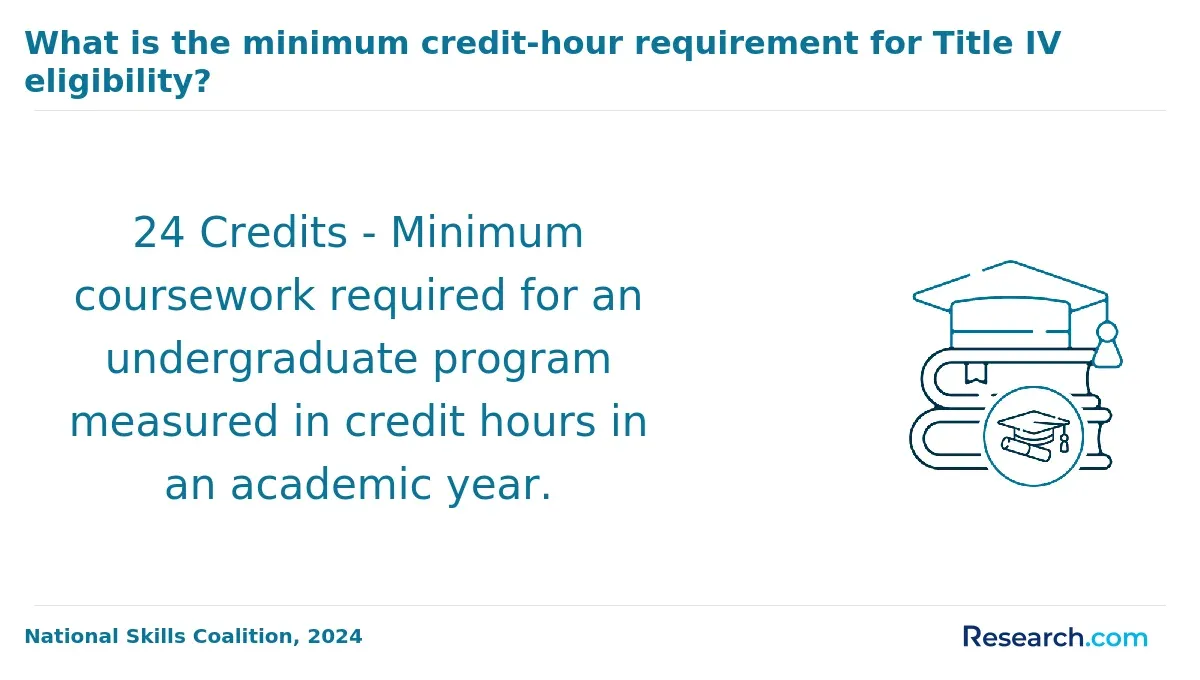
Financial aid can reduce the cost of an online legal services associate degree, but eligibility depends on the student, the school, and the program. Federal Student Aid states that a person generally must be enrolled as a regular student in an eligible program to receive federal student aid; other requirements and exceptions also apply (Federal Student Aid Handbook, 2026–2027).
Students should investigate several aid and cost-reduction options before deciding that a program is too expensive:
- Federal aid: Complete the FAFSA and confirm that both the institution and the specific program are eligible.
- State grants: Many states support community college students, but residency, enrollment, and program rules vary.
- Institutional scholarships: Colleges may offer awards for adult learners, first-generation students, legal studies students, or students with strong academic records.
- Employer tuition assistance: Law firms, courts, insurers, banks, and government employers may help pay for job-related coursework.
- Military and veteran benefits: Eligible service members, veterans, and dependents should confirm that the school and program are approved for the benefit they plan to use.
- Transfer and prior-learning credit: Accepted credits reduce the number of courses you must pay for, which can be more valuable than a small scholarship.
Before borrowing, ask the financial aid office for a program-level cost estimate based on your exact credit plan, residency status, course fees, and expected aid. If loans are necessary, keep borrowing tied to a realistic employment plan and avoid taking on extra debt unless it is essential to completing the program.
Use wage percentiles as comparison points, not fixed pay bands by experience. Location, employer, responsibilities, credentials, and prior legal or administrative experience can all affect an offer. The national BLS median benchmarks in this guide use May 2025 occupational data; any wage chart labeled with a different period should be read as a separate snapshot.
Accreditation and program quality affect whether an online legal services associate degree is worth the price. At minimum, confirm that the college holds recognized institutional accreditation. Recognized accreditation can affect federal aid eligibility, transfer options, employer acceptance, and bachelor’s-degree pathways.
Legal services students should also understand the difference between an educational certificate and professional certification. NALA explains that a school certificate is a designation of completion of a training program, while NALA certification is a separate professional credential (NALA CP FAQs). That distinction matters when comparing associate degrees, paralegal certificates, and certification exam preparation.
Use the following checks to separate genuine affordability from a risky low price:
- Verify institutional accreditation through official accreditation resources, not only the school’s marketing page.
- Ask whether the paralegal or legal studies program has program-level recognition that matters in your local legal market.
- Review required courses for legal research, legal writing, ethics, civil litigation, contracts, law office technology, and document drafting.
- Confirm that online students receive access to library databases, tutoring, career services, advising, and faculty support.
- Ask for graduation, retention, transfer, and job placement information if the school publishes it.
- Check whether credits transfer to public four-year institutions and how they apply toward a major.
Red flags include vague accreditation language, pressure to enroll quickly, unclear tuition pages, no published curriculum, limited faculty information, and promises of high salaries. A trustworthy program explains what the degree can and cannot do.
Flexible and accelerated online legal services associate degrees can help students balance school with work, caregiving, military service, or unpredictable schedules. Flexibility improves value only when the format helps you finish the program successfully.
Compare these features before choosing a program:
- Asynchronous courses: Useful if you need to complete weekly assignments without scheduled live class meetings.
- Multiple start dates: Helpful if you do not want to wait for a fall or spring term.
- Accelerated terms: Best for students who can handle heavy reading, writing, and discussion deadlines in shorter sessions.
- Part-time degree maps: Important for working adults who need a predictable two-course or three-course schedule.
- Summer availability: Can shorten completion time if required legal courses are offered year-round.
- Internship or local fieldwork options: Valuable when the program requires practical experience and you do not live near campus.
- Transfer-friendly advising: Essential for students bringing prior college credits or planning a bachelor’s degree later.
Do not choose accelerated study just because it sounds efficient. Legal services courses require careful reading, citation, drafting, and deadlines similar to law office work. If you are new to college or returning after a long break, a steady full-time or part-time schedule may produce a better return than rushing and risking withdrawals or lower grades.
An online legal services associate degree can support career advancement, but its ceiling depends on your target role. It can help you enter legal support work, qualify for promotions from general administrative roles, or build a foundation for bachelor’s study. It does not qualify you to become an attorney, and it may not be enough for higher-level compliance, policy, or management roles.
Students who may want a bachelor’s degree should choose the associate program differently from students seeking immediate employment. AA and AS degrees are often more transfer-oriented because they include more general education courses, while AAS degrees are often more career-oriented because they include more technical and applied coursework.
| Pathway | Best first degree | Possible next step | Decision point |
| Paralegal employment first | AAS in Paralegal Studies or Legal Assisting | Work experience, professional certification, or bachelor’s completion later | Choose practical coursework and internship access over general electives. |
| Bachelor’s transfer | AA or AS in Legal Studies, Criminal Justice, Political Science, or a related field | BA or BS in legal studies, criminal justice, public administration, or business | Confirm articulation agreements and how many credits transfer into the major. |
| Law school long-term | Transfer-oriented AA or AS | Bachelor’s degree, law school admission process, law degree, and state bar admission | An associate degree is only an early step and does not replace later requirements. |
| Court or public agency advancement | Legal studies, criminal justice, or public administration-aligned associate degree | Bachelor’s degree or agency-specific training | Match the curriculum to public-sector hiring requirements in your state or county. |
BLS describes lawyers as typically needing a law degree and state licensure, and notes that most lawyers work full time, with some working more than 40 hours per week (BLS Occupational Outlook Handbook, Lawyers). That is a different pathway from an associate degree in legal services.
If your interests span courts, public safety, and legal systems, an online criminal justice degree may offer a broader path than a legal services degree, especially for roles outside law firms. The better choice depends on whether you want legal document work, justice system operations, or public agency advancement.
How Should Students Choose the Cheapest Online Legal Services Associate Degree for Their Career Goals?
Students should choose the cheapest online legal services associate degree by matching price to a specific career or transfer goal. The right program is not simply the one with the lowest tuition; it is the one that gives you the strongest combination of affordability, completion likelihood, employer relevance, and future flexibility.
- Define your target outcome: paralegal work, legal administrative support, court support, title or records work, compliance support, or bachelor’s transfer.
- Check local job postings to see whether employers request an associate degree, bachelor’s degree, paralegal certificate, ABA-approved program, experience, or specific software skills.
- Calculate total net cost using required credits, your exact tuition category, mandatory fees, books, technology, and expected aid.
- Compare completion time based on the schedule you can realistically maintain, not the fastest advertised option.
- Review curriculum quality, including legal research, writing, ethics, litigation, contracts, technology, and practical assignments.
- Verify accreditation, transfer agreements, internship options, online student support, and access to legal research tools.
- Ask whether credits transfer into a bachelor’s degree as major, general education, or elective credits.
- Compare projected debt with realistic entry-level local wages, not only national median salaries.
- Look for red flags such as unclear costs, weak transfer policies, limited faculty information, or salary promises.
- Choose the program that best supports your next two steps, not only your first semester.
A low-cost associate degree can be a good fit for students who want affordable entry into legal support work, need an online schedule, or plan to transfer later without paying four-year tuition from the start. It may be a poor fit for students whose target jobs require a bachelor’s degree, licensure, attorney credentials, or graduate education.
When in doubt, ask each school direct questions: What is my total cost to graduate? Which credits will transfer? Are online students eligible for internships? What legal software will I learn? What jobs do recent graduates pursue? Clear answers are a sign of a program that respects both your time and your money.
Other Things You Should Know About Online Legal Services Associate Degrees
No. An online legal services associate degree can prepare you for legal support work, but becoming a lawyer is a separate pathway that typically requires completing a bachelor’s degree, earning a law degree, and meeting state bar admission requirements.
It depends on your background and goal. A school certificate may be faster if you already have college credits or a degree, while an associate degree can combine general education with legal career preparation. A certificate of program completion is also different from professional certification through an organization such as NALA.
Some programs require an internship, while others use a capstone or make field experience optional. An internship can be valuable because legal employers often care about document skills, professionalism, confidentiality, deadlines, and office experience.
AI is changing legal research, document review, and drafting workflows, but it does not remove the need for careful legal support work under attorney supervision. A stronger program should teach legal technology, writing, confidentiality, ethics, accuracy, and judgment rather than treating software as a substitute for legal training.
- U.S. Bureau of Labor Statistics. Table 1.2 Occupational Projections, 2025–35, and Worker Characteristics, 2025. May 2025 wages; 2025–2035 projections. https://www.bls.gov/emp/tables/occupational-projections-and-characteristics.htm
- U.S. Bureau of Labor Statistics. Occupational Outlook Handbook: Paralegals and Legal Assistants. Current page retrieved 2026-11-24; outlook 2025–2035. https://www.bls.gov/ooh/legal/paralegals-and-legal-assistants.htm
- U.S. Bureau of Labor Statistics. Occupational Outlook Handbook: Lawyers. Current page retrieved 2026-11-24. https://www.bls.gov/ooh/legal/lawyers.htm
- Federal Student Aid. 2026–2027 Federal Student Aid Handbook, Volume 1, Chapter 1: School-Determined Requirements. https://fsapartners.ed.gov/knowledge-center/fsa-handbook/2026-2027/vol1/ch1-school-determined-requirements
- NALA. FAQ — CP FAQs: NALA Certification vs. Certificate. Undated page; accessed 2026-11-24. https://nala.org/faq/