2027 Urban Planning Transfer Credit Trends: How Schools Are Adapting for Adult Learners

Co-Founder and Chief Data Scientist
Jasmine, a working professional pursuing an urban planning degree, recently learned that only 60% of her previously earned credits would transfer to her new program-forcing her to invest additional semesters and tuition. According to the 2024 National Student Clearinghouse report, nearly 40% of adult transfer students in applied fields face credit loss or limited credit recognition, complicating degree completion timelines and budgets. This trend underscores an institutional shift toward more selective credit acceptance as schools adapt curricula to evolving industry standards and accreditation demands.
This article examines how urban planning programs are evolving transfer credit policies to better serve adult learners, helping prospective students assess options for maximizing credit mobility and accelerating degree completion without sacrificing educational quality.
Key Things to Know About Urban Planning Transfer Credit Trends for Adult Learners
- Institutions increasingly accept military and workforce experiential learning credits, reflecting broader recognition of nontraditional qualifications; this reduces overall degree time but may complicate mapping credits to specialized urban planning competencies.
- Technology-driven transcript evaluations speed up transfer decisions, yet varied standards across schools create inconsistencies, affecting employer trust in credential coherence and complicating career progression expectations.
- Expanded community college articulation agreements improve access and lower costs, though tradeoffs in curriculum depth can limit advanced specialization opportunities crucial for senior urban planning roles.
- Key Things to Know About Urban Planning Transfer Credit Trends for Adult Learners Key Things to Know About Urban Planning Transfer Credit Trends for Adult Learners
- How Are Urban Planning Programs Changing Transfer Credit Policies for Adult Learners? Evolving Adult Transfer Policies
- Why Are More Urban Planning Schools Accepting Credit for Prior Learning and Work Experience? Prior Learning Credit Benefits
- How Do Urban Planning Colleges Evaluate and Award Transfer Credits Today? Transfer Credit Evaluation Process
- Which Alternative Credits Are Most Commonly Accepted by Urban Planning Programs? Accepted Alternative Credits
- How Are Urban Planning Schools Improving Transfer Pathways for Community College Students? Improved Community College Pathways
- How Can Transfer Credits Help Urban Planning Students Graduate Faster? Accelerating Degree Completion
- How Much Money Can Students Save Through Urban Planning Transfer Credit Opportunities? Cost Saving Through Transfers
- How Are Urban Planning Programs Supporting Military Students and Workforce Learners Through Transfer Credits? How Are Urban Planning Programs Supporting Military Students and Workforce Learners Through Transfer Credits?
- What Transfer Credit Innovations Are Shaping the Future of Urban Planning Education? What Transfer Credit Innovations Are Shaping the Future of Urban Planning Education?
- How Can Adult Learners Maximize Transfer Credits in a Urban Planning Program? Maximizing Your Transfer Credits
How Are Urban Planning Programs Changing Transfer Credit Policies for Adult Learners?
Urban planning programs are increasingly revising transfer credit acceptance in urban planning programs for working professionals to address the diverse academic backgrounds and professional experiences adult learners bring. This broader acceptance often includes credits from traditional community colleges as well as alternative sources such as competency-based education and workforce training certifications, which can significantly reduce time-to-degree and lower overall cost.
However, institutions frequently face the challenge of balancing flexibility with maintaining rigorous core curriculum standards, often limiting which electives or specialized courses transfer seamlessly. For many transfer students and military-affiliated individuals, the availability of clear articulation agreements and automated transcript evaluation tools can clarify course equivalencies, but they must still carefully navigate institutional policies that affect credit mobility and course sequencing options.
Policies emphasizing credit for prior learning in urban planning adult education reflect an understanding of non-traditional students' accumulated knowledge through military service, professional certifications, and work experience. According to data from the Council for Adult and Experiential Learning, such recognition can shorten degree completion by six to twelve months, providing meaningful advantages for working professionals juggling education alongside career demands.
That said, the extent to which credit is granted varies widely between programs, forcing students to strategically compare institutions to maximize their previously earned credits and improve affordability. For those seeking the easiest online masters or flexible degree pathways, considering how each program evaluates prior learning and transfer credits is critical to avoid unexpected delays or duplicative coursework.
Why Are More Urban Planning Schools Accepting Credit for Prior Learning and Work Experience?
The increasing acceptance of credit for prior learning and work experience in urban planning programs reflects more than just lenient transfer policies; it signals a strategic response to shifting student demographics and workforce demands. Institutions face pressure to improve degree completion rates among adult learners who often juggle careers and family obligations, making flexible credit recognition essential for timely graduation. For example, a working professional with project management experience and industry certifications may bypass foundational courses, but schools must carefully evaluate these credits to preserve academic rigor and ensure graduates meet employer expectations for technical and regulatory competence.
This policy shift also acknowledges the diverse competencies urban planning requires, many of which are acquired outside formal classrooms-such as zoning law expertise or community engagement skills. According to a 2024 report by the Council for Adult and Experiential Learning, institutions that accept prior learning show a 15% higher retention rate among nontraditional students, underscoring the link between flexible credit policies and student persistence. However, variability in how schools assess portfolios, military training, and professional credentials can complicate transferability and impact how quickly students can complete their degrees, requiring candidates to weigh potential credit recognition against possible gaps in foundational knowledge.
An adult learner who transitioned from military service into an urban planning program found that while the institution offered credit for certain technical training, the evaluation process was lengthy and required detailed documentation and portfolio review. Initially skeptical about whether her military experience would count, she recognized that this assessment ensured her credits aligned with program competencies rather than serving as a shortcut. This cautious process, while occasionally frustrating, ultimately validated her prior work and shaped a tailored degree plan that balanced efficiency with the need to meet academic and professional standards.
How Do Urban Planning Colleges Evaluate and Award Transfer Credits Today?
Transfer credit evaluation within urban planning programs has evolved into a strategic function that balances enrollment goals with student success rather than a simple administrative checkpoint. Institutions now scrutinize transcript details-accreditation, course content, credit hours, and grades-to assess equivalency, often with heightened attention to how credits align with major-specific requirements and upper-division standards. For example, a military-affiliated student may receive credit for service-related training if it demonstrably matches planning competencies, but the acceptance of such credits varies widely depending on institutional policies and faculty review, affecting time-to-degree and financial investment.
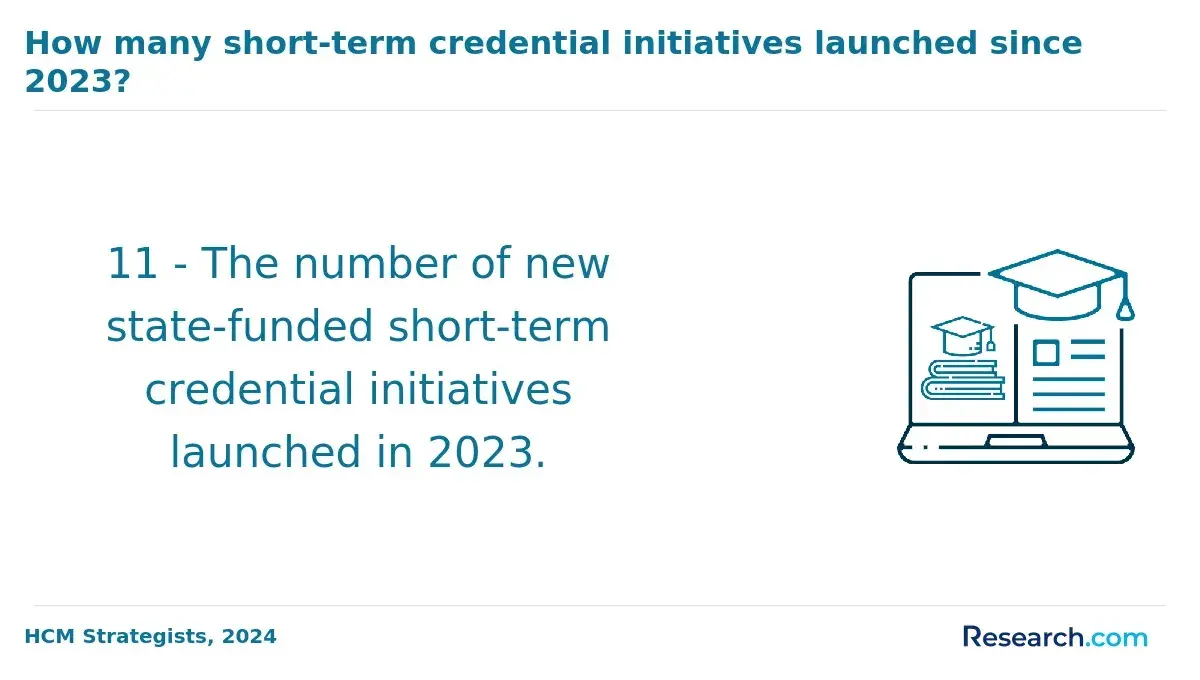
Schools frequently rely on transfer articulation agreements for streamlined credit acceptance, yet these cover only limited courses, pushing many students toward case-by-case evaluations that demand detailed academic and experiential verification. The integration of credit for prior learning (CPL) is notably significant, with over 70% of public universities now offering pathways that convert professional experience to up to 30 transferable credits, as reported in the American Council on Education's 2024 survey. Despite technological tools aiding transcript compares, transfer credits outside core or elective urban planning categories often fail to reduce degree requirements, necessitating additional coursework that extends educational timelines and costs, particularly impacting adult learners juggling job obligations and mobility between institutions.
Which Alternative Credits Are Most Commonly Accepted by Urban Planning Programs?
Alternative credit acceptance in urban planning programs functions as a critical pathway to enhance degree accessibility and accelerate completion for adult learners rather than being a mere transfer policy update. Credit for prior learning (CPL) through portfolio assessments or competency exams is increasingly leveraged, reflecting a strategic adaptation of transfer credit recognition in urban planning programs. Military training credits remain a pivotal resource for veteran students, with the American Council on Education providing widely respected credit recommendations. However, real-world tradeoffs involve navigating institutional accreditation requirements, course equivalency reviews, and credit caps that restrict upper-division credit applicability, compelling students to engage in detailed transfer planning to maximize credit utility.
Standardized exams like CLEP and workforce certifications aligned with urban development and GIS are valued for their cost-efficiency and relevance, though acceptance varies by institution due to differing policies on residency and grade thresholds. Online competency-based platforms, while promising, face uneven integration as programs weigh curriculum alignment and credit quality. This fragmentation influences affordability and program flexibility, meaning adult learners must assess prior credits' practical impact on shortening degree timelines. For those considering specialized pathways, including professional certificates or nontraditional courses, strategic dialogue with advisors can optimize degree progression. Students exploring related fields may also benefit from examining options like a game development online degree as part of broader urban-oriented skill development strategies.
How Are Urban Planning Schools Improving Transfer Pathways for Community College Students?
Urban planning programs have prioritized enhancing transfer pathways as a strategic response to persistent credit loss and prolonged degree completion timelines among community college students. Schools increasingly develop detailed articulation agreements and tailored degree maps that clarify which credits are accepted, helping students maintain academic momentum.
According to a 2024 report from the National Student Clearinghouse Research Center, institutions with robust articulation frameworks see transfer students finish bachelor's degrees at a 15% higher rate within six years, demonstrating the tangible benefits of these adaptations. However, students must weigh the tradeoff that some institutions still enforce strict course equivalencies and core requirement limits, which can restrict the transferability of technical and elective credits despite policy improvements.
Beyond articulation agreements, urban planning programs are integrating prior learning assessments and boosting advising resources to support adult learners, military-affiliated individuals, and working professionals. Dedicated transfer advisors now often assist students in navigating complex degree audits, ensuring applied experience and military training receive appropriate consideration where relevant. While these changes expand educational access and flexibility, practical evaluation of institutional credit policies remains essential since inconsistent course alignment and workforce-driven specialization expectations frequently influence credit acceptance. Students planning transfers should therefore align their course selections strategically to minimize credit loss and delay.
One community college transfer student encountered uncertainty when initially transferring technical coursework relevant to urban planning. Conflicting guidance about credit equivalencies led to cautious optimism, but after engaging with a transfer advisor, the student received a clear evaluation confirming which credits applied toward the major. This clarity expedited decision-making and reassured the student about maintaining on-time progression, highlighting how improved advising and articulation agreements can directly impact transfer success and degree completion.
How Can Transfer Credits Help Urban Planning Students Graduate Faster?
Transfer credit acceptance policies significantly shape whether urban planning students can actually shorten their degree timelines. While many programs have articulation agreements enhancing credit mobility-especially for courses in geography, environmental studies, and statistics-only about 70% of major-specific transfer credits are typically recognized. This reality compels students to strategically assess which credits align with core requirements, as some may not satisfy upper-division or residency mandates, ultimately influencing course sequencing and time-to-graduation decisions.
The benefits of prior learning credits for adult urban planning students extend beyond traditional coursework, incorporating military experience and workforce certifications through prior learning assessments. However, these assessments require portfolio documentation and clear alignment with learning outcomes, which can delay credit awards and necessitate supplementary classes. For working professionals or military-affiliated learners, understanding how these credit policies intersect with accreditation and licensure standards is crucial, as gaps often lead to additional time or coursework despite credit transfers.
These evolving transfer-friendly policies impact affordability and enrollment strategies, encouraging prospective students to engage proactively with transfer advisors and select programs demonstrating transparency in credit evaluation. This is particularly important for those considering credits from community colleges or prior institutions, where savings of six to nine months are possible but not guaranteed. For a deeper understanding of accelerated degree options that consider transfer credits, adult learners might explore pathways such as an online bachelor's in construction management, which parallels some urban planning degree structural adaptations.
How Much Money Can Students Save Through Urban Planning Transfer Credit Opportunities?
Transfer credits in urban planning programs can substantially alter the financial and time investment required to complete a degree, but institutional policies often shape the extent of these benefits. For example, adult learners transferring around 30 credits from community colleges may reduce tuition by thousands of dollars, potentially lowering the total cost by up to 40% in some states, as shown by recent research.
However, this often depends heavily on university-specific caps on transferable credits, which frequently range between 60 and 90 credit hours, and residency mandates that require a minimum number of credits to be earned directly from the awarding institution. These rules can limit cost savings and complicate planning for those hoping to accelerate degree completion through transfer credit.
Military-affiliated students can benefit further from credit recognition tied to prior learning and professional experience, sometimes receiving credit for up to 30 hours that might accelerate graduation by a full year. Despite these advantages, urban planning's specialized content-such as local zoning law coursework and technical software training-can restrict the applicability of transferred credits, requiring additional institution-specific evaluations. The variability in articulation agreements and credit evaluation processes means that credit loss remains a tangible risk, underscoring the importance of proactive advising and clear communication with programs. Ultimately, while transfer credits offer a viable pathway to reduce educational costs and shorten timelines, adult learners and professionals must navigate these tradeoffs carefully to align transfer policies with their degree completion goals in urban planning.
How Are Urban Planning Programs Supporting Military Students and Workforce Learners Through Transfer Credits?
Urban planning programs increasingly confront the challenge of translating diverse military training and workforce credentials into meaningful academic credit, yet institutional inconsistency remains a significant barrier. Although approximately 85% of colleges accept some form of military training credit, as reported by the American Council on Education (ACE), the variability in how these credits are evaluated often forces military-affiliated students to complete more coursework than anticipated, extending degree timelines. For instance, veterans with extensive professional certifications or apprenticeships may find credits partially accepted or outright denied due to differing standards across universities, hindering their ability to leverage prior learning for accelerated progress.
Beyond military credits, growing adoption of Prior Learning Assessment (PLA) processes allows workforce learners to convert non-traditional experiences-such as workplace training and certification-into academic credit, though this too depends heavily on faculty awareness and institutional policy transparency. Some urban planning departments utilize articulation agreements targeting veterans and active duty personnel, facilitating transfer pathways, yet inconsistent application still leads to credit disputes that affect course planning and accessibility. These dynamics shape the practical realities for students weighing whether their prior military or professional education will meaningfully reduce remaining degree requirements or simply complicate academic planning.
Flexible program formats, including hybrid and part-time options, complement these credit policies but do not fully resolve challenges from uneven transcript evaluations and limited recognition of workforce credentials. Institutional clarity on credit acceptance and alignment with employer-valued competencies are critical for improving accessibility and ensuring that applied experience translates into measurable educational and career outcomes within urban planning fields.
What Transfer Credit Innovations Are Shaping the Future of Urban Planning Education?
Recent transfer credit innovations in urban planning education are reshaping access and degree mobility for adult learners by emphasizing flexible credit pathways for adult learners in urban planning that acknowledge diverse experiences. AI-assisted transcript evaluations now reduce credit articulation time by up to 60%, enabling faster decisions and minimizing evaluation errors. However, institutions face tradeoffs balancing speed with rigorous equivalency assessments, especially when evaluating nontraditional credits, which remain unevenly accepted across programs and states. For working professionals and military-affiliated students, the expansion of credit for prior learning (CPL) programs-reportedly increasing by 25% in urban planning from 2023 to 2024-not only validates career experience but also shortens time to degree, yet its effectiveness depends heavily on institutional consistency and workforce relevance.
Competency-based education models offer another pathway, awarding credit based on demonstrated mastery rather than seat time, potentially accelerating degree completion but demanding intensive faculty oversight to maintain quality. Digital credentialing platforms are gaining traction as tools to securely verify micro-credentials and badges, supporting credit portability and strengthening employer trust in transferred qualifications. Meanwhile, structured transfer pathway agreements between community colleges and four-year urban planning programs help reduce credit loss, a persistent challenge that affects degree timelines and adult learner retention. These innovations collectively improve accessibility and transfer transparency but require learners to plan strategically amid inconsistent policies and interoperability issues. Adult learners should also consider options such as an architecture degree online when evaluating how their credits might transfer within related fields to optimize educational and career pathways.
How Can Adult Learners Maximize Transfer Credits in a Urban Planning Program?
Successfully maximizing transfer credits in an urban planning program demands a strategic approach to credit evaluation and course alignment, as many institutions impose stringent limits on transferable credits-often capping them between 60-75% of the degree requirements. For instance, an adult learner transferring credits from community colleges and military training must anticipate how articulation agreements and documented prior learning will impact both course sequencing and residency requirements. These transfer-credit policies affect not only time-to-degree but also cost efficiency and academic flexibility, with early engagement in transcript audits and advisor consultations critical to avoiding delays or redundant coursework.
A key lever for adult learners is leveraging credit for prior learning (CPL), particularly when military or workforce credentials can be systematically petitioned for formal recognition to accelerate program completion timelines. However, CPL and alternative credit pathways such as competency-based education must be judiciously evaluated in light of program accreditation standards and employer expectations within urban planning fields. According to a 2024 report by the National Student Clearinghouse, approximately 45% of transfer students lose credits due to mismatched course content or insufficient documentation, underscoring why thorough course mapping and articulation agreements are vital for transfer credit strategies for adult learners in urban planning programs. Working adults should also consider how their transfer credit decisions influence long-term career outcomes, factoring in practical tradeoffs between accelerated pathways and comprehensive skill development, rather than focusing solely on shorter degree duration.
Moreover, curriculum policies vary widely across institutions, so adult learners should investigate options with robust credit acceptance policies from technical colleges or community colleges known for established pathways to urban planning degrees. Alternative credit through online course equivalencies or competency assessments may provide flexibility but require scrutiny to ensure alignment with degree standards and employer validation. Those navigating educational costs in related fields might find useful insights from resources like how much does a criminal justice degree cost, which illustrate broader financial planning considerations relevant to transfer and degree completion strategies.
References:
- Mobility Isn’t a Choice: How Higher Education Can Better Serve Military Learners https://www.higheredtoday.org/2025/05/27/mobility-isnt-a-choice/
- The Missing Link: Adult Learners and the Transfer Process https://www.cael.org/resouces/pathways-blog/the-missing-link-adult-learners-and-the-transfer-process
- How to Transfer Credits and Maximize What You’ve Already Done - ReUp Education https://reupeducation.com/blog/how-to-transfer-credits-and-maximize-what-youve-already-done/
- The Importance of Understanding Transfer Credit Policies https://www.sophia.org/blog/higher-education/understanding-transfer-credit-policies/
- How to Transfer College Credits and Finish Your Degree Faster https://www.park.edu/blog/transfer-college-credits-finish-degree-faster/
- Community college transfer processes discourage degree completion https://journalistsresource.org/education/community-college-transfer-bachelors-degree-barriers-research/
- More Colleges Offering Credit for Prior Work Experience https://www.governing.com/workforce/more-colleges-offering-credit-for-prior-work-experience
- Adult Education Trends and Issues in Europe https://www.dvv-international.de/en/adult-education-and-development/editions/aed-722009/documents/adult-education-trends-and-issues-in-europe
- New Lessons for Improving Community College Transfer to Independent Institutions - Ithaka S+R https://sr.ithaka.org/blog/new-lessons-for-improving-community-college-transfer-to-independent-institutions/
- Urban planning education - Wikipedia https://en.wikipedia.org/wiki/Urban_planning_education
Other Things You Should Know About Urban Planning
Transferring credits can create gaps in core urban planning coursework if the incoming classes don't align well with a program's specific curriculum requirements. This is especially true for specialized topics like environmental planning or urban policy analysis. Students should carefully evaluate whether their credits will allow them to complete a cohesive set of courses that build critical skills, as scattered or insufficiently focused transfers can weaken the depth of expertise employers expect from graduates.
While transfer credits often speed up graduation, they may also reduce time spent in immersive studio work or field experiences essential to practical urban planning education. Gaining hands-on skills through local projects or interdisciplinary collaboration might be compromised if prior credits replace these components. Students should prioritize programs that balance transfer policies with opportunities for applied learning, as employers typically value demonstrable experience over just completed credit hours.
Transfer credits from institutions with differing accreditation or academic standards may not be valued equally by employers or licensure boards in urban planning. This mismatch can lead to challenges in certification processes or job market acceptance. Adult learners should prioritize transferring credits from regionally accredited or well-recognized institutions to ensure degree credibility and smoother professional advancement.
Employers in urban planning sectors increasingly expect candidates to demonstrate current, relevant skills, including technical software proficiency and policy analysis. Transferred credits often cover foundational topics but might not include cutting-edge tools or methodologies. Adult learners should assess whether their transfer credits keep them competitive in terms of practical capabilities and seek supplemental coursework or certifications when necessary to meet employer demands.