2027 Sports Analytics Affordability by State: Where Students Pay the Most and Least

Co-Founder and Chief Data Scientist
Choosing between a Sports analytics program with a $15,000 in-state tuition and another out-of-state option charging $35,000 annually can reshape a student's financial future. Many overlook how living expenses in higher-cost states can eclipse advertised tuition savings, leading to unexpected debt. A 2024 National Postsecondary Student Aid Study found that students in states with higher public tuition rates borrow nearly 20% more on average, reflecting how price disparities influence enrollment decisions and long-term financial burdens.
This article examines state-by-state variations in Sports analytics affordability to help students pinpoint where earning this degree fits best within their budget constraints.
Key Things to Know About Sports Analytics Affordability by State
- States with lower tuition often have higher living costs, offsetting savings; 2024 data show average in-state tuition varies 40%, but total attendance cost differences narrow when housing and transport are considered.
- Out-of-state Sports Analytics students face 2-3 times higher tuition in some states, limiting access to top programs unless scholarship options align, impacting long-term employer hiring pools favoring local graduates.
- Online programs reduce geographic barriers but may entail fewer networking chances with sports industry employers, affecting career pathways despite typically lower upfront costs compared to campus study.
- Key Things to Know About Sports Analytics Affordability by State Key Things to Know About Sports Analytics Affordability by State
- Which States Have the Most Affordable Sports Analytics Degree Programs? Most Affordable State Programs
- Which States Have the Highest Sports Analytics Degree Costs? Highest State Tuition Costs
- How Much Does a Sports Analytics Degree Cost by State? Degree Costs by State
- Why Does Sports Analytics Affordability Vary So Much Between States? State Affordability Variations
- How Do In-State and Out-of-State Tuition Rates Affect Sports Analytics Affordability? In-State vs. Out-of-State Rates
- How Does the Cost of Living Impact Overall Sports Analytics Affordability by State? Living Costs and Affordability
- Which States Offer the Best Value for a Sports Analytics Degree? Best Value State Degrees
- What Financial Aid and Scholarship Opportunities Can Reduce Sports Analytics Costs? What Financial Aid and Scholarship Opportunities Can Reduce Sports Analytics Costs?
- Are Online Sports Analytics Degree Programs More Affordable Than On-Campus Options? Are Online Sports Analytics Degree Programs More Affordable Than On-Campus Options?
- Is a Sports Analytics Degree Worth the Cost Based on Career Outcomes and ROI? Degree ROI and Outcomes
Which States Have the Most Affordable Sports Analytics Degree Programs?
Affordability in sports analytics degree programs often hinges on state-level dynamics that extend beyond mere sticker price, reflecting deeper investment patterns in public higher education and tuition policy design. For instance, states that allocate more public funding per student can afford to keep tuition lower without compromising program quality, enabling students to pursue specialized fields like sports analytics with less financial strain. In states such as Wyoming, where mineral revenues bolster education budgets, the resulting low tuition rates create a tangible advantage for in-state students, contrasting sharply with high-cost states where tuition frequently exceeds double that amount. This funding disparity means that students from more expensive states may face heavier debt loads or longer completion times, influencing enrollment decisions and even prompting out-of-state attendance where residency policies allow.
The impact of residency and financial aid policies compounds these differences, meaning affordability is not uniform across all students within a state. States with well-developed aid programs targeted at in-state learners, like New Mexico's Opportunity Scholarship, effectively reduce net costs and broaden access, reinforcing why affordable sports analytics degrees in the United States are often regionally concentrated. Additionally, varying costs of living can dramatically affect total educational expenses, causing students in lower-cost states to experience a more manageable overall investment despite tuition alone appearing similar on paper. For budget-conscious students comparing their options, this also underscores the value of programs that offer online study at stable in-state rates, which can eliminate geographic barriers while preserving affordability-a growing trend akin to patterns observed in related fields like MBA online programs.
Which States Have the Highest Sports Analytics Degree Costs?
States with the highest sports analytics degree costs typically combine elevated tuition rates with substantial living expenses, creating complex affordability challenges for students. These costs are influenced by factors such as state funding reductions for public institutions, expensive metropolitan housing markets, and the concentration of research-focused universities that demand advanced technology and expert faculty. For example, in Massachusetts, where in-state tuition can exceed $17,000 annually and total attendance costs reach $40,000, students must balance the prestige and networking opportunities against significant financial burdens. Such disparities often compel budget-conscious students to consider out-of-state or online programs where fees and living costs are lower, although this may mean compromising direct access to local industry connections or campus resources.
Residency policies also play a vital role; many states maintain strict criteria limiting in-state tuition benefits, so non-resident students face premium rates that exacerbate cost differences. High-demand sports analytics programs further sustain elevated pricing in states near major metropolitan areas like New York and New Jersey, reflecting both operational expenses and competitive enrollment dynamics. This environment forces students to weigh whether the potential return on investment justifies enrolling in these costly programs or if alternatives elsewhere might yield equal professional value with less financial strain. Data from the National Center for Education Statistics in 2024 show that these patterns are persistent, underscoring how geographic and institutional factors shape degree affordability and accessibility.
An individual pursuing a sports analytics degree recounted hesitating after discovering the stark tuition gap between their in-state options and prestigious out-of-state programs in California and Massachusetts. Though initially drawn to those high-profile institutions, they grew concerned about the lack of in-state fee reductions and the steep living costs in those areas. Comparing online alternatives alongside nearby public universities, they ultimately prioritized a combination of affordability and adequate program reputation, reflecting a careful negotiation of cost, residency limitations, and expected career outcomes that many students face in this field.
How Much Does a Sports Analytics Degree Cost by State?
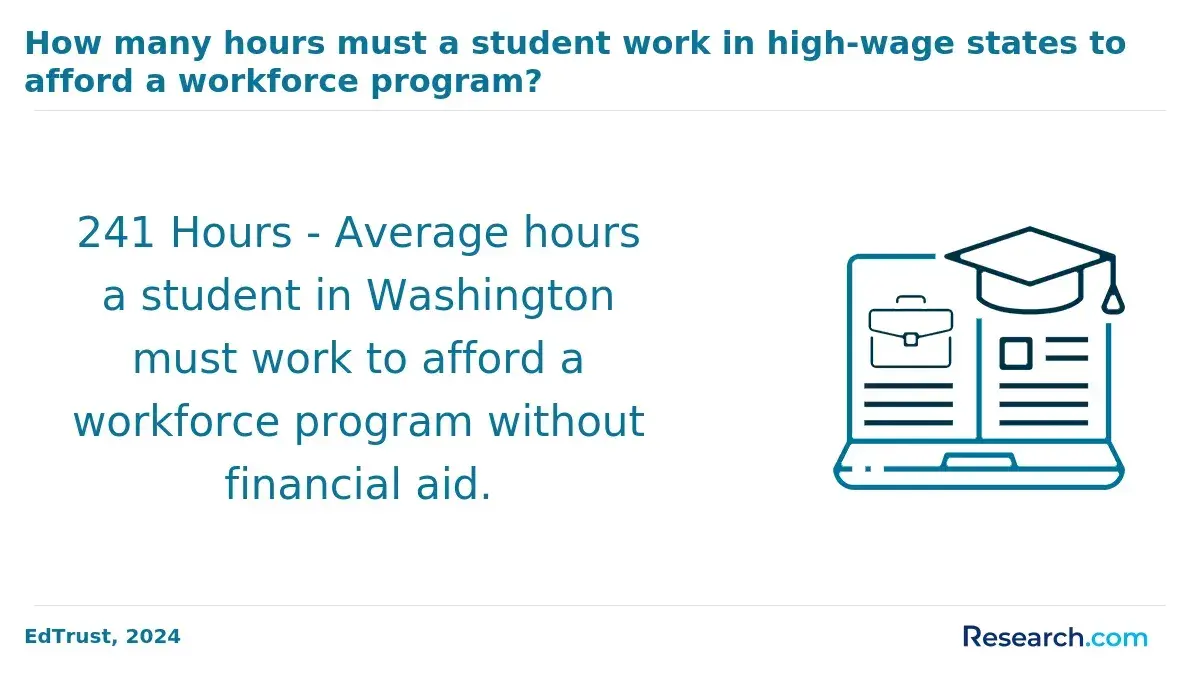
Variations in the cost of earning a sports analytics degree often hinge on the interplay between state policies, institutional types, and regional expenses, shaping the financial burden students face. Public universities typically offer lower in-state tuition, with some states like Wyoming and New Mexico charging around $7,000 annually, while others, such as California and Massachusetts, exceed $15,000 per year. Private programs generally remain costlier, frequently surpassing $30,000 regardless of location, which can compel students to weigh the benefits of higher-priced institutions against potential returns.
The decision to attend out-of-state schools introduces significant cost differentials, particularly since many public universities impose steep premiums on non-resident students, making relocation or long-distance online options critical considerations. Beyond tuition, living expenses in major metropolitan areas like Boston or San Francisco add thousands of dollars annually, influencing total affordability. Financial aid landscapes vary widely; states with strong grant programs, such as California and Ohio, can offset high sticker prices, altering net costs substantially and shaping not only enrollment patterns but also borrowing needs and career timeline decisions.
These disparities affect strategic planning for prospective sports analytics students who must balance educational quality, accessibility, and long-term debt. Opting for programs in states with favorable tuition policies and lower living costs can reduce debt burdens and improve financial flexibility, while others may prioritize specialized curricula or networking opportunities that justify higher expenses. According to 2024 data from the National Center for Education Statistics, these state-level factors remain pivotal in determining the real economic impact of pursuing a sports analytics degree and should inform any careful cost-benefit analysis before enrollment.
Why Does Sports Analytics Affordability Vary So Much Between States?
Variations in sports analytics degree cost differences across states primarily stem from how aggressively public funding supports higher education and the resulting tuition strategies. States like Wyoming and New Mexico, which allocate higher per capita funding to public colleges, typically offer lower in-state tuition, enhancing accessibility for local students. In contrast, states with constrained educational budgets often shift greater costs onto students, a dynamic amplified in regions with high living expenses such as California and New York. This cost displacement influences where students, especially budget-conscious ones, decide to enroll or consider transferring to balance educational expenses against potential earnings.
The mix of public versus private institutions further affects affordability, as private colleges usually charge significantly higher tuition, pushing average costs upward in states with more private providers. Additionally, state policies on residency requirements and out-of-state premiums shape non-resident enrollment choices, sometimes leading students to seek in-state or online alternatives to minimize expenses. Financial aid variations specific to analytics and STEM fields create uneven net costs, impacting students' long-term planning and decisions. According to the National Center for Education Statistics' 2024 data, these dynamics contribute to significant affordability disparities, influencing both demand and enrollment patterns across states with varying regional factors affecting sports analytics tuition.
Students should weigh these financial tradeoffs carefully, considering how institutional pricing interacts with local economic conditions and funding policies. Exploring pathways such as online construction management courses can offer valuable insights into managing costs while pursuing analytics-related education. Ultimately, understanding these nuanced state-by-state differences is critical for scheduling education expenditures and maximizing return on investment in a growing and competitive field.
How Do In-State and Out-of-State Tuition Rates Affect Sports Analytics Affordability?
Tuition disparities between in-state and out-of-state students significantly influence the financial feasibility of pursuing a sports analytics degree, shaping both institutional choice and enrollment strategies. Data from the National Center for Education Statistics indicates that average in-state tuition at public four-year colleges is around $11,500 annually, while out-of-state rates can more than double, exceeding $27,000. This gap forces many students to weigh relocating and qualifying for residency against the increased educational debt or to consider specialized regional tuition reciprocity agreements that can mitigate some nonresident fees but remain narrowly applicable. Such cost differences also affect long-term budgeting, as students must account not only for tuition but also living expenses that vary substantially by geography and often align with residency status.
Public funding policies favoring in-state enrollees translate into not only reduced tuition but also more favorable access to institutional financial aid, further tilting affordability in-state residents' favor. Private and online programs, while often more expensive, can offer consistent pricing regardless of state residency, providing an alternative for out-of-state students who might face prohibitive public university costs or who seek flexibility. Yet, these alternatives come with tradeoffs in price and often limited access to certain hands-on experiences valued by employers in the sports analytics labor market. Students must critically evaluate whether paying out-of-state tuition aligns with their broader career and financial goals, especially as residency reclassification is time-consuming and inconsistent in availability.
One recent graduate from a southeastern public university shared how uncertainty about residency classification complicated his financial planning. After moving across state lines shortly before enrollment, he found himself initially classified as an out-of-state student, doubling tuition cost relative to local peers. Attempts to establish residency took longer than anticipated, forcing him to reconsider whether staying the course was financially sustainable or if transferring to an online program was a necessary fallback. Though relieved when residency was granted in the second year, the experience underscored how residency status can unpredictably impact the affordability and timing of completing a sports analytics degree in ways not fully transparent at the time of application.
How Does the Cost of Living Impact Overall Sports Analytics Affordability by State?
Cost-of-living differences create significant disparities in the total expense of earning a sports analytics degree across states, shaping financial decision-making far beyond mere tuition comparisons. For instance, a student attending a program in New York faces substantial housing costs that can double monthly expenses compared to a similar program in a lower-cost state like Ohio. These regional living expense variations directly affect whether students must increase work hours, seek additional financial aid, or extend degree completion timelines-choices that impact both academic focus and long-term career positioning.
Transportation, food, healthcare, and utility costs further widen the affordability gap, especially in urban versus rural settings. A campus reliant on public transit might have higher monthly transportation expenses, while students in less connected areas incur car maintenance and fuel costs that add unpredictability to budgets. Considering cost of living and sports analytics tuition by state thus demands a holistic approach accounting for these ancillary expenses, which often dictate whether students accumulate debt or can pursue programs with less financial strain.
These practical realities influence enrollment decisions, including the increasing appeal of online alternatives for budget-conscious learners. Evaluating regional living expenses affecting sports analytics affordability entails recognizing that two students with identical tuition payments may experience vastly different economic burdens. Those seeking the most cost-effective pathways should examine state-level cost factors alongside program rigor and outcomes, potentially consulting resources like communication master degree analyses for comparative insights into managing educational expenses in specialized fields.
Which States Offer the Best Value for a Sports Analytics Degree?
Choosing the best state for a sports analytics degree hinges on more than just low tuition; students must consider residency policies, financial aid programs, and graduation rates to assess true affordability. For instance, Texas offers in-state tuition around $11,300, which is below the national average, but its value multiplies through substantial state-funded aid and higher degree completion rates, reducing the overall cost burden and supporting smoother transitions into the workforce. Conversely, states like California have higher tuition and living expenses that can offset starting salaries despite a robust local sports economy, making the net return on investment less predictable for new graduates.
Graduation rate differences notably affect value-states such as Virginia and Michigan see completion rates over 60% for STEM and analytics fields, which correlates with better employment pathways and less risk of prolonged educational costs. Financial considerations also extend to debt loads; data shows North Carolina grads in analytics carry about 20% less debt than the national average, a critical factor as debt can erode career flexibility after graduation. Thus, students eyeing programs should weigh tuition not just by sticker price but by how institutional funding, residency eligibility for in-state rates, and program efficiency converge to minimize financial exposure while maximizing educational outcomes.
Practical decisions include whether to seek residency to qualify for in-state tuition, enroll online to avoid relocation costs, or select states balancing cost with local industry demand. While affordability is a starting point, its impact diminishes without achievable graduation and job placement rates in competitive sports analytics markets. Taking a comprehensive, state-specific view rooted in recent 2024 data from national education agencies enables more informed tradeoffs between upfront costs and long-term career prospects.
What Financial Aid and Scholarship Opportunities Can Reduce Sports Analytics Costs?
Federal aid programs such as Pell Grants and Federal Supplemental Educational Opportunity Grants (FSEOG) set a baseline for reducing out-of-pocket costs in sports analytics programs, but their impact varies significantly depending on state tuition levels and eligibility criteria. With Pell Grants averaging around $4,500 annually according to the National Center for Education Statistics (2024), students in states with lower tuition can see substantial relief, while those in high-cost states often face remaining gaps that must be covered through other means. State grant programs and tuition reciprocity agreements further complicate the affordability landscape, as students in regions like Wisconsin benefit from targeted STEM-related funding, whereas others encounter thinner support pools, causing financial pressure to mount, especially for those residing near state borders but attending out-of-state institutions.
Institutional scholarships and need-based aid can substantially offset residual costs, yet their availability is often uneven and tied to academic merit or strict documentation requirements that disadvantage some applicants. Competitive private universities may offer larger scholarships but also impose tighter eligibility rules, which can limit access for budget-conscious students prioritizing value. Meanwhile, employer-sponsored education benefits are emerging as a strategic resource for working students, enabling part-time enrollment without sacrificing income but requiring thoughtful coordination with academic schedules and aid renewal conditions. Navigating these layered eligibility factors-including residency status, timely application submissions, and policies on aid stacking-becomes essential for prospective students aiming to optimize financial aid packages and minimize debt burdens while pursuing meaningful sports analytics credentials.
Are Online Sports Analytics Degree Programs More Affordable Than On-Campus Options?
Comparing online and on-campus sports analytics degree affordability requires dissecting more than just sticker tuition. While online tuition can be roughly 15% lower on average, a detailed cost comparison of on-campus versus online sports analytics programs by state reveals significant nuances. For example, an on-campus student may face $10,000 or more annually in housing, transportation, and campus fees that online learners typically avoid. However, some online programs impose technology fees or mandate residencies, reducing potential savings. These tradeoffs mean the practical cost difference varies widely depending on state pricing policies and program structure.
Financial aid also influences affordability in ways that may surprise prospective students. Federal aid tends to apply equally to both modalities, but many state grants and scholarships prioritize on-campus attendance, limiting funding options for remote learners. A working professional enrolled part-time in an online sports analytics program might offset tuition expenses by continuing employment, a benefit less accessible to full-time campus students. These dynamics make the decision to pursue online versus on-campus education contingent on individual circumstances, geographic location, and the interplay of cost, aid eligibility, and personal work capacity.
For budget-conscious students weighing where to earn a sports analytics degree in the United States, these factors demand a fine-grained approach. Evaluating total cost of attendance alongside employment opportunities is crucial rather than relying solely on lower online tuition figures. To explore affordable educational pathways, candidates should also investigate non profit colleges with reputable online offerings that balance cost, quality, and practical outcomes.
Is a Sports Analytics Degree Worth the Cost Based on Career Outcomes and ROI?
A sports analytics degree's value cannot be measured solely by tuition costs, especially given significant state-by-state disparities. For example, students in California or New York face annual fees exceeding $20,000, which may lead to heavier debt loads despite stronger salary potentials, while states like Texas or Florida offer more affordable options closer to $8,000 to $12,000 per year. This uneven financial entry point influences the overall sports analytics degree ROI by state and complicates decisions for budget-conscious students who must balance lower education expenses against potential geographic salary variations and living costs.
Career outcomes for sports analytics graduates in the US show increasing demand in professional sports, data consulting, and collegiate programs, with job growth projected at nearly 9% through 2030 according to labor statistics. However, employment opportunities remain concentrated in select markets, often requiring geographic mobility or advanced credentials to remain competitive. Students should assess program quality, support systems, and employer connections alongside tuition, as higher completion rates and internships with sports franchises substantially impact employability. Some also pursue graduate paths to deepen skills, further shaping their long-term financial outlook and opportunity costs.
In evaluating education pathways, it is prudent for prospective students to review options such as an EdD no dissertation program if considering advanced degrees that avoid the additional time and expense of dissertation research. Overall, measuring the worth of a sports analytics degree requires nuanced analysis beyond sticker price, factoring in debt burden, salary benchmarks by region, and alignment with career aspirations to determine true long-term value.
References
- Sports Analytics Market Size, Share, Global Growth Report, 2032 https://www.fortunebusinessinsights.com/sports-analytics-market-102217
- Maximizing Your College Scholarship: How Student Athletes Can Combine Athletic, Academic, and Financial Aid https://www.asmsports.co/post/maximizing-your-college-scholarship-how-student-athletes-can-combine-athletic-academic-and-financial-aid
- Sports Analytics Degree | Best Undergraduate & Master's Programs https://www.discoverdatascience.org/related-programs/sports-analytics/
- Sports analytics: Definition, types, use cases, benefits | Endava https://www.endava.com/glossary/sports-analytics
- Top Sports Analytics Courses for 2025 | Boost Your Career - SportsJobs Online https://www.sportsjobs.online/blogposts/40
- How to Fund College as a Student-Athlete - Honest Game https://honestgame.com/blog/how-to-fund-college/
- Benefits of Sports Analytics Certification Programs https://www.sportsmanagementworldwide.com/content/benefits-sports-analytics-certification-programs
- Sports Analytics: What is it & How it Improves Performance? - Catapult https://www.catapult.com/blog/what-is-sports-analytics
- Sport Data Campus - Advanced Data Analytics https://english-programs.sportsdatacampus.com/
- All Sports Analytics Degrees in 2025 - AnalyticsDegrees.org https://www.analyticsdegrees.org/specialties/sports-analytics/
Other Things You Should Know About Sports Analytics
The size and sophistication of a state's sports market strongly shape the practical value of obtaining a sports analytics degree there. States with multiple professional teams or a deep college sports culture typically offer more internships and job placements, which can justify higher tuition by easing entry into competitive roles. Conversely, smaller markets may provide lower-cost education but fewer immediate employment opportunities, requiring graduates to relocate or accept entry-level positions outside their preferred sport or locale.
Sports analytics programs vary in their focus-some emphasize technical data skills while others integrate sports management or coaching insights. Highly specialized programs, often in states with higher tuition, may better align with niche career goals and provide stronger industry contacts, justifying the cost for students targeting elite roles. For students on a strict budget, a less costly, broader program might be wiser, but they should anticipate investing more time in self-directed learning or gaining external experience to stay competitive.
Employers increasingly prioritize measurable skills such as programming, statistical modeling, and domain knowledge over prestige alone. States with more affordable programs often produce graduates with comparable technical competencies but may lack the strong alumni networks prevalent in higher-cost states. Therefore, paying premium tuition does not guarantee better job prospects-students should weigh whether costly programs offer meaningful connections or internships in local sports industries that can provide tangible hiring advantages.
Choosing out-of-state programs sometimes means higher tuition but access to stronger sports markets and industry hubs, which can improve job placement and salary potential. Students should carefully compare the total cost of attendance against the likely career benefits; attending a less expensive in-state program may limit initial networking and hands-on opportunities, potentially delaying return on investment. For those targeting elite or specialized roles, the extra expense may be warranted, but budget-conscious students should confirm the potential for long-term career gain before committing.