2027 Sports Analytics Salary Trends Report: Are Wages Keeping Up With Tuition and Inflation?

Co-Founder and Chief Data Scientist
Imagine a prospective sports analytics student weighing the decision to enroll in an expensive degree program. They must consider whether the financial return justifies the rising costs of higher education amid persistent inflation. Tuition fees continue to climb, often outpacing wage growth across many fields. For this student, evaluating salary offers alone misses critical factors that shape real earnings over time.
Salary growth, education costs, and inflation rarely align, affecting buying power long after graduation. Understanding these dynamics requires looking beyond initial paychecks to long-term earning potential and affordability. This article examines sports analytics salary trends alongside tuition expenses and inflation, focusing on return on investment and financial sustainability. It explores the key factors influencing the economic value of a sports analytics degree over time.
Key Things to Know About Sports Analytics Salary Trends
- Median graduate salaries in sports analytics rose 4.5% in 2024, trailing 6.8% inflation-adjusted tuition hikes, signaling diminished real wage gains for new entrants.
- Specialization in predictive modeling correlates with a 15% higher wage premium, emphasizing skill-driven differentiation amid a saturated entry-level market.
- Long-term earning potential hinges on continuous data science skill updates and network leverage, as static credential value declines faster in this evolving sector.
- Key Things to Know About Sports Analytics Salary Trends Key Things to Know About Sports Analytics Salary Trends
- What Is the Current Salary Outlook for Sports Analytics Graduates? Salary Outlook
- Are Sports Analytics Salaries Keeping Up With Inflation? Inflation Impact
- How Do Tuition Costs Compare With Sports Analytics Salary Growth? Tuition vs Salary
- Does a Sports Analytics Degree Deliver a Positive Return on Investment? Degree ROI
- Which Industries Offer the Highest Salaries for Sports Analytics Graduates? Which Industries Offer the Highest Salaries for Sports Analytics Graduates?
- Which States and Cities Offer the Highest Pay for Sports Analytics Professionals? Which States and Cities Offer the Highest Pay for Sports Analytics Professionals?
- How Do Sports Analytics Salaries Grow Throughout a Career? Career Growth
- How Do Sports Analytics Salaries Compare With Similar Degrees? Salary Comparison
- How Is Employer Demand Affecting Sports Analytics Salary Trends? Employer Demand
- How Can Students Maximize Their Lifetime Earnings With a Sports Analytics Degree? Maximizing Earnings
What Is the Current Salary Outlook for Sports Analytics Graduates?
Sports analytics graduate salary trends reveal a landscape where starting salaries generally range between $55,000 and $65,000, according to recent data from the National Association of Colleges and Employers. However, these entry-level figures do not tell the full story.
Salaries can vary widely depending on the employer, location, and the graduate's technical skills beyond their degree. For instance, one graduate working for a major league sports franchise with supplementary expertise in machine learning might surpass $100,000 within a few years, while another in a smaller market or a more generalized role may experience slower growth despite holding the same degree.
Looking beyond initial compensation is essential when assessing the current salary outlook for sports analytics graduates. Government data from 2024 highlights median wages for related roles, such as operations research analysts and data scientists in sports, typically falling between $70,000 and $95,000, reflecting steady demand and a premium on specialized knowledge.
Graduates who continue to gain relevant experience and acquire complementary skills often unlock higher earning potential, adapting to the evolving integration of analytics in coaching, scouting, and management. Still, with tuition inflation outpacing salary growth in many cases, graduates must weigh these prospects carefully against the cost of education and consider ways to enhance their marketability during their studies.
Given the competitive nature of the field and economic fluctuations, prospective and current students should view sports analytics's salary outlook as a dynamic and long-term investment rather than a simple immediate payoff. Employing internships, certifications, or additional technical abilities can differentiate candidates and open pathways to better compensation.
For a grounded perspective on how this degree stacks up in terms of earning potential and associated costs, it is useful to compare sports analytics against the highest paying college majors to evaluate real-world returns more comprehensively.
Are Sports Analytics Salaries Keeping Up With Inflation?
While nominal wages for sports analytics roles have grown by about 3.5% annually over the last three years, this rate falls short of the roughly 4.0% average inflation recorded in the same period according to the U.S. Bureau of Labor Statistics. This gap means that despite small raises, the real purchasing power of salaries in these fields is effectively shrinking.
For example, a mid-career analyst earning a modest raise might struggle to keep up with increasing costs of housing, transportation, and everyday expenses, illustrating that nominal pay increases do not always equate to improved living standards.
Factors such as the interdisciplinary nature of sports analytics can influence these trends, as salaries often lag behind broader tech or data science benchmarks. Additionally, the impact of rising tuition costs compounds financial pressures faced by recent graduates; with specialized programs increasing fees by around 5% annually, the return on investment diminishes when salary growth does not keep pace.
Prospective students contemplating a sports analytics degree should weigh these challenges carefully, including the potential burden of student debt and the variability in wage growth across different sectors within the field.
Nonetheless, opportunities exist for those who develop advanced skills in machine learning, big data, or strategic decision-making, where localized wage premiums may counterbalance broader wage stagnation.
Those exploring alternative educational pathways might consider cost-effective options to mitigate debt, such as programs highlighting online executive MBA cost advantages. Ultimately, assessing the complex interplay between sports analytics salary growth versus inflation requires a nuanced understanding of both market forces and education expenses to inform sustainable career decisions.
How Do Tuition Costs Compare With Sports Analytics Salary Growth?
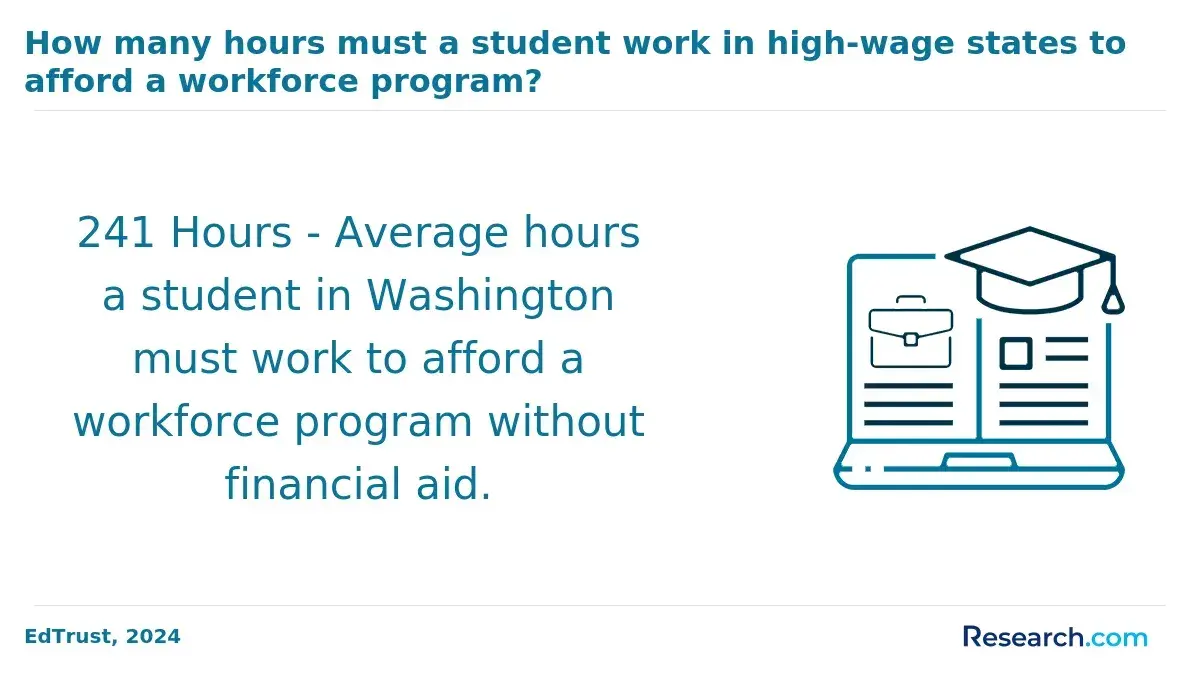
Examining tuition costs alongside salary growth for sports analytics graduates reveals a widening financial gap that affects the degree's practical value. Average annual tuition for relevant programs has increased about 4.5% per year over the last decade, exceeding the general inflation rate and outpacing salary growth.
Early-career salaries hover between $55,000 and $65,000 with annual raises around 3%, while mid-career wages rise more slowly, generally topping out below $95,000. This disparity means that focusing solely on salary or tuition alone misses the broader picture: rising education expenses extend the time required to break even on one's investment in the degree, impacting long-term financial stability.
Consider a student faced with $30,000 in annual tuition five years ago, now seeing that figure rise to nearly $40,000 but recognizing starting salaries have not kept pace. For this student, planning may require more careful budgeting, potentially taking on greater debt or working while studying.
In contrast, someone who enrolls at a lower-cost institution or secures scholarships begins with less financial strain, affecting their break-even timeline positively. Factors like loan interest, cost of living, and the speed of career progression also shape how tuition compares with earnings, producing varied outcomes across individuals and market conditions.
One recent graduate recalled hesitating before enrolling due to sharp tuition increases, ultimately choosing a state university rather than a higher-priced private program. They described balancing part-time work during classes to ease financial pressure, reflecting the challenge of managing upfront costs that outpace early salary gains.
Despite modest starting pay, this graduate found that gaining practical experience during school was essential to accelerating raises later, confirming that how tuition growth aligns with salary progression is not only a matter of numbers but also strategic choices and timing.
Does a Sports Analytics Degree Deliver a Positive Return on Investment?
Return on investment (ROI) in higher education means weighing the total expenses of earning a sports analytics degree against the long-term earning potential and career advancement opportunities it unlocks. This evaluation goes beyond entry-level salaries, focusing instead on sustained growth in income and job prospects over time.
For instance, a graduate starting with a $60,000 salary who sees steady increases toward $100,000 within a decade can offset tuition costs ranging from $20,000 to $50,000 per year, especially if they gain relevant internships and continually sharpen their analytical skills. This scenario illustrates that ROI depends heavily on how graduates position themselves within the labor market and capitalize on industry demand.
Major influences on whether a sports analytics degree yields positive ROI include regional salary variations, employer type, and individual career paths. Data from the National Center for Education Statistics and Bureau of Labor Statistics in 2024 show that mid-career earnings typically reach between $80,000 and $110,000, reflecting a field where wages generally keep pace with or slightly outstrip inflation despite rising tuition and living costs.
However, these numbers do not guarantee uniform outcomes; graduates without practical experience or those in less competitive markets may see slower financial returns. Additionally, intangible benefits such as access to exclusive networks and specialized expertise contribute to the overall value but are harder to quantify.
Ultimately, a sports analytics degree can represent a sound investment if students are strategic about reducing debt, pursuing internships, and staying abreast of industry trends. Evidence suggests wages in sports analytics are growing robustly compared to other fields, aligning with increased adoption of data-driven decision-making across professional and collegiate sports.
Still, prospective students must balance upfront costs with realistic long-term career trajectories, understanding that economic shifts and personal choices significantly impact whether the degree delivers a consistent positive ROI.
Which Industries Offer the Highest Salaries for Sports Analytics Graduates?
For graduates exploring the sports analytics industry salary comparison, understanding which sectors deliver the strongest financial rewards is critical. Sports analytics graduates face varied outcomes depending on their industry of employment, with distinct differences in salary ranges tied to skill specialization, organizational scale, and sector growth.
According to 2024 data from the U.S. Bureau of Labor Statistics and major industry analyses, earnings are highest in industries combining deep domain knowledge with advanced technical skills in data science, predictive modeling, and business strategy.
Students and career changers should weigh these factors against investment in education, such as pursuing an online sports management degree, which can improve access to top-paying roles. Below are key industries where sports analytics graduates generally find the largest salary potential:
- Professional Sports Leagues: Major leagues such as MLB, NBA, and NFL offer some of the highest salaries, starting around $70,000 to $90,000 and reaching $150,000 or more for mid-career analysts. Compensation benefits from performance bonuses and long-term contracts, rewarding those with both quantitative proficiency and deep understanding of sports operations.
- Sports Technology Firms: Companies focusing on performance tracking, predictive analytics, and fan engagement platforms typically pay between $100,000 and $160,000. Roles often demand expertise in machine learning, software tools, and data engineering, attracting talent who combine analytics with technical development skills.
- Broadcasting and Media Networks: Networks like ESPN and Turner Sports hire analysts for game insights and real-time predictions. Starting salaries may be lower, but specialized skills in data visualization and machine learning can grow earnings to six figures, especially for senior analysts supporting broadcast content.
- Consulting and Market Research: Firms advising sports teams and sponsors on strategy leverage analytics skills alongside business acumen. Salaries typically range from $80,000 to $130,000, rewarding professionals adept at translating data into actionable commercial insights for sports management.
- Collegiate and Institutional Sports Programs: While not the highest paying, some universities and colleges offer competitive roles combining analytics and athletic program support. These positions often serve as career entry points or stepping stones toward more lucrative industry jobs.

Which States and Cities Offer the Highest Pay for Sports Analytics Professionals?
The distribution of salaries for sports analytics professionals strongly reflects regional economic strengths and the presence of major sports franchises and tech innovation.
Data from the U.S. Bureau of Labor Statistics and recent industry salary surveys for 2024 highlight how pay scales are shaped by both established sports markets and emerging hubs. Those weighing their educational investments should carefully balance top-tier salaries with rising living expenses and tuition.
Below are key states and metropolitan areas that consistently provide leading compensation, accompanied by critical context for evaluating each location's opportunities and constraints:
- California Bay Area: Home to numerous NBA, NFL, and MLB franchises alongside a booming sports tech sector, the San Francisco Bay Area leads in sports analytics salaries, often exceeding $95,000 annually. However, the region's steep cost of living, especially housing, demands consideration of whether higher income offsets daily expenses and education debt.
- Los Angeles Metro: Another California hotspot, Los Angeles offers comparable high salaries fueled by major league teams and innovative sports data companies. Prospective professionals here encounter familiar tradeoffs between competitive pay and some of the nation's highest housing and transportation costs.
- New York City: With median salaries near $90,000, NYC's financial and media industries are increasingly integrating advanced analytics in sports operations. While rewarding, the city's elevated cost of living and tuition fees for sports analytics programs require students to anticipate substantial upfront and ongoing expenses.
- Boston and Massachusetts Area: Benefiting from top research universities and a dense ecosystem of data science applied to sports, wages are high though typically slightly below California and NYC figures. Academic collaborations can offer unique learning opportunities but may come with financial pressures related to local cost inflation.
- Austin, Texas: Emerging as a cost-effective alternative, Austin offers salaries in the $70,000 to $80,000 range but compensates with affordable living and a growing sports market. For graduates balancing debt against long-term earning potential, Austin provides a strategic entry point within a dynamic regional economy.
- Denver, Colorado: Similar to Austin, Denver combines moderate salaries with comparatively lower living costs and expanding sports franchises. This balance may appeal to those prioritizing sustainable finances while gaining experience in a less saturated but evolving sports analytics environment.
How Do Sports Analytics Salaries Grow Throughout a Career?
Sports analytics salaries typically start between $50,000 and $70,000 for entry-level roles such as junior analysts or data assistants, reflecting the combined influence of a bachelor's degree and early practical experience.
Mid-career professionals with five to ten years in the field often see salary growth to the range of $80,000 to $120,000, strengthened by their growing expertise in advanced quantitative techniques and proficiency with tools like Python, R, and SQL. Leadership or senior roles, including team leads and directors, command between $130,000 and $180,000, with top positions at major sports organizations offering compensation beyond this range, especially when bonus structures and profit-sharing are factored in.
According to 2024 data from the U.S. Bureau of Labor Statistics and SABR, continuous skill development-particularly in emerging areas like machine learning-and advanced academic qualifications are critical drivers of this upward trajectory.
Consider two graduates who both hold sports analytics degrees: one invests heavily in mastering machine learning applications and pursues a master's in data science, landing roles that leverage these skills to deliver complex predictive models. The other remains within more generalist analytics positions, focusing on supporting routine data reporting without expanding technical depth.
Over a decade, the first individual is more likely to experience faster salary increases and gain opportunities in leadership thanks to specialized capabilities and credentials that firms value highly. This illustrates that while foundational education sets the stage, ongoing professional growth and strategic career moves significantly influence long-term earnings, especially amid inflation and rising educational costs.
Reflecting on this, one graduate shared how after initially accepting a steady but modest analyst role, they felt increasing pressure to specialize when colleagues with machine learning expertise advanced more rapidly. Despite some hesitation about returning to school for a master's amid financial uncertainty, the decision to pursue additional certification proved pivotal.
They noted relief when salary gains and new responsibilities began materializing, affirming that targeted skill enhancement was essential to keeping pace with industry salary growth and maximizing the investment in their sports analytics education.
How Do Sports Analytics Salaries Compare With Similar Degrees?
Sports analytics salaries generally lag behind earnings in related fields such as data science and computer science, reflecting the specialized and smaller market niche of sports analytics. Median salaries for sports analytics professionals typically range from $65,000 to $75,000, according to recent data, which is notably lower than other STEM and analytics-related degrees.
This difference often shapes career decisions for prospective students, who must weigh the lower starting positions against potential growth in the expanding sports industry. Here are key salary comparisons for sports analytics relative to similar degrees:
- Data Science: Median salaries for data science graduates reach around $103,000, driven by broad industry demand and applications across finance, healthcare, and technology sectors. Careers in data science tend to offer higher starting salaries and faster income growth due to the versatility and scale of roles available, distinguishing it sharply from the niche sports analytics market.
- Computer Science: Computer science professionals earn median salaries close to $98,000, benefiting from a wide range of high-paying job opportunities in software development, cybersecurity, and AI. The larger employer base and technology-driven sectors generally result in higher compensation than sports analytics, where opportunities are concentrated in sports franchises and media.
- Economics and Business Analytics: Entry-level salaries in economics and business analytics typically hover between $70,000 and $80,000. These degrees support careers in consulting, finance, and corporate analytics, which often command slightly better initial salaries than sports analytics but share similar analytical skill requirements.
For students evaluating whether the long-term earnings justify the cost of a sports analytics degree amid rising tuition and inflation, considering real-world outcomes is critical.
For example, a recent graduate entering sports analytics may start at a lower salary than peers in data science roles but could see strong growth if they leverage their specialization in fantasy sports or sports media. Balancing such scenarios with the current tuition landscape and exploring easy online MBA programs as a pathway to enhance earnings may offer practical routes to long-term career success.
How Is Employer Demand Affecting Sports Analytics Salary Trends?
Employer demand significantly shapes sports analytics salary trends by intensifying competition for qualified professionals. As organizations expand their use of data analysis, predictive modeling, and real-time performance metrics, their hiring activity increases, often prompting initial salary offers to rise in order to attract top talent.
For example, a sports franchise investing in advanced biomechanical analysis may offer higher starting wages and signing bonuses to candidates with specialized machine learning skills. However, such compensation strategies remain relatively uncommon, as budget constraints and broader economic conditions limit widespread wage growth.
Data from the 2024 Sports Analytics Salary Survey and reports by the U.S. Bureau of Labor Statistics show that while employer demand drives moderate increases in starting salaries, the average wage growth for sports analytics professionals has lagged behind inflation. This disparity affects the real income gains of recent graduates, complicating the return on investment for those pursuing a sports analytics degree amid rising tuition costs.
Understanding how employer demand impact on sports analytics salaries interacts with factors like experience, specialization, and organizational priorities is crucial for students evaluating long-term earning potential. Prospective students might also consider related fields or advanced credentials, such as a library science masters, to diversify their qualifications and improve market competitiveness.
Ultimately, strong employer demand can accelerate wage growth but must be viewed within the broader context of job market trends for sports analytics professionals. Fluctuations in demand, evolving industry needs, and the availability of skilled talent collectively influence salary trajectories and career outcomes in this specialized sector.
How Can Students Maximize Their Lifetime Earnings With a Sports Analytics Degree?
Maximizing lifetime earnings with a sports analytics degree requires strategic focus on specialized skills, industry sectors, and practical experience. Data from the U.S. Bureau of Labor Statistics and leading industry analyses indicate that merely completing the degree is not enough; graduates must enhance their technical prowess and diversify their employment options.
For instance, a graduate who masters machine learning and gains cloud computing experience while interning at a recognized analytics firm can increase starting pay by over 15%, according to 2024 National Association of Colleges and Employers data.
Below are focused strategies based on recent high-authority research that can significantly impact long-term income:
- Advanced Technical Skills: Specializing in machine learning, data engineering, or programming languages like Python and R enhances employability in high-paying roles. These skills are in demand across sports teams and expanding tech sectors, supporting salary growth beyond entry-level positions.
- Industry Diversification: Exploring emerging fields such as wearable tech or media analytics offers higher starting salaries and faster job growth compared to traditional sports teams. Graduates should target growing sectors to leverage market trends.
- Strategic Internships: Completing internships in major leagues or analytics firms correlates with a 15% salary premium. Internships provide practical insight and expand professional networks critical for career progression.
- Certifications & Credentials: Obtaining credentials like Certified Analytics Professional (CAP) unlocks leadership opportunities and sustained income improvements over time.
- Continuous Learning: Committing to ongoing skill development aligned with industry advances ensures competitiveness and adaptability, essential for long-term earnings.
References
- What is a Sports Analyst? Explore the Sports Analyst Career Path in 2025 https://www.tealhq.com/career-paths/sports-analyst
- Has pay kept up with inflation? - The Hamilton Project https://www.hamiltonproject.org/data/has-pay-kept-up-with-inflation/
- How Much Can You Earn in Sports Analytics? - Salaries and Top Employers - SportsJobs Online https://www.sportsjobs.online/blogposts/3
- Is College Worth it? | Return on Investment Analysis of College Degree https://educationdata.org/college-degree-roi
- The Role of a Sports Analyst: Career Path, Skills & Job Trends https://fundaspring.com/blogs/careers/sports-analyst-career-guide
- Awesome Jobs You Can Score With a Sports Analytics Degree https://www.workinsports.com/resourcecenter/jobseeker/pages/awesome-jobs-you-can-score-with-a-sports-analytics-degree
- Does College Pay Off? A Comprehensive Return On Investment Analysis - FREOPP https://freopp.org/whitepapers/does-college-pay-off-a-comprehensive-return-on-investment-analysis/
- The price of college is rising faster than wages for people with degrees | USAFacts https://usafacts.org/articles/is-college-worth-it-the-price-of-college-is-rising-faster-than-wages-for-people-with-degrees/
- [PDF] Analyzing the Financial Value of Bachelor's Degrees Between 2019 ... https://etd.ohiolink.edu/acprod/odb_etd/ws/send_file/send
- Sports Analytics Market Size, Share, Global Growth Report, 2032 https://www.fortunebusinessinsights.com/sports-analytics-market-102217
Other Things You Should Know About Sports Analytics
The structure of sports analytics programs matters significantly for salary potential. Programs emphasizing real-world projects with professional partnerships often offer stronger networking channels, leading to higher starting wages. When deciding on a program, prioritize those that provide access to internships or direct collaborations with teams or analytics firms, as these connections frequently translate to better job offers and faster salary growth.
Advanced skills in programming, machine learning, and data visualization tend to command higher salaries, but a narrow technical focus can limit roles to specialized analytics positions. Conversely, broader sports knowledge can open doors to strategic or management roles that might offer longer-term growth. Graduates should weigh the immediate salary boost from technical proficiency against the slower but potentially larger gains from combining analytics with comprehensive sports expertise.
Higher salaries in sports analytics sometimes come with demanding hours and performance pressures, especially in professional sports settings with tight deadlines. Candidates must balance the appeal of higher pay against the risk of burnout and lower job security common in short-term contracts. Prioritizing roles that offer a balance between salary and sustainable workload can improve long-term career prospects and earnings consistency.
Certifications can signal specialized expertise and occasionally lead to salary bumps, but their overall impact varies widely among employers. Investing time and money into credentials should be contingent on evidence that the target employers recognize those qualifications. For most, focusing on building a robust portfolio of practical work will yield better salary returns than accumulating certificates without a clear alignment to industry demand.