2027 Sports Analytics ROI by Institution Type: Public vs Private vs Nonprofit Online Programs

Co-Founder and Chief Data Scientist
Choosing between online Sports analytics programs from public, private, or nonprofit institutions can mean a difference of tens of thousands in tuition and vastly different student debt outcomes. A 2024 National Center for Education Statistics report reveals that private nonprofit online graduates hold 35% higher median debt than their public counterparts, despite similar graduation rates.
This debt gap often reflects varying institutional support and career outcomes rather than educational quality alone. For adult learners balancing work and finances, these disparities critically affect long-term financial stability and employment prospects in a data-driven sports industry. This article examines how institution type shapes ROI in Sports analytics online programs to guide pragmatic enrollment decisions.
Key Things to Know About Sports Analytics ROI by Institution Type
- Public institutions often offer lower tuition but longer average completion times, increasing opportunity costs; this tradeoff impacts net ROI by extending time to labor market entry for working adults.
- Private nonprofit programs frequently provide stronger career services and employer networks, boosting post-completion job placement rates, which matters in a competitive sports analytics job market favoring practical connections.
- Nonprofit online programs' limited financial aid compared to publics raises upfront debt exposure, constraining affordable access and affecting long-term financial flexibility despite potential accreditation benefits.
- Key Things to Know About Sports Analytics ROI by Institution Type Key Things to Know About Sports Analytics ROI by Institution Type
- What Does ROI Mean for a Sports Analytics Program and How Is It Measured? Understanding Sports Analytics Program ROI
- How Do Public, Private, and Nonprofit Online Sports Analytics Programs Differ in Overall Value? Value by Institution Type
- How Do Tuition Costs Affect the ROI of a Sports Analytics Program Across Institution Types? Tuition Costs and ROI
- How Do Graduation Rates Influence Sports Analytics Program ROI? Graduation Rates Impact ROI
- What Role Do Career Outcomes Play in the ROI of a Sports Analytics Degree? Career Outcomes and ROI
- How Does Student Debt Impact the Long-Term ROI of a Sports Analytics Program? Debt vs. Long-Term ROI
- How Do Flexibility and Adult Learner Support Affect Sports Analytics Program Value? Flexibility and Program Value
- How Do Accreditation and Institutional Reputation Influence Sports Analytics ROI? How Do Accreditation and Institutional Reputation Influence Sports Analytics ROI?
- How Does Time-to-Degree Affect the ROI of Public, Private, and Nonprofit Sports Analytics Programs? How Does Time-to-Degree Affect the ROI of Public, Private, and Nonprofit Sports Analytics Programs?
- How Can You Choose the Best Sports Analytics Program Based on Your ROI Goals? Choosing Programs by ROI
What Does ROI Mean for a Sports Analytics Program and How Is It Measured?
ROI for a sports analytics program must be viewed through a nuanced lens that weighs total educational costs against graduation rates, time-to-degree, and the quality of learner support. Public online programs generally offer lower tuition and fees, which can reduce upfront debt levels, but these savings may be offset by longer completion times or less specialized advising, ultimately impacting lifetime earnings and career progression. For example, a working professional choosing a public program primarily to minimize debt may face higher opportunity costs if part-time pacing extends their degree timeline beyond industry expectations, which demands closer evaluation of completion rates and institutional outcomes reported by sources like the National Center for Education Statistics.
Measuring ROI in online sports analytics degrees involves considering how different institutional types shape career paths through connections and reputation, not just sticker price. Private and nonprofit programs often feature stronger alumni networks and targeted curricula tailored to analytics employers, improving job placement and salary potential; meanwhile, public offerings prioritize affordability and access but may provide fewer niche industry touchpoints. Since average graduation rates hover around 42%, with slight advantages in private institutions, students must balance affordability with realistic projections of how program quality and time investment translate into meaningful employability and debt management.
Different student goals, such as rapid re-skilling versus cost containment, significantly influence ROI calculations, underscoring the need for individualized comparisons rather than one-size-fits-all rankings. Prospective learners should also evaluate opportunity costs related to time away from the workforce, flexible scheduling, and advising resources that help reduce extended debt. For those seeking accelerated credentials, examining options like a 1 year masters degree online may offer a practical route to maximizing ROI by shortening time-to-degree and swiftly improving labor market outcomes.
How Do Public, Private, and Nonprofit Online Sports Analytics Programs Differ in Overall Value?
Choosing between public, private nonprofit, and nonprofit online sports analytics programs hinges on balancing upfront costs with long-term value, where tuition is only part of the equation. Public institutions often provide lower tuition and reduced immediate financial burden but may have higher student-to-faculty ratios that limit personalized support, potentially affecting graduation rates, which hover around 55%, according to recent National Center for Education Statistics data.
In contrast, private nonprofits usually charge more but offer smaller class sizes and stronger career services that can increase the likelihood of securing specialized analytics roles, though this comes with higher debt risks. Nonprofit programs tend to emphasize flexible learning tailored for working adults and hold accreditation advantages, but variability in employer recognition requires students to weigh their professional priorities carefully when considering debt and completion outcomes.
These tradeoffs have practical implications: affordability must be measured not just by tuition but by potential debt stress and postgraduation employment positioning. Many employers in sports analytics show a mild preference for private nonprofit graduates due to perceived rigor and networking advantages; however, well-regarded public schools can provide comparable opportunities if paired with strong student engagement.
Meanwhile, nonprofit providers offering targeted certifications might serve adult learners needing flexibility without a premium price tag, though proof of return on investment may vary widely. Ultimately, the right choice depends on a student's current financial constraints, career goals, need for support services, and tolerance for debt relative to expected income growth within the highly specialized analytics labor market.
One student who weighed these options faced hesitation over paying premium tuition for a private nonprofit despite smaller classes and robust advising. Concerned about long-term debt, they examined local public programs offering more affordable access but questioned if the larger class sizes would impede necessary mentoring. After researching nonprofit online programs with flexible pacing and specific industry certifications, the student found a well-accredited option that balanced manageable cost, scheduling adaptability, and credible employer recognition. This multifaceted comparison helped them feel confident in selecting a program aligning with both their budget and career prospects rather than defaulting to prestige or lowest cost alone.
How Do Tuition Costs Affect the ROI of a Sports Analytics Program Across Institution Types?
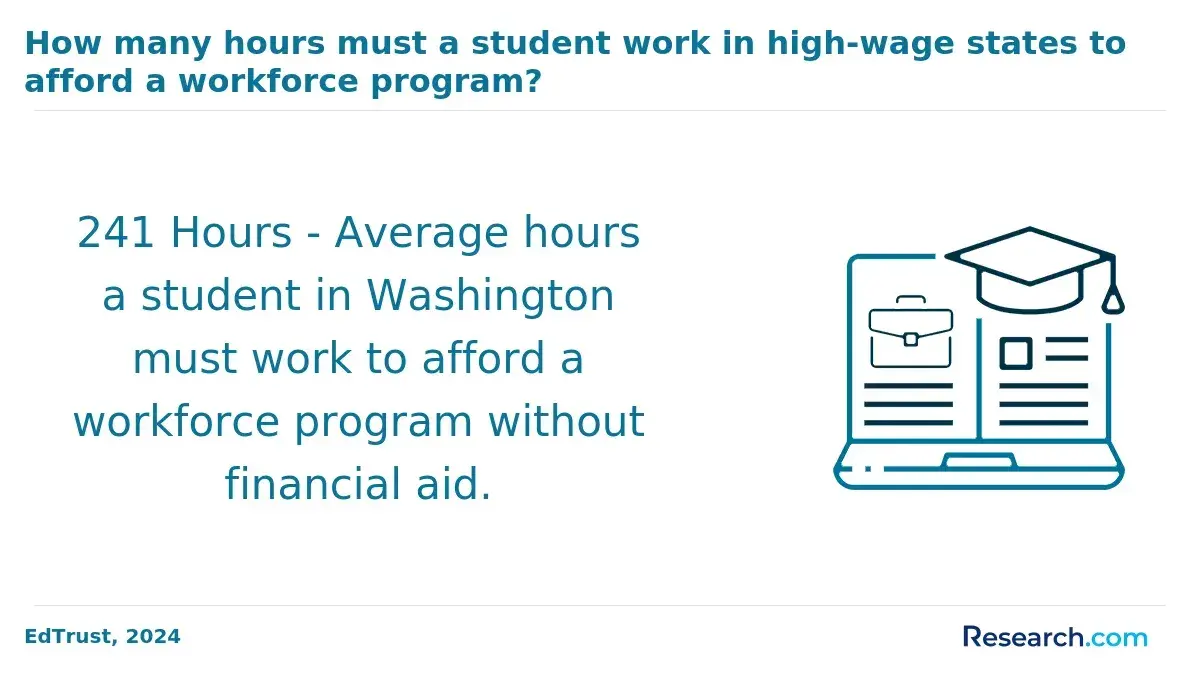
Tuition costs shape the return on investment (ROI) for Sports Analytics programs in ways that extend beyond sticker price, with differing effects across public, private, and nonprofit online institutions. While public universities typically charge lower tuition-averaging about $9,500 annually for in-state online students according to a 2024 report from the National Center for Education Statistics-this affordability often comes with fewer career resources and a less extensive alumni network, which can delay salary growth. Conversely, private nonprofit programs, despite tuition that can exceed $20,000 yearly before aid, frequently offer stronger career placement services and higher completion rates. These factors may contribute to graduates earning 10-15% higher median salaries within five years, helping offset the initial financial hit.
Decisions on program type must weigh how financial aid, flexible scheduling, and support services influence both cost and time-to-degree, as longer enrollment can diminish ROI regardless of tuition rates. Public programs often appeal to cost-conscious learners who want minimal debt and faster workforce entry, yet they may entail tradeoffs in program cohesion and networking opportunities critical to Sports Analytics employment. Those prioritizing long-term earnings or specialized training may find private nonprofit offerings provide better alignment but require greater upfront investment and borrowing. Ultimately, understanding how borrowing patterns, retention, and post-graduation salary trajectories interact with tuition costs is essential for making an informed choice aligned with specific career and financial goals.
How Do Graduation Rates Influence Sports Analytics Program ROI?
Graduation rates influence the return on investment (ROI) of sports analytics programs by reflecting institutional effectiveness but do not fully capture the complexities of value for students. For instance, public online programs often demonstrate graduation rates between 40-45% due to serving diverse, part-time, and working learners, which can extend time-to-degree without necessarily reducing real-world benefits. Private nonprofit programs, with rates closer to 50-55%, typically offer stronger academic advising and career support, helping students finish faster and with less debt, thereby enhancing employability outcomes despite higher tuition costs.
These variations illustrate how graduation success enhances sports analytics online program value when combined with factors like student debt and career prospects. A recent study showed graduates from private nonprofit programs tend to carry less debt and receive larger initial salary gains compared to some public counterparts. Yet, affordability via in-state tuition and institutional aid at public schools may offset lower completion rates. For students navigating these tradeoffs, assessing program quality and flexibility alongside graduation figures is crucial, especially when balancing work and study demands.
For those seeking programs with fewer barriers, exploring options such as online MSW programs no GRE required can serve as an example of how diverse pathways exist outside traditional metrics. Ultimately, while graduation rates provide a useful benchmark, they should be integrated with employment and cost considerations to gauge the full ROI of sports analytics education choices across institution types.
What Role Do Career Outcomes Play in the ROI of a Sports Analytics Degree?
Career outcomes significantly influence the return on investment of online sports analytics degrees, with differences in employment rates and industry integration shaping their practical value. Graduates from programs closely aligned with employer needs and supported by targeted career services see roughly 15% higher employment within six months, according to recent data from the National Center for Education Statistics. While public universities offer lower tuition and regional accessibility, their graduates' prospects often hinge on local market dynamics and existing industry connections. Conversely, private institutions may provide more specialized curricula and stronger professional networks, facilitating quicker job placements despite higher costs, whereas nonprofit programs typically focus on skill development that supports sustainable career trajectories rather than immediate financial returns.
These career outcomes directly affect how students weigh tuition expenses, debt assumptions, and time-to-degree against potential professional benefits. Employer emphasis on practical skills and internships, as underscored by the Workforce Analytics Institute, means prestige often matters less than tangible experience, impacting how different program types translate into workforce success. For example, career mobility within sports or related sectors depends not only on initial placement but on the adaptability skills fostered during study, influencing long-term ROI beyond salary figures. Cost-conscious learners must therefore evaluate how career services, curriculum relevance, and employer recognition vary across institutions to ensure their investment aligns with both short-term job market entry and future growth potential.
One graduate of a nonprofit online sports analytics program reflected on their decision, having initially questioned whether the degree's ROI justified its time and expense. They noted how the program's emphasis on hands-on projects and industry-relevant tools eventually led to an internal promotion, expanding responsibilities beyond their previous role. Though the salary increase was modest, the credential gained recognition from their employer and opened networking opportunities that would have been otherwise inaccessible. This incremental career growth highlighted that ROI in sports analytics often extends beyond immediate financial gains to include professional credibility and skill acquisition valued in evolving job markets.
How Does Student Debt Impact the Long-Term ROI of a Sports Analytics Program?
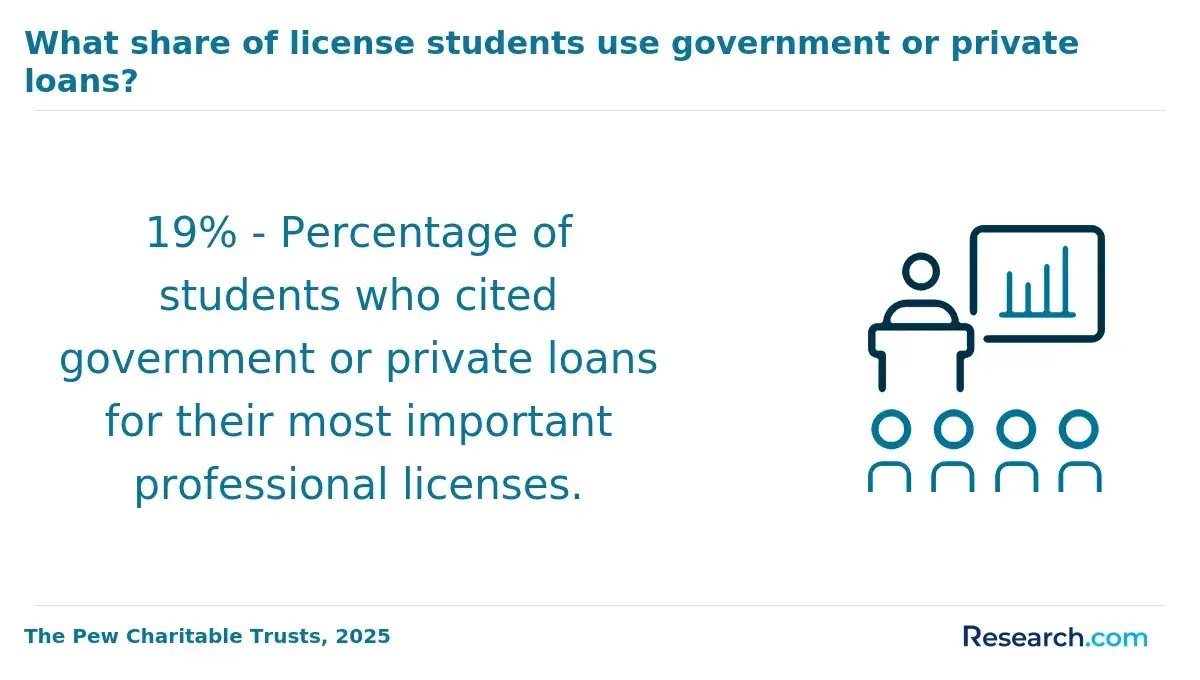
The long-term financial impact of online sports analytics degrees depends heavily on the interplay between debt burden, institutional type, and career trajectory. For example, graduates from public online programs often incur lower average student debt, around $20,000, compared to $35,000 or more at private institutions, significantly affecting net earnings over time. This debt disparity influences repayment flexibility and may determine whether graduates pursue niche roles or prioritize higher-paying but less aligned positions solely to manage loan obligations. Those balancing substantial debt may face constrained career decision-making, which can dampen the overall return on investment of their credentials.
Graduation and default rates further shape the student debt burden and sports analytics program ROI. Public institutions typically report higher completion rates and lower default incidences, fostering more sustainable financial outcomes for students. Conversely, some private and nonprofit programs encounter default rates exceeding 15%, undermining the perceived value of their degrees despite potentially higher starting salaries. Evaluating these tradeoffs requires assessing total cost of attendance alongside realistic salary projections and repayment terms, especially for working adults or those considering a career change. Practical comparisons should extend to related fields, such as an administrative assistant associate degree, which may offer alternative pathways with differing debt-to-earnings profiles and workforce implications.
Ultimately, decision-making around sports analytics programs must incorporate nuanced financial planning that recognizes how borrowing strategies, program costs, and institutional outcomes intersect. Adult learners and transfer students will find that manageable debt loads enable more long-term flexibility in employment choices and reduce financial stress after graduation. Conversely, higher indebtedness can limit opportunities and delay wealth-building, underscoring why debt considerations should weigh heavily alongside educational quality and career advancement potential in evaluating sports analytics program ROI.
How Do Flexibility and Adult Learner Support Affect Sports Analytics Program Value?
Flexibility and targeted support services critically shape the return on investment of sports analytics programs by directly influencing adult learner persistence and timely degree completion. Public institutions often provide asynchronous coursework and part-time enrollment, accommodating work and family commitments better than many private programs whose synchronous formats may clash with nontraditional students' schedules. A 2024 National Center for Education Statistics report links flexible scheduling with a 15% higher retention rate in online settings, underscoring how these features reduce opportunity costs by enabling learners to maintain employment while studying, thus limiting debt accumulation.
Support structures tailored for adult learners-such as dedicated advising, career counseling, and accessible faculty mentorship-also have measurable impacts, with evidence from EDUCAUSE showing up to a 20% increase in graduation rates among programs that excel in this area. Nonprofit institutions frequently integrate these resources alongside accommodations for military members and working adults, which can improve postgraduation employment outcomes and overall program value. Conversely, private providers may offer more individualized attention but often at a substantially higher tuition cost that does not always translate into a proportional boost in career placement, posing a tradeoff between potential personalized support and affordability.
For cost-conscious professionals evaluating sports analytics programs, weighing the balance between flexible delivery formats and comprehensive adult learner services is essential. Those prioritizing manageable schedules and reduced financial strain may find public and nonprofit offerings to provide stronger ROI through sustained enrollment and workforce-aligned credentials. Meanwhile, private programs require scrutiny of whether their premium pricing is justified by exceptional career outcomes, especially given the broader availability of transfer-friendly policies and robust support networks in less costly online options.
How Do Accreditation and Institutional Reputation Influence Sports Analytics ROI?
Accreditation status and institutional reputation significantly shape the return on investment for students pursuing online Sports Analytics programs by affecting employability, credit transferability, and graduate study prospects. Employers often prioritize candidates from regionally accredited public institutions because their rigorous oversight typically aligns with consistent academic quality and clearer validation of skills. A 2024 Council for Higher Education Accreditation (CHEA) report found that 87% of employers prefer graduates from accredited programs, underscoring how accreditation can directly influence hiring decisions and long-term career stability.
However, institutional reputation-grounded in alumni outcomes, industry connections, and graduation rates-plays an equally crucial role, especially for positions requiring strategic data leadership. While nonprofit private colleges may offer competitive programmatic accreditation and networking resources, their wider range in tuition and reputation means students must carefully weigh debt burden against expected career benefits. Proprietary institutions, despite sometimes holding valid accreditations, often face skepticism that can limit career advancement and salary growth, which diminishes overall ROI. Balancing these factors with available career services and affordability is essential for making informed choices about Sports Analytics education paths.
How Does Time-to-Degree Affect the ROI of Public, Private, and Nonprofit Sports Analytics Programs?
The time-to-degree in sports analytics programs directly influences students' tuition exposure, opportunity costs, and debt accumulation, affecting overall return on investment. Public institutions often offer more flexible pacing with part-time enrollment options, which can extend completion timelines but accommodate working professionals balancing multiple commitments. In contrast, private programs emphasize accelerated pathways with structured, full-time curricula to boost on-time graduation rates, sometimes 10-15% higher than public schools, but this speed may increase immediate financial pressures and limit flexibility for transfer students or those managing family obligations.
Balancing affordability and acceleration is critical, particularly for those comparing public, private, and nonprofit online sports analytics programs. Transfer credits, generally more accepted in public and nonprofit institutions, shorten time-to-degree and reduce redundant coursework, enhancing educational value and lowering cumulative costs. Adult learners and career changers should weigh persistence likelihoods since flexible pacing, common in public settings, correlates with a 35% higher completion rate according to the National Center for Education Statistics (2024). Such factors are especially relevant when considering the optimal program length for nonprofit sports analytics ROI.
Employers prioritize degree completion and applicable skills over speed alone, so students who carefully select programs that align with their life circumstances tend to realize better long-term career outcomes despite longer timelines. For cost-conscious individuals, it is advisable to also consider how programs accommodate transfer credits and part-time study. This is particularly important for prospective students who may need pathways suited for varied academic backgrounds, such as those researching online graduate schools with low GPA requirements, since these factors materially affect persistence, affordability, and eventual workforce readiness.
How Can You Choose the Best Sports Analytics Program Based on Your ROI Goals?
The highest return on investment in sports analytics online program ROI comparison hinges on a learner's specific goals rather than institution type alone. Public programs typically offer lower tuition and more extensive financial aid, reducing upfront debt burdens-a critical factor for cost-conscious adults balancing family and work. However, these programs may have larger class sizes and fewer personalized supports, which can affect graduation rates and timely completion. Therefore, working professionals weighing opportunity costs should consider program flexibility and time-to-degree alongside expense.
Private online sports analytics programs often justify higher costs with smaller class sizes, stronger student support, and modestly higher graduation rates, catering to those prioritizing quicker entry or re-entry into data-driven roles. Nonprofit institutions may strike a middle ground, providing solid accreditation and employer recognition that, according to labor market analyses, correlate with about 15% higher early-career earnings versus some public counterparts.
This makes them appealing for students focused on career outcomes over initial cost. Ultimately, selecting the best program demands balancing tuition, graduation likelihood, and prospective earnings alongside personal circumstances and career plans. For learners needing accelerated pathways, examining 6-month certificate programs that pay well can offer alternative ROI-focused options within sports analytics online program ROI comparison.
References
- Public colleges offer highest chance of positive ROI to students, report finds https://www.highereddive.com/news/public-colleges-offer-highest-chance-of-positive-roi-to-students-report-fi/618531/
- Investing in Value Policy Brief — HCM Strategists https://hcmstrategists.com/investing-in-value-roi
- ROI and Accreditation of Online Programs | 16 | Using ROI for Strategi https://www.taylorfrancis.com/chapters/edit/10.4324/9781003448587-16/roi-accreditation-online-programs-leah-matthews
- What it is and how to calculate ROI or Return on Investment - Esade https://www.esade.edu/beyond/en/what-is-roi-and-how-to-calculate-return-on-investment/
- How to Start a Career in Sports Analytics Without a Tech Background — Business of Sports Institute Africa https://bosinstitute.com/articles/how-to-start-a-career-in-sports-analytics-without-a-tech-background/
- How Student Loan Debt Impacts Your College ROI https://www.lendkey.com/blog/student-loans/how-student-loan-debt-impacts-your-college-roi/
- Social value and return on investment of sport and physical activity | Sport England https://www.sportengland.org/research-and-data/research/social-value-and-return-investment-sport-and-physical-activity
- Importance And Benefits Of Institutional Accreditation For Higher Education https://edu.edu.mk/importance-and-benefits-of-institutional-accreditation-for-higher-education/
- An Analysis Of College Football Return On Investment https://athleticdirectoru.com/articles/analysis-of-college-football-return-on-investment/
- Understanding the ROI of sports sponsorships https://sportfive.com/beyond-the-match/insights/understanding-the-roi-of-sports-sponsorships
Other Things You Should Know About Sports Analytics
Private programs often offer more niche, specialized courses tailored to emerging industry trends given their smaller cohort sizes and flexible curriculum design. Public institutions may provide broader foundational training but sometimes lack highly specialized electives due to scale and funding priorities. Nonprofit online programs frequently emphasize applied projects and partnerships with sports organizations, which can enhance hands-on experience. For students prioritizing advanced technical skills or emerging methods, private or nonprofit options may offer greater depth and industry alignment than many public programs.
Employers in sports analytics tend to focus more on demonstrated skills and relevant project portfolios than purely on institutional prestige. Yet, private institutions can sometimes carry a perception of exclusivity or higher selectivity, which may advantage graduates in competitive hiring situations. Public schools typically offer strong regional recognition and extensive alumni networks valuable in localized sports markets. Nonprofit online programs are often evaluated on the quality of practical experience they facilitate rather than brand recognition alone. Candidates should weigh how each program's network and reputation align with their targeted employment geography.
Private programs often demand a more intensive workload, with expectations geared toward smaller class sizes and higher faculty engagement, translating into more frequent assignments and projects. Public institutions might have a steadier pace, accommodating larger cohorts and sometimes balancing flexibility with rigor. Nonprofit online programs commonly design their courses to balance applied learning with adult learner responsibilities, but this can mean asynchronous modules that require strong self-discipline. Students needing structured pacing with less day-to-day pressure may prefer public options, while those seeking immersive experiences may find private or nonprofit programs more demanding but rewarding.
Career changers benefit most from programs emphasizing applied skills and networking opportunities over brand alone. Nonprofit online programs frequently integrate real-world projects and industry connections that accelerate work-relevant experience, making them a pragmatic pick for those shifting fields. Private programs may offer focused mentoring and elite networking but can come with higher costs and greater pressure. Public programs deliver accessible credentials with solid theoretical grounding, suitable if budget constraints are paramount. Overall, career changers should prioritize nonprofit or private options when seeking rapid skill application, but consider public programs if affordability limits their choices.