2027 Space Studies Salary Trends Report: Are Wages Keeping Up With Tuition and Inflation?

Co-Founder and Chief Data Scientist
Consider a prospective space studies student weighing the decision to enroll in a costly degree program. Rising tuition fees and persistent inflation have complicated the ability to gauge whether future salaries will justify this investment. Amid these financial pressures, prospective and recent graduates must scrutinize not only salary figures but also how those wages grow relative to increasing education costs and the overall cost of living.
This assessment is crucial to determine if a degree leads to sustainable financial gain or if it risks leaving graduates burdened by debt with limited purchasing power. Salary growth, tuition inflation, and the general inflation rate rarely align, creating potential gaps in financial outcomes over time. Viewing salary increases in isolation can obscure the true return on investment and the real affordability of pursuing space studies.
Evaluating these factors collectively provides a clearer picture of long-term financial value. This article examines salary trends, tuition costs, inflation rates, return on investment, and the critical factors that influence whether a space studies degree remains a viable economic choice.
Key Things to Know About Space Studies Salary Trends
- Graduate wages in space studies often lag behind inflation-adjusted tuition growth, reducing net income gains over time; this erosion challenges long-term financial planning despite sector-specific skill demand.
- Specialization in emerging space policy or commercial space sectors correlates with a 15% higher starting salary, emphasizing targeted expertise's role in offsetting education cost pressures.
- Career advancement within government space agencies typically requires advanced degrees, making elevated upfront costs justifiable but requiring careful debt management given modest early-career salary increments.
- Key Things to Know About Space Studies Salary Trends Key Things to Know
- What Is the Current Salary Outlook for Space Studies Graduates? Salary Outlook
- Are Space Studies Salaries Keeping Up With Inflation? Inflation Impact
- How Do Tuition Costs Compare With Space Studies Salary Growth? Tuition vs Salary
- Does a Space Studies Degree Deliver a Positive Return on Investment? Degree ROI
- Which Industries Offer the Highest Salaries for Space Studies Graduates? Highest-Paying Industries
- Which States and Cities Offer the Highest Pay for Space Studies Professionals? Highest-Paying Locations
- How Do Space Studies Salaries Grow Throughout a Career? Career Growth
- How Do Space Studies Salaries Compare With Similar Degrees? Salary Comparison
- How Is Employer Demand Affecting Space Studies Salary Trends? Employer Demand
- How Can Students Maximize Their Lifetime Earnings With a Space Studies Degree? Maximizing Earnings
What Is the Current Salary Outlook for Space Studies Graduates?
The current salary outlook for space studies graduates reflects a diverse landscape shaped by the chosen career trajectory and sector. Entry-level salaries, based on 2024 figures from the U.S. Bureau of Labor Statistics and the Space Foundation, typically fall between $70,000 and $90,000 for general roles, but positions demanding specialized expertise such as aerospace engineering or mission operations management command median salaries in the range of $120,000 to $130,000. For example, two graduates holding the same degree might start at similar salary levels.
However, one entering a satellite communications firm might see steady but moderate increases, while the other pursuing advanced research or space systems engineering could move into higher-paying roles more rapidly, eventually exceeding $140,000 annually. This illustrates how space studies graduate salary trends depend heavily on sector demand, skill specialization, and employer type, from government agencies like NASA to private aerospace companies.
Understanding the current earning potential for space studies degrees requires looking beyond initial compensation. While tuition inflation and economic pressures temper early salary gains, sustained career progression and job market growth are critical factors that can enhance long-term earnings. Those with advanced degrees often experience a more favorable salary trajectory, supported by ongoing demand for technical and research expertise.
Graduates should also consider benefits and stability alongside pay, as many employers offer competitive packages that contribute to overall financial well-being. Prospective students seeking to optimize their return on investment may also find value in exploring interdisciplinary or accelerated pathways, such as those offered in specialized programs like an accelerated psychology bachelor's degree online, to complement their space studies background and broaden career options.
Are Space Studies Salaries Keeping Up With Inflation?
When examining Space Studies salary growth compared to inflation, recent government data reveals a concerning disparity. The U.S. Bureau of Labor Statistics reported a 3.1% increase in median wages for aerospace engineers from 2022 to 2023, while inflation as measured by the Consumer Price Index rose by 4.7%.
This gap means that nominal wage increases do not necessarily translate into greater purchasing power. For instance, a recent graduate might see a slight paycheck bump but still struggle with higher living expenses, making it harder to cover essentials like housing and healthcare.
Consider a mid-career space studies professional who receives a 3% annual raise. If their costs for rent and tuition debt payments rise faster than their salary, their real earnings effectively decline. This example underscores how the impact of inflation interacts with stagnant wages and escalating educational expenses, particularly the tuition hikes documented by the National Center for Education Statistics.
Prospective and current students should also explore alternatives such as accounting programs online where costs and job market trends may offer better financial resilience, demonstrating the importance of evaluating economic tradeoffs beyond passion or interest.
Factors influencing whether space studies salaries keep pace with inflation include industry demand, technological shifts, and broader economic pressures on public and private funding for space exploration. Despite the excitement around the field, salary surveys from organizations like the American Institute of Aeronautics and Astronautics show that wage growth often barely matches or lags behind inflation, especially for entry-level roles.
This nuanced relationship between wage growth, inflation, and tuition costs highlights the real-world challenge of ensuring that a space studies degree delivers sustainable economic returns over time.
How Do Tuition Costs Compare With Space Studies Salary Growth?
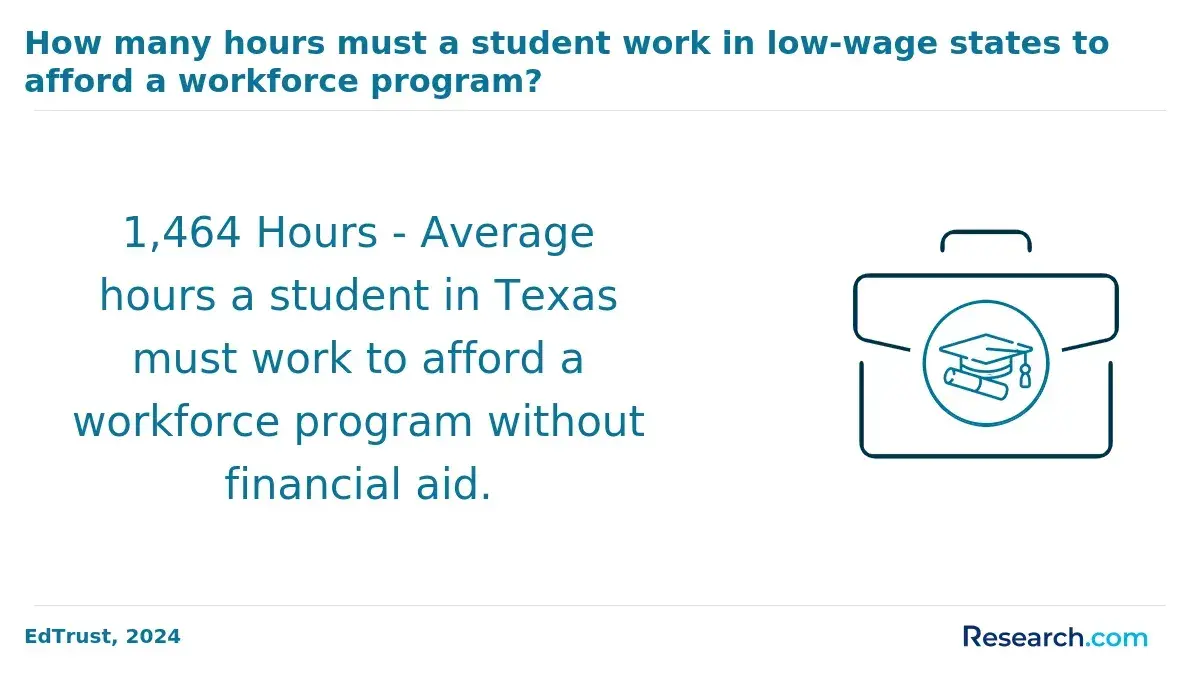
Juxtaposing tuition costs with salary growth for space studies graduates reveals a crucial economic imbalance that shapes the true value of the degree. Data from the National Center for Education Statistics and the U.S. Bureau of Labor Statistics in 2024 show that graduate tuition in space studies commonly ranges from $20,000 to $40,000 annually, with private institutions often charging more. Meanwhile, early-career salaries average around $65,000, climbing to approximately $95,000 mid-career.
Although salaries grow modestly over time, tuition inflation of about 3.5% per year has caused program costs to increase roughly 40% over the past decade, whereas median salaries have only risen about 25%. This disparity means that students incur significant upfront debt that can take upwards of five to seven years of earnings to offset, altering how individuals should approach financing their education and career plans.
Evaluating tuition against salary trajectories offers a more nuanced understanding than examining either metric alone because it factors in how educational investments translate into financial stability. For example, a student attending a private university with tuition near $40,000 annually faces a very different repayment timeline than one at a public institution costing $20,000 per year.
Beyond raw numbers, variables such as geographic cost-of-living, employer tuition assistance, scholarship availability, and access to internships influence this relationship significantly. Ultimately, rising tuition combined with steady but restrained salary growth can strain new graduates' finances, stressing the importance of selecting programs with strong industry networks and considering long-term total costs rather than surface-level salary figures.
One recent graduate in space studies shared how choosing a mid-tier public university over prestigious private options made their repayment journey manageable. They recalled wrestling with the urgency of starting a career quickly against the appeal of a program with better brand recognition but steeper tuition.
Despite initial hesitation, the relatively lower debt burden allowed for more flexibility in accepting early job offers and pursuing internships, which in turn improved longer-term earnings prospects. This balanced approach illustrated that assessing how tuition scales with earning potential is essential when navigating the often complex tradeoffs of educational investment in the space studies field.
Does a Space Studies Degree Deliver a Positive Return on Investment?
Return on investment for higher education involves weighing the total cost of obtaining a degree against the potential earnings and career growth it enables over time. In the case of a space studies degree, this means looking beyond initial salaries and considering how wages evolve alongside tuition expenses and inflation.
For example, a recent graduate earning between $65,000 and $75,000 annually might face tuition increases averaging 5% yearly, slightly above general inflation. However, carefully selecting a specialization within space studies, such as satellite technology or planetary exploration, can lead to mid-career salaries surpassing $110,000, offsetting early financial burdens.
Examining data from the U.S. Bureau of Labor Statistics and the National Center for Education Statistics in 2024 reveals that space studies graduates generally earn above the national average for bachelor's degree holders. Yet, rising tuition at research-intensive programs demands a higher upfront investment, which can delay financial break-even points for some students.
Additionally, factors such as gaining relevant internships or fellowships and entering fields with sustained demand, as noted by the National Science Foundation's latest survey, are crucial to enhancing employability and maximizing long-term career earnings. Ultimately, the ROI of a space studies degree depends on individual strategies, economic conditions, and the ability to leverage opportunities within the space sector's evolving landscape.
Which Industries Offer the Highest Salaries for Space Studies Graduates?
Salary trends for space studies graduates highlight that certain industries consistently deliver stronger earning power due to the specialized skills and critical strategic functions associated with space-related work. Data from the U.S. Bureau of Labor Statistics in 2024, supplemented by insights from the Aerospace Industries Association, indicates clear patterns in which sectors generate the highest wages.
Understanding these patterns is essential for students and recent graduates evaluating the long-term financial return on their degree, especially when considering increasing tuition costs and living expenses.
The following list identifies the top industries that typically offer the best salary prospects for space studies graduates.
- Aerospace Manufacturing: This industry leads in compensation by offering roles in spacecraft design, satellite engineering, and propulsion development. The combination of government contracts and commercial space ventures boosts demand for highly skilled engineers and technicians, rewarding advanced technical expertise with above-average salaries.
- Defense Contracting: Careers in missile defense, space surveillance, and classified satellite programs command premium wages and often require security clearances. The sector's focus on national security and space-based defense technologies creates lucrative opportunities for graduates equipped with specialized knowledge and clearance eligibility.
- Scientific Research: Government agencies like NASA employ many graduates for space exploration and astrophysics projects. While salaries here might not top the list, these roles provide competitive pay alongside strong job stability and benefits, appealing to those prioritizing long-term career sustainability.
- Private Space Tourism: Emerging commercial activities in space tourism are beginning to offer attractive salaries to recruit top talent in flight operations and experience design. These roles often require a blend of operational skill and customer-facing expertise, reflecting the sector's innovative and consumer-driven nature.
- Satellite Communications Providers: Companies expanding satellite internet and communication networks increasingly seek graduates skilled in satellite operations and network management. This growth translates into higher compensation to secure professionals who can navigate both technical and commercial demands.
- Space Policy and Consulting: Though less common, positions in policy advisement and aerospace consulting also provide competitive salaries. These roles require a strong understanding of both technical space studies and regulatory environments to guide industry decisions and government programs.
For individuals weighing career paths, aligning salary potential with personal interests and industry stability is vital. Consider, for instance, a graduate who opts for an aerospace manufacturing role over scientific research due to higher starting pay but prefers research for its stability and clear mission impact.
Additionally, prospective students should evaluate affordable education pathways, such as a UI UX design degree, to manage tuition costs while preparing for high-demand technical roles. Recognizing the top industries for space studies graduate salaries enables informed decisions amid evolving market trends and emerging sectors.
Which States and Cities Offer the Highest Pay for Space Studies Professionals?
Geographic location plays a pivotal role in determining the earning potential of space studies professionals, reflecting both industry clusters and regional economic factors.
While top salaries often align with established aerospace hubs, the cost of living and local market saturation critically influence the net benefit of pursuing a career there. For example, a graduate considering California's lucrative aerospace market must weigh the salary premium against high housing and education expenses.
Below are some of the highest-paying states and metro areas for space studies careers in 2024, highlighting key tradeoffs for students and graduates.
- California Silicon Valley: This region leads nationally with average annual wages surpassing $110,000, fueled by a dense ecosystem of major aerospace contractors and innovative private space firms. However, soaring living costs and escalating tuition fees demand that professionals carefully evaluate if the paycheck compensates for the substantial expenses.
- Texas Houston Metro: Home to NASA's Johnson Space Center and a concentration of aerospace suppliers, Houston offers salaries typically between $95,000 and $105,000. The comparatively moderate cost of living versus California makes it attractive, though job competition remains strong given the center's prominence.
- Florida Space Coast: Centered on the Kennedy Space Center and a growing commercial launch industry, this region yields wages ranging from $90,000 to $100,000. Florida's lower taxes and living costs can improve actual take-home earnings, but limited diversification in aerospace sectors may affect long-term growth.
- Colorado Denver Area: Denver combines defense technology with emerging space enterprises, delivering competitive salaries slightly below top-tier markets. The area's affordable housing and quality of life appeal to those prioritizing a balance between income and expenses.
- Alabama Huntsville: Known as "Rocket City," Huntsville hosts significant defense and space technology employers with growing wage potential. Though salaries are more modest, the low living costs and robust local academic programs create favorable conditions for early-career professionals.
How Do Space Studies Salaries Grow Throughout a Career?
Starting salaries for space studies graduates generally range between $65,000 and $80,000, reflecting entry-level roles in engineering, research, and technical analysis consistent with other STEM fields. Over the next decade, workers with five to 15 years of experience can expect to see salaries rise to roughly $90,000 to $130,000, particularly when transitioning into positions involving project management or mission planning.
According to the U.S. Bureau of Labor Statistics and NASA's 2024 reports, long-term salary growth is often influenced by additional credentials such as advanced degrees or specialized certifications, which justify higher compensation in increasingly complex roles.
At senior levels annual earnings can surpass $150,000, especially for individuals who combine deep technical expertise with leadership responsibilities in government or private aerospace organizations. Yet, not all salary trajectories are the same. For example, two graduates with identical degrees may diverge depending on choices like pursuing graduate school, focusing on hands-on technical skills, or shifting toward management.
The Space Foundation Workforce Report highlights that while top-tier experts can outpace inflation and rising tuition costs, those who do not pursue continuous professional development often see slower growth, underscoring the importance of strategic career planning.
An early-career space studies graduate shared that after completing a master's degree, she hesitated before pursuing a certification in systems engineering due to the cost and time. Her colleague, who bypassed further education, advanced into a managerial role but struggled to break the $100,000 mark.
Meanwhile, she found that the certification unlocked higher-level project opportunities and a boost in salary sooner than expected. This decision created a tangible difference in their income paths, illustrating how investments in education beyond the initial degree can significantly impact long-term financial outcomes in space studies careers.
How Do Space Studies Salaries Compare With Similar Degrees?
Graduates with a space studies degree face a nuanced salary landscape compared to peers from related disciplines.
While this degree offers unique interdisciplinary skills relevant to emerging space sectors, the median starting salary trails some traditional STEM fields yet exceeds several general science areas. Evaluating these comparative wages alongside typical career trajectories can clarify whether pursuing space studies makes sense financially relative to similar programs.
Below is a focused comparison of average wages for space studies graduates versus similar fields from reliable 2024 sources, reflecting practical career outcomes and market demand factors.
- Aerospace Engineering: The median starting salary of aerospace engineering graduates is about $75,000, notably higher than the roughly $65,000 typical for space studies graduates. Careers in aerospace engineering often command this premium due to their technical specialization and strong demand in manufacturing and defense industries, which tend to invest heavily in highly trained engineers with advanced design and systems expertise.
- Physics: Physics graduates earn close to $60,000 starting out, comparable to space studies graduates involved in research or astrophysics roles. Both fields share overlaps in scientific inquiry and technical skills, though physics degrees may offer slightly broader fundamental training benefiting diverse research careers.
- Environmental Science: Space studies professionals who enter space policy or education often see entry-level salaries closer to environmental science graduates, typically ranging from $55,000 to $60,000. These roles prioritize interdisciplinary knowledge over technical engineering skills, which can limit starting pay despite growing industry relevance.
For those weighing the value of a space studies degree, considering alternative pathways such as 2 year degrees in related technical areas might provide faster entry into higher-paying roles with less tuition burden. Balancing salary expectations against rising tuition and living costs remains essential, especially as space studies earnings grow modestly in line with inflation but often lag behind engineering disciplines offering more specialized expertise.
How Is Employer Demand Affecting Space Studies Salary Trends?
Employer demand significantly influences space studies salary trends by intensifying competition for candidates with specialized skills such as space robotics, propulsion systems, and mission-specific data analytics. For example, a satellite communications company expanding its operations may increase hiring activity and offer signing bonuses to secure talent, reflecting a direct link between employer demand impact on space studies salaries and compensation strategies.
According to the U.S. Bureau of Labor Statistics projections from 2024, jobs in aerospace engineering and planetary science are experiencing steady growth, which typically exerts upward pressure on wages as employers compete for qualified professionals.
Despite the positive influence of employer demand on salary growth, actual wage increases often lag behind tuition inflation and cost-of-living rises, as noted in analyses by the National Science Foundation. Entry-level salaries for recent graduates have grown by about 3% annually, a modest rate that may not reflect the financial realities faced by new professionals.
Strong employer demand can speed up wage growth, but factors like experience levels, economic conditions, and organizational budgets also play essential roles in shaping compensation. This nuanced dynamic means prospective students should carefully assess whether the investment in advanced education, including in military friendly online electrical engineering degree programs, aligns with their long-term earning potential and career goals amid persistent inflationary pressures.
Ultimately, understanding space studies salary trends and job market outlook involves weighing employer demand alongside broader economic factors. While expanding commercial space ventures and government exploration programs drive hiring, wage growth remains uneven across sectors and regions.
Candidates equipped with emerging technology expertise may find better financial rewards, but the overall returns require a strategic evaluation of education costs versus market realities.
How Can Students Maximize Their Lifetime Earnings With a Space Studies Degree?
Maximizing lifetime earnings with a space studies degree requires deliberate focus beyond the curriculum itself. Industry data from the U.S. Bureau of Labor Statistics and NASA's Workforce Office reveal that specialization in high-growth technical fields and advanced academic qualifications strongly correlate with greater financial rewards.
For example, a graduate who combines a master's in space studies with systems engineering skills is more likely to secure a higher-paying role than one who only holds a bachelor's degree. Practical experience in growing sectors like aerospace and satellite communications also plays a decisive role.
Below are effective strategies grounded in recent 2024 research for boosting long-term income potential.
- Advanced Degrees: Earning a master's or doctorate significantly increases access to specialized roles with premium salaries, as shown by National Science Foundation analyses.
- Technical Skill Building: Proficiency in data science, AI, and programming broadens job opportunities and command higher pay in private and government sectors.
- Targeted Industry Entry: Focusing on aerospace engineering or defense technology sectors leverages rapidly expanding markets with strong compensation growth.
- Internships and Networking: Engaging with organizations like the American Astronautical Society provides career visibility and connects students to higher-paying positions.
- Geographic Positioning: Graduates relocating to metropolitan aerospace hubs benefit from denser job markets and better salary scales.
- Cross-Disciplinary Skills: Combining space studies with project management or computer science amplifies versatility and long-term earning potential.
References
- Understanding how salaries compare to inflation and trends is crucial to early talent attraction https://ise.org.uk/knowledge/insights/178/understanding_how_salaries_compare_to_inflation_and_trends_is_crucial_to_early_talent_attraction/
- Are salary increases outpacing inflation in 2025? https://www.wtwco.com/en-au/insights/2025/08/are-salary-increases-outpacing-inflation-in-2025
- Is College Worth It? A Comprehensive Return on Investment Analysis - FREOPP https://freopp.org/whitepapers/is-college-worth-it-a-comprehensive-return-on-investment-analysis/
- Space Talent | Where the Space Economy Builds https://www.spacecapital.com/talent
- Major Differences https://www.educationnext.org/major-differencecs-why-some-degrees-cost-colleges-more-than-others/
- Average Cost of College [2025]: Yearly Tuition + Expenses https://educationdata.org/average-cost-of-college
- New Data Shows a Rapidly Expanding Space Workforce https://payloadspace.com/new-data-shows-a-rapidly-expanding-space-workforce/
Other Things You Should Know About Space Studies Salary Trends
Choosing a highly specialized Space Studies program can enhance technical expertise but may limit flexibility in job options outside niche sectors. Given stagnant wage growth relative to tuition, students should prioritize programs offering interdisciplinary skills, internships, or industry partnerships that broaden employability. Balancing prestige with practical skills reduces the risk of limited career mobility, which is critical when wages do not sufficiently compensate for rising education costs.
Non-salary benefits, such as research opportunities, government loan forgiveness, or health coverage, significantly affect overall compensation but are often overlooked in salary trend discussions. For many space studies roles, especially in academia or public agencies, these perks can partially offset slower wage growth. Evaluating job offers should therefore factor in these tangible benefits to gain a more accurate understanding of the total value received beyond base salary.
Despite rising tuition, pursuing targeted certifications or graduate degrees that align with employer demands can boost wage potential and career advancement. However, this is a tradeoff: additional education adds cost and opportunity cost without guaranteed immediate salary increases. Graduates should prioritize credentials that demonstrate applied skills valued in fast-growing subfields such as satellite technology or data analytics to ensure a stronger return on further investment.
High workloads and extended hours, especially in research or mission-critical positions, often correlate with incremental pay increases but can accelerate burnout and turnover. Graduates must weigh whether the extra effort is sustainable and if it leads to substantive career growth. Prioritizing employers with balanced work cultures may slow immediate salary gains but improve long-term earning stability through reduced risk of career disruption.