2027 Space Studies ROI by Institution Type: Public vs Private vs Nonprofit Online Programs

Co-Founder and Chief Data Scientist
A prospective student evaluating online space studies programs finds three options with similar curricula yet vastly different tuition and graduation metrics. A 2024 report from the National Student Clearinghouse reveals public institutions on average yield 15% higher graduation rates for online STEM-related degrees compared to private peers, but private nonprofits often offer stronger institutional support that can aid in career placement.
These tradeoffs influence not only upfront costs but also long-term debt burdens and employer perceptions of credential value. Choosing incorrectly risks elevated debt with limited career advancement, particularly in a specialized field like space studies.
This article analyzes ROI differences across public, private, and nonprofit online space studies programs to guide precise investment decisions.
Key Things to Know About Space Studies ROI by Institution Type
- Public institutions often offer lower tuition but may have extended time-to-degree rates, increasing total costs; this tradeoff impacts debt exposure and requires students to balance affordability against completion speed in space studies.
- Private programs generally command higher prices yet produce graduates with stronger employer network ties and brand recognition, signaling workforce value despite greater upfront investment risks.
- Nonprofit online space studies emphasize learner support and flexible pacing, which aids working adults' retention; however, slower completion can delay career advancement, affecting the timing of ROI realization.
- Key Things to Know About Space Studies ROI by Institution Type Key Things to Know About Space Studies ROI by Institution Type
- What Does ROI Mean for a Space Studies Program and How Is It Measured? Understanding Space Studies Program ROI
- How Do Public, Private, and Nonprofit Online Space Studies Programs Differ in Overall Value? Value by Institution Type
- How Do Tuition Costs Affect the ROI of a Space Studies Program Across Institution Types? Tuition Costs and ROI
- How Do Graduation Rates Influence Space Studies Program ROI? Graduation Rates Impact ROI
- What Role Do Career Outcomes Play in the ROI of a Space Studies Degree? Career Outcomes and ROI
- How Does Student Debt Impact the Long-Term ROI of a Space Studies Program? Debt vs. Long-Term ROI
- How Do Flexibility and Adult Learner Support Affect Space Studies Program Value? Flexibility and Program Value
- How Do Accreditation and Institutional Reputation Influence Space Studies ROI? Accreditation and Reputation
- How Does Time-to-Degree Affect the ROI of Public, Private, and Nonprofit Space Studies Programs? Time-to-Degree
- How Can You Choose the Best Space Studies Program Based on Your ROI Goals? Choosing Programs by ROI
What Does ROI Mean for a Space Studies Program and How Is It Measured?
Evaluating return on investment for space studies programs requires looking beyond sticker price to the full spectrum of educational costs and their long-term impact on career prospects. A program with lower tuition at a public institution may seem financially attractive upfront, but factors like longer time-to-degree, lower graduation rates, or limited access to experiential learning can reduce its ultimate value.
For example, a student choosing a private nonprofit online program might incur higher costs but benefit from stronger alumni networks and employer recognition, which can accelerate job placement in aerospace or government roles and improve salary progression. The National Center for Education Statistics highlights that public online graduate tuition averages about 40% less than private nonprofit programs, but this difference doesn't automatically translate into better ROI without considering these qualitative and timing factors.
Measuring educational ROI in space studies involves balancing direct expenses, opportunity costs, and institutional attributes that affect employability. Students must include not only tuition and fees but also the income forgone during study, while weighing institutional reputation, accreditation, and student support services that influence graduation rates and career transitions.
Adult learners or working professionals might find greater value in flexible online formats and robust advising that private or nonprofit programs often provide, outweighing nominally higher costs. Additionally, for those seeking accelerated paths, evaluating options like 1 year PhD programs online free can factor significantly into shorter time-to-degree and reduced debt burden, especially when aligned with clear career objectives in space-related government or research sectors.
How Do Public, Private, and Nonprofit Online Space Studies Programs Differ in Overall Value?
Costs alone rarely tell the full story in evaluating online space studies programs, as differing institutional structures influence both immediate affordability and long-term value. Public institutions generally offer lower tuition due to state funding, often making them the most financially accessible option.
However, their value hinges on available student support and career services that directly affect graduation rates and employability, especially in STEM-related fields. Private nonprofit programs typically deliver more individualized faculty attention and stronger alumni networks, which can enhance career preparation but frequently come with higher tuition and potential debt, an important consideration for those without substantial financial aid.
Nonprofit institutions tend to strike a balance, offering flexible schedules and competency-based learning suited for working adults, but prospective students must weigh accreditation and program rigor carefully to ensure meaningful returns on time and money invested.
Employer recognition further complicates the picture, as the prestige associated with private degrees may benefit job seekers in certain sectors, while public university credentials often carry clout in government and aerospace industries due to their technical emphasis.
A 2024 report from the National Center for Education Statistics highlights that graduates from public programs experience lower loan default rates when supported by strong advising, signaling the importance of comprehensive services beyond tuition cost in assessing ROI. Ultimately, choices must align with individual financial circumstances, career aims, and the level of institutional engagement needed to navigate the competitive job market effectively.
One working professional seeking to shift into the space industry weighed options among public, private, and nonprofit online programs. While private programs promised closer faculty interaction and networking advantages, she hesitated over the substantially higher tuition and potential for long-term debt.
Public programs offered affordability and established government ties but seemed less flexible for her full-time work schedule. She ultimately chose a nonprofit program with competency-based courses and regional accreditation, valuing its balance of schedule adaptability and credible rigor, which aligned with her goal to minimize debt while completing a degree that employers would respect in aerospace hiring circles.
How Do Tuition Costs Affect the ROI of a Space Studies Program Across Institution Types?
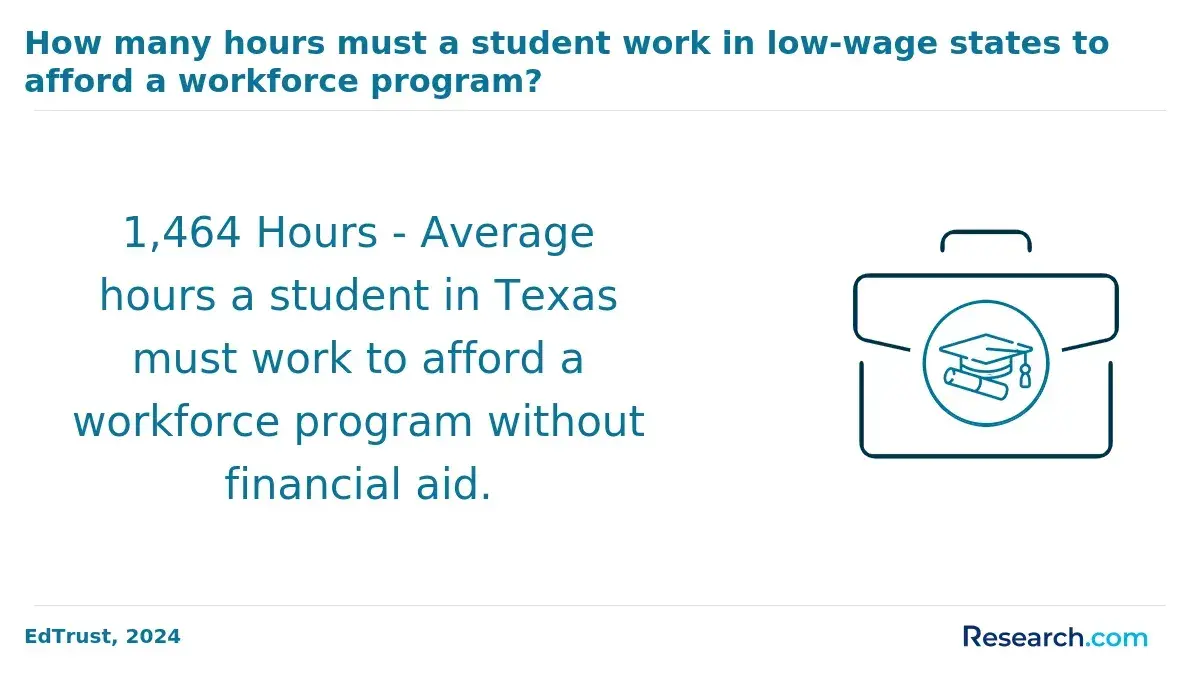
Tuition costs shape the return on investment for space studies programs unevenly across public, private, and nonprofit online institutions, with the influence extending beyond upfront price tags to factors like graduation pace, financial aid, and career outcomes. Public programs generally have tuition roughly 40% lower than private counterparts, according to 2024 NCES data, which can significantly reduce debt burdens and ease short-term financial strain for cost-sensitive students.
However, lower sticker prices often correspond with fewer institutional scholarships and potentially longer time-to-degree due to less flexible scheduling, which may delay workforce entry and wage growth, impacting long-term ROI.
In contrast, private nonprofit programs tend to charge higher tuition but frequently offer more robust academic support, smaller class sizes, and employer connections that can accelerate completion and enhance employability within aerospace or government research sectors. For working adults or career changers needing expedited credentials and stronger networks, these benefits can arguably offset the heavier debt loads and justify the premium.
That said, the better outcomes seen in some nonprofit programs are not universal and depend on the student's ability to leverage available resources and career services effectively.
Ultimately, comparing tuition costs requires attention to net price after aid and the specific tradeoffs a student faces between borrowing less and graduating faster with stronger professional positioning. Cost-conscious learners prioritizing minimal debt may favor public offerings supplemented by federal aid, accepting longer timelines.
Meanwhile, others driven by career acceleration might find value in pricier private nonprofit options despite higher initial expenses. Effective decision-making hinges on realistic assessment of program quality, financial aid structures, time-to-completion, and alignment with individual career trajectories rather than assuming lower tuition guarantees superior ROI.
How Do Graduation Rates Influence Space Studies Program ROI?
Graduation rates directly shape the return on investment for space studies programs by influencing time-to-degree and financial exposure. Public online programs often report completion rates between 55-65%, which can reduce debt burdens by limiting loan interest accrual, while private institutions show greater variability, sometimes dipping below 50%. This variance reflects differing institutional priorities.
Public programs may emphasize access and flexibility, leading to longer pathways for part-time or working students, whereas private and nonprofit schools might focus more on retention through targeted support, impacting persistence in distinct ways. Such differences affect how adult learners weigh the tradeoff between affordability and program duration when assessing ROI.
Graduation rates can serve as a proxy for institutional effectiveness where higher completion often signals stronger academic support and alignment with workforce expectations, a key factor for many employers valuing degree attainment. However, treating graduation rates as a single measure oversimplifies ROI assessment, especially given that many students balance study with employment and family obligations, which can lengthen completion times without diminishing eventual program value.
Cost-conscious students must therefore consider not only rates but also how program models and student services impact persistence and debt, especially across public, private, and nonprofit providers. For those comparing specialized space studies degrees, analyzing these factors alongside career outcomes and expenses, as with reviewing options such as LPC online programs, is essential for informed planning.
What Role Do Career Outcomes Play in the ROI of a Space Studies Degree?
The return on investment of a space studies degree hinges significantly on career outcomes tied to the type of institution attended. Public online programs, supported by government and aerospace partnerships, typically offer higher employment rates, 78% within six months of graduation according to the 2024 National Center for Education Statistics, compared to 72% and 75% for private and nonprofit programs respectively.
This advantage often stems from established employer networks and better alignment with industry needs, which can translate into steadier job placement and access to government-related roles with clearer career trajectories. However, private programs may deliver stronger initial salary prospects through more specialized curricula, while nonprofit schools emphasize practical skills and mentorship that support long-term career sustainability, creating tradeoffs between immediate earnings and enduring professional growth.
Evaluating career outcomes alongside tuition costs and student debt is critical for prospective students balancing affordability with long-term value. Public programs might offer lower tuition and broader advancement opportunities but could require navigating larger class sizes and less individualized support.
Conversely, private and nonprofit institutions often come with higher price tags but potentially stronger reputations with select employers or superior experiential learning, which can factor into individual ROI assessments. Hiring managers increasingly prioritize practical experience and industry-relevant skills, so a program's ability to integrate internships or partnerships heavily influences graduate employability beyond mere degree completion.
One recent graduate of an online space studies program described cautiously weighing the degree's cost against prospects for internal promotion rather than an immediate salary boost. Early on, the employer's recognition of the credential appeared limited, causing some frustration about the tangible value of the investment.
Over time, however, opportunities to lead projects tied to space technology emerged, validating the decision as the degree facilitated skill application and broadened professional networks. This nuanced outcome reflects how career trajectories can unfold unevenly, depending on institutional connections, workplace culture, and evolving sector demands.
How Does Student Debt Impact the Long-Term ROI of a Space Studies Program?
Higher student debt levels directly affect the long-term ROI of a space studies program by increasing repayment obligations that can constrain financial and career flexibility early in one's professional life. Graduates from private institutions, who often incur average debts around $40,000 compared to roughly $25,000 at public schools, may face delayed financial independence and reduced capacity to invest in further education or opportunities within the aerospace sector.
For example, a borrower exceeding $30,000 may struggle with repayment success five years after graduation, limiting their ability to leverage their credentials for roles that require mobility or specialized skills.
Completion rates and program duration also shape debt-to-credential value, with many public online programs achieving higher graduation rates and shorter completion times, thus reducing unnecessary borrowing. Nonprofit programs, while sometimes offering competitive tuition, often include additional fees and living expenses that complicate cost assessments and elevate borrowing risks.
When weighing the student debt impact on long-term ROI of space studies, prospective students must assess financial aid packages and opportunities to minimize borrowing without sacrificing program quality or career alignment.
Given the nuanced financial outcomes across institutional types, decision-makers should carefully examine how debt compares not only to tuition but also to post-graduate earnings potential, graduation likelihood, and workforce demands. Those exploring specialized credentials might also consider related options like an MBA in entrepreneurship online, which could provide alternative pathways to career advancement within space-related industries or technology ventures.
How Do Flexibility and Adult Learner Support Affect Space Studies Program Value?
Flexibility in scheduling and robust adult learner support are decisive factors shaping the return on investment for online space studies programs, particularly when comparing public, private, and nonprofit institutions. Programs that integrate asynchronous coursework alongside part-time enrollment options enable working adults to maintain steady progress despite external commitments, often resulting in notably higher persistence rates.
Recent national data show a 15% improvement with such models. Yet, these advantages must be balanced against differences in academic advising and career services: private institutions frequently offer more personalized support and faculty accessibility, which can boost retention but at a premium cost that may affect long-term affordability.
Public programs generally excel in transfer credit acceptance and scalable asynchronous delivery, reducing both time-to-degree and financial strain, but this can come with less individualized guidance, potentially challenging adult learners who need tailored career transition support.
Nonprofit providers often emphasize specialized services such as military accommodations and targeted career counseling, which correlate with improved graduation outcomes in adult cohorts. Ultimately, decision-makers must weigh whether higher tuition costs associated with enhanced student services translate into tangible career benefits or if more cost-effective options requiring greater learner self-direction better align with their circumstances and professional objectives.
How Do Accreditation and Institutional Reputation Influence Space Studies ROI?
Accreditation and institutional reputation directly shape the tangible return on investment for online space studies degrees, especially when viewed through the lens of employability and further academic opportunities. For example, graduates from regionally accredited programs enjoy a roughly 15% higher employment rate in STEM-related roles, including aerospace sectors, compared to those from nationally accredited or unaccredited programs, according to the 2024 National Center for Education Statistics.
This discrepancy matters significantly for cost-conscious students weighing public universities with broad regional accreditation against private nonprofits that may offer specialized curricula but face challenges in credit transferability or recognition.
Employers in STEM fields often use accreditation as a heuristic for academic rigor and graduate preparedness, with a 2024 National Association of Colleges and Employers survey revealing that 68% prioritize accreditation status over institutional prestige when evaluating candidates. Institutional reputation can facilitate networking and perceived value, but it rarely substitutes for the concrete benefits of properly accredited programs, such as eligibility for licensure pathways and smoother graduate school admissions.
Adult learners and career changers should carefully consider whether a program's accreditation aligns with their professional goals and debt tolerance, as this balance heavily influences both immediate job prospects and long-term career flexibility in space studies.
Ultimately, ROI in space studies is less about institutional branding and more about practical academic quality indicators that affect graduation rates, credit mobility, and access to industry certifications. Public institutions frequently offer stronger consistency in these areas alongside more affordable tuition, which is critical for minimizing debt burdens.
Meanwhile, private nonprofits with programmatic accreditation may offer niche expertise but require scrutiny of their transfer policies and employer networks to ensure their long-term value justifies higher costs.
How Does Time-to-Degree Affect the ROI of Public, Private, and Nonprofit Space Studies Programs?
Time-to-degree directly shapes the return on investment in space studies programs by influencing tuition outlay, opportunity costs, and workforce entry timing. Public institutions typically allow part-time enrollment and more flexible pacing, extending time-to-degree but accommodating working adults better, which may reduce immediate financial strain. Private programs often prioritize accelerated paths, shortening completion but increasing upfront tuition and limiting flexibility for nontraditional students balancing work and family commitments.
For example, a career changer might find a nonprofit school's credit transfer policies and accelerated options beneficial, as they can leverage prior learning to reduce duration without sacrificing academic depth or employability.
Graduation rates and completion timelines vary significantly and affect overall ROI for students pursuing online space studies programs. According to NCES data, private nonprofit schools have a 74% bachelor's completion rate versus 62% at public institutions, reflecting differing student support and program structures. This impacts debt accumulation and earning potential, especially for those balancing job demands.
Effective academic support and realistic enrollment intensity decisions can prevent dropout risks that increase costs without credential attainment. Prospective students considering an online associate's degree or further space studies should assess how average time to degree and ROI comparison across public, private, and nonprofit space studies programs align with their financial situation and career timelines.
How Can You Choose the Best Space Studies Program Based on Your ROI Goals?
Choosing the best space studies program based on return on investment depends largely on individual priorities rather than the type of institution alone. For example, public programs offer significantly lower tuition, approximately 40% less than private counterparts, making them appealing to cost-conscious students aiming to limit debt.
However, private nonprofit programs often report 10-15% higher graduation rates, reflecting more robust support systems or selective admissions that can drive better career outcomes, particularly for those leveraging strong industry connections. These factors weigh differently depending on a student's employment status, family responsibilities, and time-to-degree goals.
Financial aid availability further complicates the comparison, with nonprofit online space studies programs providing grants or scholarships to 70% of enrollees, substantially lowering net costs and improving ROI. Conversely, students who prioritize flexibility, such as working professionals or career changers, may find certain public or nonprofit programs better accommodating their schedules than some private options.
Evaluating graduation rates, accreditation, debt outcomes, and career placement data is crucial since these factors directly influence lifetime earnings and employment prospects in the space studies field. Considering these trade-offs is essential when assessing the best online space studies programs for career outcomes.
Prospective students should also explore the practical value of program reputations and support services, which can differ markedly between institution types. While tuition savings are tempting, a deeper understanding of post-graduation employment trends, average time to degree, and available learner support provides a clearer picture of overall ROI.
For those questioning "how can you choose the best space studies program based on your ROI goals?" it is useful to review resources such as is a library science degree worth it to understand program cost-benefit frameworks across disciplines, aiding in informed decision-making about space studies education.
References
- How to measure developer productivity and platform ROI: A complete framework for platform engineers https://platformengineering.org/blog/how-to-measure-developer-productivity-and-platform-roi-a-complete-framework-for-platform-engineers
- The value of space studies programs in higher education https://www.thespacereview.com/article/5031/1
- View of Evaluating University Degree Programs Regarding the Effective Use of Public and Private Funding https://www.econjournals.com/index.php/irmm/article/view/3307/pdf
- The Economics of Accreditation: Costs, Benefits, ROI - Course Accreditation https://course-accreditation.com/blog/the-economics-of-accreditation-costs-benefits-roi/
- Best Research Programs for Students Interested in Astronomy https://riseglobaleducation.com/blogs/best-research-programs-for-students-interested-in-astronomy
- Is Grad School Worth It? A Comprehensive Return on Investment Analysis - FREOPP https://freopp.org/whitepapers/is-grad-school-worth-it-a-comprehensive-return-on-investment-analysis/
- How Student Loan Debt Impacts Your College ROI https://www.lendkey.com/blog/student-loans/how-student-loan-debt-impacts-your-college-roi/
Other Things You Should Know About Space Studies ROI by Institution Type
The institution type affects access to research opportunities, faculty expertise, and industry connections, which are critical in a specialized field like space studies. Public institutions often offer more state-funded research projects and partnerships with government agencies, enhancing hands-on experience. Private and nonprofit programs may provide smaller class sizes and more personalized mentorship, but may lack the breadth of practical lab work or internships. Prospective students should weigh whether direct exposure to applied projects or personalized academic support better fits their career goals.
In space studies, program structure-such as availability of synchronous sessions, modular courses, and capstone projects-often has a more immediate impact on skill acquisition than institutional prestige. Employers in aerospace and research sectors value demonstrable competencies and relevant project experience over the school's brand alone. Prioritizing programs designed for working professionals that focus on practical outcomes and timely completion generally yields better ROI than chasing prestigious but rigid or resource-intensive programs.
Public institution programs frequently have heavier workloads due to comprehensive curricula, which can translate into stronger technical foundations but may be challenging for part-time learners balancing jobs. Private programs might offer more flexible pacing but sometimes at the cost of less rigorous professional training. Nonprofits often strike a middle ground. Students must assess their capacity to commit time and energy; overloading can jeopardize degree completion, thereby reducing ROI despite potentially superior program reputation.
Government agencies and large aerospace firms often lean toward graduates from public institutions with established research pedigrees, expecting robust technical and analytical skills. Conversely, startups and nonprofits may value agility and applied interdisciplinary skills more common in private or nonprofit programs. For career changers aiming at innovative sectors, selecting programs with flexible curricula and industry engagement is typically smarter than focusing solely on institution type.