2027 Space Studies Degree Oversupply or Undersupply? Student Volume vs Employer Demand

Co-Founder and Chief Data Scientist
A prospective student weighing enrollment in a space studies program faces critical uncertainty: are there enough relevant job openings to absorb new graduates? Despite a reported 12% annual increase in space studies graduates nationwide since 2021, federal and private sector space agencies project only modest workforce growth of 5% through 2027. This gap suggests a potential oversupply that could intensify competition and limit entry-level opportunities.
Regional hiring disparities further complicate decisions, with demand concentrated in a few states hosting major aerospace hubs. Skill mismatches and evolving employer expectations also risk underemployment and credential redundancy. This article compares space studies student volume against employer demand, job growth, industry needs, regional factors, and skill gaps to clarify whether the field offers sustainable opportunities or mounting competition.
Key Things to Know About Space Studies Graduate Supply and Employer Demand
- Gradual enrollment increases have not matched a 12% projected growth in aerospace research jobs through 2030, signaling potential localized undersupply in specialized space science roles requiring advanced expertise.
- Employers report a persistent gap in candidates with practical systems engineering experience, emphasizing a skill mismatch that widens competition among graduates lacking applied technical training.
- Extended degree completion times and rising costs limit timely entry, pressuring students to weigh opportunity costs against fluctuating employer demand concentrated in select U.S. regions, affecting spatial job access.
- Key Things to Know About Space Studies Graduate Supply and Employer Demand Key Things to Know About Space Studies Graduate Supply and Employer Demand
- Is There an Oversupply or Undersupply of Space Studies Graduates? Graduate Oversupply or Shortage
- How is Space Studies Degree Enrollment Changing? Degree Enrollment Trends
- How Many Space Studies Graduates Enter the Workforce Each Year? Annual Graduate Workforce Entry
- Does Job Growth Support the Rising Supply of Space Studies Graduates? Job Growth Versus Supply
- How Competitive is the Entry-Level Market for Space Studies Graduates? Entry-Level Market Competition
- Which Industries Have the Greatest Demand for Space Studies Graduates? Top Hiring Industries
- Where are Space Studies Graduates Most in Demand? Top Geographic Demand
- Which Space Studies Specializations and Degree Levels Face the Strongest Demand? Which Space Studies Specializations and Degree Levels Face the Strongest Demand?
- Are Employer Skill Gaps Affecting Demand for Space Studies Graduates? Are Employer Skill Gaps Affecting Demand for Space Studies Graduates?
- What is the Future Supply-and-Demand Outlook for Space Studies Graduates? Future Supply-Demand Outlook
Is There an Oversupply or Undersupply of Space Studies Graduates?
The current balance between space studies graduate supply and employer demand in the United States reflects significant variation rather than a clear excess or shortage. While national data point to steady enrollment growth, particularly in broad undergraduate programs, this does not directly translate into matched job opportunities.
In fact, regional demand and supply trends for space studies degrees reveal that areas with concentrated aerospace industries, like California and Florida, experience a competitive oversupply of bachelor's-level candidates, intensifying applicant competition for entry-level roles. Conversely, specialized sectors-especially those requiring advanced technical skills in satellite systems, propulsion, and space mission design-face persistent understaffing, illustrating a nuanced market where degree level and specialization heavily influence employability.
Employers increasingly prioritize interdisciplinary abilities such as data analytics and software engineering, which complicate the direct alignment of curriculum output with workforce needs. This divergence creates a scenario where graduates holding general space studies credentials must often supplement their qualifications to attain coveted positions, or consider relocating to regions highlighting emerging commercial space enterprises, where talent shortages persist.
Such geographic and skill-specific disparities mean that a national aggregate view can obscure practical realities faced by students and professionals evaluating their career paths. Prospective students focusing on graduate study might benefit from exploring highly condensed and skill-intensive options like the best 1 year PhD programs online to better position themselves in this competitive, evolving labor market.
How is Space Studies Degree Enrollment Changing?
Enrollment in space studies programs has increased steadily since 2022, with the bachelor's level outpacing graduate degrees in growth rate. This trend reflects greater public interest fueled by expanding commercial space activities and government initiatives. However, the rise of online program participation-now about 20% of students-diversifies access geographically but may dilute hands-on training, creating a gap between graduate credentials and employer expectations for practical skills and internships. While more undergraduates are entering the market, workforce demand in specialized technical roles isn't keeping pace uniformly, suggesting heightened competition for entry-level positions rather than clear-cut shortages.
This enrollment pattern also masks regional variations and specialization saturation. National figures can mislead prospective students if local labor markets do not support corresponding job growth, especially for those without advanced degrees. Demographic shifts toward greater inclusivity show promise for innovation but require sustained institutional support to align educational outcomes with employer needs. Ultimately, interpreting rising graduate numbers as either oversupply or opportunity depends on factoring degree level, mode of delivery, and employer priority for experiential learning rather than relying solely on enrollment volume.
One recent student observed that the growing cohort size brought mixed feelings. While they appreciated the expanded online options making the program more accessible, they noticed a shift in class dynamics with more diverse backgrounds yet fewer direct research opportunities. This student expressed uncertainty about whether the increased enrollment truly indicated stronger career prospects or simply a more crowded field, highlighting the tension between broader access and the value of specialized, experiential training that employers increasingly demand.
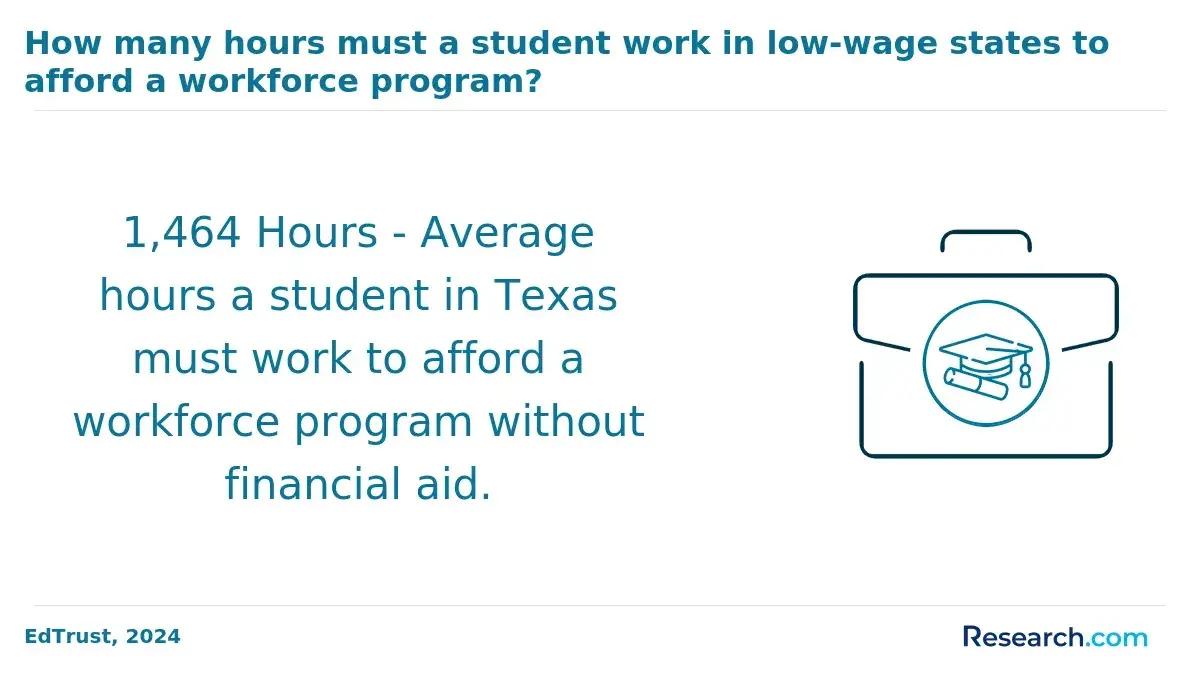
How Many Space Studies Graduates Enter the Workforce Each Year?
The annual number of space studies graduates entering the workforce does not straightforwardly indicate whether the field is oversupplied or undersupplied, as employment patterns and educational trajectories vary widely. Data from sources like the National Center for Education Statistics and the integrated Postsecondary Education Data System reveal that roughly 300 to 400 graduates complete degrees annually in related disciplines, but many delay full workforce entry by pursuing advanced degrees or transition into broader STEM roles outside the space sector. These nuances complicate direct comparisons to job openings, since not every graduate actively competes for the same specialized positions or enters the space industry immediately after graduation.
Workforce demand in space-related fields remains limited and highly specialized, with fewer than 250 new graduates reportedly securing roles directly tied to space studies each year. This mismatch creates a labor market where competition is intense for federal, private aerospace, and research jobs, despite broader needs in STEM fields that absorb a portion of graduate output.
Regional hiring patterns and employer expectations for technical expertise and hands-on experience further narrow employment opportunities, underscoring the importance of internships and cross-sector skills development for graduates aiming to convert academic credentials into sustainable space industry careers.
Does Job Growth Support the Rising Supply of Space Studies Graduates?
The current workforce landscape reveals a disconnect between space studies graduate job market growth and employer demand, with graduate supply outpacing the availability of suitable positions. Despite a steady annual increase in aerospace and astrophysics roles, the influx of graduates-particularly at the bachelor's level-has surged more rapidly, intensifying competition for limited openings that often require specialized skills or advanced degrees. Many entry-level candidates face challenges accessing these roles without complementary expertise in engineering, software development, or data analytics, especially when opportunities cluster in costly or logistically restrictive regions.
Replacement demand, driven by retirements and workforce turnover, partially mitigates this imbalance but does not fully compensate for the volume of new graduates. For example, a bachelor's degree holder in space studies without additional technical qualifications might struggle to secure employment, increasing the risk of underemployment or prolonged job searches.
Conversely, sectors or geographic areas experiencing labor shortages due to retirements can present favorable entry points despite slower overall growth. This uneven dynamic underscores the importance of aligning educational choices with demonstrable employer needs and considering pathways like interdisciplinary training or advanced credentials to improve job prospects.
Prospective students and professionals must weigh these realities carefully; not every space studies graduate will benefit equally from broad degree completion trends. Those evaluating their options might also explore related programs with clearer employer demand patterns or consider alternatives such as pursuing an online criminal justice degree if their career goals align with more stable labor markets. Strategic planning in education and skill development remains crucial to navigating this complex equilibrium between workforce supply and demand.
How Competitive is the Entry-Level Market for Space Studies Graduates?
The competitive landscape for entry-level space studies graduates in 2024 stems from a complex interaction of graduate supply, employer demand, and skill alignment rather than a simple oversupply or undersupply scenario. Although aerospace and space research sectors show steady growth, new graduate numbers frequently outpace available openings, especially in government agencies and major aerospace firms. The job market favors candidates with hands-on experience, narrowing the pool to those with internships or relevant projects. This environment challenges graduates to strategically build skills and remain flexible about geographic or industry preferences to improve their odds. Key factors shaping this competition include:
- Applicant Volume Growth:The number of graduates entering the space studies field has risen faster than corresponding entry-level positions, creating a bottleneck. Prospective candidates need to assess local graduation rates relative to regional hiring trends to gauge competition intensity.
- Experience Prerequisites:Employers often require practical exposure such as co-ops or research in satellite technology, data analytics, or aerospace engineering, privileging those with tangible project credentials. This elevates the importance of early skill-building and relevant internships for job seekers.
- Industry Demand Variability:Hiring demand fluctuates between subsectors like government research, commercial aerospace, and defense contracting. Graduates should understand which segments are expanding and target applications accordingly to optimize outcomes.
- Geographic Concentration:Core aerospace job clusters are limited to select metropolitan areas, restricting remote opportunities. Graduates unwilling or unable to relocate to hubs face intensified competition for fewer local roles.
- Skill Set Breadth:Space studies hires increasingly expect interdisciplinary capabilities, including programming and systems engineering knowledge. Applicants lacking such proficiencies may find their candidacies less competitive.
- Underemployment Trends:Some graduates accept roles in adjacent STEM fields due to limited direct matches, highlighting a need to balance specialization depth with broader technical adaptability.
- Employer Expectations:High standards for interdisciplinary project experience and problem-solving demand a proactive approach to skill acquisition, influencing which candidates progress in selection processes.
A recent graduate recalled applying to numerous entry-level roles in 2024, often confronted by job descriptions requiring one to two years of specialized satellite-related experience despite their fresh degree. Many candidate pools were densely packed, particularly for positions in highly concentrated regions they couldn't easily access. After several unsuccessful interviews citing limited practical exposure, the graduate shifted focus to smaller aerospace firms and defense contractors outside geographic hubs, accepting a role that valued adaptable skills over niche specialization. The experience underscored the importance of geographic flexibility and cultivating portfolio projects to supplement formal education in a tightly competitive market.
Which Industries Have the Greatest Demand for Space Studies Graduates?
Labor-market trends indicate that employer demand for space studies graduates clusters around sectors with complex technical needs and evolving commercial opportunities rather than uniform growth across all related fields. Aerospace manufacturing and defense contractors continue to hire steadily due to the technical rigor of spacecraft design, propulsion, and mission planning, which require graduates to have strong scientific foundations and preferably practical experience. However, despite robust job volume, competition remains stiff, and employers often prefer candidates with internships or combined engineering and software skills. Meanwhile, those considering careers in commercial spaceflight must weigh smaller absolute hiring numbers against faster growth rates and specialized skills in orbital mechanics and space mission operations.
Government agencies offer relatively stable but selective opportunities, generally favoring postgraduates or specialists in space science and policy, which can limit broader entry-level absorption but provide longer-term career stability. In addition, related sectors including telecommunications and geospatial intelligence increasingly recruit space studies graduates for their expertise in satellite data analysis, reflecting growing cross-industry applications. Graduates making career decisions should critically evaluate job availability, competition intensity, and specialization requirements across these industries to align expectations with workforce realities. For practical expansion of quantitative skills pertinent to data-heavy roles, prospective students may consider exploring online data science programs.
Here are the industries generating the greatest employer demand for space studies graduates:
- Aerospace Manufacturing: Established aerospace firms and defense contractors dominate job volume with positions in spacecraft design, propulsion, and systems engineering. Entry-level roles often require internships or dual competency in engineering and software, while advanced roles demand deep specialization and security clearance.
- Commercial Spaceflight: Rapidly growing segment with increasing openings in satellite communications and private launch services. Demand centers on orbital mechanics and mission operations expertise, though total job numbers remain smaller compared to aerospace manufacturing.
- Government Agencies: NASA, ESA, and defense research organizations provide stable but highly competitive roles, usually favoring candidates with advanced degrees and specialized experience in space science and policy.
- Telecommunications Sector: Growing recruiters of space studies graduates for satellite data interpretation and transmission systems analysis, reflecting the increasing importance of space-based infrastructures in communication networks.
- Geospatial Intelligence: Employs graduates for analytical roles involving satellite imagery and remote sensing data, requiring technical proficiency and familiarity with data analytics tools common in defense and security contexts.
- Data Analytics Firms: Emerging demand for space studies graduates able to leverage satellite-based data in broader technological and defense-related applications, often requiring additional analytic or programming skills.
Where are Space Studies Graduates Most in Demand?
National statistics on demand for space studies graduates often obscure significant regional disparities driven by industry clusters and employer concentration. For example, a graduate targeting entry-level roles near the Johnson Space Center in Houston may find a relatively dense but fiercely competitive labor market, where advanced technical skills and security clearances weigh heavily. Comparatively, regions like Colorado offer expanding opportunities within a growing network of startups and defense firms, though candidates may face tradeoffs involving relocation costs and varying living expenses that impact overall job value despite similar role availability.
Local education pipelines aligned with key aerospace and defense employers substantially influence demand intensity and candidate success. While states such as California and Florida maintain broad job openings linked to government agencies and manufacturing hubs, the practical advantage depends on specialized expertise-such as in spacecraft systems integration or satellite technologies-that differs by locale. Remote work remains limited in many roles requiring hands-on experience or security clearance, emphasizing the importance of geographic proximity to employer sites for many graduates navigating a market where competition often exceeds vacancy rates.
Recent data from the U.S. Bureau of Labor Statistics and Lightcast highlight that although some metropolitan areas show elevated job volumes, the effective accessibility of those jobs varies with interplaying factors including applicant supply, cost-of-living pressures, and employer expectations for interdisciplinary skills like software development and project management. Graduates weighting these factors alongside personal circumstances can better assess whether pursuing opportunities in high-demand states translates into sustainable career progression or heightens risk of underemployment in saturated environments.
Which Space Studies Specializations and Degree Levels Face the Strongest Demand?
Demand within space studies rarely spans all specializations and degree levels evenly, instead concentrating around narrowly defined technical and research skill sets. Government space agencies and commercial aerospace firms prioritize candidates proficient in spacecraft systems, mission operations, and remote sensing, especially those holding graduate degrees. For example, a master's graduate specializing in satellite communications often faces a stronger labor market than a bachelor's graduate focused on space policy, reflecting employer needs for high technical expertise and leadership potential. Labor projections from the U.S. Bureau of Labor Statistics and corroborated LinkedIn Workforce Insights both underscore that advanced degrees correlate with access to research-intensive and high-responsibility roles. The following points summarize the specialization and credential combinations currently commanding the most employer attention:
- Space Systems Engineering: Employers across defense, NASA-related projects, and private aerospace enterprises seek engineers skilled in spacecraft design and integration. Graduate credentials and hands-on systems experience markedly enhance hiring prospects for roles requiring mission-critical expertise.
- Satellite Communications: Growing demand from global telecom and government contractors prioritizes those versed in satellite link-layer protocols and RF engineering. Master's degree holders with relevant certifications or operational experience have significant advantages.
- Astrophysics and Remote Sensing: Positions combining data analytics with space observation technologies attract candidates with doctoral or master's training, especially for research or mission planning in scientific organizations and federal labs.
- Space Mission Operations: Professionals managing spacecraft health and command functions often require specialized training and higher degrees to meet employer standards in operational rigor and safety.
- Space Policy and Law: While emerging and niche, this field's demand remains comparatively limited, mostly for advanced degree holders involved in regulatory environments or commercial law development.
- Commercial Space Market Analysis: Analysts with master's-level education focused on industry trends and investment attract interest as private space markets expand, but entry opportunities remain selective and specialized.
Evaluating these distinctions helps prospective space studies students tailor their educational pathways to align realistically with employer expectations and long-term workforce dynamics, minimizing oversupply risks in low-demand niches and optimizing credentials for scarce technical openings.
Are Employer Skill Gaps Affecting Demand for Space Studies Graduates?
The current landscape evidences not a straightforward shortage of space studies graduates but a deficit in candidates who meet employer expectations for applied expertise, cross-disciplinary proficiency, and familiarity with evolving technologies. This employer skill gap complicates recruitment despite an increasing pool of degree holders, as many roles demand demonstrated experience with simulation tools, AI integration, and specialized engineering credentials. For example, a graduate with a solid academic record but limited practical experience in satellite technology or systems engineering may be bypassed in favor of candidates who have completed relevant internships or multidisciplinary projects, illustrating how supply volume alone does not translate directly into hiring success.
Such mismatches create a paradox where high graduate numbers coincide with persistent vacancies, skewing perceptions of an oversupply that in reality masks a demand for highly qualified individuals. Employers in aerospace hubs or government agencies often prioritize candidates who possess not only a space studies degree but also additional certifications, communication skills, and hands-on exposure to industry tools-factors that vary regionally and by sector. This dynamic underscores the importance for students and degree holders to pursue targeted skill-building opportunities, be it through internships, collaborative projects, or supplementary credentials, to better position themselves in a competitive yet nuanced market influenced heavily by these employer skill gaps in space studies graduates.
Prospective students aiming to bridge these divides might consider flexible pathways similar to those found in other interdisciplinary fields, such as the SLP bridge program, which integrates diverse knowledge areas to fulfill complex workforce requirements. Understanding the intricacies behind space studies graduate demand and skill mismatch arms candidates with a clearer perspective on program selection and career planning, emphasizing curriculum responsiveness alongside professional adaptability to meet evolving employer needs.
What is the Future Supply-and-Demand Outlook for Space Studies Graduates?
Targeted job searches consistently yield better outcomes than high-volume, unfocused applications for space studies graduates because employers increasingly seek candidates with precise skills aligned to defined roles. A graduate applying broadly to generic aerospace positions without tailoring their resume to specific entry-level job titles may face prolonged competition and reduced interview callbacks. Instead, focusing efforts on industries and locations where regional demand for space studies professionals is stronger-such as established aerospace clusters or government agencies-allows candidates to better match employer needs and improve their chances of job readiness recognition. This approach also involves demonstrating relevant technical capabilities through internships, projects, or cross-functional experience in a way that resonates with employer language and expectations.
Many employers emphasize practical experience and multidisciplinary expertise, making it critical for graduates to allocate job search time and networking strategically, rather than pursuing every available posting. For instance, a candidate who conducts market research on emerging commercial space ventures and tailors applications accordingly is more likely to secure interviews than one applying indiscriminately, despite similar qualifications.
Careful timing of applications-aligned with hiring cycles identified through labor-market data-and showcasing targeted skills mitigate oversupply issues by positioning candidates for roles where their credentials closely match the demand. Awareness of geographic and sectoral imbalances documented in the 2024 BLS data supports more informed decision-making in a competitive environment.
Adopting an evidence-informed strategy is essential given the documented growth in graduates from space studies programs, which now exceed traditional entry-level job openings in many locations. Advanced preparation and differentiation can raise interview conversion rates even as the moderately oversupplied market challenges applicants without focused qualifications. Prospective and current graduates may also explore online universities for military spouses specializing in related technical degrees to supplement their credentials and improve employability within niche sectors.
References
- Research – Space Skills Alliance https://spaceskills.org/research
- Developing the space workforce | Luminary Labs https://www.luminary-labs.com/developing-the-space-workforce/
- The Second Barrier: The Projected Shortfall in the U.S. Science and Engineering Workforce https://www.amacad.org/publication/united-states-space-policy-challenges-and-opportunities-gone-astray/section/6
- Future of Space Industry worth $6.1 Trillion by 2064 https://www.marketsandmarkets.com/PressReleases/future-of-space-industry.asp
- Think today about tomorrow – Study Space Technologies! — European Space Foundation https://spacefdn.com/affiliate-news/think-today-about-tomorrow-study-space-technologies/
- The value of space studies programs in higher education https://www.thespacereview.com/article/5031/1
- Bridging the Skills Gap: Training to Employment https://www.gospacewalk.com/blog/bridging-the-skills-gap-training-to-employment
Other Things You Should Know About Space Studies
Choosing between research-heavy and applied skill-based programs involves assessing your career goals against employer expectations. Research-intensive tracks often offer deeper theoretical foundations but may limit immediate job readiness for industry roles focused on practical engineering or mission operations. Applied programs tend to emphasize hands-on experience, internships, and technical proficiencies valued by employers, which can enhance early career employability. Prospective students aiming for R&D or academic careers should prioritize research rigor, while those targeting aerospace industry positions should seek programs with strong applied components and real-world project opportunities.
Interdisciplinary degrees blending space studies with engineering, computer science, or policy tend to demand heavier workloads and more complex course scheduling. These programs can improve employability by broadening skill sets but may prolong time to graduation or increase academic stress. Students must balance the value of diverse competencies against the risk of burnout or delayed entry into the workforce. Prioritizing focused interdisciplinary options that integrate complementary skills without excessive credit requirements is critical for maintaining manageable workload and timely degree completion.
Employers in space-related fields consistently prioritize candidates with demonstrable project experience through internships or cooperative education. Graduates lacking hands-on exposure often face higher barriers to entry despite strong academic records. This reality suggests that programs heavily endorsing or facilitating internships align better with employer demand and can reduce job search duration. Students should prioritize degree options and institutions known for strong industry partnerships and mandatory experiential learning components to maximize their market readiness.
While master's and doctoral degrees in space studies can open specialized roles in research, policy, or advanced technical fields, they also involve significant time and financial investment without guaranteed higher entry-level placement. Prospective students must evaluate whether their targeted employers and roles explicitly value advanced credentials or prioritize experience and technical skills. For many, gaining industry-relevant certifications or targeted technical training alongside bachelor's degrees may offer quicker access to sustainable employment. Advanced degrees are best reserved for students with clarity on niche career paths requiring in-depth expertise.