2027 Online vs Campus Security Management Outcomes Report: Graduation Rates, Cost, and Career Trade-Offs

Co-Founder and Chief Data Scientist
Adult learners aiming to maximize previously earned credits often face unexpected delays when choosing between online and campus security management programs. A 2024 study shows that while 67% of institutions increased transfer credit acceptance, the average time-to-graduation still varies widely-reflecting shifting institutional policies and student demand for flexible, accelerated pathways. These dynamics indicate growing but uneven accessibility for non-traditional students and reveal hidden costs tied to program format, such as extended tuition and postponed employment opportunities.
This article analyzes graduation rates, cost differences, and career trade-offs in online versus campus delivery, offering actionable insights to optimize educational investment and workforce readiness.
Key Things to Know About Online vs Campus Security Management Outcomes
- Online security management programs show a 12% lower graduation rate than campus counterparts, reflecting challenges in sustained engagement that affect completion timelines and credential attainment.
- Campus degrees yield 8% higher employer preference in security management roles, indicating employer prioritization of on-site experiential learning critical for this field's trust-sensitive positions.
- Online formats reduce indirect costs by 25%, improving access for working adults but may delay labor market entry due to extended program durations from part-time pacing.
- Key Things to Know About Online vs Campus Security Management Outcomes Key Things to Know About Online vs Campus Security Management Outcomes
- What Are the Biggest Differences Between Online and Campus Security Management Program Outcomes? Online vs Campus Outcomes
- How Do Graduation Rates Compare Between Online and Campus Security Management Programs? Comparing Graduation Rates
- Why Do Online and Campus Security Management Students Have Different Completion Rates? Why Completion Rates Differ
- How Do Online and Campus Security Management Programs Compare on Total Cost? Total Cost Comparison
- What Hidden Costs Should Students Expect in Online vs Campus Security Management Programs? Hidden Program Costs
- How Does Financial Aid Affect the Cost of Online and Campus Security Management Programs? Financial Aid Impact
- Do Online and Campus Security Management Graduates Have Different Career Outcomes? Comparing Career Outcomes
- How Do Employers View Online vs Campus Security Management Degrees? How Do Employers View Online vs Campus Security Management Degrees?
- Which Security Management Degree Format Offers Better Flexibility for Working Adults? Which Security Management Degree Format Offers Better Flexibility for Working Adults?
- How Should Students Choose Between an Online and Campus Security Management Program? Choosing Your Program Format
What Are the Biggest Differences Between Online and Campus Security Management Program Outcomes?
Graduation rates reveal a critical distinction between online and campus security management program outcomes, with campus students completing programs within expected timelines at a notably higher rate-56% versus 42% for online learners, according to the National Center for Education Statistics. This disparity often reflects the external responsibilities online students face, such as balancing work and family, which can extend completion time and increase overall debt exposure. In practical terms, an online learner may benefit from geographic flexibility but must weigh this advantage against potential delays in degree attainment and the financial implications of prolonged enrollment.
Cost differences extend beyond tuition, as online security management program attendance can incur additional fees and fewer opportunities for cost-saving campus resources like work-study. These financial trade-offs, confirmed by U.S. Department of Education data showing approximately 15% higher average student debt for online graduates, can influence long-term career mobility by amplifying debt burden before entering the workforce. Additionally, employer preferences for demonstrated hands-on experience often give campus graduates an edge due to more accessible internships and lab practicums, though evolving virtual simulations are beginning to shift this dynamic.
The decision to pursue online versus campus study in security management ultimately hinges on how well a student's circumstances align with each modality's strengths and limitations. Those prioritizing structured access to faculty and peer networks and on-site experiential learning might find campus programs more conducive to career outcomes, while others requiring flexibility may consider the broader options available online, including the variety of direct admit nursing programs by state as a related example of how geographic and scheduling factors can influence educational pathways. This nuanced trade-off between short-term convenience and long-term signaling value must be central to informed program selection strategies.
How Do Graduation Rates Compare Between Online and Campus Security Management Programs?
Graduation rates in security management programs vary meaningfully between online, campus, and hybrid formats, shaped less by delivery mode alone than by student composition and institutional design. Full-time campus students average about a 65% six-year completion rate, according to 2024 National Center for Education Statistics data, whereas online cohorts often face rates between 40% and 50%, largely due to a higher prevalence of part-time learners juggling employment and family responsibilities. Programs on campus benefit from cohort continuity, immediate academic advising, and peer engagement that bolster persistence, whereas online students frequently contend with irregular faculty contact and weaker social accountability, factors linked to increased stop-out risk and slower progression. These distinctions make purely numerical comparisons deceptive without considering the nuances of course pacing, transfer credit policies, and support infrastructure adapted to nontraditional learners.
Moreover, institutional selectivity influences outcomes; campus-based programs often enroll students who have completed preparatory coursework and meet stricter admission standards, while many online offerings emphasize accessibility through open enrollment, which broadens opportunities but can depress average graduation figures. Additionally, inconsistency in reporting part-time and transfer student completions complicates direct comparisons across modalities. For prospective students, weighing these factors alongside career timelines and life demands is crucial because an online program's flexibility might come at the cost of longer time-to-degree and fluctuating academic support, unlike the more regimented experience typically found on campus.
One security management student recalled her decision-making process as a working parent: she was drawn to an online option for schedule flexibility but hesitated after discovering the local campus program's strong advising and cohort model designed to keep students on track. Balancing part-time enrollment and family duties, she worried if the online format's less structured pacing and limited real-time interaction would make it harder to maintain momentum, especially since transferring some credits added complexity. Ultimately, her cautious confidence stemmed from researching how program structure, support networks, and reporting transparency affected graduation outcomes, rather than relying solely on headline completion rates.
Why Do Online and Campus Security Management Students Have Different Completion Rates?
Completion rates between online and campus security management students often differ due to factors beyond instructional quality, primarily reflecting student circumstances and program structure. Many online learners juggle part-time enrollment alongside full-time employment and family duties, which significantly extends their path to graduation; national data from 2024 reveals that part-time status reduces graduation likelihood by nearly 20%. For example, a working adult balancing shift work may face irregular study patterns and limited access to real-time faculty support, increasing stop-out risks compared to a traditional campus peer in a full-time cohort with structured interactions and peer accountability.
Campus programs benefit from on-site advising, cohort progression, and face-to-face engagement that help maintain momentum and clarify course sequencing-critical for navigating internships or practicum requirements common in security management curricula. In contrast, online platforms vary widely in delivering real-time interaction and flexible pacing, and some impose stricter transfer credit policies that can delay progress and inflate total costs through extended enrollment. This dynamic suggests that observed graduation gaps often capture the interplay between learner profiles and institutional design rather than inherent modality weaknesses, highlighting that prospective students should weigh their capacity for self-directed study, stability of scheduling, and need for close advising when assessing programs.
How Do Online and Campus Security Management Programs Compare on Total Cost?
Tuition differences alone obscure the full picture of cost when comparing online vs campus security management total cost comparison. Public in-state campus programs typically charge around $9,500 annually, but adding campus fees, housing, meal plans, and commuting can push costs $10,000 higher per year. In contrast, online students avoid many living expenses yet often face technology fees, required software purchases, and possible travel for on-site residencies or internships, which can complicate budgeting and lengthen program duration due to part-time enrollment.
These cost structures influence financial aid and debt outcomes; online learners may benefit from employer tuition reimbursement but have less access to federal grants generally awarded to full-time campus students. Institutional fees for online programs average $500 to $1,200 yearly, covering platforms and proctored exams, while campus fees often include mandatory activity or health charges bundled into tuition. Decision-makers must weigh these factors alongside work commitments and personal circumstances since extended timelines or hidden costs affect total debt and time to graduation.
For those prioritizing manageable schedules or ongoing employment, an online program might align better despite potentially higher indirect costs, while campus enrollment typically demands relocation or commute investments. Prospective students should also consider outcomes research such as recent College Scorecard data and explore specialized fields like medical billing, where understanding the medical billing and coding salary can clarify return on investment from diverse learning formats.
What Hidden Costs Should Students Expect in Online vs Campus Security Management Programs?
The financial realities of pursuing Security Management programs extend well beyond published tuition rates, with format-specific hidden costs significantly shaping student decisions and outcomes. Online learners frequently encounter mandatory technology fees ranging from $50 to over $200 per semester, covering platforms for course delivery, proctoring, and software licenses critical to their studies. Additionally, some online curricula require upfront investments in specialized hardware or recurring software subscriptions, expenses often overlooked during initial budgeting. Meanwhile, campus-based students face substantial indirect costs such as commuting-which can surpass $2,000 annually according to the U.S. Department of Transportation 2024 report-parking, and higher fees for labs or security-specific materials, compounded by housing costs that can add upwards of $10,000 per year. These outlays, together with inflexible class schedules that may reduce available work hours, increase the total program cost and affect debt levels upon graduation.
These financial trade-offs further complicate planning and format selection, as online learners avoiding daily commutes might still incur travel expenses for mandatory residencies or fieldwork located far from their residence. The balance between saved commuting time and potentially costly on-site requirements can impact both affordability and time to completion. Candidates weighing campus programs must consider that enforced physical presence can necessitate childcare arrangements or relocation, influencing personal and professional commitments. For many, the decision hinges on a nuanced evaluation of how hidden costs interact with career timelines, work flexibility, and funding strategies instead of relying solely on sticker price comparisons.
A Security Management student recalled initially gravitating toward an online program due to lower advertised tuition but hesitated upon uncovering recurring technology fees plus a costly proctoring charge per exam, which cumulatively trimmed the expected savings. The student also faced surprise travel obligations for intensive weekend residencies, conflicting with a part-time job schedule. Conversely, the local campus option demanded expensive parking permits and variable childcare costs, complicating budget forecasts. This experience underscored the importance of dissecting all fee structures and logistical demands early on to genuinely assess financial feasibility and program fit, beyond the surface-level tuition appeal.
How Does Financial Aid Affect the Cost of Online and Campus Security Management Programs?
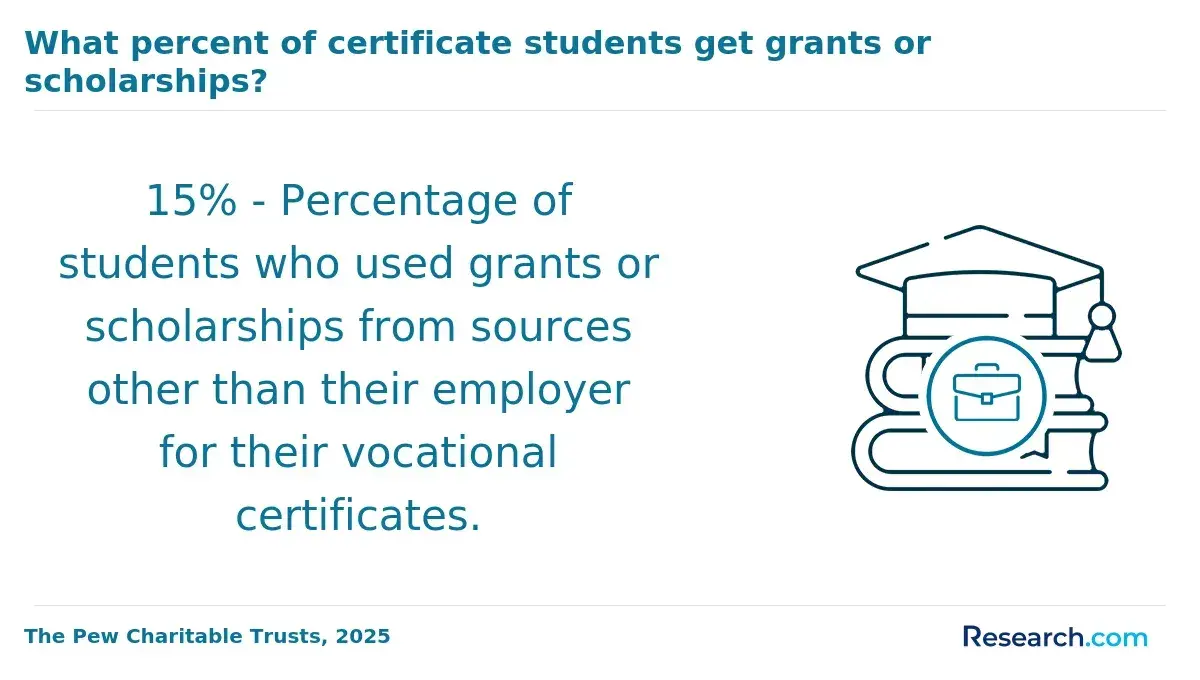
Financial aid significantly shapes the comparative net cost of campus versus online security management programs, though its impact depends heavily on aid type and accessibility. Campus security management programs financial aid benefits often include scholarships, teaching assistantships, and work-study roles that effectively lower net price despite higher base tuition, making campus attendance financially viable for many. Conversely, online learners must weigh different factors such as employer tuition reimbursement and military benefits. For instance, a working professional enrolled online might rely predominantly on employer-sponsored aid, a model used by about 35% of online students, which contrasts sharply with campus students' higher access to institutional awards.
Students comparing financial aid impact on online security management program costs must also consider how eligibility criteria affect access to grants and scholarships. Residency requirements and institutional policies frequently restrict online students' opportunities for state-based aid or certain scholarships, while technology fees unique to online formats-ranging from $300 to $600 annually-add unanticipated expenses. These nuances can offset perceived affordability, especially when combined with the tendency for part-time online enrollment to extend program duration, potentially increasing cumulative student loan interest and debt. While average debt is about 15% higher for online graduates, balancing accelerated on-campus pacing against job and life commitments remains a key decision driver.
Ultimately, prospective students should analyze comprehensive aid packages in concert with tuition, fees, and enrollment intensity to estimate true affordability. Those interested in practical, employment-aligned pathways might also explore resources related to the exercise science degree online as a parallel example of online program financial dynamics, highlighting how employer support and aid availability critically shape cost outcomes. Understanding these complexities helps ensure informed decisions regarding the long-term financial and career trade-offs inherent in choosing between campus and online security management education.
Do Online and Campus Security Management Graduates Have Different Career Outcomes?
Graduates of campus-based security management programs often benefit from stronger immediate access to employer networks, internships, and on-site career resources, which can accelerate entry into roles requiring security clearances or field experience. Employer skepticism about online security management credentials frequently centers on concerns over practical training and accreditation, although programs integrating simulated internships and field projects show comparable readiness for professional certification exams. Since diploma transcripts generally do not differentiate delivery format, licensure eligibility remains consistent, but graduates must weigh whether their specific online program's reputation and hands-on opportunities match those of traditional campus offerings.
While online security management studies provide scheduling flexibility that supports balancing work and education, this advantage may come with trade-offs in direct employer engagement and networking potential crucial for certain government and private sector positions. According to 2024 data from the National Center for Education Statistics, graduation rates are slightly lower for online cohorts, but post-graduation employment rates in security roles are broadly comparable across formats. Prospective students should assess program accreditation, access to experiential learning, and alumni connections carefully, as these elements heavily influence career trajectories and long-term mobility, especially in environments where institutional reputation impacts hiring decisions.
How Do Employers View Online vs Campus Security Management Degrees?
Employers evaluating security management degrees focus primarily on accreditation, institutional reputation, and the evidence of applied skills, rather than the mode of delivery alone. For instance, a hiring manager at a mid-sized corporate security firm may prefer candidates with degrees from regionally accredited programs that incorporate internships or practicums, viewing these as indicators of real-world readiness. According to a 2024 NACE report, 63% of employers regard online degrees from reputable institutions as equally credible to on-campus credentials, highlighting that program quality and recognized academic standards carry more weight than physical attendance.
Nonetheless, skepticism persists around online-only providers lacking clear accreditation or practical experience components, with a SHRM workforce survey showing that 45% of employers remain cautious about such degrees. This divide underscores the importance of experiential learning and networking opportunities typically found in campus formats, which can facilitate hands-on collaboration and direct employer engagement. However, working adults often find online security management programs offer essential flexibility and access to diverse curricula, making them viable pathways when combined with relevant work experience that demonstrates applied competence.
Ultimately, the impact of degree format on career outcomes varies by industry norms and employer familiarity with online education, with those emphasizing practical, applied skills likely to weigh accreditation and program rigor over delivery method. Candidates aiming to enter security management fields where internship experience or collaborative project work is critical should carefully consider how their program's format supports these elements. Practical career mobility tends to be strongest when degrees-whether online or campus-based-are paired with verifiable, hands-on experience aligned with employer expectations.
Which Security Management Degree Format Offers Better Flexibility for Working Adults?
Flexibility in security management degree formats is rarely absolute and depends heavily on program structure and student circumstances. Online security management programs for working adults frequently provide asynchronous coursework that supports learners juggling shift work or caregiving responsibilities. However, such flexibility can be undermined by required in-person practicums or labs, where fixed schedules curtail independence and add commute costs and time burdens. In contrast, flexible campus security management degree options, such as evening or hybrid formats, can offer more predictable, cohort-based pacing with direct faculty interaction, which some students find essential for maintaining momentum and meeting employer expectations for structured progression.
These trade-offs between online and campus settings influence persistence and graduation outcomes. Data show online learners often face a self-directed environment that, while adaptable, may result in slightly lower completion rates partly due to less enforced routine and peer engagement. On-campus programs, despite posing commute and scheduling constraints, tend to support higher graduation rates through consistent access to resources and networking opportunities. Working adults weighing these formats must consider how flexibility affects cost exposure over time, especially if extended enrollment or stop-outs increase total tuition and delay entry or reentry into roles requiring verified credentials. For example, professionals exploring pathways similar to a certified professional coder balance these same factors, highlighting the importance of matching program demands to real-world job schedules and advancement criteria.
How Should Students Choose Between an Online and Campus Security Management Program?
Graduation rates in security management programs vary notably between online and campus formats, with campus-based options generally reporting 10-15% higher completion figures according to 2024 data from the National Center for Education Statistics. This difference reflects how structured environments, direct faculty access, and on-site resources can enhance student persistence, especially when sequential coursework or hands-on labs are critical. Students must consider how their personal discipline and access to physical facilities impact not only their likelihood of finishing but also their ability to engage in internships and build local professional networks-factors that many employers weigh heavily in hiring decisions. For example, a working adult managing caregiving responsibilities might prioritize the flexibility of online learning but should weigh potential challenges in gaining relevant field experience or mentorship that campus programs often provide.
Cost is another decisive factor; while on-campus programs typically exceed $25,000 annually when including housing, commuting, and fees, online options can reduce total expenses by 30 to 40 percent by eliminating residence costs and transportation. However, students must evaluate whether restricted availability of financial aid for online learners offsets these savings, particularly given that some licensure requirements in security management still mandate in-person components. Career support also differs-campus programs often facilitate internship pipelines and direct employer partnerships, while successful online students may need to engage more proactively in virtual networking, which can affect postgraduation mobility. Considering these dynamics is essential when deciding how to choose between online and campus security management programs, balancing financial realities with schedule stability, practical training needs, and employer expectations in this specialized field.
Those exploring pathways in security management should integrate outcome data with their individual circumstances and professional goals. Assessing platform fit includes understanding course sequencing and opportunity costs tied to each format's demands. For prospective students seeking comparisons in related disciplines, exploring resources such as the best online MFT programs can provide added perspective on how online education models function in practice across fields.
References
- How to Become a Security Manager | Required Education and Experience https://www.cyberdegrees.org/careers/security-manager/how-to-become/
- Campus Security Guide: Protecting Students, Staff & Schools | Silver Star Protection Group https://www.silverstarprotection.com/blog-campus-security-guide-protecting-students-staff-schools/
- How to build a strategic campus security program https://www.securitasinc.com/news-insights/blog/how-to-build-a-strategic-campus-security-program/
- The Future of Campus Security: A Comprehensive Guide to AI-Powered Protection for Higher Education https://volt.ai/the-future-of-campus-security-guide
- Integrated Safety and Security Management for Campus Security | Guide https://www.noggin.io/resources/integrated-safety-and-security-management-for-campus-security
- 25 Best Online Cybersecurity Degree Programs https://cybersecurityguide.org/online/cybersecurity-bachelors-degree/
- Security Management https://ps.sckans.edu/degrees-and-certificates/bachelors/security-management/
- Guide to Financial Aid for Online Students https://www.onlineu.com/resources/financial-planning/financial-aid
- Security Management – Online https://www.perpetuityarc.com/courses/security-management-online/
- How employers see your online degree https://www.calcoast.edu/news/truth-about-how-employers-view-your-online-degree
Other Things You Should Know About Security Management
Campus programs typically offer direct access to labs, simulations, and in-person mentorship that build hands-on skills crucial for security management roles. Online programs often rely on virtual simulations or require coordinating off-site internships, which can vary widely in quality and relevance. This difference means graduates from campus programs may enter the workforce better prepared for immediate operational demands, while online learners might need additional on-the-job training to reach the same competency level.
Campus students benefit from frequent, organic interactions with peers, faculty, and visiting professionals, fostering connections often pivotal for internships and job placement. Online students face a more transactional networking environment, which requires proactive effort to engage in virtual events or local security associations. For those prioritizing career advancement through strong professional networks, campus programs generally provide a clearer advantage unless online learners intentionally invest effort in external networking.
Online study offers flexible pacing but often demands higher self-discipline, as students must balance coursework without regular face-to-face accountability. Campus programs impose structured schedules that can help maintain consistent progress but may conflict with work or family responsibilities. Prospective students must judge if their personal time management skills align better with a self-directed online format or a regimented campus setting to avoid burnout or extended program duration.
Professionals already working in security roles may find online programs more conducive to acquiring advanced credentials without interrupting their employment, as content often focuses on strategic and administrative skills. Conversely, those seeking their first security management job might benefit more from campus programs that combine foundational training, experiential learning, and clear campus-based recruitment pipelines. Prioritizing format should depend on career stage: campus programs favor newcomers needing immersive preparation, while online formats support career enhancers balancing work and study.