2027 Security Management Degree Enrollment Trends by Age Group: Traditional Students vs Adult Learners

Co-Founder and Chief Data Scientist
Licensing requirements and technical skill demands heavily shape enrollment patterns in security management degree programs. Traditional students often enter these programs anticipating entry-level roles requiring certification within two years, while adult learners seek advanced credentials to overcome credential inflation and transition amid workforce shortages.
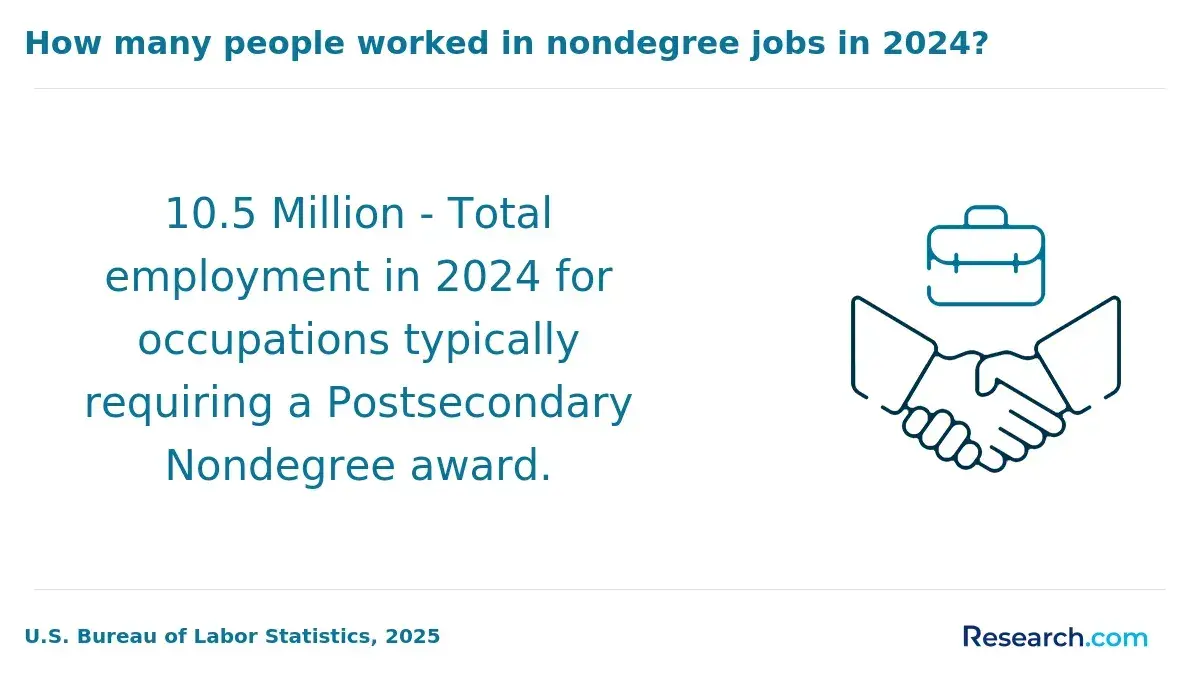
Notably, the U. S. Bureau of Labor Statistics projects a 15% employment growth in security-related roles through 2030, fueling varied educational approaches by age group. The higher proportion of adult learners in part-time and online formats reveals a workforce balancing upskilling with existing job commitments. These enrollment distinctions signal evolving educational accessibility and shifting employer expectations in security management.
Key Things to Know About Security Management Degree Enrollment Trends by Age Group
- Traditional college-age students dominate enrollment but often face tradeoffs with limited hands-on experience, affecting early career employability despite academic theoretical strengths.
- Adult learners' steady growth reflects employer preference for candidates integrating practical work history with education, enhancing their job-readiness in Security Management roles.
- Delayed enrollment among older students typically incurs higher opportunity costs but allows leveraging employer tuition assistance, influencing timing and affordability decisions significantly.
- Key Things to Know About Security Management Degree Enrollment Trends by Age Group Key Things
- Which Age Groups Represent the Largest Share of Security Management Students? Students by Age Group
- Why Do Traditional Students Choose Security Management Degree Programs? Traditional Students
- Why Do Adult Learners Return to School for a Security Management Degree? Adult Learners
- How Do Academic Goals Vary Between Younger and Older Security Management Students? Academic Goals by Age Group
- How Do Financial Concerns Differ Between Traditional Students and Adult Learners? Financial Concerns by Age Group
- What Challenges Do Adult Learners and Traditional Students Face While Earning a Security Management Degree? Student Challenges by Age Group
- How Does Age Affect Security Management Degree Student Retention? Age and Student Retention
- Which Security Management Specializations Are Most Popular Among Adult Learners? Top Specializations for Adult Learners
- How Does Age Affect Job Opportunities for Security Management Graduates? Impact of Age in Job Opportunities
- What Do Current Security Management Enrollment Trends Reveal About Future Demand? Enrollment Trends
Which Age Groups Represent the Largest Share of Security Management Students?
Security management programs draw learners spanning multiple stages of life, yet enrollment tends to concentrate in certain age groups shaped by workforce entry timing, financial readiness, and flexible educational structures. These age distributions mirror wider dynamics in labor markets and higher education accessibility rather than simple academic preferences.
Understanding enrollment trends for security management degree by age group reveals how career timing and economic factors influence who pursues these programs and when. This perspective helps clarify how students' life circumstances affect their path into security management studies and eventual workforce integration.
- Ages 18-24: This group typically forms the largest share of security management students, aligning with traditional college-age enrollment patterns. Many enter directly from high school or after brief postsecondary experiences, favoring full-time, campus-based formats that support immersive study. However, limited professional experience in this cohort often impacts practical understanding and immediate job readiness in security roles.
- Ages 25-39: Representing the fastest-growing segment, adults in this bracket commonly pursue security management education to reskill or transition careers amid increasing employer demands for specialized competencies. Part-time and online options are especially attractive to balance education with ongoing work and family obligations. Their prior work experience can lead to stronger outcomes, though extended program durations and limited campus access pose challenges.
- Ages 40 and above: This smaller cohort usually consists of career changers or professionals seeking credentials to update skills or maintain certifications. Enrollment rates are comparatively lower due to opportunity costs and often greater difficulty navigating academic environments designed primarily for younger students. Despite this, their real-world knowledge offers a significant advantage in meeting employer expectations for practical expertise.
Data from the National Center for Education Statistics affirms that while younger adults remain the majority in security management programs, the shifting enrollment toward older age groups corresponds with evolving labor market demands focusing on cyber threats and risk management. Students across these ages weigh tradeoffs between immediate employability and educational investment differently, affecting program accessibility and completion timelines. For those assessing pathways, considering these enrollment trends alongside workforce realities can inform decisions about timing, mode of study, and career alignment.
For example, learners interested in flexible degree options that accommodate working professionals should explore formats similar to online DNP programs, which emphasize accessibility without sacrificing rigor-an increasingly relevant model for adult security management students balancing multiple commitments.
Why Do Traditional Students Choose Security Management Degree Programs?
Traditional students pursuing security management degrees frequently choose this field due to a convergence of academic interest and strategic career planning. These programs offer a clear signaling value, providing a credential that aligns with employer expectations for entry-level security roles and cybersecurity positions. For many recent high school graduates, selecting security management facilitates early career exploration within a framework that balances theoretical foundations and practical applications, which enhances their competitiveness in a labor market forecasting growth.
According to the National Center for Education Statistics (2024), approximately 38% of students cite promising employment prospects and salary potential as key factors influencing their enrollment decisions in these programs. Deeper motivations behind enrollment include targeted university recruitment pathways and the influence of academic advisors who steer students toward fields tied to stable job markets.
Exposure to security management concepts in advanced secondary education or introductory college courses can solidify interest and reduce uncertainty about program outcomes. Peer networks and institutional access also play pivotal roles, shaping students' perceptions of program credibility and career mobility. Importantly, some students may weigh the available educational pathways against alternative options, such as nursing programs that don't require TEAS test, indicating the broader decision landscape in career-focused higher education choices for traditional-age students.
Why Do Adult Learners Return to School for a Security Management Degree?
The decision for adult learners, typically aged 25 and older, to return to higher education for a security management degree often stems from strategic career considerations rather than purely personal interest. Many seek to climb into supervisory or managerial roles in security fields where formal credentials have become gatekeepers for advancement and meaningful wage increases. Others pursue this path to transition from unrelated careers, responding to the growing demand for expertise in cybersecurity, risk management, and physical security.
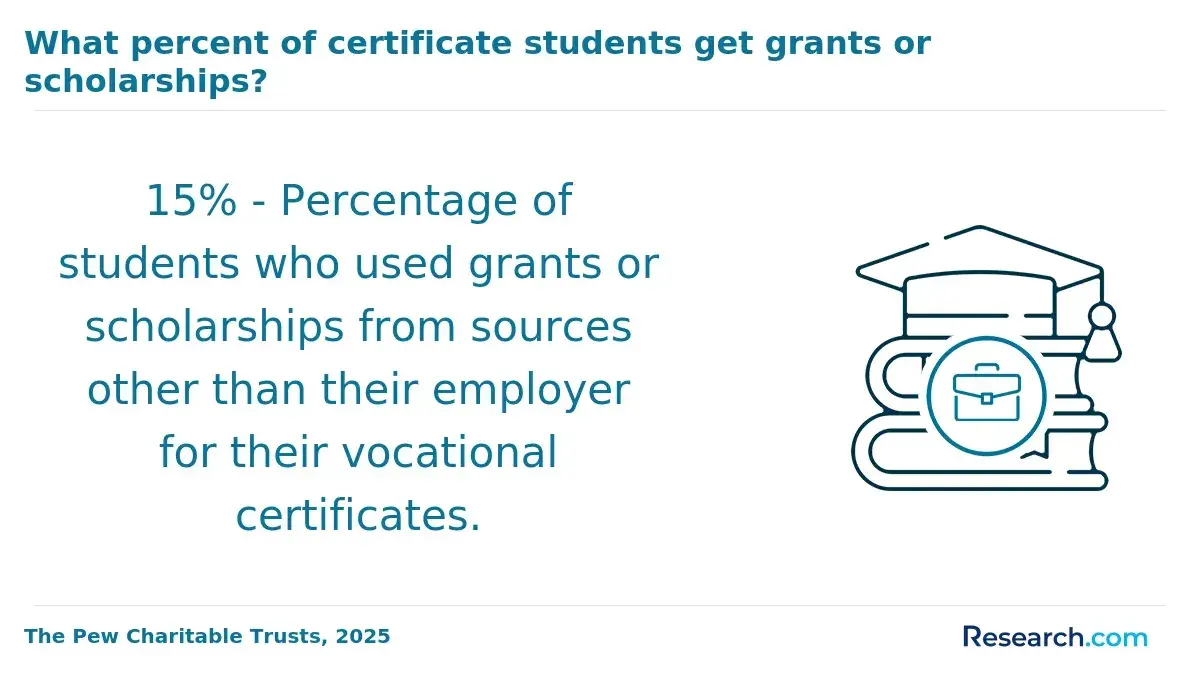
Data from the National Center for Education Statistics in 2024 indicates that about 40% of undergraduates in applied security programs fall into this adult learner category, illustrating how the profession's evolving landscape encourages mid-career shifts and targeted skill acquisition. Additional factors influencing adult enrollment include the proliferation of employer-sponsored tuition assistance and the increasing availability of flexible program formats such as online, evening, or accelerated courses, which accommodate work-life balance challenges.
Employers often impose or strongly prefer updated academic credentials to comply with new regulations and technology standards, pressing seasoned workers to refresh their knowledge base. This credential inflation reflects broader labor market dynamics where lifelong learning and ongoing reskilling are becoming essential to remain competitive. Consequently, security management education for adults is frequently less about exploration and more about meeting explicit professional standards and organizational benchmarks.
How Do Academic Goals Vary Between Younger and Older Security Management Students?
Traditional-age students in security management programs generally pursue education with an exploratory mindset, building foundational knowledge and versatile skills to navigate uncertain career paths. They prioritize comprehensive curricula that support entry-level employment or further academic progression, often committing to full-time, campus-based schedules to expedite workforce entry. Data from the National Center for Education Statistics in 2024 underscores this trend, showing that 68% of these students aim for bachelor's degrees specifically aligned with immediate job placement within the field.
The academic decisions tend to reflect long-term planning and broad competency development rather than narrow specialization. In contrast, adult learners entering security management education usually focus on pragmatic, outcome-driven goals that align tightly with current job functions or career transitions. Their studies are frequently oriented toward certifications, specialized training in areas like cybersecurity or risk assessment, and credentials that offer measurable workplace impact.
Balancing education with ongoing employment and family responsibilities, many prefer part-time, evening, or online formats to fit learning into their work-life complexity. According to a 2024 Lumina Foundation report, 75% of adult students prioritize applicability of skills and credential attainment that directly enhance their existing professional roles.
How Do Financial Concerns Differ Between Traditional Students and Adult Learners?
Traditional students pursuing a security management degree generally depend on a combination of family support, financial aid, and student loans to fund their education. Approximately 70% of these students utilize some form of financial aid, reflecting a reliance on deferred financial responsibility and long-term debt planning rather than immediate income replacement. Their financial concerns often center on managing tuition costs alongside future debt obligations, balancing affordability today with anticipated salary growth after graduation.
This dynamic shapes how they evaluate program length and institutional choice, prioritizing pathways that delay workforce entry in exchange for comprehensive credentialing and potential career advancement. Adult learners, conversely, navigate a distinct set of financial challenges that impact their enrollment decisions in security management programs. Many face the opportunity cost of lost wages due to reduced work hours or program demands, while simultaneously managing ongoing family and living expenses.
Limited access to parental support and fewer grant options increase reliance on personal funds or employer tuition assistance. According to the Lumina Foundation, nearly 60% of adult students cite balancing tuition with other financial obligations as a primary concern, highlighting the acute pressure of funding education without sacrificing current income streams. These factors influence a preference for accelerated, online, or part-time program formats that accommodate employment continuity, even as the upfront financial burden appears higher compared to traditional students.
The financial divergences between traditional and adult security management students have broader implications for enrollment patterns and program selection. Adult learners often favor flexible delivery methods that reduce opportunity costs and provide immediate utility in the workforce, while younger students weigh long-term return on investment more heavily, considering potential debt against future salary escalation.
The distinctions underscore the critical need for financial planning attuned to lifecycle economics and practical workforce participation, as well as informed decisions about how specific program formats align with individual financial realities and career goals. For those considering advanced healthcare-related credentials, understanding these nuances is equally vital, as evidenced by trends in fields such as the doctorate of healthcare administration where education financing behavior and workforce integration closely interlink.
What Challenges Do Adult Learners and Traditional Students Face While Earning a Security Management Degree?
Traditional students pursuing a security management degree typically contend with academic adaptation challenges rooted in their stage of educational development. Often transitioning directly from high school, they must navigate elevated academic expectations while developing effective time management and study habits within a highly structured environment. According to a 2024 National Center for Education Statistics report, nearly 30% of these students struggle to maintain balance between coursework demands, social integration, and mental health, reflecting the pressures of navigating both academic rigor and personal development simultaneously.
The primary hurdles include cultivating discipline amid unfamiliar collegiate settings and managing competing priorities without extensive prior professional experience to contextualize their learning. Adult learners face a different constellation of obstacles shaped by external responsibilities and life stage factors. Balancing full-time employment, familial obligations, and academic work compresses their available time for coursework and study. Many must reconcile financial pressures, including tuition costs compounded by reduced work hours or foregone income, with the demands of re-entering an academic setting after a gap.
A 2024 Council for Adult and Experiential Learning survey found that 62% of adult learners in security management identified financial strain as a significant impediment. Moreover, returning students often confront the challenge of updating or acquiring new skills in rapidly evolving security technologies, situating their educational needs within ongoing professional and technological change. Institutions offering security management programs are increasingly required to differentiate support mechanisms to address these distinct populations effectively.
Flexible scheduling, online coursework, and integrated practical training can alleviate time constraints for adult learners, while targeted advising and mental health resources help traditional students manage academic transitions. The variation in experiential background and external pressures underscores the need for adaptable curricular delivery and holistic advising, which can significantly influence retention and outcomes by aligning program accessibility with the learner's life context and workforce demands.
How Does Age Affect Security Management Degree Student Retention?
Younger students in security management degree programs often face retention challenges tied to their transitional life stage and academic adaptation demands. Many still navigate shifting motivations while acclimating to college expectations, struggling with self-discipline and engagement during early coursework. The absence of clear professional focus combined with financial uncertainty or competing social pressures can exacerbate dropout risks.
According to 2024 data from the National Center for Education Statistics, roughly 61% of traditional students persist beyond their first year in security and related fields, reflecting these adjustment difficulties. Conversely, adult learners exhibit higher retention, roughly 68% continuation past year one, driven by stronger career-oriented goals and greater institutional maturity. Their persistence often hinges on balancing responsibilities such as employment and family with academic demands, necessitating robust time management and practical program relevance.
Employer support and tuition assistance also bolster retention among this group, anchoring their commitment despite external pressures. These factors create a retention dynamic where older students' pragmatic approach and resource networks contrast sharply with younger peers' exploratory academic journeys.
Which Security Management Specializations Are Most Popular Among Adult Learners?
Adult learners enrolling in security management degree programs typically prioritize specializations with direct ties to professional advancement, skill updating, and clear industry demand. Unlike traditional students who might explore broader academic topics, these learners often seek paths that provide tangible returns such as salary growth or smoother transitions into new roles.
The choice of specialization frequently reflects an evaluation of immediate workforce relevance and alignment with prior experience or targeted career shifts. Data from the National Center for Education Statistics shows that approximately 42% of security management students aged 25 and older focus on cybersecurity-focused tracks, underscoring the sector's strong labor market pull.
- Cybersecurity management: This specialization appeals to adult learners aiming to leverage existing IT or security experience toward leadership roles in protecting digital infrastructure. It offers certifications and skill sets that many employers prioritize, making it a pragmatic choice for salary advancement and job security.
- Physical security management: Adult learners with backgrounds in facilities or corporate security often select this track because it emphasizes risk assessment and tangible protective measures. The practical nature of this specialization supports immediate application in their current positions or planned career shifts.
- Corporate security governance: Focusing on compliance, policy development, and organizational frameworks, this specialization attracts those interested in strategic roles within companies. It often enables progression into managerial positions requiring comprehensive oversight capabilities.
- Emergency management and crisis response: This area draws learners who seek roles coordinating security during critical incidents or disasters, where operational readiness and leadership under pressure are valued. Experience in this specialization can facilitate transitions into public sector or large organizational security functions.
These trends highlight how adult learners' specialization selection is frequently a calculated response to workplace demands and personal career objectives, emphasizing upskilling and strategic repositioning rather than academic breadth. Many employers expect demonstrated expertise in these areas, reinforcing the need for targeted specializations. Those balancing education with work may also explore credentials that complement their roles, similar to the way some pursue fields like functional nurse practitioner degrees to meet evolving workforce demands.
How Does Age Affect Job Opportunities for Security Management Graduates?
Graduates in security management who are younger, typically traditional students aged 18 to 24, often access job opportunities structured around entry-level roles and internships that emphasize foundational skill development and clear pathways for early-career advancement. These positions tend to attract recent graduates, reflecting employer preferences that value adaptability, fresh perspectives, and readiness to engage in structured training environments.
The prevalence of internship pipelines benefits this group, granting valuable workplace exposure and networking advantages that align with their stage in the career lifecycle. This dynamic is evident in labor market trends-according to a 2024 report from the U.S. Bureau of Labor Statistics, 62% of security management employers prefer candidates under 35 for frontline positions, underscoring the hiring patterns shaped by age-related segmentation and expectations.
Older graduates, often adult learners aged 25 and above, encounter a distinct set of factors influencing their security management job opportunities. Their prior work experience and transferable skills can enhance candidacy for mid-level or specialized positions, especially roles requiring demonstrated leadership or technical expertise. However, this group may face employer biases regarding salary expectations, perceived adaptability to evolving technologies, or suitability for junior roles, leading to a labor market segmentation that tends to narrow accessible entry points.
Additionally, adult learners frequently balance ongoing employment with education, which can limit availability for internships or certain job types. Navigating these tradeoffs is crucial for understanding the impact of age on career advancement in security management and selecting educational pathways, such as accelerated programs highlighted among the easiest ABSN programs to get into, that align realistically with professional goals and market demands.
What Do Current Security Management Enrollment Trends Reveal About Future Demand?
Rising enrollment trends in security management degree programs reveal shifting student priorities and evolving perceptions of career value. Notably, adult learners now represent the fastest-growing demographic, with a 15% increase over three years according to the 2024 National Center for Education Statistics. This suggests a growing recognition of the degree's relevance for experienced professionals seeking applied skills aligned with employer expectations.
In contrast, traditional college-age students show more modest enrollment growth, potentially reflecting broader academic saturation or diversified interests. These patterns indicate a bifurcation in demand, where practical, workforce-oriented education attracts mature students while theoretical approaches sustain younger cohorts' engagement.
These enrollment shifts correspond closely with labor market signals driven by technological changes, expanding cybersecurity threats, and regulatory pressures. Employers increasingly prioritize candidates who blend formal education with real-world experience-traits more common among adult learners-leading to program expansion in online and hybrid formats tailored for flexibility.
This alignment suggests that future growth in security management will emphasize specializations tied to emerging risks and applied competencies, responding to ongoing workforce shortages and industry demands. Understanding these dynamics helps anticipate how academic offerings and career pathways will adapt to sustain long-term market relevance.
References:
- Audience Profile â Rascasse https://rascasse.com/explore/de/computer-security-9197
- Cybersecurity Trends in 2026: Rising Threats & Strategies | TierPoint, LLC https://www.tierpoint.com/blog/cybersecurity/cybersecurity-trends/
- Global Cybersecurity Outlook 2026 https://www.weforum.org/publications/global-cybersecurity-outlook-2026/in-full/3-the-trends-reshaping-cybersecurity/
- Education Industry Security Management System Market Size, Future Growth and Forecast 2033 https://www.strategicrevenueinsights.com/industry/education-industry-security-management-system-market
- Going Back to School as an Adult: How to Do It https://www.umassglobal.edu/blog-news/going-back-school-adult-do
- Why Campus Safety is Key to Student Retention and Recruitment https://criticalarc.com/why-campus-safety-is-key-to-student-retention-and-recruitment/
- Compare Types of Cybersecurity Degrees | CyberDegrees.org https://www.cyberdegrees.org/listings/
- Security Management https://ps.sckans.edu/degrees-and-certificates/bachelors/security-management/
- Rebound or Mirage? Unpacking the Latest International Enrollment Trends https://encoura.org/resources/wake-up-call/rebound-or-mirage-unpacking-the-latest-international-enrollment-trends
- Going Back to School as an Adult: a Step-by-Step Guide https://insights.ehl.edu/going-back-to-school-as-an-adult
Other Things You Should Know About Security Management
Adult learners often juggle work, family, and study, limiting their available time for coursework, which can reduce flexibility in program choice and increase overall stress. Traditional students typically have more dedicated study time but may lack practical experience, impacting how theoretical content resonates. Programs with accelerated or modular formats tend to suit adult learners better, while traditional students might benefit more from immersive campus experiences that foster peer interaction and networking. When selecting a program, adult learners should prioritize schedules that accommodate external responsibilities to sustain performance and completion rates.
Given that traditional students often enter without extensive workplace exposure, programs integrating internships, simulations, or project-based learning provide crucial context and practical skills that enhance employability. Purely theory-driven curricula risk leaving these students underprepared for operational realities, delaying their transition into effective professional roles. Therefore, traditional students should seek programs that balance foundational theory with hands-on experiences to improve readiness and market value upon graduation.
Adult learners frequently prioritize part-time programs due to employment and family commitments, prioritizing steady progress and work-study-life balance over speed. However, part-time enrollment can extend time to degree completion, potentially delaying career advancement or credential-based salary increases. Full-time options may appeal to those able to pause other responsibilities for accelerated learning, but this can increase financial and personal strain. Adult learners should critically assess their support systems and career timelines to select an enrollment pace that aligns with their professional objectives and life circumstances.