2027 Management Information Systems Skills Gap Analysis: What Employers Want vs What Degree Programs Teach

Co-Founder and Chief Data Scientist
Imagine a recent graduate with a management information systems degree entering the job market only to find that key technical skills and practical experience expected by employers are missing. This gap often leaves candidates underprepared for real-world challenges, despite strong academic performance. Employers emphasize hands-on problem-solving and up-to-date knowledge of emerging technologies, areas not always covered comprehensively in degree programs.
Understanding where these discrepancies arise is essential for students and graduates seeking to improve their employability. This article analyzes the skills gap between what employers demand and what management information systems degree programs teach. It aims to guide readers in identifying critical competencies and bridging the divide to enhance career readiness.
Key Things to Know About Management Information Systems Skills Gap
- Employers increasingly expect MIS graduates to possess advanced data analytics and cybersecurity skills, yet many degree programs emphasize theoretical foundations over these applied competencies, creating a notable readiness gap.
- A 2024 survey found over 60% of MIS graduates must independently develop cloud computing and project management expertise post-graduation, signaling critical curriculum omissions that extend onboarding timelines.
- Students enhancing career readiness benefit most from internships and targeted certifications aligned with industry tools, translating academic knowledge into practical proficiency and improving job market competitiveness.
- Key Things to Know About Management Information Systems Skills Gap Key Things to Know About Management Information Systems Skills Gap
- What Skills Do Employers Expect From Management Information Systems Graduates? Employer Expectations
- What Do Management Information Systems Degree Programs Typically Teach? Program Curriculum
- Where Is the Biggest Skills Gap Between Management Information Systems Programs and Employers? Biggest Skills Gap
- Which Technical Skills Are Most Important for Management Information Systems Careers? Technical Skills
- Which Workplace Skills Matter Beyond Technical Knowledge? Workplace Skills
- How Do Internships and Real-World Experience Improve Career Readiness? Career Experience
- How Can Students Close the Management Information Systems Skills Gap Before Graduating? Closing Skills Gap
- How Is the Management Information Systems Job Market Changing Employer Skill Requirements? How Is the Management Information Systems Job Market Changing Employer Skill Requirements?
- How Do Different Management Information Systems Programs Compare in Career Preparation? How Do Different Management Information Systems Programs Compare in Career Preparation?
- How Should Students Choose a Management Information Systems Program That Builds Career-Ready Skills? Choosing a Program
What Skills Do Employers Expect From Management Information Systems Graduates?
Employers hiring management information systems graduates prioritize a practical fusion of technical proficiency and professional skills, reflecting the dynamic demands of today's business technology landscape. Data from LinkedIn and Lightcast's 2024 labor market study reveals that technical and interpersonal abilities are almost equally crucial, with 68% of postings seeking expertise spanning both domains.
Graduates who bridge this gap often find themselves better positioned for roles requiring not only system knowledge but strategic operational input. For example, a recent hire in a mid-sized firm successfully implemented AI-driven analytics tools to improve decision-making while communicating insights effectively to non-technical executives, demonstrating the necessity of diverse competencies.
Below are key skills employers commonly expect from these graduates.
- Technical Agility: Mastery of data analysis, cybersecurity, cloud platforms, and ERP systems forms the core technical foundation. Employers value hands-on experience gained through projects or internships that reflect current industry standards, as these skills enable graduates to manage complex information systems reliably and securely.
- Advanced Analytical Skills: Proficiency in programming languages like Python and SQL alongside business intelligence and data visualization tools equips graduates to convert raw data into actionable insights. This capability supports strategic decisions and aligns with employer emphasis on leveraging data for competitive advantage.
- Effective Communication: The ability to translate complex technical concepts into clear, accessible language for stakeholders across the business spectrum is critical. Many graduates develop this skill via cross-disciplinary team projects, which enhances their value by bridging technical and non-technical perspectives.
- Project Management Aptitude: Employers look for graduates who can navigate project lifecycles, deadlines, and resource coordination. Practical exposure to methodology frameworks, such as Agile or Scrum, is commonly expected to ensure adaptability in collaborative environments.
- Continuous Learning Commitment: Given rapid technological evolution, a proactive attitude toward obtaining certifications and staying updated with emerging areas like AI integration and machine learning is vital. Graduates who demonstrate ongoing skill development better maintain relevance in their roles.
- Problem-Solving Orientation: Employers seek candidates who handle ambiguous situations with analytical rigor and creative solutions. This often emerges through experience with real-world case studies or internships, preparing graduates to address operational challenges effectively.
Management information systems employer expectations increasingly require balancing these technical and interpersonal skills to suit varied organizational contexts. For students considering pathways into this field, combining technical depth with strong soft skills enhances workforce readiness. Those exploring degree options may also consider how easiest online bachelor degree programs integrate practical application to meet these requirements effectively.
What Do Management Information Systems Degree Programs Typically Teach?
Management information systems degree programs aim to cultivate a mix of technical expertise, analytical skills, and business savvy that enables graduates to navigate complex organizational environments. These programs often balance theory with practical applications, although the extent of experiential learning can vary significantly.
For example, a graduate might analyze how improving database structures can enhance real-time reporting in a retail company, directly impacting inventory management and customer satisfaction. Understanding the core management information systems curriculum content provides insight into the competencies that underpin such problem-solving abilities.
Below are key areas typically emphasized in these degree programs.
- Systems Analysis and Design: Students learn to break down complex business processes and design information systems that enhance efficiency. This skill is vital for aligning technology solutions with organizational goals and adapting to changing business needs.
- Database Management: Proficiency in structuring, querying, and maintaining databases, often using languages like SQL, is foundational. Effective data management supports informed decision-making and operational stability.
- Programming and Scripting: Coursework typically includes languages such as Python or Java, enabling students to develop custom applications or manage system automation. These skills enhance technical versatility in diverse workplace settings.
- Business Process Modeling: This involves visualizing and optimizing workflows to improve performance and reduce costs. Graduates apply these concepts to bridge technical implementations and strategic business objectives.
- Data Analytics and Visualization: Reflecting recent curriculum trends, about 75% of accredited programs include modules in data analytics, teaching students to interpret and present data insights effectively. This competency is increasingly critical as organizations prioritize data-driven decisions.
- Cybersecurity Fundamentals: Understanding basic security concepts protects organizational assets and ensures compliance. While often theoretical, this knowledge is essential given escalating cyber threats.
- Business Acumen and Project Management: Covering financial principles and leadership, these areas prepare students to lead technology projects with awareness of organizational impact. This fosters graduates who can translate IT efforts into measurable business value.
While many programs offer robust curricula, prospective students should also consider how well these theoretical foundations are balanced with practical exposure, especially in cloud computing, agile methodologies, and soft skills training. For those evaluating learning formats, comparing this foundational content alongside completion rates and support structures-whether online, hybrid, or campus-based-can clarify which environment best supports their educational and career goals.
Students seeking cost-effective options might explore offerings alongside the cheapest psychology degree online as a benchmark for affordability considerations.
Where Is the Biggest Skills Gap Between Management Information Systems Programs and Employers?
The gap between what management information systems programs teach and what employers expect has grown noticeably wider as technology and business demands evolve rapidly. Recent data from the National Association of Colleges and Employers in 2024 reveals that nearly 60% of employers find new MIS graduates underprepared in critical technical areas. This disconnect often leads to extended onboarding periods and less immediate contribution from new hires.
Understanding these particular skill shortages can help students target relevant experiences before entering the workforce. Key areas where the skills gap is most prominent include:
- Applied Data Analytics: Many MIS programs cover theory and introductory concepts, but employers want hands-on skills with data analysis tools and real datasets. Graduates lacking practical experience in analytics platforms or statistical programming often face a steep learning curve, delaying their productivity. Securing internships or project work involving live data can bridge this divide significantly.
- Modern Programming Languages: Proficiency in Python and R is often expected on day one, yet curriculums sometimes lag behind current industry standards. New hires unfamiliar with these languages or automation tools may require additional training, affecting team efficiency. Students should pursue certifications or self-directed coding projects to meet this need early.
- Cybersecurity Fundamentals: Despite growing security threats, many MIS courses treat cybersecurity as a peripheral subject. Employers increasingly hire for knowledge in protecting cloud platforms and managing cyber risks. Practical exposure through workshops, simulations, or specialized electives enhances graduates' readiness.
- Communication and Leadership Skills: Technical expertise alone is rarely sufficient. Employers report that MIS graduates struggle to explain complex concepts to nontechnical colleagues or lead cross-functional teams effectively. Participation in interdisciplinary projects and leadership roles during study can improve this critical gap.
- Integration of Emerging Technologies: As IT environments rapidly evolve, programs cannot always adapt quickly enough. Familiarity with cloud computing, automation, and visualization tools is often insufficient upon graduation. Active learning through hackathons, labs, or collaborative industry partnerships helps close this lag.
A recent graduate shared how starting a position at a mid-sized software firm brought immediate challenges. While technically knowledgeable from coursework, they were unprepared for the team's reliance on Python scripts and complex data dashboards-skills not emphasized heavily in their program.
Facing tight project deadlines, the graduate rapidly enrolled in online courses and sought mentorship within weeks to catch up. Reflecting on the experience, they noted, "It felt like a crash course in real-world skills after graduation, and I realized the degree was just the foundation. The practical know-how came from pushing myself beyond the classroom."
Which Technical Skills Are Most Important for Management Information Systems Careers?
Technical skills form the backbone of applying academic knowledge within real-world management information systems environments. As business technologies and organizational priorities evolve, the specific competencies that drive professional success morph in response. This shift means students and recent graduates cannot rely solely on foundational skills; they must adapt continually to emerging tools and methodologies.
Managing complex data, safeguarding information assets, and integrating disparate systems remain cornerstones, but newer technologies increasingly reshape expectations. The following list outlines the core technical skills that consistently underpin strong employability and ongoing career growth in management information systems roles.
- Data Analytics Proficiency: Employers prioritize the ability to analyze and interpret large, complex datasets using tools such as SQL, Python, and advanced Excel functions. Students develop these skills through applied coursework and internships focused on data-driven decision-making, enabling them to extract actionable insights vital for organizational strategy.
- Cybersecurity Expertise: Protecting sensitive data is no longer optional, making cybersecurity knowledge essential. Familiarity with network defenses, ethical hacking principles, and incident response prepares graduates to mitigate risks and maintain compliance in diverse industries, a skill increasingly emphasized by employers as regulatory demands intensify.
- Systems Integration Skills: The capacity to connect and coordinate multiple IT platforms is critical for optimizing workflows. Mastery of cloud services, ERP systems, and APIs allows MIS professionals to build cohesive technology solutions, a competency developed through hands-on projects and real-world collaboration.
- Database Management: Understanding database design and administration remains foundational, supporting efficient data storage and retrieval. Courses focusing on SQL and database architecture help students build this essential technical base recognized consistently across job roles.
- Project Management Software: Managing complex technical initiatives requires familiarity with tools that facilitate planning, resource allocation, and communication. This skill supports leadership potential and is often gained through integrated coursework and cooperative education programs.
- AI and Machine Learning Basics: While not universally required for entry-level roles, foundational knowledge in AI and machine learning increasingly enhances employability. Early exposure helps prepare students for evolving job markets where automation and predictive analytics are gaining traction.
- Software Development Life Cycle Understanding: Grasping the stages of software creation equips MIS students to contribute effectively in cross-functional teams. This comprehension fosters adaptability as professionals engage with software projects from inception through deployment and maintenance.
Notably, a 2024 report by the U.S. Bureau of Labor Statistics highlights that over 70% of employers in MIS-related fields cite data analytics, cybersecurity, and systems integration as critical technical skills, reflecting a strong market demand for these areas.
Which Workplace Skills Matter Beyond Technical Knowledge?
Career success in management information systems hinges on more than technical expertise alone. Employers now seek graduates who demonstrate robust professional skills capable of bridging technical work with broader organizational goals. As MIS professionals navigate diverse teams and fast-evolving technologies, their value increasingly depends on intangible competencies like communication and adaptability.
For example, an MIS analyst tasked with integrating a new software platform must explain technical options clearly to finance and marketing stakeholders to secure buy-in and avoid costly delays. The following workplace skills stand out as essential across roles and industries.
- Effective Communication: Employers prioritize the ability to translate complex technical concepts into clear, accessible language. Students can enhance this skill through presentations and collaborative projects, ultimately improving stakeholder alignment and speeding project delivery.
- Critical Thinking: The capacity to evaluate system needs in contextual terms helps graduates move beyond rote technical execution. Case studies and problem-based learning foster this analytical approach, preparing students for nuanced decision-making under pressure.
- Team Collaboration: Working across marketing, operations, and IT departments requires strong interpersonal skills. Participating in interdisciplinary team assignments during an MIS program builds emotional intelligence and conflict resolution abilities that promote smoother cross-functional coordination.
- Adaptability to Change: Rapid technological disruption demands lifelong learning and flexibility. Engaging with emerging tools and evolving frameworks as part of coursework arms students to pivot quickly in dynamic workplace environments.
- Professionalism and Work Ethic: Reliability, accountability, and time management remain foundational. Internships and real-world projects instill habits that translate directly to employer expectations and sustained job performance.
- Problem-Solving Agility: Employers value those who can anticipate challenges and devise creative solutions. Simulated scenarios and coding labs provide opportunities for students to hone this skill under realistic constraints.
- Technical Translation: Bridging the gap between IT specialists and business users is critical. MIS students benefit from exercises that involve creating documentation or training materials geared toward non-technical audiences.
According to data from the National Center for O*NET Development workforce studies conducted in 2024, 68% of employers reported gaps in communication and collaboration skills among MIS graduates as a leading factor limiting organizational effectiveness. This underscores the importance of integrating professional skill development with technical training in MIS programs.
Prospective students aiming to improve their accelerated paralegal program online and related competencies should seek experiential opportunities embedded in curriculum to better align with these employer expectations.
How Do Internships and Real-World Experience Improve Career Readiness?
Classroom instruction in management information systems provides essential theoretical foundations but often falls short in equipping students with the full spectrum of skills required in professional environments. Real-world experience-through internships, practicums, or cooperative education-bridges this gap by allowing students to translate academic concepts into practical solutions, enhancing both confidence and judgment.
For instance, a student managing a live database migration during an internship encounters unforeseen technical challenges and team coordination issues that textbooks rarely simulate, cultivating adaptability and problem-solving acumen valued by employers. These experiential opportunities also sharpen technical abilities while fostering professional communication and an understanding of workplace dynamics. Engagement with actual projects helps students navigate organizational expectations and develop networking connections critical for career advancement.
However, access to such experiences varies based on geographic, institutional, and industry factors, underscoring disparities in opportunity distribution. Data from the 2024 National Association of Colleges and Employers report shows that 78% of management information systems graduates with internship experience secured employment within six months-significantly higher than the 53% without-highlighting the tangible impact of such engagement on early job placement.
To maximize these benefits, students should pursue internships early and seek applied projects that align with their career interests, actively building professional relationships and reflecting on workplace learning to inform future goals. Effective use of experiential learning integrates with strong academic performance and continuous skill refinement, supported by proactive career planning. While internships substantively enhance readiness, their full value emerges only when combined with ongoing development efforts, positioning graduates to meet evolving employer demands in the management information systems field.
How Can Students Close the Management Information Systems Skills Gap Before Graduating?
Students do not have to wait until graduation to enhance their career readiness. Proactively developing workplace competencies alongside academic studies in management information systems improves the likelihood of immediate employment success. Practical experience and skill-building targeted toward real-world demands enable students to stand out to employers who often cite a gap between academic preparation and job requirements.
Incorporating hands-on opportunities before finishing a degree creates a competitive advantage and bridges theory with industry expectations. The following strategies outline effective approaches for closing this skills gap.
- Relevant Internships: Engaging in internships aligned with MIS disciplines provides crucial exposure to current industry software, workflows, and workplace culture. The National Association of Colleges and Employers reports that graduates with meaningful internships show a 15% higher employment rate within six months. Internships also cultivate soft skills like communication and adaptability not easily developed in classrooms.
- Undergraduate Research: Participating in research projects focused on solving real MIS challenges sharpens analytical thinking and technical problem-solving. Data from the Council on Undergraduate Research shows that students involved in such initiatives are 20% more likely to demonstrate sought-after advanced competencies. This experience often mirrors the collaborative and complex nature of professional environments.
- Professional Certifications: Pursuing certifications such as CompTIA Security+ or Certified Information Systems Auditor enhances a resume by validating specialized knowledge. However, students must carefully balance course loads and certification preparation to ensure it aligns with career goals and employer demand for maximum benefit.
- Project-Based Learning: Engaging in capstone projects or cross-disciplinary collaboration within coursework simulates real workplace problem-solving. This method helps students integrate theoretical concepts with practical application, improving readiness for multifaceted MIS roles.
- Skill Portfolios: Maintaining a portfolio of projects, code repositories, or documented case studies illustrates a student's capabilities beyond grades. Portfolios are tangible evidence of applied knowledge and demonstrate continuous learning, which employers highly value.
- Mentorship and Networking: Seeking mentorship from practitioners or faculty provides insights into industry expectations and career pathways. Networking opportunities increase awareness of emerging trends and potential job openings, giving students an informational edge before graduation.
One recent MIS graduate recalled initially hesitating to take on an off-cycle internship offer late in their senior year. Despite concerns about balancing coursework and the internship, they accepted, gaining hands-on experience deploying IT security protocols in a fast-paced environment.
This exposure proved pivotal during interviews, where discussing real-world scenarios offered greater credibility than academic achievements alone. The graduate now credits that decision as the turning point that closed their skills gap and accelerated employment prospects immediately after earning their degree.
How Is the Management Information Systems Job Market Changing Employer Skill Requirements?
Rapid technological innovation and shifting industry priorities are driving significant changes in employer skill demands in mis careers. Automation, artificial intelligence (AI), and advanced cloud computing platforms have moved beyond optional proficiencies to core expectations, while regulatory changes and globalization increasingly require MIS professionals to blend technical expertise with strategic business insight.
For example, a candidate proficient in traditional database management but unfamiliar with AI-driven data analytics may struggle in digital transformation projects, highlighting the broader integration of emerging technologies into everyday workflows. Recent labor market data from the World Economic Forum emphasizes growing demand for skills in cloud computing and data science, signaling a clear shift in what employers prioritize.
These evolving demands affect both technical and professional skill sets, pushing graduates to develop agile problem-solving abilities, interdisciplinary communication skills, and hands-on experience with collaborative tools. The need for continuous learning and adaptability is underscored by research from Lightcast, which shows employers favor MIS candidates with real-world project portfolios and relevant certifications alongside academic degrees.
This changes the calculus for students navigating foundational coursework, where balancing theory with practical exposure becomes vital to avoid skill gaps as the market evolves. Students preparing for the dynamic job market can enhance workforce readiness by combining core management information systems classes with internships, applied projects, and industry-recognized certifications.
Engaging in professional networking and active skill development builds the versatility employers require. Those seeking affordable pathways to build these competencies may explore resources like cheapest online colleges, which can support continuous education at lower cost while fostering career resilience amid changing employer expectations.
How Do Different Management Information Systems Programs Compare in Career Preparation?
Career preparation in management information systems programs depends on much more than just earning the degree title. Graduates' readiness to meet employer expectations relies heavily on the program's curriculum design, emphasis on practical skills, and alignment with evolving industry demands.
Recent evidence from the National Center for Education Statistics in 2024 highlights that programs embedding hands-on experience with enterprise software and analytics tools show stronger graduate employability. However, differences in program focus and industry integration mean prospective students must critically evaluate how well a given program supports their career goals.
Below are key factors to compare when assessing career readiness.
- Practical Skill Development: Programs vary in how they balance theory with applied learning. Those emphasizing hands-on training with current business technologies, cybersecurity, or cloud computing prepare students with marketable skills that employers prioritize. Students should assess whether a curriculum includes relevant labs, software experience, and project-based learning.
- Industry Collaboration: The extent of partnerships with companies significantly impacts career outcomes. Internships, co-ops, and capstone projects involving real-world clients boost confidence and employability. Prospective students should examine whether programs offer these opportunities and maintain active industry relations.
- Curriculum Relevance: Programs that adapt quickly to technological advances and incorporate emerging topics like business process analysis or data-driven decision-making better align with employer needs. Traditional, broad-focused programs may lag behind, requiring additional self-directed learning.
- Career Support Services: Effective advising, job placement assistance, and connections to professional networks can markedly improve early career success. Students should inquire about the quality and accessibility of these resources.
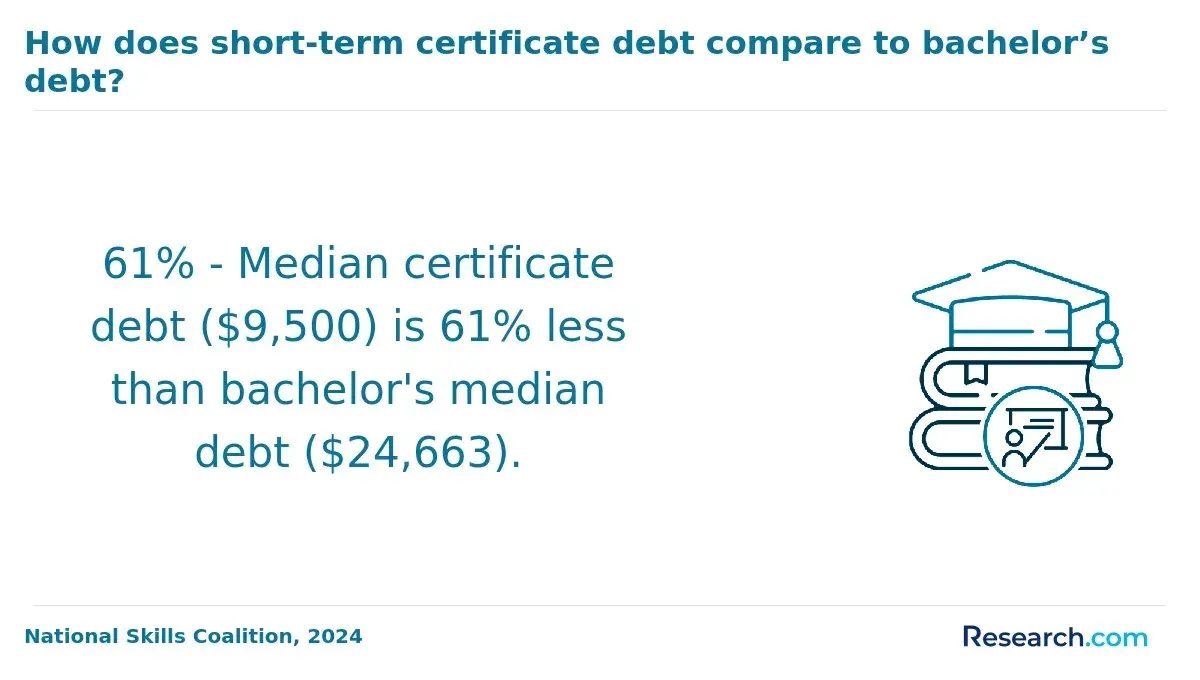
For those seeking to accelerate workforce entry without committing to a full degree, options such as short-term certificate programs can also supplement career readiness when selected carefully. Ultimately, career preparation depends on matching a program's strengths to individual learning preferences and professional objectives within the diverse landscape of management information systems programs.
How Should Students Choose a Management Information Systems Program That Builds Career-Ready Skills?
Choosing between online, hybrid, and campus learning formats for management information systems programs involves weighing distinct long-term advantages and trade-offs related to career readiness and personal circumstances. While online formats offer flexibility suitable for working professionals, campus programs provide immersive environments with direct industry networking. Hybrid models blend these strengths but may demand disciplined time management.
Consider these key factors when evaluating which format best aligns with your goals:
- Practical Experience Access: Campus programs often allow more integrated internships and hands-on projects with real-world datasets, enhancing job readiness. Online formats may require intentional effort to engage in external experiences, while hybrid models can balance in-person and virtual practice.
- Networking Opportunities: In-person learning fosters stronger industry connections and peer collaboration, which have been linked to quicker employment in emerging MIS roles according to 2024 workforce transition data. Online learners must proactively build virtual networks to offset this.
- Flexibility and Time Management: Online programs provide scheduling freedom, benefiting those balancing work or family, but may correlate with lower completion rates without discipline. Hybrid formats require juggling both in-person and virtual commitments effectively.
- Technical Skill Acquisition: Curricula emphasizing current technologies like cybersecurity and cloud computing may differ by format delivery, with campus settings more likely to offer direct lab access, important for hands-on learning.
- Soft Skills Development: Communication and adaptability improve through face-to-face interactions common in campus and hybrid settings, vital for seamless workforce integration highlighted in ABET-accredited program reports.
- Program Accreditation Impact: Programs with ABET or AACSB accreditation maintain quality standards across formats, ensuring curricula stay relevant to employer needs and industry evolution.
- Long-Term Career Outcomes: Employment data show graduates from hybrid and campus programs generally report higher placement rates within six months, though motivated online students who leverage internships can match these outcomes.
References
- Top Jobs for Management Information Systems Graduates - Biz Systems News by Workato https://bizsystemsnews.com/top-jobs-management-information-systems/
- Best Online Information Systems Degree Programs 2026 https://hakia.com/degrees/information-systems/best-online-degrees/
- Why Employers Care More About Tech Skills Than Your Degree in 2026 https://www.scholaro.com/db/News/tech-skills-vs-degree-2026-340
- Addressing Skill Gaps with Internal Training | MadCap Software https://www.madcapsoftware.com/blog/addressing-skill-gaps/
- Soft Skills in the Workplace https://www.highspeedtraining.co.uk/hub/soft-skills-in-the-workplace/
- The Importance of Soft Skills in IT | Information Technology https://www.icslearn.co.uk/blog/digital-transformation/the-importance-of-soft-skills-in-it-communication-collaboration/
- Online Bachelor's in Management Information Systems Curriculum https://online.maryville.edu/online-bachelors-degrees/management-information-systems/curriculum/
- Critical soft skills for information and knowledge management practitioners in the fourth industrial revolution https://sajim.co.za/index.php/sajim/article/view/1519/2191
- Top 15 Soft Skills Every IT Professional Should Have in 2025 https://www.mpeslearning.com/blog/it-soft-skills
- 12 Information Systems Manager Skills for Your Career and Resume https://climbtheladder.com/information-systems-manager-skills/
Other Things You Should Know About Management Information Systems
The mix of technical and managerial courses can strongly influence employability but is often a source of tension. Programs emphasizing technical skills may produce graduates proficient in coding or database management but lacking the strategic thinking employers want. Conversely, those skewed toward management theory might fail to equip students with practical technical tools. Students should prioritize programs striking a balance or seek supplemental technical training if their coursework leans heavily on management topics, as real-world roles demand fluency in both areas.
While learning cutting-edge tech like AI or blockchain can set candidates apart, foundational systems skills remain critical because organizations still rely on legacy infrastructures. Overemphasis on trendy technologies risks skills becoming obsolete or too narrow. A recommended approach is mastering core management information systems concepts first, then strategically layering in emerging tech knowledge relevant to specific career goals. This balance enhances adaptability and long-term career resilience.
Broad interdisciplinary programs provide versatile knowledge spanning IT, business, and analytics, which can open diverse career paths but may compromise depth. Conversely, specialization offers mastery in defined niches, improving immediate job fit but limiting flexibility in fast-changing job markets. Students should evaluate whether they prefer a wider safety net at the risk of weaker technical skills or focused expertise that demands ongoing upskilling to remain employable.
Project-based learning is vital because it simulates workplace dynamics and cultivates collaboration, problem-solving, and communication skills employers report as lacking. However, not all programs implement this effectively, and heavy teamwork components can overwhelm students balancing other responsibilities. Prioritizing programs with structured, realistic projects that mirror industry challenges, even if fewer in number, typically yields stronger career readiness than superficial group exercises.