2027 Management Information Systems ROI by Institution Type: Public vs Private vs Nonprofit Online Programs

Co-Founder and Chief Data Scientist
Choosing between public, private, and nonprofit online programs for a Master's in management information systems can drastically affect a student's financial and professional future. One candidate might find two seemingly similar programs with comparable graduation rates, yet the tuition gap reaches tens of thousands of dollars.
According to a 2024 study by the National Center for Education Statistics, students at private online institutions carry 40% higher average debt without a proportionate boost in employment outcomes. This disparity highlights the need to evaluate beyond surface metrics and understand how institution type influences debt load, career value, and institutional support. This article analyzes ROI differences across institution types to guide informed decisions in management information systems online education.
Key Things to Know About Management Information Systems ROI by Institution Type
- Public online management information systems programs generally offer lower total costs but often lower graduation rates than private alternatives, reflecting a tradeoff where affordability may extend time-to-degree and affect cumulative debt burden.
- Private institutions' stronger employer networks and accreditation presence can enhance early career advancement potential, indicating workforce preference for institutional reputation alongside skills in hiring decisions.
- Nonprofit online programs frequently provide greater flexibility and learner support for working adults, which aids completion timing and reduces interruption risk, positioning them favorably for students balancing jobs and education.
- Key Things to Know About Management Information Systems ROI by Institution Type Key Things to Know About Management Information Systems ROI by Institution Type
- What Does ROI Mean for a Management Information Systems Program and How Is It Measured? Understanding Management Information Systems Program ROI
- How Do Public, Private, and Nonprofit Online Management Information Systems Programs Differ in Overall Value? Value by Institution Type
- How Do Tuition Costs Affect the ROI of a Management Information Systems Program Across Institution Types? Tuition Costs and ROI
- How Do Graduation Rates Influence Management Information Systems Program ROI? Graduation Rates Impact ROI
- What Role Do Career Outcomes Play in the ROI of a Management Information Systems Degree? Career Outcomes and ROI
- How Does Student Debt Impact the Long-Term ROI of a Management Information Systems Program? Debt vs. Long-Term ROI
- How Do Flexibility and Adult Learner Support Affect Management Information Systems Program Value? Flexibility and Program Value
- How Do Accreditation and Institutional Reputation Influence Management Information Systems ROI? How Do Accreditation and Institutional Reputation Influence Management Information Systems ROI?
- How Does Time-to-Degree Affect the ROI of Public, Private, and Nonprofit Management Information Systems Programs? How Does Time-to-Degree Affect the ROI of Public, Private, and Nonprofit Management Information Systems Programs?
- How Can You Choose the Best Management Information Systems Program Based on Your ROI Goals? Choosing Programs by ROI
What Does ROI Mean for a Management Information Systems Program and How Is It Measured?
Evaluating the return on investment for a management information systems program requires a detailed view of costs and outcomes rather than a simple tuition-to-salary ratio. For example, a public online program may offer lower per-credit costs and higher completion rates, according to recent data from the National Center for Education Statistics, but prospective students must weigh these savings against factors like time-to-degree and support services that influence long-term success.
A student balancing work and study might find a nonprofit institution's stronger learner support justifies a somewhat higher cost if it reduces the risk of delayed graduation and increased debt. Measuring ROI in this way encourages careful scrutiny of hidden expenses such as lost wages or opportunity costs during the study period, which less affordable private programs may offset by providing robust employer connections or curriculum relevance to evolving technologies that enhance job placement.
Many prospective students consider the highest paying online degrees when measuring ROI factors for management information systems degrees, yet earnings alone do not capture the full picture. Career trajectory stability, employer recognition, and specialized skills training embedded in certain programs can offer durable value beyond initial salary increases.
Meanwhile, adult learners or career changers should account for how debt burdens impact financial flexibility post-graduation, as well as how the institution's reputation or graduation rates influence hiring opportunities. Ultimately, the nuanced calculation of ROI reflects individual goals and resource constraints, making it critical to balance upfront affordability against potential long-term career and income benefits when comparing public, private, and nonprofit offerings.
How Do Public, Private, and Nonprofit Online Management Information Systems Programs Differ in Overall Value?
Deciding between public, private, and nonprofit online management information systems programs requires balancing tuition costs, student support, and long-term career outcomes rather than simply focusing on sticker price. Public institutions generally provide the most affordable option, especially for in-state students, but may offer less personalized guidance and fewer networking opportunities, which can impact graduation rates and early career placement.
By contrast, private nonprofit programs often deliver stronger career services and smaller class sizes, though this advantage comes with an average debt burden nearly 1.7 times greater than public program graduates, according to the US Department of Education's 2024 data. Nonprofit programs frequently position themselves between these extremes, offering flexible course options and credit transfer policies conducive to working adults and transfer students aiming to minimize both time and cost to completion.
Employer preferences further complicate the value equation. While some private nonprofits pursue specialized accreditations and emphasize reputation, many employers prioritize hands-on skills and relevant experience over institutional prestige, indicating that practical internships and applied learning provide more tangible ROI.
Thus, a career changer seeking robust professional networking might accept higher tuition within a private nonprofit program, whereas budget-conscious learners with steady employment may find public programs better suited to their immediate financial realities. A nuanced choice involves evaluating how program flexibility, financial aid access, and student support align with one's financial capacity, learning style, and professional goals, rather than assuming one institutional category consistently delivers superior value.
One student's experience illustrates this complexity: initially drawn to a private nonprofit offering specialized certifications and strong career counseling, they hesitated due to the steep tuition and potential debt. Comparing this with a state university's online program, the student noted more limited job placement support but appreciated the significantly lower cost and in-state tuition benefits. Ultimately, they settled on a nonprofit program with transparent credit transfer policies and flexible scheduling, which struck a balance between affordability and career advancement potential, easing concerns about debt while securing meaningful employer-relevant skills.
How Do Tuition Costs Affect the ROI of a Management Information Systems Program Across Institution Types?
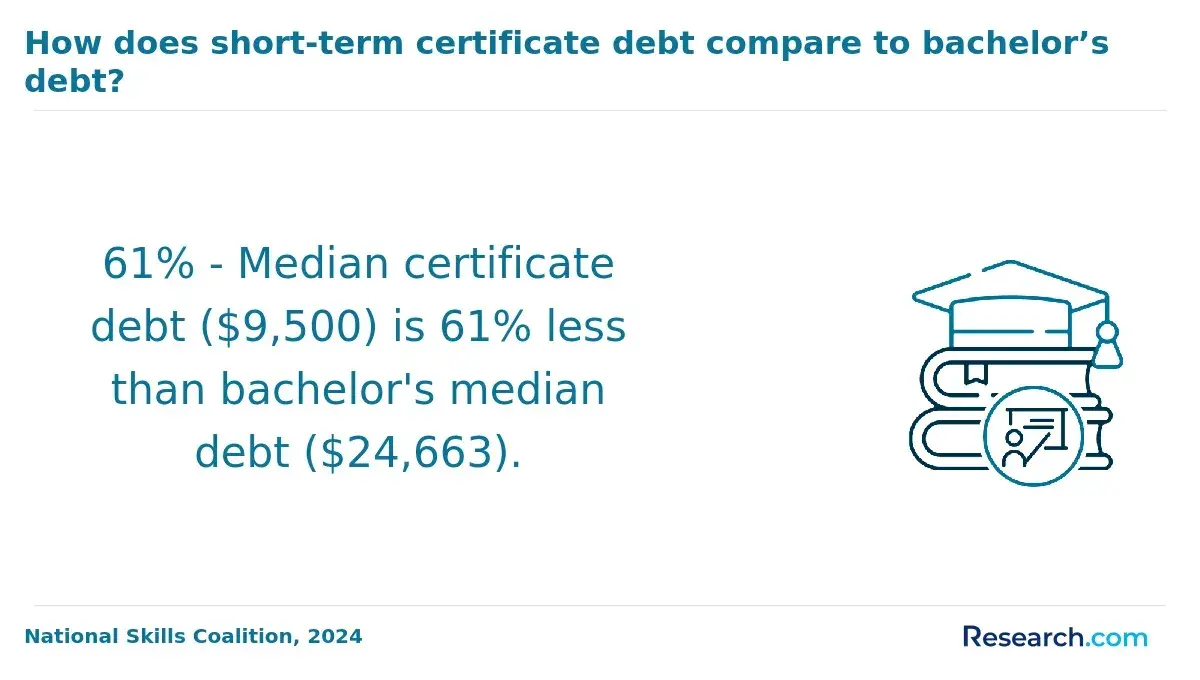
Tuition cost differences between public, private, and nonprofit online management information systems programs can significantly shape student debt and career trajectory, but lower sticker prices do not inherently ensure better return on investment (ROI). For instance, public programs often benefit from government subsidies, resulting in about 40% less net tuition after financial aid compared to private options, according to 2024 data from the National Center for Education Statistics. While this reduces immediate borrowing needs, larger class sizes and less individualized support may extend time-to-degree or limit networking opportunities, ultimately affecting salary growth and long-term financial outcomes.
In contrast, private and nonprofit institutions usually have smaller cohorts and offer more personalized services, which recent research links to roughly 15% higher graduation rates, enhancing faster workforce entry and potentially higher earnings. However, these benefits come with the tradeoff of increased upfront costs and debt; graduates from private programs tend to report 20% higher loan balances post-graduation, per a 2024 Institute for College Access & Success report. The decision to invest more in private or nonprofit programs must therefore weigh potential accelerated completion and career services against the burden of larger debt loads and the risk that elevated tuition does not always translate into improved job prospects for every student.
Ultimately, evaluating management information systems programs requires balancing tuition against factors like financial aid, program quality, completion rates, and career support rather than relying solely on price tags. A cost-conscious adult learner might find that a less expensive public option offers more sustainable debt levels but slower career progression, whereas a higher-priced private program could justify its expense for those with clear post-graduate salary increases and timely degree completion. Understanding these practical tradeoffs enables more informed decisions about long-term ROI beyond initial tuition alone.
How Do Graduation Rates Influence Management Information Systems Program ROI?
Graduation rates significantly shape the perceived return on investment (ROI) in management information systems programs, particularly when considering online education across public, private, and nonprofit institutions. Public programs often yield higher completion rates, reflecting stronger academic support and accountability measures, which can shorten time-to-degree and reduce overall expenses.
Conversely, private for-profit schools may struggle with persistence rates, increasing debt burdens that dampen financial gains despite potential curricular advantages. As reported by the 2024 National Student Clearinghouse, programs with graduation rates exceeding 60% frequently see graduates earn median salary boosts of 15-20% within five years, underscoring how completion outcomes directly influence employability and long-term income growth.
Yet, graduation rates alone don't capture the full ROI picture for management information systems studies, especially online. Nonprofit institutions often cater to working adults balancing part-time enrollment and external responsibilities, which can depress graduation statistics without meaningfully detracting from the value of flexible pacing or tailored skill development.
Students weighing options must therefore evaluate how institutional support infrastructures, opportunity costs tied to time-to-degree, and personal circumstances intersect, rather than relying solely on completion metrics. For those comparing degree affordability or broader program outcomes, exploring resources like an online degree in psychology can further contextualize investment choices within diverse educational landscapes.
What Role Do Career Outcomes Play in the ROI of a Management Information Systems Degree?
Career outcomes directly shape the return on investment for management information systems degrees by influencing a program's practical value beyond tuition costs. Employment rates vary notably by institution type, with private online programs reporting around a 78% job placement within six months, outpacing public and nonprofit counterparts.
This disparity often reflects differences in industry connections, specialized certifications, and networking opportunities that drive early career access and mobility. However, public programs may offer broader, foundational skills at a lower cost, trading immediate job placement advantages for affordability and less debt, which is critical for many adult learners balancing financial risk against long-term value.
The way employers perceive graduates' skills-particularly in data analytics, cybersecurity, and project management-also affects career advancement and, consequently, ROI. Graduates demonstrating such competencies have about a 15% higher chance of promotion within three years, underscoring how workforce-aligned training can accelerate professional growth.
Adult learners should weigh how program outcomes interact with personal goals and local job markets; for instance, candidates targeting tech-centric regions might prioritize programs offering targeted credentials and networking, while those in other areas may prefer cost-efficient programs with solid foundational knowledge. Ultimately, the interplay between employment outcomes, debt levels, and career progress forms the core of the actual economic and professional return on these degrees.
A recent graduate from an online management information systems program shared that initial doubts about whether the degree would translate into meaningful career growth gave way to cautious optimism once she secured a lateral move leveraging new skills in data analytics.
Despite not immediately receiving a promotion or salary boost, the expanded role and employer recognition of her credential opened pathways for increased responsibility and internal advancement. Her experience highlights how ROI in this field can extend beyond upfront financial gains to include enhanced professional positioning and future opportunities, validating the investment over time rather than through immediate returns alone.
How Does Student Debt Impact the Long-Term ROI of a Management Information Systems Program?
Debt levels directly shape the long-term financial benefits of mis programs, with notable variance between public, private, and nonprofit online institutions. For example, a student graduating from a private online program often faces borrowed amounts exceeding $40,000, limiting post-graduation flexibility if starting salaries stagnate near industry median ranges of $70,000 to $90,000. In contrast, public online institutions usually have lower average debts between $15,000 and $25,000 combined with higher graduation rates, which shorten time-to-degree and reduce cumulative borrowing.
This dynamic affects real ROI outcomes because prolonged enrollment or program attrition can magnify debt burdens and delay potential salary growth, especially when employer networks and regional labor demand differ significantly across these institutional types.
Borrowing strategies further influence ROI by intertwining repayment obligations with educational value, emphasizing the need for cost-conscious decisions. Many students attending nonprofit or public programs leverage part-time study or employer tuition assistance to moderate debt, which can enhance cash flow and reduce repayment risks upon entering lower-paid or competitive job markets.
Evaluating debt against factors like program quality, credentials' market relevance, and career prospects-including those relevant to specialized fields such as the blockchain degree ecosystem-is critical. Ultimately, cautious debt management aligned with realistic salary projections and time-to-completion metrics distinguishes those programs delivering sustainable long-term ROI from options where high borrowing undermines financial gains.
How Do Flexibility and Adult Learner Support Affect Management Information Systems Program Value?
Programs that combine flexible scheduling with robust adult learner support tend to yield a stronger return on investment for working professionals pursuing Management Information Systems degrees. For instance, access to asynchronous courses and multiple enrollment start dates can reduce time-to-degree by accommodating varied work and life commitments. However, without comprehensive advising, career services, and faculty engagement, flexibility alone may lead to lower persistence and delayed completion, negating potential cost savings. According to the National Center for Education Statistics, online students in programs offering asynchronous options are 25% more likely to graduate within six years, underscoring the value of adaptable formats when paired with supportive structures.
Public institutions often offer broader transfer credit acceptance and lower tuition, appealing to cost-conscious adult learners, but they might lack the personalized support systems found in nonprofit or private counterparts. Services like targeted academic advising, military student accommodations, and 24/7 faculty availability have been linked to improved retention and employer satisfaction, particularly for students balancing caregiving or service obligations.
Yet, private programs' higher costs can only justify their price premium when balanced by accelerated pathways or superior career placement assistance. Adult learners must therefore weigh these tradeoffs carefully, assessing institutional flexibility alongside the availability and quality of support to optimize both affordability and timely degree completion in MIS programs.
How Do Accreditation and Institutional Reputation Influence Management Information Systems ROI?
Accreditation and institutional reputation critically shape the return on investment for Management Information Systems programs by affecting credit transferability, employer recognition, and graduate eligibility for advanced education. For instance, a regionally accredited program with ABET recognition can ease credit transfers and meet employer expectations for technical rigor, which is especially important for career changers who may return to school part-time.
However, employer preference often extends beyond accreditation to include institutional reputation, with a 2024 National Association of Colleges and Employers survey revealing that 68% of employers favor graduates from well-known institutions, associating these candidates with better preparedness and relevant skills.
Cost considerations further complicate this equation. Public online MIS programs, typically more affordable and regionally accredited, can offer superior ROI for adult learners focused on minimizing debt, though private and nonprofit programs might deliver career advantages through brand prestige and stronger alumni networks. Yet, this can come with higher tuition and debt burdens that diminish net returns. The practical value of a degree depends on balancing accreditation status, institutional reputation, program quality, and student support services, as these collectively influence long-term career outcomes and financial payoff.
Ultimately, students must assess how each factor interacts with their personal circumstances. Accreditation ensures federal aid eligibility and graduate school access, while reputation impacts employer perception and network opportunities. Not all accredited or reputable programs offer equal ROI; differences in curriculum relevance, delivery mode, and graduation rates mean that informed decisions must weigh these nuanced tradeoffs against tuition costs and expected debt burdens to optimize long-term MIS career investment.
How Does Time-to-Degree Affect the ROI of Public, Private, and Nonprofit Management Information Systems Programs?
The variation in time-to-degree across public, private, and nonprofit online Management Information Systems programs directly affects the return on investment by influencing both accumulated tuition costs and lost earning potential. For example, public institutions often accommodate part-time learners with flexible pacing, which extends completion times but allows students to maintain employment and manage family obligations.
This tradeoff can delay salary gains tied to degree completion and increase total debt, reducing ROI despite the potential for lower per-credit costs. Conversely, private and nonprofit programs frequently promote accelerated pathways that shorten time-to-degree but require higher course loads, which may not be feasible for many working adults balancing multiple responsibilities.
Data from the National Center for Education Statistics (2024) indicates that roughly 40% of public online MIS students graduate within six years, compared to 55% at private institutions and 50% at nonprofits. Differences in transfer credit policies and program structure heavily impact these rates, with generous credit acceptance enabling some students to decrease their time and costs significantly.
Decision-makers must evaluate these factors alongside their capacity to commit to intensive study since accelerated completion typically demands both high academic and personal resource investment. When comparing the impact of accelerated degree completion on ROI for online Management Information Systems students across institution types, it is crucial to weigh the balance of program flexibility against the demands of faster graduation timelines.
For cost-conscious professionals seeking practical avenues to limit debt and time in program, the availability of transfer credits and part-time enrollment options can be pivotal. Those looking for financial efficiency and manageable pacing may find that a program offering flexible timelines better suits their situation, even if the overall time-to-degree extends. Meanwhile, others prioritizing rapid credentialing to enter higher-paying roles should consider the intensity and structure of accelerated tracks carefully. Prospective students interested in affordability can explore resources such as the cheapest online master's in finance approaches as a comparative financial benchmark.
How Can You Choose the Best Management Information Systems Program Based on Your ROI Goals?
Determining the best management information systems online program ROI depends primarily on individual priorities rather than institutional type alone. Public institutions generally offer lower tuition and more accessible state-based financial aid, reducing debt burden, but often present tradeoffs in graduation rates and less flexible learner support, potentially prolonging time to degree. Private and nonprofit programs, while typically more expensive and resulting in higher average debt, tend to have stronger employer networks, higher six-month graduate employment rates, and specialized accreditations that can boost long-term salary potential and career trajectory.
For working professionals and career changers balancing jobs and family responsibilities, program flexibility and part-time enrollment options offered by many public schools can reduce opportunity costs and allow steady progress without sacrificing income. Conversely, those prioritizing quicker career advancement through specialized training might find that private nonprofit offerings align better despite higher upfront costs.
Student support services such as career counseling, internship placement, and institutional reputation also influence ROI significantly, as highlighted by 2024 data from trusted education workforce studies. Cost-conscious learners evaluating diverse options can benefit from resources like the affordable online general studies degree lists to understand net costs across programs.
References
- Client Challenge https://www.slideshare.net/slideshow/an-introduction-to-return-on-investment-for-information-systems/259643393
- Nearly 3x ROI: How Intelligent Information Management Empowers Businesses | M-Files https://m-files.com/resources/en-hub/rt-main-blog-en/how-intelligent-information-management-affords-nearly-3x-roi-for-organizations
- Guide: How to Choose the Right Business Management System... https://www.evidi.com/news/guide-how-to-choose-the-right-business-management-system
- Management Information Systems Concentration https://www.muw.edu/business/bas/mis/
- Management Information Systems: Types and Best Practices https://www.artsyltech.com/management-information-systems
- Getting the best ROI from your MIS investment https://printepssw.com/insight/how-to-get-the-best-roi-from-your-mis-investment
- Is College Worth it? | Return on Investment Analysis of College Degree https://educationdata.org/college-degree-roi
- Management Information Systems https://oktamam.com/en/majors/management-information-systems/
- ROI of Higher Education - Signal49 Research https://www.signal49.ca/focus-areas/roi-of-higher-education/
- How Student Information Systems Improve Student Success and Retention https://moderncampus.com/blog/how-student-information-systems-improve-student-success-and-retention.html
Other Things You Should Know About Management Information Systems
Private online MIS programs frequently demand a higher weekly workload due to faster course pacing and more intensive projects, which can limit time available for full-time employment. Public programs often offer a more balanced pace but may have fewer networking opportunities, potentially influencing job placement. Prospective students should prioritize programs that align with their current work schedules, as overrunning their capacity can diminish ROI by prolonging time to degree or hurting job performance.
Employer evaluation tends to focus more on demonstrated skills and certifications than on institution type, but graduates from well-known private programs sometimes gain a short-term hiring advantage due to brand recognition. However, public MIS programs with strong local industry ties often yield better long-term placement in regional markets. For those targeting leadership roles or specific industries, matching program reputation with their desired employer's preferences can meaningfully impact career trajectory and ROI.
Nonprofit and private MIS programs frequently offer specialized tracks (e.g., cybersecurity or data analytics) that can help graduates enter niche fields with potentially higher starting salaries but narrower flexibility. Public programs often emphasize broader MIS foundations, supporting career adaptability but sometimes at the expense of cutting-edge skill sets. Students should assess whether a specialized curriculum aligns with their career goals or risks limiting future employment options, as this choice affects both immediate ROI and long-term versatility.
Strong alumni networks can significantly enhance career advancement opportunities through mentorship, referrals, and industry connections, which private institutions generally cultivate more actively. Public and nonprofit programs might have less centralized networks but can offer substantial local professional linkages. For students aiming for rapid career growth or industry change, prioritizing programs with robust alumni engagement may yield higher ROI despite potentially higher tuition costs.