2027 International Business Degree Popularity by Gender, Region, and Degree Level

Co-Founder and Chief Data Scientist
When a prospective international business student analyzes enrollment data from 2024, they might notice stark contrasts in gender representation and degree-level popularity that challenge conventional assumptions about the field. For instance, women accounted for 58% of bachelor's international business graduates nationally, signaling shifts in gender dynamics that impact peer networks and employer recruitment strategies. Yet, these figures fluctuate widely by region, with some states showing near parity and others exhibiting male dominance, complicating straightforward interpretations of program accessibility and workforce demand. Understanding these nuanced enrollment patterns helps clarify how regional education ecosystems shape career trajectories in international business. This article examines international business degree popularity by gender, region, and degree level to provide a clearer framework for evaluating educational pathways and workforce relevance.
Key Things to Know About International Business Degree Popularity by Gender, Region, and Degree Level
- Women constitute nearly 48% of international business undergraduates as of 2024, reflecting ongoing gender balance efforts but also revealing slower gains at the graduate level, which could limit leadership diversity in multinational firms.
- Asia leads in international business degree enrollments by region, driven by emerging market growth; however, employers may prioritize candidates with cross-regional experience, potentially disadvantaging those educated exclusively within domestic programs.
- Graduate-level international business enrollment growth lags undergraduate programs due to higher tuition and opportunity costs, highlighting access challenges that influence student decisions on timing and financial investment in advanced study.
- Key Things to Know About International Business Degree Popularity by Gender, Region, and Degree Level Key Things to Know About International Business Degree Popularity by Gender, Region, and Degree Level
- How Does Job Market Demand Influence International Business Degree Popularity? Market Demand and Degree Popularity
- How Does Online International Business Degree Enrollment Compare to Traditional Campus Programs? Online vs. Campus Enrollment
- What Degree Level Is Most Common Among International Business Students? Most Common Degree Levels
- How Do Enrollment Trends Differ Between Associate, Bachelor's, Master's, and Doctoral International Business Degrees? Enrollment Trends by Degree Level
- How Popular Is the International Business Degree Compared to Other College Majors? Degree Popularity vs. Other Majors
- Why Is the International Business Degree More Popular in Certain States and Regions? Regional Popularity Drivers
- What Demographic Groups Are Driving Growth in International Business Degree Programs? Growth by Demographic Groups
- What Is the Future Outlook for International Business Degree Enrollment by Gender, Region, and Degree Level? What Is the Future Outlook for International Business Degree Enrollment by Gender, Region, and Degree Level?
- How Have International Business Degree Enrollment Trends Changed Over the Past Decade? How Have International Business Degree Enrollment Trends Changed Over the Past Decade?
- Where Is the International Business Degree Most Popular Across the United States? Geographic Popularity Analysis
How Does Job Market Demand Influence International Business Degree Popularity?
Employer demand heavily influences the regional variation and gender composition within international business degree programs, with labor market signals driving enrollment decisions in nuanced ways. Metropolitan hubs like New York and Chicago, which are home to multinational corporations and complex cross-border trade networks, show a markedly stronger draw for students pursuing degrees attuned to global supply chain management and international marketing. However, despite a projected 8% growth in related occupations according to the U.S. Bureau of Labor Statistics, enrollment growth does not uniformly follow this trend; states with export-driven economies such as California and Texas report higher participation largely because local industry presence shapes practical career opportunities. This uneven geography of demand also intersects with gender, as employer preferences for roles involving travel and negotiation in traditionally male-led sectors contribute to ongoing male predominance in many international business programs.
The interplay between regional labor demand and international business enrollment reflects broader workforce priorities that extend beyond simplistic job growth figures. Employers increasingly prioritize candidates with specialized skills like foreign language proficiency and cultural competency, pushing graduate-level international business programs to expand even as undergraduate enrollment may plateau or shift due to competition from intersecting fields such as supply chain management.
Furthermore, the value placed on internships, certifications, and demonstrated practical experience shapes who pursues advanced degrees versus entering the workforce directly. Prospective students should weigh these real-world factors when evaluating the long-term relevance of an international business degree, understanding that regional economic conditions and shifting trade policies can cause enrollment patterns to diverge from employment demand.
For those exploring alternatives or complementary paths, resources outlining the best degrees to get online can provide actionable insights into navigable options within a competitive job market.
How Does Online International Business Degree Enrollment Compare to Traditional Campus Programs?
Enrollment trends reveal that online international business degree programs increasingly cater to older, career-established individuals who require flexible scheduling and remote access, contrasting sharply with traditional campus programs that predominantly attract recent high school graduates. According to the National Center for Education Statistics (NCES) in 2024, about 45% of international business undergraduates engage in online coursework, reflecting broader shifts toward digital learning driven by adult learners balancing multiple responsibilities. This demographic divergence influences program growth trajectories: online enrollment has grown at an annual rate exceeding 8% in recent years, significantly outpacing campus-based programs, which see around 2% growth. The accessibility of online programs widens geographic reach, especially benefiting students in rural or underserved regions, while campus programs maintain advantages in experiential learning opportunities like internships and networking essential for employer recognition.
The modality choice impacts student outcomes and career trajectories due to differences in support structures and engagement levels. Online students often face challenges with retention linked to limited direct interaction, yet targeted academic advising and cohort models can mitigate these issues. Employers generally accept degrees from both formats, though some value the hands-on experiences more available on campus, affecting perceived graduate readiness. Therefore, prospective students must weigh these tradeoffs carefully against their personal circumstances, factoring in the geographic convenience and flexibility online programs offer against the immersive, socially connected environment of traditional campuses.
A student living in a small town without local universities considered an online international business degree to avoid relocating hundreds of miles. Initially skeptical about whether online programs would feel isolated or less recognized by employers, the student chose a hybrid online format after discovering peer interaction and live sessions integrated into the curriculum. This decision reflected balancing a full-time job and family commitments while seeking a program that offered both flexibility and credible network-building opportunities-an experience illustrating how modality choices are both strategic and deeply personal.
What Degree Level Is Most Common Among International Business Students?
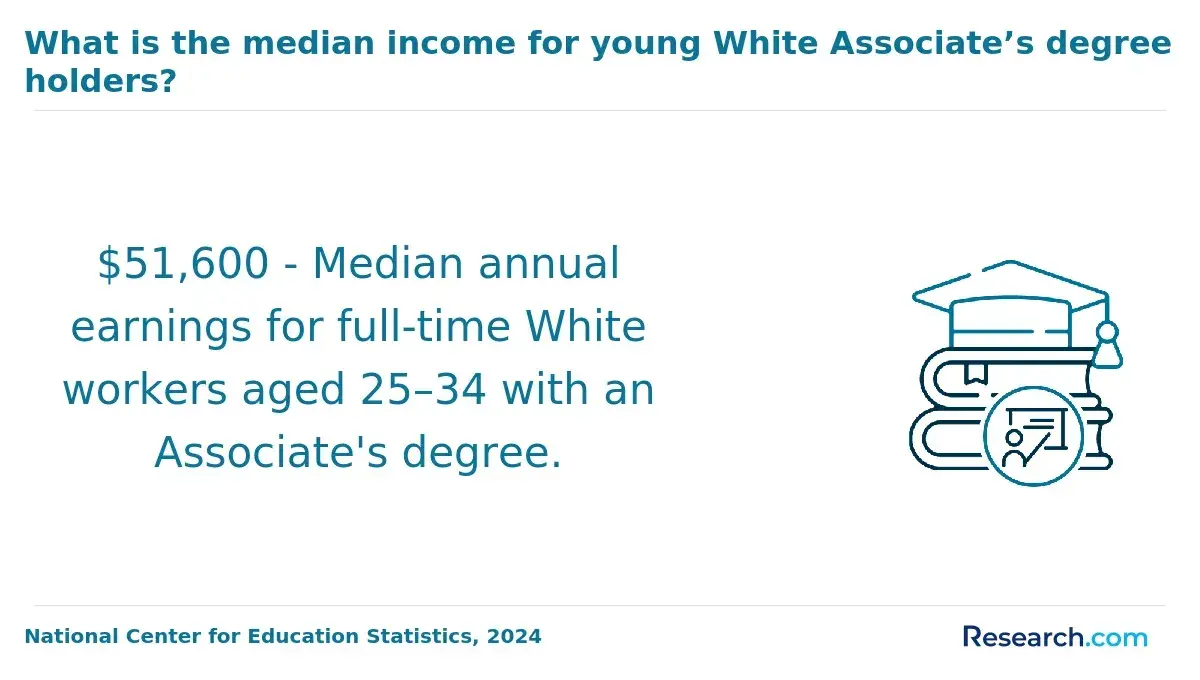
Bachelor's degrees dominate international business completions largely because they align most closely with employer expectations for entry-level positions, especially in areas like management, marketing, and global trade. According to the National Center for Education Statistics for 2023-2024, roughly 65% of international business graduates earn a bachelor's degree, highlighting its role as a primary credential for workforce entry. This prevalence reflects both the balance of practical skills and broad knowledge these programs offer, along with increasing accessibility through online formats and transfer pathways that facilitate degree progression.
Associate degrees serve a more limited function, often acting as stepping stones rather than terminal credentials, which restricts immediate job prospects compared to bachelor's credentials. Meanwhile, master's programs, accounting for about 25% of completions, respond to a different market demand-those seeking advanced analytical and leadership skills to move beyond entry roles or pivot careers. Doctoral degrees remain rare and generally target academia or consultancy, due to their intense research focus and less direct applicability to broad workforce roles, influencing students to weigh the time and cost against specialized career ambitions.
How Do Enrollment Trends Differ Between Associate, Bachelor's, Master's, and Doctoral International Business Degrees?
Enrollment patterns in international business programs reveal critical distinctions shaped by student objectives and labor market demands. Associate degree enrollment trends in international business programs show limited growth and accessibility is its primary draw, appealing to students prioritizing rapid workforce entry or foundational credentials. However, these programs represent only about 10% of total enrollments according to the National Center for Education Statistics (2024), reflecting restricted institutional availability and employer preference for more comprehensive qualifications at higher degree levels. For many, the associate degree's practical focus is outweighed by diminishing returns in a competitive job market where bachelor's degrees remain the dominant credential.
Bachelor's degree programs consistently attract the largest share of students, with their broad academic scope and growing representation of female enrollees across North America and Europe. This level offers a balanced combination of theoretical understanding and employability, driving a 12% completion increase between 2020 and 2023 per IPEDS data. Meanwhile, master's degrees in international business are capturing faster enrollment growth, especially in Asia and Europe, as reported by UNESCO in 2024, where mid-career professionals seek specialization aligned with strategic and analytical job functions. Doctoral enrollments, under 2% globally, remain niche and research-intensive, often influenced by gender imbalances and the scarcity of programs, underlining a significant barrier for those aiming for academic or high-level consultancy careers.
These enrollment distinctions influence educational choices profoundly, especially when considering long-term career trajectories and employer expectations. Prospective students exploring their online construction management degree cost or related pathways should recognize how directed program selection affects outcomes and specialization. Decisions must factor in accessibility, credential value, and institutional capacity differences across associate, bachelor's, master's, and doctoral international business degrees, ensuring alignment with specific professional goals and regional labor market realities.
How Popular Is the International Business Degree Compared to Other College Majors?
The relative scarcity of international business degrees among business-related majors reflects its niche focus rather than a lack of value. As of 2024, just 2.5% of business bachelor's degrees fall into this category, trailing fields like finance and marketing that attract broader student interest. This smaller scale influences not only program sizes and course offerings but also peer networks and specialization options available within institutions. For graduate studies, international business accounts for roughly 4% of business enrollments, signaling a slightly higher demand as professionals pursue focused global expertise on top of foundational business credentials.
Enrollment patterns suggest that international business appeals to students who seek a blend of core business skills with international market insight, but it remains overshadowed by majors with clear, widespread employer demand. Gender and regional differences further shape this landscape, with women representing a near parity share in the undergraduate population and coastal urban centers exhibiting stronger enrollment due to concentrated international trade activities. These factors combine to create programs that, while stable, reflect cautious student demand influenced by economic volatility and employer preferences favoring comprehensive business competencies enriched by international experience rather than narrowly defined specializations.
One graduate recalled choosing international business after noticing their classes were considerably smaller than those in finance, prompting questions during advising sessions about the program's relative visibility. The student appreciated the focused curriculum but acknowledged uncertainty about how employers would perceive a less prevalent major compared to more established business fields. This experience highlighted the tradeoff between niche expertise and the broader recognition that often accompanies higher-enrollment business degrees, a calculation that many prospective students navigate when assessing their educational path.
Why Is the International Business Degree More Popular in Certain States and Regions?
The uneven demand for international business degrees by state reflects a strong link between local industry makeup and student enrollment decisions. States like California and Texas demonstrate high concentration due to their roles as international trade hubs and the presence of major multinational firms, which create employer demand for graduates with global market acumen. This regional clustering not only shapes perceptions of the degree's value but also enhances networking opportunities and internship availability, contributing to practical career outcomes more readily accessible in these economic ecosystems. Conversely, states with less developed international trade sectors may offer fewer incentives, influencing students to weigh the tradeoffs between geographic proximity and program relevance when selecting schools.
Regional factors influencing international business education popularity extend beyond economic activity to include educational infrastructure and demographic dynamics. Areas with diverse, multicultural populations tend to foster environments where multilingual and cross-cultural skills are more valued, thus attracting students interested in leveraging those community connections. Meanwhile, access to quality programs-whether through numerous accredited universities or expanded online options such as the fastest online construction management degree-plays a vital role in shaping enrollment patterns. However, the practical limitations of remote learning in securing in-person internships or employer contacts mean that physical presence still heavily influences regional preferences and degree value perceptions.
For prospective and current students weighing where to study and work, understanding the interplay of these factors is critical. Variations in state educational priorities, labor market demand, and population density directly affect the strength of international business degree programs and subsequent career pathways. Recognizing the regional clustering and its consequences on employability and professional development equips students and graduates to make informed decisions aligned with both local and global workforce opportunities.
What Demographic Groups Are Driving Growth in International Business Degree Programs?
The rise in female enrollment within international business degree programs reflects a broader shift toward gender diversity influenced by evolving workplace expectations and targeted initiatives. With women now constituting nearly 55% of enrollees according to the National Center for Education Statistics in 2024, this demographic change impacts classroom dynamics and networking opportunities, fostering a more inclusive environment that better prepares all students for diverse global markets. However, this shift also requires programs to adapt curricula and support services that address the varying career trajectories and challenges faced by an increasingly diverse student body.
Regional demographic factors play a critical role in enrollment patterns, with urban and suburban areas-particularly those with substantial immigrant populations-leading growth due to the demand for internationally oriented skills that facilitate cross-border employment. Additionally, nearly 40% of students fall into the adult learner category, benefiting from flexible and online formats that accommodate working professionals balancing education with career obligations. This trend reshapes program delivery models and underscores the need for practical, immediately applicable skill development aimed at mid-career advancement rather than traditional undergraduate experience alone.
While bachelor's level international business degrees continue to dominate enrollments, master's programs are expanding at a faster pace, signaling the increasing market value employers place on advanced credentials amid global competition. The growing representation of Hispanic and Asian American students highlights not only shifting demographic realities but also the expanding recognition of cultural competence as a critical asset in multinational environments. As these population trends influence program growth, students and educators alike must weigh how degree level and student composition affect peer networks, instructional focus, and long-term career pathways within the international business landscape.
What Is the Future Outlook for International Business Degree Enrollment by Gender, Region, and Degree Level?
Enrollment in international business degree programs is poised to reflect a complex interplay of gender shifts, regional demands, and degree preferences, influencing both program structures and market positioning. Female participation is expected to rise gradually, narrowing the gender gap without achieving full parity, which suggests ongoing cultural and institutional factors shaping access and retention. Asia-Pacific's growth outpaces other regions, driven by its expanding middle class and strategic emphasis on cross-border trade, while North America and Europe face more saturation and thus slower enrollment growth, prompting a proliferation of specialized master's and hybrid formats that integrate technology or sustainability perspectives.
Graduate-level degrees, especially MBAs with an international business focus and master's in global strategy, are gaining traction as employers prioritize advanced certifications linked with practical, cross-cultural capabilities. Data from the National Center for Education Statistics and workforce trends underscore how undergraduate programs retain steady relevance due to foundational skill development and broad career applicability, but they often compete with higher-level credentials in a workforce increasingly valuing specialization. Online education's expanding role and shifting employer expectations for global adaptability will likely reshape who enrolls and how programs deliver content, affecting long-term academic planning and labor market alignment across gender, geography, and credential level.
How Have International Business Degree Enrollment Trends Changed Over the Past Decade?
Long-term enrollment changes in international business degree programs reveal important shifts in how gender and regional factors influence student participation. Over the past decade, female enrollment has increased by nearly 25%, narrowing the earlier male dominance in these programs. This surge reflects not only broader improvements in gender diversity within business education but also evolving workplace expectations that prioritize cross-cultural competence and inclusivity. These demographic adjustments shape program demand and underscore nuanced employer preferences that value diverse perspectives in globalized markets, influencing the perceived relevance of an international business degree.
Patterns in international business degree enrollment trends in North America also show significant regional disparities, with metropolitan and coastal institutions experiencing growth linked to economic connections with global trade hubs. Conversely, rural and economically less diversified areas face stagnant or declining enrollment, signaling regional access and local labor market limitations. The rise of online program availability has somewhat mitigated geographic barriers, offering expanded routes for nontraditional students, including those seeking the best degrees for felons, although this shift introduces tradeoffs linked to practical experience opportunities and networking. Understanding these dynamics equips prospective students, current learners, and graduates to better assess educational pathways and employer realities amid ongoing fluctuations in degree popularity by gender and region.
Where Is the International Business Degree Most Popular Across the United States?
International business degree popularity is largely concentrated in states with entrenched economic infrastructure that supports global commerce, rather than being evenly distributed nationwide. This clustering reflects how industry presence, metropolitan scale, and institutional specialization converge to create localized demand for graduates with global competency. The highest enrollment states for international business degree programs tend to have major trade centers and multinational corporations that require workforce proficiency in navigating cross-border operations, supply chains, and international finance.
States like California, New York, Texas, and Florida exemplify regional trends in international business degree popularity across the U.S. due to their global business ecosystems and diverse populations. In these areas, proximity to ports, headquarters, and financial hubs fosters stronger program offerings and practical experience opportunities, including study-abroad programs and specialized curricula. Meanwhile, Midwestern metropolitan pockets reveal that institutional concentration often drives interest more than statewide demand, influencing students' networking potential and perceptions of degree value depending on geographic market saturation.
Prospective students evaluating options should weigh how geographic concentration affects employability and program access relative to their career goals, especially since workforce requirements vary substantially by location. The strategic alignment of degree programs with trade dynamics and economic clusters can significantly impact outcomes. This dynamic is analogous to the nuanced selection process for data analytics masters programs, where regional demand and institutional quality are critical. Graduates from areas with limited international business demand may encounter narrower professional networks and fewer local opportunities, emphasizing the importance of informed choice based on rigorous market analysis.
References
- In U.S. Higher Ed, Business Is Booming — But International Enrollment May Bust https://poetsandquantsforundergrads.com/news/in-u-s-higher-ed-business-is-booming-but-international-enrollment-may-bust/
- Report: Business Education Is ‘Transforming, Not Declining’ – As MBA Enrollment Slips & Specialized Programs Surge https://poetsandquantsforexecs.com/news/report-business-education-is-transforming-not-declining-as-mba-enrollment-slips-specialized-programs-surge/
- International Business Degree: Career Opportunities, Salary & Job Prospects - University of the Potomac https://potomac.edu/international-business-salary/
- International Business Bachelor's Degree https://northern.edu/degrees/international-business-bachelors-degree-online
- Schools strong in international business https://talk.collegeconfidential.com/t/schools-strong-in-international-business/3657454
- Board of Governors of the Federal Reserve System https://www.federalreserve.gov/econres/notes/feds-notes/international-trade-and-gender-gaps-in-college-enrollment-20220520.html
- Business School Enrollment Shifts From Growth to Strategic Transformation | Insight Into Academia https://insightintoacademia.com/business-school-enrollment-shifts/
- Global careers, real impact: building your career with an international business degree | University of East London https://www.uel.ac.uk/blog/global-careers-real-impact-building-your-career-international-business-degree
- Why Do So Many International Students Choose to Study Business? https://iei.asiacareersgroup.com/blogs/articles/why-do-so-many-international-students-choose-to-study-business
- Gender Parity in Business Schools: Are We There Yet? | Articles | Unimy https://www.unimy.com/article/gender-parity-in-business-schools-are-we-there-yet
Other Things You Should Know About International Business
Gender balance in international business programs varies notably by region, affecting classroom dynamics and networking opportunities. Students prioritizing diverse peer groups may find programs in certain regions or institutions more aligned with those goals, which can influence teamwork and perspective-sharing in global case studies. Understanding these patterns helps students anticipate their learning environment and capitalize on inclusive or specialized offerings suited to their professional network aspirations.
Regional variations in degree popularity often reflect local industry ties, economic profiles, and employer expectations. Choosing a program in a region where international business is highly valued can provide stronger internship connections and job placement networks relevant to multinational operations. Conversely, students in less saturated regions might face fewer local opportunities but could benefit from distinctive curricula focused on emerging markets or regional trade specifics, which may suit niche career paths.
The rigor and focus shift significantly with degree level, with graduate programs emphasizing strategic decision-making, leadership, and cross-cultural management skills over generalist foundational knowledge typical of undergraduate courses. Students targeting senior international roles or consulting should prioritize advanced degrees for access to specialized training and executive networks. Undergraduates, meanwhile, may benefit from broader curricula and more diverse electives but face longer journeys to higher-level positions.
Enrolling in popular tracks may offer more peer support and up-to-date curricular content due to higher demand, but saturation risks can impact class sizes and employer competition post-graduation. Less popular specializations might provide unique skill sets or emerging area expertise valued by select employers, though students should assess whether career pathways align with those niches. A balanced decision involves evaluating market signals alongside personal career goals rather than defaulting to popularity alone.