2027 International Business Salary Trends Report: Are Wages Keeping Up With Tuition and Inflation?

Co-Founder and Chief Data Scientist
A prospective international business student faces a complex decision: determining whether the financial return on an international business degree justifies rising tuition costs and the persistent impact of inflation. With education expenses climbing annually, it is no longer enough to consider salary figures in isolation.
Students must analyze how graduate wages align with increasing debt and decreasing purchasing power over time to make an informed choice about investment value. Salary growth, tuition inflation, and the overall cost of living rarely move in sync, complicating the evaluation of degree affordability. Long-term earning potential often reveals more than entry-level salaries alone.
This article examines recent international business salary trends alongside tuition and inflation data, exploring return on investment, affordability, and key factors shaping the financial worth of an international business degree over time.
Key Things to Know About International Business Salary Trends
- Graduate salaries for international business roles grew 4.8% in 2024, lagging behind the 7.2% average inflation rate, indicating wages may not keep pace with rising tuition costs and living expenses.
- Long-term earning potential strongly correlates with specialized skills like cross-border compliance, suggesting generic degrees face wage compression in increasingly regulated global markets.
- Experience in emerging markets and multilingual fluency enhances salary trajectories by 12-18%, emphasizing the importance of targeted investments beyond tuition in practical skills and networking.
- Key Things to Know About International Business Salary Trends Key Things to Know
- What Is the Current Salary Outlook for International Business Graduates? Salary Outlook
- Are International Business Salaries Keeping Up With Inflation? Inflation Impact
- How Do Tuition Costs Compare With International Business Salary Growth? Tuition vs Salary
- Does a International Business Degree Deliver a Positive Return on Investment? Degree ROI
- Which Industries Offer the Highest Salaries for International Business Graduates? Highest-Paying Industries
- Which States and Cities Offer the Highest Pay for International Business Professionals? Highest-Paying Locations
- How Do International Business Salaries Grow Throughout a Career? Career Growth
- How Do International Business Salaries Compare With Similar Degrees? Salary Comparison
- How Is Employer Demand Affecting International Business Salary Trends? Employer Demand
- How Can Students Maximize Their Lifetime Earnings With a International Business Degree? Maximizing Earnings
What Is the Current Salary Outlook for International Business Graduates?
The current salary outlook for international business graduates in 2024 reveals a nuanced picture shaped by a variety of factors beyond base pay. Entry-level positions typically offer salaries between $55,000 and $65,000, influenced by sector demand in areas such as global finance and supply chain management, as reported by the U.S. Bureau of Labor Statistics and industry surveys.
However, two graduates with identical degrees can experience very different salary outcomes depending on additional skills, geographic location, and the industries they enter. For instance, one graduate who specializes in data analytics and digital commerce within a multinational firm may quickly surpass the average starting salary, while another focusing on smaller regional companies might see more modest compensation initially despite similar qualifications.
Interpreting international business graduate salary trends requires considering how wage growth aligns with long-term career development and the complexity of global commerce. Professionals with three to five years of experience often see median salaries rise to between $75,000 and $90,000, demonstrating that expertise in navigating international trade regulations and strategic global partnerships increasingly commands premium compensation.
Yet, rising tuition costs, growing roughly 4% annually, mean that graduates must weigh upfront educational investments against these potential gains. For many, evaluating salary prospects alongside career trajectories, projected job demand, and broader market shifts is crucial rather than focusing solely on starting wages.
The financial dynamics of pursuing an international business degree also highlight the importance of strategic educational decisions. Students and career changers examining their options can benefit from exploring specific pathways that offer higher salary growth and diversification of skills.
For example, programs that provide accelerated progression or emphasize in-demand competencies can enhance return on investment, as seen in some accelerated MSW programs that have similarly aimed at boosting early career earning potential in related fields. Thus, prospective graduates should take a comprehensive view of earnings potential and market conditions to navigate the complex interplay between salary, tuition inflation, and career advancement.
Are International Business Salaries Keeping Up With Inflation?
Nominal wage increases in international business roles often mask the reality that real purchasing power can decline when inflation outpaces salary growth. For example, data from the U.S. Bureau of Labor Statistics shows international business salary growth averaging about 3.2% annually, while the Consumer Price Index rose roughly 4.5% over the same period.
This means a graduate earning a 3.2% raise is effectively losing ground because their income does not keep pace with the rising cost of goods and services, shrinking their ability to cover expenses despite earning more on paper. Such a scenario can create financial strain, especially for those paying off student loans or facing increasing living costs in competitive markets.
The challenge is further complicated when considering whether wages of international business graduates keeping pace with tuition increases. Tuition fees have risen at rates near 5%, outstripping both salary growth and general inflation, which intensifies the long-term financial burden students face. This dynamic forces students to weigh the return on investment of an international business degree more critically, as modest salary advances may not compensate for escalating education costs.
For those exploring alternatives, pursuing a fully online engineering degree or similarly cost-efficient pathways might provide a more sustainable financial outlook while maintaining career growth opportunities.
Geographic location and industry specialization also play significant roles in whether international business salaries keep up with inflation. Salaries tend to rise faster in metropolitan hubs or within high-demand subsectors like global supply chain management, creating pockets where graduates may see better alignment between wages and cost of living.
Conversely, stagnation or decline in other regions or specialties means the overall labor market experience is uneven. Understanding this variability is crucial for prospective and current international business students as they strategize their career paths amid shifting economic conditions.
How Do Tuition Costs Compare With International Business Salary Growth?
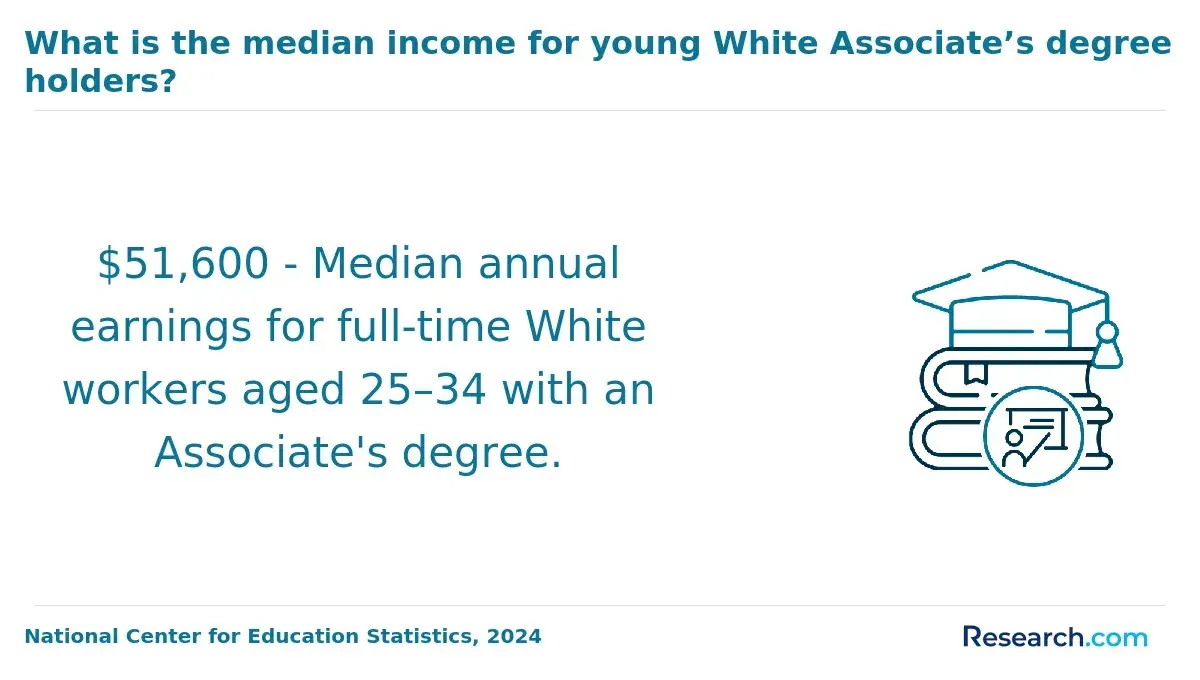
Comparing tuition costs against salary growth offers a more nuanced view of an international business degree's financial viability than examining either metric alone. In 2024, average undergraduate tuition for international business programs in the U.S. ranges from $25,000 to $40,000 annually, totaling upwards of $100,000 over four years at many institutions, according to National Center for Education Statistics data.
Meanwhile, early-career salaries typically start between $55,000 and $65,000, increasing to around $85,000 to $100,000 mid-career per reports from the Bureau of Labor Statistics and industry surveys. However, when factoring in persistent inflation rates of 3-4%, the real purchasing power of these salaries grows slowly, often lagging behind rising tuition, extending the time it takes for graduates to financially recoup their investment beyond a decade.
This dynamic plays out differently depending on individual circumstances and institutional choices. For example, a student attending a high-cost private university facing tuition increases over their four-year enrollment may graduate with a larger debt burden and slower salary growth, limiting flexibility in career or further education decisions. Conversely, a student at a moderately priced public university whose salary increases align more closely with tuition inflation might experience a shorter payback period.
Factors such as economic conditions, employer demand for global business skills, supplemental certifications, and internship experiences also shape how tuition costs compare to salary gains, emphasizing that financial outcomes are highly contextual and cannot be universally predicted.
One international business graduate recalls feeling uncertain when tuition jumped by 7% during their sophomore year, an increase outpacing the modest raises advertised for entry-level roles in their field. They debated pausing their studies but ultimately chose to focus on internships and networking, which later helped secure a position offering above-average compensation.
This personal experience highlights that while tuition inflation can exert pressure, strategic career moves and timing can influence whether salary growth effectively offsets educational expenses over time.
Does a International Business Degree Deliver a Positive Return on Investment?
The return on investment (ROI) for an international business degree goes beyond initial salary figures, requiring an assessment of total educational costs against long-term earning potential, career versatility, and professional growth opportunities. For example, a graduate starting with a median salary around $60,000 may face rising tuition costs and inflation that have increased expenses by approximately 4% to 6% annually over the past decade.
However, if that graduate's salary grows to roughly $90,000 after several years, the initial investment can be amortized over time, especially if the degree leads to roles in sectors such as global marketing or international finance where stable demand aids income security. Research from the National Center for Education Statistics and the Bureau of Labor Statistics in 2024 underscores this trajectory, showing typical recovery of educational costs within a 7 to 10-year horizon for business-related degrees.
Several factors influence whether an international business degree ultimately delivers positive ROI. Beyond raw salary data, the choice of institution, geographic location, and an individual's skills shape earnings and career advancement differently across industries.
Moreover, the resilience of sectors linked to international business tends to buffer against economic downturns more effectively than some other fields, thus enhancing overall job stability. While tuition inflation remains a challenge, the degree's capacity to unlock diverse career pathways and steady wage growth sustains its financial value for many, though outcomes can vary widely depending on personal and market circumstances.
Which Industries Offer the Highest Salaries for International Business Graduates?
Determining which industries offer the highest salaries for international business graduates requires analyzing both market demand and the specialized skills these graduates bring to globalized operations.
The best-compensated roles tend to be in sectors with complex international transactions, strategic global planning, and regulatory challenges. Data from the U.S. Bureau of Labor Statistics and other research organizations indicate that finance, consulting, technology, multinational corporations, and government-related roles dominate the top earning sectors for international business degree holders.
Below is an interpretive guide to the industries where salary potential is strongest.
- Finance and Banking: This sector consistently offers some of the highest salaries due to the complexity of cross-border financial operations and risk management. Roles like financial analysts, international finance managers, and investment bankers require deep knowledge of currency exchange, regulatory environments, and global capital markets. Bonuses and performance incentives further boost compensation in this industry.
- Consulting Firms: International business graduates skilled in global market analysis and strategic planning find lucrative roles in consulting. Firms that advise multinational corporations on expansion and market entry pay premiums for consultants who can align business strategies across diverse regulatory and cultural landscapes.
- Technology Companies: With the tech sector's expanding international footprint, graduates managing global supply chains, international marketing, and business development are in high demand. The rapid growth and innovation in technology firms translate into competitive salaries, especially for those adept at navigating international business dynamics within this fast-moving environment.
- Multinational Corporations: Companies in manufacturing, pharmaceuticals, and consumer goods offer high salaries to graduates managing complex global trade compliance, supply chains, and international sales. The intricate regulatory and logistical challenges in these industries reward professionals who command a strong understanding of international business principles.
- Government and International Agencies: Although initial salaries may be lower, careers in government or international organizations provide stable growth and valuable global exposure. These roles attract graduates interested in policy and diplomacy, where international business expertise supports global cooperation and economic development initiatives.
For example, a graduate entering the finance industry as an international finance manager in New York might start with a salary notably higher than peers in public sector roles, but the long-term value of government agency experience can manifest through leadership opportunities and specialized global networks. Choosing the right industry often depends on balancing immediate financial returns with career interests and growth trajectories.
Those seeking to complement their international business skills with advanced data analysis, vital for many of these top-paying sectors, might explore specialized programs such as an online data science masters. This combination enhances employability and earning potential by bridging business acumen with technical expertise in one of the market's most sought-after skill sets.
Which States and Cities Offer the Highest Pay for International Business Professionals?
Recent compensation data from the U.S. Bureau of Labor Statistics and the National Association of Colleges and Employers in 2024 highlight notable geographic disparities in pay for professionals with international business expertise. Higher salaries typically cluster where global commerce converges with established economic infrastructure, such as finance, technology, and consulting sectors.
However, prospective students must weigh these earnings against living costs and educational expenses amplified by inflation, which often exceed 4%. Deciding where to pursue a career in international business depends on balancing immediate financial pressures with expected long-term income growth.
Below is an analysis of key states and cities offering top compensation, paired with factors that influence their overall value proposition.
- California Metro Areas: Leading global business hubs like San Francisco benefit from a dense ecosystem of multinational tech companies and financial services. Entry-level wages in international business roles frequently surpass $90,000, reflecting competitive demand. Yet, high housing prices and elevated living costs require graduates to carefully assess if their projected income can sustainably cover expenses.
- New York City, New York: As a cornerstone of international finance and trade, New York City offers some of the highest starting salaries nationwide. The presence of consulting firms and import-export businesses fuels this trend. Graduates must, however, factor in steep rent, taxes, and a costly education environment when evaluating net financial gain.
- Boston, Massachusetts: A hub for finance, education, and consulting, Boston consistently ranks among top-paying cities for international business professionals. Its academic institutions help create a skilled workforce, which increases salary standards. Still, rising tuition fees and a strong local economy translate into higher living costs that can offset salary advantages.
- Seattle, Washington: Driven by rapid growth in the tech sector and expanding international investments, Seattle is emerging as a lucrative market offering competitive wages slightly below traditional Northeastern powerhouses. This city presents a generally lower cost of living, potentially enhancing disposable income despite nominal salary differences.
- Houston, Texas: Houston's energy sector and expanding trade logistics contribute to rising salaries for international business roles. Its lower cost of living compared to coastal metros attracts graduates aiming for stronger purchasing power, making it a strategic choice that blends opportunity with affordability.
- Southeast States: While salaries in states such as Georgia and North Carolina remain below national top tiers, sustained growth in international trade zones and transportation hubs is steadily driving wage increases. These emerging markets offer a balance of moderate pay and a significantly lower cost of living, appealing to those prioritizing economic stability over immediate high income.
How Do International Business Salaries Grow Throughout a Career?
Salary growth in international business generally reflects the expanding scope of experience and specialization accrued across a career. Entry-level positions often start between $50,000 and $65,000 annually for bachelor's degree holders, with master's graduates, including those with MBAs focused on international business, tending to begin closer to $80,000 to $100,000, as reported by the Graduate Management Admission Council.
By mid-career, professionals like international sales managers or global project leads typically see salaries rise to roughly $90,000 to $130,000, driven by increased responsibilities, such as managing cross-border operations. This upward shift is supported by data from the U.S. Bureau of Labor Statistics and other 2024 analyses showing a steady progression aligned with growing skills and the complexity of roles held.
Two graduates with the same international business degree may diverge significantly in earnings depending on their career paths and ongoing development. For instance, one might pursue additional language skills and move into multinational corporations with extensive global networks, resulting in a salary exceeding $150,000 within a decade.
Meanwhile, another may focus on regional companies without such global reach and remain closer to mid-career averages. Factors like geographic mobility, industry demand, and maintaining relevant expertise, such as regulatory knowledge and multilingualism, strongly influence long-term compensation, often outperforming inflation rates as highlighted by recent reports from the International Trade Administration.
One international business graduate recalls feeling uncertain about accepting a lower-paying role in a global consulting firm early on. Despite the initial financial hesitation, the decision to embrace diverse international assignments and continuous learning opportunities ultimately led to rapid salary gains.
Reflecting later, they described the early years as a challenging balance between financial pressure and growth potential, but recognized those experiences as pivotal for unlocking higher-level leadership roles and significantly improved compensation down the line.
How Do International Business Salaries Compare With Similar Degrees?
The earnings of international business graduates show a complex picture when stacked against similar degrees like business administration, finance, and marketing. While entry-level salaries can lean slightly lower, the international business salary comparison with related degrees reveals unique factors that affect long-term outcomes.
Global market exposure, language proficiency, and faster advancement into leadership roles often balance early salary gaps. For practical context, a graduate considering a role in multinational corporations might initially earn less but gain access to diverse regional markets and specialized roles that enhance growth potential.
Below are key comparisons to consider for international business wages stack up against similar fields.
- Business Administration: Business administration graduates generally start with a higher median early-career salary, around $62,000, compared to roughly $58,000 for international business majors. This degree offers broader managerial roles domestically, but may lack the global focus and cross-border expertise that international business provides.
- Finance: Finance graduates tend to out-earn their international business peers initially, with median early-career salaries near $68,000. Finance careers often lead to specialized roles in banking and investment, which command premium salaries but may offer less international mobility.
- Marketing: Marketing graduates typically report salaries close to international business majors, about $57,000 early on. Both fields share opportunities in global companies; however, international business uniquely leverages language skills and multinational exposure for growth in emerging markets.
- Long-Term Advancement: International business professionals often rise faster to mid-level management or executive positions, narrowing or surpassing salary gaps over time. The ability to navigate global markets becomes a significant factor in increasing earning potential amid inflation and rising tuition costs.
A prospective student weighing degree options should also consider specialized skill acquisition, such as multilingual capabilities, which are critical in many international business roles but less emphasized in general business or finance degrees. Balancing immediate salary against long-term mobility and earnings is crucial, especially in an era where tuition inflation is a substantial factor.
This pragmatic outlook complements broader educational choices, including alternative paths like a reputable architecture degree online for those evaluating cross-disciplinary opportunities.
How Is Employer Demand Affecting International Business Salary Trends?
Employer demand has a direct impact on salary trends within international business careers by intensifying competition for skilled candidates and shaping hiring practices. For instance, a multinational firm expanding into emerging markets may prioritize professionals with cross-cultural experience and language proficiency, driving up starting salaries to attract top talent.
The U.S. Bureau of Labor Statistics' 2024 Occupational Outlook shows that roles requiring international business expertise are growing steadily, reflecting how employer demand can elevate compensation to secure the necessary skills amid global economic shifts. Still, wages are moderated by factors such as candidate experience, specialization within international business, and broader economic conditions.
Several major influences shape employer demand, including globalization, changing trade policies, and the complexity of navigating global markets. The World Economic Forum's 2024 report highlights that companies increasingly value professionals who can manage these challenges, which contributes to faster wage growth in specific sectors and locations.
However, this wage growth does not always offset rising tuition and inflation, limiting net financial gain for recent graduates. Internships and language skills boost salary prospects, as confirmed by data from the National Association of Colleges and Employers, showing employer preference for practical international exposure and competence in global finance or trade compliance.
Prospective students should also consider educational pathways that expedite degree completion to optimize earnings relative to costs. For example, a fast track architecture degree model demonstrates how accelerated programs can reduce debt burden and improve salary-to-cost ratios, a lesson applicable to international business education.
Ultimately, understanding employer demand impact on international business salaries helps clarify the balance between opportunity and the economic realities of higher education investment.
How Can Students Maximize Their Lifetime Earnings With a International Business Degree?
Maximizing lifetime earnings with an international business degree requires a strategic approach that aligns education with market demands and real-world experience. Data from the U.S. Bureau of Labor Statistics and the World Economic Forum (2024) underscore the advantage of focusing on sectors like finance, consulting, and multinational corporations, which show consistent salary growth. Practical experience, advanced certifications, and global exposure compound earning potential over time.
Below are key strategies that exemplify how students can navigate their career paths effectively.
- Targeted Industry Entry: Prioritize roles in high-demand sectors such as finance, consulting, or technology. These fields offer higher salary trajectories and growth opportunities, reinforcing your degree's value over time through market signaling and compensation trends.
- Advanced Certification: Pursue certifications in supply chain management, financial analysis, or international marketing. These credentials increase employability and salary, helping you stand out in competitive global markets.
- Global Experience: Seek internships or work-abroad programs to develop cross-cultural skills essential for leadership roles. Multinational employers value such experience, leading to premium pay and accelerated career advancement.
- Diversified Skill Set: Combine international business knowledge with data analytics or sustainability expertise. Adapting to digital transformation enhances your market relevance amid evolving economic landscapes.
- Networking and Mentorship: Build relationships with alumni and industry mentors to access exclusive job opportunities. Strong networks correlate with executive assignments that significantly increase lifetime earnings.
- Graduate Education: Consider an MBA focused on international business to deepen strategic and leadership capabilities. Advanced degrees correlate with faster income growth and higher upper-tier salaries.
- Geographic Mobility: Be willing to relocate to emerging markets or global hubs. Geographic flexibility often results in greater salary increases than remaining in local markets, reflecting supply-demand imbalances for international business talent.
References
- Is College Worth it? | Return on Investment Analysis of College Degree https://educationdata.org/college-degree-roi
- Top 15 Highest Paying Business Degree Jobs in 2025 UK & Global Guide https://apexlearning.org.uk/highest-paying-business-degree-jobs-2025-2026/
- Has pay kept up with inflation? | Brookings https://www.brookings.edu/articles/has-pay-kept-up-with-inflation/
- Do People Care More About Inflation or Wage Growth? https://www.federalreserve.gov/econres/notes/feds-notes/do-people-care-more-about-inflation-or-wage-growth-20250328.html
- Advertised Wage Growth Has Still Not Caught Up With Post-Pandemic Inflation in Some Countries - Indeed Hiring Lab https://www.hiringlab.org/2026/03/18/advertised-wage-growth-and-inflation-across-countries/
- International Business Degree Jobs (with Salaries) - SEEK https://au.seek.com/international-business-degree-jobs
Other Things You Should Know About International Business Salary Trends
The wide variation in curriculum focus-from global finance and marketing to supply chain logistics-means that graduates' salary prospects can differ significantly. Programs emphasizing quantitative and technical skills tend to lead to higher starting salaries, especially in multinational corporations, whereas those with generalist or theory-heavy curricula may see slower wage growth. When choosing a program, prioritizing experiential learning and industry partnerships can better position students for competitive compensation rather than relying solely on program prestige.
This tradeoff carries significant implications given fluctuating global markets. Graduates who target niche, high-paying roles like international trade compliance may see robust entry salaries but limited lateral mobility. Conversely, focusing on broad skill sets such as cross-cultural management or international strategy might result in moderate starting pay but greater adaptability across sectors and regions. Prospective students should weigh their tolerance for early salary constraints against the value of flexibility in a volatile economic environment.
While practical experience is essential, unpaid internships-common in international business-can impose financial burdens that offset salary gains post-graduation. The opportunity cost of forgoing paid work during internships can delay financial independence, especially when combined with rising tuition and living expenses. Students should critically assess programs offering paid or credit-bearing experiential options to mitigate these tradeoffs and avoid prolonging their path to positive net earnings.
Although some employers offer periodic raises tied to inflation, wage increases for international business graduates often depend more on geographic mobility and upskilling than automatic cost-of-living adjustments. Without actively pursuing advanced certifications or roles in high-demand sectors, graduates risk stagnation in real earnings. Prioritizing continuous professional development and willingness to relocate can be crucial strategies for maintaining purchasing power as inflation fluctuates.