2027 International Business Job Market Report: Open Roles, Salary Bands, and Hiring Momentum

Co-Founder and Chief Data Scientist
Shifts in global trade policies and digital transformation are redefining workforce demands in international business. Employers increasingly prioritize expertise in regulatory compliance and cross-border data management, influencing the availability of open roles and affecting salary distributions.
Evolving skill requirements reflect broader economic pressures and the adoption of new technologies that reshape how organizations structure global operations. Hiring momentum varies by geographic focus and industry sector, underscoring workforce segmentation within the field.
Understanding these labor market dynamics reveals where talent shortages emerge and which competencies gain strategic importance, offering insight beyond headline hiring data. This article examines open roles, salary bands, and hiring activity as signals of institutional priorities and sector evolution.
Key Things to Know About International Business Job Market
- Open roles in international business increasingly demand cross-border regulatory knowledge, limiting options for candidates without specialized compliance training and narrowing immediate employability despite broad degree applicability.
- Employers prioritize multilingual capability and regional expertise, reflecting a shift towards niche skills over generic business fluency, which reshapes hiring criteria and elongates job search timelines for non-specialists.
- Recent 2024 labor reports show hiring momentum in emerging markets lags developed regions, implying cost and timing tradeoffs for graduates targeting international placements where salary premiums vary widely by location.
- Key Things to Know About International Business Job Market Key Things to Know About International Business Job Market
- How Strong Is Demand for International Business Graduates in Today's Job Market? Demand for Graduates
- Which International Business Careers Have the Most Open Job Opportunities? In-Demand Careers
- What Salary Bands Are Employers Offering Across International Business Careers? Offered Salary Bands
- Which Industries Are Hiring the Most International Business Graduates? Top-Hiring Industries
- How Does Hiring Demand Vary by State, Region, and City? Hiring Demand by Location
- What Skills Are Employers Prioritizing in International Business Job Postings? In-Demand Skills
- Which Certifications Increase Employability and Salary Potential? High-Value Certifications
- How Do Remote and Hybrid Opportunities Affect the International Business Job Market? How Do Remote and Hybrid Opportunities Affect the International Business Job Market?
- Which International Business Careers Show the Strongest Long-Term Hiring Momentum? Strongest Careers
- How Can Students Use Job Market Data to Make Better Career Decisions? How Can Students Use Job Market Data to Make Better Career Decisions?
How Strong Is Demand for International Business Graduates in Today's Job Market?
Recent labor market data, including projections from the U.S. Bureau of Labor Statistics (2024) and LinkedIn Workforce Reports, indicate that demand for international business graduates remains moderate but uneven across regions and sectors.
Growth in business-related roles involving global operations is expected to continue at roughly 5% annually, reflecting steady employer interest. However, this demand favors candidates who possess more than foundational knowledge, with strong preference for those demonstrating experiential learning, language proficiency, and the ability to manage cross-border complexities.
The competition is notably higher for graduates lacking practical skills or real-world insights, underscoring how job availability in international business graduate job opportunities and salary trends vary significantly depending on skill depth and industry alignment.
Critical drivers enhancing demand include the expansion of global supply chains, increased reliance on digital marketing in international contexts, and a rising need for data analytics expertise to navigate volatile markets.
Sectors such as technology, consulting, and logistics show vigorous hiring momentum due to their direct connections with international operations, whereas more traditional or domestic-focused industries lag behind.
Graduates who combine broad international business frameworks with niche competencies tied to technological transformation and regulatory compliance tend to secure higher starting salaries and face less hiring friction. These trends reflect broader shifts caused by automation, regional economic shifts, and the ongoing digitalization of trade workflows.
For prospective students, understanding these labor market signals is essential since relying solely on standard international business credentials may limit early-career prospects. Long-term job stability increasingly depends on adaptability to evolving trade policies, emerging markets, and cross-cultural negotiation demands.
Building on foundational study with internships, multilingual communication, or targeted professional development-similar in nature to specialized fields like those found in an accelerated master's program social work-can significantly improve employability. Interpreting the demand nuances in international business thus involves assessing how well educational programs prepare graduates for practical challenges rather than just abstract global frameworks.
Which International Business Careers Have the Most Open Job Opportunities?
Job opportunities within international business are unevenly distributed across roles due to several intersecting factors such as industry expansion, specialized skills shortages, and shifting employer priorities. These dynamics reflect broader labor market changes rather than isolated hiring surges, emphasizing the growing complexity and globalization of commerce.
Understanding which roles demonstrate the strongest hiring momentum requires analyzing sector-specific demands and the evolving competencies businesses seek to support international operations effectively.
- International Supply Chain Managers: Companies facing increased disruption from geopolitical tensions, trade policy changes, and logistical bottlenecks prioritize professionals who can optimize cross-border supply routes and ensure regulatory compliance. Demand is driven by manufacturing, retail, and technology sectors needing expertise in tariff navigation, customs protocols, and resilient procurement strategies, with over 15% growth in openings reported across major economies.
- International Sales and Business Development Directors: Expanding into emerging and frontier markets requires roles capable of navigating diverse cultural and regulatory landscapes. Employers seek multilingual negotiators adept in creating partnerships and managing export operations, especially within export-driven industries such as consumer goods and industrial equipment.
- International Market Research Analysts: The surge in global data collection fuels a need for analysts who interpret regional consumer behaviors and competitor positioning to inform strategic decision-making. This demand is particularly acute in sectors like finance, technology, and consumer products, with a reported 12% increase in job vacancies emphasizing analytic skills and cross-cultural insight.
- Corporate Compliance Officers Specialized in International Trade Law: Complex and evolving global regulations such as data privacy rules, sanctions enforcement, and environmental policies create significant compliance challenges. Organizations in finance, manufacturing, and e-commerce sectors invest heavily in compliance expertise to avoid costly penalties and reputational damage.
- Global E-commerce Managers: The digitization of cross-border trade channels drives demand for professionals fluent in both technology platforms and international marketing strategies. Retail and technology companies require these experts to manage global online sales infrastructure while adapting to regional consumer trends and logistics constraints.
The roles above illustrate the nuanced relationship between economic forces and hiring patterns, where skillsets aligned with global operational complexity, regulatory agility, and cross-cultural communication represent critical assets. Job seekers and early-career professionals should consider how these realities influence both entry pathways and long-term growth within top international business jobs in global markets.
For individuals balancing education choices and labor market outcomes, integrating knowledge from specialized fields such as trade law or supply chain analytics complements broader managerial competencies. Resources like the online degree psychology domain provide complementary perspectives for building critical thinking and behavioral analysis skills applicable in negotiation and market research roles.
What Salary Bands Are Employers Offering Across International Business Careers?
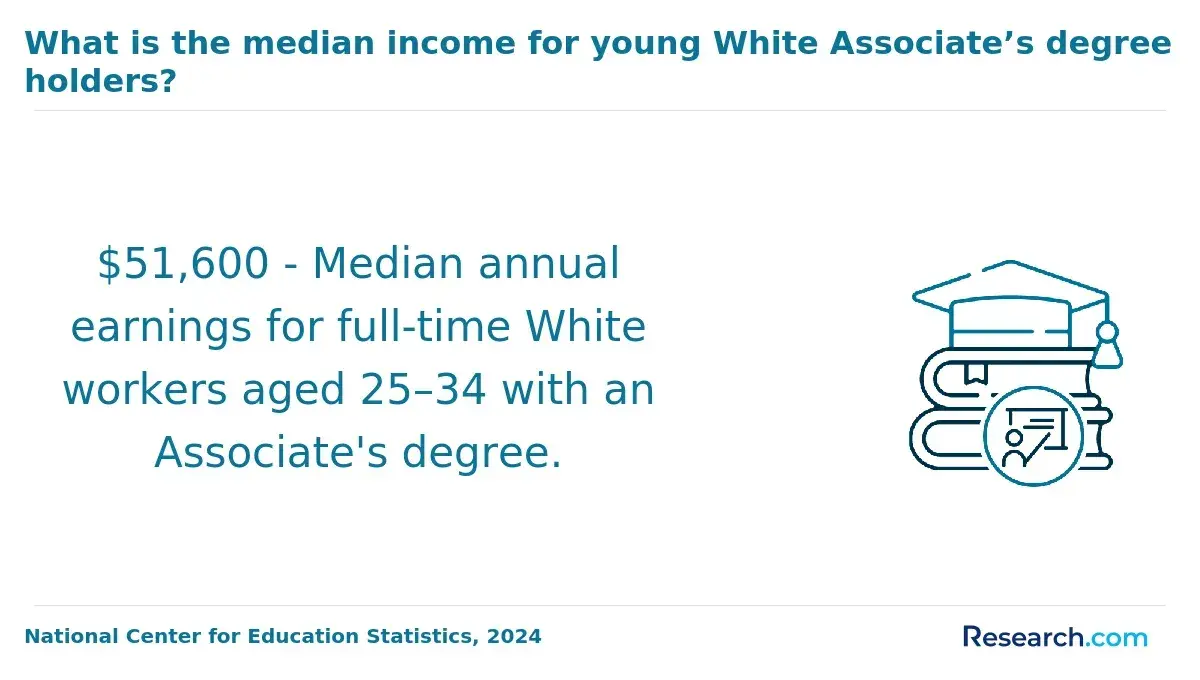
Salary bands within international business careers show a clear correlation with role seniority and complexity, reflecting labor market realities in 2024. Entry-level positions such as analysts or coordinators typically fall between $50,000 and $70,000 annually, while mid-tier roles like marketing managers or trade compliance specialists range from $75,000 to $110,000, according to LinkedIn Salary Insights and the U.S. Bureau of Labor Statistics.
Senior roles, including global business development directors and international finance managers, command salaries upwards of $120,000 to $180,000, underscoring how leadership responsibilities and strategic expertise push compensation significantly higher. These figures are shaped not only by experience but also by the increasing need for advanced degrees and demonstrated success in global market contexts.
Variations in these salary bands are driven by factors including specialization intensity, geographic location, and industry demand. Firms operating in regions with a high cost of living or significant international trade activity often offer premiums, particularly for candidates fluent in multiple languages or skilled at navigating emerging markets.
The scarcity of professionals adept at managing geopolitical risks and digital transformation also inflates pay, especially in larger multinational corporations.
Conversely, roles requiring substantial travel or relocation may offset higher base salaries with personal and lifestyle costs, impacting overall compensation attractiveness. Thus, salary differentials in international business reflect evolving employer priorities around niche skills, organizational scale, and competitive labor dynamics rather than simple tenure or title.
One international business graduate recalls waiting anxiously during a rolling admissions cycle where responses were staggered over several weeks. Initially hesitant to apply early due to uncertainty about the program's focus, the delay created stress and indecision.
The eventual acceptance came just before the deadline, prompting a rapid decision to commit despite lingering questions about financial aid. This experience underscores the importance of strategic timing and proactive communication when navigating admissions, especially in fields where employer expectations and program outcomes directly influence salary potential and career trajectory.
Which Industries Are Hiring the Most International Business Graduates?
Hiring demand for international business graduates is increasingly concentrated in sectors undergoing significant digital transformation, global expansion, or facing pronounced skill shortages. This pattern reflects broader shifts in economic integration and technological adoption rather than isolated recruitment spikes.
Industries that manage complex cross-border operations, regulatory nuances, and culturally diverse markets are leading the push for talent equipped with global strategic insight and regulatory fluency.
- Technology: Rapid growth in cloud computing, cybersecurity, and e-commerce necessitates professionals who grasp international market dynamics and global regulatory environments. Employers prioritize graduates with expertise in managing multinational digital projects and navigating compliance across jurisdictions, responding to a reported 12% increase in hiring this year.
- Finance: The complexity of global financial markets sustains strong demand for international business graduates skilled in investment banking, risk assessment, and trade finance compliance. As global trade regulations evolve, 15% more financial firms have expanded recruitment efforts to secure talent adept at interpreting international financial legislation and mitigating cross-border risks.
- Consulting: Consulting firms seek graduates capable of advising on global strategy, market entry, and cultural integration, reflecting a 10% projected growth in hiring. Their priority lies in candidates who can translate international regulatory frameworks into actionable business solutions for clients operating across diverse legal and cultural landscapes.
- Healthcare: Increasing globalization of healthcare supply chains and pharmaceutical distribution has created new roles requiring familiarity with international logistics and partnerships. The sector values recruits who understand regulatory compliance and coordination across multiple countries, meeting the demands of expanding global networks.
The concentration of hiring in these sectors underscores a recurring theme: employers look for international business graduates who combine cross-cultural communication, regulatory knowledge, and operational agility to manage global complexities effectively. Recruitment reflects tangible market needs shaped by digital innovation, global trade intricacies, and rapidly evolving regulatory standards rather than broad academic trends.
How Does Hiring Demand Vary by State, Region, and City?
Hiring demand for international business roles varies significantly across states and regions due to differences in economic structure, industry concentration, and trade activity. Coastal states such as California, New York, and Texas consistently experience stronger openings, fueled by their large port economies, multinational corporate headquarters, and dense import-export networks.
Interior states generally show less sustained momentum because their economies often focus more on domestic commerce or specialized manufacturing rather than international trade. According to data from the U.S. Bureau of Labor Statistics and regional economic reports, this geographic segmentation influences where employers seek candidates with international business acumen, reflecting local industry priorities and global connectivity.
Many employers in key coastal zones place higher value on cross-border compliance and global supply chain expertise, creating a distinctly uneven landscape of job availability and specialization across states, regions, and metropolitan areas. This regional hiring differentiation is a central consideration for job seekers assessing how hiring demand for international business jobs differs across states and metropolitan areas.
At the city level, demand for international business professionals intensifies in urban centers that feature financial districts, global consulting firms, and international law practices such as New York City, Chicago, and Houston. These hubs benefit not only from employer density but also from well-developed talent pipelines and infrastructure supporting global commerce.
Salary ranges in these cities tend to be higher but are often balanced against a greater cost of living and more competitive hiring environments.
Smaller cities and emerging markets may offer fewer roles but can provide specialized opportunities connected to regional export sectors or trade agencies, with the tradeoff of lower salaries but less competitive candidate pools. Understanding these localized demand variations in terms of infrastructure, employer competition, and workforce ecosystems helps clarify regional variations in open international business positions and salary ranges.
For those exploring educational pathways, a growing share of programs emphasize practical skills aligned with these market demands, including options like an online MBA in operations management that can enhance cross-functional expertise relevant to diverse hiring landscapes.
What Skills Are Employers Prioritizing in International Business Job Postings?
Employers seeking candidates for international business roles increasingly emphasize a skill set shaped by rapid technological advances, automation, and the escalating complexity of global markets. These priorities reflect a shift toward interdisciplinary abilities that combine technical proficiency with adaptive interpersonal competencies.
Demand for such skills fluctuates in response to evolving geopolitical, regulatory, and sustainability concerns, making the workforce requirements more dynamic than ever.
- Data Literacy and Analytics Proficiency: Mastery of data tools and analytics platforms is critical as businesses rely on large datasets to drive strategic decisions across markets. With nearly 70% of job postings listing this skill, its importance lies in enabling professionals to deliver insights that shape risk management, market entry, and operational efficiencies in a digitally driven environment.
- Multilingual and Intercultural Communication Skills: Global roles demand fluency not only in languages but also cultural nuance, which supports negotiation and partnership management across diverse legal and social settings. Over half of employers seek this capability as it directly impacts compliance, stakeholder relations, and the effectiveness of cross-border collaboration.
- Adaptability and Advanced Problem-Solving: The volatility of international markets necessitates professionals who quickly adjust strategies in response to geopolitical shifts, supply chain challenges, and regulatory changes. This soft skill remains a top priority because it underpins sustained performance amid uncertainty.
- Stakeholder and Relationship Management: Navigating a complex ecosystem of partners, clients, and regulators requires refined interpersonal skills and strategic stakeholder engagement. Employers value this ability for its role in maintaining trust and securing the cooperation needed in global operations.
- Understanding of Sustainability and ESG Frameworks: An increasing portion of employers-approximately 30%-incorporate ESG principles into business strategies. Candidates versed in environmental, social, and governance factors can align corporate responsibility with market demands, which is becoming essential for long-term viability in global trade.
Which Certifications Increase Employability and Salary Potential?
Certifications in the international business field act as crucial indicators of specialized knowledge, practical skills, and workplace readiness that go beyond academic degrees alone. Employers rely on these credentials to gauge candidates' ability to manage complex, sector-specific challenges-from regulatory compliance to financial risk-especially amid shifting global market dynamics.
Strategic certification choices can therefore enhance a candidate's competitiveness by addressing skill gaps employers prioritize and by signaling verified capabilities that reduce hiring uncertainty.
- Certified International Trade Professional (CITP): Recognized for validating expertise in cross-border regulations and trade logistics, the CITP credential aligns with employer demand for professionals who can navigate evolving trade agreements and geopolitical risks. Holding this certification typically leads to stronger job prospects and salary premiums due to the specialized operational knowledge it confirms.
- Global Supply Chain Professional (GSCP): This certification targets the growing need for professionals skilled in supply chain optimization across international networks. As supply chains become more intricate and vulnerable to disruption, GSCP holders often command higher compensation because they bring validated skills that improve efficiency and risk mitigation.
- Chartered Financial Analyst (CFA): The CFA designation signals advanced competency in international market analysis and financial strategy, critical in roles managing global investment portfolios or currency risks. Its holders benefit from better salary growth, reflecting demand for sophisticated financial stewardship in multinational operations.
- Financial Risk Manager (FRM): Focused on identifying and managing financial risks in global contexts, the FRM certification meets employer needs for mitigating volatility in currency, credit, and market risks. This credential helps candidates stand out in hiring and typically corresponds with notable salary increases.
- Intercultural Communication and Leadership Certifications: While harder to quantify in salary, these credentials validate essential soft skills for leading diverse teams and negotiating across cultures. Employers increasingly view such qualifications as pivotal to business success in global environments, affecting employability and long-term career progression.
According to the 2024 Global Workforce Skills Report, over 58% of international business employers prefer candidates with at least one professional certification, underscoring the growing importance of these credentials as labor market signals.
A graduate of an international business program recalled that during the rolling admissions process for a sought-after certification, they hesitated to apply early due to unclear timelines and limited preparatory resources. This delay caused peaking anxiety, especially as employer demand heightened for certified professionals.
Eventually, the candidate chose to invest additional months in targeted skill-building before completing the certification, which, in hindsight, positioned them more competitively for roles that rewarded both certification and demonstrable expertise. This experience highlights the reality that timing and deliberate preparation often weigh as heavily as the certification itself in achieving career benefits.
How Do Remote and Hybrid Opportunities Affect the International Business Job Market?
Remote and hybrid work arrangements are reshaping hiring trends within international business careers by broadening talent access beyond traditional urban centers. According to 2024 labor market insights, employers are experiencing accelerated hiring for roles that support remote execution, such as consulting and project management, driven by rising demand for flexibility and geographic diversification.
This shift, noted in workforce analytics studies, also alters employer evaluation criteria to favor candidates skilled in self-management and digital collaboration. For those navigating remote work trends in international business careers, understanding these evolving expectations is crucial as companies balance global talent sourcing with maintaining operational efficiency and cohesion.
The broader implications of remote and hybrid opportunities include more complex geographic hiring strategies and nuanced salary adjustments reflecting regional cost-of-living differences. Hybrid roles often command competitive regionally based pay, while fully remote positions may offer slightly reduced salaries but increased location flexibility, prompting candidates to weigh compensation against commuting and lifestyle preferences.
Employers increasingly demand proficiency in asynchronous communication and virtual teamwork, emphasizing digital literacy alongside core business competencies. These evolving dynamics suggest that international business graduates pursuing hybrid job opportunities for international business graduates must cultivate adaptable skill sets to thrive in a more distributed and competitive labor market.
To complement these workforce demands, many early-career professionals explore pathways such as the cheapest master's in finance programs that integrate financial expertise with practical digital skills necessary for today's international roles.
Which International Business Careers Show the Strongest Long-Term Hiring Momentum?
Long-term hiring momentum in international business careers reflects deep structural shifts in global commerce and technology rather than short-term fluctuations. These patterns emerge from enduring economic transformations, regulatory complexity, and the ongoing digitalization of trade, all shaping sustained workforce demand.
International business roles with highest sustained demand tend to align closely with these macro-level changes, requiring adaptability to evolving market, legal, and technological environments.
- Supply Chain Analysts and Logistics Coordinators: These roles remain critical due to the increasing complexity of global supply networks and the growing emphasis on efficiency and risk mitigation in cross-border operations. As globalization intensifies, supply chains must adapt to disruptions and regulatory changes, sustaining above-average employment growth projected to exceed 12% over the next decade, according to the U.S. Bureau of Labor Statistics.
- Compliance and Trade Risk Officers: Expanding international trade regulations and geopolitical uncertainties heighten the need for experts navigating multilayered legal frameworks and ethical sourcing requirements. This role's momentum is reinforced by shifting policies around data privacy and cross-border trade compliance, driving employer demand for specialists who can manage these evolving complexities.
- Digital Transformation Specialists in International Marketing and E-Commerce: The surge in global digital commerce mandates hybrid skill sets combining business strategy with technology fluency. Professionals who integrate cross-cultural understanding with digital tools outperform their peers in hiring and salary, bolstered by Gartner's 2024 forecast highlighting a premium on digital-savvy talent in international business functions.
- Intercultural Communication Experts: Sustained demand for communication professionals skilled in bridging cultural and regulatory divides supports global project management and negotiation. Their value increases as businesses expand into diverse markets requiring nuanced interpersonal skills integrated with operational agility.
Long-term labor market forecasting emphasizes that these roles will remain stable due to structural demand within industries undergoing transformation. Prospective professionals should assess educational pathways that embed international trade regulations, digital competencies, and adaptable communication skills to stay aligned with these evolving workforce needs.
For individuals considering academic options, programs such as an online degree in Spanish can complement business knowledge by enhancing language proficiency and intercultural competence, further strengthening employability in international roles.
How Can Students Use Job Market Data to Make Better Career Decisions?
Students can leverage current job market data from labor reports, hiring platforms, and salary databases updated in 2024 or later to precisely evaluate demand, compensation ranges, and sector growth within international business. These resources reveal which functions, such as supply chain or global marketing, are expanding, helping students identify where skills shortages exist.
Salary bands contextualize potential earnings relative to geography and employer type, enabling clearer expectations and negotiation strategies. Hiring momentum further clarifies which industries and regions actively recruit, guiding students toward the most robust opportunities rather than stagnant or oversaturated markets.
When using this data, students must balance immediate labor trends with long-term career stability, geographic flexibility, and alignment with their competencies and interests. Overreliance on short-term spikes in demand risks misdirecting educational investments, especially if those trends are vulnerable to economic cycles or technological shifts.
Instead, integrating labor market insights with personalized goals and adaptable skill development supports sustainable career paths within international business. Thoughtful interpretation of these datasets enables more informed decisions that prioritize practical applicability and evolving employer expectations.
References
- Essential Skills for the International Job Market - ISBSS https://isbss-edu.org/essential-skills-for-the-international-job-market/
- Exploring the Global Boom in International Remote Jobs - Bridge Way Solution https://bridgewaysolution.com/exploring-the-global-boom-in-international-remote-jobs/
- The Future of Jobs Report 2020 https://es.weforum.org/publications/the-future-of-jobs-report-2020/in-full/1-3-the-remote-and-hybrid-workforce/
- International Business Graduate Jobs (with Salaries) - SEEK https://au.seek.com/international-business-graduate-jobs
- Global Salary Report: What International Business Development Managers Earn Worldwide - EMLV Business School Paris https://www.emlv.fr/en/global-salary-report-international-business-development-managers/
- Study Business in Germany | Companies Hiring International Graduates https://www.expatrio.com/about-germany/top-companies-business-students-germany
- Top 15 Highest Paying Business Degree Jobs in 2025 UK & Global Guide https://apexlearning.org.uk/highest-paying-business-degree-jobs-2025-2026/
- International Business Salaries (Roles & Salary Ranges) https://www.allbusinessschools.com/international-business/salary/
- How to Find a Job with an International Business Degree - Hunter Recruiting https://www.hirecruiting.com/newsroom/how-to-find-a-job-with-an-international-business-degree/
- International Business Degree: Career Opportunities, Salary & Job Prospects - University of the Potomac https://potomac.edu/international-business-salary/
Other Things You Should Know About International Business
Targeting roles with higher salary bands in international business often means entering more competitive positions with fewer openings and slower hiring pace. While these roles promise better compensation, candidates may face prolonged job searches and heavier qualification requirements.
Prioritize roles aligned with your current skill set and network to maintain momentum early in your career, and consider gradually aiming for higher-paid positions once you've built relevant experience and demonstrated impact.
Specializing deeply can increase earning potential in narrowly focused roles but often reduces the number of available job opportunities, limiting flexibility across markets and sectors. Maintaining a broad skill set widens access to open roles and hiring momentum but may cap salary growth initially. Early-career professionals should lean towards breadth to secure steady employment while planning mid-career specialization to maximize compensation and career resilience.
Hiring momentum signals stability and potential for internal growth; accepting a role in an organization or sector with strong momentum increases your chances of promotion and skill development. Conversely, choosing a position solely based on salary without considering hiring trends could result in short tenure or stagnant advancement. Prioritize employers with demonstrated positive hiring trends if long-term growth and career trajectory outweigh immediate pay advantages.
Salary band fluctuations reflect varying employer expectations and risk profiles tied to the scope and complexity of roles. Higher salary bands usually require handling greater cross-border regulatory, cultural, or strategic challenges, which increases workload and stress.
Candidates must honestly assess their readiness for these demands, as underestimating the complexity can harm job performance and satisfaction despite financial incentives. Aligning role difficulty with personal capacity and long-term goals is crucial.