2027 International Business Career Outcomes by Degree Level Report: Pay, Employment, and Advancement Patterns

Co-Founder and Chief Data Scientist
Choosing the right degree level in international business can determine access to critical career opportunities or leave candidates locked out of advancement. For many working professionals and adult learners balancing responsibilities, the stakes are heightened by limited time and financial resources.
Recent 2024 data reveals that individuals with advanced degrees in international business enjoy a 28% higher employment rate in senior roles compared to those with only bachelor's credentials, highlighting how degree level stratifies access to leadership tracks. Understanding these pay, employment, and advancement patterns is essential for making informed education choices. This article analyzes career outcomes by degree level to guide clear, practical decision-making.
Key Things to Know About International Business Career Outcomes by Degree Level
- Master's degree holders in international business experience 23% higher promotion rates within five years compared to bachelor's graduates, reflecting employer preference for advanced strategic and cross-cultural management skills.
- Associate degree graduates face a significant credential ceiling in multinational firms, limiting access to global roles but offering quicker entry into regional operational jobs, illustrating a critical tradeoff between speed and advancement.
- The growing cost and time requirements of doctoral programs create access barriers, leading many professionals to favor certificates for targeted skill updates, highlighting a pragmatic balance between investment and employability.
- What Career Outcomes Can Students Expect From Each International Business Degree Level? Career Outcomes by Degree
- How Much Do International Business Graduates Earn by Degree Level? Salary by Degree Level
- Which International Business Degree Level Offers the Strongest Employment Prospects? Best Degrees for Employment
- What Entry-Level Jobs Can You Get With a International Business Degree? Entry-Level Career Opportunities
- How Do International Business Degree Levels Affect Career Advancement and Promotion Opportunities? Career Growth by Degree
- Is a International Business Degree Worth It Based on Salary, Employment, and ROI? Salary, ROI, and Value
- How Do Associate, Bachelor's, Master's, and Doctoral International Business Degrees Compare? Comparing Degree Levels
- Which Industries and Employers Hire International Business Graduates by Degree Level? Which Industries and Employers Hire International Business Graduates by Degree Level?
- What Skills, Credentials, and Experience Improve International Business Career Outcomes? What Skills, Credentials, and Experience Improve International Business Career Outcomes?
- Which International Business Degree Level Is Best for Your Career Goals? Choosing the Right Degree
What Career Outcomes Can Students Expect From Each International Business Degree Level?
Career outcomes in international business programs vary sharply by degree level, with each credential marking a distinct threshold for employment and advancement. For instance, certificates tend to serve as quick entry points into administrative or support positions but rarely provide pathways to leadership roles without further qualifications or experience.
Associate degrees expand access to operational positions such as junior analysts or marketing assistants, which offer a foothold but typically require transfer planning to bachelor's programs for meaningful upward mobility.
According to the U.S. Bureau of Labor Statistics (2024), employers increasingly prioritize bachelor's degrees for mid-level management, making the decision to pursue higher levels essential for those aiming beyond entry-level roles and highlighting a tradeoff between time investment and career potential in international business career outcomes by degree level.
Bachelor's degrees offer the most balanced combination of specialized knowledge and practical readiness, often supported by internships integrated into the curriculum. Graduates with this level are more likely to secure roles with leadership potential and enhanced job stability, reflecting data from the National Center for Education Statistics (2024).
Master's degrees, in contrast, provide focused analytical training and credential recognition, opening doors to senior management or consulting roles where complex decision-making and cross-cultural skills are paramount.
Doctoral degrees remain rare and are generally geared toward academic or high-level advisory careers, demanding significant research competencies and aligning with niche positions that emphasize intellectual leadership over volume employment. Working professionals and military-affiliated students should carefully weigh these distinctions and consider the value of certifications like Certified International Trade Professional (CITP) that can complement advanced degrees to boost competitiveness.
Employer preferences now increasingly favor international business candidates combining formal credentials with diverse global exposure and practical expertise, making flexible degree paths and credit transfer critical for adult learners balancing work and education.
For students facing decisions about their credential investments, aligning degree choices with realistic advancement ceilings and role expectations is key for navigating employment and advancement opportunities for international business graduates.
Those seeking expedited doctoral level options may consider specialized offerings like the fastest EdD program online, which cater to professionals pursuing thought leadership without extended timeframes, underscoring the importance of strategic planning in balancing education duration against long-term career goals.
How Much Do International Business Graduates Earn by Degree Level?
Salary differences among international business graduates reflect not only degree level but also the varied roles and industries they enter. Bachelor's degree holders typically earn between $60,000 and $75,000 annually, though location and sector nuances cause significant variation.
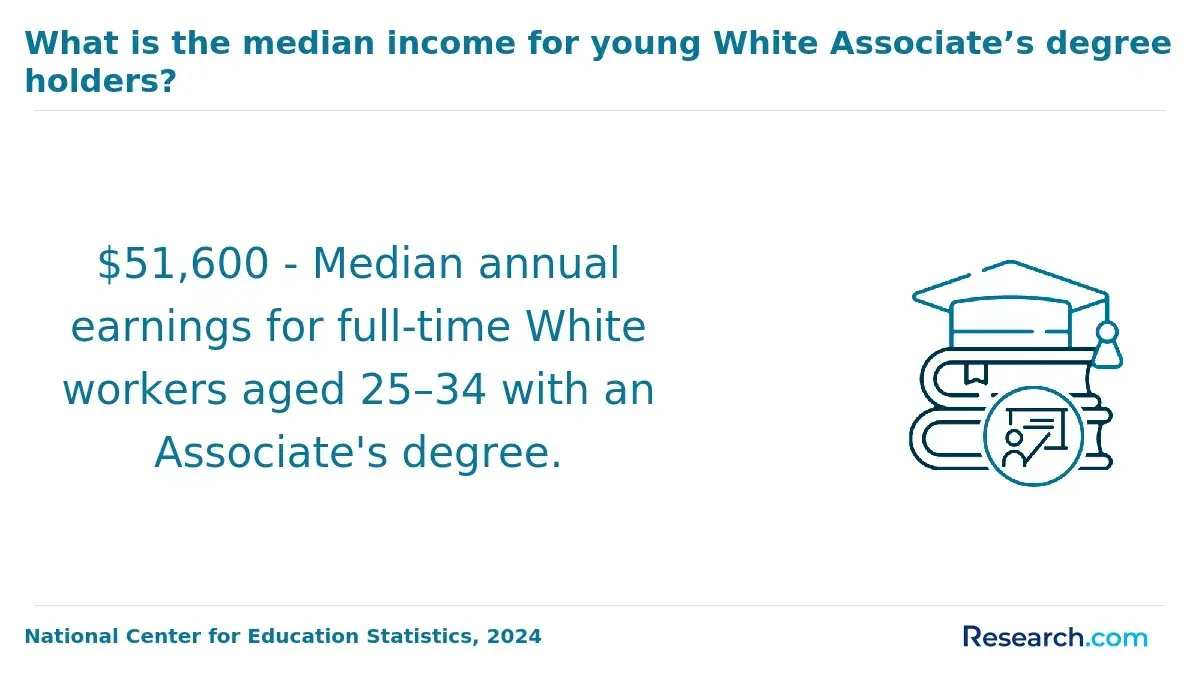
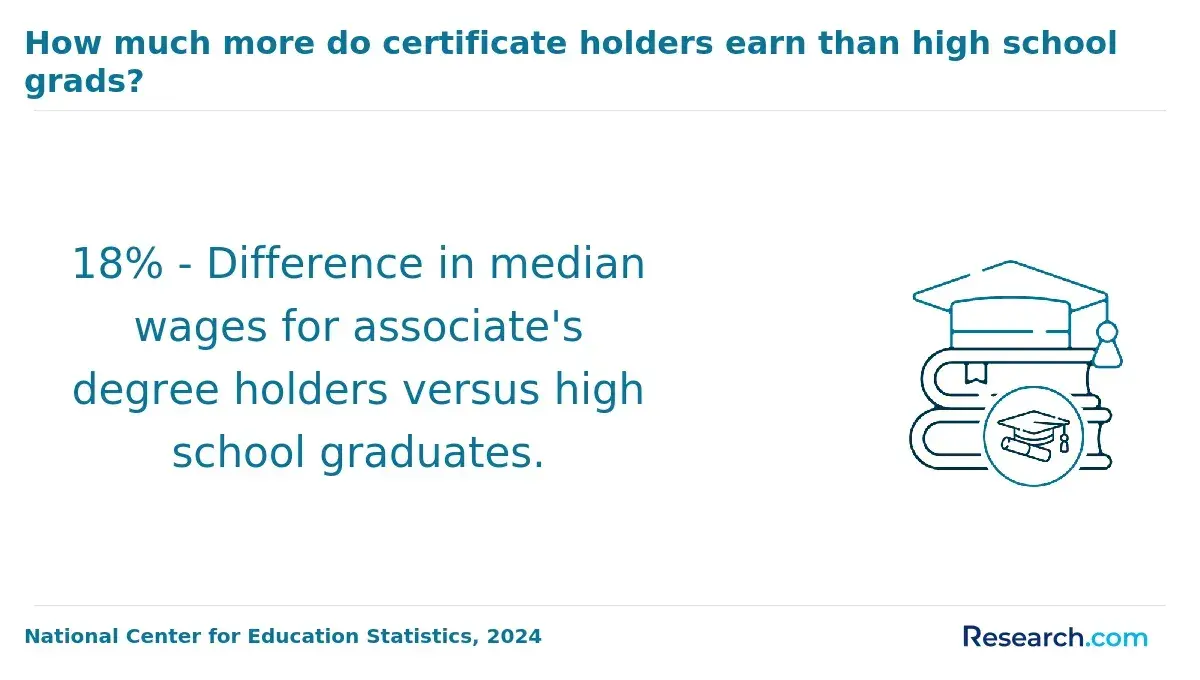
By contrast, associate degree and certificate holders often start below $50,000, facing more limited advancement and stable employment prospects due to credentials that emphasize specific skills rather than broad, strategic knowledge.
Master's graduates, including MBAs specializing in international business, frequently surpass $90,000, but the decision to pursue these programs must consider the additional years of study, tuition costs, and whether employers in targeted industries require or reward these advanced qualifications.
Employment stability and upward mobility hinge more on the demands of particular markets and employer expectations than on credentials alone. For example, in global financial centers or multinational corporations, a master's degree can unlock leadership and strategic roles inaccessible to bachelor's holders, whereas some regional markets may value practical experience combined with associate-level qualifications more highly.
Doctoral degrees open academic and consulting avenues with salaries above $110,000 but involve longer-term commitments with less direct operational application. Prospective students, especially working adults or military-affiliated learners, should weigh transfer credit options, completion timelines, and the specific skills employers seek locally before advancing education purely for potential pay gains.
A graduate debated whether to stop after her bachelor's or pursue a master's program. Initial job offers around $65,000 were attractive, but she found they plateaued quickly in her local job market.
Conversations with hiring managers revealed that many leadership roles preferred or required a master's credential, often meaning a delay of two or more years for full-time study. Balancing loan repayment concerns and family responsibilities, she ultimately enrolled part-time.
The advanced degree, she found, concretely translated to higher responsibility and compensated risk, rather than relying on abstract salary projections alone.
Which International Business Degree Level Offers the Strongest Employment Prospects?
In international business, the level of degree significantly shapes employment opportunities, with bachelor's degrees generally offering the most practical access to stable roles in today's job market. Employers increasingly require at least a bachelor's credential due to the analytical and cross-cultural skills it signals, especially for positions beyond entry level.
For example, a candidate with an associate degree may enter the workforce more quickly but is often confined to frontline or support roles with limited upward mobility, whereas bachelor's degree holders report about an 85% employment rate within a year, reflecting broader demand and readiness for diverse functions.
Master's degrees, particularly those integrating specialized fields like supply chain management or international finance, improve prospects not just for employment but notably for higher compensation and leadership tracks, with median starting salaries typically rising by around 20%. This advanced study helps meet employer preferences for strategic and managerial positions that require deeper expertise.
However, doctoral and professional degrees tend to serve narrower career paths, such as academia or consultancy, where the extended time and costs must be weighed against relatively limited job market volume. These dynamics highlight a key tradeoff: quicker workforce entry at lower credential levels versus longer preparation for roles demanding more specialized competencies and offering greater long-term returns.
The decision for students and working professionals often involves balancing immediate employment with potential for advancement. Those aiming for rapid employment might pursue certificates or associate degrees as stepping stones, ideally paired with plans for credit transfer or further education.
Conversely, investing in a bachelor's or master's degree aligns better with sustained career growth in international business, especially where internships and global experience are valued. Regional labor markets also vary, so understanding local employer credential requirements and industry trends remains critical for aligning educational investments with realistic job outcomes.
What Entry-Level Jobs Can You Get With a International Business Degree?
Entry-level jobs with an international business degree vary significantly depending on the degree level, with employers increasingly favoring candidates who combine academic credentials with practical experience. For instance, bachelor's degree holders typically access roles that demand analytical skills and cross-cultural communication, such as business analyst or marketing coordinator, which serve as foundational platforms for rapid skill development and upward mobility.
In contrast, those with associate degrees often engage in support or administrative positions that limit long-term advancement unless supplemented by additional training or certifications. According to workforce analytics reports in 2024, over 60% of entry-level international business positions require a bachelor's degree, reflecting firms' efforts to mitigate operational complexity through higher educational standards.
Internships, foreign language proficiency, and certifications like project management frequently tip the balance in competitive hiring scenarios, revealing how employers view entry-level opportunities as both gateways and filters.
Students weighing career opportunities for international business graduates should note that roles accessible with bachelor's degrees tend to offer broader skill-building and greater exposure to global market operations compared to the narrower scope of associate-level positions.
Meanwhile, master's degree holders or professionals with specialized credentials usually qualify for roles with enhanced responsibility, such as compliance analysts or global marketing strategists, which bypass many entry-level constraints and offer more direct routes to leadership. These distinctions have practical implications for employment stability and career mobility, underscoring the need to align educational choices with realistic job market entry points and long-term goals.
For individuals balancing cost considerations with credential impact, exploring cheapest online degrees can offer viable pathways to the bachelor's level, often essential for accessing the wider range of entry-level international business jobs that facilitate meaningful career progression.
How Do International Business Degree Levels Affect Career Advancement and Promotion Opportunities?
Advancement in international business roles often hinges on degree level, but the relationship varies notably across sectors and job functions. While a bachelor's degree typically qualifies candidates for entry-level and some middle management roles, many employers set graduate-level education as a prerequisite for supervisory or strategy-focused positions, especially where global regulatory knowledge or complex problem-solving skills are required.
Data from the 2024 Integrated Postsecondary Education Data System highlights that master's degree holders are roughly 1.5 times more likely to receive promotions within five years than those with just a bachelor's, though this advantage is tempered by factors like relevant experience and industry specialization.
Doctorate or professional qualifications are rarely necessary for corporate advancement but can be critical in niche fields such as international trade law or finance, where professional licensing or certification intersects with academic credentials. For working professionals or adult learners, balancing ongoing education with job demands often slows immediate promotion but can yield greater leadership readiness and long-term mobility.
Those with extensive work experience may find that selectively pursued certificates or targeted graduate programs provide better returns than full degree pathways, depending on employer expectations and competitive hiring practices.
One recent graduate described weighing the decision between completing a master's degree or obtaining a specialized certification focused on global compliance. Despite initial hesitation over delaying promotion prospects, the individual found that the certification aligned more closely with the company's expectations, enhancing eligibility for team lead roles sooner than a prolonged degree might have.
This pragmatic approach helped them navigate the tradeoffs between broad academic credentials and precise professional requirements in advancing their international business career.
Is a International Business Degree Worth It Based on Salary, Employment, and ROI?
Salary potential and employment outcomes for an international business degree can vary significantly depending on the degree level and candidate circumstances. Bachelor's degree holders typically face moderate median earnings and slower advancement, whereas master's degree recipients often gain access to higher-paying roles and reduced underemployment.
A working professional weighing further education must consider how program duration and opportunity costs affect income streams, especially since international business jobs tend to cluster in global trade hubs that may demand geographic mobility or specialized credentials. For instance, a bachelor's graduate in a mid-sized city might see limited upward mobility without targeted internships or graduate education, which also factors prominently into employer preference.
From a return on investment perspective, the total cost of pursuing an international business degree blends tuition, fees, and potential lost wages during study periods. Graduate programs generally require fewer years but higher annual expenses, making pay increases crucial to justify the financial and time commitments.
Importantly, those holding master's degrees often experience more favorable loan repayment outcomes due to better salary-to-debt ratios.
Regional labor demand and credential specificity further complicate ROI calculations, emphasizing that students with prior credits or significant work experience should closely evaluate whether additional qualifications will meaningfully reduce employment risk or enhance salary growth in their target markets. Students exploring flexible options might also investigate alternatives such as online paralegal programs for comparison in financial and time investment.
Understanding international business degree salary and employment statistics is essential for informed decision-making, especially for adult learners balancing education with employment and personal obligations. Choosing between bachelor's and master's pathways requires assessing the interaction of job stability, career mobility, and program length relative to existing experience.
This nuanced perspective helps clarify when pursuing advanced study aligns with one's goals versus when leveraging practical experience might yield a better overall outcome. Thus, evaluating return on investment for international business graduates involves measuring both the tangible financial benefits and the strategic career advancements enabled by higher credentials.
How Do Associate, Bachelor's, Master's, and Doctoral International Business Degrees Compare?
Choosing to stop at an associate degree in international business often means quicker workforce entry but limits eligibility for management-level positions, which predominantly require at least a bachelor's credential. Bachelor's degree graduates have significantly better access to professional roles directly related to their field, with recent data showing about 62% securing relevant employment within six months of graduation compared to 37% of associate degree holders.
This gap reflects employers' preference for candidates with broader foundational skills and a deeper understanding of global markets, making bachelor's programs a critical threshold for sustained career growth and leadership readiness.
Advancing to a master's degree typically unlocks specialized roles in areas like international finance or supply chain management, translating into accelerated progression and entry into higher-responsibility positions. Given the projected 12% growth in management occupations tied to international business from 2024 to 2034, candidates with master's credentials better position themselves to meet employer demand for advanced technical knowledge and strategic competencies.
However, returning for a graduate degree requires balancing additional tuition, time, and opportunity costs against the likelihood of more rapid advancement and niche expertise that bachelor's degrees alone generally do not confer.
At the doctoral level, the focus shifts toward academic research, policy consulting, or executive leadership roles that demand in-depth theoretical insight and specialized research capabilities. While doctoral programs entail longer study periods and higher financial investments, they may lead to more stable, high-earning career paths less open to those without advanced credentials, particularly in academia or multinational organizations.
For most professionals, the decision to pursue a doctorate should weigh the limited availability of such positions against the unique qualifications and strategic influence embedded in these top-tier credentials.
Which Industries and Employers Hire International Business Graduates by Degree Level?
Hiring patterns in international business reveal a clear hierarchy where degree level strongly shapes employer expectations and career trajectories. Associate degree holders typically fill operational roles in retail, logistics, or manufacturing sectors, where practical business skills suffice but advancement is limited without further education.
In contrast, bachelor's degree graduates gain access to more diverse industries-such as finance, marketing, and consulting-with many employers using this credential as a screening baseline for analyst and management trainee roles, supporting faster promotion compared to those with lower-level qualifications.
For example, a bachelor's holder might enter a multinational bank's global supply chain division, where they balance cross-functional collaboration with strategic responsibilities, a leap not commonly afforded to associate degree employees.
Master's degrees further narrow the field to specialized and leadership roles often found in multinational corporations, governmental trade agencies, and international consulting firms. These roles typically demand skills in economic modeling, analytics, and negotiation, with data from the Bureau of Labor Statistics indicating median salaries increase noticeably at this level due to both technical and managerial responsibilities.
Meanwhile, doctoral graduates usually pursue academia, policy advisement, or research functions within universities, think tanks, or R&D arms of large corporations, where their advanced credentials open doors to niche but influential positions.
Certificate holders, while valuable for gaining specific expertise such as compliance or cross-border taxation, rarely advance without additional credentials or experience, underscoring the limited standalone impact of certificates in employer hiring practices.
What Skills, Credentials, and Experience Improve International Business Career Outcomes?
A decisive factor in international business career outcomes is how well candidates integrate role-specific skills with applied experience and credentials relevant to their degree level. Employers expect technical capabilities such as cross-cultural communication, strategic analysis, and digital literacy combined with demonstrable internships or operational roles that reduce onboarding time and evidence practical readiness.
For example, bachelor's degree holders who secure at least one internship related to international markets typically see higher employment rates upon graduation, highlighting the tangible advantage of applied learning over theoretical knowledge alone. This practical emphasis influences advancement opportunities, as stacking certifications like Certified Global Business Professional (CGBP) with project management credentials further distinguishes candidates amid competitive pools.
Soft skills and leadership experience become critical differentiators at mid-career and managerial levels, shaping promotion prospects and mobility across sectors. Candidates presenting portfolios with project successes or international collaboration outcomes leverage these as concrete proof of capability beyond academic transcripts, thus addressing employer preference for emotional intelligence and negotiation skills.
Pursuing licensure in niche compliance or customs roles offers specialized pathways but demands strategic consideration of time and cost against broader versus focused career goals. Adult learners, transfer students, and working professionals often balance prior credits and experience with new certification efforts to maximize return on investment.
Those evaluating educational pathways can find value in aligning skill development and credential stacking with specific advancement tradeoffs and role expectations within international business career skills and credential requirements. For learners exploring foundational studies or enhancement options, programs like a math degree online can complement analytical rigor when combined strategically with business competencies.
Which International Business Degree Level Is Best for Your Career Goals?
Choosing between bachelor's, master's, or doctoral degrees in international business shapes not only immediate employment options but long-term professional mobility and wage trajectories. For example, a bachelor's degree provides broader access to entry and mid-level roles across multinational firms and consulting, but many management or specialized positions increasingly expect a master's credential or relevant experience.
Working professionals considering advancement should weigh the opportunity cost of graduate study against the benefit of enhanced leadership and strategic skills-particularly since master's programs now often offer flexible, part-time formats that accommodate ongoing employment and can significantly improve job security and promotion prospects.
Doctoral degrees, while less common outside academia, cater to professionals targeting high-level consultancy or policy advisory roles demanding deep research expertise, but they involve longer time commitments and potential employment tradeoffs during study.
Employers typically expect specialization for senior roles, making strategic credential choices critical, especially for adult learners balancing financial and time constraints.
Transfer students and military-affiliated students must also consider credit transfer policies and whether certificates or adjunct credentials might supplement degree paths effectively. Data from the College Scorecard reflects rising returns on investment for international business master's degree holders over ten years, highlighting that degrees aligned with realistic career planning yield superior outcomes.
Prospective students should integrate detailed labor market realities into decisions about the best international business degree for employment and advancement, focusing on credentials that meet employer expectations without excessive delays or debt burdens. For those exploring flexible entry points or additional specialization, resources on related fields, such as a computer science online degree, may provide complementary skills increasingly valued in global business environments.
References
- What is the average salary for international MBA graduates working in the UK? https://mentr-me.com/question/what-is-the-average-salary-for-international-mba-graduate
- International Business Degree: Career Opportunities, Salary & Job Prospects - University of the Potomac https://potomac.edu/international-business-salary/
- Business Administration Degree Salary | UE Amsterdam https://www.ue-amsterdam.com/blog/business-administration-degree-salary-how-much-can-you-earn
- What Kind of Career Should I Strive for with an International Business Degree? https://www.global-business-school.org/content-type/blog/what-kind-of-career-should-strive-an-international-business-degree/
- 5 Global Impact Careers After an MSc in International Business - EMLV Business School Paris https://www.emlv.fr/en/5-global-impact-careers-msc-international-business/
- International Business Degree Jobs (with Salaries) - SEEK https://au.seek.com/international-business-degree-jobs
- How to Find a Job with an International Business Degree - Hunter Recruiting https://www.hirecruiting.com/newsroom/how-to-find-a-job-with-an-international-business-degree/
- Career prospects after International Business | The Hague University of Applied Sciences https://www.thuas.com/programmes/bachelors/international-business-4-years/career-prospects-after-international-business
- Is College Worth it? | Return on Investment Analysis of College Degree https://educationdata.org/college-degree-roi
- International Business Degrees https://www.allbusinessschools.com/international-business/degrees/
Other Things You Should Know About International Business
Advanced degrees like master's or doctoral programs in international business often require significant time and financial commitment, but the career benefits vary widely depending on your target industry and role.
Many employers value practical experience and cross-cultural competencies more than higher degrees alone, especially in fast-paced or entrepreneurial sectors. Prioritize advanced degrees if you seek specialized positions in global strategy, consulting, or academia, where research depth and advanced frameworks matter; otherwise, targeted certifications and on-the-job experience might yield a better return.
Degree programs offering broad international business curricula provide versatility and adaptability but may lack the depth employers seek for specialized roles like supply chain management or international finance.
Conversely, highly specialized degrees can enhance job readiness for specific sectors but may limit flexibility if market demands shift or if you decide to switch career tracks. Assess your long-term plans carefully: if you value flexibility in global markets, a broad degree is advantageous; if you want to quickly enter a niche, a specialized program could accelerate placement despite narrower scope.
Programs emphasizing experiential learning-such as internships, global projects, and real-world case studies-substantially improve job readiness across all degree levels by aligning education with employer expectations.
Bachelor's degrees with strong experiential components often close the gap with some master's programs that are more theory-focused. When evaluating programs, prioritize those integrating cross-cultural communication, negotiation, and data analysis in practical contexts since these skills directly influence employability and early career advancement.
For mid-career professionals, an advanced degree can signal commitment and open doors to leadership roles, but it's critical to choose programs offering flexible pacing and relevant curriculum that align with current industry trends. Part-time or executive master's options with concentrated modules on global leadership and digital commerce provide better balance and immediate skill application than traditional full-time academic routes.
Prioritize programs that enable you to network and apply learning concurrently rather than those that demand full disengagement from your existing role.