2027 Interdisciplinary Studies Skills Gap Analysis: What Employers Want vs What Degree Programs Teach

Co-Founder and Chief Data Scientist
A recent graduate with a degree in interdisciplinary studies faces repeated challenges when applying for jobs. Employers often emphasize practical skills and clear expertise areas, yet the graduate's broad academic background leaves recruiters unsure of their fit for specialized roles. This mismatch creates frustration and uncertainty about career prospects in a competitive job market. The student wonders if their education truly prepared them for the workforce's demands or if critical skills are missing from their training.
Degree programs frequently prioritize conceptual breadth over targeted skill development, which can result in gaps between what employers want and what graduates offer. This disconnect affects hiring decisions and long-term career advancement opportunities. Understanding these differences is crucial for students and graduates aiming to navigate workforce expectations effectively. This article analyzes the skills gap in interdisciplinary studies, highlighting employer priorities and how programs can better align with workforce needs to enhance graduate success.
Key Things to Know About Interdisciplinary Studies Skills Gap
- Employers often expect interdisciplinary studies graduates to demonstrate project management and cross-sector communication skills, which traditional curricula may underemphasize, creating readiness gaps affecting team-based roles.
- A 2024 National Skills Report reveals 68% of interdisciplinary studies alumni needed advanced data literacy and digital collaboration skills beyond classroom instruction, indicating curricular adjustments are required for workplace alignment.
- Proactive engagement in internships and skill-specific certifications significantly enhances graduates' marketability, highlighting that augmenting formal education with targeted experiences is critical for career entry.
- Key Things to Know About Interdisciplinary Studies Skills Gap Key Things to Know About Interdisciplinary Studies Skills Gap
- What Skills Do Employers Expect From Interdisciplinary Studies Graduates? Employer Expectations
- What Do Interdisciplinary Studies Degree Programs Typically Teach? Program Curriculum
- Where Is the Biggest Skills Gap Between Interdisciplinary Studies Programs and Employers? Biggest Skills Gap
- Which Technical Skills Are Most Important for Interdisciplinary Studies Careers? Technical Skills
- Which Workplace Skills Matter Beyond Technical Knowledge? Workplace Skills
- How Do Internships and Real-World Experience Improve Career Readiness? Career Experience
- How Can Students Close the Interdisciplinary Studies Skills Gap Before Graduating? Closing Skills Gap
- How Is the Interdisciplinary Studies Job Market Changing Employer Skill Requirements? How Is the Interdisciplinary Studies Job Market Changing Employer Skill Requirements?
- How Do Different Interdisciplinary Studies Programs Compare in Career Preparation? How Do Different Interdisciplinary Studies Programs Compare in Career Preparation?
- How Should Students Choose a Interdisciplinary Studies Program That Builds Career-Ready Skills? Choosing a Program
What Skills Do Employers Expect From Interdisciplinary Studies Graduates?
Employers hiring interdisciplinary studies graduates increasingly expect a well-rounded skill set that balances technical aptitude with strong interpersonal abilities. Recent data from LinkedIn Learning and the World Economic Forum's Future of Jobs Report 2024 shows that demand for graduates who can navigate multiple fields while communicating effectively is rising sharply. These graduates must integrate knowledge and collaborate across departments to solve complex organizational challenges.
One practical example includes managing a cross-functional project where an interdisciplinary studies graduate coordinates between marketing, analytics, and product teams to ensure data insights shape campaign strategy effectively. This scenario illustrates how versatility combined with clear communication meets employer expectations.
Below are core skills employers commonly seek in interdisciplinary studies graduates:
- Analytical Thinking: Employers value the ability to scrutinize multifaceted problems and identify underlying patterns or trends. Graduates develop this skill by synthesizing diverse disciplinary perspectives, enabling data-driven decision-making and effective problem solving in ambiguous contexts.
- Technical Proficiency: Comfort with tools like Excel, Python, or Tableau and familiarity with emerging technologies such as AI and cybersecurity enhance competitiveness. These skills often come from hands-on projects or certifications that supplement academic learning.
- Effective Communication: Clear articulation of complex ideas to varied audiences is essential. Interdisciplinary studies programs emphasize writing, presentations, and team collaboration, which help graduates bridge technical and non-technical stakeholders.
- Project Management: The ability to plan, organize, and lead initiatives is critical in dynamic workplaces. Graduates typically gain experience managing timelines and resources through internships or group assignments, translating directly to employer needs.
- Adaptability: Navigating rapid change requires flexibility and a willingness to learn new methods or tools. Interdisciplinary curricula encourage intellectual agility by merging different academic traditions, preparing graduates to pivot efficiently.
- Collaboration Skills: Working across functions and valuing diverse viewpoints improves innovation and output quality. Graduates cultivated in team-based learning environments tend to excel at consensus-building and conflict resolution.
- Critical Thinking: Employers expect graduates to evaluate information objectively and challenge assumptions. This reflects the interdisciplinary commitment to questioning established frameworks and integrating evidence from various disciplines.
A 2024 labor market analysis by Lightcast highlights a rising employer emphasis on combined technical and professional capabilities in interdisciplinary studies graduate employer skills, underscoring the practical need to develop both domains. Prospective students aspiring to strengthen workforce readiness might explore opportunities such as internships, targeted certifications, or 1-year PhD programs online no dissertation to deepen expertise and distinguish themselves in a competitive job market.
What Do Interdisciplinary Studies Degree Programs Typically Teach?
Interdisciplinary studies degree programs prioritize cultivating integrative thinking that spans multiple knowledge domains, equipping students to navigate complexity rather than specialize narrowly. This approach fosters adaptable problem-solving and ethical reasoning but may leave gaps in technical mastery valued in some job markets.
For example, a graduate working in a mid-sized nonprofit might apply broad communication and collaboration skills learned through the curriculum but still need targeted digital tools training to manage donor data effectively. Curricular trends highlighted by the National Center for Education Statistics emphasize critical thinking and teamwork as central outcomes.
Below are key competencies typically emphasized in interdisciplinary studies degree curriculum overview.
- Integrative Critical Thinking: Students learn to synthesize concepts from various disciplines, encouraging flexible analysis and evaluation of complex problems. This skill supports long-term career resilience by enabling adaptation to diverse roles and industries.
- Communication Proficiency: Programs emphasize effective oral and written communication across formats and audiences. Clear expression and persuasion are foundational for leadership and collaborative environments in many careers.
- Collaborative Teamwork: Interdisciplinary studies often require teamwork across different viewpoints, preparing students to coordinate efforts in multidisciplinary professional settings. This competency enhances workplace effectiveness and networking opportunities.
- Ethical Reasoning and Global Awareness: Curricula typically include exploration of ethical frameworks and cultural perspectives to foster socially responsible decision-making. Such meta-skills are increasingly important in globalized and diverse work contexts.
- Theoretical and Methodological Flexibility: Students are encouraged to understand and apply various research methods and theoretical lenses. This adaptability helps in tackling emerging challenges and interdisciplinary projects.
- Foundational Analytical Skills: Although technical depth varies, some focus on quantitative literacy and basic data interpretation. These competencies are essential to meet growing workforce demands for digital literacy and evidence-based decision-making.
- Practical Application Awareness: Programs often urge students to seek internships or certifications alongside the degree due to limited direct vocational training in the curriculum. This balance reflects the tradeoff between broad conceptual knowledge and specialized job-readiness.
A nuanced understanding of these typical learning outcomes can help prospective students compare online, hybrid, and campus options to assess how each format delivers on these competencies in practice. For example, online formats might offer greater flexibility for working adults to pursue related certifications concurrently, while campus programs may provide richer environments for collaborative teamwork.
The value lies in weighing how each delivery model complements your career preparation needs, especially given evolving employer expectations documented in authoritative 2024 competency frameworks. For those looking to supplement interdisciplinary studies with targeted skills, exploring avenues such as executive MBA programs online or related professional training can strategically enhance employability and career trajectory.
Where Is the Biggest Skills Gap Between Interdisciplinary Studies Programs and Employers?
Gaps between interdisciplinary studies programs and employer expectations largely stem from the challenge of translating broad academic frameworks into precise, market-ready skills. Employers increasingly demand specific competencies that demonstrate applied expertise rather than generalist knowledge. The 2024 National Association of Colleges and Employers report highlights that nearly 80% of employers rate critical thinking, problem-solving, and communication as must-have skills.
Yet, interdisciplinary degrees tend to prioritize integrative perspectives over targeted skill mastery, leaving graduates at a disadvantage in competitive hiring scenarios. Below are key areas where skill mismatches commonly emerge.
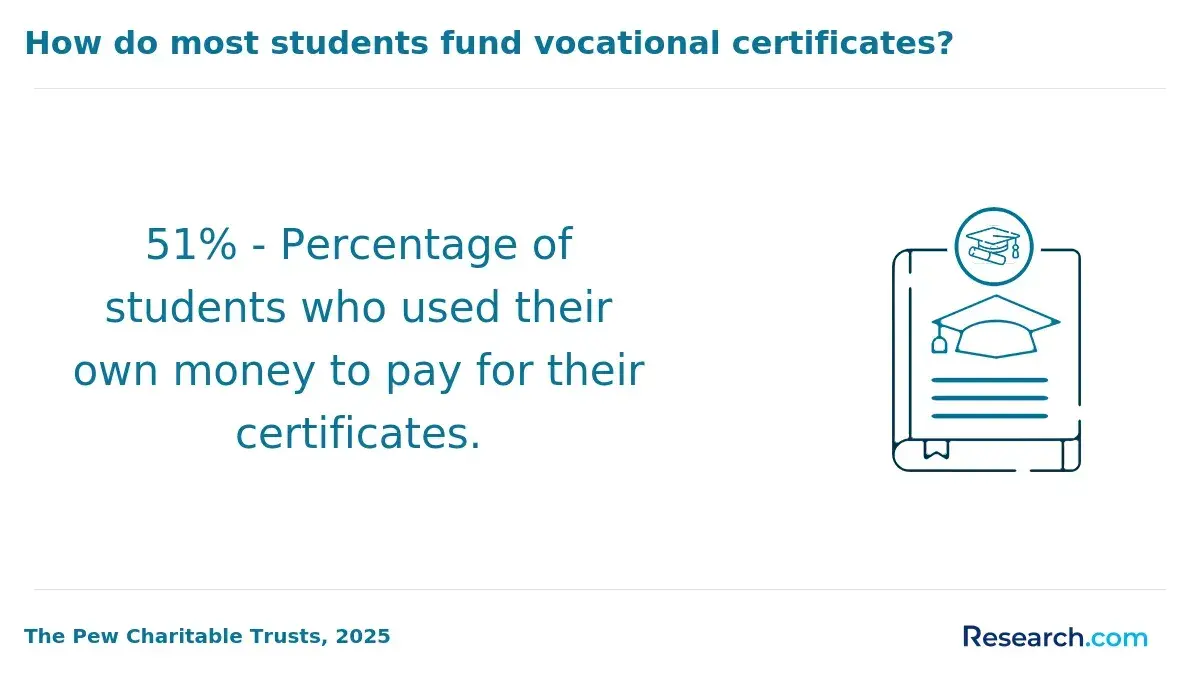
- Technical competency shortfall: Interdisciplinary curricula often lack standardized, in-depth training in digital literacy and data analytics, despite nearly 78% of employers seeking advanced proficiency in these domains according to the National Skills Coalition's 2024 findings. This shortfall can hinder graduates in roles requiring data-driven decision-making or specialized software skills. Students can address this gap through focused internships, online certifications, or elective courses emphasizing technology and data interpretation.
- Practical project management: Employers value the ability to lead and collaborate within complex, multi-stakeholder environments, a skill set not uniformly emphasized in interdisciplinary programs. Research from the Georgetown University Center on Education and the Workforce shows that teamwork dynamics and conflict resolution are often underdeveloped. Engaging in team-based projects, leadership roles, or experiential learning opportunities can build these critical professional capabilities.
- Industry-specific communication: While communication is broadly covered in interdisciplinary studies, employers often find graduates lacking precision in crafting messages tailored to business, technical, or policy audiences. The need for applied writing and presentation skills navigates beyond academic generality into practical frameworks. Internships or practicum settings that simulate real-world communication challenges help students refine this skill.
- Applied problem-solving: Generalist approaches promote integrative thinking but may fall short in demonstrating direct problem-solving relevant to industry contexts. Employers want evidence of actionable solutions based on specific sector demands. Collaborative projects with external partners or case-study engagements provide concrete experience to bridge this gap.
One recent graduate shared how initially overwhelming it was to transition from a broad liberal arts-based interdisciplinary degree to a corporate role requiring immediate digital fluency and targeted communication. Though confident in their analytical thinking, they struggled to meet expectations in using industry-standard data tools and in producing concise reports tailored to managerial needs.
This pushed them to enroll in rapid online courses and seek short-term consultancy projects before landing a full-time position. The experience underscored how narrowing skill deficits through proactive learning and practical settings can be decisive for interdisciplinary degree holders moving into competitive workplaces.
Which Technical Skills Are Most Important for Interdisciplinary Studies Careers?
Technical skills are critical in translating interdisciplinary knowledge into actionable solutions within varied professional environments. Because industries continue to evolve rapidly, the specific competencies employers prioritize shift accordingly, calling for adaptability alongside foundational expertise. For interdisciplinary studies graduates, proficiency in technical tools can differentiate candidates in recruitment and enhance their capacity to collaborate effectively.
Data from the National Center for Education Statistics in 2024 indicates that over 60% of interdisciplinary-related job postings emphasize technical proficiency as a baseline requirement. The following key technical abilities consistently underpin employability and long-term career resilience.
- Data Analysis Expertise: Employers highly value the ability to interpret complex datasets using software such as Excel, SPSS, or R. This skill often develops through hands-on coursework involving real-world data and supports evidence-driven decision-making across sectors.
- Digital Collaboration Tools: Familiarity with platforms like Microsoft Project and Asana is essential for managing interdisciplinary workflows. These tools facilitate project coordination and communication among diverse teams, reflecting competencies often honed in cooperative student projects or internships.
- Programming Fundamentals: Basic knowledge of coding languages enables automation and custom data manipulations. Students typically gain this through cross-disciplinary courses, which significantly boosts problem-solving agility in evolving technical landscapes.
- Geospatial and Statistical Modeling: Skills in Geographic Information Systems (GIS) and predictive analytics are increasingly sought after, particularly for roles blending environmental, social, or health data. Practical training through workshops or specialized electives enhances candidates' capacity to meet niche demands.
- Digital Content Creation: Proficiency with HTML and content management systems expands communication reach. By producing accessible multimedia outputs, graduates enhance stakeholder engagement, a competence developed via applied assignments or supplementary certifications.
- Project Management Software Use: Mastery of digital project management tools streamlines task delegation and timeline adherence, crucial in interdisciplinary teams that juggle complex, overlapping priorities. This familiarity typically grows from experiential learning environments.
- Multimedia Production Basics: Understanding audio, video, or graphic tools aids in translating research findings into compelling formats. This competency supports clearer interdisciplinary communication and is often acquired through elective workshops.
Which Workplace Skills Matter Beyond Technical Knowledge?
Success in professional settings extends well beyond technical knowledge, particularly for graduates of interdisciplinary studies programs. Employers increasingly prioritize durable skills that enable workers to adapt, communicate, and lead in complex, evolving contexts.
Data from the National Association of Colleges and Employers' 2024 Job Outlook report shows that around 80% of employers seek transferable professional skills like communication and critical thinking when hiring interdisciplinary studies graduates. These skills often determine whether technical capabilities translate into meaningful workplace impact.
Below are key workplace competencies that matter most beyond technical expertise.
- Effective Communication: Employers value clear, concise communication to bridge diverse disciplines and stakeholder groups. Coursework and group projects in interdisciplinary studies offer practice in translating complex ideas into accessible language, essential for collaboration and leadership in varied roles.
- Critical Thinking: The ability to analyze problems from multiple perspectives differentiates graduates in cross-functional jobs. Students can sharpen this skill by engaging with diverse subject areas and case studies, fostering nuanced decision-making critical for long-term success.
- Adaptability: Rapid technological and market shifts demand workers who pivot quickly. Interdisciplinary studies encourage meta-cognitive skills that help learners absorb new information and adjust strategies, equipping them to manage uncertainty effectively.
- Teamwork and Leadership: Although programs encourage integrative thinking, structured opportunities to lead and resolve conflicts are often limited. Proactively pursuing internships or collaborative initiatives can build these competencies necessary for managing diverse teams.
- Emotional Intelligence and Cultural Competence: Globalization requires sensitivity to different perspectives to foster inclusive environments. Developing emotional awareness and ethical reasoning helps graduates navigate interpersonal dynamics and align with the values sought in professional settings.
- Continuous Learning: Lifelong learning supports career resilience amid evolving demands. Embedding formal skill-building in communication and leadership within curriculums complements technical study, enhancing overall workforce readiness.
Prospective students considering interdisciplinary studies should recognize the importance of supplementing academic breadth with focused practice in these professional skills. Enhancing your employability through experiential learning and targeted coursework complements the degree's foundational strengths. For those interested in expanding their management and organizational expertise, exploring related options such as business administration courses online can provide valuable career pathways.
How Do Internships and Real-World Experience Improve Career Readiness?
Classroom instruction often falls short in fully preparing interdisciplinary studies students for the realities of the workplace, where applying knowledge requires adaptability and practical judgment. Experiential learning environments like internships allow students to transform theoretical concepts into hands-on problem-solving skills, building confidence and competencies that employers increasingly prioritize, such as communication and teamwork.
For instance, a student placed in a collaborative project management role gains firsthand insight into navigating diverse stakeholder expectations-an element rarely captured in traditional coursework. Internships and similar opportunities also foster growth in technical skills and professional behaviors while clarifying workplace norms and career pathways. This immersive exposure supports networking with industry professionals, enhancing both immediate job prospects and long-term career decision-making.
However, the prevalence and quality of these experiences differ considerably between programs, with only just over half of interdisciplinary studies curricula requiring internships, according to a 2024 survey by the Association of American Colleges & Universities. Real-world roles often reveal skill gaps and development needs that academic study alone might not identify, underlining the value of integrated, applied learning.
To optimize the benefits of experiential learning, students should actively pursue internships early and engage in applied projects that stretch their capabilities and industry understanding. Critical reflection on these experiences, paired with continuous skill-building and intentional career planning, strengthens the connection between academic foundations and market demands.
Data from the 2024 National Association of Colleges and Employers report indicates that graduates completing at least one relevant internship experience a 23% higher employment rate within six months post-graduation, highlighting the tangible advantages of complementing academic achievement with real-world practice.
How Can Students Close the Interdisciplinary Studies Skills Gap Before Graduating?
Waiting until graduation to develop career-ready skills places students at a disadvantage. Building workplace competencies alongside academic learning enables students to adapt earlier to employer demands and emerge with a competitive edge. Integrating practical experience with broad theoretical knowledge helps bridge the skills gap that often challenges interdisciplinary studies graduates.
Evidence from the National Center for Education Statistics in 2024 reveals that students completing internships are 35% more likely to find employment within six months of finishing their degrees. Below are some proven strategies to enhance job readiness before earning a diploma.
- Internship Engagement: Securing internships allows students to apply interdisciplinary concepts in real organizational settings, fostering communication, problem-solving, and teamwork skills employers prioritize. Even part-time or remote internships can provide meaningful exposure that enriches academic understanding with hands-on challenges.
- Undergraduate Research: Participating in faculty-led research projects sharpens analytical thinking and methodological skills critical in data-driven fields. This experience nurtures precision and the ability to navigate uncertainty, traits highly sought after in sectors like technology and public policy.
- Project-Based Learning: Committing to semester-long or capstone projects develops adaptability and self-direction, mimicking workplace demands. Such immersive initiatives encourage managing complex tasks from start to finish, mirroring professional environments where cross-disciplinary insights are essential.
- Industry Certifications: Earning credentials in areas like data analytics or digital marketing signals mastery of specific tools beyond theory. Certifications bridge the gap between student knowledge and specialized technical competencies, demonstrating readiness for roles requiring applied expertise.
- Networking and Mentorship: Building relationships with professionals in target industries offers guidance and networking pathways. Connecting coursework to real-world challenges through mentorship accelerates understanding of employer expectations and workplace culture.
- Skill Integration Workshops: Attending campus or virtual workshops that emphasize teamwork, communication, and project management complements academic learning. These focused sessions help translate interdisciplinary knowledge into skills valued across diverse career paths.
- Cross-Functional Team Collaboration: Engaging in student organizations or collaborative initiatives with peers from varied disciplines cultivates versatility. Exposure to different problem-solving styles enhances flexibility and prepares students for multidisciplinary work settings.
One recent interdisciplinary studies graduate recalls initially hesitating to take on a research assistant position amid a heavy course load but found the experience indispensable. Balancing data analysis tasks and academic deadlines was challenging, yet it offered a clearer sense of how theoretical frameworks apply to urgent real-world questions. This practical exposure eased the anxiety before job hunting and proved crucial when discussing problem-solving approaches in interviews, ultimately influencing early employment success.
How Is the Interdisciplinary Studies Job Market Changing Employer Skill Requirements?
Technological innovation, automation, and globalization are reshaping the interdisciplinary studies evolving job market, demanding graduates who blend broad knowledge with specific, up-to-date technical skills. Artificial intelligence and data analytics are driving new regulatory priorities and business models, especially in sectors like healthcare and environmental policy.
Data from the U.S. Bureau of Labor Statistics and the World Economic Forum illustrate a growing preference for candidates who can integrate digital literacy with critical thinking, reflecting a shift toward hybrid roles that require both adaptive expertise and cross-functional collaboration. This evolving landscape changes employer expectations by requiring interdisciplinary studies graduates to possess not only a strong academic foundation but also practical, workforce-ready competencies.
The 2024 LinkedIn Workforce Report shows that roles involving integrated perspectives are expanding faster than traditional single-discipline jobs, emphasizing continuous learning and professional versatility. Graduates who rely solely on theoretical frameworks may struggle with longer job searches, as Lightcast research points to a persistent skills gap in many programs lacking hands-on training in data tools, quantitative analysis, and stakeholder communication.
Students can enhance employability by combining foundational coursework with internships, applied projects, and relevant certifications. Engaging in cooperative experiences that mirror real-world challenges helps develop the adaptable skill sets employers seek. Sustained professional networking and ongoing skill development are equally critical, enabling graduates to navigate shifting industry priorities effectively.
For those exploring options, programs like the easiest MBA program to get into may offer flexible pathways to deepen interdisciplinary and technical expertise over time.
How Do Different Interdisciplinary Studies Programs Compare in Career Preparation?
Career preparation within interdisciplinary studies programs involves far more than the degree title alone. The actual workforce readiness of graduates hinges on curricular design, skill emphasis, and alignment with employer demands. For example, a program focusing heavily on theoretical breadth without practical application may leave a graduate less prepared for roles requiring teamwork and data literacy.
A recent 2024 National Center for Education Statistics report indicates that programs integrating applied problem-solving and experiential learning opportunities show significantly higher rates of career readiness. When evaluating different programs, prospective students should carefully consider several key factors.
- Curricular Integration: This reflects how well a program connects different disciplines through applied problem-solving. Programs with strong integration encourage students to synthesize knowledge in practical contexts, enhancing adaptability-a skill employers value highly according to a 2024 workforce skills demand survey.
- Experiential Learning: Hands-on opportunities like internships, cooperative education, or projects embedded in the curriculum cultivate real-world skills. Some programs prioritize these, while others remain largely theoretical. Prospective students should check whether programs offer meaningful industry engagement, such as partnerships related to careers in forensics or similar applied fields.
- Skill Balance and Specialization: Programs vary in balancing breadth and depth. Those offering customizable tracks in areas like technology or policy often better prepare students with both foundational knowledge and vocational skills. Overly broad curricula risk producing graduates who are versatile but insufficiently specialized for targeted career paths.
- Alignment with Employer Priorities: Employers consistently seek communication, critical thinking, and domain-specific competencies. Some interdisciplinary studies programs emphasize these practical skills, while others lean more on abstract theory. Students should compare how well programs address evolving workforce demands, not just academic sophistication.
How Should Students Choose a Interdisciplinary Studies Program That Builds Career-Ready Skills?
Choosing between online, hybrid, and campus interdisciplinary studies formats influences long-term career and academic outcomes. Each pathway offers distinct advantages and challenges that affect skill development, networking, and adaptability. Understanding these trade-offs helps tailor educational choices to personal circumstances and future goals.
Consider these major long-term factors when deciding your ideal learning format:
- Skill Application: Campus programs often provide hands-on, experiential learning through labs and face-to-face collaboration, fostering stronger practical skill development. Online formats emphasize self-discipline and digital literacy but may lack direct access to some industry tools, making them ideal for self-motivated, tech-savvy learners.
- Networking Opportunities: On-campus students benefit from immersive peer and faculty connections, critical for mentorship and job referrals. Hybrid learners enjoy a blend of virtual and in-person networking, while online students might rely on digital communities, which require proactive engagement.
- Flexibility vs. Structure: Online studies offer unmatched scheduling flexibility, suited for working adults and caregivers. Campus programs provide structured environments that can enhance focus and accountability, and hybrid models balance both.
- Career Readiness Correlation: According to 2024 National Center for Education Statistics data, programs integrating internships and experiential learning significantly increase employment success, often more accessible through campus and hybrid formats.
- Adaptability to Change: Hybrid programs prepare students to thrive across various work environments by blending virtual and physical learning, reflecting modern workplace demands.
- Resource Accessibility: Campus attendance grants immediate access to facilities and academic advising aligned with labor market data, while online learners must actively seek equivalent resources remotely.
References
- Interdisciplinary Studies: Bridging the Gap Between Disciplines - CIBNP https://www.cibnp.com/interdisciplinary-studies-bridging-the-gap-between-disciplines/
- Why Employers Value Interdisciplinary Tech Degrees More Than Ever - Wealthybyte https://wealthybyte.com/why-employers-value-interdisciplinary-tech-degrees-more-than-ever/
- bridging the gap between industry needs and student skills https://sdgsreview.org/LifestyleJournal/article/download/3616/1895/9748
- Internships and practicum - SWPS University https://english.swps.pl/programs/study-comfortably/internships-and-practicum
- Interdisciplinary Majors: Career Advising Framework for Career Centers https://www.hiration.com/blog/interdisciplinary-majors-career-services-higher-ed/
- Interdisciplinary Studies: Preparing Students for a Complex World https://www.facultyfocus.com/articles/course-design-ideas/interdisciplinary-studies-preparing-students-for-a-complex-world/
- Analyzing Skill Gap between Higher Education and ... https://rjhssonline.com/HTML_Papers/Research%20Journal%20of%20Humanities%20and%20Social%20Sciences__PID__2019-10-3-33.html
- Recognizing and improving Soft Skills in Social Work https://rsw.erickson.international/archivio/vol-n-11/07_sibilla_2-25/
- Bridging the education-employment gap: Why soft skills matter - Development Beyond Learning https://developmentbeyondlearning.com/bridging-the-education-employment-gap-why-soft-skills-matter/
Other Things You Should Know About Interdisciplinary Studies
The hallmark flexibility of interdisciplinary studies programs allows students to tailor their courses across multiple fields, but this often comes at the cost of deep expertise in any one area. Employers generally favor candidates with clearly defined skill sets applicable to specific roles. Prospective students should weigh whether the broad but shallow knowledge from a highly flexible curriculum aligns with their career goals or if seeking targeted specialization elsewhere might better enhance employability.
Lack of curriculum uniformity means that graduates' skills can vary widely, causing uncertainty for employers assessing fit. While this variability offers customization, it also means some programs may not emphasize the critical competencies sought by employers, such as project management or data literacy. Students should prioritize programs that transparently map their coursework to job market demands to mitigate the risks of ambiguous preparation.
Employers often prefer tangible achievements like certifications, completed projects, or specialized software proficiency. Interdisciplinary studies curricula sometimes underemphasize these measurable credentials due to their broad scope. Students should proactively seek opportunities to gain recognized credentials or portfolios during their studies, which can deliver concrete proof of capability beyond theoretical knowledge and better meet employer expectations.
Managing coursework from diverse disciplines increases cognitive and logistical demands, often requiring students to adapt to differing academic cultures and expectations. This complexity can strain time and focus, potentially limiting depth of learning in any single domain. Students should realistically assess their capacity to handle this rigor and consider supplemental support like advising or time management resources to maintain both academic performance and career preparation.