2027 Interdisciplinary Studies Tuition Inflation Report: How Fast Are Program Costs Rising?

Co-Founder and Chief Data Scientist
The tuition trajectory for interdisciplinary studies programs reflects unique operational pressures that distinguish it from other academic fields. Unlike traditional disciplines, these programs often require diverse faculty expertise and investments in technology to support flexible curriculum models. Recent data from the National Center for Education Statistics shows a 7% tuition increase in interdisciplinary studies from 2022 to 2024, outpacing some specialized fields.
This growth aligns with expanding institutional commitments to multidisciplinary approaches and evolving workforce demands for adaptable skill sets. The increasing enrollment of non-traditional, adult learners in these programs further influences cost structures and signals shifting accessibility and professional development priorities within the discipline.
Key Things to Know About Interdisciplinary Studies Tuition Inflation
- Tuition for interdisciplinary studies programs has increased an average of 6% annually since 2022, outpacing general college inflation, complicating budgeting and prolonging repayment burdens for many students.
- The broad curriculum appeal risks diluting employer perceptions of specialization, meaning higher tuition costs do not always translate to competitive advantage in focused job markets.
- Rising program expenses disproportionately affect non-traditional and part-time students, potentially delaying degree completion and impacting workforce reentry timing for career changers.
- Key Things to Know About Interdisciplinary Studies Tuition Inflation Key Things to Know About Interdisciplinary Studies Tuition Inflation
- How Much Has Interdisciplinary Studies Tuition Increased Over the Past Decade? How Much Has Interdisciplinary Studies Tuition Increased Over the Past Decade?
- How Does Interdisciplinary Studies Tuition Inflation Compare to Overall Inflation? How Does Interdisciplinary Studies Tuition Inflation Compare to Overall Inflation?
- Which Types of Schools Have Experienced the Fastest Interdisciplinary Studies Tuition Growth? Tuition Growth by School Type
- What Factors Are Driving Rising Costs in Interdisciplinary Studies Degree Programs? Tuition Cost Drivers
- How Does Interdisciplinary Studies Tuition Growth Vary by State and Region? Tuition Growth by State
- Are Online Interdisciplinary Studies Programs Becoming More Affordable Than Campus-Based Programs? Online Program Affordability
- How Have Financial Aid and Scholarships Changed as Interdisciplinary Studies Tuition Has Increased? Impact on Financial Aid and Scholarships
- How Does Rising Interdisciplinary Studies Tuition Affect Student Debt After Graduation? Impact on Student Debt
- Do Higher-Cost Interdisciplinary Studies Programs Deliver Better Career Outcomes or Earnings? Impact on Career Outcomes
- What Do Current Tuition Trends Suggest About the Future Cost of a Interdisciplinary Studies Degree? What Do Current Tuition Trends Suggest About the Future Cost of a Interdisciplinary Studies Degree?
How Much Has Interdisciplinary Studies Tuition Increased Over the Past Decade?
Tuition for interdisciplinary studies degree programs in the United States has risen sharply over the last ten years, with the National Center for Education Statistics and College Board reporting increases of roughly 45% to 60% since 2014 when adjusted for inflation. In-state public institutions show average fees climbing from around $7,000 to nearly $11,000 annually, while private nonprofit schools reflect even steeper growth, with costs escalating from approximately $22,000 to over $35,000 per year by 2024. These trends surpass typical tuition growth in many traditional academic fields, confirming that interdisciplinary studies tuition increase in the United States over the last ten years has outpaced many broader higher education price shifts.
Several factors contribute to these rising costs beyond general inflation. The flexible, cross-departmental structure of interdisciplinary programs demands diverse faculty involvement and more complex administrative coordination, increasing operational expenses. Declining state funding for public universities, alongside institutional investments in technology and resource-intensive course delivery, also push tuition higher. Meanwhile, growing interest in interdisciplinary fields driven by labor market demands encourages universities to expand offerings despite mounting expenditure, causing notable cost differences between institution types and regions.
These tuition hikes raise distinct challenges around affordability and return on investment, especially as students face increased borrowing burdens without guaranteed salary premiums linked to their degrees. Navigating these costs requires prospective students to scrutinize employer expectations carefully and assess program value beyond sticker price, considering practical outcomes and clarity of career pathways. For those exploring accelerated educational options, programs like the online EdD illustrate alternative cost and time frameworks that may influence decision-making within increasingly expensive academic landscapes.
How Does Interdisciplinary Studies Tuition Inflation Compare to Overall Inflation?
Tuition inflation for interdisciplinary studies programs has consistently outpaced the broader consumer price inflation, with recent data from the U.S. Bureau of Labor Statistics indicating a Consumer Price Index increase near 3.2%, while tuition for these degrees has climbed between 5% and 6% annually according to the National Center for Education Statistics and the College Board. This divergence reflects not only a numerical gap but signals that the cost pressures faced by interdisciplinary programs are more acute than general economic trends suggest. Regional trends in interdisciplinary studies program cost increases also underscore variability tied to funding shifts and institutional priorities, leading to tuition growth that outstrips inflation for everyday goods and services. Such trends complicate budgeting for families and students, as these degree programs do not move in tandem with national inflation metrics but rise at a distinctly faster pace.
The widening gap between tuition inflation and overall inflation largely stems from structural changes within higher education finance. Declines in public subsidies, particularly state funding reductions, have shifted more financial responsibility onto student tuition, while administrative expenses and expanded student services have grown disproportionately. Additionally, increasing investment in technology, hybrid learning platforms, and facility upgrades specific to interdisciplinary program demands contribute to rising operational costs. These factors create a tuition inflation rate for interdisciplinary studies programs that surpasses general inflation, reflecting institutional funding models adapting to new academic delivery modes and market expectations rather than mere cost-of-living increases.
The practical consequences for students include heightened affordability pressures and an increased reliance on borrowing, which can influence long-term financial outcomes and access to these programs. The inflation gap makes it essential for prospective learners to critically assess the return on investment of interdisciplinary studies degrees, especially as rising program expenses may affect both enrollment decisions and career pathway clarity. Understanding the evolving tuition dynamics alongside employment market shifts-such as trends highlighted in areas like online engineering degree cost-can help students and families make more informed choices about program selection and management of educational debt.
Which Types of Schools Have Experienced the Fastest Interdisciplinary Studies Tuition Growth?
Tuition growth for interdisciplinary studies programs exhibits notable variation depending on the type of institution, its funding mechanisms, and the delivery models adopted. Understanding these differences is crucial for assessing the trajectory of cost increases and the overall value proposition of these degrees. Factors such as public versus private financing, institutional prestige, and program complexity heavily influence how tuition changes over time. As data from the National Center for Education Statistics in 2024 indicates, certain institution types face steeper price escalations driven by these structural forces.
- Private For-Profit Institutions: These schools have experienced the fastest tuition growth, exceeding 7% annually over recent years. Their reliance on tuition revenue to sustain operations, combined with marketing-driven enrollment strategies and a focus on accelerated or specialized interdisciplinary programs, elevates pricing pressures. The need to balance operational costs with competitive offerings under a profit-driven model typically results in sharper tuition increases.
- Public Four-Year Universities: Growth rates here are more moderate, averaging around 3% per year. These institutions often benefit from state funding and regulatory oversight that constrain how quickly tuition can rise. However, expanding demand for flexible, interdisciplinary curricula paired with resource-intensive faculty requirements still drives gradual price growth.
- Community Colleges: Offering generally the lowest tuition levels, community colleges have seen the slowest increases in interdisciplinary studies program costs. Limited program specialization and lower overhead contribute to restrained price inflation, though their curricular breadth may not fully meet adult learners' needs for comprehensive interdisciplinary study.
- Private Nonprofit Universities: Positioned between public and for-profit schools in tuition growth, these institutions balance endowment support and tuition dependency. Investments in program expansion, faculty expertise, and student services fuel steady cost increases, though philanthropic resources can moderate rapid tuition spikes compared to for-profit counterparts.
- Research-Intensive Universities: High operational costs from cutting-edge research and specialized interdisciplinary initiatives can drive above-average tuition growth. These universities often leverage their prestige and extensive facilities to justify premium pricing, which can impact the affordability of interdisciplinary studies degrees.
- Online Universities: Growing enrollment in online interdisciplinary programs influences tuition dynamics differently, as technology infrastructure costs and scalable delivery models factor heavily. While some see faster price increases due to program innovation and convenience, others keep growth restrained to attract wider, cost-sensitive adult learner populations.
What Factors Are Driving Rising Costs in Interdisciplinary Studies Degree Programs?
Rising costs in interdisciplinary studies degree programs stem from a complex network of institutional and economic influences rather than isolated factors. These programs inherently demand collaboration across multiple academic disciplines, which requires hiring faculty with diverse expertise and often results in higher instructional expenses compared to single-discipline tracks. Beyond staffing, the multifaceted nature of interdisciplinary curricula necessitates tailored administrative support and advising, increasing overhead. In many cases, the interplay between these elements is amplified by external pressures such as inflation and changing higher education funding models, creating a cumulative effect on program pricing.
Key contributors to cost increases include declining state appropriations for public institutions, which have compelled many universities to rely more heavily on tuition revenue to maintain program quality. Faculty salaries for interdisciplinary experts tend to surpass those in narrowly focused departments, reflecting the premium on versatile academic skill sets. Administrative growth surrounding student services, program coordination, and specialized curriculum development further strains budgets. Additionally, investments in updated digital infrastructure and learning technologies-essential for integrating data analytics, STEM fields, and digital humanities-raise operational expenses. A recent report by the National Center for Education Statistics highlights that interdisciplinary programs can incur 8-12% higher instructional costs, illustrating how these interlocking factors collectively drive tuition upward.
An interdisciplinary studies graduate recalled how the rolling admissions timeline added unexpected complexity to their decision-making process. Applying late in the cycle, they faced uncertainty about financial aid availability and tuition rates, which had been increasing steadily. This delay forced a tense period of weighing whether to commit early to a less tailored program or wait for possible openings in the preferred interdisciplinary track, which demanded additional preparation to meet evolving technology requirements. Ultimately, their experience underscored how fluctuating costs combined with administrative timelines can create significant pressure on prospective students navigating these programs.
How Does Interdisciplinary Studies Tuition Growth Vary by State and Region?
Tuition growth for interdisciplinary studies programs varies significantly across U.S. states and regions due to differences in state funding priorities, institutional types, and broader economic conditions. States with large public university systems often experience tuition trajectories closely tied to state budget appropriations, while private institutions set prices based on market positioning and demand. These variations contribute to an uneven landscape where some regions face faster tuition inflation, affecting accessibility and affordability. Understanding these cost dynamics is crucial for students assessing educational investments relative to their career goals and regional labor markets.
Key drivers of the interdisciplinary studies tuition increase by state include the level of state appropriations to public universities, institutional reliance on tuition revenue, and regional cost of living. For instance, states like Arizona, Texas, and Florida have seen annual tuition increases surpassing 5%, largely because shrinking public support compels universities to shift costs to students. Conversely, states in the Northeast benefit from steadier state funding, which helps maintain lower growth rates near 2-3%. Additionally, the presence of research universities and private institutions often correlates with higher tuition inflation, reflecting stronger demand for specialized interdisciplinary offerings aligned with workforce needs. These factors combine with regional labor market pressures, where employers increasingly expect graduates to exhibit practical skills that justify tuition premiums.
These disparities in tuition growth have tangible implications for student mobility and program choice, influencing the return on investment for different regions. Students in high-growth states may rely more heavily on financial aid or incur greater debt burdens, which can shape long-term career decisions. This financial pressure intersects with program quality and workforce alignment, making it important for prospective learners to evaluate both affordability and labor market outcomes. For those exploring interdisciplinary studies in digital and data-focused fields, comparing costs alongside outcomes such as employability is essential, including when considering options like a masters degree in data science online.
Are Online Interdisciplinary Studies Programs Becoming More Affordable Than Campus-Based Programs?
Tuition trends for online versus campus-based interdisciplinary studies programs reveal a subtle but consistent affordability gap shaped by distinct institutional pricing models. Traditional, on-campus interdisciplinary studies programs have seen annual tuition increases averaging around 4.8% over recent years, whereas online counterparts rise more moderately, near 3.2% annually according to the National Center for Education Statistics. These differences reflect strategic cost allocations rather than simple price disparities, with campus programs embedding expenses for physical facilities, administrative services, and student amenities that online programs more selectively apply. As such, while online tuition grows more slowly, absolute costs remain competitive rather than dramatically lower, illustrating a structural rather than transient pricing divergence informed by program delivery choices.
The factors driving these affordability patterns center on how institutions balance infrastructure investments and student support across modalities. Online programs reduce overhead by minimizing reliance on campus facilities and in-person service staff, yet this saving is partly offset by the need for robust digital platforms, continuous technology upgrades, and specialized instructional design-especially for interdisciplinary curricula requiring integrated learning tools. Faculty workload models may also shift, with online teaching involving different preparation times and interaction formats compared to classroom settings. Moreover, comprehensive virtual student services and retention efforts add to operational costs, preventing steep tuition undercuts despite the scalability potential of digital education. This complex interplay means affordability differences arise from deliberate institutional strategies shaping cost structures and resource allocations over time.
A graduate of an online interdisciplinary studies program shared how the timing and uncertainties of the rolling admissions process influenced their approach. Although drawn to the generally slower tuition increases compared to campus options, they hesitated before submitting application materials, weighing the potential for tuition adjustments or financial aid changes late in the cycle. Waiting several weeks for confirmation led to a period of tension balancing work, application readiness, and financial planning. Ultimately, the applicant found relief in securing a stable tuition rate that aligned with initial estimates, highlighting how nuanced enrollment timing and institutional cost strategies can directly impact student decision-making under dynamic affordability conditions.
How Have Financial Aid and Scholarships Changed as Interdisciplinary Studies Tuition Has Increased?
As tuition for interdisciplinary studies programs climbs, financial aid and scholarship structures have shifted but often lag behind these rising costs. Institutions have incrementally expanded aid offerings, including short-term emergency grants and more flexible disbursement options, yet these measures typically fall short of fully offsetting tuition inflation. Scholarship funds remain disproportionately allocated to STEM, business, and health-related fields where workforce demand is clearer, resulting in comparatively fewer dedicated awards for interdisciplinary students. Federal and state need-based aid mechanisms, such as Pell Grants, have adjusted nominally but rarely enough to maintain purchasing power against escalating fees. These evolving aid models reflect a partial response to affordability challenges but do not fully bridge the growing gap between tuition hikes and net student cost.
The drivers behind these aid trends include increased competition among institutions for a shrinking pool of college-age students, prompting aggressive merit-based aid targeting high-achieving applicants primarily in traditional majors. Meanwhile, shifts in federal and state funding policies have introduced only incremental increases in need-based assistance, often failing to keep pace with program cost trajectories. Institutional pricing strategies leverage tuition discounting to attract select demographics but may not favor students pursuing interdisciplinary studies, where demand signals are less quantifiable. This complex interplay between aid policies and tuition inflation exacerbates disparities in financial support, especially for students whose academic interests cross disciplinary boundaries without clear-cut employer pipelines or sector-specific incentives.
Consequently, many interdisciplinary students face rising net prices and potentially greater reliance on loans, influencing enrollment decisions and long-term financial stability. The slower growth of targeted aid for these fields can restrict access, particularly for students from lower socioeconomic backgrounds drawn to interdisciplinary learning for its curricular flexibility. Over time, these financing dynamics shape not only affordability but also the accessibility and diversity of interdisciplinary study programs, with implications for workforce preparation and student debt outcomes. Understanding these nuanced shifts is crucial for assessing the real return on investment in interdisciplinary education amid evolving higher education financial environments.
How Does Rising Interdisciplinary Studies Tuition Affect Student Debt After Graduation?
Rising tuition in interdisciplinary studies programs directly drives up student borrowing levels, intensifying reliance on loans to cover education costs. As tuition escalates faster than inflation, students often face larger initial loan balances, increasing both the total amount borrowed and monthly repayment obligations after graduation. This trend notably exacerbates the impact of student debt trends after interdisciplinary studies degree completion, where graduates typically enter the workforce carrying debt amounts comparable to or exceeding those of peers in traditional majors. The increased borrowing burden is compounded by the broad demographic of students attracted to these programs, including adult learners who may extend their studies over multiple years, thereby accumulating greater debt through prolonged interest capitalization.
The widening gap between tuition fees and available financial aid remains a critical factor driving the rise in debt. Public and private institutions exhibit considerable variance in pricing patterns, with private programs often imposing higher costs that push students toward increased loan dependence. Interest accumulation during enrollment further elevates total debt, especially for those financing education over extended periods. Post-graduation income variability across fields within interdisciplinary studies also plays a significant role; graduates with less narrowly defined career paths may experience slower income growth, which hinders timely repayment and amplifies long-term financial strain. These dynamics illustrate the complex nature of the impact of rising interdisciplinary studies tuition on student debt beyond the immediate cost of education.
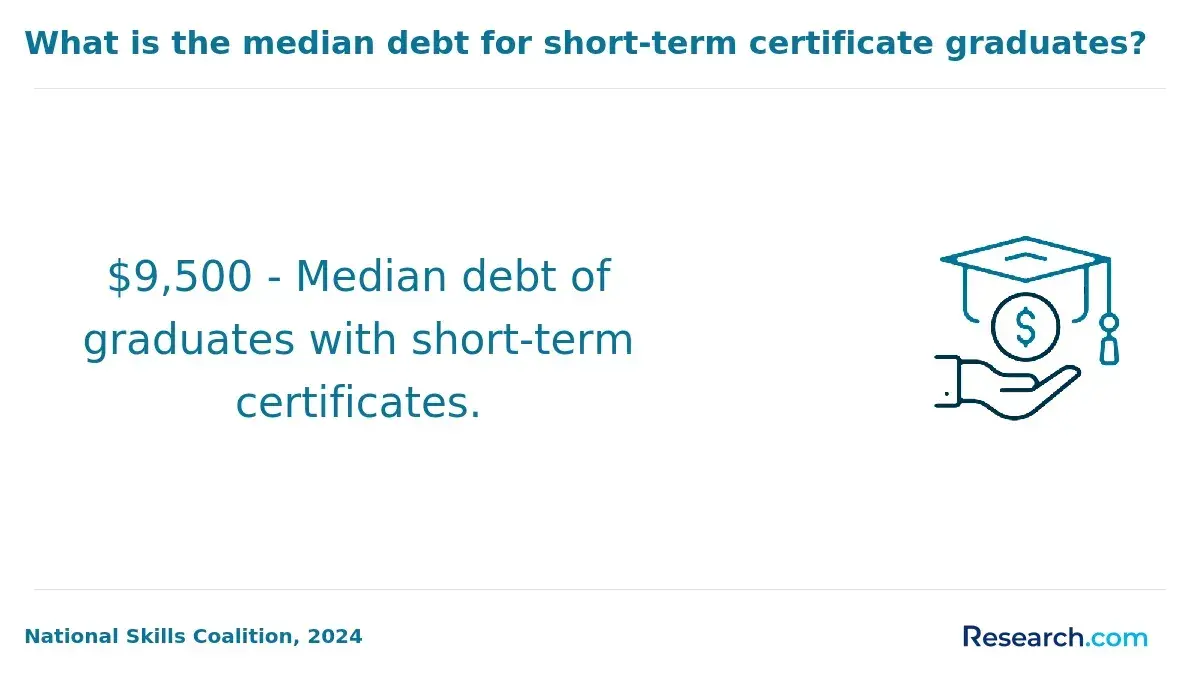
Consequently, many students encounter prolonged repayment timelines and heightened stress, frequently resorting to income-driven repayment plans or loan forgiveness programs to manage their obligations. These financing pressures influence decisions on program selection and perceived degree value, prompting some to evaluate alternative pathways, such as short certificate programs that pay well, to mitigate mounting debt risks. Overall, the accelerating cost of interdisciplinary studies education necessitates a careful appraisal of return on investment, particularly given the debt servicing challenges that may delay wealth accumulation milestones like homeownership or retirement saving.
Do Higher-Cost Interdisciplinary Studies Programs Deliver Better Career Outcomes or Earnings?
Higher-cost interdisciplinary studies programs do not inherently guarantee better career outcomes or higher earnings. Research from the U.S. Department of Education's National Center for Education Statistics highlights that tuition premiums in these programs often lack a consistent correlation with starting salaries or employment rates. Graduates from more affordable, especially public, institutions frequently achieve comparable labor market performance. This complexity underscores that program cost alone is not a sufficient predictor of career success, particularly within interdisciplinary studies, where breadth of knowledge is emphasized over specialized technical depth.
Key factors influencing career outcomes beyond program price include institutional reputation within targeted employment sectors, the availability of internships and experiential learning, depth of specialization options, and regional industry connections. Strong employer partnerships and active alumni networks often translate into more robust career pipelines, which can have a greater impact on earning potential than tuition costs. Data from the National Association of Colleges and Employers in early 2024 confirms that starting salaries for interdisciplinary studies graduates typically align with median incomes in liberal arts fields, showing wide variability that depends more on these qualitative elements than on program expense.
Prospective students evaluating return on investment for higher-cost interdisciplinary studies degrees should prioritize tangible benefits such as faculty quality, employability networks, and experiential opportunities over sticker price. Balancing tuition inflation against measurable career outcomes is critical, especially as labor market demands evolve. For those exploring related disciplines, resources addressing whether is library science a good career may offer additional context on how interdisciplinary education pathways translate into real-world opportunities.
What Do Current Tuition Trends Suggest About the Future Cost of a Interdisciplinary Studies Degree?
Current tuition trends suggest that the cost of an interdisciplinary studies degree will continue to rise at a rate aligned with or slightly above general college inflation. Data from the National Center for Education Statistics in 2024 indicate that tuition and fees at public four-year institutions increased by 3.5% over the prior year when adjusted for inflation, reflecting a persistent upward trajectory. Historical tuition growth, combined with persistent inflationary pressures, implies that students pursuing interdisciplinary studies can anticipate gradual but steady cost increases over time rather than abrupt spikes or stabilization.
Several key drivers shape this projected tuition trajectory. Funding constraints in public higher education are pushing institutions to offset budget gaps by raising student costs. Meanwhile, growing employer demand for transdisciplinary skills encourages universities to enhance program complexity and expand offerings, which can increase program expenses. The rise of online and hybrid delivery models requires significant institutional investment in technology and student services, potentially adding to overall program costs. These factors, combined with scaling enrollment in interdisciplinary studies, create a nuanced balance between accessibility and quality that will influence future pricing.
Prospective students should be aware that rising tuition may increase reliance on borrowing, particularly impacting adult learners balancing education with other financial responsibilities. This dynamic might influence enrollment patterns, encouraging choices such as part-time or online study to mitigate costs. Understanding the interplay of institutional funding models, labor market demand, and delivery innovations helps interpret tuition trends more reliably than generic forecasts. Evaluating this context is essential for making informed decisions about the long-term affordability and value of an interdisciplinary studies degree.
References
- The Effects of Rising Student Costs in Higher Education - Ithaka S+R https://sr.ithaka.org/publications/the-effects-of-rising-student-costs-in-higher-education/
- Average Cost of College [2025]: Yearly Tuition + Expenses https://educationdata.org/average-cost-of-college
- Which Factors Affect Student Fees? https://robertkelchen.com/2016/06/14/which-factors-affect-student-fees/
- Interdisciplinary trends in higher education - Humanities and Social Sciences Communications https://www.nature.com/articles/palcomms20151
- Is college becoming less affordable? An update | Brookings https://www.brookings.edu/articles/is-college-becoming-less-affordable-an-update/
- Alma Career – A better world of work for everyone https://www.almacareer.com/blog/how-does-a-university-degree-influence-pay
- Tracking College Tuition Growth https://www.richmondfed.org/publications/research/economic_brief/2024/eb_24-23
- College of Europe in Natolin | Advanced Master of Arts in European Interdisciplinary Studies https://coleuropenatolin.eu/
- The rise of interdisciplinary degrees - QS GEN https://qs-gen.com/the-rise-of-interdisciplinary-degrees/
- Inflation Has Yet to Affect Tuition, but Students Still Feel the Rising Costs | Insight Into Academia https://insightintoacademia.com/inflation-has-yet-to-affect-tuition-but-students-still-feel-the-pain-of-rising-costs/
Other Things You Should Know About Interdisciplinary Studies
As interdisciplinary studies programs often offer customizable curricula that span multiple fields, rising tuition can significantly affect the overall value proposition. Students should prioritize programs that maintain academic flexibility without excessive cost increases, as steep tuition hikes may not correspond to greater curricular freedom or support. Evaluating whether higher costs translate into meaningful cross-disciplinary advising or enriched learning experiences is key to making a practical investment.
Rapid tuition inflation can strain program resources or prompt schools to cut support services essential for integrating diverse disciplines effectively. This can weaken the cohesion of learning outcomes, which employers increasingly value for interdisciplinary graduates. Prospective students should consider whether escalating costs undermine program structures that foster applied skills and real-world problem-solving, which are critical for workforce competitiveness.
Lower tuition programs may limit access to internships, networking, or faculty mentorship that are vital for demonstrating interdisciplinary competencies to employers. Although cost savings are attractive, students must assess whether reduced program investment compromises career-relevant experiences. Prioritizing moderate-cost programs with established employer ties often yields better long-term professional opportunities despite higher tuition.
The 2027 Interdisciplinary Studies Tuition Inflation Report indicates that program costs have risen by approximately 4.7% compared to the previous year. Increased tuition costs are primarily driven by expanded program offerings and enhanced facilities. These factors contribute to a more comprehensive, though pricier, education experience.