2027 Interdisciplinary Studies Degree Oversupply or Undersupply? Student Volume vs Employer Demand

Co-Founder and Chief Data Scientist
A recent graduate with an interdisciplinary studies degree faces a crucial dilemma: do local job openings reflect the growing number of graduates, or is the market saturated beyond absorption? In 2024, the National Center for Education Statistics reported a 12% increase in interdisciplinary studies bachelor's degrees conferred, while the Bureau of Labor Statistics projects only modest job growth in related fields.
This article examines student enrollment trends against employer demand, job growth projections, industry requirements, regional hiring conditions, and skill gaps to determine the sustainability and competitiveness of interdisciplinary studies graduates in today's workforce.
Key Things to Know About Interdisciplinary Studies Graduate Supply and Employer Demand
- Graduate output in interdisciplinary studies grew 12% nationwide since 2022, outpacing related job openings by 7%, signaling a geographic and specialization mismatch that heightens regional competition for limited roles.
- Employers report a 35% skills gap in candidates from interdisciplinary programs, reflecting demand for clearer specialization despite degree breadth; this narrows opportunities in sectors valuing focused technical credentials.
- The field's flexible curriculum delays time-to-employment by an average of six months, increasing costs for students and emphasizing the necessity to align concentration choices with current labor market signals.
- Key Things to Know About Interdisciplinary Studies Graduate Supply and Employer Demand Key Things to Know About Interdisciplinary Studies Graduate Supply and Employer Demand
- Is There an Oversupply or Undersupply of Interdisciplinary Studies Graduates? Graduate Oversupply or Shortage
- How is Interdisciplinary Studies Degree Enrollment Changing? Degree Enrollment Trends
- How Many Interdisciplinary Studies Graduates Enter the Workforce Each Year? Annual Graduate Workforce Entry
- Does Job Growth Support the Rising Supply of Interdisciplinary Studies Graduates? Job Growth Versus Supply
- How Competitive is the Entry-Level Market for Interdisciplinary Studies Graduates? Entry-Level Market Competition
- Which Industries Have the Greatest Demand for Interdisciplinary Studies Graduates? Top Hiring Industries
- Where are Interdisciplinary Studies Graduates Most in Demand? Top Geographic Demand
- Which Interdisciplinary Studies Specializations and Degree Levels Face the Strongest Demand? Which Interdisciplinary Studies Specializations and Degree Levels Face the Strongest Demand?
- Are Employer Skill Gaps Affecting Demand for Interdisciplinary Studies Graduates? Are Employer Skill Gaps Affecting Demand for Interdisciplinary Studies Graduates?
- What is the Future Supply-and-Demand Outlook for Interdisciplinary Studies Graduates? Future Supply-Demand Outlook
Is There an Oversupply or Undersupply of Interdisciplinary Studies Graduates?
Current labor market data illustrates a nuanced balance between student volume and employer demand for interdisciplinary studies graduates, rather than a simple oversupply or undersupply.
While national-level reports from the U.S. Department of Education and Bureau of Labor Statistics suggest that bachelor's degree completions roughly align with job openings requiring interdisciplinary skill sets, this equilibrium shifts when considering master's and doctoral levels, where openings lag behind graduate numbers, indicating localized oversupply.
For example, graduates entering saturated urban markets often face competition intensified by multiple degree holders vying for limited roles, particularly where employer preferences lean toward candidates with targeted experience or specialized credentials beyond a broad interdisciplinary title.
Regional hiring trends for interdisciplinary studies degree holders highlight significant geographic disparities, reflecting the variability in industry growth and specialization demands. Innovation hubs such as California and Massachusetts absorb more graduates due to dynamic economies valuing cross-disciplinary problem-solving, whereas rural or manufacturing-focused areas exhibit weaker demand, creating pockets of surplus talent.
Employers frequently prioritize real-world applied skills, professional competencies, and internships over generic degrees, which can skew perceptions of oversupply by filtering out those without relevant practical experience.
Prospective students aiming for advanced degrees should also weigh whether pursuing a cheap doctorate degree online offers sufficient alignment with market demand or risks exacerbating credential mismatch without clear labor-market advantage.
How is Interdisciplinary Studies Degree Enrollment Changing?
Enrollment trends in interdisciplinary studies degrees exhibit a complex balance rather than clear growth or decline, influencing graduate competition and employer alignment differently across degree levels. Recent data from the National Center for Education Statistics show that undergraduate enrollment remains largely stable with modest growth in online and hybrid formats, reflecting greater demand for flexible learning among non-traditional students.
However, a slight increase in bachelor's completions contrasts with stagnation or decline in associate and graduate credentials, signaling a potential bottleneck in producing advanced-level candidates with deep cross-disciplinary expertise.
This uneven distribution could lead to a steady supply of broadly trained undergraduates but limit availability of specialized professionals for employers seeking advanced interdisciplinary skills in competitive labor markets, particularly in regions where localized demand diverges from national trends.
The expansion of online program options and demographic shifts toward younger, more diverse student populations reshape how interdisciplinary studies degrees contribute to workforce readiness. Yet, interpreting enrollment data demands caution: rising undergraduate numbers do not inherently indicate oversupply if higher-level graduates remain scarce, and vice versa.
Overestimating local job opportunities based on aggregated national growth risks mismatches for graduates in areas with less robust employer demand, while underappreciating slower master's enrollment may overlook gaps in preparing candidates for leadership or technical roles requiring specialized interdisciplinary knowledge.
Practical decision-making must weigh these patterns alongside economic and institutional factors that influence student progression, credential pursuit, and skill acquisition within evolving workforce needs.
A current interdisciplinary studies student described noticing larger cohorts in several introductory courses over recent semesters, largely fueled by new online sections aimed at accommodating working adults. Yet, they also witnessed fewer peers advancing to graduate coursework, with program advisors noting ongoing curriculum adjustments to better integrate professional certificates demanded by employers.
The student expressed mixed feelings: while the growing class sizes suggested stronger program popularity, there was uncertainty whether this translated to enhanced career prospects or simply reflected heightened competition among graduates.
This nuanced experience highlights the critical need to evaluate enrollment changes beyond raw numbers, focusing on how they translate into meaningful employment pathways within complex, shifting labor markets.
How Many Interdisciplinary Studies Graduates Enter the Workforce Each Year?
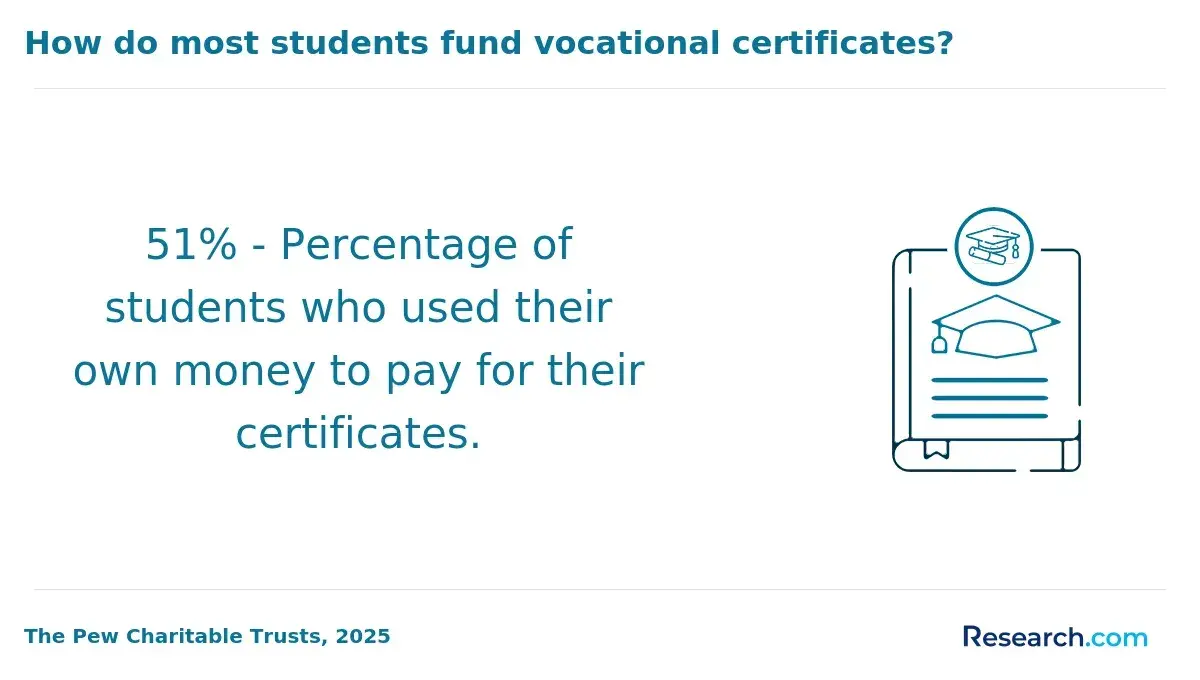
Annual graduate numbers alone do not provide a reliable indicator of whether interdisciplinary studies faces oversupply or undersupply in the labor market. National datasets from the National Center for Education Statistics and Integrated Postsecondary Education Data System track about 20,000 to 25,000 interdisciplinary studies degrees awarded each year, primarily at the bachelor's level, yet this volume must be contextualized.
Many graduates pursue advanced education or enter diverse fields unrelated to their degrees, making direct competition for specialized roles less straightforward than raw totals suggest. Additionally, regional labor demand varies considerably, and employers often seek candidates with specific technical skills or credentials that interdisciplinary programs typically do not standardize.
Workforce data reveal that only around 40-50% of these graduates find employment in positions explicitly aligned with their interdisciplinary backgrounds, underscoring the disconnect between degree outputs and direct job placement. This gap stresses the importance of differentiating graduates by timing of entry and career trajectories, where some use their degrees as foundations for further specialization rather than immediate workforce integration.
Regional hiring patterns and employer expectations for clearly defined competencies further fragment this market, complicating supply-demand assessments and demonstrating that volume alone cannot predict hiring success or labor shortages.
Misinterpreting the relationship between graduate supply and employer demand risks underestimating the competitive nature of interdisciplinary studies careers, where practical experience and additional qualifications weigh heavily. While the field's growth reflects broad academic appeal, employers' preference for certifiable skills and narrowly focused expertise limits straightforward absorption of new graduates into related roles.
Thus, prospective students and advisors should weigh both the scale of degree conferrals and the nuanced realities of labor market fit, rather than relying solely on total graduate numbers as a signal of career opportunity.
Does Job Growth Support the Rising Supply of Interdisciplinary Studies Graduates?
The supply of interdisciplinary studies graduates has surged in recent years, but employer demand has not scaled equivalently, creating a challenging labor market for many entrants. Even with projected job growth around 5-7% in related fields over the next decade, the number of new positions often falls short of absorbing the increasing graduate volume, especially when openings prioritize candidates with specialized credentials or relevant experience.
For example, a recent graduate focusing broadly on interdisciplinary studies might find themselves competing against specialists or those with certifications, increasing the risk of underemployment or delayed entry into preferred roles.
Replacement demand caused by retirements does add some job availability, but competition remains intense, particularly in urban centers where the candidate pool is larger. Geographic mobility and targeted skill development become critical for improving employability since many interdisciplinary jobs require niche expertise or additional qualifications beyond a generalist degree.
Those weighing education options should assess programs carefully-a more narrowly focused degree or a combined credential could align better with market realities than a general interdisciplinary approach.
Research confirms a national graduate increase of over 10% since 2020, highlighting a need for strategic positioning rather than reliance on broad interdisciplinary studies appeal alone. Prospective students might also explore the cheapest engineering degree online as an alternative path with clearer workforce demand signals.
How Competitive is the Entry-Level Market for Interdisciplinary Studies Graduates?
Entry-level positions for interdisciplinary studies graduates in 2024 face pronounced competition stemming from a combination of oversupply, limited targeted job growth, and employer demand for specialized competencies. Labor data highlight that although many candidates hold broad-based interdisciplinary degrees, most entry-level roles require clear technical skills or certifications, which are not always central to these programs.
Approximately 60% of bachelor's-level job postings specify at least one technical qualification, underscoring the skill mismatch that complicates graduates' job searches.
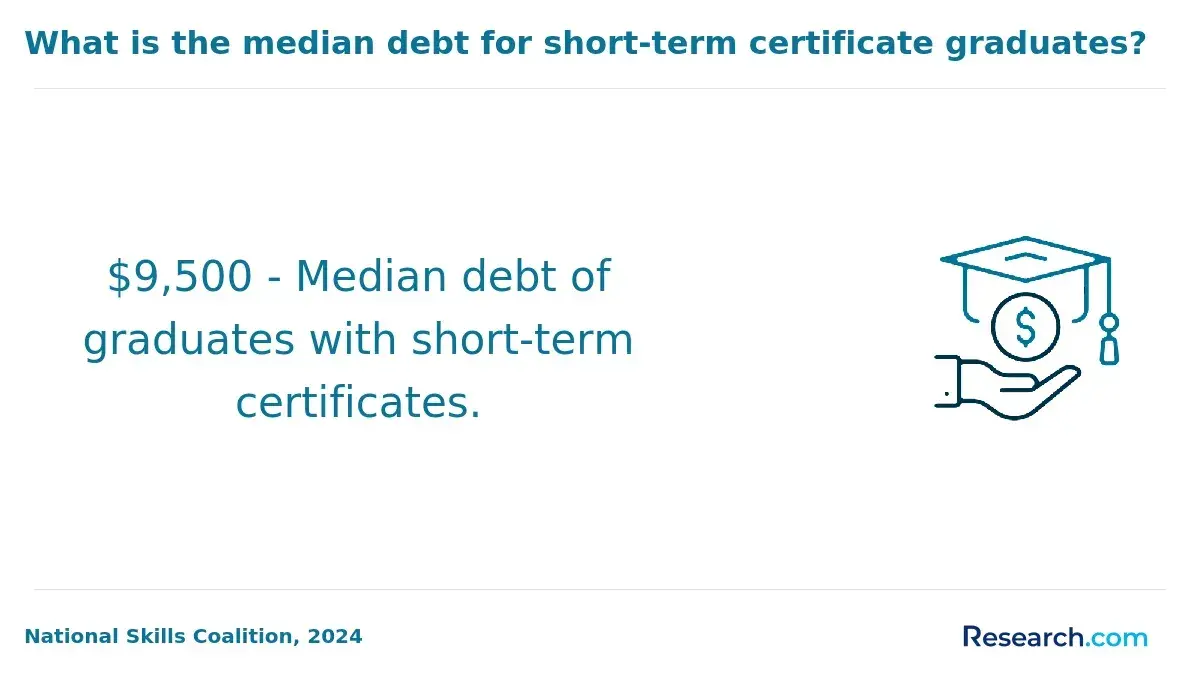
The ambiguity in career pathways results in graduates competing heavily against peers with more narrowly focused degrees for roles in project management, communications, and policy sectors. This dynamic produces longer average search durations and a higher underemployment rate of roughly 18% within the first year post-graduation, compared to 13% for all fields combined.
Key factors shaping the entry-level competition include:
- Applicant Volume: The number of interdisciplinary studies graduates entering the market often exceeds entry-level openings, increasing candidate competition especially in popular metropolitan areas.
- Experience Requirements: Many postings prioritize internships or related practical experience, making purely academic credentials insufficient for hiring decisions.
- Industry Demand Variation: Demand fluctuates by sector, with some industries like healthcare or tech valuing interdisciplinary skills more than others, influencing employment chances.
- Geographic Concentration: Availability of roles varies widely by region; graduates in smaller cities may face fewer opportunities, prompting some to relocate or target remote positions.
- Skill Specialization: Graduates who acquire certifications or technical skills aligned with market needs improve their prospects compared to generalist peers.
- Remote Work Competition: The rise of remote hiring broadens the applicant pool nationally, increasing competition beyond local markets.
One recent graduate spent nearly nine months applying to a mix of communications and policy jobs in a mid-sized city, repeatedly encountering listings demanding experience with data analysis software or digital marketing certifications.
Despite holding a solid interdisciplinary studies degree, the applicant found lower-tier roles more accessible than the targeted positions, leading to a cautious decision to pursue supplemental online courses and explore openings in less saturated neighboring regions. The prolonged search fostered uncertainty but also reinforced the importance of aligning skill sets with employer expectations amid a crowded applicant field.
Which Industries Have the Greatest Demand for Interdisciplinary Studies Graduates?
Demand for interdisciplinary studies graduates is concentrated in sectors valuing flexible problem-solving, broad knowledge integration, and soft skills bridging multiple disciplines. Employer preference generally favors candidates who demonstrate adaptability rather than narrow specialization, creating uneven hiring patterns that reflect industry structure and workforce needs.
For instance, a graduate comparing job availability should note that health and social services offer substantial volume but require combining behavioral, social, and administrative skills, while business services demand strong analytic and communication abilities to manage diverse stakeholder interests amid competitive hiring. Assessing how these factors impact advancement potential and competition across sectors is crucial for practical career planning.
Industries with the strongest interdisciplinary studies degree demand include:
- Healthcare And Social Assistance: This sector's sustained growth is driven by the need for professionals who integrate social, behavioral, and management expertise. Entry roles such as program coordinators or outreach specialists are common, with advancement into health services administration requiring experience or certifications that complement broad academic backgrounds.
- Education And Administration: Opportunities arise in curriculum development, policy analysis, and support roles where synthesizing cross-field knowledge benefits adaptive, inclusive environments. Demand varies regionally, often linked to education reform and diversity efforts.
- Business Services: Fields like consulting, marketing, and human resources prize graduates able to navigate complex organizational dynamics and analyze trends beyond traditional disciplinary confines. Career progression may depend on demonstrated strategic thinking and communication skills.
- Nonprofit And Community Organizations: These employers look for interdisciplinarity to manage programs blending social impact, fundraising, and stakeholder engagement. Competency in multi-sector collaboration and policy understanding is key.
- Government And Public Policy: Roles in administrative support or policy analysis benefit from integrative perspectives. Hiring typically prioritizes candidates with proven analytic capabilities and relevant experience within bureaucratic environments.
- Selective STEM Roles: Although traditionally less oriented to interdisciplinary grads, certain technical fields show demand when combined with targeted credentials or experience, especially in project management or tech policy.
Prospective applicants should weigh these industries' job volumes, competition levels, and skill requirements against their own backgrounds and career goals. Those interested in business applications might explore an accelerated business administration degree online to supplement their interdisciplinary foundation and enhance competitiveness.
Understanding interdisciplinary studies graduate demand by industry allows candidates and educators to calibrate expectations realistically and identify sectors where graduates have the strongest prospects.
Top industries hiring interdisciplinary studies degree holders show distinct patterns driven by cross-domain skill needs, workforce trends, and evolving employer expectations.
Where are Interdisciplinary Studies Graduates Most in Demand?
National demand figures for interdisciplinary studies graduates often mask significant regional disparities influenced by local industry ecosystems and employer concentration. High job volumes in metropolitan hubs like Washington D.C. or Boston might attract many applicants, but fierce competition and elevated living costs can erode the practical advantage of these markets.
For example, a graduate targeting public policy roles in D.C. faces thousands of contenders despite thousands of postings, potentially making relocation less viable without complementary skills or relevant experience. In contrast, emerging regional areas such as parts of Texas or North Carolina may offer fewer openings but lower competition and better alignment with regional employers emphasizing applied competencies in government, nonprofits, or regional healthcare systems.
The geographic spread of employers shows that states with strong public sector employment-Virginia, Maryland, and California-demand graduates able to navigate cross-disciplinary challenges, especially in consulting and policy roles. However, these markets typically favor candidates who supplement their degree with practical proficiencies like data literacy or project management to offset the degree's inherently broad focus.
Regions with less saturated labor pools may better reward graduates who customize their skills to local employer needs, even if pure job volume appears modest. Remote work partially mitigates location constraints but does not erase employer preferences for applied specialization or regional knowledge, particularly in public and nonprofit sectors where on-the-ground familiarity counts.
Ultimately, prospective interdisciplinary studies graduates must weigh the tradeoff between headline labor market size and competitiveness, cost of living, and job fit. Graduates concentrating solely on high-demand metro areas without targeted skills often confront oversupply, whereas those strategically placing themselves in smaller, developing regions or combining their broad education with certifiable expertise tend to see increased employability.
The 2024 LinkedIn Economic Graph highlights steady growth in hybrid roles that reward versatility paired with applied credentials, underscoring that geographic and professional nuance critically shapes true opportunity beyond raw job posting numbers.
Which Interdisciplinary Studies Specializations and Degree Levels Face the Strongest Demand?
Employer demand for interdisciplinary studies graduates is concentrated in specific degree levels and specializations rather than evenly spread across the field. Labor market data from sources such as the U.S. Bureau of Labor Statistics and LinkedIn Workforce Insights reveal that graduates who integrate technical and contextual knowledge tend to attract more employer interest.
For example, a bachelor's graduate with a focus on data analytics combined with social sciences may find far better job prospects than one holding a broadly defined humanities-centric interdisciplinary degree. Similarly, master's level graduates specializing in areas like public health or sustainability see stronger alignment with employer needs than those from unstructured generalist programs.
These patterns reflect employer preferences for candidates able to navigate complex, evolving roles requiring both discipline-specific expertise and adaptive problem-solving skills.
Consider two recent graduates: one with a bachelor's in interdisciplinary studies emphasizing computer science and business analytics may receive multiple offers in tech-driven sectors, while another with a general bachelor's degree in non-technical interdisciplinary studies could face heightened competition for fewer role openings.
Key demand areas include:
- Applied Data Integration: Employers seek graduates who combine analytics with domain-specific knowledge, especially in supply chain and digital marketing roles requiring quantitative and strategic thinking.
- Environmental and Sustainability Management: Master's candidates focusing on sustainability principles and policy navigate growing demand from public sectors and private firms addressing regulatory and ESG goals.
- Health Informatics and Public Health Policy: Advanced degrees in this area align with increasing hiring across healthcare systems and governmental agencies prioritizing data-driven health solutions.
- Cybersecurity and Technical Foundations: Bachelor-level specializations integrating computing fundamentals with interdisciplinary contexts serve expanding needs for security professionals in diverse industries.
- Complex Systems Modeling: Graduates trained in systems thinking at the master's level support organizations managing multifaceted operational challenges and technological integration.
- Cross-sector Strategic Problem Solving: Employers value master's graduates adept at bridging technical, cultural, and policy domains, particularly in roles demanding agility and long-term planning.
- Non-specialized Generalist Degrees: These often experience oversupply and limited openings as employers prioritize candidates with clearly defined skill intersections and market-relevant expertise.
Are Employer Skill Gaps Affecting Demand for Interdisciplinary Studies Graduates?
Reports of skill gaps among employers do not necessarily indicate a shortage of interdisciplinary studies graduates but rather reveal a deficit in candidates who meet specific technical, professional, and industry requirements. For example, entry-level hiring managers often bypass broad interdisciplinary degrees unless candidates demonstrate applied experience, digital tools proficiency, or certifications that align with the job's technical demands.
This distinction creates a scenario where roles remain unfilled despite a sizeable graduate pool, as hiring competition favors candidates with sharper specialization or directly relevant credentials, especially in regions where employer demand for interdisciplinary studies graduates by region varies with industry concentration.
Differentiating between true graduate shortages and skill mismatches is crucial for prospective students and current degree holders assessing their employment prospects. Those pursuing interdisciplinary studies must strategically supplement their education with internships, targeted projects, or credentials that clarify their domain expertise and familiarity with relevant industry regulations or technologies.
Such deliberate alignment reduces the risk of falling into oversupply patterns mistaken for labor market saturation. This nuanced understanding is essential when comparing graduate volume against actual employer demand and reinforces the value of making intentional choices, such as selecting one of the fastest online masters pathways that emphasize applied skills and market relevance.
What is the Future Supply-and-Demand Outlook for Interdisciplinary Studies Graduates?
Targeted job searches focused on clearly identified roles and industries consistently outperform broad, high-volume application strategies for interdisciplinary studies graduates. For example, a recent graduate concentrating applications on entry-level project management or policy analysis roles within regions showing stronger demand improves the chance of receiving interviews compared to applying indiscriminately.
Tailoring resumes to reflect employer language, emphasizing relevant skills gained through internships or concrete projects, and prioritizing areas where the graduate's competencies align tightly with job descriptions reduces wasted effort and mitigates the oversupply issues reported in many metropolitan areas.
Understanding the regional employment outlook for interdisciplinary studies degree holders allows graduates to prioritize opportunities in emerging sectors like sustainability or digital humanities, where demand is increasing and competition may be less intense.
The future labor market demand for interdisciplinary studies graduates remains uneven across locations and sectors, with many employers valuing demonstrated skills and prior experience over broad degree titles. Graduates who invest time in market research, build evidence of job readiness, and apply selectively often convert a higher share of applications into interviews, even though no single strategy guarantees employment.
Conversely, graduates who neglect these aspects risk prolonged job searching and may face oversupply challenges particularly in regions lacking industry growth.
Navigating these complexities responsibly includes leveraging informative resources such as how much does it cost to get a criminal justice degree to understand cost-benefit tradeoffs of complementary credentials or specialized study, enhancing alignment with employer expectations and practical workforce demands.
References
- On the Growth and Value of Interdisciplinary Studies - Academic Briefing | Higher Ed Administrative Leadership https://www.academicbriefing.com/scholarship/curriculum/on-the-growth-and-value-of-interdisciplinary-studies/
- Top Degrees in Demand for the Future: 2026 & Beyond https://skillifysolutions.com/blogs/career-growth/top-degrees-in-demand-for-the-future/
- How to capitalize on the rising demand for graduate-level interdisciplinary degrees | EAB https://eab.com/resources/blog/adult-education-blog/rising-demand-graduate-interdisciplinary-degrees/
- Bridging the Skills Gap: Examining Factors Influencing Graduate Employability in Bangladesh https://ejceel.com/index.php/journal/article/view/183
- The rise of interdisciplinary degrees - QS GEN https://qs-gen.com/the-rise-of-interdisciplinary-degrees/
- Bridging the gap in employability: how universities and employers view interdisciplinary skills https://www.emerging.fr/post/bridging-the-gap-in-employability-how-universities-and-employers-view-interdisciplinary-skills
- Interdisciplinary Studies - what can i do | Study https://www.uottawa.ca/study/career-experiential-learning/career-development/what-can-i-do-with-my-studies/interdisciplinary-studies
Other Things You Should Know About Interdisciplinary Studies
The broad, customizable nature of interdisciplinary studies degrees can both help and hinder employability. Graduates often emerge with diverse skill sets tailored to their interests, but this variability can confuse employers who seek specific competencies. Students should prioritize programs with clear, outcome-focused concentrations aligned to market demands rather than overly generic curricula, as targeted skills combined with interdisciplinarity tend to improve career prospects.
Interdisciplinary studies often require managing multiple disciplines simultaneously, increasing the complexity and workload compared to single-discipline degrees. This breadth means less time for in-depth mastery of any one field, which can weaken technical expertise sought by some employers. Prospective students must weigh whether they prefer versatility and adaptability or deeper specialization, as this decision directly impacts job market competitiveness in roles requiring specialized knowledge.
Because employer recognition of interdisciplinary studies degrees varies widely, graduates need to strategically highlight applicable skills and relevant projects rather than relying on the degree title alone. Emphasizing concrete experiences, cross-functional problem solving, and specific competencies aligned with employer needs helps reduce skepticism about the program's rigor. Tailoring resumes and interviews toward the job's demands is essential for bridging gaps in employer expectations and degree ambiguity.
Yes, prioritizing programs that integrate internships, co-ops, or direct industry engagement significantly enhances employment outcomes for interdisciplinary studies graduates. These practical experiences provide tangible proof of applied skills and professional readiness, which are often invaluable in overcoming doubts about the degree's abstract nature. Students who emphasize experiential learning typically enter the workforce with stronger networks and clearer career direction, improving alignment between their education and real-world demands.