2027 Illustration Job Market Report: Open Roles, Salary Bands, and Hiring Momentum

Co-Founder and Chief Data Scientist
The illustration labor market reflects a pronounced shift driven by technological integration and evolving employer demands. As automation and AI tools reshape production workflows, hiring patterns now foreground adaptive skill sets rather than traditional expertise alone. Open roles and salary bands reveal more than compensation—they signal where employers prioritize creativity in digital versus analog methodologies amidst fluctuating industry investment. Hiring momentum illustrates adjustments related to emerging credential expectations and geographic talent pools. Workforce demographics further influence these dynamics, highlighting how generational shifts and educational access shape professional readiness.
This report examines these indicators to illuminate how illustration's employment landscape diverges from adjacent creative fields and to contextualize recent growth and contraction patterns.
Key Things to Know About the Illustration Job Market
- Open roles in illustration are increasingly project-based, limiting stable employment; this necessitates building diverse portfolios but challenges consistent income for early-career artists.
- A 2024 industry report shows median salary growth stagnation, reflecting employer prioritization of cost-effective freelance talent over permanent hires, affecting long-term career planning.
- Hiring momentum fluctuates with digital media trends, pressuring candidates to continually upskill; this creates barriers for those with limited time or funding to invest in ongoing education.
- Key Things to Know About the Illustration Job Market Key Things to Know About the Illustration Job Market
- How Strong Is the Demand for Illustration Graduates in Today's Job Market? Demand for Graduates
- Which Illustration Careers Have the Most Open Job Opportunities? In-Demand Careers
- What Salary Bands Are Employers Offering Across Illustration Careers? Offered Salary Bands
- Which Industries Are Hiring the Most Illustration Graduates? Top-Hiring Industries
- How Does Hiring Demand Vary by State, Region, and City? Hiring Demand by Location
- What Skills Are Employers Prioritizing in Illustration Job Postings? In-Demand Skills
- Which Certifications Increase Employability and Salary Potential? High-Value Certifications
- How Do Remote and Hybrid Opportunities Affect the Illustration Job Market? How Do Remote and Hybrid Opportunities Affect the Illustration Job Market?
- Which Illustration Careers Show the Strongest Long-Term Hiring Momentum? Strongest Careers
- How Can Students Use Job Market Data to Make Better Career Decisions? How Can Students Use Job Market Data to Make Better Career Decisions?
How Strong Is the Demand for Illustration Graduates in Today's Job Market?
The demand for illustration graduates in today's job market remains steady but limited in growth, aligning closely with overall employment trends for artists and related occupations as reported by the U.S. Bureau of Labor Statistics in 2024. This measured pace reflects a stable yet competitive environment where traditional sectors such as publishing, advertising, and design continue to offer opportunities. However, hiring momentum has become increasingly selective, with employers prioritizing candidates who demonstrate not only artistic talent but also adaptability and proficiency in digital tools. These trends highlight the nuanced picture of illustration graduate job market demand, where digital fluency and multimedia skills increasingly influence employability.
Technological advancements and shifting industry needs are the primary forces reshaping demand for illustration graduates. Roles that integrate illustration with UX/UI design, animation, or game art are expanding, driven by web and app development growth as well as branding initiatives that require hybrid artistic and technical expertise. Yet, niche areas like children's book illustration or concept art for entertainment, while offering meaningful prospects, often depend on freelance or contract work, adding volatility to job stability. Such patterns underscore the importance of diversified skill sets, continuous learning, and networking to navigate an evolving labor market shaped by automation and digital transformation.
For those evaluating job opportunities for illustration graduates, understanding these dynamics is critical. The landscape favors professionals who develop portfolios reflecting strong storytelling, technical execution, and responsiveness to industry feedback. Early-career illustrators should approach the field with realistic expectations about the blend of freelance and full-time options, along with the need for ongoing skill expansion. Aligning career preparation with these workforce realities, and considering broader employment data such as those found in research on the best college degrees for the future, will better position graduates to respond to shifting market demand over time.
Which Illustration Careers Have the Most Open Job Opportunities?
Job opportunity distribution within illustration careers is closely tied to broader labor market shifts driven by industry expansion, persistent skills shortages, and evolving employer expectations. Rather than isolated openings, these roles reflect sector-specific growth patterns and technological transformations reshaping demand for visual content creators. Economic factors like digital media proliferation and changing consumer engagement also influence which illustration positions see the most active hiring. Understanding these trends clarifies how illustration job openings by role and region vary with organizational needs and emerging applications.
- Concept Illustrators: Strong demand in entertainment sectors such as video games, animation, and film arises from sustained growth in production outputs. The Entertainment Software Association reports a 12% year-over-year increase in video game production jobs, directly expanding opportunities for concept artists who specialize in character design and world-building visuals. Employers prioritize adaptive creativity along with proficiency in digital tools, reflecting the sector's need for versatile artists who can work on both project-based contracts and permanent roles.
- Editorial and Book Illustrators: The digital publishing surge and self-publishing expansion maintain steady job openings for illustrators skilled in both traditional and digital media. These roles often attract freelance talent due to flexible arrangements, while publishers seek artists able to diversify how content is visually communicated. A premium is placed on illustrators who can strengthen narrative engagement across evolving online and print platforms, signaling a shift toward multifaceted visual storytelling competencies.
- Advertising Illustrators and Brand Identity Artists: As global advertising spending rebounds, there is accelerating demand for illustrators adept at packaging design and creating distinctive brand visuals. These roles blend creative expression with marketing insight, often offering higher salary bands compared to other illustration positions. The need for commercial savvy coupled with artistic skill reflects how agencies and companies prioritize illustration in strategic campaign development.
- AR/VR Illustration Specialists: Emerging as a forward-looking illustration subfield, roles focused on augmented reality (AR) and virtual reality (VR) content creation are expanding alongside technological adoption. Openings arise from industries experimenting with immersive experiences, requiring illustrators who can integrate 2D and 3D visuals within interactive environments. This sector demands specialized software competency and an understanding of user experience design principles.
- Technical and Software-Savvy Illustrators: Employers across industries consistently highlight the importance of versatility with industry-standard software like Adobe Creative Suite and Procreate. Illustration candidates who combine artistic talent with rapidly evolving technical skills tend to have access to wider opportunities, reflecting a marketplace that increasingly values adaptability amid shifting project requirements and tools.
The distribution of these roles highlights how illustration job openings by role and region correspond with sectoral growth and technological trends rather than static occupational demand. For those considering educational pathways, evaluating how program curricula develop both foundational artistry and digital proficiency can influence employability within this diverse, evolving field.
This nuanced perspective can inform decisions about training options, including those seeking affordable online EdD programs that emphasize applied digital competencies aligned with these market realities.
What Salary Bands Are Employers Offering Across Illustration Careers?
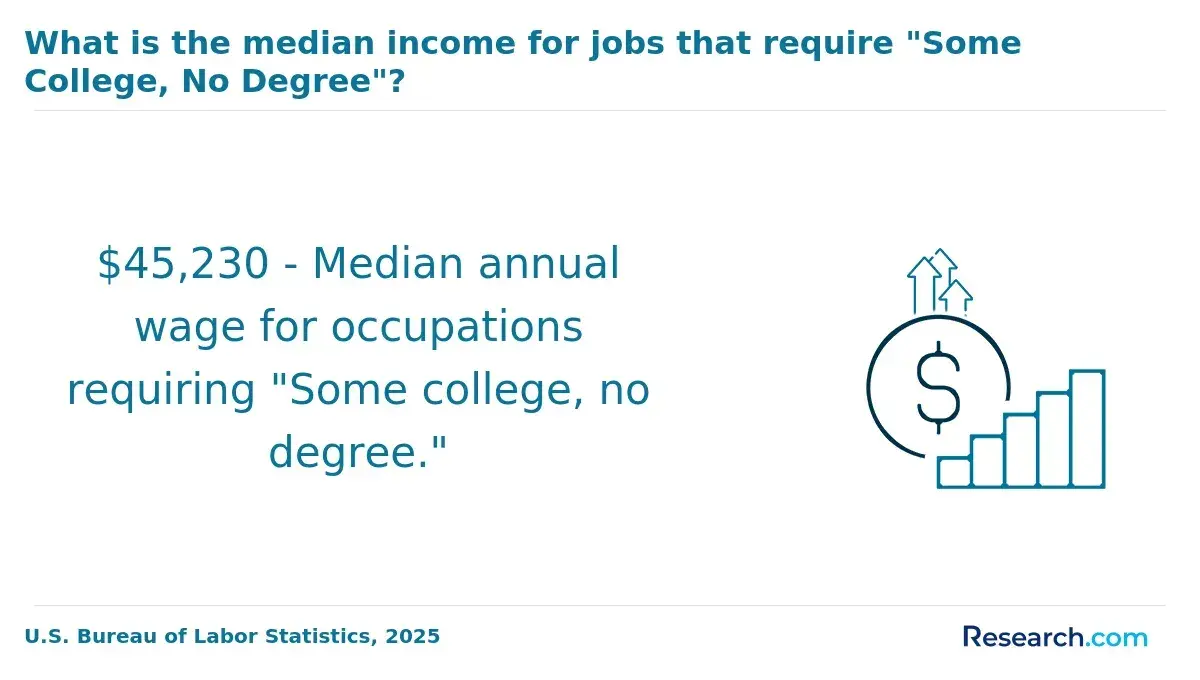
Salary ranges in illustration careers reflect clear stratification by experience, with entry-level professionals typically earning between $40,000 and $55,000, aligning with data from 2024 industry analyses such as LinkedIn Salary Insights. Mid-level illustrators, usually with three to seven years of experience, command between $55,000 and $85,000 as they take on more complex projects and showcase versatile digital skills. Senior illustrators and art directors, often exceeding seven years in the field, can see salaries from $85,000 up to $130,000 or more, especially in sectors like advertising, gaming, and entertainment where strategic and leadership capabilities are prized. These figures are consistent with U.S. Bureau of Labor Statistics reports and reflect how practical experience and refined skill sets increasingly drive compensation differentiation.
The variation in pay within illustration roles is heavily influenced by specialized abilities such as proficiency with Adobe Creative Suite, 3D modeling, or animation, which remain scarce and highly valued. Geographic location weighs significantly, with metropolitan areas offering higher wages to offset living costs, while freelance illustrators face wide income disparities linked to client type and project scope. Industry demand also shapes salary, with larger firms or entertainment hubs typically offering premium pay compared to smaller agencies or publishing roles. Ultimately, fluctuating market competition and technological fluency create a dynamic wage distribution that rewards adaptability and niche expertise more than tenure alone.
One illustration graduate recalled the challenging timing of applying through rolling admissions, noting that uncertainty about acceptance delays prolonged the decision-making process. Holding off on offers from freelance gigs to await a response from highly competitive studios introduced financial stress, yet strategic preparation in advancing digital skills during this waiting period allowed for better negotiation power later. This balance between waiting for ideal opportunities and managing immediate income needs underscored the practical tradeoffs many entering the field must navigate.
Which Industries Are Hiring the Most Illustration Graduates?
Demand for illustration graduates is currently focused on sectors undergoing digital innovation, market expansion, or persistent skill gaps related to visual storytelling and multimedia expertise. These industries rely on illustrators not only for artistic talent but also for abilities that bridge creative expression with evolving technology platforms. The hiring patterns reflect larger economic and technological movements that reshape how companies connect with consumers and differentiate their brands.
- Publishing and Digital Media: Despite shifts away from print, publishing continues to be a strong employer due to the growth of digital ebooks, interactive storytelling, and educational content. Employers prioritize illustrators who can integrate traditional techniques with digital tools, enabling the development of engaging multimedia experiences. According to the Bureau of Labor Statistics, over 30% of illustration graduates in recent cohorts find roles here, driven by the demand for content that blends narrative and visual design.
- Entertainment and Gaming: This sector's robust hiring is tied to the surge in video game development, animation, and streaming media content, where illustrators contribute to character creation, concept art, and immersive environments. The Interactive Media Association reports a 28% rise in hiring for illustration roles in 2024, emphasizing skills in digital art software, 3D modeling basics, and adaptive creativity as essential for success.
- Advertising and Marketing: Brands increasingly seek illustrators for social media assets, experiential campaigns, and branding efforts as companies compete for consumer attention in crowded digital spaces. The American Marketing Federation highlights that roughly a quarter of illustration graduates move into this industry annually. Key competencies include rapid ideation, brand alignment, and cross-platform visual communication.
- Fashion and Product Design: Illustrators in this domain support visualization of new concepts, aiding product development and trend forecasting. The demand centers on graduates with skills in both hand-rendered and digital illustration to communicate ideas effectively from prototype through production.
- Educational Technology and EdTech Startups: The rise of interactive and adaptive learning platforms fuels demand for illustrators capable of creating intuitive, learner-centered visuals and user interface elements. This area values versatility in digital illustration and an understanding of pedagogy to enhance educational content delivery.
How Does Hiring Demand Vary by State, Region, and City?
Hiring demand for illustration graduates shows significant variation across states and larger regions, largely driven by the concentration of creative and tech industries within those areas. States such as California, New York, and Texas stand out due to their established media, advertising, and design sectors, with labor market data indicating stronger openings fueled by firms headquartered in entertainment hubs like Hollywood and innovation centers like Silicon Valley. These states benefit not only from higher employer density but also from economic ecosystems that encourage cross-industry collaboration, boosting sustained demand for illustration skills.
Conversely, states with smaller or less diversified creative economies reflect slower growth in openings, mirroring a more constrained labor market where traditional industries dominate. This pattern exemplifies how the hiring demand for illustration jobs by region correlates closely with local industrial composition and economic specialization according to workforce analytics platforms.
At the city level, urban centers with robust tech, publishing, and media clusters—such as Los Angeles, San Francisco, New York City, and Austin—exert strong influence on illustration job availability, compensation, and competition among employers. These metropolitan areas benefit from established talent pipelines, supportive infrastructure, and relatively concentrated markets that attract a broad range of employers seeking digital and multimedia capabilities.
However, these advantages come with higher living costs, raising the threshold for sustainable employment despite competitive salary bands. Smaller or less economically diverse cities experience lower demand, often limiting opportunities to freelance or short-term contracts, which impacts career stability.
Understanding these tradeoffs is critical for early-career illustration professionals as they navigate the dynamics of top cities with illustration job openings and decide whether relocation aligns with their educational background and career objectives. Exploring specialized programs like AACSB online MBA programs may provide complementary skills valuable in navigating these complex labor markets.
What Skills Are Employers Prioritizing in Illustration Job Postings?
Employer preferences for illustration roles in 2024 reflect a landscape shaped by rapid technological innovation, automation pressures, and increasingly interdisciplinary project demands. Skill requirements are not static but evolve in response to how employers integrate digital and traditional techniques, pushing candidates to demonstrate adaptability across mediums.
These hiring trends highlight a shift toward illustrators who bring both technical fluency and conceptual sophistication, illustrating a broader industry expectation for professionals capable of bridging creative art with advanced digital workflows.
- Digital Illustration Software Proficiency: Mastery of core tools such as Adobe Illustrator and Photoshop remains indispensable, serving as foundational skills underpinning most industry roles. Growing emphasis on emerging platforms like Procreate and Figma signals employers' desire for candidates who can leverage cutting-edge software to streamline creative processes and collaborate in agile design environments.
- Foundational Drawing and Artistic Techniques: Despite digital advances, traditional drawing skills are critical, as they enable conceptual accuracy and authenticity in visuals. Employers value this blend because it underpins originality and facilitates translation of complex ideas into clear narratives, confirming that raw artistic ability remains relevant alongside technical competence.
- Cross-Media Adaptability: The capacity to work efficiently across print, web, and animation contexts illustrates versatility, which is increasingly vital as projects integrate multiple content formats. This multifaceted capability reflects market shifts towards multimedia storytelling and diverse content delivery platforms.
- Understanding of UI/UX Principles: Basic knowledge of user interface and user experience design reflects the growing intersection between illustration and product design. Employers prioritize this skill, as it enhances an illustrator's usefulness in collaborative workflows focused on digital user engagement and intuitive visual communication.
- Animation and Motion Graphics: Proficiency in creating animated or motion-based illustrations responds to rising demand for dynamic content in marketing, entertainment, and online platforms. This skill expands employability by adding a dimension of interactivity and enhancing narrative depth in projects.
- Color Theory and Composition Expertise: In-depth grasp of color use and layout principles remains a fundamental expectation, as these elements critically influence the visual impact and clarity of any illustration. Employers often link strong command of these areas to higher-quality outputs and more effective messaging.
- Collaboration and Communication Skills: Emphasized across postings, these skills reflect the cross-functional nature of illustration work in today's industries. Effective communication enables illustrators to interpret briefs accurately and integrate feedback, essential for iterative creative processes and meeting tight deadlines.
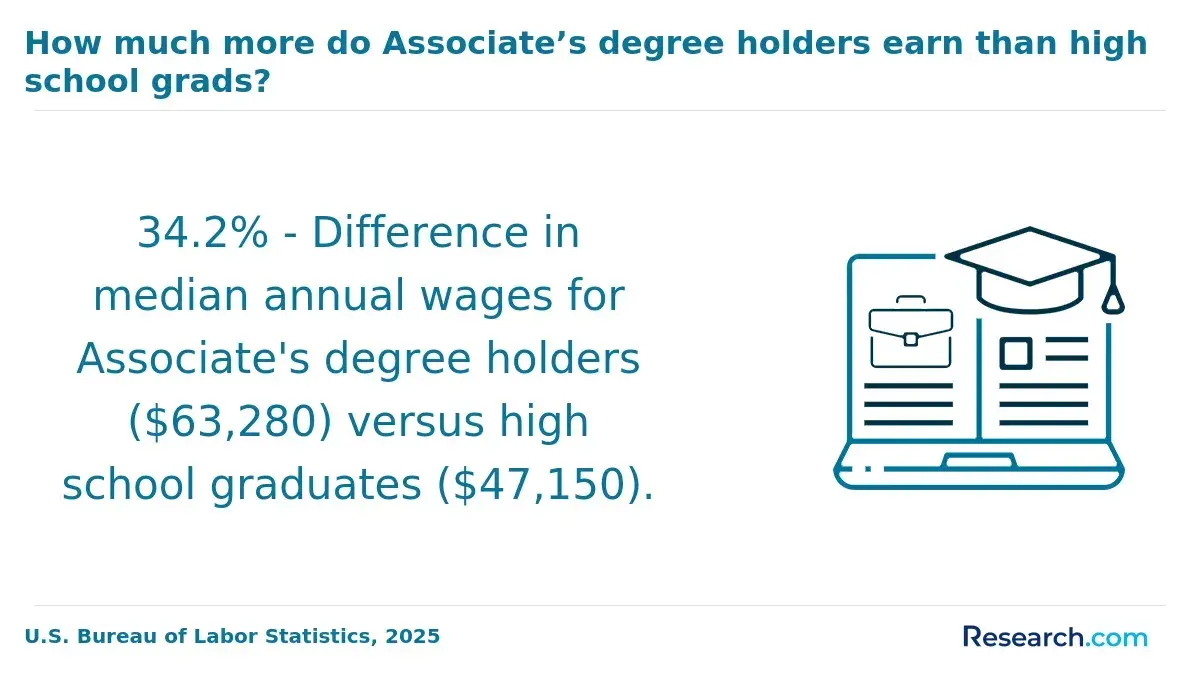
Data from the Bureau of Labor Statistics in 2024 indicates that nearly 78% of illustration job listings prioritize digital illustration skills combined with traditional artistic ability, underscoring the dual-competency model that defines contemporary employer expectations. Candidates who excel in both domains position themselves advantageously in a competitive market increasingly influenced by evolving technological tools and integrated media demands.
Which Certifications Increase Employability and Salary Potential?
Certifications in the illustration field function primarily as indicators of specialized expertise, technical capability, and readiness to meet industry challenges. Rather than standalone qualifications, these credentials complement formal education and portfolio work, enhancing a candidate's competitive position within a crowded labor market. Hiring managers often interpret certifications as evidence of up-to-date skills, particularly with evolving digital tools, and as a validation mechanism that reduces perceived hiring risk.
- Adobe Certified Expert (ACE) in Illustrator and Photoshop: Holding ACE certifications signals mastery of essential industry-standard software widely used for vector and raster graphics. Employers prioritize these credentials because they confirm a candidate's ability to produce high-quality deliverables efficiently, addressing a common skills gap in software fluency that impacts project timelines and client satisfaction.
- After Effects Certification: This credential reflects proficiency with animation and motion graphics, areas with growing demand in multimedia projects and branding campaigns. Candidates with this certification gain an advantage in studios seeking versatile illustrators who can integrate animation into storytelling, thereby widening their project scope and potential compensation.
- Storyboarding Specialization: Certification in visual storytelling and storyboarding demonstrates an illustrator's capacity for conceptual thinking and narrative structure, qualities that differentiate candidates in agencies or studios focused on content development. These credentials correlate with a higher likelihood of securing roles where narrative integrity is paramount, often translating into stronger negotiating power for salary.
- Certified Associate in Project Management (CAPM): While not illustration-specific, this certification holds value in freelance and collaborative environments by affirming project management skills. Employers see CAPM holders as better equipped to handle client communications and deadlines, positively influencing contract rates and long-term client relationships.
Data from the U.S. Bureau of Labor Statistics in 2024 estimates that possession of targeted certifications in illustration-related skills can improve employability by roughly 15% and increase median salary ranges by 10-12% over uncertified peers. However, certification alone is insufficient; it must align with demonstrable creativity and portfolio strength to impact hiring outcomes.
One recent graduate shared that while pursuing specialized certification in Adobe Illustrator and After Effects, she encountered delays in test scheduling that prolonged her application timeline amid rolling admissions. Uncertain whether to submit applications before completion, she balanced the risk of application incompleteness against hiring managers' preference for candidates with verified skills.
Ultimately, she prioritized finishing her certifications to reinforce her portfolio, an approach that proved effective in her job search but required careful timing and perseverance amid an unpredictable admissions and hiring cadence.
How Do Remote and Hybrid Opportunities Affect the Illustration Job Market?
Recent workforce analytics from 2024 reveal that remote and hybrid opportunities are markedly reshaping hiring trends in the illustration job market. Employers now increasingly source talent nationwide rather than concentrating on established creative hubs, reflecting a strategic expansion enabled by remote work capabilities. This broader sourcing intensifies competition for illustration roles but simultaneously provides greater access for candidates outside traditional metropolitan areas.
Hybrid roles, mixing in-studio collaboration with remote tasks, have also introduced nuanced scheduling complexities that impact workflow and team dynamics within illustration careers. These changes are evident in rising demand for professionals adept not only artistically but also in managing digital collaboration tools and self-directed projects, complementing core illustration skills. Such trends affect remote illustration job opportunities in the US by creating diverse pathways but also requiring readiness for hybrid work environments.
The shift toward more standardized salary bands for remote illustrators reflects employers' efforts to reduce geographic pay disparities, although salary growth remains modest amid cautious spending. As illustration careers become less tied to geography, employers expect higher digital communication proficiency and greater adaptability in collaboration, driving a notable adjustment in candidate skill profiles. These evolving expectations suggest a long-term labor market transformation where illustration talent is evaluated on both creative merit and remote work acumen.
For early-career illustrators and those planning educational routes, integrating remote work competencies alongside traditional techniques will be vital. Those exploring advanced study options might consider programs such as a master of finance online, which can complement artistic career paths by improving project budgeting and client management skills in increasingly complex work settings.
Which Illustration Careers Show the Strongest Long-Term Hiring Momentum?
Long-term hiring momentum in illustration careers reflects enduring structural shifts in industries rather than transient job market fluctuations. This momentum is fundamentally driven by economic transformation, technological advancement, and evolving employer demands that require deeper interdisciplinary skills. Understanding which illustration careers sustain strong hiring growth means examining the factors that make these roles indispensable in contexts such as healthcare, entertainment, and digital product development.
The U.S. Bureau of Labor Statistics projects a 9% growth rate for illustrators overall through 2032, but this is unevenly distributed, emphasizing the need to focus on roles aligned with expanding sectors and technological integration. Among roles with sustainable national growth, professionals who combine traditional artistic expertise with digital proficiency and specialized knowledge demonstrate the strongest long-term employability.
- Medical Illustration benefits from demographic trends like an aging population and advances in healthcare technology, requiring precise and clear visual communication for education, patient care, and scientific research. The complexity of medical content and regulatory requirements sustains demand for illustrators with specialized training, ensuring long-term stability despite a smaller, more niche labor pool.
- Concept Art for Video Games and Film remains robust due to the continuous global expansion of interactive entertainment and streaming content platforms. Employers seek portfolios that reveal versatility across digital media and strong narrative skills, underlining the role's significance in immersive storytelling, which is unlikely to diminish as these industries innovate.
- UX/UI Illustration integrates creativity with technical understanding of user experience design, making it essential for software and app development. This hybrid skill set addresses the growing emphasis on user-centric product design, reinforcing steady demand as companies invest in competitive digital interfaces that require both aesthetic appeal and functional clarity.
These roles exemplify how sustainable hiring momentum in illustration careers aligns with broader industry transformations and workforce demand sustainability, reflecting evolving technology and economic drivers rather than short-lived hiring surges. Early-career illustrators are advised to prioritize educational pathways emphasizing practical digital skill training alongside core artistic fundamentals to remain competitive in these evolving sectors. Prospective students may also consider complementary credentials such as a one year MBA to better navigate the business aspects of creative industries.
Which illustration careers show the strongest long-term hiring momentum in the United States remains a question of analyzing these structural factors that sustain workforce growth. The top illustration roles with sustainable job growth nationwide thus hinge on the intersection of specialized knowledge, technological adaptability, and cross-disciplinary collaboration.
How Can Students Use Job Market Data to Make Better Career Decisions?
Students can leverage job market data from 2024 sources such as labor reports, hiring platforms, and salary databases to identify current demand, compensation levels, and growth trajectories within the illustration field. These datasets reveal which sectors—like publishing, advertising, gaming, and digital media—are actively hiring, as well as highlight sought-after skills, including digital illustration and motion graphics.
Salary bands stratified by experience level offer realistic benchmarks for financial expectations, while hiring trends indicate market competitiveness and role longevity. Monitoring these indicators helps clarify where educational investments will align with employer needs and emerging opportunities rather than relying on outdated or anecdotal information.
When interpreting this data, students must weigh factors like long-term career stability against geographic pay disparities and the alignment of skill sets with employer demand. Overemphasizing short-term hiring spikes risks pursuing transient opportunities that may not provide sustainable growth.
Instead, integrating labor market insights with personal interests and adaptable skill development supports more resilient career pathways in illustration. This strategic synthesis enables pragmatic decision-making that balances immediate employment prospects with evolving industry dynamics and individual professional aspirations.
References
- Adobe Career Certificates https://certifiedprofessional.adobe.com/career-certificates
- Digital art and the job market (r)evolution https://rozprawyspoleczne.edu.pl/Digital-art-and-the-job-market-r-evolution,187871,0,2.html
- The Transformative Impact of Remote Work: How Online Jobs are Empowering Workers in Emerging Markets https://nextbillion.net/transformative-impact-remote-work-online-jobs-empowering-workers-emerging-markets/
- What careers can you do with an Illustration degree? | University for the Creative Arts https://www.uca.ac.uk/blogs/careers-with-an-illustration-degree/
- Illustrator Career Guide - Sessions College https://www.sessions.edu/career-center/illustrator/
- Confer these skills to prepare your art and design students for the workforce | EAB https://eab.com/resources/blog/adult-education-blog/prepare-design-students-workforce/
- Illustrator - Salary, How to Become, Job Description & Best Schools https://www.onlinedegree.com/careers/arts-design-entertainment/illustrator/
- 11 Important Graphic Design Skills Employers Want From a Designer | Shillington Education https://www.shillingtoneducation.com/blog/graphic-design-skills
- Illustrator Certifications: Best Credentials to Advance Your Career | Teal https://www.tealhq.com/career-paths/illustrator-certifications
- Remote Design Jobs: Navigating the Hybrid Shift in 2025 - Bridge Way Solution https://bridgewaysolution.com/remote-design-jobs-navigating-the-hybrid-shift-in-2025/
Other Things You Should Know About Illustration
While a larger number of open roles may signal more opportunities, many entry-level illustration jobs come with salaries clustered in the lower bands, often insufficient for long-term financial stability. Candidates should prioritize roles that offer clearer paths for salary growth and skill development rather than accepting the highest volume of listings, which often correlates with freelance or contract gigs without benefits. Balancing job availability against realistic compensation expectations helps avoid early-career stagnation and burnout in underpaid positions.
Specialization can either concentrate opportunities or limit them significantly depending on market demand. For instance, illustrators focusing on digital or animation-centric roles may see stronger hiring momentum and better salaries compared to more traditional print illustrators. Therefore, emerging illustrators should evaluate how their chosen niche aligns with evolving industry needs and be prepared to adapt their portfolios to sustain employability and negotiate higher pay.
Full-time roles typically provide consistent income and benefits but may involve narrower creative scopes with higher workload expectations. Freelance illustration offers greater project variety but comes with unpredictable income and the burden of self-managing business operations. For early-career professionals, securing a full-time role can provide valuable experience and a steadier salary base, while freelancing requires strong networking and financial discipline to avoid income gaps and professional isolation.
An uptick in hiring does not always translate to higher wages; sectors with rapid growth may prioritize volume of hires over salary enhancements. Candidates should carefully assess if these roles offer upward mobility or risk plateauing in flat salary tiers. Prioritizing employers known for investing in talent development or offering performance-based raises can mitigate the risk of settling into stagnant incomes amid dynamic hiring landscapes.