2027 Illustration Career Outcomes by Degree Level Report: Pay, Employment, and Advancement Patterns

Co-Founder and Chief Data Scientist
Facing the decision to invest time and resources into an illustration degree, many students struggle to grasp how degree level influences their career trajectory. A 2024 study found that nearly 40% of illustration graduates with associate degrees face longer job search times compared to bachelor's holders, reflecting employer preferences and credential signaling.
This gap highlights critical distinctions in pay scales, employment stability, and upward mobility that can make or break financial and professional outcomes. Understanding the nuanced relationship between degree level and career advancement remains essential for those balancing education with current work or life commitments. This article examines how degree levels impact pay, employment rates, and advancement pathways in illustration careers to help readers make informed educational and professional choices.
Key Things to Know About Illustration Career Outcomes by Degree Level
- Associate degrees in illustration often lead to quicker entry-level employment but limit access to specialized roles, reflecting employers' preference for bachelor's credentials in competitive creative sectors.
- Employers increasingly value bachelor's and master's degrees for leadership and complex project management, indicating that credential progression aligns with advancement in artistic and managerial career tracks.
- The longer duration and higher cost of advanced degrees present a tradeoff, as research shows only 35% of master's graduates in illustration achieve significantly faster job-market access than bachelor's holders, affecting return on educational investment.
- Key Things to Know About Illustration Career Outcomes by Degree Level Key Things to Know About Illustration Career Outcomes by Degree Level
- What Career Outcomes Can Students Expect From Each Illustration Degree Level? Career Outcomes by Degree
- How Much Do Illustration Graduates Earn by Degree Level? Salary by Degree Level
- Which Illustration Degree Level Offers the Strongest Employment Prospects? Best Degrees for Employment
- What Entry-Level Jobs Can You Get With a Illustration Degree? Entry-Level Career Opportunities
- How Do Illustration Degree Levels Affect Career Advancement and Promotion Opportunities? Career Growth by Degree
- Is a Illustration Degree Worth It Based on Salary, Employment, and ROI? Salary, ROI, and Value
- How Do Associate, Bachelor's, Master's, and Doctoral Illustration Degrees Compare? Comparing Degree Levels
- Which Industries and Employers Hire Illustration Graduates by Degree Level? Which Industries and Employers Hire Illustration Graduates by Degree Level?
- What Skills, Credentials, and Experience Improve Illustration Career Outcomes? What Skills, Credentials, and Experience Improve Illustration Career Outcomes?
- Which Illustration Degree Level Is Best for Your Career Goals? Choosing the Right Degree
What Career Outcomes Can Students Expect From Each Illustration Degree Level?
Employers seeking support talent in illustration often prioritize immediate production skills that associate and certificate holders provide, though these credentials generally limit access to leadership tracks and specialized roles. For example, a working professional using prior technical training or military experience to earn an associate degree may quickly enter junior illustrator or assistant designer positions, yet find upward mobility constrained without further education.
Bachelor's degree completion usually expands employment access significantly, facilitating smoother transitions into mid-level creative roles through comprehensive digital tool proficiency and portfolio development, as outlined by the National Center for Education Statistics. Such bachelor's graduates often leverage internships and professional networks critical for long-term labor market attachment and progression in illustration degree career progression by educational level.
Advanced degrees tend to signal strategic expertise and leadership readiness, with master's recipients positioned for roles including art direction and academic appointments where critical thinking and innovation are paramount. Labor statistics show a lower unemployment risk for master's graduates, reflecting employer preference for credentials aligned with team management and client negotiation capabilities.
Doctoral-level qualifications, while uncommon in practical illustration studios, prepare a niche cohort for research, pedagogy, and consultancy within institutional settings where theoretical contributions substantially reshape the field's knowledge base. Students weighing the time investment from associate to doctoral paths should consider these employment and salary outcomes for illustration graduates against the immediate need for workforce entry versus long-term career mobility, especially when transfer planning or credit recognition intersects with broader educational goals.
Decision-making around illustration credentials must also factor in choices affecting practical realities such as credit transfer, employer expectations, and specialization pathways. While certificates and associate degrees offer expedient workforce access, especially for adult learners or military-affiliated students, they carry clear advancement ceilings.
Integrating bachelor's or graduate degrees into one's educational trajectory enhances leadership readiness and specialization potential, though with greater time commitment. Those focused on optimizing career flexibility may explore options linked to affordable pathway programs akin to the cheapest CSWE-accredited online MSW programs, reflecting broader trends in accessible degree planning across disciplines.
How Much Do Illustration Graduates Earn by Degree Level?
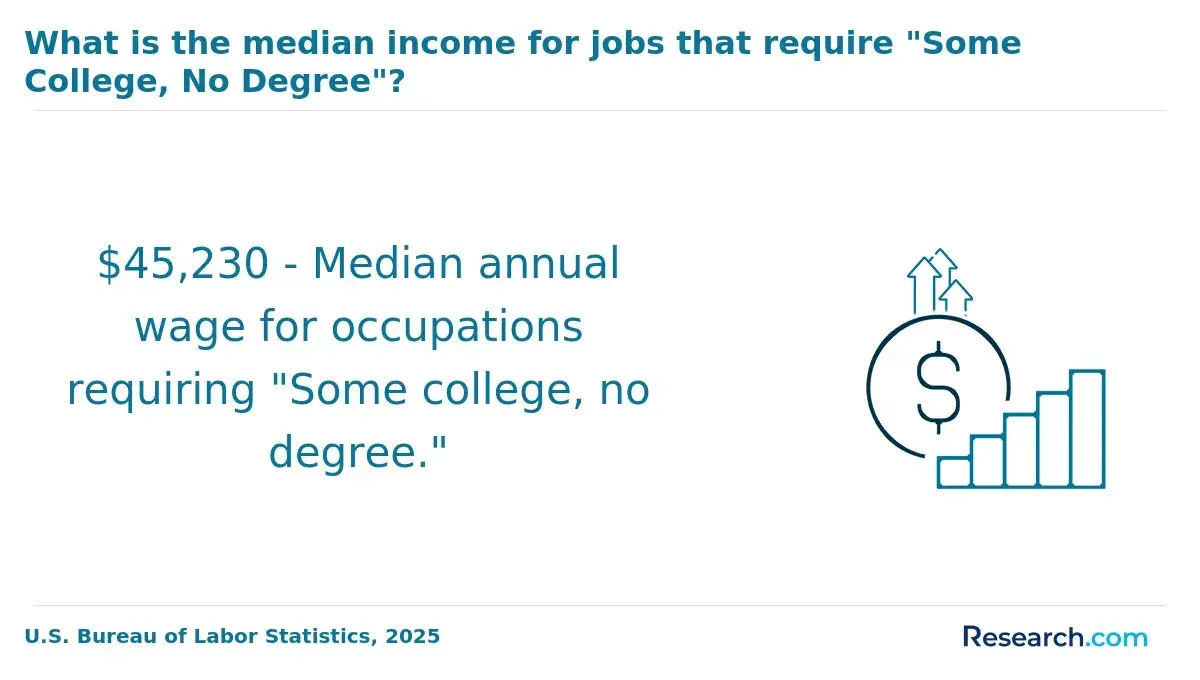
Earnings among illustration graduates tend to reflect clear distinctions tied to credential levels, but these differences become meaningful only when viewed alongside factors like job type, geographic location, and career phase. Certificate holders often start with annual wages around $35,000 to $40,000-suitable for entry-level roles but with limited upward mobility-while associate degree holders typically earn between $40,000 and $50,000, benefiting from broader technical skills but encountering promotion ceilings without a bachelor's credential.
Bachelor's degree recipients stand at a competitive advantage, frequently commanding starting salaries in the $50,000 to $60,000 range, as their qualifications align with roles demanding client engagement, creative concept development, and supervisory duties. Yet, the increased time and financial investment of bachelor's programs must be balanced against potential delays in workforce entry and real-world portfolio-building, especially for adult learners or those transferring credits.
Graduate degrees in illustration or related arts can substantially shift earnings and job prospects, with master's and doctoral holders often accessing opportunities in academia, senior creative leadership, or specialized markets offering salaries above $70,000. However, such pathways require careful weighing of the extended completion time and costs against incremental pay gains and niche employment possibilities.
Practical outcomes also depend on employer priorities, where demonstrable experience, portfolio strength, and industry connections sometimes outweigh formal education alone. For working professionals and military-affiliated students, leveraging transfer credits and focusing on skill upgrading through flexible programs can offset some disadvantages of stepping back for a degree, influencing both earnings trajectory and job stability.
One graduate considered pursuing a master's after observing local listings prioritized bachelor's degrees but lacked clear advancement beyond mid-level roles without further qualifications. Hesitant about the time and expense involved, they compared early-career salaries and promotion expectations in their region, ultimately deciding to accumulate professional experience first while seeking portfolio-building projects.
This approach allowed more informed timing of additional education, reducing financial strain and aligning subsequent degree decisions with career milestones and employer feedback, illustrating how nuanced interpretation of pay scales influences real-world educational choices.
Which Illustration Degree Level Offers the Strongest Employment Prospects?
Bachelor's degrees in illustration typically offer the most robust entry point for sustained employment in the creative sector, reflecting employers' rising expectations for formal education combined with portfolio strength. Data from the U.S. Bureau of Labor Statistics (2024) indicates a 78% employment rate within a year of graduation for bachelor's degree holders, markedly higher than the 54% for associate degree graduates, underscoring how the bachelor's credential aligns more closely with hiring criteria in competitive roles like graphic design and animation.
Candidates with associate degrees or certificates may gain faster workforce access but often face constraints in job stability and upward mobility, frequently occupying assistant or freelance roles without the breadth of opportunities that more advanced credentials unlock. While master's and doctoral degrees in illustration remain less common, they carve distinct paths toward specialized positions, leadership roles, or academic careers, emphasizing research or technical integration not typically covered at lower levels.
However, the additional time and financial investment do not necessarily translate to quicker employment and may suit those targeting niche fields or teaching positions rather than immediate industry entry. For many students, structured transfer pathways from associate to bachelor's programs provide a strategic route to balance early work experience with degree completion, enhancing long-term career scalability without sacrificing initial earning potential or professional exposure.
What Entry-Level Jobs Can You Get With a Illustration Degree?
Entry-level illustration positions vary significantly depending on degree level and the depth of practical experience. Associate degree holders often encounter roles with limited creative autonomy, typically in smaller studios or advertising agencies, where tasks focus on production support rather than conceptual work. Conversely, bachelor's degree graduates usually access a wider range of roles that involve client interaction and more nuanced artistic contributions, making their portfolios and internships critical.
This distinction affects employability and long-term job stability, as many employers in the creative industry expect candidates to have demonstrable project experience alongside formal education. A 2024 survey of creative industry employers found that 68% of entry-level hires in illustration-related roles had completed at least one internship, highlighting practical experience as a near-requirement rather than an optional advantage.
Master's degree holders may leverage advanced skills and specialized portfolios to pursue leadership or niche roles such as art direction, but these positions often demand extensive prior work and networking. Geographic location also plays a role, with metropolitan areas offering broader opportunities and an increasing number of remote positions influencing where graduates might find entry-level jobs. Certification in widely used software tools, although not legally required, frequently boosts competitiveness in a crowded field.
When evaluating jobs available with an illustration degree near me, prospective illustrators should weigh short-term accessibility against prospects for growth. Entry-level roles often serve as critical skill-building stages rather than endpoints, and decisions between associate, bachelor's, or advanced study should consider both the immediate landscape and long-term mobility. Those seeking versatility might explore adjacent fields or related degrees, such as video game design, where digital proficiency and storytelling intersect.
How Do Illustration Degree Levels Affect Career Advancement and Promotion Opportunities?
Professional trajectories in Illustration frequently hinge on degree level, as employers tend to link higher credentials to both managerial readiness and skill versatility. Bachelor's degree holders, for example, often access supervisory roles within five to seven years, leveraging a blend of critical thinking, project oversight, and business acumen developed during their studies.
Conversely, those limited to associate degrees or certificates frequently encounter prolonged timelines for promotion and may remain confined to specialized or entry-level functions absent significant industry experience. Data from the National Center for Education Statistics in 2024 indicates that 63% of creative job postings with leadership responsibilities expressly prefer candidates holding bachelor's degrees or higher, reflecting a tangible credential barrier that influences both initial eligibility and internal mobility.
The disparity in advancement timing underscores a practical tradeoff for working adults or transfer students weighing whether additional education justifies the investment beyond accumulated practical experience. While continuing education and credit transfer can ease credential gaps, positions with managerial scope increasingly require formal qualifications alongside hands-on expertise, particularly when digital arts certification or formal training in management becomes an explicit expectation.
This dynamic means that Illustration graduates without a bachelor's degree may need to pursue supplemental credentials or demonstrate extensive project leadership to remain competitive for promotions. Organizations' screening practices often prioritize degree benchmarks as proxies for leadership potential, complicating advancement paths for those without four-year degrees despite comparable professional contributions.
An Illustration graduate who initially entered the workforce with an associate degree recounted hesitating to apply for an art director position after years of freelance experience, citing repeated feedback from employers that a bachelor's degree was a minimum requirement. Although the candidate's portfolio and client history were strong, the lack of a four-year credential delayed internal promotion opportunities and necessitated returning to school to complete a bachelor's program.
This decision, while challenging mid-career, ultimately aligned with employer expectations and unlocked supervisory roles previously inaccessible, illustrating the complex balance between experience and credentialing in practical career progression.
Is a Illustration Degree Worth It Based on Salary, Employment, and ROI?
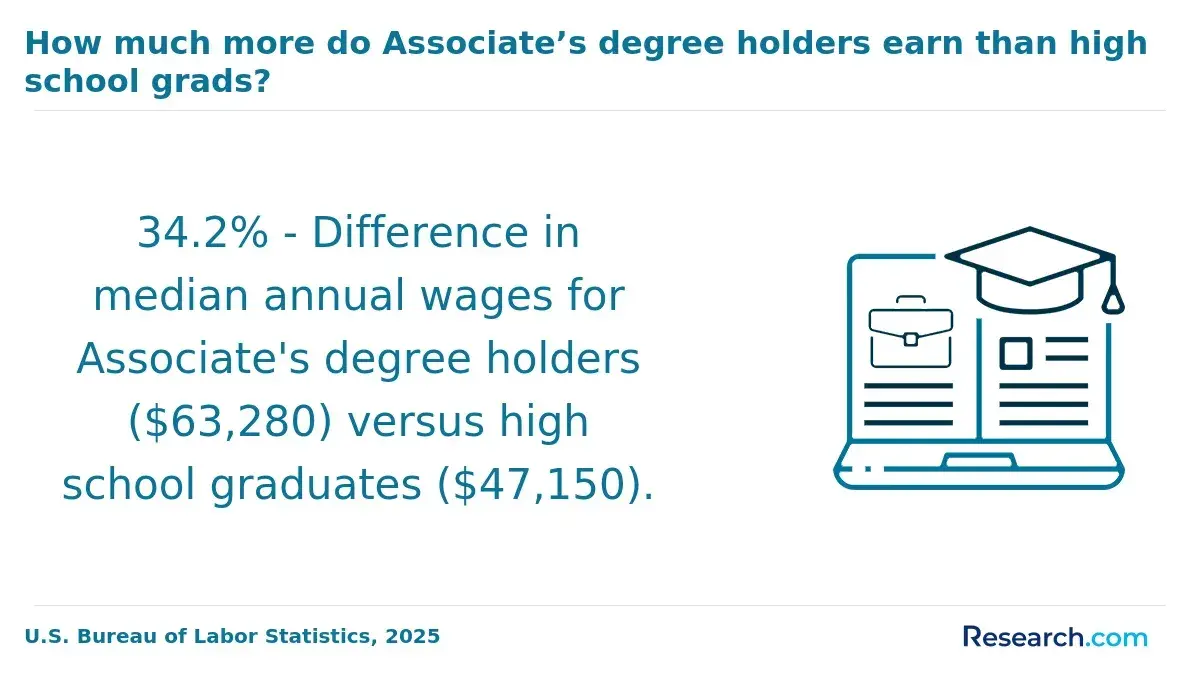
An illustration degree's value often hinges on nuanced factors beyond average paychecks, compelling students to weigh degree level and local employment dynamics carefully. Those with bachelor's credentials generally access higher entry salaries compared to associate degree holders, but this wage gap may not always justify the extended time and financial investment required-especially when public and private tuition costs diverge sharply.
For working adults or transfer students with prior credits, shorter program options or the ability to combine technical skills can enhance return on investment and reduce opportunity costs; conversely, first-time full-time students face longer completion times that affect debt accumulation and earning potential. Employment stability in illustrative arts varies regionally and by niche specialization, with modest projected growth highlighting competitive conditions for new entrants.
The evolving market increasingly rewards hybrid skill sets like animation or UX design, often outpacing traditional illustration training in career mobility and median wages. Students focusing solely on core illustration may encounter limited advancement, emphasizing the importance of portfolio development and networking alongside formal education. Prospective learners should also consider financial aid and part-time enrollment strategies to mitigate debt, as high median student borrowing challenges the economic feasibility of an illustration degree.
For those deciding between further education paths, comparing illustration with shorter or alternative routes, such as a 6-month master's degree, can illuminate better alignment with career goals and resource constraints. Clear-eyed analysis of illustration degree salary and employment outcomes alongside return on investment for illustration career paths reveals that credentials alone are insufficient; practical skills, market responsiveness, and individual circumstances ultimately determine the degree's merit in a crowded creative labor market.
How Do Associate, Bachelor's, Master's, and Doctoral Illustration Degrees Compare?
Choosing between an associate, bachelor's, master's, or doctoral degree in illustration significantly affects the timeline and scope of career opportunities. Associate degrees offer the quickest path into the workforce but typically limit graduates to entry-level roles with modest hiring rates, around 65-70% within a year according to recent National Center for Education Statistics data.
Many professionals find that stopping at this level restricts advancement potential and may require returning to school later to access mid-tier positions, where a bachelor's degree is often the minimum expectation from employers seeking broader skills and specialization areas like editorial or commercial illustration. Bachelor's degrees balance extended study with practical portfolio development and art theory, producing candidates with roughly 80% employment within the first year per Department of Education data.
This credential serves as the typical baseline for stable employment and specialized roles, with reasonable flexibility for credit transfers from associate programs. Those pursuing a master's build on this foundation by targeting niche markets or leadership and teaching roles, where advanced technical training can translate to greater job stability and upward mobility, especially in fields like medical or digital media illustration.
Conversely, doctoral qualifications, while valuable for university-level teaching or high-level research, seldom enhance employment prospects in mainstream illustration markets and often involve longer time commitments with limited direct workplace returns. The decision to progress beyond a bachelor's should weigh factors like debt, time investment, and targeted career goals against the realistic advantage offered by advanced degrees.
Employers increasingly emphasize demonstrable skills and portfolios over credentials alone, so stackable certificates or credit pathways can sometimes offer more flexibility and cost-effectiveness. Ultimately, prioritizing education aligned with desired roles and timing-whether immediate workforce entry or longer-term leadership preparation-ensures a better match between degree level and professional outcomes.
Which Industries and Employers Hire Illustration Graduates by Degree Level?
Employers hiring illustration graduates show clear preferences tied to degree level, with practical implications for role access and career flexibility. Associate degree holders typically fill entry-level creative support positions within smaller agencies, retail marketing, or niche publishers, emphasizing technical proficiency over conceptual expertise. For example, an associate graduate may secure a junior production artist role but face limitations progressing to lead illustrator or direction positions without supplementary experience or credentials.
This contrasts with bachelor's degree recipients, who gain broader access to industries such as advertising, animation, publishing, and e-learning, where employers prioritize storytelling, critical thinking, and conceptual skillsets, boosting eligibility for roles involving character design and interactive media development. Master's degree holders often transition into specialized fields like UX/UI illustration, academic research, or policy-influencing roles within education and public sectors, which frequently require advanced theoretical knowledge and leadership capabilities.
A 2024 report from the National Center for Education Statistics notes about 15% of master's graduates enter education or grant-funded creative initiatives, highlighting how advanced degrees unlock access to roles less accessible through lower-level credentials. However, higher credentials entail greater time and financial investment, with employer screening increasingly emphasizing portfolios combined with verified degrees in competitive markets.
Certificate programs, often suited to career changers or freelancers, provide quicker skills but rarely substitute for the depth of training employers expect for roles with advancement potential in a technology- and concept-driven illustration labor market.
What Skills, Credentials, and Experience Improve Illustration Career Outcomes?
Technical mastery combined with targeted credentials and practical experience remains the core determinant of success in illustration careers. Candidates advancing beyond entry-level roles benefit from specialized software proficiency and nuanced artistic techniques that align with employer expectations linked to specific degree levels. For instance, an associate degree holder who supplements study with verifiable certifications and portfolio internships demonstrates substantially stronger employment prospects and promotion readiness than peers relying solely on academic credentials.
This dynamic is crucial for working professionals and transfer students weighing the incremental value of further credentials, especially when balancing prior experience or military affiliations against industry demands. Employers prioritize candidates who show applied skills through completed internships or portfolios that clearly narrate versatility and design thinking, often outweighing institutional prestige.
A 2024 employer survey highlights that 62% of hiring managers seek digital design certifications as part of the screening process, underscoring the importance of supplemental credentials in illustration career skills and credentials for advancement. Beyond technical ability, soft skills such as communication and leadership experience increasingly differentiate candidates eligible for senior roles or managerial transitions in creative teams. Effectively combining these elements determines not only initial employment access but also long-term mobility within the field.
Integrating practical experience with relevant certifications offers strategic leverage in meeting experience and certification requirements for illustration jobs, directly affecting compensation scales and role complexity. Given the evolving nature of digital illustration tools, students might consider exploring advanced programs or online degree in photography to expand applicable skill sets and diversify marketability. Such deliberate educational planning helps align career trajectory with realistic advancement opportunities while accommodating non-traditional learners' timelines and financial constraints.
Which Illustration Degree Level Is Best for Your Career Goals?
Choosing an illustration degree level directly shapes not only entry-point job opportunities but also medium- to long-term advancement potential. An associate degree frequently suits those prioritizing swift, cost-effective workforce entry, especially into roles like freelance work or junior designer positions; however, these credentials often limit access to specialized or leadership roles without further education.
Data from the National Center for Education Statistics shows around 68% of associate degree holders in creative fields find employment within six months, yet many employers still expect at least a bachelor's for full-time illustration work. This tradeoff also impacts credit transfer strategies for students aiming to upgrade credentials later and affects the overall time and opportunity cost they face.
Bachelor's degrees remain the preferred credential for broader employment access and higher earning potential, reflected in wider opportunities for in-house studios and editorial jobs. According to the U.S. Department of Education's College Scorecard, bachelor's degree holders in illustration-related programs experience a 12% higher employment rate and a 20% greater likelihood of sustained salary growth, underscoring the importance of this degree for those focused on pay and advancement.
Graduate degrees then become relevant for roles demanding advanced expertise or leadership, such as academic positions or specialized creative direction, though this level increases financial burden and completion risk. Importantly, field experience and portfolio quality often influence hiring decisions as much as formal degrees, particularly in contract or freelance contexts where employer expectations vary considerably.
Prospective students and working professionals should weigh these factors carefully, aligning educational investments with both immediate career goals and long-term mobility. Efficient credit transfer and part-time or accelerated program options can mitigate financial and time constraints.
For those evaluating compensation benchmarks, insights into illustration career pay dynamics can be contextualized alongside similar creative fields, such as positions detailed for forensic profiler salary. Ultimately, the choice of which illustration degree level best matches distinct career pathways requires balancing employer expectations, time-to-completion, opportunity costs, and personal capacity for ongoing skill development.
References
- Top Tips for Recent Graduates — Emma Block Illustration http://www.emmablock.co.uk/blog/2017/3/18/top-tips-for-recent-graduates
- 5 ways illustration skills can further your career https://designhost.gr/topic/9997-5-ways-illustration-skills-can-further-your-career/
- Do Illustrators Need A Degree? — Scott W Mason Fashion & Event Illustrator https://www.scottwmason.com/blog/do-illustrators-need-a-degree
- What Can You Do With an Illustration Degree? https://pnca.willamette.edu/academics/bfa/illustration/career-options
- Is College Worth it? | Return on Investment Analysis of College Degree https://educationdata.org/college-degree-roi
- Types of College Degrees https://www.act.org/content/act/en/students-and-parents/high-school-success/what-to-do-after-high-school/college-degrees.html
- What careers can you do with an Illustration degree? | University for the Creative Arts https://www.uca.ac.uk/blogs/careers-with-an-illustration-degree/
- Six human skills that will future-proof your design career https://adobe.design/ideas/six-human-skills-that-will-future-proof-your-design-career
- How to start an illustration career (part 1) - Marloes De Vries (visual artist and writer) https://marloesdevries.com/en/blog/start-career-illustration/
- Illustration degrees & courses https://universitycompare.com/courses/degrees/illustration
Other Things You Should Know About Illustration
Higher degree levels in illustration generally require more intensive project work, critical feedback loops, and often involve interdisciplinary study, which can significantly increase workload. Bachelor's programs tend to focus on broad skill-building with structured studio courses, while graduate programs push for conceptual depth and portfolio refinement under tighter deadlines. Prospective students should weigh whether they're prepared for the sustained time commitment and high expectations of advanced programs, as this affects both skill acquisition and career readiness.
Programs vary in how much access they provide to professional networks, internships, and industry partnerships, which are critical in illustration careers. Bachelor's degrees often offer more direct opportunities for internships and local studio connections, whereas master's programs may emphasize research and conceptual innovation but can lack hands-on industry exposure. Prioritizing a program with embedded industry ties is crucial if job placement and networking are top career considerations.
Yes, the portfolio focus shifts with degree levels-from technical proficiency and diverse styles at the undergraduate level to highly specialized, concept-driven bodies of work in graduate studies. Employers in illustration often look for portfolios that demonstrate both technical skill and unique artistic voice, so students aiming for leadership or highly creative roles should consider programs that encourage innovative portfolio development rather than solely technical training.
Degree programs differ in how they balance foundational, traditional methods with digital tools, impacting employability depending on the sector. Undergraduate curricula usually emphasize basic drawing and composition skills alongside digital training, while advanced degrees may focus more on experimental digital media or theory. Students should assess industry demands relevant to their goals and choose programs aligning with the practical skills versus conceptual approaches they need most.