2027 Remote Work Report for Illustration Graduates: Flexible Roles, Pay, and Hiring Trends

Co-Founder and Chief Data Scientist
Navigating the remote job market poses unique challenges for Illustration graduates. Many struggle to find flexible roles that match their creative skill set while offering stable compensation. Remote Illustration positions often require adaptability across digital tools, client communication, and varying project scopes. According to recent data, 45% of creative remote roles in the US demand a portfolio tailored to virtual collaboration, not just traditional art skills, reflecting an evolving employer focus.
This shifts how graduates must present themselves and negotiate pay. This article examines the flexible remote roles available, realistic pay expectations, and hiring trends affecting Illustration graduates, providing a clear framework to make informed employment decisions.
Key Points About Working Remotely for Illustration Graduates
- The average annual salary for remote illustration roles centers around $50,000. Salary fluctuates with experience level, niche specialization, and client base, influencing realistic income expectations post-graduation.
- Remote illustration work typically involves freelance commissions, digital design, concept art, and storyboarding. Success demands strong self-promotion and portfolio curation skills to secure consistent projects.
- Employers prioritize adaptability and remote collaboration proficiency. Graduates should build diverse portfolios and network virtually early, as hiring favors candidates with demonstrated remote work experience.
- Key Points About Working Remotely for Illustration Graduates Key Points About Working Remotely for Illustration Graduates
- Are there remote work opportunities in the Illustration industry? Remote Opportunities
- Which Illustration niches offer remote roles? Which Illustration niches offer remote roles?
- What entry-level Illustration roles allow remote work? Entry-Level Roles
- What is the average salary of Illustration graduates who are working remotely? Average Salary
- Do remote Illustration jobs pay the same as on-site roles? Pay Comparison
- What benefits do remote Illustration employees receive? What benefits do remote Illustration employees receive?
- Where can Illustration graduates look for remote jobs? Where to Find Jobs
- What do Illustration employers look for in candidates? What do Illustration employers look for in candidates?
- How can Illustration graduates prepare for remote roles? Preparing for Remote Roles
- How can Illustration graduates if remote roles are a good fit for them? How can Illustration graduates if remote roles are a good fit for them?
Are there remote work opportunities in the Illustration industry?
Remote work in the Illustration industry is growing but remains limited for recent graduates. About 35% of entry-level roles offer fully remote options, while 50% require hybrid schedules combining on-site and off-site tasks. Employers often favor these hybrid models to maintain creative collaboration and hands-on feedback.
Regional labor laws and company workflows influence remote flexibility. For example, firms in states with strict workplace compliance may restrict remote roles to ensure regulatory adherence. Conversely, companies leveraging cloud-based design tools facilitate asynchronous teamwork, allowing illustrators to contribute remotely without sacrificing project quality.
Many creative teams prefer hybrid arrangements, balancing flexibility with direct mentorship. However, remote positions may reduce spontaneous creative exchanges critical for skills development. Graduates navigating these options must weigh the tradeoffs between accessibility and the richness of in-person learning environments.
A 2024 report highlights that 60% of creative teams opt for hybrid models, reflecting a trend where remote work supports productivity but rarely replaces face-to-face interaction. This balance shapes hiring trends and employer expectations across Illustration roles.
Which Illustration niches offer remote roles?
Remote roles in Illustration reflect a mix of factors including the nature of client interaction, the complexity of collaboration, and reliance on digital tools. Niches that rely heavily on independent asset creation and digital delivery adapt well to remote or hybrid work. For example, a concept artist creating backgrounds for a video game may work asynchronously with a distributed design team, submitting files through cloud platforms and receiving virtual feedback. In contrast, niches requiring repeated in-person review or specialist equipment may find remote work restrictive. The following highlights key Illustration niches that provide remote Illustration job opportunities and how their workflows support flexibility.
- Editorial Illustration: This niche supports magazines and online publications by producing visuals that complement articles. Editorial artists often collaborate asynchronously with editors and writers, submitting digital files suited to remote deadlines. The workflow accommodates independent schedules and geographic flexibility.
- Concept Art for Games and Film: Concept artists generate pre-production visuals remotely, leveraging software to create assets integrated by larger teams. The process favors remote work due to the asset-based nature and cloud-enabled feedback loops, ideal for flexible Illustration remote careers.
- Children's Book Illustration: Artists create storybook images that publishers review digitally. Remote submissions and virtual feedback cycles allow illustrators to work off-site while meeting editorial standards and timelines.
- Brand and Marketing Illustration: This sector produces visuals for social media, packaging, and advertisements. Cloud-based project management tools facilitate coordination across distant teams, making it suited to remote workflows that require frequent but asynchronous client interactions.
- Medical and Scientific Illustration: While specialized, this niche uses technical software that supports independent creation of precise visuals. Remote work fits due to the ability to submit and revise files electronically with subject matter experts.
- Instructional and Educational Illustration: Illustrators design content for e-learning platforms and textbooks, working with digital files shared among authors and designers. This remote-compatible niche meets growing demand for flexible educational content production.
- Infographic and Data Visualization: Increasingly outsourced, this niche involves creating accessible visual representations of data. Remote Illustration job opportunities here benefit from software-driven workflows and minimal in-person requirements.
Recent industry analysis reports a 15.7% increase in hiring volume for remote editorial and concept art roles, confirming growing employer acceptance of off-site talent. Graduates aiming for flexible Illustration remote careers should consider factors such as client feedback timing and software proficiency.
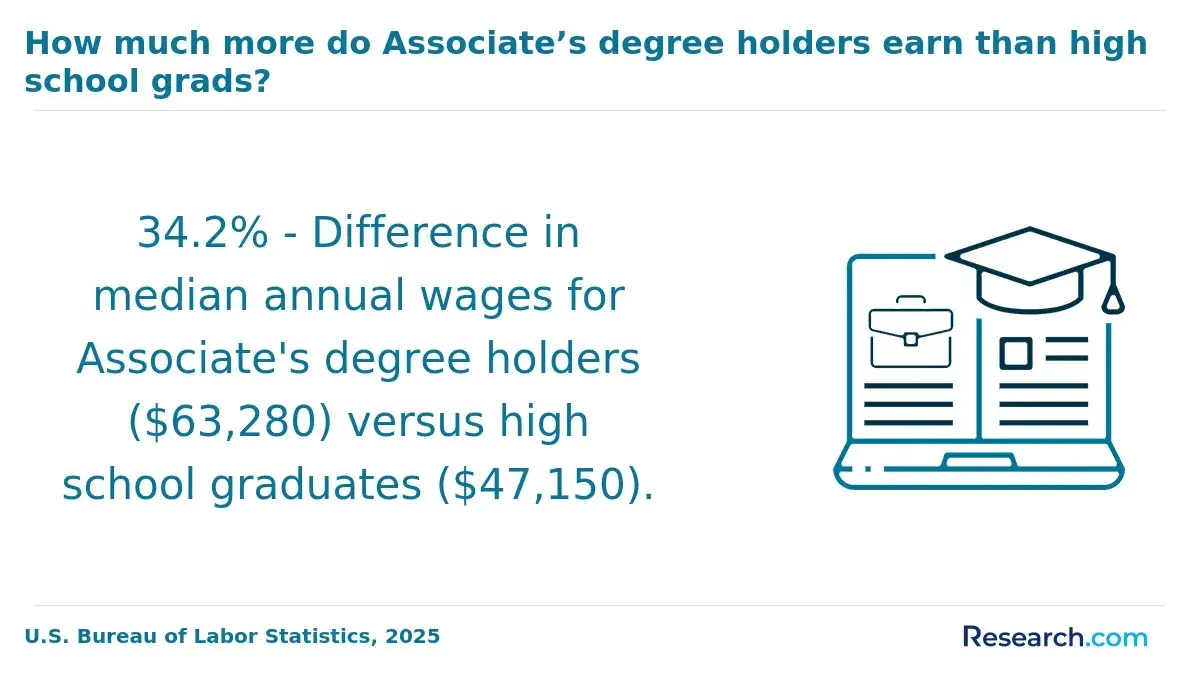
Those exploring remote Illustration roles may also benefit from pursuing online associate degrees that offer targeted skill development suited for digital collaboration and remote work expectations.
What entry-level Illustration roles allow remote work?
Entry-level Illustration roles that offer remote work have become more prevalent due to shifts in creative industry hiring. Remote positions allow Illustration graduates to engage in digital content production while managing flexible schedules. The following key roles highlight varied opportunities tailored for remote work within the field:
- Junior Digital Illustrator: This role requires proficiency in Adobe Photoshop and Illustrator, focusing on creating original digital artwork for marketing and editorial purposes. Remote work is effective here because deliverables are digital and communication happens through cloud platforms.
- Editorial Illustrator: Entry-level applicants must demonstrate storytelling skills via visuals, often producing images for publications or online media. Remote execution suits this profession as timelines align with editorial calendars without constant in-person oversight.
- Concept Artist: Candidates develop initial visual ideas for animation or games, using digital mediums. Working remotely supports iterative feedback cycles through virtual collaboration tools.
- Storyboard Artist: This position involves visual sequence planning for animations and advertisements. It requires clear communication skills and adaptability, enabling remote teams to coordinate creative vision efficiently.
- Visual Development Artist: Illustrators help define style and environment design, often working with digital files shared online. Remote coordination with creative directors is common in this role.
- Social Media Illustrator: Candidates produce bite-sized, brand-aligned visuals that facilitate audience engagement. The role supports remote workflows due to its deadline-focused, digital delivery nature.
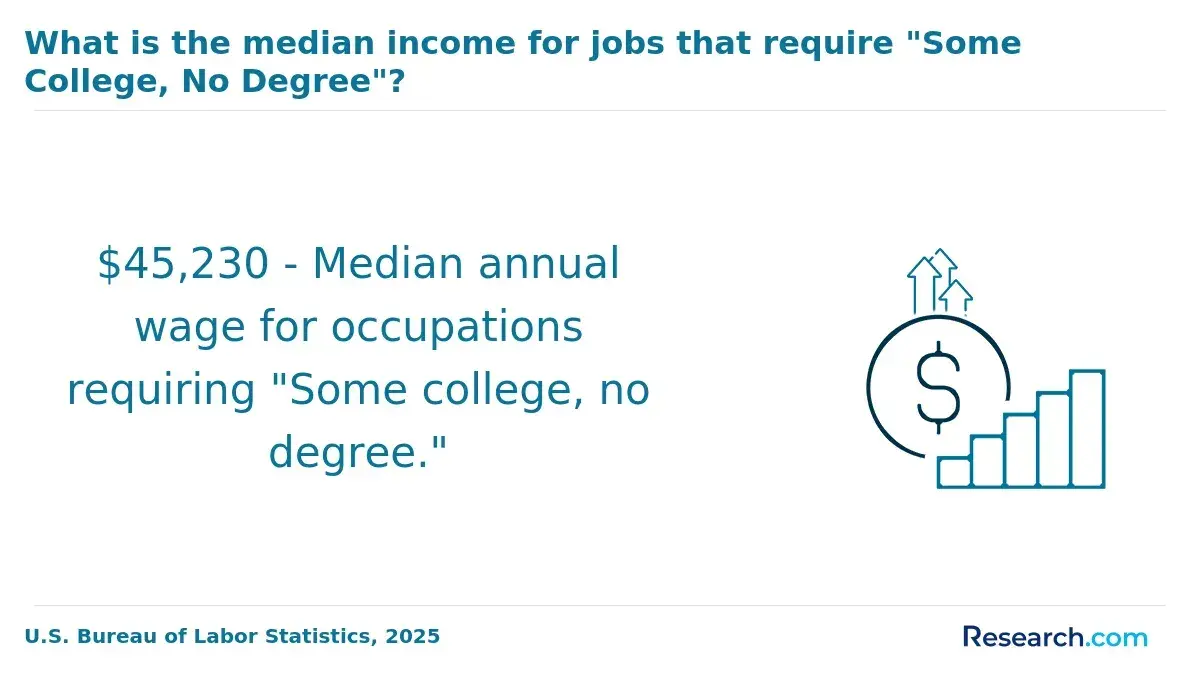
In 2024, a survey found that remote junior Illustration job listings increased 22.4% on major job boards, signaling growing employer acceptance of flexible remote Illustration roles for recent graduates. However, employers favor candidates able to balance remote duties with occasional in-person collaboration. Remote entry-level Illustration jobs in the US typically pay between $35,000 and $50,000 annually, reflecting a competitive landscape where self-discipline and strong digital communication skills are essential. Building a strategic portfolio showcasing adaptability and digital proficiency remains critical for success. Using tools like Adobe Creative Suite alongside Slack or Trello enhances effectiveness on remote teams. Illustration graduates aiming for remote work should develop their mastery of digital workflows while considering hybrid collaborations to meet evolving employer expectations.
Exploring related educational options, some graduates may find pursuing an online counseling degree beneficial for supplementing creative career efforts with interpersonal or team management skills.
What is the average salary of Illustration graduates who are working remotely?
The average remote salary for Illustration graduates entering the workforce typically falls between $40,000 and $55,000 annually. Median starting salaries most often hover near $45,000, reflecting a balance between employer budgets and the creative demands of remote Illustration roles. Remote pay rates for Illustration degree holders may vary significantly depending on specific job responsibilities and technical skills required.
Positions requiring advanced proficiency with digital tools or specialized certifications tend to offer higher starting wages. For example, a remote junior illustrator proficient in animation software may command closer to the upper salary range. Many employers now blend remote and on-site work, which has driven an average 7.4% increase in pay for flexible creatives, based on 2024 salary surveys. This trend underscores the premium placed on adaptability and digital competence early in Illustration careers.
When compared to similar creative fields like graphic design or digital media, Illustration roles generally pay within a comparable band but occasionally fall slightly lower due to the field's niche focus and freelance-heavy opportunities. Illustration graduates should weigh these factors carefully when considering remote job offers, focusing on how transferable skills and project scope influence compensation.
Those seeking the fastest business degree online or complementary qualifications may find this broadens their prospects and salary potential in remote Illustration roles. Researching market conditions is essential to negotiate effectively and position oneself competitively within the evolving remote creative economy.
Do remote Illustration jobs pay the same as on-site roles?
Remote Illustration jobs typically pay about 92% of what equivalent on-site roles offer. This pay gap reflects a broader compensation trend where remote positions rarely achieve full salary parity with on-site work. For Illustration graduates, this means a clear tradeoff between flexibility and immediate earning potential.
Compensation disparities arise mainly from location-based pay policies. Nearly 38% of creative industry employers enforce strict geographic salary bands, reducing pay for remote workers in lower-cost areas. An Illustration graduate living in a smaller city may see lower remote salaries compared to peers in high-cost urban centers.
Some companies offset pay reductions by cutting travel stipends or providing modest home-office allowances. These benefits do not fully compensate for lower base salaries, however, which can affect long-term income growth. Illustration graduates should weigh these financial compromises against work-life balance priorities.
Understanding these dynamics is essential for Illustration graduates evaluating remote opportunities. Salary gaps shaped by employer structures and geography influence career trajectory more than flexibility alone. Being aware of this helps graduates make informed decisions about which roles align best with their financial needs and professional goals.
What benefits do remote Illustration employees receive?
Remote Illustration employees gain more than just standard healthcare and retirement benefits; their perks reflect a strategic effort to sustain productivity in home environments distant from traditional offices. With 62% of companies providing a monthly stipend averaging $150 for workspace expenses, firms clearly recognize the need for material support that offsets the isolating nature of remote work.
These stipends are critical because remote illustrators must invest in reliable internet, ergonomic furniture, and creative software to maintain professional standards while working independently. The benefits package blends conventional elements with targeted allowances that directly influence artists' output and comfort.
Below are key benefits illustrating how employers address remote Illustration workers' unique demands.
- Home Office Stipends: Monthly financial support averaging $150 helps illustrators equip or upgrade their workspace. This encourages a professional setup that improves focus and reduces fatigue, ensuring consistent quality in deliverables despite geographic dispersal.
- Technology Reimbursements: Coverage includes internet service fees and software licenses essential for digital Illustration. These reimbursements remove barriers to accessing up-to-date tools, which directly impact creative efficiency and collaboration.
- Flexible Paid Time Off: Remote roles often offer adaptable scheduling beyond typical time off balance. This flexibility accommodates different time zones and personal productivity cycles, supporting sustained engagement and reducing burnout risk.
- Continuing Education Support: Some companies cover certification costs and courses for design software updates. This investment helps illustrators stay competitive and adapt to evolving industry standards, which is vital given limited in-person mentorship opportunities.
A remote Illustration professional shared how the home office stipend initially felt like a small perk but became a critical enabler. "When I moved from a cramped temporary setup to a proper desk and monitor funded by the stipend, my work quality noticeably improved," she explained. She hesitated at first to request the reimbursement, worried it seemed trivial, but once approved, it changed her daily workflow. The flexibility in paid leave allowed her to manage creative blocks and deadlines more effectively, alleviating stress without feeling guilty about time away. These benefits, she noted, "aren't just perks, they're survival tools for the remote creative mind."
Where can Illustration graduates look for remote jobs?
Illustration graduates pursuing remote work must strategically combine broad digital job boards with specialized creative platforms to access relevant opportunities. A candidate relying only on large-scale sites like LinkedIn risks facing stiff competition and low callback rates, often below 10% according to recent recruitment agency data. Conversely, platforms curated for creatives or freelance markets allow tailored project discovery and network-based referrals. For example, a new graduate targeting editorial illustration might find higher-quality remote gigs on niche platforms rather than general job boards.
The following list highlights key resources and their practical advantages for Illustration job seekers.
- LinkedIn: Primarily a general professional network, LinkedIn aggregates numerous remote entry-level Illustration jobs across industries. Its algorithm matches users with postings based on profile details and activity, but the competition is vast. It's useful for visibility and networking but less precise for specialized illustration roles.
- Behance: A creative-specific portfolio platform where remote gigs are frequently posted by employers seeking design and illustration talent. Behance connects actual project demands with skill showcases, making it effective for illustrators to attract clients through demonstrated work rather than standardized resumes.
- Upwork: A freelance marketplace allowing illustrators to bid on remote contract work. While this platform provides access to diverse clients, rates can be inconsistent and often below industry standards for newcomers. Success requires strong profiles and client ratings, but it can serve as a practical entry point.
- Dribbble: Focused on creatives, Dribbble features remote opportunities suited to illustrators specializing in concept art and digital visuals. Its job board filters remote roles and highlights community-trusted postings, making it efficient for targeted applications.
- Professional Communities: Groups like the Society of Illustrators and forums on Reddit's r/Illustration offer unadvertised remote work referrals via peer networks. These networks help illustrators navigate the hidden job market by connecting members to freelance and contract projects not listed on public job boards.
What do Illustration employers look for in candidates?
Illustration employers seeking remote candidates prioritize a blend of technical prowess, demonstrated work quality, and the ability to manage dynamic project demands independently. For example, a remote team working on a digital campaign may require an illustrator to quickly adapt their style while using multiple software tools and collaborate across time zones, making technical versatility and clear communication indispensable.
The following outlines core Illustration employer expectations in such remote contexts.
- Technical Software Mastery: Proficiency in Adobe Creative Suite, especially Photoshop and Illustrator, remains fundamental. Employers also value familiarity with emerging applications like Procreate or Affinity Designer, reflecting diverse digital workflows. Candidates often must pass timed technical assessments verifying hands-on skills rather than theoretical knowledge, ensuring readiness for real project tasks.
- Portfolio Versatility and Quality: A strong portfolio demonstrating adaptability across styles and concept clarity is critical. Recruiters look for evidence of completed client projects or collaboration on digital art platforms, signaling an applicant's ability to handle remote client feedback and iterative design processes successfully.
- Remote Collaboration Skills: Employers require proficiency in communication tools such as Slack and Zoom. Roughly 68% of remote-first creative firms expect mastery of multiple illustration platforms alongside remote work communication, as confirmed by industry studies. This competency supports effective teamwork despite geographic dispersion.
- UX/UI and Digital Asset Management Knowledge: Increasingly, illustration roles intersect with multimedia and digital product teams. Basic UX/UI understanding and asset organization skills enable smooth integration of assets into broader digital projects, a necessity for sustained remote workflows.
Meeting Illustration employer expectations for remote candidates means developing both a versatile portfolio and a deliberate skillset. This balance is essential for graduates evaluating whether to pursue flexible roles in Illustration or to explore options like speech language pathology bridge programs online, which provide additional career pathways beyond traditional illustration roles.
How can Illustration graduates prepare for remote roles?
Success in remote Illustration roles demands targeted preparation that goes beyond traditional classroom training. Graduates must actively develop technical skills, self-management habits, and proof of remote work effectiveness to thrive in a virtual creative environment. For example, a graduate working with a remote design agency needs not only exemplary software skills but also the discipline to meet deadlines without direct supervision.
The following strategies outline key areas for Illustration graduates to focus on when preparing for remote job opportunities.
- Advanced Digital Software Mastery: Graduates should extend their expertise beyond core illustration tools by learning platforms like Procreate, Blender, and the full Adobe Creative Cloud suite. Regularly practicing across multiple programs builds adaptability for diverse project requirements common in remote roles.
- Remote Collaboration Skill Development: Enrolling in courses or bootcamps focused on tools such as Slack, Trello, and Figma enhances communication and workflow efficiency. These skills simulate real-world remote teamwork essential for client interactions and project coordination off-site.
- Professional Hardware and Technical Setup: Investing in equipment like drawing tablets, dual monitors, and cloud storage ensures reliable performance and smooth file sharing. These technical standards prevent interruptions that can undermine employer confidence in remote work competence.
- Portfolio and Real-World Project Experience: Creating a detailed digital portfolio with documented case studies or engaging in client simulation projects demonstrates self-directed learning and remote project management skills. Data shows graduates who commit to remote readiness training and portfolio refinement have a 27.4% higher rate of securing flexible Illustration positions.
Remote job preparation for Illustration graduates requires ongoing skill cultivation and realistic self-assessment. This includes determining if one can sustain the independent and digitally driven nature of remote illustration work. Additionally, exploring flexible pathways such as specific Spanish degrees online highlights the growing trend of online learning that parallels Illustration remote upskilling efforts.
How can Illustration graduates if remote roles are a good fit for them?
Identifying whether remote roles suit Illustration graduates requires honest self-assessment about work habits, communication styles, and professional priorities rather than simplistic preference for flexibility. For instance, an Illustration graduate who struggles with unstructured time but excels in virtual collaboration may find remote work rewarding, while another who values in-person mentorship may face challenges adapting to remote settings. Graduates should examine key criteria to evaluate alignment with remote Illustration roles.
Below are essential factors to consider:
- Self-Motivation and Discipline: Remote Illustration work demands consistent self-management without direct supervision. Graduates must honestly assess their ability to set schedules and meet deadlines independently, as lack of discipline often leads to missed opportunities and stress.
- Digital Communication Skills: Most client and team interactions happen virtually using messaging or video calls. Ability to convey concepts clearly and respond promptly influences project success and professional reputation.
- Technical Proficiency with Illustration Tools: Mastery of digital software and remote workflow platforms is a baseline expectation. Graduates should evaluate their fluency in relevant tools to ensure productivity and meet employer standards.
- Adaptability to Isolation and Flexible Hours: Remote roles often involve irregular schedules for different time zones and limited social contact. Graduates must weigh their comfort with these conditions to maintain engagement and mental well-being.
- Compensation Expectations: Remote Illustration jobs sometimes pay less than traditional roles. Graduates should analyze market rates realistically and consider financial sustainability before committing.
- Market Saturation and Niche Development: High competition requires a strong portfolio and specialization to stand out. Graduates need to assess if they can cultivate niche expertise relevant to remote client needs.
- Work-Life Boundary Management: Research indicates 38.7% of remote creatives report work-life challenges, contributing to 15.2% higher turnover. Graduates must plan clear boundaries to prevent burnout and preserve longevity.
One Illustration graduate shared that after completing an online degree, deciding on remote work felt uncertain. They recalled hesitating due to potential isolation and irregular hours but recognized their strength in digital tools and asynchronous communication. They started with small freelance projects, which helped refine their discipline and portfolio. Over time, they embraced remote work fully, appreciating the autonomy while actively scheduling virtual peer meetings to counter isolation. This graduated experience clarified that remote Illustration fits their working style and professional goals.
References
- 16 Illustration Courses You Can Take Online https://www.linearity.io/blog/illustration-courses/
- Best Illustration Schools in the U.S. for 2024 https://theartcareerproject.com/schools/illustration/
- Art competitions and their barriers https://kdoutsiderart.com/2020/10/01/art-competitions-and-their-barriers/
- The Illustrator's Guide - Illustrators.com https://illustrators.com/guide/
- Back Button https://www.magnific.com/free-photos-vectors/course-illustration
- Illustration | OCADU https://admissions.ocadu.ca/program/illustration
- Online Illustration Degree | Bachelor's Degree (BFA) https://www.sessions.edu/bachelors/illustration/
- The Top 5 Online Resources For Aspiring Artists - Wacom https://community.wacom.com/en-us/top-five-online-resources-aspiring-artists/
- Best Online Illustration Degree Programs - 2019 | Animation Career Review https://www.animationcareerreview.com/articles/best-online-illustration-degree-programs-2019
- BA Hons Illustration Enrolment Form https://www.oca.ac.uk/courses/ba-illustration/
Other Things You Should Know About Illustration
Graduates should focus on mastering digital tools and software that are industry standards, as remote roles heavily depend on proficiency with remote collaboration platforms and version control. Prioritizing self-directed projects that demonstrate adaptability and timely delivery is more valuable than traditional classroom assignments. This approach signals to employers the ability to manage an independent workflow, a critical factor for success in remote Illustration jobs.
Remote Illustration roles often blur the line between work and personal time, with variability in client demands and project deadlines. Prospective remote workers must evaluate potential employers by seeking clarity on expected responsiveness and typical project turnaround times during the interview. Understanding these factors upfront helps avoid unexpected overtime and burnout, which can disproportionately affect freelancers or first-time remote employees who may feel pressure to overperform to secure future work.
Remote roles may limit direct mentorship and networking opportunities that are typically available in traditional workplaces, potentially slowing skill advancement and visibility within the industry. Graduates should prioritize remote positions that include structured feedback mechanisms and professional development support to mitigate this risk. When growth opportunities appear vague or unstructured, it may be pragmatic to seek hybrid or on-site options early in the career before transitioning fully remote.
Graduates need to base negotiations on their specific skill set relevance and the demonstrated impact of their work rather than general market rates, as remote pay often varies widely. It is advisable to request clear terms about project scope, revision cycles, and payment schedules to avoid scope creep or delayed payments common in remote Illustration engagements. Focusing on concrete deliverables and timelines during negotiation strengthens their position and reduces ambiguity after hiring.