2027 General Studies Salary Trends Report: Are Wages Keeping Up With Tuition and Inflation?

Co-Founder and Chief Data Scientist
A prospective General Studies student sits down to weigh the decision of pursuing this degree against rising tuition costs and an uncertain job market. With inflation impacting everyday expenses, simply looking at salary figures offers an incomplete picture of financial return. The crucial question becomes whether wages for graduates keep pace not only with education expenses but also with the broader economic shifts that affect purchasing power.
Salary growth, tuition fees, and inflation rarely advance at the same rate, complicating assessments of a degree's value. Understanding the long-term financial impact of earning a General Studies degree requires analyzing these factors together rather than in isolation. This article examines salary trends, tuition costs, inflation, return on investment, affordability, and key influences on the sustained financial worth of a General Studies credential.
Key Things to Know About General Studies Salary Trends
- General studies graduates face median earnings growth lagging 8% behind inflation since 2020, indicating that rising tuition costs increasingly erode real salary gains over typical career milestones.
- Field specialization within a general studies degree correlates strongly with upward salary mobility, suggesting strategic course selections improve long-term financial outcomes beyond diploma acquisition.
- A 2024 labor market analysis shows general studies graduates with interdisciplinary credentials average a 12% higher lifetime income, highlighting the value of diversified skill sets amid volatile economic conditions.
- Key Things to Know About General Studies Salary Trends Key Things to Know About General Studies Salary Trends
- What Is the Current Salary Outlook for General Studies Graduates? Salary Outlook
- Are General Studies Salaries Keeping Up With Inflation? Inflation Impact
- How Do Tuition Costs Compare With General Studies Salary Growth? Tuition vs Salary
- Does a General Studies Degree Deliver a Positive Return on Investment? Degree ROI
- Which Industries Offer the Highest Salaries for General Studies Graduates? Which Industries Offer the Highest Salaries for General Studies Graduates?
- Which States and Cities Offer the Highest Pay for General Studies Professionals? Which States and Cities Offer the Highest Pay for General Studies Professionals?
- How Do General Studies Salaries Grow Throughout a Career? Career Growth
- How Do General Studies Salaries Compare With Similar Degrees? Salary Comparison
- How Is Employer Demand Affecting General Studies Salary Trends? Employer Demand
- How Can Students Maximize Their Lifetime Earnings With a General Studies Degree? Maximizing Earnings
What Is the Current Salary Outlook for General Studies Graduates?
The current earnings outlook for general studies degrees reflects a complex mix of factors that shape salary expectations. According to the U.S. Bureau of Labor Statistics data from 2024, graduates working in jobs such as administrative assistants or sales associates typically earn median salaries between $36,000 and $50,000 annually. However, this range varies widely based on industry, geography, and additional qualifications, with some positions in social services or business support offering starting salaries closer to $40,000 to $55,000. Inflation rates around 4% currently outpace average wage growth, often limiting gains in real purchasing power despite nominal salary increases.
Consider two general studies graduates entering the workforce simultaneously: one chooses an administrative role in a corporate setting while the other pursues community outreach in social services. Even though both hold the same degree, their salary trajectories differ due to sector demand, advancement opportunities, and supplemental credentials. This underscores why reviewing general studies graduate salary trends requires looking beyond entry-level pay to career progression and ongoing skills development, which can significantly enhance earning potential over time.
For prospective students evaluating the financial return of their degree, it's important to weigh these variables alongside job market conditions and long-term demand. While stable roles exist, maximizing salary growth often involves pursuing additional certifications or education, something increasingly visible in analyses by major education research organizations. Exploring options such as online degrees that offer flexibility for further specialization can also be instrumental in boosting future income streams and aligning career goals with economic realities.
Are General Studies Salaries Keeping Up With Inflation?
Wage growth for occupations commonly associated with general studies graduates has not consistently matched inflation, leading to diminished real earning power over time. According to data from the U.S. Bureau of Labor Statistics, many roles-such as social service assistants and educational coordinators-have seen average wage increases around 2.5% annually, which falls notably short of the 4.2% inflation rate reported in early 2024. This gap means that while nominal salaries rise, the actual purchasing power of those wages effectively declines, creating financial strain for workers who must manage rising living expenses alongside stagnant income growth.
Consider a recent graduate entering administrative services management with a salary that increases 3% per year, below the inflation rate. Despite apparent raises, their ability to cover essentials like rent, utilities, and education costs weakens, especially as tuition inflation also surpasses wage gains. This scenario underscores how general studies salary growth compared to inflation does not fully account for the escalating cost of living, leaving many graduates to face tighter budgets long after finishing their degrees. Prospective students might find it valuable to explore programs such as the MSW degree to target careers with stronger wage trajectories.
The broad curriculum of general studies offers flexibility but often lacks direct career pathways that guarantee steady salary progression or apprenticeship opportunities, critical factors in keeping pace with inflation. Additionally, regional job markets and sector-specific demand heavily influence wage trends for general studies graduates, making strategic career planning essential. Understanding the impact of inflation on general studies graduate wages helps clarify that nominal salary increases can be misleading without context, emphasizing the importance of combining a general studies degree with targeted skills to improve long-term financial outcomes.
How Do Tuition Costs Compare With General Studies Salary Growth?
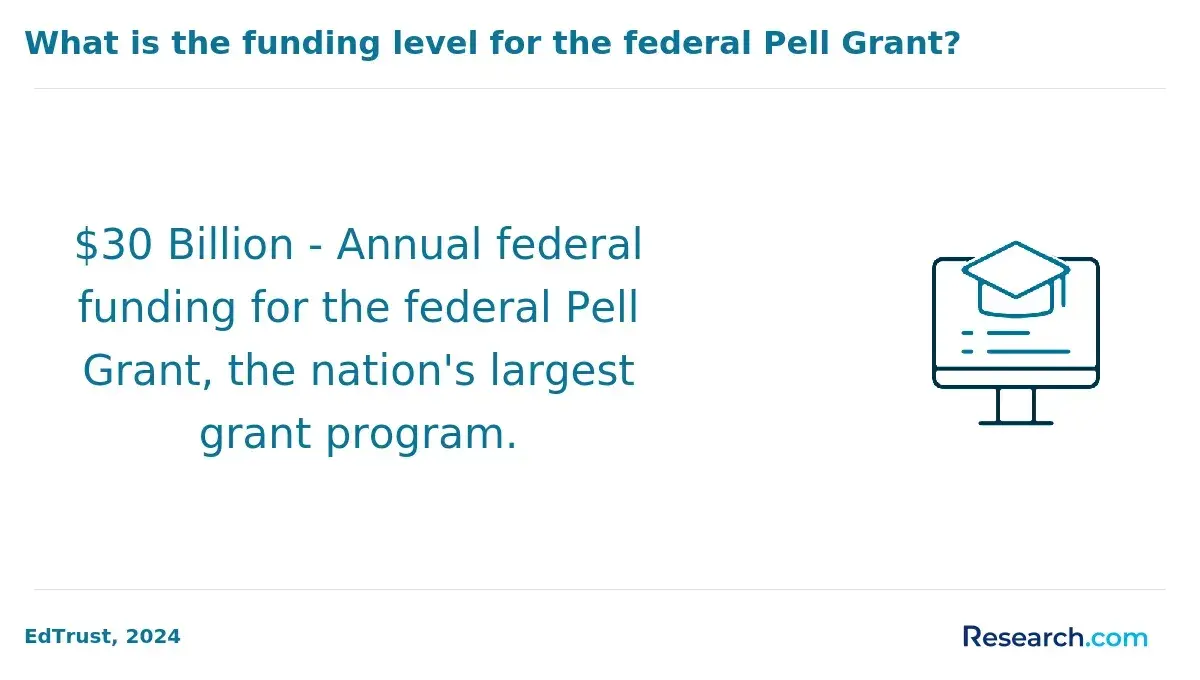
Evaluating the financial value of a general studies degree requires comparing tuition costs directly with salary growth rather than considering each in isolation. Average annual in-state tuition for a four-year public university exceeds $10,000, totaling more than $40,000 over the duration of the degree, while entry-level salaries for general studies graduates hover between $40,000 and $45,000 annually according to the U.S. Department of Education's 2024 Postsecondary Employment Outcomes dataset. Mid-career earnings rise modestly to $55,000-$60,000 but typically fail to keep pace with inflation-adjusted tuition increases. For students, this gap means that even as they invest significant funds upfront, salary growth often does not provide sufficient returns to quickly offset the rising cost of education, underscoring the importance of factoring in both expenses and long-term earnings when assessing the degree's economic practicality.
Consider two prospective students: one opts for a four-year program at a public university, financing tuition largely through loans, while the other chooses part-time enrollment combined with work to reduce debt. The first student may face mounting interest and deferred financial recovery due to stagnant salary growth, whereas the second might manage a steadier cash flow but at the cost of a longer time to degree completion. Variations in living costs, inflation rates, and individual career paths further complicate how tuition compares with income gains for general studies graduates. This nuanced interplay highlights that the return on investment depends heavily on personal circumstances and economic conditions, making a simple cost-versus-salary comparison insufficient without context.
One recent graduate shared that after completing a general studies degree, she found the rising tuition had pressured her to accept multiple part-time roles rather than pursue full-time work in her field of interest immediately. Although her early earnings aligned with national averages, loan repayments combined with living expenses created ongoing financial strain. She often questioned whether enrolling full-time upfront might have accelerated her degree but recognized that slower progress allowed her to avoid greater debt. Her experience illustrates how the interplay of tuition costs and salary growth can uniquely shape financial strategies and post-graduate realities for general studies students.
Does a General Studies Degree Deliver a Positive Return on Investment?
Evaluating the return on investment (ROI) of a general studies degree means weighing the total costs-tuition, fees, and the impact of inflation-against longer-term career prospects and earning growth rather than just initial salaries. According to 2024 data from the U.S. Department of Education and the National Center for Education Statistics, graduates with general studies degrees typically earn between $40,000 and $50,000 annually, which is lower than graduates from more specialized fields like STEM or business. However, ROI should factor in the degree's flexibility and its potential to develop critical thinking skills, which can open doors to diverse career paths or graduate programs that may enhance lifetime earnings. For example, a student who completes a general studies program at a lower-cost institution, incurs less debt, and then pursues a master's degree in a higher-paying field could achieve a significantly improved financial outcome compared to immediate entry-level employment.
The balance between tuition inflation and wage growth is a key determinant of ROI for general studies graduates. Federal Reserve Bank analysis in 2024 highlights that inflation-adjusted wages for these graduates have lagged behind rising education costs over the last decade, tightening net financial gains for many. Despite this, some individuals leverage the broad educational foundation of general studies to pivot into versatile jobs or advanced degrees that generally yield better compensation. Ultimately, the return on investment varies widely depending on factors like institution cost, career strategy, and local labor market conditions, making it essential for prospective students to carefully assess how their goals align with both immediate expenses and potential future earnings.
Which Industries Offer the Highest Salaries for General Studies Graduates?
The salary landscape for graduates with a general studies degree reflects the versatility and adaptability these individuals bring to various industries. While this broad degree does not focus on technical specialization, it opens pathways to sectors that prize transferable skills such as communication, critical thinking, and project management. According to the U.S. Bureau of Labor Statistics and the National Association of Colleges and Employers, salary outcomes vary widely based on industry, location, and the accumulation of relevant experience or certifications. Understanding where general studies graduate salary by industry and location trends best can help guide strategic career decisions. Below are the industries offering the highest salaries for professionals with this educational background.
- Technology Sector: Despite not having specialized STEM degrees, general studies graduates often secure roles in project coordination, business analysis, and technical support within tech firms. These positions typically start with salaries above $65,000 annually, driven by the industry's growth and reliance on versatile administrative and analytical abilities.
- Healthcare Industry: Administrative and public health roles in healthcare services management are prominent for general studies graduates. The surge in healthcare demand and inflation adjustments have pushed median salaries in healthcare management beyond $60,000, reflecting the sector's need for skilled personnel who can navigate complex regulatory environments.
- Finance and Insurance: This sector offers competitive pay for roles such as compliance officers, insurance underwriters, and financial support specialists. Salaries range between $55,000 to $70,000, influenced by the regulatory nature of the industry and the value placed on detail-oriented and analytical thinking.
- Government and Public Administration: Stability and public service motivate many graduates to pursue this path, where policy analysts and program coordinators earn between $50,000 and $65,000 annually. The structured nature of government roles often rewards sustained experience and specialization.
- Marketing and Advertising: Salary potential here depends on experience and specialization in content creation, market research, and client management. Initial pay is usually in the mid-$50,000s but can increase with targeted skills and proven results in campaign execution and data analysis.
For those considering further advancement, pursuing a masters in organizational leadership can substantially boost opportunities across these sectors. This blend of broad foundational knowledge combined with leadership skills can position graduates to take on roles with higher responsibility and compensation over time.
Which States and Cities Offer the Highest Pay for General Studies Professionals?
Salary prospects for those with a general studies background vary significantly by region, influenced by local economies, labor market demands, and living costs. While high-paying metro areas often attract graduates with diverse employers, the net benefit depends on how compensation balances with expenses like housing and education debt. Recent labor statistics from 2024 show certain states and cities consistently offering wages well above the national median, particularly where knowledge industries flourish. Below are notable locations where general studies professionals tend to earn the most, along with key considerations in assessing the true value of those earnings.
- California Metro Areas: Cities such as San Francisco and Los Angeles lead with median annual wages about 20-30% above the U.S. average for general studies roles. The state's large economy supports varied sectors including technology and entertainment. However, the elevated cost of living and steep housing prices require careful financial planning to ensure salary gains translate into real income growth.
- Boston, Massachusetts: Anchored by top universities and expanding healthcare and tech industries, Boston offers salaries above national averages for general studies graduates. The city's competitive job market benefits from its innovation-driven economy, but high tuition fees and living expenses demand a rigorous cost-benefit analysis when considering study locations or relocation.
- New York City, New York: With a vast ecosystem of corporate, nonprofit, and government employers, NYC generates strong demand for professionals with broad skill sets. Median pay rates exceed many other areas, yet the city's high inflation and housing costs often offset this advantage, posing a challenge for maintaining financial stability over time.
- Washington, D.C. Metro Area: The concentration of federal agencies and related contractors drives consistent demand and relatively robust salaries for general studies professionals. While incomes are competitive, the region's cost of living and transportation expenses should factor into decisions about pursuing work here.
- Seattle, Washington: Boasting a growing tech hub and diversified economy, Seattle offers above-average wages for generalists. The area's expanding industries create steady opportunities, but rising housing costs and local taxes can erode take-home pay advantages.
- Texas Urban Centers: Cities like Dallas and Houston provide moderate salaries that are lower nominally than coastal metros but pair with more affordable living costs. For graduates prioritizing debt repayment and long-term savings, these areas may offer a stronger net financial position despite the wage gap.
How Do General Studies Salaries Grow Throughout a Career?
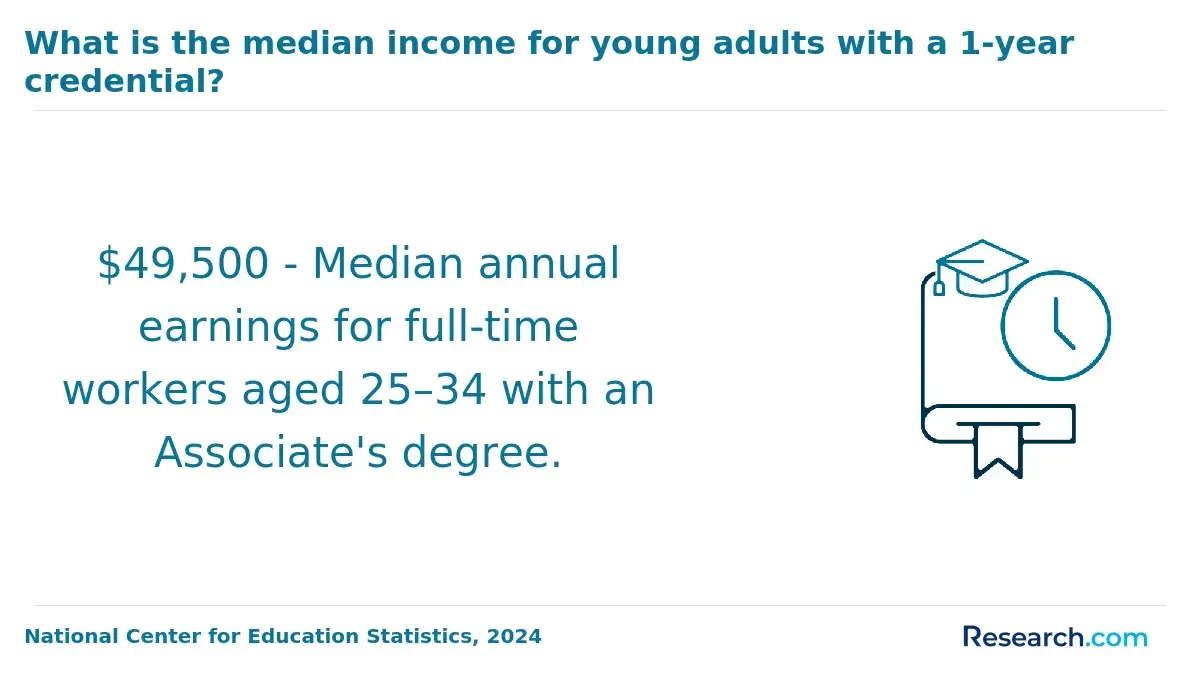
Salaries for general studies graduates typically begin near the median entry-level wage for bachelor's degree holders, generally ranging between $45,000 and $50,000 annually as reported in 2024 by the U.S. Bureau of Labor Statistics. Over the first decade, earnings tend to increase steadily by about 3-5% per year, keeping pace with inflation but rarely exceeding it without significant promotions or further qualifications. By mid-career, around 10 to 20 years after graduation, average salaries for general studies degree holders usually rise to between $65,000 and $75,000, reflecting accumulated experience and market adjustments. This growth is often slower than in more specialized fields such as STEM or business, where mid-career salaries commonly exceed $90,000, highlighting the tradeoffs of a broad-based degree in comparison to focused career tracks.
Consider two graduates with the same general studies degree: one enters a general administrative role and remains on the standard salary progression, while the other pursues graduate education and shifts into human resources management. The first may see moderate and steady salary increments aligned with inflation, but the latter can experience accelerated earnings growth due to advanced credentials and specialized skills. Ultimately, long-term salary advancement is strongly influenced by factors beyond the degree itself, including career path selection, additional certifications, and the ability to leverage transferable skills in higher-paying sectors. Without such strategic moves, salary increases tend to be incremental and closely tied to experience rather than exponential.
One graduate recalled hesitating before enrolling in a master's program several years after finishing general studies because of concerns about balancing cost and career benefits. After completing a graduate certificate in project management, they noticed tangible improvements—not just in salary growth but also in job responsibilities and employer recognition. This graduate viewed the decision as pivotal; while the initial years reflected typical modest raises, additional qualifications opened doors to leadership roles, emphasizing how targeted professional development can redefine salary trajectories beyond the degree's baseline promise.
How Do General Studies Salaries Compare With Similar Degrees?
General studies degrees offer broad educational foundations but often yield median salaries ranging from $45,000 to $55,000, according to the U.S. Bureau of Labor Statistics and National Center for Education Statistics data from 2024. When deciding whether to pursue a general studies program, it's crucial to understand how its earning potential compares with related majors in the current labor market. Below are several comparative insights relevant for those evaluating general studies degree earnings versus similar majors.
- Multidisciplinary Studies: Graduates with multidisciplinary or interdisciplinary studies degrees commonly report median salaries between $50,000 and $60,000. These degrees similarly embrace flexibility but tend to get slightly better pay, likely due to more targeted coursework that appeals to employers seeking specific skill combinations.
- Business Administration: Business graduates frequently see higher initial earnings, often exceeding $65,000. This reflects business's clearer career paths in management, finance, and marketing, where specialized skills drive salary premiums compared to general studies' broader but less defined training.
- Communications: Communication degree holders can expect salaries typically above general studies averages. Their focused expertise in media, public relations, or corporate communications often translates to better starting wages in competitive job markets.
- General Studies with Certifications: For general studies alumni, salary growth accelerates when combined with certifications or graduate education. While entry salaries may lag, advanced credentials often unlock higher-paying roles over time, balancing out initial disparities with specialized degree holders.
Given tuition cost variations, including options at more affordable institutions such as those offering photography colleges online, prospective students should weigh these salary trajectories carefully. The broad skill sets of a general studies degree provide versatility, but those seeking stronger early earnings should consider specialized paths within the context of long-term return on investment amid inflation and rising education costs.
How Is Employer Demand Affecting General Studies Salary Trends?
Employer demand significantly shapes salary trends for general studies graduates by influencing competition for qualified candidates, hiring volumes, and compensation tactics. For example, an entry-level administrative support position in a midsize firm might see stable hiring but offer stagnant wages due to automation reducing role complexity. Data from the U.S. Bureau of Labor Statistics indicates that while job openings in general studies-related roles like education support and certain analyst positions have grown modestly, wage increases have not kept up with inflation. This reflects how moderate employer demand can maintain hiring activity without driving substantial salary growth.
Multiple factors contribute to employer demand, including market needs, technological shifts, and organizational budgeting. Strong demand for specialized skills often causes employers to prioritize candidates with targeted experience, limiting wage growth for general studies graduates lacking such qualifications. A 2024 analysis by the Georgetown University Center on Education and the Workforce confirms that automation and outsourcing have curbed wage gains in these fields despite stable demand. This dynamic underscores why general studies graduates must strategically develop skills beyond their degree to improve their earning potential in a competitive job market.
Prospective students should consider that while employer demand impacts salary trends, actual wages also depend on experience, specialization, and wider economic conditions. Those weighing degree options might explore alternative paths or supplemental training, such as online forensic science courses, to bolster marketability. Understanding the nuanced intersection between employer demand impact on general studies salaries and job market trends for general studies graduates can guide realistic expectations and informed career decisions.
How Can Students Maximize Their Lifetime Earnings With a General Studies Degree?
Maximizing lifetime earnings with a general studies degree requires more than just completing coursework; it involves strategic skill-building and aligning education with market demands. Data from the U.S. Bureau of Labor Statistics and the National Center for Education Statistics emphasize that graduates who actively develop specialized skills and pursue industry-relevant certifications boost their earning potential significantly. For instance, a graduate supplementing their degree with project management certification while interning in healthcare administration could expect a clearer pathway to higher-paying roles. The following strategies reflect key factors tied to stronger long-term income for graduates in this field.
- Targeted Skill Development: Focusing on communication, critical thinking, and digital literacy equips graduates with versatile tools employers seek, enabling transitions into high-demand sectors and justifying premium salaries over time.
- Industry-Relevant Certifications: Pursuing credentials in areas like project management or data analysis validates expertise and often corresponds with median earnings increases of up to 30%, according to Georgetown University research.
- Strategic Internships: Engaging in internships within robustly growing fields such as healthcare administration or business services provides practical experience and networking advantages that translate to better job prospects.
- Geographic Mobility: Being open to relocating, especially to metropolitan hubs or sectors like tech and finance, can yield substantial pay differentials and long-term career growth opportunities.
- Lifelong Learning Commitment: Continual adaptation to emerging technologies and new tools aligns graduates with evolving industry demands, sustaining relevance and income potential throughout their careers.
References
- Higher education’s big test: Proving the value of college degrees https://www.luminafoundation.org/news-and-views/higher-educations-big-test-proving-the-value-of-college-degrees/
- Highest Paying Jobs With a General Studies Degree & Salaries 2026 - Top 10 https://www.nexford.edu/insights/highest-paying-jobs-with-general-studies-degree
- A General Studies Degree Is a Launchpad for Career Changers https://www.tuw.edu/gen-ed/general-studies-degree-benefits/
- Tracking College Tuition Growth https://www.richmondfed.org/publications/research/economic_brief/2024/eb_24-23
- General Studies Degree Jobs: 10 Careers + Salaries (2026) | Extern https://www.extern.com/post/general-studies-degree-jobs-career-guide
- Job Market Trends 2026 - Generations Recruitment https://generationsrecruitment.com/job-market-trends-2026/
- Do increases in public sector wages affect inflation? :: Public Sector Economics https://www.pse-journal.hr/en/archive/do-increases-in-public-sector-wages-affect-inflation_13377/
- Are wages keeping up with inflation? | USAFacts https://usafacts.org/answers/are-wages-keeping-up-with-inflation/country/united-states/
- Do People Care More About Inflation or Wage Growth? https://www.federalreserve.gov/econres/notes/feds-notes/do-people-care-more-about-inflation-or-wage-growth-20250328.html
- Average Cost of College [2025]: Yearly Tuition + Expenses https://educationdata.org/average-cost-of-college
Other Things You Should Know About General Studies
General studies degrees typically offer broad curricula, which means graduates may lack the specialized skills that many employers prioritize during salary negotiations. While this flexibility can allow for diverse career paths, it often results in a tradeoff where starting salaries do not reflect the breadth of an individual's education. Prioritizing the development of targeted skills or complementary credentials during the degree program can improve the ability to negotiate higher wages and remain competitive in specific job markets.
Longer programs allow for deeper exploration and potentially more marketable competencies but come with higher tuition and delayed entry into full-time employment, impacting overall earning timelines. Conversely, shorter or more affordable programs might reduce debt but may limit experiential learning and skill acquisition, negatively affecting starting salary. Students should weigh immediate financial constraints against the long-term wage impact that enhanced skills and experiences can provide, often making a slightly longer or costlier program worthwhile if it offers targeted learning opportunities aligned with labor market demands.
Employers in different sectors often have inconsistent views on the value of a general studies degree, leading to unpredictable wage growth. Some may value the adaptability these graduates bring, while others prioritize specific technical competencies, limiting long-term wage potential. Graduates should consider supplementing their degrees with internships or certifications aligned with employer preferences to improve wage scalability, rather than relying solely on the degree itself to drive salary increases.
Accepting lower wages in roles that offer clear professional development and skill-building often leads to better salary growth than immediately pursuing higher-paying jobs with limited advancement opportunities. General studies graduates benefit most when they prioritize positions that enhance their expertise and workplace relevance, enabling them to capitalize on wage increases over time. Therefore, career growth potential should typically be prioritized over initial salary, especially in evolving job markets where adaptability is critical.