2027 How Employers Are Changing Hiring Criteria for General Studies Graduates in the AI Era

Co-Founder and Chief Data Scientist
A prospective general studies student scanning job listings quickly realizes that a degree alone often no longer opens doors in today's rapidly shifting labor market. Employers are increasingly seeking candidates who combine academic credentials with demonstrated skills in data literacy, adaptability, and problem-solving-traits amplified by the rise of artificial intelligence (AI). According to a 2024 report from the U. S. Bureau of Labor Statistics, nearly 70% of employers now prioritize digital competency and AI familiarity alongside formal education when hiring for entry-to-mid-level roles.
This shift compels general studies graduates to rethink their career preparation beyond coursework. The infusion of AI technologies into the workplace redefines what hiring managers value, emphasizing transferable skills and AI literacy as essential. This article examines how employers are evolving their hiring criteria for general studies graduates, highlighting the growing importance of these competencies and exploring strategies students can adopt to stay competitive in the AI era.
Key Things to Know About the Changing Hiring Criteria for General Studies Graduates in the AI Era
- AI integration in workflows demands graduates understand algorithmic biases, prompting employers to prioritize critical evaluation over rote knowledge, shifting hiring towards adaptable, AI-aware general studies graduates.
- The 2024 Deloitte study shows 72% of employers value AI literacy alongside interdisciplinary skills, implying graduates must develop tech fluency plus versatile communication to remain viable in hybrid roles.
- Candidates demonstrating continuous AI-related upskilling plus transferable problem-solving outperform peers, reflecting that dynamic learning agility now weighs more heavily than traditional credentialing in hiring decisions.
- Key Things to Know About the Changing Hiring Criteria for General Studies Graduates in the AI Era Key Things to Know About the Changing Hiring Criteria for General Studies Graduates in the AI Era
- How Is AI Changing What Employers Look for in General Studies Graduates? How Is AI Changing What Employers Look for in General Studies Graduates?
- Which AI Skills Are Employers Expecting General Studies Graduates to Have? AI Skills
- Which Human Skills Are Employers Looking for in General Studies Graduates? Human Skills
- How Are AI Tools Changing Daily Work in General Studies Careers? AI Workplace Tools
- How Are Employers Evaluating General Studies Candidates Beyond Academic Credentials? Hiring Criteria
- How Are General Studies Degree Programs Adapting to AI? AI Curriculum
- Which Industries Are Changing Hiring Expectations Most for General Studies Graduates? AI and Industry Expectations
- How Is AI Changing Career Growth for General Studies Professionals? AI and Career Growth
- How Should General Studies Students Prepare for AI-Driven Hiring? Career Preparation
- How Should Students Choose a General Studies Program for the AI Era? How Should Students Choose a General Studies Program for the AI Era?
How Is AI Changing What Employers Look for in General Studies Graduates?
Artificial intelligence is significantly redefining what employers expect from general studies graduates by shifting the focus from purely technical skills to the ability to collaborate effectively with AI systems. According to a 2024 report from the U.S. Bureau of Labor Statistics, over half of organizations now incorporate AI tools in recruitment and daily operations, making proficiency in digital literacy and data fluency critical. Employers prioritize graduates who can use AI-driven insights to support decision-making rather than simply executing routine technical tasks. For example, a hiring manager in a marketing firm may value a candidate who not only understands AI analytics platforms but can also translate those insights into innovative campaign strategies, blending human creativity with machine efficiency.
The impact of AI on employer expectations for general studies graduates extends beyond technical competencies to include soft skills like ethical judgment and adaptability. Employers are increasingly seeking candidates who demonstrate critical thinking and emotional intelligence, qualities AI cannot replicate, especially when navigating ambiguous or complex real-world scenarios. The 2024 National Association of Colleges and Employers survey reveals that 68% of employers favor candidates who combine interdisciplinary knowledge with AI tool proficiency to improve operational outcomes. To remain competitive, graduates should adopt a learning mindset that values continuous development in AI awareness alongside traditional fields, which can be supplemented by programs such as accredited BCBA programs online.
This evolving hiring landscape underscores that while AI integration transforms many job functions, human capabilities remain irreplaceable. Communication skills now involve articulating technical concepts clearly and collaborating across multidisciplinary teams enhanced by AI. Organizations increasingly recognize that adaptability in an AI-augmented environment-balancing technical skills with creativity and ethical considerations-is crucial for sustained career relevance in a shifting workforce.
Which AI Skills Are Employers Expecting General Studies Graduates to Have?
Artificial intelligence is rapidly altering employer expectations, pushing beyond traditional discipline knowledge to emphasize practical AI skills. General studies graduates face a shifting labor market where employers value the ability to not only understand AI tools but also to apply them in diverse, real-world environments. Employers increasingly expect these graduates to bridge the gap between technical AI experts and organizational needs by demonstrating adaptable, AI-relevant competencies. This shift is supported by recent workforce analyses showing rising demand for specific AI proficiencies that enhance decision-making and strategic thinking across sectors. Below are five key AI skills that are becoming essential for general studies graduates to remain competitive and effective in a technology-infused workplace.
- Data Literacy: Data literacy is critical because employers want graduates who can interpret, analyze, and present data accurately within AI-driven workflows. Proficiency in basic data manipulation helps professionals make informed decisions rather than relying blindly on AI outputs. Students can develop this skill through coursework or online modules focused on statistics, data visualization, and spreadsheet tools.
- Basic Programming Skills: Knowledge of programming languages like Python or R is increasingly expected, as these are common entry points to working with AI applications. Even minimal coding ability allows graduates to customize AI tools or automate routine tasks, which significantly enhances productivity. Learning these languages through accessible platforms equips graduates to collaborate more confidently with technical teams.
- AI Ethics Awareness: Understanding the ethical implications of AI use is essential, especially in public administration, healthcare, and business sectors where algorithmic bias and privacy can have serious consequences. Employers value candidates who recognize potential risks and advocate for responsible AI deployment. Engaging with case studies and ethics discussions prepares students for this critical evaluative role.
- Critical Thinking in AI Contexts: Graduates must interpret AI outputs critically, identifying limitations or inconsistencies rather than accepting results at face value. This skill helps prevent costly errors in decision-making processes. Building critical thinking through problem-solving exercises and real-world AI scenarios sharpens graduates' judgment capabilities in complex environments.
- Applied Data Analytics: Employers seek graduates capable of applying analytics to solve practical problems by extracting actionable insights from large datasets. This skill integrates technical understanding with strategic application, setting graduates apart in competitive hiring pools. Enhancing this competency involves training in tools like Excel, Tableau, or beginner-friendly AI platforms tuned to real-world data challenges.
A practical example can be seen in healthcare administration where general studies graduates with AI skills help optimize patient scheduling through data analytics and automate routine communications using simple programming scripts. This dual application not only streamlines operations but also supports informed decisions about resource allocation, illustrating how essential artificial intelligence competencies for hiring are reshaping job responsibilities across fields. Recent U.S. Bureau of Labor Statistics data underscores how integrating such skills correlates with wage growth that outpaces inflation in occupations popular among general studies graduates.
Exploring targeted skill-building options is important; prospects might consider programs featuring applied data analytics, AI ethics, and accessible coding lessons. Those seeking affordable routes to develop these competencies could find helpful resources through the cheapest online psychology bachelor degree offerings, which often blend multidisciplinary approaches relevant to AI integration in human-centered domains.
Which Human Skills Are Employers Looking for in General Studies Graduates?
Automation driven by AI increasingly handles routine and repetitive work, shifting employer focus toward distinctly human abilities that enhance machine outputs instead of duplicating them. As software takes over tasks like data entry or basic analysis, the premium now lies on skills that require judgment, empathy, and creativity-areas where AI is limited or lacks nuance. For example, while AI can flag unusual financial transactions, human critical thinking is essential to interpret risks in context and decide on appropriate responses. The following outlines five key human skills growing in importance for general studies graduates amid these evolving demands.
- Adaptability and Learning Agility: The rapid pace of AI development means job roles frequently change, requiring workers who can quickly absorb new information and adjust their approaches. General studies programs that emphasize reflective learning and cross-disciplinary exposure prepare students to pivot when technologies or market needs shift.
- Critical Thinking and Judgment: AI outputs need human oversight to evaluate their relevance and ethical implications. Graduates skilled in questioning assumptions and synthesizing diverse data provide balanced decisions, reducing errors caused by automated biases or gaps.
- Emotional Intelligence and Collaboration: As AI lacks genuine empathy, the ability to connect with colleagues, resolve conflicts, and lead diverse teams grows more valuable. General studies' broad curriculum aids graduates in understanding social dynamics, which supports effective interpersonal communication.
- Creativity and Innovation: Beyond procedural execution, workers must generate novel ideas and adapt AI tools as strategic partners. Graduates who cultivate inventive thinking and problem-solving sustain long-term value by shaping AI's use rather than simply operating it.
- Ethical Reasoning and Responsibility: With AI's influence expanding, ethical frameworks are essential to address bias, privacy, and accountability concerns. Those trained to apply principles thoughtfully help organizations implement AI responsibly while maintaining public trust.
One recent graduate recalls hesitating before a team meeting when their company's new AI tool flagged a hiring candidate's qualifications as insufficient. Drawing on critical thinking and ethical sensitivity learned during their general studies degree, they suggested a holistic review instead of outright rejection. This intervention prompted a more nuanced evaluation combining human judgment and AI insights, ultimately leading to hiring a candidate who significantly contributed to the team's success. The experience reinforced how blending human skills with AI tools can produce better outcomes than relying on automation alone.
How Are AI Tools Changing Daily Work in General Studies Careers?
The integration of AI tools in general studies careers is redefining everyday tasks by automating repetitive activities and streamlining complex data processing. For example, natural language processing applications enable professionals to rapidly condense large bodies of text into coherent reports or presentations, accelerating work that traditionally consumed significant time and effort. This practical use of AI not only elevates productivity but also allows general studies graduates working in fields like policy analysis or community engagement to focus more on interpreting insights instead of gathering raw information.
According to the 2024 Employment Technology Report by the U.S. Bureau of Labor Statistics, over 60% of roles typical for general studies professionals now rely on AI-enhanced software, signaling a widespread shift in workplace expectations. This technological adoption is moving job responsibilities away from routine execution toward more strategic and interpretive functions. Consequently, workers must develop advanced skills in critical thinking, ethical decision-making, and collaboration to oversee AI outputs effectively while maintaining human judgment and creativity within hybrid workflows.
The National Workforce AI Impact Study of 2024 further emphasizes that proficiency with digital tools and understanding AI's ethical implications have become vital for remaining competitive. Employers increasingly prioritize candidates who can manage AI-aided processes while contributing original perspectives and solutions. In practice, this means general studies professionals are transitioning from primarily executing tasks to becoming facilitators of technology-enhanced work environments that require oversight, problem-solving, and nuanced communication skills.
How Are Employers Evaluating General Studies Candidates Beyond Academic Credentials?
Employers assessing candidates with a general studies background are moving decisively beyond traditional academic credentials to prioritize demonstrable skills and experience. According to a 2024 report by the National Association of Colleges and Employers (NACE), over 75% of employers emphasize practical abilities such as problem-solving, teamwork, and adaptability more than specific degree titles. This trend reflects a growing recognition that general studies graduates must complement their broad academic foundation with concrete evidence of applied skills-whether through internships, project-based assessments, or digital portfolios-to stand out in a competitive job market increasingly shaped by artificial intelligence.
For instance, a hiring manager in a mid-sized tech firm might evaluate a general studies candidate by their ability to navigate AI tools alongside demonstrating emotional intelligence and digital communication skills, rather than relying solely on transcripts. The Deloitte Global Human Capital Trends report highlights that 83% of companies now see emotional intelligence as essential to workplace success, particularly as automation takes over more routine tasks. This approach aligns with evaluating non-academic competencies for general studies graduates, including AI literacy and real-world problem-solving capacity, which are crucial differentiators in fields where rapid adaptability and collaboration lead to sustained career growth.
Employers increasingly expect applicants to showcase versatility through certifications, scenario-based interviews, or portfolios that capture how they apply technology and soft skills in practical contexts. Developing expertise in emerging areas-for example, by engaging with AI tools or gaining specialized knowledge similar to those found in art therapy masters programs-can enhance the relevance of a general studies graduate's profile. By adopting holistic hiring practices, employers aim to identify candidates who not only possess a wide-ranging education but also the specific competencies necessary to thrive in a dynamic, AI-enabled economy.
How Are General Studies Degree Programs Adapting to AI?
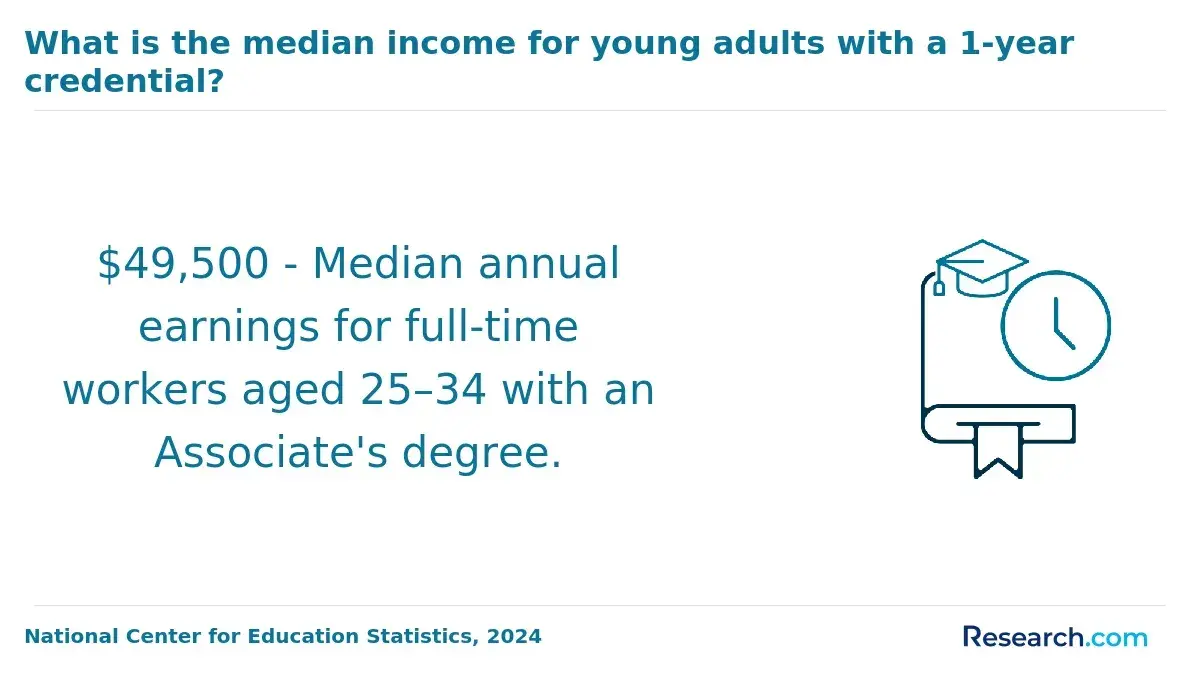
General studies degree programs are evolving by embedding AI literacy and practical data skills while maintaining a foundation in critical thinking and communication. The 2024 National Center for Education Statistics reports that more than 60% of institutions have updated or are revising their curricula to include AI concepts, reflecting employer demand for graduates who can navigate AI tools alongside human-centered judgment. These programs often introduce interdisciplinary courses that address data analysis, ethical AI use, and digital literacy within a liberal arts framework, fostering adaptable problem-solving abilities crucial for diverse workplace environments.
Institutions increasingly deploy experiential learning and partnerships with industries to provide hands-on exposure to AI applications, helping students translate technical knowledge into real-world contexts such as digital policy, business analytics, and communications enhanced by AI technologies. For example, graduates trained in general studies programs with integrated AI coursework have shown improved job placement rates in sectors involving AI-supported decision-making and ethical considerations. However, educators emphasize preserving broad analytic skills rather than narrowly technical training, ensuring graduates remain versatile thinkers capable of addressing complex societal challenges.
This balanced approach aligns with insights from a 2024 McKinsey workforce report highlighting employer preference for candidates who combine AI proficiency with creativity and sound judgment. The challenge remains in offering sufficient technical depth without compromising the core mission of cultivating thoughtful, interdisciplinary scholars. As a result, programs focus increasingly on lifelong learning and ethical frameworks around AI, preparing students not only for immediate workforce demands but for adaptive career growth in rapidly changing labor markets.
Which Industries Are Changing Hiring Expectations Most for General Studies Graduates?
The speed at which artificial intelligence is adopted varies considerably across industries, shaping distinct hiring expectations for general studies graduates. Some sectors rapidly incorporate AI-driven tools, demanding technical literacy and adaptability, while others focus more on communication and ethical considerations. This divergence means graduates must carefully evaluate which industries align with their skill sets and where additional competencies may be needed. For example, a graduate comparing career paths could find that technology roles prioritize programming and AI ethics, whereas marketing emphasizes data interpretation combined with creativity. The following industries illustrate where shifts in hiring standards are most pronounced due to AI's influence.
- Technology: AI has transformed software development, cybersecurity, and cloud services, pushing employers to seek general studies graduates with solid foundations in programming, data analysis, and ethical considerations related to AI. The U.S. Bureau of Labor Statistics notes a 35% surge in tech job postings requiring AI awareness since 2021, underscoring this growing demand.
- Healthcare: With AI-driven diagnostics and patient management systems becoming common, healthcare employers expect candidates to understand AI's regulatory and privacy implications. Non-clinical roles increasingly value communication skills that effectively articulate AI integration to diverse stakeholders, reflecting guidance from the National Institutes of Health.
- Finance: AI tools now dominate risk assessment, fraud detection, and investment modeling. General studies graduates must demonstrate an ability to interpret AI outputs and apply insights to decision-making, aligning with reports from the Financial Industry Regulatory Authority showing over 40% of finance roles updated hiring criteria to include AI competencies in 2024.
- Marketing and Advertising: These sectors use AI for consumer analytics and tailored campaigns, creating demand for graduates who combine creative communication with proficiency in AI-driven platforms. The Interactive Advertising Bureau highlights that successful candidates merge storytelling with data literacy to meet evolving expectations.
- Education: Although slower in adopting AI, education roles are shifting toward understanding AI's impact on learning analytics and personalized instruction. Graduates interested in policy or administration benefit from skills in AI ethics and systems evaluation as schools experiment with intelligent tutoring and assessment tools.
A recent general studies graduate faced a dilemma when choosing between internship offers from a healthcare nonprofit and a marketing agency. Initially drawn to healthcare, they hesitated over the technical knowledge required about AI privacy rules, which felt daunting. After discussing with mentors, the graduate realized that their strength in data interpretation and communication matched the marketing role's focus on AI-driven consumer insights. Accepting the marketing position brought relief not just from uncertainty but also from a clear path to build on relevant AI skills, demonstrating how nuanced understanding of industry-specific AI demands can shape better career decisions.
How Is AI Changing Career Growth for General Studies Professionals?
The pace of AI adoption varies considerably across industries, influencing how quickly hiring expectations shift for general studies graduates. Sectors with heavy reliance on data processing, customer interaction, or regulatory compliance are integrating AI tools more rapidly, demanding new technical and analytical competencies from their workforce. Conversely, industries with more traditional structures or less digitization often adopt these technologies slower, resulting in a more gradual evolution of skills requirements. Understanding these differences is critical for general studies graduates who aim to target industries aligning with their career goals and readiness to develop relevant AI-related skills.
Below are five industries where the hiring landscape for general studies graduates is shifting most noticeably due to AI advancements:
- Healthcare: AI-powered diagnostic tools and patient data management systems increasingly require professionals who can interpret data, liaise between technical and clinical teams, and ensure compliance with AI ethics and privacy standards. General studies graduates with skills in digital communication and data literacy have growing opportunities here.
- Finance: Automation in risk assessment and customer analytics demands workers who can collaborate with AI systems to analyze complex information and maintain regulatory integrity. Employers seek candidates proficient in problem-solving and adept at using emerging financial technologies.
- Education: AI-driven personalized learning platforms and administrative automation are reshaping roles, pushing educators and support staff to integrate tech fluency with interpersonal skills. Graduates prepared to navigate AI ethics and adapt curricula tend to stand out.
- Marketing and Communications: The rise of AI in consumer data analysis and content automation requires professionals who can interpret AI-generated insights, craft strategic messaging, and manage user experience considerations. General studies degrees paired with training in AI literacy provide a competitive edge.
- Manufacturing: As AI optimizes supply chains and predictive maintenance, companies seek individuals capable of blending operational knowledge with digital tools. Adaptability and continuous learning facilitate success in increasingly tech-centric manufacturing environments.
According to the U.S. Bureau of Labor Statistics, over 40% of general studies roles now demand proficiency in data literacy and automation tools, underscoring how career advancement opportunities with AI skills in general studies have become a decisive factor. Prospective students and early-career professionals should consider integrating AI ethics and digital communication training into their development plans. For those exploring specialization options, programs like child psychology masters programs illustrate the growing intersection between interdisciplinary knowledge and technology-driven trends in social sciences and human services fields.
How Should General Studies Students Prepare for AI-Driven Hiring?
Preparing for AI-driven hiring requires more than earning a general studies degree; it demands developing a strategic blend of technical, AI-related, and human-centered skills. As AI integration reshapes job criteria, graduates must show adaptability beyond broad academic knowledge to meet evolving employer expectations. For example, a general studies graduate applying for a project management role may need not only traditional organizational skills but also familiarity with AI tools that optimize workflows and collaboration. Effective preparation involves targeted actions that align with market realities and employer priorities. Here are five practical strategies to consider:
- Integrate AI Coursework: Gaining foundational knowledge in AI concepts, programming, or data analysis enhances technical competency. Early exposure through classes or certifications demonstrates a proactive approach, signaling readiness for roles increasingly influenced by AI.
- Develop Hybrid Skills: Combining technical understanding with communication and critical thinking skills addresses employer demand for versatile professionals. This synthesis improves problem-solving capabilities and adaptability in diverse workplace environments.
- Engage in Applied Projects: Participating in interdisciplinary projects or internships that involve AI applications provides hands-on experience. Real-world practice helps translate theoretical knowledge into tangible skills valued by recruiters.
- Network Strategically: Building relationships with professionals in tech-driven industries offers insights into AI trends and hiring expectations. Leveraging connections can also provide opportunities to tailor resumes and interview strategies effectively.
- Leverage Specialized Degrees: Considering advanced studies, such as pursuing a data science PhD online, can deepen AI expertise and open doors in high-demand fields. Advanced credentials often complement a general studies background to boost competitiveness.
According to the World Economic Forum's 2024 report, over half of employers prioritize skills like data literacy alongside traditional qualifications. Aligning preparation efforts with these trends positions general studies graduates for success in an AI-driven labor market marked by continuous learning and skill diversification. These approaches are essential for general studies graduates preparing for AI hiring, ensuring relevant and marketable capabilities.
How Should Students Choose a General Studies Program for the AI Era?
Choosing a general studies program today demands more than evaluating reputation or cost; it requires assessing how well the curriculum equips students for rapidly evolving workforce demands shaped by AI technologies. Traditional strengths like critical thinking remain relevant, but employers are increasingly focused on AI fluency and the ability to collaborate with automated systems. For example, a graduate entering a marketing role may need foundational data analysis skills alongside creativity to leverage AI-driven customer insights effectively. Students should weigh several factors to ensure their program aligns with these shifting expectations.
Key factors to evaluate include:
- AI Integration in Curriculum: Programs should embed AI competencies such as basic programming, data literacy, and ethical issues directly into coursework, reflecting the National Center for Education Statistics' 2024 findings on employer priorities.
- Experiential Learning Opportunities: Hands-on AI projects, internships, or research collaborations improve employment prospects by providing real-world experience with AI tools, as supported by data from the EDUCAUSE Center for Analysis and Research.
- Curriculum Flexibility: With AI technologies evolving quickly, programs offering adaptable coursework and lifelong learning resources better prepare students to maintain competitive skills.
- Interdisciplinary Skill Development: Employers value graduates who combine communication, critical thinking, and digital literacy with technical knowledge, ensuring versatility across industries.
- Career Support Services: Access to tech-focused career coaching, especially guidance on AI specialization pathways, can significantly enhance job market readiness in competitive AI-driven sectors.
References
- 6 essential human skills for thriving in the age of AI - SIG – for better https://www.sig.biz/de-de/careers/life-sig/6-essential-human-skills-for-thriving-in-the-age-of-ai
- What are the jobs in artificial intelligence? - ECE https://www.ece.fr/en/what-are-the-jobs-in-artificial-intelligence/
- Microsoft Study Reveals Jobs Most and Least Affected by AI Disruption in the Workforce https://windowsforum.com/threads/microsoft-study-reveals-jobs-most-and-least-affected-by-ai-disruption-in-the-workforce.375592/
- AI tool helps to identify general skills - NLL https://nll.org/artikler/ai-tool-helps-to-identify-general-skills/
- The 2025 AI Hiring Playbook https://www.dice.com/hiring/recruitment/ebooks/ai-jobs-hiring-guide
- The 12 Best Bachelors in Artificial Intelligence Programs for Future Tech Leaders - AI Degree Center https://aidegreecenter.org/bachelors/
- AI in Recruitment - A Best Practices Guide - Global Management Academy https://globalmanagementacademy.com/ai-in-recruitment/
- What Can You Do With a General Studies Degree? https://www.calcoast.edu/news/what-can-you-do-with-a-general-studies-degree
- AI's Impact on Graduate Jobs: A 2025 Data Analysis | IntuitionLabs https://intuitionlabs.ai/articles/ai-impact-graduate-jobs-2025
- A General Studies Degree Is a Launchpad for Career Changers https://www.tuw.edu/gen-ed/general-studies-degree-benefits/
Other Things You Should Know About General Studies
Yes, many employers now prioritize graduates who have demonstrated depth in specific subject areas rather than a broad but shallow curriculum. This shift means students should carefully select electives that align closely with the industries they hope to enter. Prioritizing relevant coursework can make the difference in proving applied knowledge, especially when AI reduces emphasis on generic skills.
Employers increasingly expect a blend of both, but the balance depends significantly on the role and company size. For larger firms with complex workflows, domain expertise supported by adaptability is crucial to integrate AI systems effectively. Smaller companies or startups may value flexibility more but only if graduates can also communicate how their broad learning supports decision-making. Graduates should highlight how their interdisciplinary background enables them to pivot while maintaining subject relevance.
In many cases, relevant work experience now carries more weight than GPA alone because hands-on familiarity with AI-augmented tools signals practical competence. However, the tradeoff can disadvantage those who attended programs without robust internship opportunities. Prospective graduates should prioritize internships or project-based roles that expose them to real-world applications, as employers often view this as a proxy for readiness to handle AI-driven tasks.
Given the evolving employer landscape, students should generally aim for fewer courses with deeper learning tied to clear career goals. While versatility remains an asset, superficial exposure risks being overshadowed by AI tools that automate routine knowledge retrieval. Deep understanding in select areas allows graduates to demonstrate critical thinking and problem-solving in ways AI cannot replicate, making them more valuable in technical decision-making contexts.