2027 General Studies Affordability by State: Where Students Pay the Most and Least

Co-Founder and Chief Data Scientist
Choosing between a local community college and an out-of-state university places many general studies students in a difficult affordability bind. Tuition differences often mask the true cost of attendance, with recent data from 2024 showing that nonresident tuition averages nearly 2.5 times higher than in-state rates nationwide. This disparity drives students to debate whether the prestige or broader course selection of an out-of-state option justifies dramatically increased debt. Additionally, living expenses-rising fastest in metropolitan areas-can erase perceived savings.
Understanding these layered costs is crucial for managing long-term financial risk while pursuing flexible degree paths. This article examines general studies affordability by state to reveal where students face the highest and lowest total costs and help inform smarter enrollment choices.
Key Things to Know About General Studies Affordability by State
- States with lower nominal tuition often have higher total costs due to living expenses; this tradeoff means affordability assessments must consider housing and transportation, influencing students' financial planning beyond sticker price.
- Employers in states with strong state funding and reduced borrowing among graduates tend to value local credentials more, reflecting workforce preference for regionally affordable, debt-conscious candidates.
- The rise of online options since 2024 has increased access but does not consistently lower costs, as fees and support services vary widely, impacting timing and affordability for nontraditional general studies students.
- Key Things to Know About General Studies Affordability by State Key Things to Know About General Studies Affordability by State
- Which States Have the Most Affordable General Studies Degree Programs? Most Affordable State Programs
- Which States Have the Highest General Studies Degree Costs? Highest State Tuition Costs
- How Much Does a General Studies Degree Cost by State? Degree Costs by State
- Why Does General Studies Affordability Vary So Much Between States? State Affordability Variations
- How Do In-State and Out-of-State Tuition Rates Affect General Studies Affordability? In-State vs. Out-of-State Rates
- How Does the Cost of Living Impact Overall General Studies Affordability by State? Living Costs and Affordability
- Which States Offer the Best Value for a General Studies Degree? Best Value State Degrees
- What Financial Aid and Scholarship Opportunities Can Reduce General Studies Costs? What Financial Aid and Scholarship Opportunities Can Reduce General Studies Costs?
- Are Online General Studies Degree Programs More Affordable Than On-Campus Options? Are Online General Studies Degree Programs More Affordable Than On-Campus Options?
- Is a General Studies Degree Worth the Cost Based on Career Outcomes and ROI? Degree ROI and Outcomes
Which States Have the Most Affordable General Studies Degree Programs?
State-level differences in tuition pricing, public funding priorities, and residency policies critically shape the accessibility of general studies degree programs, influencing whether students can afford timely degree completion or face extended financial burdens. In states that prioritize public higher education investment, such as Wyoming or New Mexico, robust state subsidies reduce reliance on tuition revenue, allowing community colleges and regional institutions to keep in-state tuition fees significantly below the national average-for instance, Wyoming's community colleges average about $3,500 annually compared to more than $7,000 elsewhere. This creates practical affordability that extends beyond sticker price, magnified by lower regional living costs, which especially benefits students balancing education with work or family obligations. Conversely, students in states with less public funding and higher living expenses face both higher direct costs and indirect financial pressures, often resulting in longer time to degree and elevated debt levels.
The variability in affordability means that the "most affordable general studies degree programs by state" cannot be judged solely by headline tuition figures but must consider each state's broader educational infrastructure and financial ecosystem. A Florida student, for example, may benefit from a competitive public institution landscape and extensive state financial aid programs, but the relative cost advantage is partially offset by a higher cost of living compared to states like New Mexico. This interplay affects enrollment decisions and degree planning; budget-conscious students must weigh potential savings from in-state tuition and grants against personal circumstances and total cost of attendance, which includes housing and transportation. Choosing a program with lower tuition but less aid or higher living costs could paradoxically increase out-of-pocket expenses. As affordability impacts retention and completion rates, students exploring affordable academic pathways may also consider expanding options through complementary credentials such as certifications online to enhance employability while managing costs effectively.
Which States Have the Highest General Studies Degree Costs?
Higher general studies degree costs in certain states largely stem from structural funding gaps and local economic conditions rather than simply sticker price alone. States like Massachusetts and California face reduced public higher education support, compelling universities to raise tuition and fees significantly. Coupled with elevated living expenses-housing, transportation, and other essentials-these places create financial pressures that can easily push students' annual costs beyond $35,000, according to 2024 data from the College Board. Such realities shape enrollment choices, especially when out-of-state tuition premiums and the density of private institutions with steeper price tags amplify overall expenses, often making online or out-of-state alternatives more attractive despite potential tradeoffs in network access or perceived program prestige.
These cost disparities influence whether students can realistically afford to attend in-person programs locally or must consider relocation, remote study, or less costly states like Wyoming or Idaho, where expenses run nearly 40% lower. Residency policies that charge out-of-state learners two to three times the in-state rate also factor heavily into these decisions, directly affecting financial aid strategies and return-on-investment calculations. Ultimately, students must weigh whether paying a premium in high-cost states aligns with their career goals and long-term financial stability, especially when the practical advantage of a general studies degree can vary widely depending on regional labor markets and institutional offerings.
A general studies student from a high-cost state recounted hesitating between a local public university with daunting tuition hikes and an out-of-state online program with lower fees. While the convenience of staying home appealed, they were concerned about the substantial non-tuition expenses that added up fast-rent, commuting, and city living costs. Upon crunching numbers, the student realized that moving to a more affordable state university would reduce debt burden, even after factoring in relocation costs. However, uncertainty about the perceived value of an out-of-state online degree prompted cautious deliberation, highlighting how affordability considerations and outcome expectations intertwine in real enrollment decisions.
How Much Does a General Studies Degree Cost by State?
The financial demands of earning a general studies degree fluctuate widely across states, shaped heavily by institutional funding priorities, residency status, and local economic conditions. According to the 2024 Integrated Postsecondary Education Data System (IPEDS) report, public institutions' tuition and fees for general studies vary from roughly $5,000 annually in states like Wyoming to over $20,000 in Massachusetts. For students without state residency, the costs frequently more than double, pressing many to weigh out-of-state tuition against relocation or online education alternatives. Such disparities create tangible tradeoffs, particularly for budget-conscious learners who must consider the total economic impact-including living expenses that spike in urbanized regions like California or New York alongside the sticker price of tuition.
State-level policies on higher education funding and financial aid further complicate cost assessments. Regions with strong public investment often maintain lower tuition and more generous grant availability, as seen in states like North Dakota and Florida. In contrast, northeastern states, home to numerous private institutions with steep pricing, impose higher overall costs and less predictable financial aid outcomes. These factors influence whether students can access quality programs without excessive borrowing, forcing them to analyze the interplay between tuition, aid, and regional job markets post-graduation. For instance, a student choosing a general studies degree in a high-cost state must weigh the potential debt burden against local employment opportunities and whether the investment will yield sufficient long-term value.
Why Does General Studies Affordability Vary So Much Between States?
Affordability differences in general studies tuition cost vary significantly due to state-level funding priorities and institutional mixes that shape student expenses. For instance, states like Wyoming and New Mexico allocate substantially more public funding to their higher education systems, resulting in lower in-state tuition rates for general studies students compared to states such as Vermont or New Hampshire. This funding gap reflects divergent policy choices and economic capacities, which can compel students in higher-cost states to consider out-of-state or online programs to manage expenses, affecting enrollment patterns and transfer decisions. Factors such as residency requirements likewise impact affordability, creating marked differences in tuition for in-state versus out-of-state learners.
The interplay of cost-of-living and institutional pricing strategies further complicates affordability. Coastal states with elevated housing and operational costs often pass these onto students through higher tuition and fees, disproportionately affecting budget-conscious learners pursuing general studies degrees. States with more robust financial aid programs targeting low-income populations can mitigate these challenges, though availability varies widely. The balance between public and private institutions also plays a critical role; public colleges generally offer lower tuition to residents but may face capacity strains that lead to enrollment bottlenecks and increased costs. Students weighing these realities must factor in how regional economic conditions and policy landscapes influence their long-term educational planning and access to affordable credentials. For those comparing state options, exploring alternatives like executive MBA programs online underscores the growing relevance of flexible, cost-conscious pathways in today's education market.
How Do In-State and Out-of-State Tuition Rates Affect General Studies Affordability?
Residence-based tuition policies significantly determine how affordable a general studies degree can be, often dictating whether a student can realistically finance their education within or outside their home state. The National Center for Education Statistics reports average annual in-state tuition at public four-year universities to be roughly $10,300, contrasted with about $27,000 for out-of-state students-a disparity large enough to influence institutional choice and enrollment decisions. Students must weigh these costs against potential benefits of attending out-of-state schools, including program fit or proximity to specific local job markets, but this often requires longer-term financial planning or residency reclassification efforts to mitigate high sticker prices. Regional agreements like those under the Southern Regional Education Board provide some relief by offering reduced out-of-state fees, though such options remain limited and dependent on reciprocal state policies.
The intersection of tuition rates with financial aid opportunities further complicates affordability. Many state-funded grants prioritize in-state students, so pursuing out-of-state enrollment can restrict access to these resources, increasing reliance on loans or private aid. Meanwhile, private institutions often do not differentiate tuition by residency, but their higher baseline costs may negate these advantages for budget-conscious learners. For general studies students balancing work or family obligations, flat-rate online programs or in-state public schools with residency benefits frequently emerge as the most cost-effective choices, avoiding premium out-of-state tuition while maintaining reasonable access and career alignment within local employment ecosystems.
A general studies student relocating for family reasons discovered that changing residency status was more challenging than anticipated, resulting in unexpected out-of-state tuition charges her first year at a public university. Despite qualifying financially for aid based on income, she faced steep costs due to delay in residency reclassification. This uncertainty forced her to reassess her budget and consider transferring to an in-state institution the following semester, illustrating both the intricacies and financial risks involved in navigating tuition classifications for those outside their home states.
How Does the Cost of Living Impact Overall General Studies Affordability by State?
Evaluating statewide affordability for earning a general studies degree requires looking beyond tuition to the substantial impact of cost-of-living effects on general studies affordability by state. In practice, a student enrolling in a state with lower tuition but high housing and healthcare costs may find their total educational expenses rival, or even surpass, those in a state with higher tuition but more affordable living conditions. For example, attending college in California or New York often means contending with monthly housing expenses above $1,700, which can strain budgets and increase reliance on student loans or part-time work, potentially prolonging degree completion or affecting academic focus.
Statewide living expenses and general studies tuition impact decisions related to enrollment, financial aid, and commuting, influencing whether students opt for on-campus, online, or hybrid program formats. Rural states with lower housing costs might impose higher transportation and vehicle maintenance expenses, shifting financial burdens unpredictably. These cost dynamics underscore the importance of integrating total living costs into financial planning to minimize debt exposure and improve completion outcomes. Budget-conscious learners should also explore options like quick certifications that pay well to supplement skills and income while managing overall education costs.
Which States Offer the Best Value for a General Studies Degree?
Assessing value for a general studies degree requires more than comparing tuition price tags across states; it demands weighing how residency-based tuition policies, financial aid availability, and local living costs intersect with program completion rates and post-degree employability. For instance, Wyoming's in-state tuition runs roughly 25% below the national average, but this affordability gains significance only when combined with its comparatively low living expenses and a 15% lower average student debt load versus higher-cost states. Choosing a state solely for low sticker tuition can backfire if graduation rates are weak or if local job markets offer limited opportunities for broadly skilled graduates, as seen in some regions with stagnant economies or scarce workforce diversity.
States like Minnesota and Iowa demonstrate how stronger retention and graduation outcomes for general studies students translate into tangible advantages, especially when coupled with robust employer connections in sectors such as healthcare and administrative support. Conversely, states with diversified economies like Ohio and Colorado may present higher tuition costs but offer improved return on investment through better workforce integration efforts and heightened demand for versatile skill sets. Navigating these tradeoffs involves a realistic appraisal of whether students can leverage state financial aid programs, qualify for in-state tuition by residency or enrollment status, or benefit from local employment pipelines, particularly if considering on-campus versus fully online study options. Data from the 2024 Integrated Postsecondary Education Data System reinforces that graduation rates critically influence value, making the cheapest option less optimal if it compromises degree completion or career-readiness.
What Financial Aid and Scholarship Opportunities Can Reduce General Studies Costs?
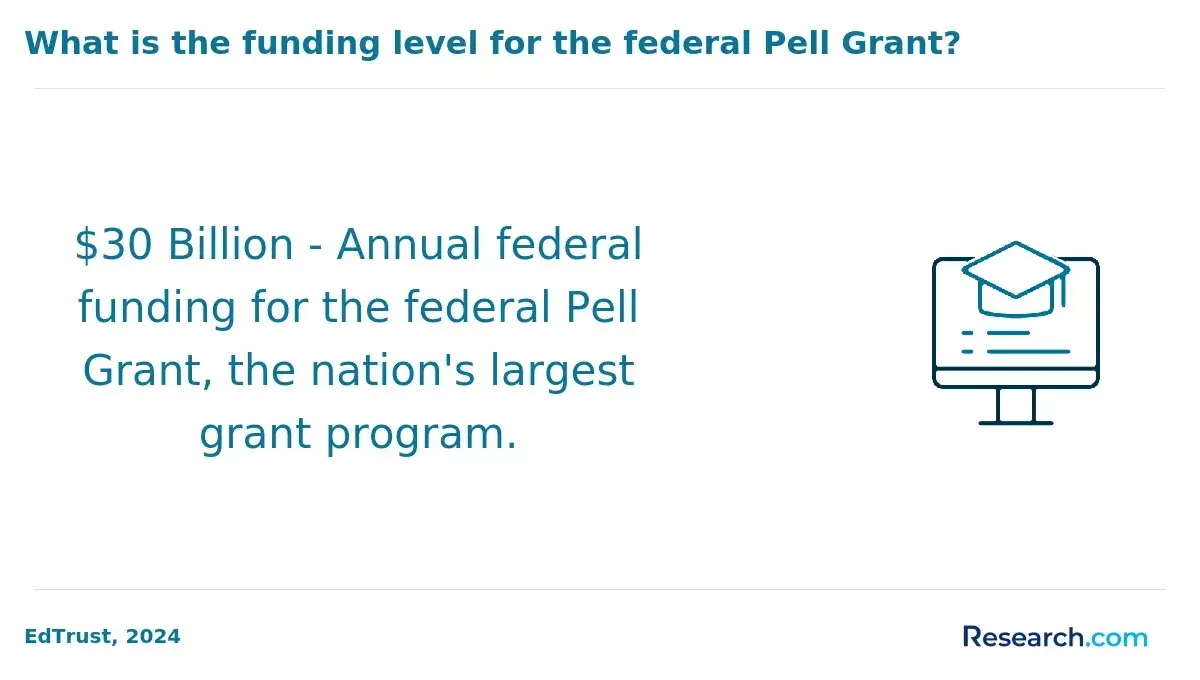
Federal financial aid programs, particularly the Pell Grant, remain pivotal in reducing the net cost of a general studies degree, with approximately 38% of undergraduates receiving Pell support according to the U.S. Department of Education in 2024. However, this aid's impact varies widely depending on state residency and institutional policies. For example, students in states like New York or California often benefit from more generous state grants and merit scholarships targeting public college enrollees, significantly lowering tuition burdens for in-state general studies students. Conversely, students in states with limited state-funded programs frequently face heavier reliance on institutional scholarships or federal loans, which can increase long-term debt and affect financial stability after graduation.
Additional financial factors include enrollment status and cross-state tuition reciprocity agreements. Part-time students, who constitute a large proportion of general studies learners, are commonly at a disadvantage as many grants and loans prioritize full-time enrollment. Furthermore, those living near state borders might access reduced out-of-state tuition rates through reciprocity arrangements, shifting affordability landscapes. Employer tuition assistance provides a resource for working adults, yet its availability and reimbursement caps vary significantly, meaning students must carefully consider job-related support when planning their educational expenses. These funding complexities underscore the importance of evaluating eligibility criteria, renewal terms, and aid stacking policies early in the academic journey, especially given how these parameters influence both immediate affordability and long-term financial outcomes for general studies students.
Are Online General Studies Degree Programs More Affordable Than On-Campus Options?
Evaluating the affordability of online versus on-campus general studies degree programs requires a nuanced view beyond tuition differences. Tuition for online programs can be 15-25% lower than on-campus rates, but total cost varies widely based on factors like residency status, with some states charging non-resident online students out-of-state tuition, eliminating expected savings. Moreover, while campus students often face around $10,000 annually for housing and meals, online students must consider additional technology fees, sometimes $500 to $1,200 per year, and costs for reliable hardware and internet, which can offset some affordability gains. These financial tradeoffs illustrate that cost advantages depend heavily on individual circumstances and state policies affecting tuition and residency.
Financial aid patterns also complicate affordability comparisons. Online students tend to receive less need-based aid and rely more on loans, reflecting a demographic of working adults and part-time learners, which influences long-term expense and debt implications. Furthermore, opportunity costs matter-many online learners continue employment during their studies, balancing income with potentially longer time to degree completion. Students evaluating general studies degree programs online affordability comparison must weigh these factors to determine if savings in direct costs are countered by extended timelines or financing structures.
For budget-conscious learners, a carefully selected online program can offer a practical pathway, but only if residency rules, aid eligibility, technology fees, and personal work-study dynamics align favorably. Comparing cost differences between online and on-campus general studies degrees becomes especially relevant for those living far from campuses or juggling work. Exploring options like the cheapest online MBA programs highlights how affordability and outcomes must guide decision-making rather than relying on tuition figures alone.
Is a General Studies Degree Worth the Cost Based on Career Outcomes and ROI?
The value of a general studies degree heavily depends on factors beyond tuition, including state-specific affordability, program completion rates, and local labor markets. For example, students attending institutions in states like Wyoming or Mississippi benefit from lower tuition, which can lessen debt burdens and positively affect career outcomes. In contrast, pursuing the same degree in states with higher costs but lower graduation rates likely increases financial strain without guaranteed quicker entry into the workforce. Employability often hinges on supplementing the broad general studies foundation with additional credentials, as many employers prioritize specific skills or certifications in management, education, or human services sectors.
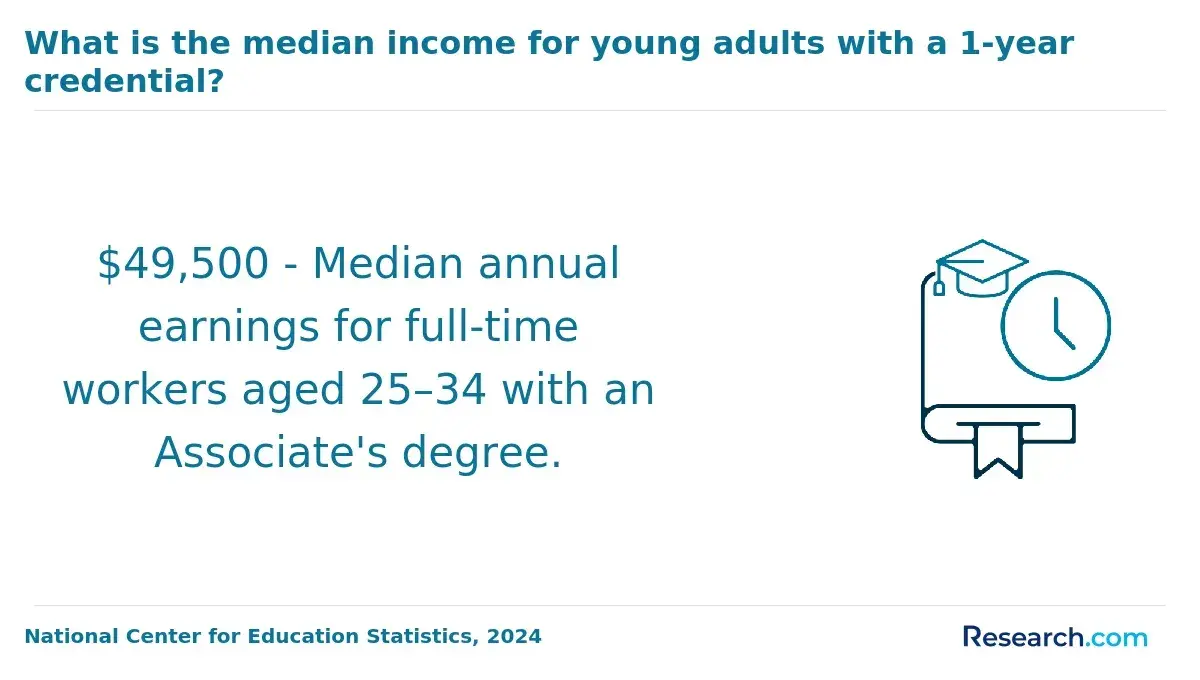
When assessing general studies degree ROI by state, students must consider opportunity costs such as delayed earnings and debt accumulation, which vary considerably with geographic and institutional differences. Graduation rates, a key indicator of program efficiency, influence the timeline for entering employment and impact long-term financial stability. Data from the National Center for Education Statistics highlights typical median earnings ranging from $40,000 to $50,000, reflecting the degree's interdisciplinary nature but also signaling limitations in specialized job markets. Those planning graduate education or seeking to pivot to professional fields might explore pathways like a master of fine arts online to enhance marketability and counterbalance the general studies degree's broader scope.
References
- 5 Smart Ways to Spend Less on College Tuition https://americhoice.org/blog/5-smart-ways-to-spend-less-on-college-tuition
- Cost of Online College vs. Traditional | Champlain College Online https://online.champlain.edu/blog/cost-of-online-education-vs-traditional-education
- Does College Pay Off? A Comprehensive Return On Investment Analysis - FREOPP https://freopp.org/whitepapers/does-college-pay-off-a-comprehensive-return-on-investment-analysis/
- Study General Studies in USA - Top Universities for Masters, MBA, PhD Degree Programs https://studee.com/degree/usa/general-studies
- Affordability or Value? Three Things Higher Ed Needs to Know https://encoura.org/resources/wake-up-call/affordability-or-value-three-things-higher-ed-needs-to-know
- Making College Affordable: Providing Low-Income Students with the Knowledge and Resources Needed to Pay for College - Jack Kent Cooke Foundation https://www.jkcf.org/research/making-college-affordable-providing-low-income-students-with-the-knowledge-and-resources-needed-to-pay-for-college/
- The Unaffordable Era: A 50-State Look at Rising College Prices and the New American Student | Demos https://www.demos.org/research/unaffordable-era-50-state-look-rising-college-prices-and-new-american-student
- This map shows how cost of living varies by state https://finance.yahoo.com/personal-finance/banking/article/cost-of-living-by-state-map-164246259.html
- How Should We Think About College Affordability? https://www.higheredtoday.org/2017/05/16/think-college-affordability/
- Most Affordable Online Colleges Of 2025 https://www.affordablecollegesonline.org/cheap-online-colleges/
Other Things You Should Know About General Studies
Lower tuition rates often come with fewer program options or less flexibility, which can affect students who need to balance schooling with work or family commitments. In states where affordable general studies programs are mostly offered by smaller or less-resourced institutions, course availability and online learning options may be limited, making timely degree completion harder. Students prioritizing both cost and scheduling convenience should carefully evaluate whether the state's affordability aligns with the program's structure and delivery before committing.
State affordability often correlates with institutional funding, which can impact faculty experience, advising quality, and career services tailored to general studies students. Cheaper programs may lack robust internship connections or tailored counseling that help translate a general studies degree into clear employment pathways. While lower costs are attractive, students should consider the availability of pragmatic support resources that influence post-graduation success, especially where employers expect relevant experience or networking.
Investing in a higher-cost program can be justified if it offers proven employer partnerships, experiential learning, or comprehensive career coaching that enhance graduate employability. For students aiming to enter fields valuing breadth and adaptability, such as multidisciplinary roles or management, these programs may provide better long-term returns. Prioritize these options if the program's outcomes demonstrate a clear wage or placement advantage that offsets the higher initial expense.
Even a low tuition program can feel unaffordable if the local economy offers limited job opportunities aligned with a general studies degree. States with higher educational costs but stronger job markets and employer recognition of general studies versatility can yield better employment prospects and wage growth. Students should assess state labor conditions alongside tuition prices, as regional demand for flexible generalists significantly shapes the value and affordability of completing the degree there.