2027 General Studies Student Debt Report: Borrowing, Monthly Payments, and Repayment Risk

Co-Founder and Chief Data Scientist
Borrowing behavior in general studies programs reflects distinct educational and workforce dynamics that shape repayment outcomes. Unlike specialized fields with clear professional pipelines or licensure, general studies curricula often attract diverse, nontraditional students pursuing broad skill sets over fixed career paths. The relatively flexible program length and absence of mandatory certifications influence both borrowing levels and monthly payment structures. According to recent data from the National Center for Education Statistics (2024), nearly 40% of general studies students are over age 25, indicating delayed labor market entry or part-time enrollment patterns. These factors complicate repayment timing and risk, framing student debt as one element in longer-term career navigation.
This report examines how these unique characteristics affect general studies graduates' borrowing patterns, monthly payment obligations, and repayment challenges. Borrowing is intertwined with decisions about career flexibility, educational accessibility, and workforce readiness rather than immediate credentialing. The age composition of enrollees suggests evolving workforce demands and expanding educational roles, which may reshape how general studies alumni manage debt relative to more traditional degree holders. Understanding these dimensions provides clarity on the financial implications tied to general studies program choices.
Key Things to Know About General Studies Student Debt
- Graduates with general studies degrees often face higher debt-to-earnings ratios; this tradeoff signals cautious borrowing decisions are essential to avoid long-term financial strain.
- Employers typically prioritize specialized credentials over general studies, which may lengthen job search durations and impact steady income, thus complicating debt repayment timelines.
- Monthly payments on general studies debt can extend over decades due to average borrower income patterns, increasing cumulative interest and underscoring the cost of prolonged repayment periods.
- Key Things to Know About General Studies Student Debt Key Things to Know About General Studies Student Debt
- How Much Student Loan Debt Do General Studies Graduates Typically Have at Graduation? Average Studen Loan Debt
- What Factors Have the Biggest Impact on General Studies Student Loan Debt? Student Debt Key Factors
- What Is the Average Monthly Student Loan Payment for General Studies Graduates? Average Monthly Payment
- How Do Repayment Rates Compare Between Public and Private Institutions? Public vs. Private Institution Repayment Rates
- Do Online General Studies Graduates Have Different Repayment Outcomes Than Campus-Based Students? Online vs. On-Campus Student Loan Repayment
- Which Industries Provide the Best Financial Return Relative to Borrowing Costs? Which Industries Provide the Best Financial Return Relative to Borrowing Costs?
- Does Student Debt Affect Which Jobs General Studies Graduates Accept? Does Student Debt Affect Which Jobs General Studies Graduates Accept?
- What Factors Increase Student Loan Repayment Risk for General Studies Graduates? Loan Repayment Risk Factors
- How Can General Studies Students Reduce Student Loan Debt While Earning Their Degree? Tips to Reduce Student Debt
- How Should Prospective Students Evaluate Borrowing Risk Before Enrolling? Evaluating Student Debt Risk
How Much Student Loan Debt Do General Studies Graduates Typically Have at Graduation?
Graduates with a general studies degree typically carry student loan debt ranging from approximately $25,000 to $35,000 at the time of graduation, reflecting recent 2024 data from national education statistics. This range closely mirrors the average borrowing amounts for bachelor's degree recipients overall, though it varies substantially based on individual circumstances.
Factors such as program flexibility and transfer credit policies can extend the time needed to graduate, influencing the total debt incurred. These borrowing patterns highlight the unique financial profile of general studies students, who often juggle academic commitments with work or family responsibilities, thereby affecting how much debt they accumulate before completing their degrees.
The variation in typical student borrowing amounts for general studies degrees stems largely from differences in institutional type and enrollment status. Public universities usually present lower tuition costs than private nonprofit or for-profit schools, while in-state tuition rates reduce borrowing compared to out-of-state or private tuition fees.
Additionally, the availability of scholarships, grants, and financial aid significantly alters borrowing needs, as does whether students attend full-time or part-time, with part-time enrollment often extending program duration and total costs. These factors interact with regional cost-of-living differences and financial aid accessibility, creating a nuanced borrowing landscape for each student.
Consequently, repayment stress and long-term financial health for general studies graduates depend heavily on these borrowing patterns and the subsequent income potential available. Given their degree's broad nature, graduates may face earnings below median bachelor's degree levels, increasing vulnerability to repayment challenges. Income-driven repayment plans can mitigate some risk, but measured borrowing remains critical for preserving financial flexibility after graduation. For those exploring online degrees or traditional paths, understanding these dynamics helps frame responsible borrowing aligned with realistic post-college economic outcomes.
What Factors Have the Biggest Impact on General Studies Student Loan Debt?
Student loan debt accumulation in general studies degree programs results from an interplay of institutional pricing structures and individual financial choices rather than a single straightforward cause. Variations in borrowing reflect how program characteristics, enrollment behavior, and aid availability compound over time to shape total debt. Understanding these factors helps clarify why debt levels differ markedly across students within these programs.
- Institutional Pricing and Type: The type of institution significantly influences loan amounts due to varying tuition rates and fee structures. Students attending private nonprofit or for-profit colleges typically face higher sticker prices than those at public universities, driving up borrowing. For instance, 2024 data from the Institute for College Access & Success shows general studies student loan debt by institution type can be about 35% higher on average at for-profit colleges compared to four-year public institutions, reflecting less uniform affordability across providers.
- Program Length and Enrollment Patterns: General studies programs often feature flexible, broad curricula that can extend students' time to degree beyond the traditional four years. Part-time enrollment or temporary breaks lengthen this timeline, increasing overall tuition costs and the need to borrow for living expenses across more semesters. Research from the National Center for Education Statistics indicates students graduating in six years or more accumulate approximately 30% more debt than those finishing within four years, highlighting this factor's compound effect.
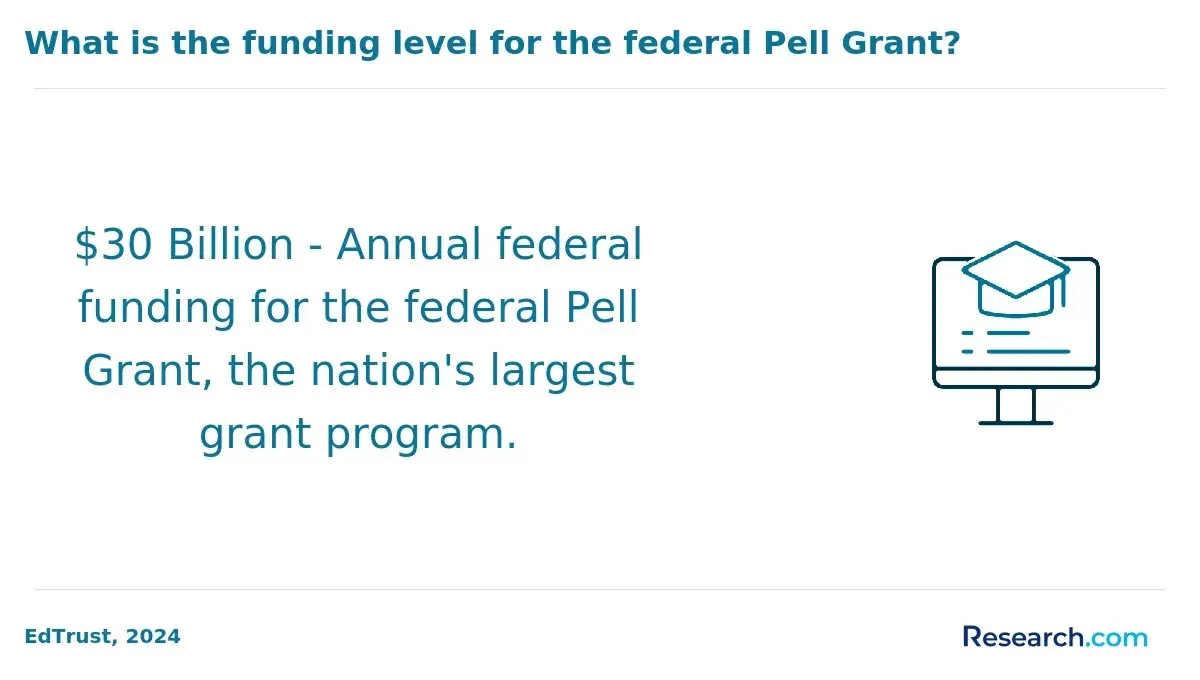
- Financial Aid and Personal Financial Behavior: Availability and utilization of grants, scholarships, and federal aid such as Pell Grants mitigate borrowing but rarely eliminate it for many general studies students. Those from lower-income families often rely heavily on loans due to limited upfront resources, while others may overborrow to cover living costs in the absence of clear career-related income projections. These behaviors interface closely with enrollment decisions and institutional pricing to influence cumulative debt levels.
- Uncertain Career Pathways and Income Prospects: The absence of a direct or clearly defined career pathway tied to general studies degrees creates ambiguity around potential post-graduate earnings. This uncertainty can cause students to either borrow cautiously or overextend to cover non-tuition expenses without firm repayment strategies. Employers' expectations for specific credentials may pressure some to prolong enrollment or seek additional coursework, further affecting borrowing patterns.
- Living Expenses and External Financial Commitments: Many general studies students balance work, family, and education, which can constrain income and necessitate borrowing to cover basic living expenses. The interaction between external financial responsibilities and enrollment intensity often leads to incremental loan increases beyond tuition, reinforcing debt accumulation dynamics that go beyond program costs alone.
The total impact of these intertwined factors demonstrates how nuanced borrowing levels become, making it critical for prospective and current students to analyze both their institution's pricing and their personal financial context. Considering options such as the cheapest online accounting degree alternative may be relevant for some who need clearly identifiable career outcomes with tighter cost controls.
What Is the Average Monthly Student Loan Payment for General Studies Graduates?
Recent data from the U.S. Department of Education indicates that graduates of general studies degree programs typically face average monthly student loan payments ranging from approximately $250 to $350 as of 2024. This amount tends to be modest compared to broader undergraduate repayment averages, which can fall between $300 and $400 monthly. The lower range often reflects smaller cumulative debt burdens tied to factors such as part-time enrollment and shorter timeframes to degree completion common among general studies students. These payment figures, while moderate on a monthly basis, underscore the varied financial realities that stem from the flexibility and diversity of general studies pathways.
Variations in monthly payment amounts are heavily influenced by the total borrowed principal, selected repayment plans, and post-graduation income levels. Many general studies borrowers rely on income-driven repayment structures that adjust payments based on earnings, often lowering monthly costs but extending repayment periods and increasing interest accrual over time. Total debt size also fluctuates with enrollment status and program length, impacting initial balances and interest accumulation. Additionally, graduates frequently enter fields with moderate starting salaries, creating a debt-to-income dynamic that shapes their repayment capacity and financial decisions long after graduation, emphasizing careful consideration of borrowing against realistic earning potential within their chosen career paths.
One graduate recalled navigating a rolling admissions process with some hesitation due to uncertainty about how delayed enrollment might affect his overall expenses and loan obligations. He weighed options carefully after receiving partial financial aid information, mindful that starting later in the academic year could alter his borrowing needs and ultimately influence monthly repayments. This uncertainty lingered until he secured his place close to the enrollment deadline, reflecting a common tension among general studies students who often balance timing, affordability, and career planning amid less traditional admission cycles.
How Do Repayment Rates Compare Between Public and Private Institutions?
Graduates from public institutions earning general studies degrees demonstrate notably higher student loan repayment rates within the first three years after repayment begins, with approximately 58% making measurable reductions in their loan principal. In comparison, private nonprofit institutions in the same academic field report closer to 45% of graduates achieving similar repayment progress over this period, according to recent data from the U.S. Department of Education's College Scorecard. The Federal Reserve's 2024 student debt report further underscores that borrowers from private schools face elevated risks of delinquency or default within five years, reflecting a pattern where repayment consistency is more tenuous in private settings for this program area.
These discrepancies stem from several intertwined factors. Public universities generally impose lower tuition fees, resulting in reduced overall borrowing requirements and lighter monthly payment obligations for their general studies graduates. Additionally, these institutions often serve populations with stronger regional employment ties, enhancing employment stability and income levels that support more reliable loan servicing. In contrast, private nonprofit schools tend to charge higher tuition, pushing students toward larger debt burdens and increasing repayment pressure. Coupled with variations in access to income-driven repayment options and post-graduation earnings influenced by institutional networks and labor market integration, these economic realities fundamentally shape repayment trajectories for general studies borrowers.
Consequently, the divergent repayment outcomes affect more than just financial health; they bear on long-term economic mobility and perceptions of a degree's practical value. Graduates struggling with repayment stress may experience constrained financial flexibility, which can delay wealth accumulation and erode creditworthiness. From an accountability standpoint, repayment performance reveals meaningful distinctions in how institutions manage costs, prepare students for employment, and position graduates to manage debt sustainably. Understanding these dynamics is essential for prospective and current students weighing the tradeoffs inherent in pursuing general studies degrees at public versus private institutions.
Do Online General Studies Graduates Have Different Repayment Outcomes Than Campus-Based Students?
Repayment rates for general studies graduates diverge notably between public and private institutions, with recent data from the National Postsecondary Student Aid Study indicating that about 55% of borrowers from public universities maintain consistent loan payments three years after graduation compared to roughly 42% from private institutions. This disparity highlights deeper systemic and financial dynamics rather than simple institutional preference.
Public schools often yield higher repayment rates in part because these borrowers tend to accumulate less debt and benefit from more generous state-supported financial aid, factors that speed progress toward loan payoff. This trend reflects broader patterns seen in campus vs online general studies loan repayment rates, where institutional cost and borrower profiles heavily influence repayment behavior.
The gap in repayment rates relates closely to differences in tuition costs, typical borrowing amounts, and subsequent income levels. Public universities generally offer lower sticker prices, leading to reduced loan principal for students to manage. Conversely, private institution students often face higher debt burdens and less predictable employment outcomes, especially in broadly defined general studies programs where employer valuation varies.
These borrowers are more susceptible to deferment, forbearance, or irregular payments due to debt-to-income imbalances and weaker alignment between degree focus and job market needs. Employer perceptions, institutional prestige, and access to robust career services also shape repayment risks and financial stress across these sectors.
Understanding these repayment dynamics is critical for evaluating long-term debt implications and program value. Graduates facing significant repayment stress may experience limited financial mobility well beyond degree completion, influencing how institutions are assessed for accountability and effectiveness in supporting their alumni.
As prospective and current students weigh their educational options, considering these factors alongside program flexibility and associated loan repayment differences-particularly between online and campus formats-is essential. For those exploring financially sensible pathways, resources profiling affordable online MBA programs no GMAT offer further insights into cost-efficient advanced study alternatives within the landscape of online general studies student loan repayment differences.
Which Industries Provide the Best Financial Return Relative to Borrowing Costs?
Financial return from a general studies degree varies widely depending on the industry, and a meaningful assessment must consider both earning potential and typical borrowing levels. Return on investment is best viewed as the balance between income trajectory and student debt rather than starting salary alone. While some sectors offer entry-level wages that facilitate quicker repayment, others may provide slower growth or require additional credentials that affect the overall debt-to-income dynamic.
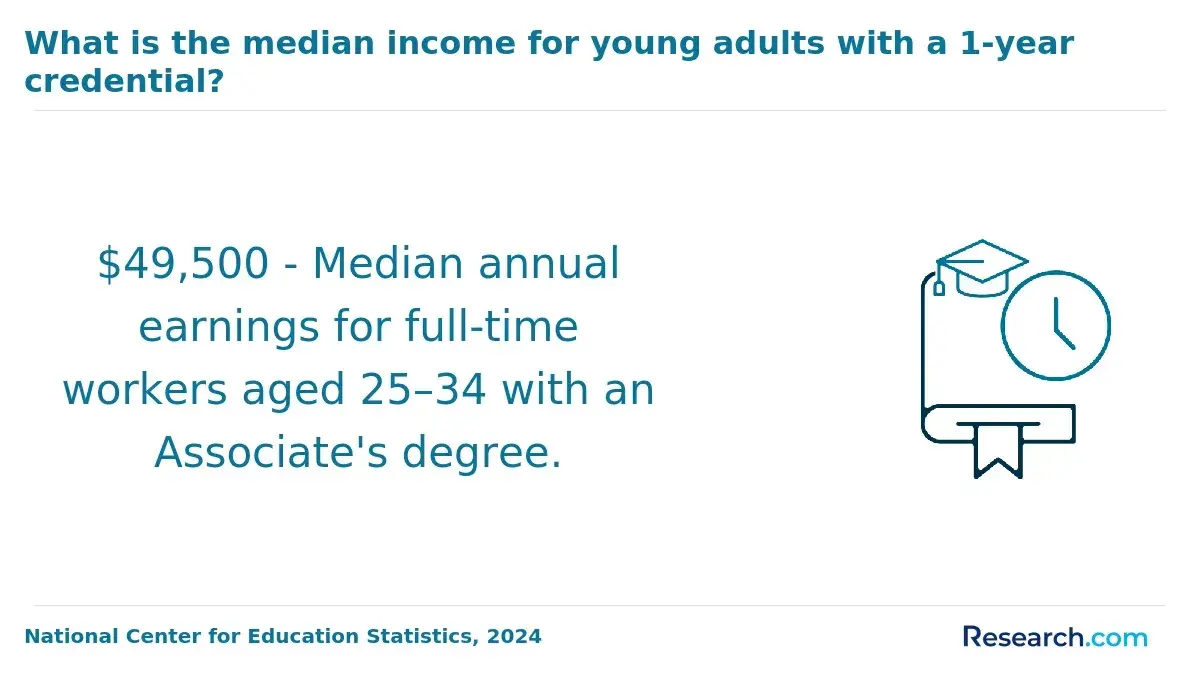
- Healthcare Administration: Positions such as medical office management or healthcare coordination often feature median starting salaries between $45,000 and $55,000, which aligns well with common borrowing ranges of $25,000 to $35,000 for general studies graduates. Steady demand fueled by an expanding healthcare sector supports relatively predictable repayment timelines, typically within 7 to 10 years, minimizing long-term financial strain.
- Information Technology Support: Early-career roles in IT and network support may start in the $50,000 to $60,000 range, improving the ratio of income to monthly loan payments. Nonetheless, these roles frequently necessitate ongoing technical certifications beyond the degree, potentially increasing total education costs and lengthening the true investment horizon.
- Government and Public Administration: These positions provide stable salaries near $48,000, coupled with benefits like income-driven repayment plans that reduce default risk. However, slower salary progression and lower market volatility mean debt repayment can extend over longer periods, balancing financial stability against protracted borrowing burdens.
- Education and Training Roles: While often lower-paid initially compared to technical fields, some education-adjacent roles accessible to general studies graduates offer incremental wage growth and widespread job availability. This steadiness can partially offset modest starting pay, but typically involves extended repayment schedules.
- Business and Administrative Services: Sectors such as office management and human resources show moderate starting salaries and variable career progression speeds. The financial return depends heavily on local labor market conditions, with debt load management hinging on consistent employment and advancement opportunities.
Does Student Debt Affect Which Jobs General Studies Graduates Accept?
Student debt levels play a critical role in shaping which jobs general studies graduates are willing to accept, particularly in the early stages of their careers. With average monthly loan payments around $310, many graduates prioritize immediate earning potential over alignment with their academic background or long-term growth opportunities. This financial pressure often channels them into sectors that offer quick income, such as retail or administrative roles, rather than riskier positions that might better leverage their skills but offer less initial pay.
According to the National Center for Education Statistics in 2024, about 62% of these graduates report accepting jobs primarily for short-term income to meet repayment demands, indicating a direct link between debt obligations and job selection focused on financial stability rather than career development.
The influence of debt on employment choices also intersects with other structural and behavioral factors. Graduates with higher debt burdens are more likely to remain in industries and geographic areas with stable but limited advancement prospects to ensure steady repayments, while those with lower or no debt can afford more geographically mobile or specialized career paths.
This dynamic fosters a segmentation within the general studies graduate population, where debt constrains risk-taking and long-term planning, often reinforcing cycles of underemployment. Employers' expectations for general studies graduates to exhibit broad adaptability rather than technical skills further complicate these decisions, as the roles available may not support upward mobility, thereby prolonging repayment challenges and influencing ongoing financial and professional trajectories.
One graduate recalled applying to several programs during a rolling admissions period but struggled with timing and preparation due to concerns about maintaining financial balance. Hesitant to commit before fully understanding loan implications and their potential monthly impact, the delay limited options and forced a rapid decision once acceptance offers arrived. This period of uncertainty underscored how debt considerations extended beyond job selection into educational choices themselves, as urgency to secure funding and avoid worsening debt shaped both the application strategy and eventual enrollment.
What Factors Increase Student Loan Repayment Risk for General Studies Graduates?
Student loan repayment risk for general studies graduates arises from multiple interconnected financial, academic, and labor market factors rather than a single cause. This risk depends heavily on both the amount of debt accumulated during study and the stability of earnings after graduation. The challenges posed by these intertwined factors make understanding repayment vulnerability essential for those navigating student debt in broadly scoped academic programs.
- Lack of Targeted Skills and Employment Stability: General studies programs typically do not provide a specialized skill set that aligns directly with specific job markets. This gap limits graduates' access to stable, well-paying jobs, often resulting in longer job searches or underemployment. Lower initial wages reduce repayment capacity and increase the risk of delinquency, as financial strain persists without a clear career trajectory fueling income growth.
- High Borrowing Without Commensurate Income: Students enrolled in general studies may borrow amounts comparable to or higher than peers in vocational or STEM pathways but without equivalent income gains. This borrowing pattern elevates debt-to-income ratios, compounding repayment risk. According to a 2024 report from the U.S. Department of Education's National Center for Education Statistics, the default rate for general studies graduates is approximately 15% higher than the average for bachelor's degree holders within five years of repayment.
- Limited Awareness and Utilization of Repayment Options: Insufficient financial literacy and underutilization of income-driven repayment plans further strain borrowers. Many general studies graduates are unaware of tailored repayment strategies or lack guidance, which reduces their ability to manage debt sustainably in fluctuating economic conditions.
- Susceptibility to Economic Downturns: Economic contractions often impact employment sectors that typically hire general studies graduates more severely. These downturns exacerbate income instability and reduce job opportunities, increasing the risk that borrowers experience gaps in repayment or default.
These dynamics highlight why student loan repayment challenges for general studies graduates are influenced by debt levels, labor market uncertainty, and financial management gaps. Prospective students should weigh these risks carefully, considering how borrowing and income variability interact under real-world conditions.
For those exploring alternative educational pathways with clearer employment outcomes, assessing the easiest online MBA programs to get into may provide insights into programs with more targeted labor market alignment and potentially lower repayment risk.
How Can General Studies Students Reduce Student Loan Debt While Earning Their Degree?
Reducing student loan debt while earning a general studies degree requires proactive academic planning, financial awareness, and strategic use of institutional resources. Borrowing levels can be significantly influenced by decisions made throughout the educational journey, from course scheduling to leveraging aid opportunities and structuring enrollment patterns. Borrowers who integrate practical strategies to balance cost, time, and funding sources tend to minimize reliance on loans and improve long-term affordability.
How general studies students can minimize student loan debt includes several key approaches:
- Optimize Enrollment Timing: Enrolling part-time or incorporating summer courses spreads tuition costs across multiple terms, reducing the need for large lump-sum loans. This flexibility can decrease overall borrowing by allowing students to manage their cash flow and access financial aid over an extended period.
- Leverage Targeted Grants and Scholarships: Actively seeking out federal and institutional grants aimed at interdisciplinary or non-specialized programs cuts loan dependency substantially. These funds do not require repayment, directly lowering student debt burdens and are often underused by general studies students.
- Begin at Lower-Cost Institutions: Starting at community colleges or less expensive schools before transferring to four-year programs can dramatically reduce tuition expenses. This pathway minimizes debt accumulation for foundational credits while maintaining a progression toward degree completion.
- Combine Work and Study: Engaging in paid internships or employment related to career goals not only supplements income but enhances employability. This dual benefit improves students' ability to cover educational costs without excessive borrowing and supports post-graduation repayment capacity.
- Maximize Academic Efficiency: Prioritizing course selection and credit transfer options ensures timely degree completion, avoiding additional semesters of tuition and fees. Efficient progress through the program limits both time-to-degree and associated borrowing.
- Understand Loan Limits and Repayment Implications: Awareness of borrowing caps and potential income disparities-many general studies graduates face median earnings 10-15% below specialized degree holders-helps shape realistic borrowing and repayment strategies.
According to the National Center for Education Statistics (2024), students who strategically balance part-time enrollment with available financial aid borrow approximately 15% less than comparable full-time peers. To explore targeted academic pathways that may offer accelerated options impacting financial outcomes, students may consider programs such as the fastest online project management degree, which exemplifies how focused programs can offer alternative routes to credentials with potential affordability advantages.
How Should Prospective Students Evaluate Borrowing Risk Before Enrolling?
Assessing borrowing risk before enrolling in a general studies degree is crucial for understanding the long-term financial impact of taking on student debt. This evaluation hinges on balancing total debt against realistic post-graduation earning potential and repayment capacity. Since general studies programs often lack specialized vocational training, anticipated earnings tend to be modest, necessitating careful debt management and cost-benefit analysis prior to commitment.
- Total Debt Estimation: Quantify all expected borrowing based on tuition, fees, and living expenses. Accurately projecting total debt helps set clear financial boundaries and avoid unexpected loan burdens.
- Projected Earnings Analysis: Investigate median starting salaries and employment outcomes from specific general studies programs, as these inform how feasible loan repayment will be relative to income.
- Debt-to-Income Ratio Assessment: Calculate likely monthly loan payments as a percentage of estimated take-home pay, aiming to keep payments below 10%-15% to reduce default risk and maintain financial stability.
- Institutional Cost Structures: Compare tuition rates, mandatory fees, and available financial aid to identify schools with more affordable overall costs, minimizing excessive borrowing.
- Labor Market Demand Alignment: Evaluate whether graduates' skills align with labor markets offering sustainable employment prospects, which can influence long-term earning trajectories and loan repayment success.
- Loan Terms and Interest Rates: Understand the loan repayment conditions, including interest accrual, grace periods, and repayment flexibility, since these affect total repayment amounts and monthly obligations.
- Alternative Funding Opportunities: Factor in scholarships, grants, and work-study options that can substantially lower debt levels and borrowing risk before enrollment.
Data from the National Center for Education Statistics in 2024 indicates that general studies graduates typically carry around $30,000 in student loan debt, slightly below the national average. However, without targeted career skills, slower income growth may strain repayment, underscoring the importance of thorough borrowing risk evaluation before enrollment.
References
- Borrowers With Certain Educational Experiences Appear More Likely to Default https://www.pew.org/en/research-and-analysis/articles/2024/01/30/borrowers-with-certain-educational-experiences-appear-more-likely-to-default
- Major decisions: Graduates' earnings growth and debt repayment - The Hamilton Project https://www.hamiltonproject.org/publication/paper/major-decisions-graduates-earnings-growth-and-debt-repayment/
- Is College Worth it? | Return on Investment Analysis of College Degree https://educationdata.org/college-degree-roi
- Student loans - SWPS University https://english.swps.pl/programs/apply-for-scholarships/student-loans
- Key Figures on Cost, Student Debt, & ROI at Public Universities - APLU https://www.aplu.org/our-work/4-policy-and-advocacy/publicuvalues/key-figures-on-cost-student-debt-amp-roi-of-public-universities/
- How Much Student Loan Debt Is Too Much? https://www.savingforcollege.com/article/how-much-student-loan-debt-is-too-much
- Risk-sharing: An efficient mechanism for funding student loan safety nets | Brookings https://www.brookings.edu/articles/risk-sharing-an-efficient-mechanism-for-funding-student-loan-safety-nets/
- Does College Pay Off? A Comprehensive Return On Investment Analysis - FREOPP https://freopp.org/whitepapers/does-college-pay-off-a-comprehensive-return-on-investment-analysis/
- Can you use student loans for online degrees? | edX https://www.edx.org/resources/can-you-use-student-loans-for-online-degrees
- Student loans https://www.sggw.edu.pl/en/studies/student-loans/
Other Things You Should Know About General Studies
General studies programs often appeal for their broad, flexible curricula, but this very flexibility can lead to unpredictability in career paths. Without a clear vocational focus, graduates may face inconsistent income streams, complicating steady loan repayment. For borrowers prioritizing stable repayment plans, it's critical to supplement general studies with targeted skills or credentials that enhance employability and income stability.
Borrowers must carefully balance the burden of monthly payments with the variable salaries common in fields associated with general studies. Since many graduates enter entry-level roles without specialized skills, initial incomes may not comfortably cover average loan payments, increasing financial strain. Prioritizing repayment plans with income-driven adjustments or considering loan amounts aligned with likely starting salaries is advisable to mitigate default risk.
Given the diverse employment outcomes, graduates should actively seek career advice and upskilling opportunities to improve earning capacity post-graduation. Building a repayment strategy that anticipates lower initial earnings-such as enrolling in income-based repayment plans-can reduce default risk. It's also prudent to monitor progress regularly and adjust loan servicing choices as financial situations evolve.
Most employers value specific skills that general studies programs might not directly provide, making the investment riskier if borrowing heavily. Prospective students should assess whether their chosen program includes practical experiences or certifications that align with employer demand. If such elements are limited, minimizing borrowing or planning supplementary credentialing post-degree becomes essential to ensure loan repayment remains feasible.