2027 Educational Studies Degree Oversupply or Undersupply? Student Volume vs Employer Demand

Co-Founder and Chief Data Scientist
Facing a saturated job market, a recent graduate with an educational studies degree must assess whether their qualification matches employer demand. In 2024, U.S. institutions produced roughly 35,000 educational studies graduates, while the Bureau of Labor Statistics projects only an 8% growth in education-related jobs through 2030, suggesting potential oversupply in many regions. Geographic disparities further complicate placement, as rural and urban areas exhibit uneven hiring trends, with some regions facing shortages while others report stagnant openings. Employers increasingly seek specialized skills beyond generic credentials, intensifying competition and underemployment risks.
This article compares educational studies student volume with employer demand, job growth, industry needs, regional conditions, and skill gaps to help readers judge whether the field offers sustainable opportunities or rising competition.
Key Things to Know About Educational Studies Graduate Supply and Employer Demand
- Educational studies graduate numbers have increased by 12% since 2022, but only a 5% rise in related job openings suggests growing competition in core regions, pressuring students to differentiate via specialization or experience.
- Employers report skill mismatches, prioritizing candidates with applied research or policy analysis expertise, indicating that generic degrees meet limited demand, reshaping hiring practices toward targeted competencies.
- Geographic concentration of job growth in urban districts versus rural declines forces graduates to weigh relocation costs and timing carefully, affecting access and career trajectories across diverse labor markets.
- Key Things to Know About Educational Studies Graduate Supply and Employer Demand Key Things to Know About Educational Studies Graduate Supply and Employer Demand
- Is There an Oversupply or Undersupply of Educational Studies Graduates? Graduate Oversupply or Shortage
- How is Educational Studies Degree Enrollment Changing? Degree Enrollment Trends
- How Many Educational Studies Graduates Enter the Workforce Each Year? Annual Graduate Workforce Entry
- Does Job Growth Support the Rising Supply of Educational Studies Graduates? Job Growth Versus Supply
- How Competitive is the Entry-Level Market for Educational Studies Graduates? Entry-Level Market Competition
- Which Industries Have the Greatest Demand for Educational Studies Graduates? Top Hiring Industries
- Where are Educational Studies Graduates Most in Demand? Top Geographic Demand
- Which Educational Studies Specializations and Degree Levels Face the Strongest Demand? Which Educational Studies Specializations and Degree Levels Face the Strongest Demand?
- Are Employer Skill Gaps Affecting Demand for Educational Studies Graduates? Are Employer Skill Gaps Affecting Demand for Educational Studies Graduates?
- What is the Future Supply-and-Demand Outlook for Educational Studies Graduates? Future Supply-Demand Outlook
Is There an Oversupply or Undersupply of Educational Studies Graduates?
The current landscape for educational studies graduate supply and demand analysis reveals a nuanced imbalance rather than a straightforward oversupply or undersupply. Nationally, about 50,000 educational studies degrees are awarded annually, yet employer demand does not uniformly absorb these graduates. For instance, entry-level roles in general education support often attract more applicants than available positions, intensifying job competition and creating localized oversupply effects. Meanwhile, in specialized sectors such as curriculum development or educational technology, employers consistently report difficulty filling vacancies, highlighting that graduate volume alone does not capture skill or credential alignment essential to meet market needs.
Regional employment trends of educational studies illustrate that geographic variation significantly shapes these supply-demand dynamics. States experiencing K-12 enrollment growth—Texas and Florida among them—show stronger hiring activity for educational studies graduates, particularly those with endorsements in bilingual or special education. Conversely, states with declining student populations face hiring freezes or contractions, exacerbating job scarcity for generalist graduates. Moreover, employers increasingly seek candidates who pair educational studies backgrounds with skills in data analytics, counseling, or digital instruction, tightening talent pools despite growing graduate numbers. This specialization imperative explains why broad graduate volume metrics may overstate readiness for evolving roles.
The complexity of educational studies' workforce conditions means prospective students must weigh the broad supply figures alongside credential relevance, regional market conditions, and skill adaptation. Educational studies graduates focusing solely on conventional pathways face heightened competition and uncertain placement without targeted qualifications or geographic flexibility. Alternatively, those integrating market-valued specializations enhance employability amid shifting employer priorities and sector-specific demand.
A parallel decision-making consideration arises in fields like pharmacy, where online PharmD programs demonstrate how modality and specialization interact to influence supply-demand equilibrium, underscoring the importance of strategic program selection for education professionals navigating a similarly complex labor market.
How is Educational Studies Degree Enrollment Changing?
Recent enrollment trends in educational studies reflect a complex redistribution rather than a straightforward supply-demand imbalance. Undergraduate programs are experiencing slight declines, influenced by demographic shifts and stronger interest in STEM and business fields, which may tighten competition for entry-level education roles. Conversely, master's-level enrollment grows, driven by professionals seeking specialized expertise in areas like curriculum design and policy, suggesting that advanced degrees may better align with evolving employer needs for leadership and administrative skills. Expanded online offerings also play a critical role, increasing access for diverse, non-traditional students and helping stabilize overall enrollment despite declines in some traditional on-campus formats.
This creates nuanced workforce implications. Higher master's completions can saturate specialized job markets, particularly in education policy and administration, while the wavering bachelor's supply intensifies competition for initial teaching roles. National enrollment figures obscure important regional differences and the specific demands of local districts, meaning graduates face variable opportunities depending on geography and program focus. Misinterpreting these patterns risks either overestimating job availability for bachelor's graduates or undervaluing strategic advantages of targeted advanced credentials in a selective, evolving education labor market. According to the National Center for Education Statistics, enrollment in master's programs in educational studies has increased steadily in 2024, underscoring this divide.
One current master's student noted a palpable change in cohort composition over two years, sharing that "the number of peers pursuing degrees entirely online has doubled, drawing more adults balancing work and study." They also observed a shift in course offerings toward leadership and policy topics, reflecting employer preferences but raising questions about whether increasing enrollment signals better job prospects or simply greater competition. Despite the uncertainty, this student sees value in advanced specialization but recognizes the need to carefully evaluate market conditions rather than assuming growth guarantees easier placement.
How Many Educational Studies Graduates Enter the Workforce Each Year?
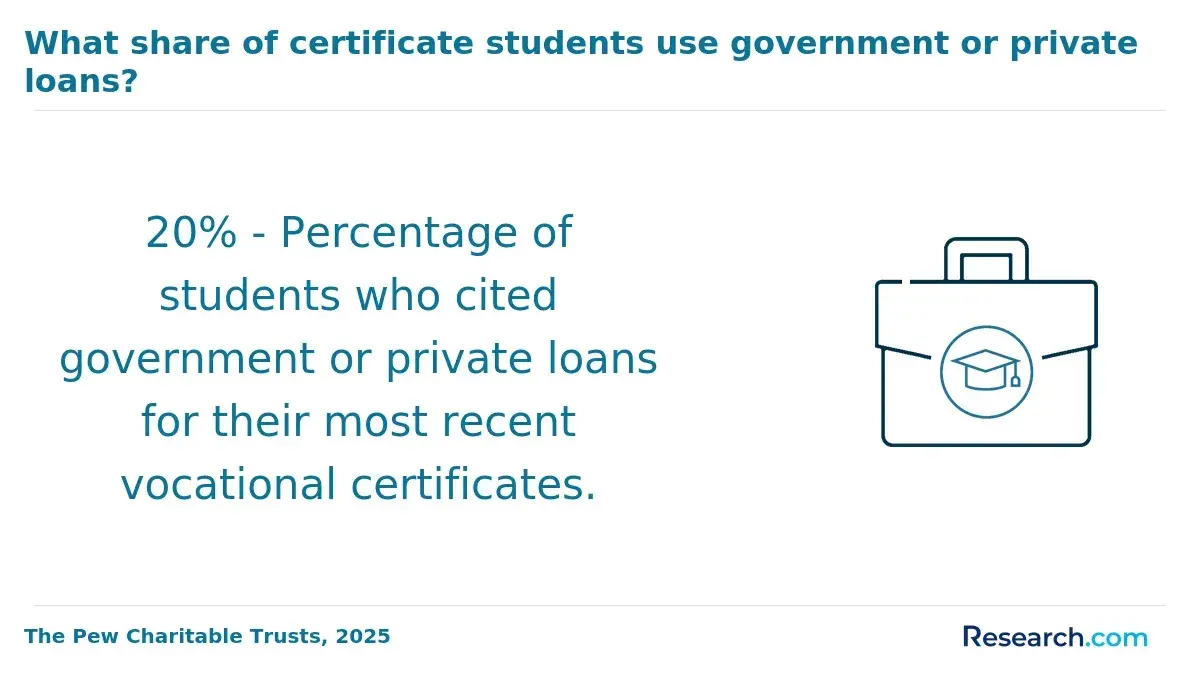
The number of educational studies graduates yearly—estimated between 20,000 and 25,000 in the United States according to NCES and IPEDS data—does not by itself reveal whether the market is oversupplied or undersupplied. This figure blends undergraduate and graduate completions but masks critical nuances such as varying degree specializations, certificate attainment, and whether graduates enter education-related fields immediately.
For instance, while roughly 60-70% of these graduates initially pursue roles in teaching or education management, many others delay entry, shift to nontraditional sectors like educational technology or training, or face credentialing barriers that restrict direct workforce integration, complicating straightforward supply-demand assessments.
Employers' needs fluctuate regionally and by role, with replacements and openings in rural or underserved areas sometimes outpacing graduates willing or qualified to fill them. Competition includes credentialed teachers and specialists with certifications that educational studies majors may lack at graduation, creating segmented labor pools rather than a single homogeneous candidate market.
Overreliance on annual graduation numbers risks misjudging opportunity landscapes, potentially encouraging students to enter saturated segments or overlook alternative education-related jobs that require different skills or certifications. Reliable workforce analysis requires interpreting detailed labor market inputs alongside education completions to inform realistic expectations about timing, qualification fit, and diverse career pathways.
Does Job Growth Support the Rising Supply of Educational Studies Graduates?
Job growth projections for educational studies graduates suggest a nuanced imbalance where the supply of new graduates increasingly outpaces available opportunities, particularly in traditional public school settings. Despite a moderate 5% to 7% expansion in education-related roles over the next decade, the higher volume of degree completions often surpasses new job openings, creating intensified competition for entry-level positions. This dynamic is exacerbated by employer preferences for candidates with specialized skills, practical experience, or certification, which many recent graduates lack, limiting their employability despite steady demand in specific regions or sectors.
Regional demand for educational studies graduates in U.S. school districts varies significantly, with urban areas offering more robust job markets compared to stagnating or declining rural districts. Replacement demand driven by retirements can temporarily ease oversupply concerns but does not fully offset the growing graduate influx nationwide. Additionally, emerging roles outside traditional classrooms, such as educational technology or corporate training, provide alternative pathways, though these areas often require additional training or credentials beyond a general degree. Prospective students should assess these factors alongside local labor trends to avoid underemployment risks and maximize alignment with workforce needs.
For those weighing long-term career viability, the slower-than-average job growth in standard educational roles underscores the importance of strategic specialization or supplemental certification. Without these, graduates risk facing stagnant job prospects despite increased credential attainment. A realistic option might include pursuing degrees like PhD in nursing programs that align with sectors experiencing rising demand, contrasting with the more saturated educational studies labor market.
How Competitive is the Entry-Level Market for Educational Studies Graduates?
The entry-level market for educational studies graduates remains intensely competitive, driven chiefly by a mismatch between the rising number of degree holders and relatively static employer demand for specific roles. Job offerings such as instructional assistants, youth counselors, and program coordinators show modest growth, but each posting attracts a large pool of applicants, commonly exceeding 50 per job. Employers increasingly prioritize candidates with practical experience or certifications beyond the degree itself, raising barriers for fresh graduates without internships or fieldwork.
This dynamic means many graduates settle for roles outside their discipline or part-time positions until further credentials are obtained. The following factors highlight the complexity shaping competition in this market:
- Applicant Volume: High numbers of job seekers per opening create bottlenecks, intensifying competition. Graduates should assess application-to-hire ratios reported on platforms like LinkedIn to set realistic expectations.
- Experience Requirements: Many employers favor candidates with internships or practicum experience. NACE data from 2024 shows around 60% prefer this, meaning hands-on exposure significantly improves prospects.
- Industry Demand Variability: Demand is uneven, with some sectors like public schools requiring additional licensure, limiting immediate opportunities for those without graduate credentials.
- Geographic Concentration: Urban centers tend to offer more openings but also draw larger applicant pools, so regional job-seekers must weigh opportunity against competition density.
- Specialization Relevance: Candidates with certifications or skills in counseling, administration, or education technology often have an edge where employers seek niche competencies.
- Remote-Work Impact: Virtual roles expand applicant pools nationally, increasing competition beyond local markets and requiring candidates to demonstrate clear, differentiated skills.
- Demonstrated Skills: Practical, verifiable abilities in classroom management or program design can alter hiring outcomes; purely academic credentials may not suffice.
One recent graduate recounted applying for dozens of instructional assistant positions, each with more than 60 competitors. Despite strong academic records, the lack of specialized certifications or internships was a repeated barrier during interviews. After facing rejections in a densely populated metropolitan area, the graduate shifted focus to suburban districts with fewer candidates and less rigid certification demands. This strategic pivot yielded a part-time coordinator role, offering relevant experience and a foothold in the field, yet underscored how saturation and credential expectations shape early employment outcomes.
Which Industries Have the Greatest Demand for Educational Studies Graduates?
Demand for educational studies graduates concentrates in sectors where labor shortages, evolving instructional methods, and workforce development needs intersect. The K-12 public education sector leads in volume due to persistent teacher shortages and expanded roles for specialized instructional staff.
However, competition and hiring criteria vary widely by region and subfield, which means graduates must weigh job availability against required credentials and advancement potential. For example, while public schools often emphasize certification and classroom experience, private and charter schools value leadership skills and adaptability to hybrid learning environments.
Simultaneously, corporate training and nonprofit roles typically require curriculum design expertise combined with practical outreach abilities, reflecting a broader applicability of educational studies competencies.
Below are industries generating the strongest employer demand for educational studies graduates, highlighting different structural drivers and skill priorities:
- K-12 Public Education: Persistent teacher shortages and increased focus on social-emotional learning create steady demand for classroom teachers, curriculum coordinators, and intervention specialists. Entry-level jobs often require state certification while advanced roles emphasize curriculum leadership and inclusive instruction strategies.
- Private and Charter Schools: These sectors seek graduates skilled in hybrid and personalized learning approaches. Administrative and leadership roles are common, pressing candidates to demonstrate pedagogical versatility and experience managing instructional programs in diverse learning environments.
- Higher Education Support: A growing need for student services professionals, academic advisors, and educational technology support staff stems from a focus on retention and digital learning. Employers prioritize graduates with technology fluency and learner engagement expertise over formal teaching credentials.
- Corporate Training and Development: Organizations investing in workforce upskilling demand instructional designers and facilitators adept at curriculum development and performance assessment. Practical experience in adult learning principles and measurable outcomes enhances employability.
- Government and Nonprofit Programs: Community education and policy development roles require interdisciplinary skills combining education theory with outreach. Emphasis often lies on equity, access, and program management abilities more than classroom teaching experience.
Regional demand for educational studies graduates by industry can shift substantially based on local economic conditions and policy priorities, requiring individuals to align skill development with targeted employers. For those evaluating supply and demand dynamics, it is crucial to analyze where competing candidate volume meets employer expectations and to consider pathways like online medical assistant programs FAFSA approved as ancillary options for workforce entry and training diversification. This nuanced understanding helps frame realistic career trajectories within the varying industries.
Where are Educational Studies Graduates Most in Demand?
National demand figures for educational studies graduates often mask significant regional disparities shaped by local education system investments, population growth, and employer density. For example, while states like California and Texas report high job openings, large graduate output and elevated living costs amplify competition, particularly in metropolitan areas with dense education sectors. A graduate focusing solely on job volume may encounter underemployment if relocating to such saturated markets without specialization or strategic networking, whereas less-populous states with growing education systems might offer fewer positions but lower competition and stronger long-term hiring prospects.
Urban centers with diverse employer types—ranging from public schools to nonprofit and corporate training providers—tend to concentrate demand, yet they also require niche skills in instructional design, equity programming, or education policy analysis. The availability of remote and hybrid roles in some sectors can somewhat mitigate geographic constraints, but candidates must weigh this against local credential preferences and cost-of-living tradeoffs. According to recent analyses by Lightcast, states with active education policy debates and funding expansions generate more openings in specialized roles, which may offer better career sustainability compared to generalist positions in oversupplied regions.
Prospective students and graduates should assess employer demand through a nuanced lens that accounts for applicant volume, role specialization, and regional economic conditions. Prioritizing a location or sector only on headline job counts risks overlooking market saturation and wage pressures that commonly disadvantage newcomers in major urban hubs. Aligning geographic choices with sector growth areas and workforce shortages—rather than just populous education markets—supports more realistic expectations and strategic career decisions in educational studies.
Which Educational Studies Specializations and Degree Levels Face the Strongest Demand?
Demand within educational studies is not uniform and is heavily shaped by specialization and credential level. For instance, graduates holding master's degrees with direct instructional licenses are often recruited more aggressively than those with generalist or theoretical backgrounds, especially at the bachelor's or Ph.D. levels.
A special education master's graduate is likely to face a more favorable job market given chronic shortages documented nationwide, whereas a bachelor's degree holder focusing on educational policy without certification may encounter intense competition and limited openings. Data from the U.S. Bureau of Labor Statistics and LinkedIn Workforce Insights underscore a persistent shortfall for certified educators in K-12, particularly in fields like STEM and special education.
Below are areas where demand currently shows the strongest employer pull:
- Special Education Master's: Nationwide shortages drive employer priority for licensed special education teachers, especially in K-12 settings. Candidates with state certifications and practical classroom experience fill critical gaps in districts struggling to recruit qualified staff.
- STEM Education Certification: Programs emphasizing math, science, technology, and engineering instruction align closely with sustained demand in urban and rural districts. The requirement for formal teaching credentials constrains candidate pools, creating openings for licensed educators with hands-on skills.
- School Counseling Master's: Growing recognition of mental health needs elevates demand for school counselors holding licensed master's degrees. Employers prioritize candidates able to provide licensed counseling services within public education systems.
- Instructional Coordination Master's: Positions for instructional coordinators with licensure and experience in curriculum implementation exhibit steady demand, particularly in districts adopting new educational frameworks or technology integration.
- Policy & Curriculum Analysis Bachelor's: Oversaturation is common here; many graduates compete for fewer policy-related roles, which typically require advanced degrees or strong experience, especially outside direct teaching roles.
- Ph.D. in Educational Research: This degree suits academia or policy think tanks but faces limited employer openings relative to graduates, emphasizing research skills over licensure and direct instructional experience.
Are Employer Skill Gaps Affecting Demand for Educational Studies Graduates?
The persistent challenge in the labor market is not a simple shortage of educational studies graduates but rather a deficit of candidates equipped with the specific technical and professional competencies employers demand. Many hiring managers report difficulty filling positions that require more than foundational pedagogical knowledge, emphasizing digital proficiency, applied experience, and specialty alignment.
For example, roles in education administration or curriculum development often remain open because candidates lack practical training in data analysis, educational technology, or workforce development strategies—skills increasingly essential in many regions. This reality distorts perceptions of oversupply or undersupply, as the volume of graduates does not necessarily equate to job readiness or fit, especially when competition varies by local or sectoral demand.
Understanding employer skill gaps in educational studies graduates is critical for individuals navigating this field and educators designing programs. Candidates who complement their degree with certifications, targeted internships, or hands-on projects focused on equity-driven curriculum design, outcome measurement, or tech-enabled instruction are advantaged in a market that values cross-disciplinary fluency.
Regional demand for skilled educational studies professionals also highlights how credential mismatches contribute to prolonged hiring cycles and selective recruitment. Developing communication skills and familiarity with industry tools or policy frameworks, such as those relevant to hybrid educational roles, can tip the scales notably in competitive applicant pools. In related education-health intersections, some may explore further specialization paths like becoming a functional nurse practitioner, blending clinical and educational expertise to meet evolving workforce needs.
What is the Future Supply-and-Demand Outlook for Educational Studies Graduates?
Educational studies graduates generally achieve better employment outcomes by concentrating their job search on specific entry-level titles and sectors where demand outpaces supply, rather than broadly applying to a high volume of generic roles. For example, a recent graduate focused exclusively on special education assistant positions in states with documented teacher shortages will likely see higher interview rates and better job—fit than one submitting unfocused applications to general education roles nationwide. This targeted approach requires analyzing labor market data, prioritizing locations and industries aligned with rising needs, and tailoring resumes to echo employer language, demonstrating relevant skills with concrete experience or projects.
Ignoring market signals often leads to prolonged job searches and underemployment, especially as many employers prefer candidates with licenses, practical experience, or competencies in emerging areas like educational technology and policy analysis. Allocating effort to roles where qualifications closely match stated requirements—including specific certifications or hybrid skills—can improve conversion from application to interview. Research from 2024 labor data underscores that timing applications and demonstrating job readiness through measurable achievements more effectively deliver positive outcomes than generic networking or indiscriminate volume-based tactics. Prospective students and degree holders should weigh supply-demand realities carefully and consider pathways that integrate specialization or skill diversification, including exploring easy MPH online programs for alternative career options within education-related fields.
Understanding regional demand and supply trends for educational studies degrees helps graduates refine where and how they invest their job search efforts. While some U.S. states face acute shortages in certain education-related roles, many others encounter saturated labor pools that amplify competition for limited openings. Graduates who neglect this variability risk oversaturating their applications in low-demand markets, diminishing efficiency and outcomes. Strategic market research combined with practical credentialing and skill application forms the cornerstone of navigating the future job market outlook for educational studies graduates.
References
- An Overview of Teacher Shortages: 2025 https://learningpolicyinstitute.org/product/overview-teacher-shortages-2025-factsheet
- Rethinking college: How more valuable degrees are closing America’s talent gap https://www.luminafoundation.org/news-and-views/rethinking-college-how-more-valuable-degrees-are-closing-americas-talent-gap/
- Top Degrees in Demand for the Future: 2026 & Beyond https://skillifysolutions.com/blogs/career-growth/top-degrees-in-demand-for-the-future/
- Higher Education Market Size, Share, & Growth Report 2034 https://www.imarcgroup.com/higher-education-market
- Education Industry Market Size & Share, Growth Trends 2036 https://www.researchnester.com/reports/education-industry-market/8416
- Learn about The 10 Most In- Demand Majors. https://studyfans.com/en/blogs/970
- Verifying… https://wispolicyforum.org/research/fewer-education-grads-pose-threat-to-teacher-workforce/
- Careers you can do with an Education Studies degree https://www.bcu.ac.uk/blog/education-and-teacher-training/education-studies-careers
- Is there an oversupply of university graduates? - VDC https://vdc.edu.au/vdc-news/is-there-an-oversupply-of-university-graduates/
- Polish Graduate tracking system - articles https://ela.nauka.gov.pl/en/labor-market/graduates_of_1st_cycle_studies_five_years_after_graduation
Other Things You Should Know About Educational Studies
Educational studies programs vary widely in their structure, ranging from highly theoretical coursework to applied, practice-oriented learning. Employers often prioritize candidates with hands-on experience, actionable skills, and sector-relevant competencies over purely academic knowledge. Prospective students should prioritize programs that integrate practical training, internships, or experiential learning opportunities to enhance employability. Selecting a flexible program that balances theory with applied experience can better align graduate skills with real-world employer demands.
Some educational studies degrees demand intensive research, project management, and frequent collaboration, while others may focus on lecture-based learning with less continuous assessment. Heavier workload programs tend to better simulate the multifaceted challenges of education-related careers, cultivating time management and problem-solving skills valued by employers. Students aiming for roles with substantial responsibility should consider programs with rigorous, consistent workload to build resilience and practical competencies, rather than opting for less demanding options that may leave them less prepared for workplace expectations.
A broad educational studies degree provides wide-ranging knowledge but may limit depth in specific skill sets employers seek. Specializations-such as curriculum development, educational technology, or policy analysis-can differentiate graduates by aligning training with niche market demands. For students targeting competitive sectors or long-term growth, investing in a specialization often yields greater returns in job placement and upward mobility. Conversely, a generalist degree might suffice where roles demand adaptability over deep expertise, but it risks increased competition and slower career progression.
Program outcomes-measured by graduate employment rates, salary progression, and career advancement-can differ dramatically across institutions and degree pathways. Graduates from programs emphasizing transferable skills and employer partnerships typically experience more stable and rewarding careers. Those from programs lacking real-world alignment often face underemployment or frequent job transitions. Prospective students should prioritize programs with transparent outcome data and demonstrated employer connections to enhance career stability rather than relying solely on program reputation or curriculum content.