2027 Digital Audiences Degree Enrollment Trends by Age Group: Traditional Students vs Adult Learners

Co-Founder and Chief Data Scientist
Digital audiences degree programs reflect a distinct bifurcation in enrollment driven by differing workforce dynamics. Traditional students often engage immediately post-secondary education to meet rising industry demands, as employment in digital media roles is projected to grow 15% by 2030. In contrast, adult learners face barriers such as portfolio development timelines and technological skill updates, influencing their later entry or reentry into programs.
This age disparity reveals varying responses to licensing requirements and employer expectations for up-to-date technical competencies. The prominence of adult learners suggests increasing program flexibility and career-transition pathways, critical as digital industries evolve rapidly and workforce shortages persist in specialized roles.
Key Things to Know About Digital Audiences Degree Enrollment Trends by Age Group
- Young adults dominate enrollment, signaling employer preference for foundational digital skills; however, this skews hiring toward fresh grads, potentially limiting older applicants' lateral entry opportunities.
- Adult learners prioritize program accessibility and cost-efficiency, yet often face tradeoffs in networking chances that impact career advancement in fields valuing peer connections.
- A 2024 study shows a 15% yearly enrollment increase among 30-45-year-olds, reflecting shifting workforce demands but also prolonged educational timelines, influencing long-term career planning and financial burden.
- Key Things to Know About Digital Audiences Degree Enrollment Trends by Age Group Key Things to Know About Digital Audiences Degree Enrollment Trends by Age Group
- Which Age Groups Represent the Largest Share of Digital Audiences Students? Students by Age Group
- Why Do Traditional Students Choose Digital Audiences Degree Programs? Traditional Students
- Why Do Adult Learners Return to School for a Digital Audiences Degree? Adult Learners
- How Do Academic Goals Vary Between Younger and Older Digital Audiences Students? Academic Goals by Age Group
- How Do Financial Concerns Differ Between Traditional Students and Adult Learners? Financial Concerns by Age Group
- What Challenges Do Adult Learners and Traditional Students Face While Earning a Digital Audiences Degree? Student Challenges by Age Group
- How Does Age Affect Digital Audiences Degree Student Retention? Age and Student Retention
- Which Digital Audiences Specializations Are Most Popular Among Adult Learners? Top Specializations for Adult Learners
- How Does Age Affect Job Opportunities for Digital Audiences Graduates? Impact of Age in Job Opportunities
- What Do Current Digital Audiences Enrollment Trends Reveal About Future Demand? What Do Current Digital Audiences Enrollment Trends Reveal About Future Demand?
Which Age Groups Represent the Largest Share of Digital Audiences Students?
Digital audiences programs attract students spanning a range of life stages, yet enrollment tends to concentrate within specific age brackets shaped by workforce entry timing, financial readiness, and education pathways. This age distribution reflects broader labor market dynamics and higher education accessibility rather than pure academic preference.
Differences in career trajectory and economic pressures influence how and when individuals engage with digital audiences programs, with implications for program design and student support.
- Ages 18-24: This group constitutes the largest share of digital audiences enrollment, as many traditional students enter postsecondary education directly after high school. Their advantage lies in demographic momentum and clearer transitions into foundational training, making this a critical age for establishing baseline competencies. They typically engage fully with immersive academic environments but face uncertainty navigating rapidly evolving digital media roles.
- Ages 25-34: Adult learners in this range increasingly account for a significant portion of enrollment. Often motivated by career switching or upskilling needs, these students juggle education alongside employment and personal responsibilities. Their participation underscores the growing recognition of lifelong learning, with programs adapting to offer modular and career-integrated formats that accommodate complex schedules.
- Ages 35 and older: Enrollment tapers in older adult learners, reflecting barriers such as time constraints, financial factors, and less direct pathways into digital audiences education. However, this cohort brings extensive professional experience valued by employers, though return on investment varies based on prior careers and digital fluency demands. Their learning objectives often focus on targeted skill acquisition rather than broad credentials.
The presence of adult learners within digital audiences degree demographics highlights distinct enrollment behavior patterns shaped by workforce demands and personal circumstances. As employers weigh candidates' experiential background alongside formal training, many digital audiences programs strive to balance foundational education with practical, career-relevant skills.
Prospective students should weigh these factors carefully-recognizing that most profitable majors trends also influence the appeal and utility of digital audiences credentials across different age groups.
Why Do Traditional Students Choose Digital Audiences Degree Programs?
Traditional students often choose digital audiences degree programs because these offerings align closely with their emerging academic interests and early career planning needs. The degree signals relevant skills in data analysis, media strategy, and digital marketing-key areas that many employers seek in entry-level candidates. Nearly 62% of traditional college-aged students identify strong career prospects and connection to technological trends as critical motivators.
Deeper motivations stem from structured university recruitment pathways and guidance counseling that emphasize program alignment with tangible job market stability and growth potential. Exposure to related subjects in high school or initial 6-week college courses fosters an informed decision to pursue digital audiences degree programs for traditional college students.
Such early academic and institutional influences shape enrollment behavior by reinforcing perceptions of this field as offering dynamic, well-defined career trajectories compared to less specialized alternatives. This nuanced interplay between educational system guidance and labor market expectations considerably affects how students map education onto future employment opportunities.
Why Do Adult Learners Return to School for a Digital Audiences Degree?
Adult learners returning to higher education for a digital audiences degree are primarily driven by specific workforce demands such as career advancement, wage increases, and strategic industry transitions. Unlike traditional students, these individuals often have established career paths and seek targeted education to pivot into digital marketing, media, or analytics roles where credential inflation elevates the value of formal qualifications.
Data from the National Center for Education Statistics in 2024 indicates that nearly 40% of postsecondary students aged 25 and older enroll to meet evolving employer expectations, emphasizing practical outcomes over academic exploration. The degree's blend of creative and technical competencies aligns with market requirements, offering a pathway to competitive positioning in fields increasingly reliant on digital audience insights.
Beyond direct career implications, adult learners weigh factors such as program flexibility and employer support in their decision-making. The prevalence of online and hybrid program formats enables them to integrate education with existing work and family obligations, a critical consideration given the competing time demands on this demographic.
Additionally, many employers provide tuition assistance or incentives linked to credential acquisition, reinforcing the appeal of structured upskilling. Industry shifts-marked by rapid technological change and rising expectations for digital literacy-necessitate continual knowledge updates, making credentials in digital audiences not just advantageous but often required for ongoing employability and advancement.
How Do Academic Goals Vary Between Younger and Older Digital Audiences Students?
Traditional-age digital audiences students, typically between 18 and 24, often approach their academic programs with broad exploratory objectives. They prioritize building foundational skills and gaining a general education that supports entry into the labor market or continuation into graduate studies. Their educational choices frequently balance career preparation with the value placed on campus life and full-time enrollment, reflecting their position at the outset of professional development.
According to the National Center for Education Statistics 2024 report, this group's focus contrasts with others in their relative openness to diverse subjects and experiences as they navigate early career decisions. By contrast, older digital audiences students usually engage their studies with clear, outcome-driven goals tied to their existing careers or desired professional transitions.
For many learners beyond their mid-twenties, the emphasis rests on acquiring specific competencies, credentials, and flexible learning formats that can be immediately applied to workplace challenges or job shifts. Nearly two-thirds of these adult learners identify career advancement or role change as their main motivation, underscoring a pragmatic orientation shaped by financial responsibilities and prior work history.
One adult learner recounted the challenge of navigating a rolling admissions process while juggling a demanding job and family care. Initially hesitant to apply due to worries about readiness and scheduling conflicts, they delayed submitting their materials until close to the deadline.
This strategic timing allowed them to secure a spot in a cohort that emphasized evening and online classes, which proved crucial for balancing study with work. Their experience highlights how timing, preparation, and program flexibility weigh heavily on adult students' academic planning and underscore the practical tradeoffs inherent in returning to school later in life.
How Do Financial Concerns Differ Between Traditional Students and Adult Learners?
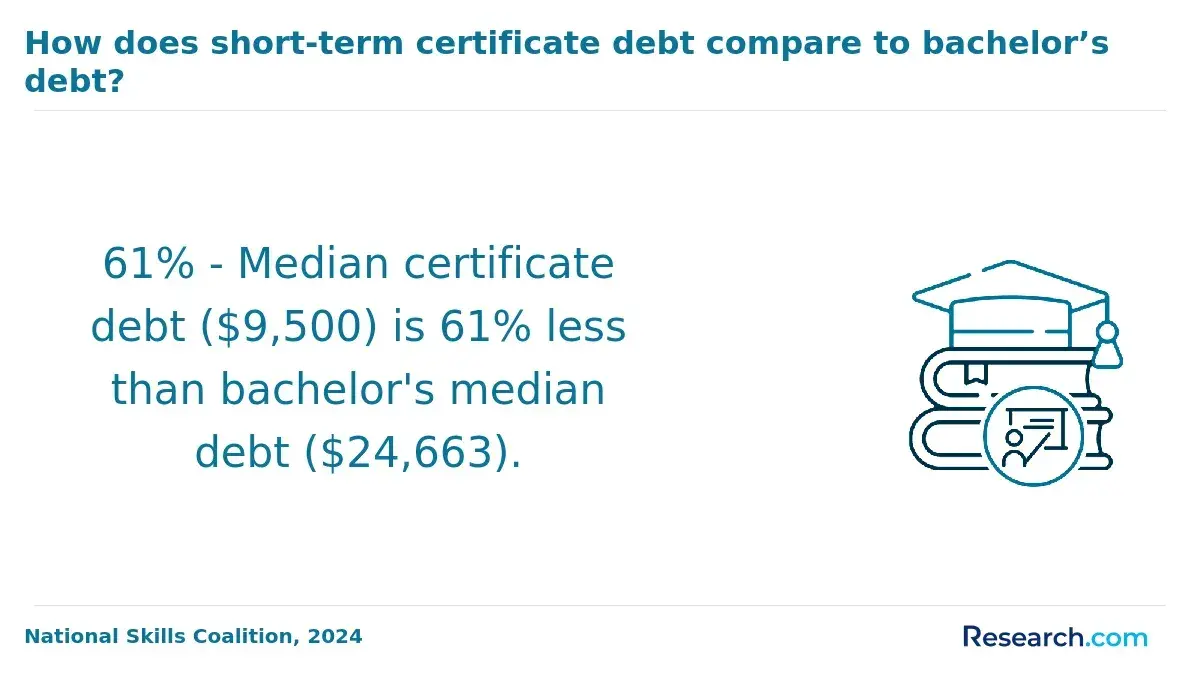
Traditional students enrolling in digital audiences degree programs generally depend on a mix of family support, federal financial aid, scholarships, and student loans to manage tuition and living expenses. Their financial concerns are frequently dominated by tuition affordability and the long-term implications of accruing debt, which influences both their program choices and duration of study.
According to a 2024 report from the National Center for Education Statistics, roughly 70% of these students graduate with an average debt exceeding $30,000. This loan dependency shapes a cautious financial planning approach as traditional students must balance the potential return on investment against mounting education costs, underscoring the financial challenges faced by traditional students in managing educational commitments.
Adult learners, aged 25 and older, confront different financial pressures rooted in interrupted income streams and family obligations. Often juggling employment and caregiving responsibilities, they face significant opportunity costs when reducing work hours to attend school and are less likely to access traditional aid, relying instead on employer tuition reimbursement, personal savings, or income-driven repayment plans.
A 2024 Pew Research Center study found that over half of adult learners identified financial strain as a major barrier, yet many view this investment as critical for career shifts or advancement, necessitating detailed financial planning strategies for adult learners that accommodate immediate cost flexibility alongside long-term economic goals.
These distinct financial realities influence enrollment patterns and program selection, with many adult learners favoring flexible, cost-effective online programs that minimize unpaid practicum hours and concealed fees, while traditional students might prioritize institutional prestige despite higher upfront costs. The divergence in financial behavior also affects long-term return on investment calculations, as adult learners emphasize job security and salary growth post-graduation, and traditional students weigh debt accumulation against networking and institutional reputation.
Understanding these nuanced financial dynamics is essential for prospective digital audiences students to navigate their educational options effectively, especially when considering pathways such as the top PsyD programs in the US.
What Challenges Do Adult Learners and Traditional Students Face While Earning a Digital Audiences Degree?
Traditional students pursuing a digital audiences degree often navigate challenges rooted in their stage of life and recent academic experiences. Many must transition from high school or prior education settings into structured, campus-based environments that demand disciplined time management and adaptation to intensive coursework. While they may benefit from fewer external obligations, these students frequently encounter pressures related to juggling social commitments and establishing foundational skills in emerging media technologies and data analytics.
According to a 2024 report from the National Center for Education Statistics, traditional students face distinct stressors linked to campus life and academic workload, which can affect their progression and engagement in digital projects critical to employability. Adult learners, conversely, contend with markedly different obstacles tied to their simultaneous roles in work and family life.
About 58% of adults enrolled in online or hybrid digital audiences programs report significant time constraints due to employment and caregiving responsibilities. Returning to formal study after considerable time away often requires them to reacclimate to academic routines and rapidly evolving digital platforms, which can slow progress.
These learners balance professional duties with coursework, limiting opportunities for networking or internships that are increasingly important in proving digital literacy to employers. This complex interplay of personal, professional, and academic demands substantially shapes the pace and pathways of their degree completion. Institutions offering digital audiences programs have responded by enhancing flexible learning formats and targeted advising to bridge these divergent needs.
Adult learners benefit from asynchronous courses and tailored support services that acknowledge their external pressures, while traditional students often rely more on campus-based resources to build academic skills and professional connections. Recognizing these distinct patterns allows programs to better support student retention and success by aligning delivery methods and support mechanisms with the specific lifecycle challenges each group faces.
How Does Age Affect Digital Audiences Degree Student Retention?
Younger digital audiences students frequently encounter retention difficulties linked to transitional academic and personal developments. Navigating the shift from high school to college-level rigor often challenges their engagement and motivation, compounded by unsettled career goals and evolving social identities. Many in this group enroll full-time without extensive financial or emotional support systems, increasing vulnerability to setbacks like financial strain or academic underperformance.
According to the National Student Clearinghouse Research Center (2024), retention rates for students aged 18 to 24 lag behind those of older peers by roughly 10%, underscoring these adjustment hurdles. In contrast, older digital audiences students tend to bring a clearer professional focus and more defined objectives, which enhances persistence despite juggling significant external responsibilities.
Balancing coursework alongside employment, family care, and limited discretionary time requires disciplined time management and resilience, making external pressures a frequent retention barrier. While their applied motivation favors completion, unfamiliarity with academic technology and less flexible institutional structures sometimes impede progress. Employers generally value the real-world experience they contribute, highlighting the practical importance of tailored support measures that accommodate complex adult learner circumstances.
One digital audiences graduate recalled initially hesitating to submit their application during a rolling admissions period due to uncertainty about timing and readiness. They spent several weeks researching prerequisites and comparing program details, worried that any delay might close access to financial aid or course availability. When they finally committed, the sense of relief was profound, paired with a newfound understanding that strategic patience and careful preparation were crucial to sustaining engagement through the program's demands.
Which Digital Audiences Specializations Are Most Popular Among Adult Learners?
Adult learners enrolling in digital audiences degree programs typically prioritize specializations that deliver clear pathways to salary growth, career mobility, and practical application aligned with their existing experience or targeted workforce transitions. These students, often balancing employment and other responsibilities, select areas that emphasize measurable outcomes and skills transferable across industries.
Data from the 2024 National Adult Education Trends Report indicates that approximately 42% of adult learners concentrate in data-driven specializations, reflecting labor market demand and competitive compensation prospects. Understanding which digital audiences degree specializations resonate with mature students is essential to grasp how program accessibility and career goals shape enrollment patterns differently than traditional college-age cohorts.
- Data Analytics: Frequently preferred by mid-career professionals, this specialization offers the technical proficiency needed for roles emphasizing data interpretation and strategic decision-making. Its versatility across sectors enables learners to pivot effectively while aiming for positions with higher salary ceilings.
- Digital Marketing Strategy: This blend of creativity and analytical rigor appeals to those looking to enhance skills relevant to ROI-driven initiatives. Adult learners often have prior business exposure, and this specialization supports applying practical insights to evolving digital campaigns and metrics.
- User Experience (UX) Design: Attracting individuals with backgrounds in project management or communications, UX design focuses on improving client engagement and delivering user-centered digital solutions. It serves as a viable pathway for those transitioning toward design-centric roles needing strategic empathy and technical fluency.
- Content Strategy and Management: This area draws learners seeking to leverage editorial, brand messaging, and audience targeting experience. It facilitates career shifts toward coordinating cross-platform digital content with measurable business impact.
- Social Media Analytics: Emphasizing data interpretation within social channels, this specialization fits professionals aiming to quantify engagement and optimize platform investments, especially those balancing marketing and data fluency needs.
Several real-world considerations explain these patterns:
- Adult learners often value clear career advancement opportunities that specialize in high-demand digital skills.
- Flexibility and applicability of skills across industries weigh heavily in specialization choice.
- Practical outcomes and alignment with existing expertise or career shifts are crucial decision factors.
For aspiring students concerned about academic entry requirements or GPA, exploring options like colleges that don't care about GPA may be worthwhile. Such pathways can increase accessibility for mid-career individuals pursuing digital audiences degree specializations for adult learners outside traditional admission filters.
How Does Age Affect Job Opportunities for Digital Audiences Graduates?
Younger digital audiences degree graduates generally benefit from streamlined entry into the workforce through internships and entry-level roles closely aligned with current digital skillsets and recent educational experiences. Employers often prioritize recent graduates for junior positions due to their familiarity with emerging digital tools and contemporary industry practices, which accelerates their early career hiring pace.
This dynamic contributes to a labor market segmentation where younger candidates typically fill pipeline positions characterized by rapid onboarding and adaptability, reflecting employer preferences for current technical fluency. Such hiring trends align with findings from the U.S. Bureau of Labor Statistics (2024) that highlight employer favorability toward recent experience in digital fields, impacting digital audiences degree job prospects by age group and early career positioning accordingly.
Older digital audiences graduates frequently leverage accumulated transferable skills and diverse professional backgrounds, facilitating access to roles that emphasize strategic thinking, leadership, or project management rather than entry-level tasks. However, labor market realities and employer biases related to adaptability and technology relevancy can pose challenges, necessitating active demonstration of continuous upskilling.
A 2024 study by the National Association of Colleges and Employers found that 62% of employers place substantial value on prior work experience, which can advantage for adult learners navigating career transitions in digital audience fields. Nonetheless, adult learners must often strategically position their career narratives and technical portfolios to counteract potential age biases, demonstrating how combined experience and education shape distinct career trajectories compared to traditional students.
Those analyzing career outcomes for traditional vs adult digital audiences graduates should consider these segmented pathways and the practical tradeoffs they entail, including targeted efforts to maintain currency as reflected in fields like criminal justice degree cost discussions.
What Do Current Digital Audiences Enrollment Trends Reveal About Future Demand?
Rising enrollment trends in digital audiences degree programs reflect a growing recognition among students of the career value embedded in digital content expertise, analytics, and audience engagement. The increase in adult learners to about 40% of enrollments, according to the National Center for Education Statistics in 2024, signals a diversification in student demographics driven by career transition needs and upskilling priorities.
This shift suggests that demand for these competencies is extending beyond traditional college-age students to experienced professionals adapting to a digital-first economy. Such enrollment patterns reveal a nuanced realignment in academic interest, reflecting broader aspirations to integrate digital skills with prior industry experience for practical advantage.
These enrollment dynamics align closely with labor market signals indicating sustained and evolving demand for digital audience specialists. Employer emphasis on adaptability, hands-on skills, and cross-disciplinary fluency underscores the necessity for programs to evolve in flexibility and specialization. Growth in online and modular learning options corresponds to industry needs for continuous reskilling amid rapid technological change and workforce shortages in digital media roles.
Consequently, current enrollment behaviors forecast ongoing program expansion and specialization diversification, closely tied to how educational pathways meet the pragmatic expectations of digital economy employers and the shifting contours of workforce readiness.
References
- Audiences in Digital Marketing https://learn.digitaladexpert.com/lessons/audiences-in-digital-marketing-2/
- 3 Digital Strategies to Attract Non-traditional Learners https://jenzabar.com/blog/three-digital-strategies-to-attract-non-traditional-learners
- Digital Marketing Trends - The PHA Group https://thephagroup.com/blog/the-future-of-digital-marketing-trends-to-watch-in-the-uk/
- Instagram: age distribution of global audiences 2025| Statista https://www.statista.com/statistics/325587/instagram-global-age-group/
- How Online Learning Empowers Adults: Benefits & Challenges https://astrialearning.com/blogs/blog/expanding-opportunities-for-adult-learners-the-role-of-online-learning-in-higher-education/
- Adapting to a New Era in Higher Education: Key Trends for Digital Advertisers - Digilant https://digilant.com/blog/adapting-to-a-new-era-in-higher-education/
- EdTech Books https://jaid.edtechbooks.org/jaid_15_2/gajwazlovb
Other Things You Should Know About Digital Audiences
Traditional students typically gain richer face-to-face networking experiences through campus activities and peer groups, which can lead to internships and early career connections. Adult learners, however, often miss out on these informal networks but can compensate by leveraging professional networks outside school or focusing on online forums and industry-specific groups linked to their studies. Prospective students should weigh the value of structured campus networking against real-world professional contacts, especially since employers in digital audiences increasingly seek demonstrated skills alongside network-backed references.
Adult learners benefit more from targeted career support because transitioning industries or advancing careers require strategic guidance and job placement assistance tailored to their circumstances. While traditional students might gain from broader campus experiences, the practical advantage for adult students lies in programs that provide workforce alignment, resume assistance, and employer connections within the digital audiences sector. Prioritizing career-focused resources increases return on investment by aligning education directly with employment outcomes and reducing risk of prolonged underemployment.
Traditional students often have fewer external obligations and can manage heavier or more intensive course loads, enabling faster degree completion. Adult learners typically require reduced course loads or extended timelines due to external demands, which affects pacing and may delay entry or reentry into the workforce. When selecting a program, adult learners should seek institutions that allow flexible scheduling and realistic workload expectations to sustain quality learning without burnout, as underestimating workload demands risks attrition and diminished skill acquisition.