2027 How to Become a Preschool Teacher Assistant in Missouri: Requirements & Certification

Co-Founder and Chief Data Scientist
Becoming a preschool teacher assistant in Missouri is usually an entry-level path into early childhood education, but the requirements can still be hard to sort out because schools, child care centers, Head Start programs, and districts may set different expectations. At minimum, candidates generally need a high school diploma or equivalent, a clear background check, and the ability to support young children safely and effectively. Many employers prefer applicants with early childhood coursework, CPR/First Aid training, or the Child Development Associate credential.
This guide explains how to qualify for preschool teacher assistant jobs in Missouri, what training may be worth paying for, how long the process can take, what costs to expect, and how the role can lead to preschool, kindergarten, elementary, special education, private school, or administrative positions. It is designed for first-time education workers, career changers, child care employees who want stronger credentials, and current assistants planning their next career step.
Quick Answer: How do you become a preschool teacher assistant in Missouri?
To become a preschool teacher assistant in Missouri, start with a high school diploma or GED, complete any employer-required background check, and build early childhood education skills through coursework, supervised child care experience, CPR/First Aid training, or a Child Development Associate credential. A CDA is not always required statewide, but it can improve hiring prospects and may be required by some preschools, child care centers, or publicly funded programs. The CDA path commonly takes about 6 to 12 months and may cost $1,000 to $2,500 when training, application fees, and exam-related expenses are included.
Key Things You Should Know About Becoming a Preschool Teacher Assistant
- The basic entry point is accessible. Missouri preschool teacher assistant jobs commonly require at least a high school diploma or equivalent, although individual employers may ask for additional child development training.
- The CDA can strengthen your application. A Child Development Associate credential is nationally recognized and typically takes about 6 to 12 months, depending on the program format and your schedule.
- Training costs vary widely. CDA-related expenses can range from $1,000 to $2,500, while background checks may add around $50 to $100, depending on the type of screening required.
- Certification is not the only hiring factor. Schools and centers also look for reliability, patience, communication skills, classroom readiness, and the ability to work safely with young children.
- This role can become a career ladder. With additional education, assistants may move into lead preschool teaching, special education support, child care administration, kindergarten teaching, or other education roles.
- What does a preschool teacher assistant do in Missouri?
- What education do Missouri preschool teacher assistants need?
- What credentials and checks may employers require?
- How do you keep your qualifications current?
- How long does the process take?
- How much does training cost?
- How can assistants advance into higher teaching roles?
- What career paths can follow this role?
- Can graduate education improve long-term options?
- Can assistants move into advanced teaching roles?
- Can alternative education degrees speed up entry?
- What is the job market like?
- What related pathways can broaden your teaching profile?
- How can special education training help?
- How much do preschool teacher assistants earn?
- Can assistants work in Missouri private schools?
- Can training be completed online?
- How does Missouri support professional development?
- Which added credentials are useful?
- What financial aid options may help?
- How can assistants move into kindergarten teaching?
What does a preschool teacher assistant do in Missouri?
A preschool teacher assistant helps the lead teacher keep the classroom safe, organized, developmentally appropriate, and responsive to each child’s needs. In Missouri, assistants may work in public preschool classrooms, Head Start programs, private preschools, faith-based centers, child care centers, or early learning programs connected to school districts.
| Responsibility | What it looks like in practice | Why it matters |
| Classroom preparation | Setting up learning centers, organizing supplies, preparing activity materials, and helping clean or reset the room | Young children learn best when routines and materials are ready before transitions begin. |
| Student support | Helping children with early literacy, motor skills, social routines, meals, toileting, and small-group activities | One-on-one support is especially important when preschool ratios can be as high as 10:1. |
| Behavior guidance | Reinforcing positive behavior, redirecting unsafe choices, and helping children practice emotional regulation | Assistants often notice developmental or behavioral concerns early because they work closely with children throughout the day. |
| Family communication | Sharing routine updates with parents or caregivers under the direction of the lead teacher | Consistent communication helps families and schools support the same developmental goals. |
| Safety and supervision | Monitoring children indoors, outdoors, during transitions, and during meals or rest periods | Preschool assistants are part of the classroom safety system, not just instructional helpers. |
The work can be meaningful, but it is not always easy. Assistants may face limited classroom budgets, staff turnover, emotional fatigue, challenging behaviors, and physically active days. The strongest candidates understand that the role combines caregiving, instruction, observation, and teamwork.
What educational qualifications are needed to become a preschool teacher assistant in Missouri?
Missouri preschool teacher assistant positions usually begin with a high school diploma or GED. Beyond that, requirements depend on the employer, funding source, age group served, and whether the role is attached to a public school, child care center, or early childhood program.
- High school diploma or GED: This is the common minimum qualification and shows that you have completed basic academic preparation.
- Early childhood education coursework: Courses in child development, family engagement, behavior management, early literacy, health and safety, and educational psychology can make you a stronger candidate.
- Child Development Associate credential: The CDA is often recommended because it shows structured training and practical experience with young children.
- Supervised experience: Volunteer work, child care employment, practicum placements, and internships can help you prove classroom readiness.
- Background screening: Employers working with children generally require background checks before allowing candidates to work in classrooms.
If you are comparing programs, focus less on the program title and more on whether it teaches preschool classroom skills, includes hands-on practice, fits your schedule, and is accepted by employers in your area.
What certifications are required to be a preschool teacher assistant in Missouri?
There is no single statewide preschool teacher assistant credential that every Missouri employer uses in exactly the same way. Instead, candidates typically meet a combination of baseline education, safety, and employer-specific requirements. Some positions may accept a high school diploma or GED, while others may prefer or require the CDA, college credits, CPR/First Aid, or experience in a licensed early childhood setting.
| Credential or requirement | Required or preferred? | Best for |
| High school diploma or GED | Common minimum requirement | Entry-level assistant roles in child care and preschool settings |
| Child Development Associate credential | Often preferred; may be required by some employers | Candidates who want stronger job prospects and proof of early childhood training |
| 120 hours of formal training for CDA preparation | Required for the CDA pathway | Applicants pursuing the nationally recognized CDA credential |
| Background check | Commonly required | Anyone working directly with young children |
| First Aid and CPR certification | Often preferred or required by employers | Assistants responsible for daily supervision, safety, and emergency response |
| Ongoing professional development | Expected in many early childhood settings | Assistants who want to stay current and qualify for advancement |
The best approach is to review job postings in your target city or district before choosing a training path. If several employers list the CDA, CPR/First Aid, or specific college coursework, those credentials are likely worth prioritizing.
How do you maintain your preschool teacher assistant certification in Missouri?
Once you are working in early childhood education, maintaining your qualifications means keeping safety clearances, professional development, and employer documentation current. Requirements can differ by employer and program type, so assistants should ask supervisors which renewal standards apply to their specific position.
- Complete continuing education: Plan for at least 12 clock hours of professional development every two years when required. Useful topics include child development, inclusive classrooms, early literacy, trauma-informed care, health and safety, and classroom management.
- Track your records: Keep certificates, transcripts, workshop confirmations, CPR/First Aid cards, and training logs in one place so renewal is not delayed.
- Submit renewal paperwork on time: If a credential, employer approval, or DESE-related documentation must be renewed, start before the expiration date.
- Keep background checks current: Periodic screenings may be required to continue working with children.
- Stay connected to the field: Local early childhood organizations, workshops, district trainings, and online professional learning can help you keep up with classroom expectations.
Most preschool instructors in the country have only one to two years of experience, as seen in the chart below. That makes early career development especially important for assistants who want to stand out and avoid getting stuck in entry-level roles.
How long does it take to become a preschool teacher assistant in Missouri?
The timeline can range from a few weeks to a couple of years. It depends on whether you are applying for an entry-level assistant job, completing a CDA, earning college credits, or preparing for a higher teaching credential.
| Path | Typical time frame | When this path makes sense |
| Entry-level hiring with diploma or GED | Several weeks, depending on hiring and background check processing | You want to begin working quickly and gain experience while training on the job. |
| CDA credential | About 6 to 12 months | You want a recognized early childhood credential without committing immediately to a degree. |
| College coursework or associate-level preparation | About two years full time for 60 semester hours | You are targeting roles that prefer college credits or you plan to move toward licensed teaching. |
| Practicum or internship | Usually a semester when required by a program | You need supervised classroom experience as part of a certificate or degree. |
| Certification application or documentation review | A few weeks after materials are complete | You have finished required training and need employer or agency approval. |
| Exam preparation, where applicable | Several weeks | You are pursuing a role or credential that requires formal assessments. |
If your goal is simply to enter the field, start by applying to assistant roles that match your current education and complete CPR/First Aid or CDA training while employed. If your goal is to become a lead teacher later, build a longer plan that includes transferable college credit.
Requirements differ across states. Candidates comparing Missouri with other locations can review teacher certification renewal in Washington to see how state rules can vary.
What is the average cost of becoming a preschool teacher assistant in Missouri?
Your total cost depends on how much training you pursue before applying. Some assistants enter the field with minimal upfront expense, while others invest in a CDA, college coursework, or a degree to qualify for better opportunities later.
| Expense | Estimated amount | How to evaluate it |
| CDA credential path | $1,000 to $2,500 | Compare what is included: training hours, advising, assessment preparation, portfolio support, application fees, and exam costs. |
| Background checks | Around $50 to $100 | Ask whether the employer pays, reimburses, or requires you to pay upfront. |
| Early childhood education tuition | $3,000 to $10,000 per year | Community colleges may cost less than universities, but transferability and program quality still matter. |
| Room and board | $8,000 to $12,000 annually | This mainly affects students who relocate or attend campus-based programs away from home. |
| Textbooks and materials | $500 to $1,000 per year | Look for used books, rentals, library reserves, and open educational resources when available. |
| Credentialing and safety training fees | $50 to $200 | This may include CPR/First Aid training, documentation fees, or related employer requirements. |
To reduce costs, ask schools about scholarships, employer tuition support, payment plans, credit for prior learning, and whether credits can transfer into a future degree. Avoid paying for a noncredit program unless you know local employers value it.
Some education students discover that they prefer teaching outside the traditional classroom. If physical activity and coaching are a better fit, reviewing the advantages of online physical education degree programs can help compare another education pathway.
What opportunities are available for advancement to higher teaching roles?
Preschool teacher assistant experience can be a practical foundation for higher-level education roles because it develops classroom management, child observation, family communication, and instructional support skills. To advance, assistants usually need additional coursework, a degree, certification, or licensure aligned with the grade level they want to teach.
If your long-term goal is to teach in elementary classrooms, review the requirements for elementary school teachers in Missouri early. That will help you choose credits and training that support your next step instead of taking courses that do not move you closer to licensure.
What career paths are available for preschool teacher assistants in Missouri?
Preschool assisting can remain a stable support role, but it can also serve as a first step into broader education careers. The right path depends on how much responsibility, education, and specialization you want.
- Preschool teacher assistant: Continue supporting lead teachers with classroom routines, activities, supervision, and child development goals.
- Lead preschool teacher: Add early childhood coursework, a CDA, or a degree to qualify for greater instructional responsibility.
- Early childhood education coordinator: Use classroom experience and additional training to support curriculum, teacher coaching, and program quality.
- Child care center director: Combine early childhood experience with administration, leadership, compliance, and family engagement training.
- Special education aide: Add training in disabilities, behavior support, inclusion, and individualized interventions.
- Education administration support: Move into operations, enrollment, family services, attendance, or program coordination roles.
- Family services or child development specialist: Build additional qualifications to support children and families beyond the classroom.
Some assistants later specialize in a related child development field. For example, professionals interested in communication disorders may compare affordable online master's programs in speech pathology as a possible graduate-level direction.
Can an advanced degree enhance my preschool teacher assistant career in Missouri?
An advanced degree is not necessary for every preschool teacher assistant, but it can matter if you want to move into licensed teaching, curriculum leadership, instructional coaching, administration, or specialized education services. Graduate study may also help experienced educators deepen their knowledge of assessment, curriculum design, child development, and classroom leadership.
Before enrolling, compare the degree cost with the roles you actually want. If your goal is lead teaching or school leadership, make sure the program connects to Missouri requirements and employer expectations. If flexibility and price are priorities, explore affordable online master's degrees in teaching and confirm whether the program matches your intended career path.
Can preschool teacher assistants transition to advanced teaching roles in Missouri?
Yes. Classroom aide experience can help when moving into higher teaching roles, but experience alone is usually not enough. You will need the correct education, certification, assessments, and field experience for the grade level or subject area you plan to teach.
A smart transition plan starts with your target role. For example, the path to early childhood teaching differs from the path to middle school math. If you are considering a subject-specific teaching role, review how to become a middle school math teacher in Missouri before choosing your next degree or certification program.
Can alternative education degrees fast-track my entry as a preschool teacher assistant in Missouri?
Alternative education programs can be useful if they are reputable, affordable, and aligned with the jobs you want. Some programs focus on practical classroom skills and can be shorter than traditional degree pathways. However, “faster” is only helpful if the credential is accepted by employers and can transfer into future education plans.
Before enrolling, check accreditation, credit transfer rules, practicum expectations, employer recognition, and whether the program helps with CDA preparation or future licensure. If you are comparing lower-barrier education options, the ranking of easier education degrees can provide additional context, but do not choose based on ease alone.
What is the job market for preschool teacher assistants in Missouri?
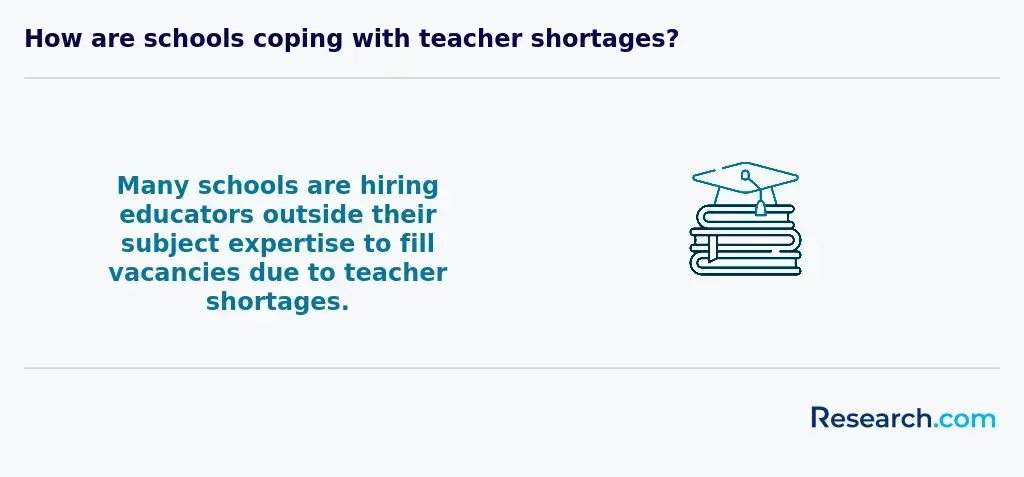
The labor market for early childhood workers is shaped by child care demand, school staffing needs, funding, turnover, and local program availability. Missouri also reported over 12,500 teaching vacancies in 2023, which shows broader staffing pressure across education, though specific openings vary by region and role.
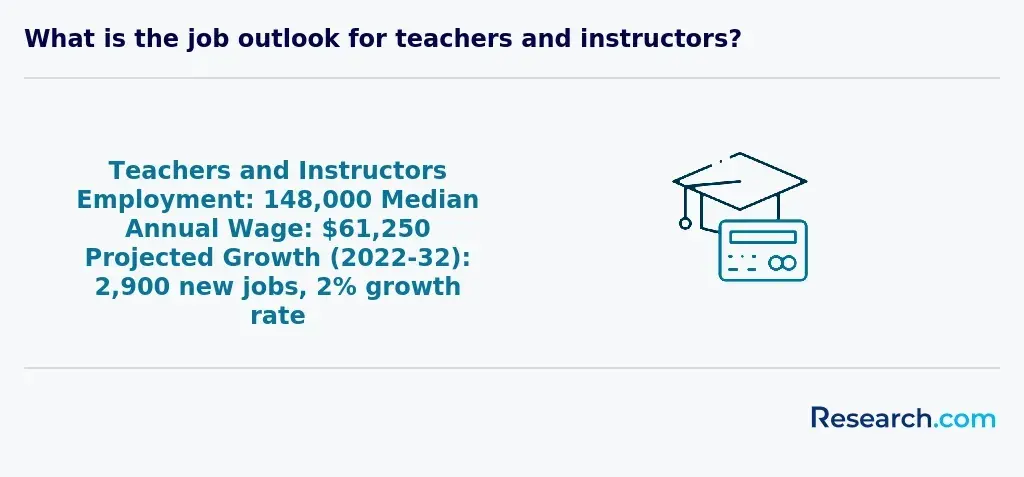
According to 2024 data from the United States Bureau of Labor Statistics (BLS), employment of preschool teachers from 2023 to 2033 is projected to grow by 4%, which is in line with the national average. During that same period, there are 61,400 annual job openings for preschool teachers.
For teacher assistants, the national projection is weaker, with a decline of 1% over the same period. Even so, the BLS reports 161,900 annual job openings, meaning turnover and replacement needs can still create opportunities for qualified candidates.
Assistants who want to move beyond classroom support and into curriculum planning or instructional leadership may consider online master's degrees in curriculum and instruction after gaining experience.
What alternative career pathways can diversify my preschool teaching portfolio in Missouri?
Preschool assistants can broaden their options by adding a specialty that complements early childhood education. Music, movement, art, language development, special education, and family engagement can all make an assistant more valuable in programs that want richer learning experiences for young children.
If you enjoy creative instruction, music education may be one way to expand your long-term profile. Reviewing how to become a music teacher in Missouri can help you understand how a related teaching pathway differs from preschool support work.
How Does Special Education Training Enhance My Role as a Preschool Teacher Assistant in Missouri?
Special education training helps preschool assistants support inclusive classrooms more effectively. It can improve your ability to recognize developmental differences, follow individualized plans, use positive behavior supports, assist with communication needs, and collaborate with teachers, specialists, and families.
This training is especially useful in early childhood settings because support provided during the preschool years can shape later learning and social development. If you want to move beyond aide work into a licensed special education role, review the pathway for special education teacher certification in Missouri.
How much do preschool teacher assistants make in Missouri?
Pay varies by employer, region, funding source, experience, credentials, and whether the job is full time, part time, school-year only, or year-round. According to recent data from Talent.com, the median annual salary of preschool teacher assistants in Missouri is about $29,120. Indeed.com reports that teaching assistants in the state earn around $32,920.
Those figures are lower than the national averages for preschool teachers ($41,410) and teacher assistants ($36,430), based on 2024 BLS data. Salary outcomes are not guaranteed, but additional training, experience, and movement into higher-responsibility roles may improve earning potential.
According to the BLS, the following sectors report the highest average annual pay for teacher assistants:
- Technical and Trade Schools: $54,470
- Scientific Research and Development Services: $44,560
- Psychiatric and Substance Abuse Hospitals: $44,360
- Business Schools and Computer and Management Training: $44,150
- Employment Services: $42,420
If cost is a major barrier, compare affordable online bachelor's in education programs before committing to a more expensive route.
Most preschool teachers in the country teach preschool-age kids, as shown by the chart below.
Can Preschool Teacher Assistants Transition to Private School Roles in Missouri?
Yes. Private preschools and independent schools may hire assistants with strong classroom experience, child development knowledge, and reliable references. Requirements can be more flexible than public school requirements in some cases, but private employers may still expect background checks, CPR/First Aid, early childhood training, and experience with the school’s curriculum model.
To prepare, build a portfolio that shows your classroom responsibilities, training certificates, lesson support experience, family communication skills, and any specialty workshops. If you want a broader private education pathway, review how to become a private school teacher in Missouri.
Can I Complete My Preschool Teacher Assistant Training Online in Missouri?
Many parts of preschool teacher assistant preparation can be completed online, including early childhood coursework, CDA preparation classes, professional development modules, and some safety or behavior management training. However, online coursework may still need to be paired with in-person experience, observation, practicum hours, CPR/First Aid skills checks, or employer-specific onboarding.
Before enrolling in an online program, ask whether it is accepted by Missouri employers, whether it supports CDA requirements, whether it includes field experience, and whether credits can transfer. For a broader look at remote education pathways, see how to become an online teacher in Missouri.
How does Missouri support professional development for preschool teacher assistants?
Missouri supports early childhood professional development through training opportunities, employer-based learning, workshops, online resources, and programs connected to the Missouri Department of Elementary and Secondary Education (DESE) and local education organizations. These opportunities can help assistants improve classroom practice and meet renewal or employer training expectations.
Useful professional development topics include child development, inclusive learning, behavior guidance, early literacy, health and safety, family engagement, and trauma-informed practice. Assistants who work in rural areas or need flexible scheduling should ask about online modules and regional training options.
If your goal is to move from assistant to lead teacher, use professional development strategically. Choose training that builds toward a recognized credential, degree, or state-approved teaching pathway. For a role-specific roadmap, review how to become a preschool teacher in Missouri.
Which additional certifications can enhance a preschool teacher assistant’s career in Missouri?
The most useful add-on credentials are the ones that match your job setting and career goal. For many assistants, CPR/First Aid and the CDA are practical first steps. After that, consider targeted training based on the children you serve and the role you want next.
- CPR and First Aid: Helpful for classroom safety and often expected in early childhood settings.
- CDA credential: A strong option for assistants who want a recognized early childhood qualification.
- Special education or inclusion training: Useful for classrooms serving children with disabilities or developmental delays.
- Behavior management training: Helps assistants support positive routines and respond appropriately to challenging behavior.
- Early intervention training: Supports work with children who need developmental services or targeted support.
- Speech and language development training: Helpful for assistants interested in communication support roles.
If you are considering a long-term move into communication disorders, learn more about the pathway to an SLP license in Missouri.
Are There Financial Aid Options to Support My Training and Certification in Missouri?
Financial support may be available through community colleges, workforce programs, scholarships, employer tuition assistance, payment plans, district incentives, and federal aid for eligible students enrolled in qualifying programs. Availability depends on the school, credential, enrollment status, and your financial situation.
Before paying out of pocket, ask these questions:
- Does the program qualify for federal aid or institutional scholarships?
- Will my employer reimburse CDA, CPR/First Aid, or college coursework costs?
- Can I use transfer credits or prior learning to reduce tuition?
- Are required books, exam fees, background checks, or application fees included?
- Will this credential help me qualify for better jobs or only meet minimum hiring requirements?
For lower-cost routes into education careers, compare options in the guide to the cheapest way to become a teacher in Missouri.
How Can I Transition to a Kindergarten Teaching Role in Missouri?
Moving from preschool assistant to kindergarten teacher usually requires a bigger credential jump because kindergarten teaching involves lead classroom responsibility, state-aligned instruction, assessment, and often licensure. Your preschool experience can help, but you will need to meet Missouri’s education and certification requirements for kindergarten teachers.
A practical transition plan includes earning transferable education credits, choosing a degree or certification program aligned with kindergarten teaching, completing field experience, preparing for required assessments, and documenting your preschool classroom experience. Start by reviewing the requirements to become a kindergarten teacher in Missouri so you do not waste time on coursework that will not count.
Common Mistakes to Avoid When Choosing a Preschool Teacher Assistant Path
- Assuming every job has the same requirements: Public programs, private centers, Head Start programs, and school districts may set different standards.
- Choosing the cheapest training without checking employer recognition: A low-cost course is not a good deal if local employers do not value it.
- Ignoring hands-on experience: Preschool classrooms require practical skill, not just online coursework.
- Forgetting background checks and safety training: These steps can delay hiring if you wait until the last minute.
- Taking nontransferable credits: If you may later pursue a teaching degree, confirm transfer policies before enrolling.
- Expecting salary increases automatically: Higher pay usually depends on role, employer, credentials, location, and experience.
- Relying only on rankings: A program must fit your schedule, budget, employer expectations, and long-term licensure plan.
Related Articles for Nearby States
- 2027 How to Become a Preschool Teacher Assistant in Kansas: Requirements & Certification
- 2027 How to Become a Preschool Teacher Assistant in Iowa: Requirements & Certification
- 2027 How to Become a Preschool Teacher Assistant in Nebraska: Requirements & Certification
- 2027 How to Become a Preschool Teacher Assistant in Arkansas: Requirements & Certification
- 2027 How to Become a Preschool Teacher Assistant in Oklahoma: Requirements & Certification
- 2027 How to Become a Preschool Teacher Assistant in Illinois: Requirements & Certification
- 2027 How to Become a Preschool Teacher Assistant in Kentucky: Requirements & Certification
- 2027 How to Become a Preschool Teacher Assistant in Tennessee: Requirements & Certification
- 2027 How to Become a Preschool Teacher Assistant in Indiana: Requirements & Certification
- 2027 How to Become a Preschool Teacher Assistant in South Dakota: Requirements & Certification
References:
- BLS (2024, August 29). Preschool Teachers. BLS
- BLS (2024, August 29). Teacher Assistants. BLS
- Missouri Department of Elementary and Secondary Education (2024). Educator Vacancy Report 2024. Missouri Department of Elementary and Secondary Education
- Talent.com (2024). Preschool Teacher Assistant: Average Salary in Missouri in 2024. Talent.com
Key Insights
- Missouri preschool teacher assistant jobs commonly start with a high school diploma or GED, but stronger candidates often add CDA preparation, CPR/First Aid, early childhood coursework, and supervised experience.
- The CDA is not always mandatory, but it is one of the most practical credentials for improving employability in preschool and child care settings.
- Expect the CDA route to take about 6 to 12 months and cost $1,000 to $2,500, with possible additional costs for background checks, materials, and safety training.
- Assistant roles can lead to lead preschool teaching, kindergarten teaching, elementary education, special education, child care administration, or family services, but each advancement path has different education and certification requirements.
- Before choosing a program, verify employer recognition, accreditation, transfer credit policies, field experience requirements, and total cost—not just tuition.
- Salary varies by employer and role. Missouri figures reported by Talent.com and Indeed.com are about $29,120 and around $32,920, while national BLS averages are $41,410 for preschool teachers and $36,430 for teacher assistants.
- The best strategy is to enter the field affordably, gain classroom experience, document your training, and choose future credentials based on the exact role you want next.
Other Things You Should Know About Becoming a Preschool Teacher Assistant in Missouri
In 2027, Missouri does not require preschool teacher assistants to have a degree. However, having an associate degree in early childhood education or a related field can enhance job prospects and be preferred by some employers. --- 1. **Question** What are the basic steps to becoming a preschool teacher assistant in Missouri in 2027? **Answer** To become a preschool teacher assistant in Missouri in 2027, you must have a high school diploma or GED, pass a background check, and possibly complete an early childhood education training program. Employers may prefer candidates with CPR and First Aid certification. 2. **Question** Can you become a preschool teacher assistant in Missouri with just a high school diploma? **Answer** Yes, in Missouri, a high school diploma or GED is sufficient to become a preschool teacher assistant. Although not mandatory, additional training or education in early childhood development can be advantageous for career advancement and employment opportunities. 3. **Question** What qualifications are needed to become a preschool teacher assistant in Missouri in 2027? **Answer** In 2027, the qualifications for a preschool teacher assistant in Missouri typically include a high school diploma or GED, the ability to pass a background check, and potentially CPR and First Aid certification. Additional qualifications can include training in early childhood education.
Becoming a preschool teacher assistant in Missouri with just a high school diploma is possible. Here's how you can leverage it in the field of early childhood education:
- Research Local Requirements: Each school district may have specific requirements. Familiarize yourself with the regulations in your area.
- Gain Experience: Volunteer or work part-time in childcare settings. This hands-on experience is invaluable and will enhance your resume.
- Complete a Background Check: Missouri requires all educators to undergo a criminal background check. This ensures the safety of the children you will be working with.
- Consider Additional Training: While a high school diploma is sufficient, pursuing courses in child development or early childhood education can make you a more competitive candidate.
- Apply for Positions: Look for openings in preschools, daycare centers, or community programs. Tailor your resume to highlight your passion for working with young children.
In 2027, to become a preschool teacher assistant in Missouri, you typically need a high school diploma or equivalent. Some employers may also require relevant experience or a Child Development Associate (CDA) certification to enhance your qualifications.