
2027 Which Schools Offer Flexible Start-Anytime Enrollment for a Corrections Program?

Co-Founder and Chief Data Scientist
Many prospective corrections students struggle to balance education with work or family commitments, especially when fixed enrollment dates limit their options. Research shows that 58% of adult learners in criminal justice fields prefer programs offering flexible start dates, allowing them to begin courses when it best suits their schedules. This flexibility is critical in reducing dropout rates and increasing completion among non-traditional students.
This article explores how flexible start-anytime enrollment in corrections programs helps address these challenges. It will guide readers through the benefits, program structures, and strategies to manage learning alongside other responsibilities, helping prospective students make informed decisions about their education and career paths.
Key Benefits of Flexible Start-Anytime Enrollment for a Corrections Program
- Start-anytime enrollment allows corrections students to begin coursework immediately, avoiding delays typical in traditional semester schedules.
- Programs often use modular courses enabling flexible pacing, which helps working adults balance jobs and studies effectively.
- Online corrections program enrollment grew over 15% annually, reflecting demand for accessible education among career changers and professionals seeking advancement.
What Does "Start Anytime" Mean in a Corrections Program?
"Start anytime" enrollment in a corrections program allows students to begin their coursework at any point during the year, bypassing traditional semester or quarter start dates. This flexible start-anytime corrections program enrollment removes fixed academic calendar restrictions, making it easier for working adults and career changers to fit education into their busy lives. Unlike standard programs with set terms, these formats often feature rolling admissions, so learners can register and start classes immediately.
Course pacing typically involves self-directed or semi-structured study, where students access materials on an online platform available 24/7. This supports varied schedules but demands strong time management and discipline.
With course pacing and scheduling adapted to individual needs, student progression in start-anytime corrections programs is based more on mastery than fixed timelines. Regular interaction with academic advisors offers personalized guidance to help learners stay on track. This approach encourages balancing education alongside professional or personal obligations effectively.
According to data from the National Center for Education Statistics, flexible start dates are increasingly popular among adult learners in correctional careers, reflecting a shift toward adaptable education aligned with workforce demands. Prospective students interested in related fields might also explore bcba programs that offer similar flexibility in enrollment and pacing.
What Are the Admission Requirements for Start-Anytime Corrections Programs?
Prospective students considering corrections programs with flexible start-anytime enrollment benefit from understanding the specific admission requirements that accommodate their busy schedules. This flexibility supports working adults and career changers seeking programs that fit personal and professional demands without the constraints of traditional academic calendars.
- Prior Education: Most programs require a high school diploma or equivalent, such as a GED. This basic credential ensures applicants have foundational academic skills needed for success in corrections studies.
- GPA Standards: Some corrections schools maintain a minimum GPA requirement, often around 2.0, to demonstrate academic readiness. This helps programs assess whether students can handle college-level coursework.
- Standardized Testing: Unlike traditional admissions, standardized test scores like the SAT or ACT are less commonly required for start-anytime enrollment. This flexibility helps widen access for diverse learners.
- Supporting Documentation: Applicants need to submit official transcripts, a completed application, and valid personal identification. These documents confirm eligibility and facilitate enrollment processes.
- Professional Experience and Recommendations: Certain programs, especially advanced or specialized tracks, may request relevant work experience or letters of recommendation to better evaluate a candidate's suitability.
Incorporating flexible admission criteria for corrections programs aligns with workforce demands, as reflected by an 18% increase in such educational models over five years. For those balancing education with other commitments, exploring options like an online engineering degree might offer additional insight into flexible learning pathways.
Can Transfer Students Enroll Immediately in Start-Anytime Corrections Programs?
Transfer students hoping to enroll right away in flexible start corrections programs must navigate several important factors to ensure a smooth transition. While such programs offer convenience, immediate admission depends heavily on prior credit evaluations and meeting specific enrollment conditions.
- Credit evaluation: Official transcripts must be submitted promptly to allow institutions enough time to assess which previously earned credits apply to the corrections curriculum. This review can take from several days to weeks, delaying immediate enrollment.
- Prerequisite alignment: Transfer students need to confirm that their completed courses fulfill the foundational requirements of the target program. Any gaps in prerequisites may require additional coursework before fully advancing.
- Application timing: Despite flexible start dates, applicants generally must meet deadlines to reserve a spot in upcoming terms. Proper planning is essential, as last-minute applications can face processing delays.
- Enrollment eligibility: Programs often enforce criteria such as minimum GPA or completion of specific courses, which transfer students must satisfy to qualify for immediate admission to start-anytime options.
A graduate of a corrections degree program shared her experience on enrolling as a transfer student with start-anytime flexibility. She noted, "I submitted all my transcripts as soon as possible, but it still took nearly three weeks for the credit evaluation to finalize. That waiting period was nerve-wracking because I wanted to start right away." She added that staying in constant contact with advisors helped clarify what additional courses were necessary to meet eligibility requirements. Though the process wasn't instant, it was manageable with early preparation and clear communication.
Students aiming for flexibility in corrections education often weigh the benefits of delivery formats that accommodate their schedules. Availability of start-anytime enrollment varies between online and on-campus programs, influencing how learners manage work, family, and other responsibilities.
- Availability of Formats: Start-anytime enrollment is more common in online corrections programs, with many institutions allowing monthly or even weekly course starts. On-campus options exist but are generally limited to select community colleges or vocational schools offering rolling admissions or multiple semester start dates.
- Scheduling Flexibility: Online courses often provide asynchronous learning and modular designs, giving students the ability to pause or accelerate their studies. In contrast, on-campus programs typically follow a fixed semester calendar, though some may offer evening or weekend classes to accommodate working students.
- Pacing Differences: Students in online formats can progress at an individualized pace, balancing courses with personal and professional demands. On-campus students usually adhere to a structured timeline, which can be less flexible but offers consistent classroom interaction.
- Work-Life Balance Considerations: Online programs reduce commuting time and allow learners to fit studies around their jobs and family commitments more easily. On-campus enrollment may require more rigid time management due to scheduled class times, posing challenges for those with daytime work hours.
For students interested in flexible enrollment, understanding how start-anytime corrections programs structure their academic terms and coursework is essential. These programs break traditional scheduling constraints to better accommodate diverse learners.
- Term Schedules: Rather than following fixed semesters, these programs use modular terms that begin throughout the year. This allows students to start when convenient without waiting for a new semester to begin.
- Modular Course Design: Coursework is divided into shorter, standalone units focused on specific skills or topics. Each module functions independently, enabling students to select and complete units based on their needs and availability.
- Pacing Options: Students have the flexibility to progress at their own speed, often balancing study with work or personal commitments. They can take one or several modules at a time according to their schedule.
- Competency-Based Progression: Advancement depends on demonstrating mastery of the material in each module, rather than finishing a set term. This approach supports personalized learning and timely completion of program requirements.
For prospective students seeking flexible enrollment options, understanding tuition payment schedules for start-anytime corrections programs is essential. These programs are designed to offer adaptability in timing and financial commitments, making them especially appealing to working adults and career changers who need to balance education with other responsibilities. Knowing how tuition payments are structured helps learners plan effectively and avoid disruptions.
The following key aspects highlight how tuition payment options for flexible start corrections programs typically operate:
- Per-module billing: Tuition is charged based on individual courses or modules instead of full semesters, allowing students to pay only for the segments they are actively enrolled in. This approach supports nontraditional pacing and helps in managing costs incrementally.
- Installment plans: Many programs offer installment payment options synchronized with course timelines, such as module start dates or monthly intervals. These plans often require an initial deposit, easing the upfront financial burden and spreading payments over a manageable schedule.
- Payment deadlines aligned with flexible starts: Payment due dates typically coincide with the beginning of each module or billing cycle, matching the program's open enrollment nature. This alignment requires students to budget carefully to maintain continuous enrollment and meet financial obligations on time.
- Financial planning flexibility: The modular payment structure accommodates irregular work hours and life commitments, giving adult learners greater control over their education funding. This flexibility is vital for those balancing career changes or other personal demands.
Assembling sound financial strategies around these schedules can be a significant advantage. For students exploring related fields, comparing tuition structures among different paths, such as online marriage and family therapy programs, may provide broader perspective and options. Data from the National Center for Education Statistics show sustained growth in flexible and competency-based education, illustrating a clear trend toward meeting diverse learner needs.
For students seeking flexible enrollment options in corrections education-whether returning after a break, transferring from another program, or balancing work and personal life-knowing how transfer credits apply can be a significant advantage. Transfer credit policies vary by institution and can impact the overall time and expense needed to complete a corrections program.
- Assessment of previous coursework: Institutions review past classes for content relevance, difficulty level, and accreditation to decide if credits meet program standards.
- Limits on transferable credits: Many corrections programs restrict how many credits can transfer, commonly allowing between a quarter to three-quarters of required credits from prior study.
- Required foundational courses: Essential core classes often must be completed at the institution to ensure foundational knowledge, which can reduce transferability of specialized or advanced courses.
- Effect on enrollment timing: Transfer credits may shift when students begin specific course modules, but start-anytime schedules typically adjust pacing and sequence to maintain flexibility.
A student who recently switched from another degree to a start-anytime corrections program shared candidly about his experience. He found the credit transfer process "a bit daunting" at first, as it involved gathering transcripts, detailed course descriptions, and waiting for evaluations. However, he appreciated how the program's flexible start dates allowed him to begin right after approval rather than waiting for a traditional semester, which helped him maintain momentum and balance work commitments. Though not all credits transferred, the flexibility made the transition smoother than expected and kept his educational goals on track.
Accreditation serves as a critical quality indicator for prospective students exploring start-anytime corrections degree programs, especially for those balancing education with work or other commitments. Confirming a program's accreditation assures students that their investment meets established academic and professional criteria essential for career goals and eligibility for licensing. Without proper accreditation, students risk enrolling in courses that may not be recognized by employers or regulatory bodies.
Two main accreditation types apply to corrections programs: regional and national. Regional accreditation is broadly accepted by most colleges and employers, facilitating smooth credit transfers and further education opportunities. National accreditation often targets vocational or career-specific curricula, including some corrections degrees, but must still be recognized by the U.S. Department of Education or CHEA to hold credibility.
Moreover, professional organizations like the American Correctional Association endorse specific programs, enhancing a graduate's prospects for certification and licensure. Such endorsements typically influence state licensing boards and hiring agencies, underscoring the importance of choosing an accredited program that aligns with industry standards.
Employer recognition is a key concern for prospective students considering flexible, start-anytime Corrections degrees. With the evolving landscape of online and accelerated learning, understanding how employers perceive these programs can shape career decisions. Recent trends show growing acceptance of flexible enrollment options among Corrections professionals, as reflected in workforce demands and educational adaptations.
- Accreditation and industry standards: Employers respect degrees accredited by reputable organizations such as the Academy of Criminal Justice Sciences or regional accreditation bodies. These accreditations confirm that programs meet rigorous academic and professional standards, which remain important even in flexible enrollment Corrections programs.
- Skills development: Practical competencies like crisis intervention, legal knowledge, communication, and ethical decision-making heavily influence hiring decisions. Programs emphasizing these skills, despite flexible schedules, tend to graduate candidates well-prepared for Corrections roles.
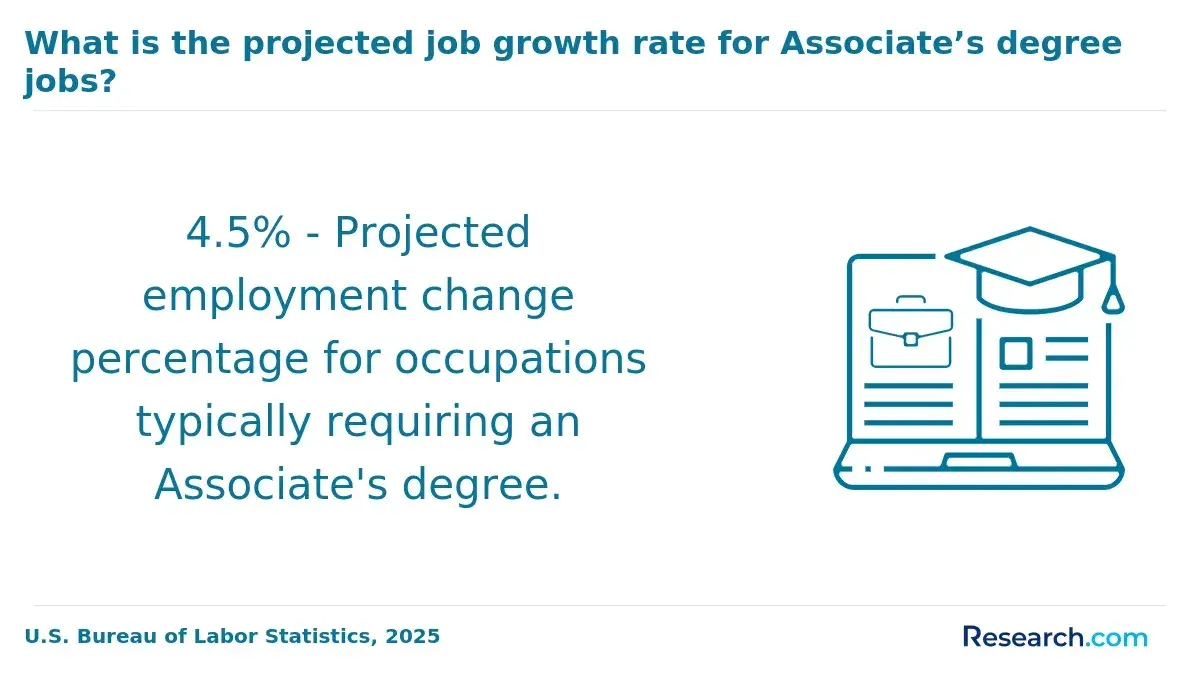
- Professional reputation in Corrections: The Corrections field increasingly values adult learners and career changers, aligning well with start-anytime degrees. According to the Bureau of Labor Statistics, Corrections officer roles are projected to grow steadily, underscoring the importance of accommodating nontraditional students to meet workforce needs.
- Employer preference for demonstrated skills: A 2023 survey by the National Institute of Corrections found that 68% of employers prioritize candidates' skills and experience over strict academic timelines. This indicates that flexible enrollment options are respected when they maintain educational quality and relevance.
- Career value of flexible enrollment Corrections program: Flexible start-anytime programs offer working adults the ability to pursue degrees on their schedule, increasing accessibility without necessarily compromising employer acceptance. These programs cater to career changers and adult learners seeking to advance in Corrections careers.
Prospective students interested in accelerated paths may also explore accelerated online degrees that align with their career goals and personal commitments.
Choosing the right start-anytime corrections program requires careful consideration of several factors to ensure it meets both educational and professional objectives. This is especially important for working adults and career changers who need flexibility and quality in their studies.
- Accreditation: Attending an accredited program guarantees a recognized standard of education and often affects eligibility for federal financial aid. Prospective students should verify regional or national accreditation recognized by the U.S. Department of Education or CHEA to ensure the program's credibility.
- Program format and pacing: Flexible start corrections programs benefits include accommodating varied schedules through rolling admissions and self-paced or cohort models. Such formats allow adult learners to balance coursework with work and personal commitments effectively.
- Credit transfer policies: Confirming the transferability of prior college credits can shorten time to completion and reduce costs. Recognition of previous learning helps avoid repeating similar coursework.
- Cost and financial aid: Transparent tuition and access to financial resources like grants, scholarships, or employer tuition reimbursement make programs more accessible. Understanding all costs upfront is vital for financial planning.
- Employer recognition: It's essential to research whether employers in corrections fields value the chosen credential. Programs with strong industry recognition can enhance career advancement opportunities.
- Alignment with career goals: Ensuring the curriculum supports targeted roles such as probation officer, correctional counselor, or administrative positions helps students meet their professional aspirations.
Students interested in online education may also benefit from reviewing resources on online college programs that support flexible enrollment and tailored pacing.
By thoughtfully evaluating these factors, those choosing start-anytime corrections degree programs can secure a path that fits their lifestyle while advancing their professional goals.
What Graduates Say About Flexible Start-Anytime Enrollment for a Corrections Program
- Wesley: "When I decided to pursue a corrections degree, the flexibility of start-anytime enrollment was a game-changer. Being able to begin my studies without waiting for traditional semester dates made it much easier to balance work and education. The average cost was reasonable compared to other programs, which helped me feel confident investing in my future. Since graduating, I've moved up within my department and credit my degree with opening those doors."
- Jameson: "Choosing a corrections program with rolling admissions really suited my schedule, allowing me to jump in right away. Although the tuition was an important factor, I found the overall cost to be competitive and worth every penny given the expertise I gained. Reflecting on my career growth, the degree has provided me with the knowledge and credentials to handle complex challenges on the job with more confidence and professionalism."
- Andrei: "The availability of start-anytime enrollment dates in my corrections degree program meant I could begin learning without delay after exploring career options. I appreciated the modest cost relative to the quality of education received, which made the program accessible. Professionally, earning this degree has been instrumental in my promotion and enhanced responsibilities, confirming it was a smart investment in my career trajectory."
Other Things You Should Know About Corrections Degrees
In 2027, the ability for students to switch between flexible start-anytime and traditional enrollment options in corrections programs largely depends on the specific policies of each institution. Interested individuals should consult directly with the admissions office of their chosen school to understand the options available.
In 2027, several schools offer start-anytime enrollment for corrections programs, allowing flexibility in starting courses. Notable institutions include Purdue Global University and the University of Phoenix, which provide online programs in criminal justice with rolling admissions, enabling students to begin courses at their convenience throughout the year.
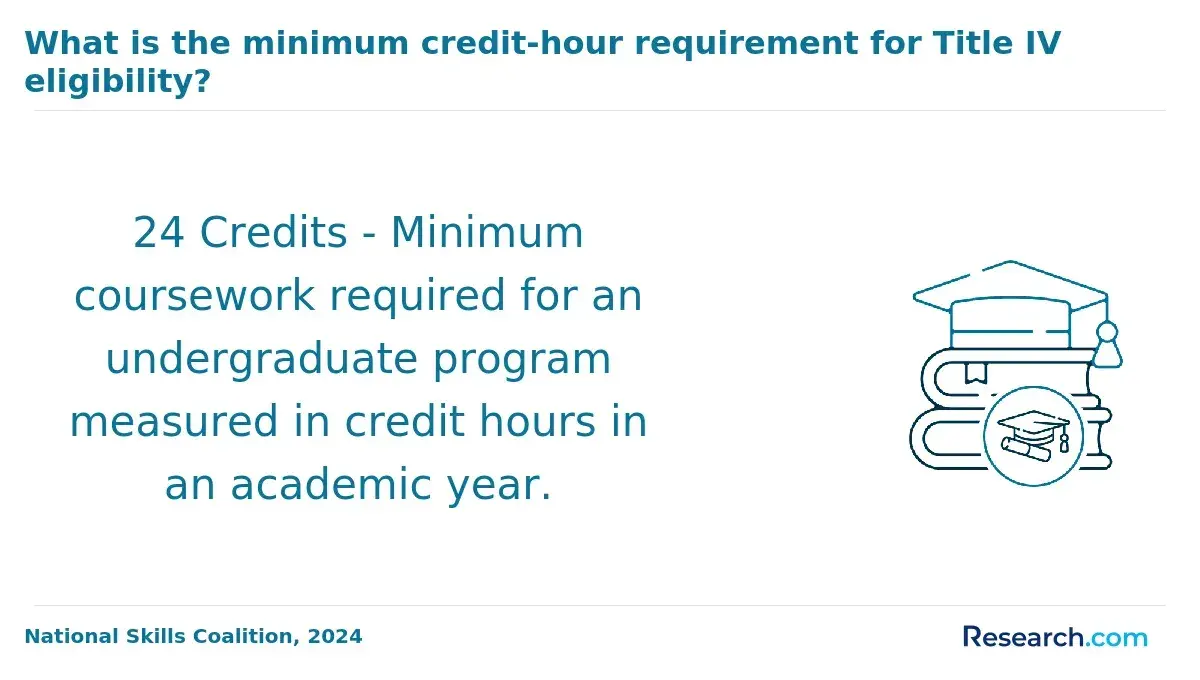
Yes, if the school is accredited and the program meets Title IV rules. Eligible corrections programs must satisfy federal clock-hour or credit-hour requirements, complete a valid program length, and follow the school’s official academic calendar for enrollment and disbursement.
- Prison Education Program (PEP) FAQs - Prison Education Program (PEP) - Adams State University https://www.adams.edu/academics/pep/faqs/
- Canadian Career Education College https://www.cancollege.online/Correctional-Service-Officer-Diploma-Program-Page
- Information archivée dans le Web | Information Archived on the Web https://publications.gc.ca/collections/collection_2023/scc-csc/PS83-3-448-eng.pdf
- California Prison Programs and Reentry Pathways - Public Policy Institute of California https://www.ppic.org/publication/california-prison-programs-and-reentry-pathways/
- Law, Public Safety, Corrections, and Security | Goodwin University https://www.goodwin.edu/enews/law-public-safety-corrections-and-security/
- Corrections Careers in Prisons | University of Phoenix https://www.phoenix.edu/articles/criminal-justice/corrections-careers-in-jails-prisons-detention-centers.html
- Want to get promoted within corrections? Get a degree https://www.corrections1.com/corrections-jobs-careers/articles/want-to-get-promoted-within-corrections-get-a-degree-mENjb72FNaoVUzIu/
- CTE Programs Open Doors for People Who Are Incarcerated https://www.jff.org/blog/cte-programs-open-doors-for-people-who-are-incarcerated/
- 7.4: Common Factors of Successful Prison and Reentry Programs https://workforce.libretexts.org/Courses/Coastal_Bend_College/Correctional_Systems_and_Practices/07%3A_Innovative_Programs_in_Correctional_Facilities/7.04%3A_Common_Factors_of_Successful_Prison_and_Reentry_Programs
- Tuition, Fees, Textbooks | Rio Salado College https://www.riosalado.edu/rio-specialized-programs/incarcerated/distance-learning/incarcerated-tuition-and-fees


