2027 How Much Does a Corrections Degree Program Cost? Tuition, Fees & Total Expense Breakdown

Co-Founder and Chief Data Scientist
Estimating the true cost of a corrections degree program is often challenging due to hidden fees and fluctuating tuition rates. Recent data shows that tuition and fees for corrections-related programs have increased by over 6% in the past five years, making budgeting more complex for prospective students.
This article will detail tuition, mandatory fees, and additional expenses to help students accurately compare schools and prepare financially. Understanding these costs ensures students avoid unexpected charges while planning their education in corrections studies.
Key Benefits of Knowing the Corrections Degree Program Cost in 2026
- Knowing the total cost of a corrections degree helps students budget effectively and avoid unexpected financial burdens during their education.
- Detailed expense breakdowns clarify fees, tuition, and additional costs, enabling informed decisions about financial aid and school comparisons.
- Understanding program costs supports long-term planning, considering average corrections salaries that range from $38,000 to $56,000 annually after graduation.
What Expenses Are Included in the Full Cost of a Corrections Degree?
Accurately estimating the full cost of a corrections degree program is essential for effective financial planning, as several key expenses extend beyond tuition. Understanding these components helps prospective students prepare for the 2026 corrections degree program total expenses and manage their budgets accordingly.
- Tuition: This represents the largest expense, varying significantly between public and private institutions. Public colleges may charge between $5,000 and $15,000 annually for in-state students, while private schools often exceed $25,000 per year.
- Mandatory fees: These fees cover services like registration, student activities, and technology use. They generally range from a few hundred to over a thousand dollars each academic year and are required alongside tuition.
- Books and supplies: Criminal justice and corrections programs typically require materials costing between $1,200 and $1,500 annually, as reported by the National Center for Education Statistics (NCES).
- Technology requirements: For students in online or hybrid formats, necessary equipment such as a reliable computer, software, and high-speed internet can add $500 to $1,000 upfront.
- Clinical or lab fees: Though less common in corrections programs, some require practical training or internships that may incur fees between $200 and $1,000 per term.
- Living expenses: On-campus or full-time students should budget for room and board, which can surpass $10,000 annually depending on location. Additional costs include commuting, personal expenses, and health insurance.
When planning for the full cost of corrections degree in 2026, considering all these expenses provides a clearer financial picture. Students seeking affordable options might explore an accredited accelerated bachelor degree online program to potentially reduce some costs related to housing and commuting.
What Is the Average Total Cost of a Corrections Degree Program in 2026?
The average total cost of a corrections degree program in 2026 typically ranges from $15,000 to $45,000 across the United States. This total cost includes tuition, fees, books, supplies, and living expenses-factors that are essential for prospective students to consider when planning their academic and financial futures. Public community colleges usually offer the most affordable options, with costs around $15,000 to $20,000 for a two-year associate degree. Four-year public universities generally charge between $25,000 and $35,000 for a bachelor's degree, while private institutions often exceed $40,000.
The 2026 corrections degree tuition and fees breakdown reflects variations based on program format, institution type, and geographic location. Online programs may reduce expenses by limiting campus fees, private colleges tend to be more expensive, and schools in the Northeast or West Coast often have higher costs than those in the Midwest or South. For students seeking alternatives, exploring the easiest bachelors to get can provide insight into more affordable or accessible educational paths.
What Mandatory Fees Do Schools Charge for a Corrections Program in 2026?
Mandatory fees are charges required by institutions in addition to tuition to support the facilities and services necessary for a corrections program. These fees are separate from tuition and help maintain the quality and resources students need throughout their studies. Below is an outline of the most common mandatory fees students should expect in corrections degree programs in 2026.
- Technology Fees: Covering access to online learning platforms, computer labs, and digital tools, these fees typically range from $100 to $400 annually.
- Lab or Clinical Fees: Since many programs require hands-on training like simulated law enforcement scenarios or facility visits, lab fees generally fall between $150 and $600 per semester depending on the extent of practical experiences.
- Student Services Fees: These fees fund access to advising, career counseling, and extracurricular activities, usually amounting to $200 to $350 each semester.
- Assessment or Testing Fees: Some courses mandate certification exams or standardized testing necessary for licensing or advancement, which can cost anywhere from $50 to over $200 per exam.
- Campus Facilities Fees: Designed to maintain buildings, security, and recreational facilities, these fees typically range from $100 to $300 every term.
Budgeting for these additional costs is essential, as they can add several hundred to over a thousand dollars annually to the overall financial commitment. Prospective students should seek out detailed fee information from their chosen institutions to better understand corrections program additional school fees in 2026. Those exploring career and education options may also find it helpful to review the highest paying bachelors degree programs to gauge financial outcomes related to their educational investment.
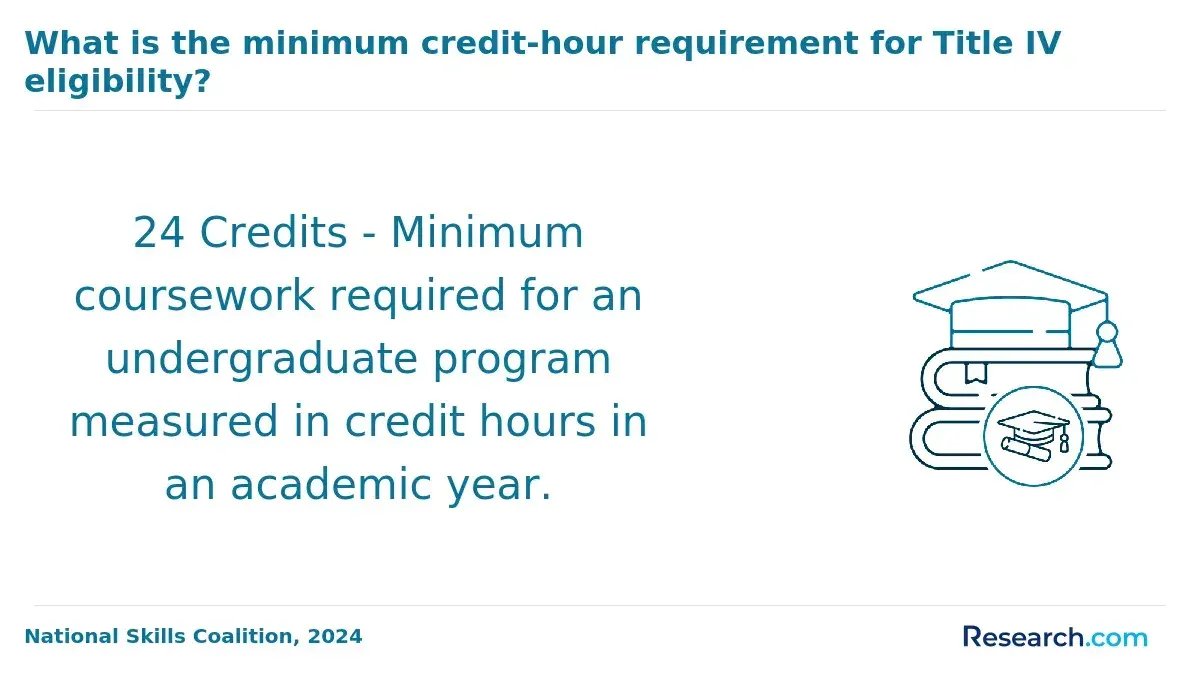
Breakdown of All Fully Online Title IV Institutions

Students pursuing a corrections degree in 2026 should anticipate additional program-specific fees beyond standard tuition and general university charges. These costs vary by institution but often relate directly to the nature of corrections training. Below is a list of common extra expenses associated with this major.
- Lab and simulation facility fees: Charges covering access to specialized labs or simulation environments designed to replicate real correctional settings, typically ranging from $100 to $500 per semester.
- Software and training platform costs: Annual fees for proprietary applications and case management systems used to support instruction, generally between $50 and $200.
- Certification exam preparation fees: Costs related to licensing exams or credential preparation required for employment in the corrections field, often amounting to $100-$300.
- Equipment and supplies: Expenses for necessary materials such as uniforms or safety gear, which can be one-time or recurring and typically total $100 to $300.
- Fieldwork and practicum placement costs: Fees associated with arranging and traveling to required practical experiences, usually adding $100-$300 in total.
Accurately budgeting for required supplies and equipment is essential for students pursuing a corrections degree, as these expenses contribute to the overall cost of the program. Understanding these costs helps avoid unexpected financial burdens during the course of study.
Common items needed for practical training and skill development include:
- Protective gear: Items like gloves, duty belts, and safety glasses are necessary for safety and typically cost between $50 and $150.
- Technical tools: Equipment such as handcuffs, restraint devices, or communication radios support hands-on learning and usually range from $75 to $200.
- Specialized software: Programs used for case management or report writing may require licensing fees, often priced around $50 to $100.
- Textbooks and study guides: While sometimes accounted for separately, these materials focused on corrections topics generally cost between $100 and $300.
Costs vary by institution, with some programs including equipment expenses in tuition or fees, while others expect students to purchase items independently. Checking with the specific school is advisable for precise budgeting information.
Living, food, and travel expenses are essential components of the total cost when pursuing a corrections degree, with variations depending on one's location and lifestyle choices. Accurately estimating these costs helps create a realistic budget throughout the duration of the program. Below is a breakdown of common expense categories typically encountered by corrections students.
- Housing and utilities: Students usually spend between $10,000 and $15,000 annually, influenced by whether they live on-campus, off-campus, or with family, as well as regional housing markets.
- Groceries and dining: Food expenses commonly range from $3,000 to $4,500 per year, varying with meal planning habits and whether students cook independently or dine out frequently.
- Local transportation: Commuting costs for attending in-person classes, parking, and everyday travel often total between $1,200 and $2,000 annually, depending on distance and available public transit.
- Travel for practical training: Additional expenses arise from trips to internships or correctional facilities, especially for programs requiring hands-on experience, including potential parking fees and occasional longer trips.
When I spoke with a student of a corrections degree program about managing these expenses, she shared that balancing budget priorities was an ongoing challenge. "Finding affordable housing near the campus wasn't easy," she recalled, "so I chose to live slightly farther away and use public transit despite longer commute times." Food budgeting meant preparing simple meals at home to stretch resources, though she admitted, "Sometimes I underestimated travel costs when attending mandatory in-person practicals, especially for weekend placements." She noted that her part-time job helped cover extra costs but required careful scheduling. Overall, managing these expenses demanded consistent adjustment and planning throughout her studies.
Corrections programs frequently include internships or residencies as essential components of their curriculum, often required to complete the degree. These placements provide practical experience in environments such as correctional facilities, probation offices, or rehabilitation centers, which is vital for applying classroom knowledge. Typically mandatory, these hands-on experiences can extend from several weeks to an entire semester, thereby contributing to the overall cost of the program beyond tuition fees.
Additional expenses arise from factors like travel to the placement site, nearby housing, specialized uniforms or equipment, and liability insurance. Some programs may impose fees for internship coordination or background checks necessary for facility access. Travel and lodging costs can range from a few hundred to several thousand dollars depending on the location. Prospective students should inquire about these potential costs in advance and explore financial aid options or stipends that might offset these expenses to effectively budget for the full program cost.
Most institutions permit students to change their enrollment status between part-time and full-time, though the process is subject to school-specific policies. These often require meeting academic standards, such as holding a minimum GPA, and obtaining approval from academic advisors or the registrar to ensure the change fits the program's criteria. Before switching, students should weigh factors like financial aid eligibility, since altering enrollment can affect scholarships or loans. They should also consider course offerings and how shifting to part-time or full-time may influence their academic schedule and progress.
Common requirements include maintaining good academic standing and understanding that course availability may be more limited for part-time students. Advisors play a crucial role in guiding these transitions to avoid negative impacts on graduation timelines, as shifting to part-time may extend the duration of the program significantly. Financial aid adjustments and balancing personal responsibilities are additional considerations that affect the decision. Proactive communication with school officials helps students make informed choices aligned with their goals.
When I spoke with a graduate who completed a full-time corrections degree, he shared how he initially started part-time due to work demands but later transitioned full-time to accelerate completion. "The switch wasn't easy," he said, describing the approval process as thorough but supportive. He found the increased course load challenging but rewarding, as it allowed him to finish sooner and fully engage with campus resources. Reflecting on the experience, he noted that carefully planning the shift helped him maintain momentum and stay focused despite the added intensity.
Choosing between part-time and full-time enrollment in corrections degree programs is a critical decision that directly impacts financial planning and total education costs. By comparing these formats, students can better manage expenses related to tuition, fees, and living costs throughout their education.
Below is a detailed comparison illustrating how different factors influence the overall cost of a full-time corrections degree program cost 2026 versus that of part-time enrollment.
Full-Time Corrections Degree Program Cost
- Tuition per Credit: Full-time students typically pay a flat tuition rate covering 12 to 18 credits per semester, often resulting in a lower per-credit cost compared to part-time students.
- Total Program Cost: The condensed schedule allows completion of the degree in about two years, leading to higher upfront tuition but potentially lower cumulative costs due to fewer semesters.
- Mandatory Fees: Fees such as technology and lab charges are higher each term for full-time students since these fees correlate strongly with enrollment status.
- Supply and Equipment Costs: Expenses like uniforms and security training materials remain consistent but are usually paid in larger sums earlier in the program.
- Living and Travel Expenses: Full-time students often incur greater short-term housing and transportation costs because of the intensive course schedule that requires more frequent campus presence.
Part-Time Corrections Degree Tuition Comparison 2026
- Tuition per Credit: Part-time students pay tuition individually for 6 to 9 credits each semester, which may increase the per-credit cost but allows spreading tuition payments over a longer period.
- Total Program Cost: Taking three to four years to complete the degree increases cumulative fees and supplies, though cash flow might be easier to manage.
- Mandatory Fees: Per-term fees are lower but accumulate over more semesters, reflecting the extended program duration.
- Supply and Equipment Costs: These are similar to full-time but typically distributed across multiple enrollment periods, easing upfront financial burdens.
- Living and Travel Expenses: Working adults often combine studies with employment, reducing relocation or extended campus presence costs and potentially lowering living expenses.
Tuition per credit hour varies widely, averaging from $300 to $500 at public colleges offering corrections programs. For prospective students seeking more cost-effective education options, exploring affordable online colleges can provide beneficial alternatives that accommodate both financial and scheduling needs.
What Graduates Say About the Cost of Their Corrections Degree
- Westin: "Pursuing my corrections degree was surprisingly affordable, especially when I compared it to other fields. Balancing coursework with part-time jobs wasn't easy, but it taught me valuable time management skills that are just as important in corrections work. The return on investment has been fantastic, with job opportunities opening up faster than I expected after graduation."
- Peter: "Reflecting on my time earning a corrections degree, the cost was manageable thanks to careful budgeting and some financial aid. Managing living expenses alongside studies made the experience more challenging, but also very rewarding as it prepared me for real-world fiscal responsibility. The degree has certainly paid off professionally, offering me a steady career path that aligns with my passion for justice and rehabilitation."
- Andrew: "From a professional standpoint, the investment in a corrections degree was well justified. The average cost of attendance was reasonable, especially considering the practical skills and knowledge I gained. Handling living expenses while studying taught me discipline, and the long-term job security in this field makes the ROI very promising."
Other Things You Should Know About Corrections Degrees
Yes, scholarships are often available specifically for students pursuing corrections degrees, especially those interested in criminal justice and public safety careers. Many colleges, public agencies, and private foundations offer merit-based and need-based scholarships to help lower educational costs. Applicants should search for scholarships focused on law enforcement, criminal justice, or corrections to maximize their funding opportunities.
Community colleges generally have significantly lower tuition and fees than four-year institutions, making them a more affordable route for a corrections degree. Many students start at community colleges to complete associate degrees or general education credits before transferring to universities. This path can reduce overall expenses while still allowing students to pursue advanced corrections education later.
Over recent years, the tuition for corrections degree programs has seen a steady increase, impacted by rising administrative costs and demand for updated educational resources. On average, tuition has risen by about 3-5% annually, though this can vary depending on the institution and state funding levels.
Many corrections degree programs add technology fees of about $50 to $300 per semester, plus lab, simulation, or online course fees. Programs that require learning platforms, criminal justice software, or proctoring services often list these charges separately from tuition, so students should review the full cost sheet before enrolling.
- Correctional Rehabilitation - VIZJA University in Warsaw https://vizja.pl/en/specjalizacja/resocjalizacja-ii-stopnia/
- Online Education behind Bars https://er.educause.edu/blogs/2015/10/online-education-behind-bars
- St. Petersburg College https://www.spcollege.edu/future-students/degrees-training/public-safety-public-policy-and-legal-studies/public-safety/corrections-academy
- Bachelor of Science in Correctional Program Support Services | University of Phoenix https://www.phoenix.edu/online-behavioral-sciences-degrees/correctional-program-support-services-bachelors-degree.html
- Are Education Programs in Prisons Worth It? https://www.mackinac.org/S2023-01
- Understanding student living costs https://www.gov.uk/guidance/understanding-student-living-costs
- Criminal Justice A.A.S. - Career Degree - College of Lake County https://www.clcillinois.edu/programs/bssdv/criminal-justice/criminal-justice-aas-career-degree
- Correctional Education https://www.ashland.edu/correctional-education
- Probation - Los Angeles County https://probation.lacounty.gov/probationcollegeinternshipprogram/
- Bachelor of Science in Criminology and Criminal Justice - Online | CSULB https://www.cpace.csulb.edu/courses/bachelor-of-science-in-criminology-and-criminal-justice-online