2027 How to Verify Accreditation for Corrections Degree Programs

Co-Founder and Chief Data Scientist
Many prospective students face uncertainty verifying accreditation when choosing corrections degree programs, risking wasted tuition and limited career options. Nearly 60% of corrections graduates encounter barriers in licensure or employment due to enrolling in nonaccredited institutions. This challenge affects eligibility for federal financial aid and can undermine academic credibility.
Employers increasingly prioritize candidates from properly accredited programs to ensure quality training. This article outlines practical steps to authenticate accreditation status, helping readers confidently select corrections degree programs that support legitimate academic progress and successful career outcomes in the corrections field.
Key Benefits of Accredited Corrections Degree Programs
- Accreditation guarantees academic quality, ensuring programs meet rigorous educational standards essential for effective corrections training and professional competency.
- Only accredited corrections programs qualify students for federal financial aid, expanding access to funding that facilitates degree completion.
- Employers and licensing boards preferentially recognize degrees from accredited institutions, enhancing graduates' job prospects and eligibility for certifications in corrections careers.
What Does Accreditation Mean for Corrections Degree Programs?
Accreditation in higher education signifies that a corrections degree program meets rigorous standards set by official accrediting bodies such as the Academy of Criminal Justice Sciences (ACJS) or regional accrediting agencies. This formal recognition ensures that the curriculum, faculty, and learning resources uphold quality benchmarks essential for academic credibility. Over 7,000 postsecondary institutions maintain some form of accreditation endorsed by the U.S. Department of Education, highlighting the widespread importance of this oversight.
Prospective students researching corrections programs should carefully assess the importance of accreditation in corrections degree programs to confirm they engage with a quality and respected curriculum. Choosing an accredited program brings practical advantages including consistent academic standards and regular program evaluations that drive improvements in course content and teaching methodologies. Accreditation supports students by maintaining program integrity and providing access to qualified instructors and relevant materials aligned with industry needs.
This focus on quality enhances how accreditation impacts career readiness in corrections, preparing students for professional challenges. Those interested in related fields might also consider exploring a BCBA degree as a complementary credential in behavioral analysis.
What Types of Accreditation Should a Corrections Degree Program Have?
Accreditation is a critical factor in determining the quality and legitimacy of corrections degree programs. Understanding the types of accreditation available helps students verify academic rigor, credit transferability, and employment opportunities. Below are key accreditation categories to consider when evaluating programs.
- Institutional Accreditation: This type reviews the entire college or university, ensuring it meets broad academic standards. Institutional accreditation facilitates credit transfers between accredited schools and confirms that the institution maintains consistent quality across all its offerings.
- Programmatic or Specialized Accreditation: Focusing specifically on corrections or criminal justice programs, this accreditation evaluates the curriculum's relevance and professional rigor. It assures students that their chosen corrections degree program meets industry standards and prepares them effectively for careers in the field.
- Regional Accreditation for Corrections Degree Programs: Regional accreditation is often considered more prestigious and widely recognized within the U.S. It impacts employer recognition and graduate school admissions favorably. Prospective students should prioritize programs with regional accreditation for better academic credibility and career prospects.
- Licensure and Professional Practice Accreditation: Certain accreditations relate directly to meeting state or national requirements for certification in corrections. These ensure that programs comply with regulations necessary for licensure, which is vital for graduates seeking employment in corrections agencies or related fields.
Students should also be aware of differences between regional accreditation and national accreditation, as national accreditation typically applies to career-focused or online institutions with more limited credit transfer options. For those exploring related fields, comparing accredited corrections programs with other public safety or justice degrees may be useful. For example, students interested in broader social services might consider accredited programs like a counseling degree online to complement their corrections education.
How Can You Verify If a Corrections Degree Program Is Accredited?
Confirming accreditation is vital to ensure a corrections degree program meets established quality standards, qualifies for federal financial aid, and supports your career or licensing goals. Taking reliable steps to verify accreditation protects against enrolling in unrecognized or poor-quality programs.
Here are effective ways to check if a corrections degree program is accredited:
- Department of Education Database: Search the official U.S. Department of Education database to verify if the institution and its corrections program are accredited by an agency recognized by the federal government. This resource allows searches by school name or location for accurate verification.
- Council for Higher Education Accreditation (CHEA): Review the CHEA listings to confirm that the accrediting body itself is acknowledged within the higher education community. Validating the legitimacy of the accrediting organization helps ensure the corrections degree program's recognition.
- Direct School Inquiry: Contact the admissions or registrar's office directly to obtain detailed accreditation information. Accredited schools typically provide documentation or direct links to official verification sources to confirm program legitimacy.
- Programmatic Accreditation: Investigate whether the corrections specialty holds additional programmatic accreditation from agencies related to criminal justice or law enforcement education, which complements institutional accreditation and strengthens program credibility.
Following these best ways to check if a corrections degree program is accredited will safeguard your educational investment. For insights on other degree options, consider exploring online executive MBA programs known for affordability and flexibility.
Identifying warning signs of unaccredited corrections programs is vital to safeguard a student's academic reputation, financial aid opportunities, and professional advancement. The following points highlight key indicators to watch for when assessing program legitimacy.
- Claims of Lifetime Accreditation: Genuine accreditation is subject to regular review to maintain educational quality. Programs boasting permanent or lifetime accreditation often lack valid oversight and may be misleading.
- Unknown Accrediting Bodies: Reliable corrections programs are accredited by agencies recognized by the U.S. Department of Education or the Council for Higher Education Accreditation (CHEA). Programs linked to unfamiliar or unverified accrediting organizations may not meet accepted standards.
- Suspiciously Low Tuition: While affordability matters, programs with unusually low fees might compromise curriculum quality or resources. This often indicates a diploma mill or subpar educational offering that can hinder career prospects.
- Vague Program Information: Accredited programs provide clear details about coursework, faculty experience, and student outcomes. If descriptions emphasize vague promises or buzzwords rather than specifics, prospective students should be cautious.
Students evaluating corrections programs should always confirm accreditation status through trusted government or accreditor websites and be alert to claims that do not align with standard accreditation practices.
Online corrections degree programs can be accredited, ensuring they adhere to the same rigorous standards as traditional campus-based programs for instructional quality, curriculum, and student support. Accreditation is essential not only for academic credibility but also because it enables students to qualify for federal and state financial aid, which helps ease the financial burden of higher education. Furthermore, many employers and licensing agencies expect candidates to hold degrees from accredited institutions, impacting career advancement and licensure possibilities.
Data from the National Center for Education Statistics reveals that approximately 75% of students enrolled in distance education attend accredited schools, underscoring the broad acceptance of quality standards across online learning. These accreditation standards are applied equally to online programs, with evaluations focused on ensuring consistent educational outcomes and institutional oversight regardless of delivery format.
When I spoke with a graduate of an online corrections degree program about his experience, he recalled initial skepticism about whether the degree would hold the same weight as a traditional one. He described the rigorous coursework and the thorough credentialing process as reassuring, noting, "Knowing my program was accredited made all the difference when I applied for jobs and sought professional certifications." He also shared that balancing family responsibilities while meeting deadlines was challenging but felt supported by accessible faculty and resources. His confidence in the program's quality grew over time, reinforcing the value of accredited online education in advancing his career goals.
Accreditation is essential for students aiming to enter licensed or regulated corrections professions, as it directly influences eligibility for professional licensure. Understanding how accreditation affects various aspects of licensure and career opportunities helps clarify its importance.
- Licensure Exam Eligibility: Most states and licensing boards mandate that candidates complete educational programs accredited by recognized agencies before sitting for corrections licensure exams. This requirement ensures that applicants have met established academic and training standards necessary for professional practice.
- Licensing Board Requirements: State or regional boards rely on accreditation to verify that programs meet specific legal and professional criteria. Without proper accreditation, candidates may be barred from obtaining the licenses required to work in corrections positions.
- Employer and Regulatory Recognition: Corrections credentials from accredited institutions are more widely accepted by employers and regulatory bodies. Graduates from non-accredited programs often face skepticism regarding the validity of their qualifications, which can limit job prospects.
- Educational and Financial Limitations: Enrollment in an unaccredited corrections program can restrict access to federal financial aid opportunities and hinder credit transfers if students seek to continue their education. These factors may impede career advancement and professional development.
Verifying accreditation status relative to specific state licensure mandates is a crucial step for students pursuing a corrections career. An accredited education program aligns with both legal and industry standards, safeguarding a smoother path toward licensure and enhancing long-term professional success.
Breakdown of Private Fully Online For-profit Schools

Credits earned from an accredited corrections degree program often matter greatly for students who may change schools, pursue advanced degrees, or relocate, ensuring their prior efforts are respected and progress is not lost. Several key factors influence whether these credits transfer smoothly between institutions.
- Institutional Accreditation: Regional accreditation is typically the most widely accepted, making credits more likely to transfer successfully. In contrast, credits from programs with only national or specialized accreditation may face acceptance issues at some colleges.
- Course Equivalency and Curriculum: The receiving institution carefully compares course content and rigor to their own requirements. Even with proper accreditation, credits may be reduced or denied if courses do not align well with the new program's curriculum.
- Transfer Policies: Different schools have varied rules about accepting transfer credits. Some maintain strict limits on transferable courses, while others offer greater flexibility for accredited programs, emphasizing the importance of reviewing policies before enrolling.
- Credit Limits: Many institutions cap the number of transfer credits that count toward degree completion. Students transferring later in their academic career may find fewer corrections credits applied toward their degree because of these limits.
The author spoke with a graduate of a corrections degree program who shared her personal experience navigating credit transfer. She described feeling anxious about whether her hard-earned credits would be recognized when she relocated for work. "It was a bit of a waiting game," she said, noting that the new school required detailed transcripts and syllabi for each course. She was relieved when most of her credits transferred but shared that a few courses didn't meet the specific curriculum needs, requiring her to retake some classes. Her advice to others was to keep thorough records and communicate proactively with the transfer institution. Despite challenges, she felt the process was worthwhile, ultimately allowing her to continue advancing her career without starting over from scratch.
Accreditation is essential for students seeking financial aid in corrections degree programs, as it directly affects eligibility for federal, state, and institutional support. About 85% of federal aid recipients attend accredited institutions, underscoring accreditation's impact on affordability and access. Key factors influence how accreditation shapes financial aid opportunities.
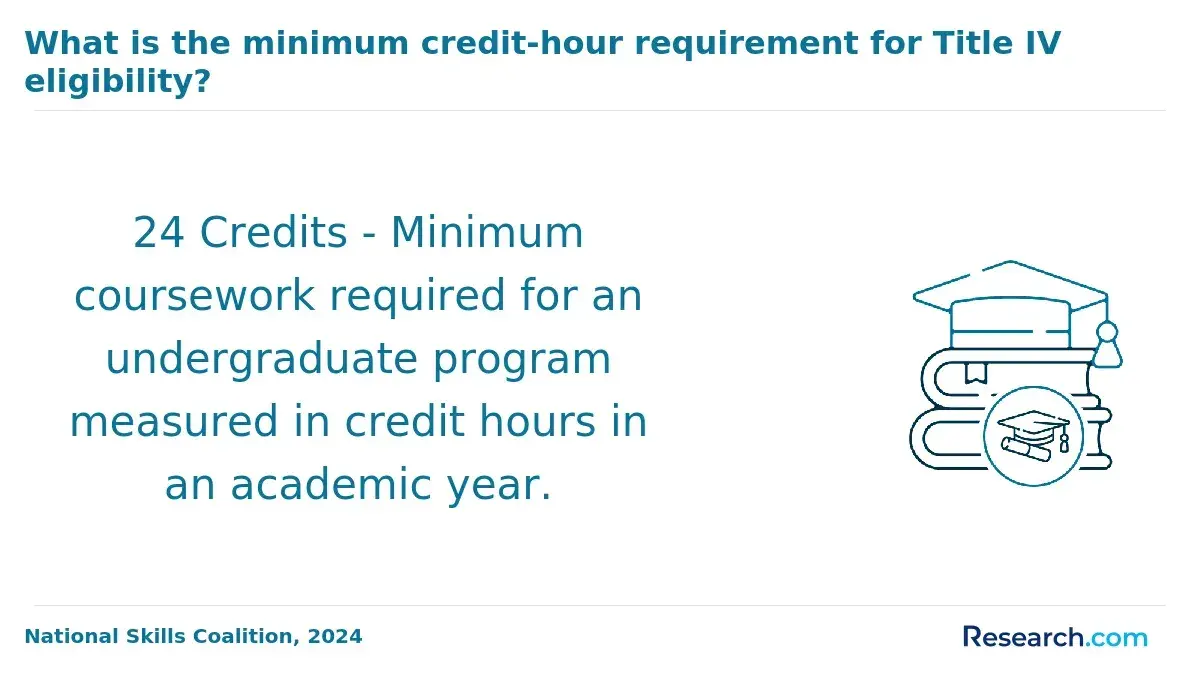
- Federal Aid Eligibility: Only students enrolled in programs within accredited institutions qualify for federal Title IV aid, including Pell Grants and Direct Loans. Without accreditation, individuals are generally barred from accessing these crucial funding sources that help cover tuition and educational costs.
- State and Military Benefits: Many state financial aid initiatives and military education assistance require enrollment in accredited corrections programs. These benefits, such as tuition reimbursement or assistance, are especially important for veterans and active service members looking to reduce their net education expenses.
- Institutional Scholarships: Colleges often limit scholarships and grants to students in accredited programs, ensuring that financial awards support recognized, quality education pathways and protect student investment from unaccredited or substandard offerings.
- Quality Assurance and Career Impact: Accreditation signals that the program meets established educational standards, which can affect eligibility for licensure and employment. Financial aid tied to accredited programs helps maintain educational integrity and long-term career prospects for corrections graduates.
Accreditation is a crucial factor for students considering career prospects in corrections fields because it directly impacts employability and job market credibility. Data from the National Center for Education Statistics reveals that graduates from accredited programs enjoy a 15% higher employment rate within the first year after graduation compared to those from non-accredited institutions. Several key benefits explain why accreditation matters when evaluating corrections degree programs.
- Employer Recognition: Many correctional agencies and related organizations require degrees from accredited programs for hiring eligibility. This requirement ensures that candidates possess the relevant knowledge and skills aligned with industry standards, directly influencing hiring decisions.
- Professional Credibility: Graduates with accredited degrees are viewed as more trustworthy and better prepared. This enhanced credibility often leads to improved career advancement opportunities within competitive corrections environments.
- Certification and Licensure Eligibility: Accreditation often determines qualification for advanced certifications or licensure in corrections. Completing an accredited corrections degree is typically mandatory for specialized training programs and credentials that can boost career growth and salary potential.
- Competitive Advantage: Holding a degree from an accredited program distinguishes applicants in a crowded job market. It reassures employers about the legitimacy and rigor of an applicant's education, a crucial factor when competing against candidates from other fields, including those pursuing majors that make the most money.
Prospective students should also know how to verify program accreditation impact on employability in corrections fields, as this affects eligibility for federal financial aid and long-term career outcomes. Choosing an accredited program provides a foundation for both immediate job prospects and ongoing professional development within corrections.
Graduates from accredited corrections programs generally have greater earnings potential because accreditation reflects a recognized quality of education that employers value. According to data from the U.S. Bureau of Labor Statistics, the average starting salary for graduates from accredited corrections programs ranges from $38,000 to $45,000 annually, while those from non-accredited programs often start around $30,000 to $35,000. Several key factors influence these salary differences.
- Employer Preference: Many employers prioritize candidates with degrees from accredited programs, as accreditation guarantees a standardized education meeting industry standards. This often results in better job offers and higher starting salaries for graduates.
- Eligibility for Higher-Level Positions: Certain governmental agencies and private sector employers require degrees from accredited programs for promotions or specialized roles, which typically come with increased pay and responsibilities.
- Industry Recognition: Accredited programs hold national recognition, enhancing a graduate's credibility and competitiveness in the corrections job market. This recognition plays a vital role in securing desirable employment.
- Long-Term Career Advancement: Graduates from accredited corrections programs benefit from foundational knowledge aligned with licensure and certification standards, smoothing the path for salary increases over time and career growth.
For students exploring correctional careers and weighing salary differences by accreditation status, confirming a program's accreditation can be a decisive factor. Additionally, exploring online degrees with proper accreditation can offer flexible pathways to enter the field while ensuring academic credibility and financial aid eligibility.
What Graduates Say About Their Accredited Corrections Degree
- William: "When I first began exploring corrections degree programs, I didn't realize how crucial accreditation was until I did some thorough research. I took the time to check official educational resources and confirm that my program was accredited by recognized agencies, which gave me confidence in my education's legitimacy. Graduating from an accredited program has opened many doors in my career, making me feel prepared and respected in my field. "
- Rachel: "Accreditation seemed like just another piece of jargon to me, but as I reflected on my career goals, I understood its significance. I verified the certification of several corrections programs through official databases, ensuring I invested my time wisely. The credibility my accredited degree provides has made a noticeable difference in advancing my professional opportunities. "
- Anna: "Understanding the importance of accreditation was a pivotal moment in my educational journey. I carefully examined each corrections degree program, verifying their accreditation status through trusted academic boards and institutional websites. Completing an accredited program has truly validated my expertise and enhanced my prospects in a competitive corrections environment."
Other Things You Should Know About Corrections Degrees
In 2027, verify accreditation for a corrections degree program by checking the school’s accreditation status on the U.S. Department of Education or the Council for Higher Education Accreditation websites. Confirm the program is recognized by regional or national accrediting bodies and cross-reference with the school’s official publications.
Accredited corrections degree programs must follow curriculum standards that include topics such as offender rehabilitation, security procedures, criminal law, and ethics. These standards ensure students gain the practical and theoretical knowledge necessary for effective work in corrections settings. Programs often undergo reviews to confirm that their curricula meet these rigorous criteria.
Check agencies recognized by the U.S. Department of Education or the Council for Higher Education Accreditation, such as regional accreditors and specialized bodies where applicable. For corrections-related criminal justice programs, confirm the institution’s current status in the accreditor’s public database and match it with the school’s exact campus and degree name.
Transfer credits themselves do not impact the accreditation status of a corrections degree program. However, accredited programs often have specific policies to determine which credits they accept, ensuring academic standards are maintained.
- Correctional Officer Training Orlando | Correctional Officer Basic Recruit Training Program | Correctional Officer Jobs | Correctional Officer Salary | Corrections Academy | Lake Technical College | Orlando & Central Florida https://www.laketech.org/ips/brtp-for-florida-correctional-officers
- Online Criminal Justice Degree | Accredited Programs | SNHU https://www.snhu.edu/online-degrees/bachelors/bs-in-criminal-justice
- Check if your university or college can award a degree https://www.gov.uk/check-university-award-degree
- Comment Request: Prison Education Program Accreditation Requirements | College Aid Services https://www.collegeaidservices.net/2025/08/20/comment-request-prison-education-program-accreditation-requirements/
- 7 tips for successful ACA reaccreditation https://www.corrections1.com/products/police-technology/software/accreditation-management/articles/7-tips-for-successful-aca-reaccreditation-4GaWXLI2hSRtLdjv/
- NASFAA AskRegs: Must Credits Earned In a Prison Education Program Be Transferable To Other Institutions? https://askregs.nasfaa.org/article/36473/must-credits-earned-in-a-prison-education-program-be-transferable-to-other-institutions
- Online Courses for Corrections - Corrections Learning Academy https://correctionslearning.online/
- ACA - Frequently Asked Questions https://www.aca.org/standards/faqs
- Understanding Fake Degrees and Credential Fraud in Higher Ed https://evolllution.com/programming/credentials/understanding-fake-degrees-and-credential-fraud-in-higher-ed
- Academic Program Review https://www.acjs.org/academic-program-review/