
2027 Which Paralegal Degree Careers Offer the Best Work-Life Balance?

Co-Founder and Chief Data Scientist
A paralegal career can offer stable legal work without law school, but the day-to-day experience varies sharply by practice area, employer, and workload. A corporate or compliance paralegal may work predictable business hours, while a litigation paralegal may face urgent filings, trial preparation, and evening deadlines.
For students, career changers, and working professionals, the key question is not simply whether paralegal work is “balanced.” It is which paralegal paths are most likely to support a sustainable schedule, reasonable stress level, and long-term career growth. Recent data shows that 62% of paralegals in non-profit and government roles experience more consistent schedules, which can make these settings appealing for people who value work-life integration.
This guide explains where paralegal work tends to be most demanding, which roles are commonly associated with better balance, how remote and hybrid work fit into the field, and what to look for in employers before accepting an offer.
Key Points About Paralegal Careers With Good Work-Life Balance
- Corporate paralegals report lower stress and higher job satisfaction due to predictable hours, with median salaries around $60,000 and steady growth favoring business law sectors.
- Government paralegals offer strong employment stability and better work-life balance, earning approximately $55,000, with retention boosted by structured schedules and comprehensive benefits.
- Nonprofit paralegals experience moderate salaries near $50,000, high career growth, and lower burnout rates, benefiting from meaningful work and flexible office policies.
Is working in the Paralegal industry demanding?
Yes. Paralegal work can be demanding because it combines legal accuracy, deadline pressure, client communication, and detailed administrative execution. The level of pressure depends heavily on the employer and practice area, but the work generally requires sustained focus and strong judgment.
The most demanding paralegal roles are often tied to litigation, trial preparation, fast-moving transactions, or high-volume caseloads. In these settings, a missed filing date, incomplete document, or overlooked court requirement can create serious consequences for the legal team and the client. That is why accuracy is not optional in this profession.
What makes paralegal work stressful?
- Strict deadlines: Court filings, discovery responses, contract reviews, and closing documents often have fixed due dates that cannot be ignored.
- High accuracy expectations: Paralegals handle details that attorneys rely on, including citations, exhibits, case files, forms, and procedural requirements.
- Changing laws and technology: Legal procedures, compliance standards, e-discovery tools, and document management systems require ongoing learning.
- Client-facing work: Some paralegals communicate with people going through disputes, financial stress, immigration issues, divorce, injury claims, or other difficult situations.
- Workload spikes: Even a normally balanced role can become intense before trial, during audits, near transaction closings, or when multiple matters move at once.
A recent survey found that about 42% of paralegals consider work-related stress a key reason for rethinking their careers. That does not mean the career is unsuitable for people who value balance, but it does mean candidates should evaluate the setting carefully rather than assuming all paralegal jobs are alike.
When asked about the realities of the field, a paralegal professional with an online bachelor's degree described the work as both rewarding and exhausting. He said the pressure to absorb complex legal information quickly can feel overwhelming, especially when deadlines are tight.
- : "You learn to be flexible, but sometimes it feels like there's no room to breathe."
He also noted that supporting clients through difficult circumstances can follow a person home mentally. Over time, he found that organization systems, clear boundaries, and supportive colleagues made the role more manageable.
Which Paralegal careers are known to offer the best work-life balance?
The paralegal careers most often associated with better work-life balance are roles with predictable workflows, fewer emergency deadlines, and limited court-driven scheduling. Compliance, corporate, real estate, intellectual property, and some family law roles may offer more stability than litigation-heavy positions.
A 2025 industry survey found that 62% of compliance paralegals reported hybrid or fully remote options, which can improve balance by reducing commute time and allowing more control over the workday. Still, no specialty guarantees an easy schedule. Employer culture, staffing levels, and case volume matter just as much as job title.
| Paralegal career | Why it may support balance | What to watch for |
| Legal Compliance Specialists | Compliance work often follows internal review cycles, policy updates, audits, and regulatory calendars. Many roles operate during regular business hours and may allow hybrid or remote work. | Deadlines can intensify during audits, regulatory changes, investigations, or reporting periods. |
| Family Law Paralegals | Some family law offices maintain more predictable office hours, especially when the firm manages caseloads carefully and avoids constant emergency filings. | The emotional nature of divorce, custody, and support matters can be draining, even when the schedule is reasonable. |
| Real Estate Paralegals | Real estate work often follows transaction milestones such as title review, closing preparation, document management, and recording. Electronic document workflows can support flexibility. | Closings can create deadline pressure, and busy real estate markets may lead to high-volume workloads. |
| Intellectual Property Paralegals | IP work typically includes structured deadlines, docketing systems, filings, portfolio management, and document tracking. These systems can make workload planning easier. | Missed filing dates can be serious, so accuracy and calendar management are critical. |
| Corporate Paralegals | Corporate paralegals often work on contracts, entity maintenance, governance, and internal legal support. Many corporate legal departments follow standard business hours. | Work may spike during mergers, acquisitions, financings, contract negotiations, or board deadlines. |
Students comparing training options should look at total cost, accreditation, schedule flexibility, internship requirements, and whether the curriculum covers legal research, writing, ethics, litigation basics, and legal technology. If affordability is a priority, a focused resource on the cheapest paralegal certificate online aba approved can help narrow the search. For broader comparisons of accessible online study paths, guides to easy degrees to get may also help students evaluate workload and format before choosing a program.
Are there non-traditional careers for Paralegal professionals that offer better flexibility?
Yes. Paralegal training can transfer into roles outside traditional law firm support, especially for professionals who are skilled in research, documentation, compliance, contracts, organization, and client communication. These non-traditional paths may provide more control over schedule and workload, although they can also require self-direction and business development.
Recent studies reveal that 68% of paralegal professionals pursuing alternative careers prioritize flexible scheduling as their top factor for career satisfaction. That makes alternative paralegal careers especially relevant for people who want to remain connected to law without the pace of litigation or the structure of a conventional office role.
- Legal Consulting: Experienced paralegals may support small businesses, startups, solo attorneys, or legal departments with contract review workflows, compliance checklists, document organization, and risk intake processes. Freelance consulting can offer flexibility, but income may vary by client volume.
- Compliance Specialist: Paralegal skills fit well in regulated industries such as finance or healthcare, where employers need professionals who can track requirements, maintain records, support audits, and help implement policies. These roles may offer hybrid schedules and clearer business-hour expectations.
- Content Creation and Legal Education: Some paralegals write legal information guides, prepare training materials, support continuing education programs, or teach introductory legal topics online. This path works best for strong communicators who can explain legal concepts clearly without giving unauthorized legal advice.
- Freelance Contract Management: Contract lifecycle support can include organizing templates, tracking renewals, coordinating signatures, maintaining clause libraries, and supporting vendor or client agreements. This can be flexible, but professionals need reliable systems and clear service boundaries.
Non-traditional paths can be a strong fit for paralegals who enjoy legal work but want fewer urgent court deadlines. They are less ideal for people who prefer a predictable salary, close attorney supervision, and a clearly defined promotion ladder.
When comparing education models that emphasize affordability and flexibility across fields, resources such as cheapest engineering degree online listings can provide a broader view of how online programs structure cost, pacing, and access for working adults.
What is the typical work schedule for Paralegal careers?
A typical paralegal schedule is a 40-hour week, usually Monday through Friday during regular business hours. Many entry-level and mid-level paralegals work close to a 9 a.m. to 5 p.m. routine, especially in government offices, corporate legal departments, compliance teams, and smaller firms with predictable workflows.
However, paralegal schedules can change quickly when deadlines approach. Litigation, trial preparation, discovery projects, major transactions, and urgent filings can require overtime. Senior paralegals and those in corporate or intellectual property settings may have more control over when and where work gets done, particularly when tasks are project-based and document-driven.
Surveys indicate that nearly 70% of paralegals now benefit from flexible arrangements aimed at improving work-life balance. Flexibility may mean hybrid work, remote document review, staggered start times, compressed schedules, or occasional work-from-home days rather than a fully remote job.
| Work setting | Likely schedule pattern | Balance outlook |
| Government or non-profit legal office | Often regular weekday hours with fewer late-night demands | Generally more predictable, though resources may be limited |
| Corporate legal department | Business hours with peaks during transactions or reporting deadlines | Often favorable if the department is well staffed |
| Litigation firm | Regular hours plus overtime near filings, discovery deadlines, or trial | Can be demanding and less predictable |
| Real estate or IP practice | Structured around transactions, filings, docketing, or closing dates | Often manageable with strong calendar systems |
The practical takeaway is simple: ask about the actual schedule, not just the official workweek. A job description may say full time, but the interview should clarify overtime frequency, weekend expectations, remote-work rules, and how emergencies are handled.
What responsibilities do Paralegal careers usually entail?
Paralegal responsibilities usually include legal research, document preparation, file management, client communication, administrative coordination, and support for attorneys. These duties can make the job intellectually engaging, but they also shape how predictable or stressful the workday feels.
In fact, 62% of paralegals report that their workload supports predictable schedules, contributing to better work-life integration. Predictability is more likely when duties are clearly assigned, deadlines are tracked early, and attorneys communicate priorities well.
- Legal Research: Paralegals may research statutes, regulations, case law, court rules, agency guidance, and legal procedures. This work requires concentration and careful source checking.
- Document Preparation: Common tasks include drafting pleadings, discovery materials, contracts, forms, correspondence, summaries, and internal memos. Precision matters because small errors can cause delays or legal risk.
- Client Communication: Paralegals often schedule meetings, collect information, answer process-related questions, and relay updates under attorney supervision. This work can be rewarding but interruptive.
- Case File Management: Organizing documents, exhibits, evidence, calendars, and case notes helps the legal team stay prepared. Strong file systems can reduce last-minute stress.
- Routine Administrative Duties: Filing, billing support, correspondence, data entry, and document tracking may be less complex but are essential to keeping matters moving.
The same task can feel very different depending on volume. Drafting one contract summary in a quiet corporate department is not the same as preparing dozens of discovery responses before a court deadline. Candidates should ask how many attorneys they will support, how matters are assigned, and what systems the employer uses to manage deadlines.
Students who are still comparing career fields may also find it useful to review adjacent programs such as construction management degrees online, where documentation, compliance, coordination, and project tracking are also central to the work.
Are there remote or hybrid work opportunities for Paralegal careers?
Yes. Remote and hybrid paralegal opportunities exist, especially in practice areas that rely heavily on digital documents, research databases, e-signature platforms, contract systems, and electronic filing. Nearly 45% of job listings advertise at least some remote work options.
Corporate law, intellectual property, compliance, contract management, and some in-house legal roles are generally better suited to remote or hybrid arrangements. These jobs often involve research, document review, docketing, contract tracking, policy support, and internal communications that can be completed securely online.
Litigation and court-facing roles may offer less flexibility. Some tasks still require in-person coordination, physical evidence handling, trial preparation, courthouse filings, notarization, or direct support during hearings and depositions. Even when some work can be done remotely, employers may expect litigation paralegals to be available on-site during critical periods.
| Remote-friendly paralegal work | Less remote-friendly paralegal work |
| Legal research | Trial support |
| Contract review and tracking | Courtroom preparation |
| Compliance documentation | Physical evidence handling |
| IP docketing and portfolio support | In-person client intake for certain matters |
| Electronic filing and document management | On-site coordination during urgent filings |
Remote work can improve balance by reducing commute time and allowing more focused document work. It also requires reliable technology, strong confidentiality practices, secure file handling, and clear communication. Before accepting a remote or hybrid role, ask which days are remote, whether remote work is permanent or discretionary, how overtime is handled, and what systems are used to protect client information.
Is the potential income worth the demands of Paralegal careers?
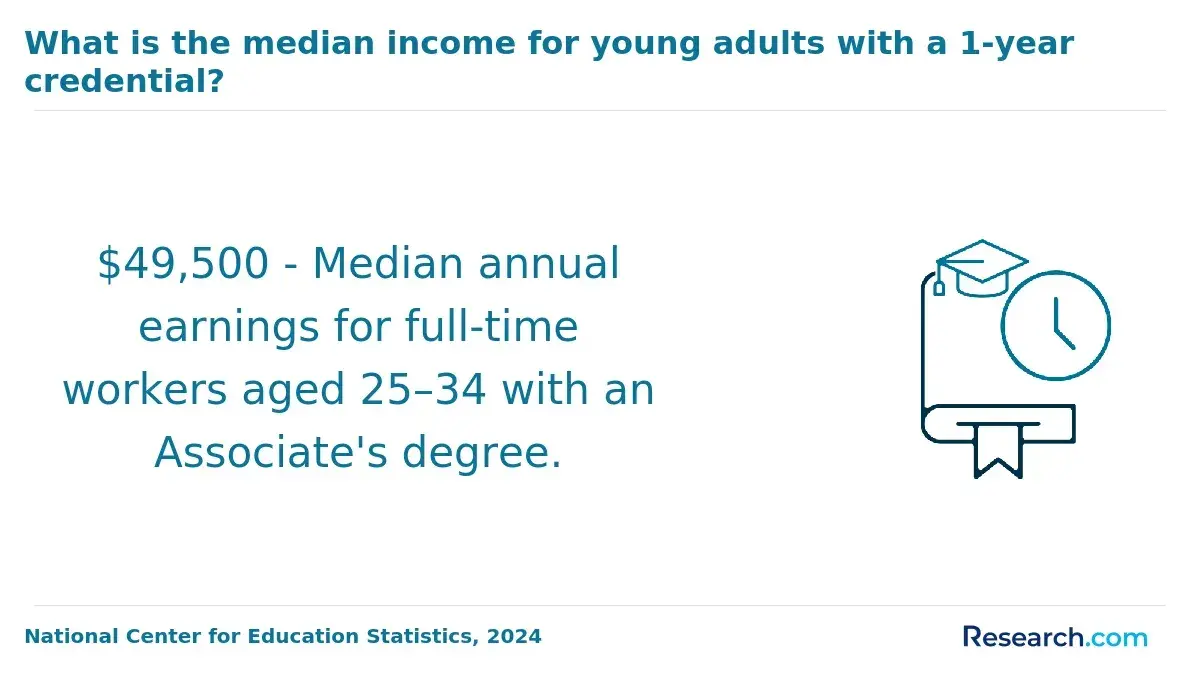
For many people, the income potential can be worth the demands, particularly when the role offers stable hours, benefits, and a clear path to specialization. Paralegal graduates typically start with an associate degree, which costs between $10,000 and $25,000, while the median annual salary is around $54,000. Mid-career professionals can expect earnings between $60,000 and $75,000 depending on specialization and location.
The return on investment is strongest when education costs are controlled and the job leads to steady employment. Corporate legal departments, intellectual property practices, compliance roles, and specialized legal support positions may offer stronger pay potential and more predictable schedules than some high-pressure settings.
The trade-off is that similar salary levels can feel very different depending on workload. A paralegal earning a solid salary in a well-managed compliance department may experience that compensation as worthwhile. A paralegal earning comparable pay in a litigation role with frequent overtime, urgent filings, and limited flexibility may feel differently.
Additional benefits also matter. Health insurance, retirement plans, paid time off, bonuses, tuition support, remote-work options, and predictable scheduling can make a moderate salary more sustainable. Conversely, long hours and chronic understaffing can reduce the practical value of higher pay.
According to a 2025 labor market report, 62% of paralegals in non-litigation fields report satisfactory work-life balance. That suggests income and lifestyle are more likely to align when professionals choose settings with manageable deadlines and realistic staffing.
Is the cognitive labor of Paralegal careers sustainable over a 40-year trajectory?
Paralegal work can be sustainable over a 40-year career, but not in every setting and not without deliberate career management. The cognitive load is real: paralegals must track details, manage deadlines, understand legal procedures, draft documents, organize evidence or records, and switch between matters without losing accuracy.
Long-term sustainability is more likely in roles with predictable calendars, reasonable caseloads, good supervision, and opportunities to specialize. Compliance, real estate, corporate governance, intellectual property, and contract management can offer steadier rhythms than high-conflict litigation or chronically understaffed practices.
The risk is cumulative fatigue. Years of urgent deadlines, constant interruptions, emotionally difficult cases, and high-volume document work can lead to burnout or motivate a move into consulting, compliance, operations, legal technology, training, or administrative leadership.
How paralegals can make the career more sustainable
- Specialize strategically: Move toward practice areas with clearer workflows if constant urgency is becoming unsustainable.
- Build repeatable systems: Calendar controls, checklists, document templates, and file protocols reduce mental load.
- Keep skills current: Legal technology, e-discovery tools, contract platforms, and compliance systems can improve efficiency and career mobility.
- Set boundaries early: A sustainable career requires clarity around overtime, availability, and response expectations.
- Watch for burnout signals: Chronic exhaustion, declining accuracy, irritability, and dread around deadlines should not be ignored.
When asked about the sustainability of cognitive labor in paralegal careers, a paralegal professional who completed an online bachelor's program said the early years were mentally overwhelming because every task felt urgent and complex.
- : "There were times I felt ready to switch careers, especially during busy litigation phases."
He said the career became more sustainable after he improved time management, pursued continued education, and shifted toward specialized work with steadier rhythms.
- : "Balancing continued education and shifting to less reactive tasks helped me see this as a long-term path."
How can aspiring Paralegal professionals negotiate for better work-life balance?
Aspiring paralegals should negotiate work-life balance before accepting an offer, not after burnout begins. Around 60% of paralegal employers are open to negotiating flexible work schedules, which gives candidates room to discuss expectations professionally.
The strongest negotiation approach connects flexibility to performance. Employers are more likely to consider a request when the candidate shows how the arrangement will preserve responsiveness, protect deadlines, and support the legal team’s workflow.
- Clarify overtime expectations: Ask how often overtime occurs, whether it is seasonal or routine, and how advance notice is handled.
- Emphasize results over hours: Frame flexibility around completed assignments, deadline reliability, document quality, and attorney support rather than personal preference alone.
- Propose staggered start times: A slightly earlier or later schedule may solve commuting, caregiving, or class conflicts while maintaining coverage during core business hours.
- Request hybrid work for specific tasks: Research, drafting, document review, and contract tracking may be better candidates for remote days than court support or in-person client meetings.
- Suggest a trial period: A 30- or 60-day trial allows the employer to evaluate whether the schedule works without making an immediate permanent commitment.
- Discuss backup coverage: Show that you understand team needs by asking how urgent work is covered during remote days, paid time off, or schedule adjustments.
- Put key terms in writing: If flexibility is part of the offer, ask for the details to be included in the offer letter or onboarding documentation.
A practical question to ask during interviews is: “What does a busy week look like for someone in this role, and how often does that happen?” This gives more useful information than asking only whether the employer supports work-life balance.
Paralegals who want to strengthen communication, leadership, and workplace negotiation skills may also consider advanced study options such as an online masters in communication, particularly if they plan to move into training, management, compliance, or client-facing legal operations roles.
What should aspiring Paralegal professionals look for in an employer to ensure a balanced lifestyle?
To find a balanced paralegal role, evaluate the employer’s workload systems, management style, staffing levels, and flexibility policies. A job with a good title can still be exhausting if the organization normalizes constant overtime or assigns too many attorneys to one paralegal.
- Flexible Scheduling: Look for employers that offer remote work, hybrid schedules, staggered hours, or compressed workweeks. Ask whether flexibility is formal policy or handled case by case.
- Manageable Workload: Ask how many attorneys or matters the paralegal supports, how deadlines are tracked, and whether caseloads are reviewed when volume increases.
- Paid Time Off and Usage: A generous PTO policy matters only if employees can actually use it. Ask how the team covers absences and whether taking time off is encouraged.
- Supportive Management: Good supervisors set priorities, communicate clearly, and do not treat every task as an emergency. During interviews, listen for whether managers describe realistic expectations.
- Professional Development Opportunities: Employers that provide training during standard working hours signal that they value long-term growth, not just immediate output.
- Reasonable Technology Systems: Modern case management, document automation, e-filing, and shared calendars can reduce repetitive work and last-minute confusion.
- Healthy Communication Norms: Ask whether employees are expected to monitor email after hours, respond on weekends, or remain available during vacation.
Interview questions that reveal work-life balance
- “How often do paralegals in this role work beyond regular business hours?”
- “What are the busiest periods of the year or case cycle?”
- “How is work assigned when multiple attorneys need support at the same time?”
- “Is hybrid work available after training, and what tasks are expected on-site?”
- “How does the team handle urgent deadlines without overloading one person?”
Professionals who are comparing people-centered careers with different flexibility models may also review programs such as online clinical psychology masters programs, which can help illustrate how graduate training paths vary in scheduling, fieldwork, and long-term lifestyle demands.
What Graduates Say About Having Paralegal Careers With Good Work-Life Balance
- : "Working as a paralegal has been incredibly rewarding in terms of balancing my professional and personal life. The workload can be intense when deadlines approach, but generally, it's manageable, allowing me to enjoy evenings and weekends with my family. The income is competitive for the field, and the supportive work culture makes all the difference in maintaining job satisfaction over the years. — Nathanael"
- : "Reflecting on my career as a paralegal, I appreciate how the role offers a steady workflow that isn't overwhelming day-to-day, which helps prevent burnout. The salary aligns well with industry standards, making it feasible to focus on a healthy work-life rhythm. What brings me the most fulfillment is knowing that my contributions genuinely support legal processes and client outcomes, which keeps me motivated every day. — Russell"
- : "I'm enthusiastic about my paralegal career because it strikes a fine balance between challenging tasks and reasonable hours. The work culture is collaborative and respectful, which encourages professional growth without sacrificing personal time. Income-wise, it's stable enough to support my lifestyle, and I find great satisfaction in being a crucial part of the legal team's success. — Jose"
Other Things You Should Know About Paralegal Degrees
Most paralegals who enjoy a balanced work-life dynamic typically hold an associate degree or a paralegal certificate from an accredited institution. While a bachelor's degree can provide additional opportunities, entry-level roles offering flexible schedules often require only an associate degree or certificate. Continuous professional development through specialized training can also enhance job prospects without significantly increasing workload.
Yes, certifications like the Certified Paralegal (CP) or Professional Paralegal (PP) can improve access to roles that offer better scheduling options or part-time work. Employers often value certified paralegals for their verified skills, which may allow for more autonomy and control over work hours. This credential can enable transitions to niche areas with more predictable workloads, promoting better work-life balance.
Geographic location significantly affects work-life balance opportunities in paralegal careers. Urban centers might offer more jobs but often involve longer hours and commutes. Conversely, smaller markets or suburban areas may provide fewer positions but with more reasonable hours and less pressure, supporting a more balanced lifestyle.
In 2027, paralegals with degrees in healthcare law, environmental law, and intellectual property often enjoy the best work-life balance. These fields typically offer more predictable hours and flexible working conditions compared to litigation or corporate law, where long hours are more common.
References
- What Do Paralegals Do? https://nala.org/what-do-paralegals-do/
- Paralegal Careers: Top 6 Best Jobs for Paralegals | Fremont University https://fremont.edu/paralegal-careers-top-6-best-jobs-for-paralegals/
- Maximise Your Legal Career: The Benefits of Starting as a Paralegal | AllAboutLaw https://www.allaboutlaw.co.uk/law-careers/paralegal-work/maximise-your-legal-career-the-benefits-of-starting-as-a-paralegal
- The Pros and Cons of Being a Paralegal | Eastern College https://easterncollege.ca/blog/the-pros-and-cons-of-being-a-paralegal/
- 6 Tips For Overcoming Paralegal Burnout | Rev https://www.rev.com/blog/paralegal-burnout
- Paralegal Job Description https://www.totallylegal.com/article/paralegal-job-description
- The Best Alternative Career for Paralegals (+Other Roles to Consider) | Brightflag https://brightflag.com/resources/paralegal-career-change/
- Top 10 Benefits of Becoming a Paralegal https://lakewood.edu/benefits-of-becoming-a-paralegal/
- A Day in the Life of a Paralegal: Your Curiosities Answered | Rasmussen University https://www.rasmussen.edu/degrees/justice-studies/blog/a-day-in-the-life-of-a-paralegal/
- Exploring Paralegal Career Paths Beyond the Law Firm https://www.proalt.com/paralegal-career-paths-beyond-law-firm/


