2027 Best Career Pivot Options for People With a Paralegal Degree

Co-Founder and Chief Data Scientist
A paralegal degree does not lock you into one job title. If you are no longer interested in traditional legal support work, your training can still help you move into compliance, contracts, policy, operations, HR, legal technology, privacy, and other roles that depend on research, documentation, judgment, and deadline control.
The challenge is not whether your background has value. The challenge is translating that value for employers outside law firms. Many hiring managers will not automatically connect paralegal coursework or legal office experience to business, technology, healthcare, finance, or government roles. A successful pivot requires a clear target, a resume that speaks the language of the new field, evidence of relevant skills, and—when useful—a certificate or certification that closes a specific credibility gap.
This guide explains where paralegal graduates can pivot, which industries are most receptive, how employers evaluate the credential, what entry-level and higher-paying options are realistic, and how to use networking, freelance work, and additional credentials to make the transition more deliberate.
Key Things to Know About the Best Career Pivot Options for People With a Paralegal Degree
- Paralegal graduates can leverage strong research, document management, and regulatory compliance skills-transferable to fields like compliance, contract administration, and legal technology, where high growth is forecasted.
- Entry-level roles such as compliance analyst, claims adjuster, or contract specialist often require minimal reskilling-credential updates and targeted certifications can ease transitions and enhance marketability.
- Strategic networking-particularly via industry groups-and resume reframing to highlight project management and cross-functional collaboration prove critical for long-term career growth and sector mobility.
What Career Pivot Options Are Available to People With a Paralegal Degree?
People with a paralegal degree can pivot into roles that reward research, documentation, compliance awareness, writing, client communication, and organized case or project management. Data shows that over 45% of paralegal graduates successfully pivot into fields like compliance, contract management, and legal technology within two years, which reflects how portable these skills can be when they are presented clearly.
The best pivot is usually not a random leap into a new industry. It is a move into a role where your legal training already solves a business problem: reducing risk, organizing records, interpreting rules, preparing documents, supporting negotiations, or explaining complex information.
- Legal technology and e-discovery: Paralegal graduates can move into roles supporting e-discovery platforms, matter management systems, legal operations tools, document automation, and client support for legal software companies.
- Compliance and risk management: Compliance analyst, regulatory assistant, audit support, and risk operations roles often fit paralegal graduates because they involve rules, records, procedures, and careful review.
- Contract management: Experience with legal documents can translate into contract coordinator, procurement support, vendor management, and sales contract support roles.
- Human resources: HR roles involving investigations, policy documentation, employee records, workplace compliance, and benefits administration can align with paralegal training, especially for candidates familiar with employment law concepts.
- Project coordination: Paralegal work requires calendar control, document tracking, task follow-up, and stakeholder communication—skills that transfer well into project coordinator and operations coordinator roles.
- Policy research and public administration: Legislative research, regulatory summaries, grant documentation, records management, and agency support roles can be accessible for graduates who enjoy public-interest or government work.
- Law school and attorney pathway: Some graduates use the paralegal degree as a foundation for law school. This is a larger financial and academic commitment, so it should be evaluated against tuition, licensing requirements, opportunity cost, and long-term career goals.
The most practical approach is to choose a pivot based on function first and industry second. For example, moving from paralegal work into compliance in healthcare is often easier than trying to move into a completely unrelated role and industry at the same time.
If you are comparing broader education pathways, resources such as affordable online doctoral programs can help you understand the difference between short credential upgrades and long-term academic commitments.
Which Industries Outside the Traditional Paralegal Field Hire Paralegal Degree Holders?
Industries with heavy documentation, regulation, contracts, privacy obligations, or formal procedures are the most likely to hire paralegal degree holders outside traditional law firms. Bureau of Labor Statistics (BLS) Occupational Employment and Wage Statistics, Lightcast labor market analytics, and LinkedIn Talent Insights point to sustained demand for workers who can interpret requirements, manage records, and support risk-sensitive operations.
Recognition of the paralegal credential varies by sector. Some employers immediately understand its value; others need you to translate it into business language.
- Financial services: Banks, insurance companies, fintech firms, and investment organizations hire for compliance, anti-fraud support, risk operations, contract review, and regulatory documentation. This sector often recognizes paralegal training when it is paired with financial compliance knowledge.
- Corporate compliance and governance: Companies need support with internal policies, audits, board documentation, vendor records, ethics processes, and regulatory filings. Paralegal graduates can be strong candidates when they show comfort with procedures and confidentiality.
- Healthcare administration: Healthcare employers may not always list a paralegal degree as a preferred credential, but the background can be useful in privacy, medical records, regulatory compliance, billing documentation, and patient policy roles.
- Government and public administration: Agencies and public offices often value legal research, public records knowledge, grants administration, policy support, records management, and procedural accuracy.
- Real estate and property management: Lease administration, title searches, closing support, document review, and property compliance work can align well with paralegal training.
- Human resources: HR departments need professionals who can manage sensitive records, support investigations, interpret policies, and document employee relations matters. Candidates should reframe legal support experience in HR terms rather than law-firm terms.
- Information technology and data privacy: Privacy operations, vendor risk, cybersecurity compliance, and data governance roles increasingly require people who understand policy, documentation, and regulatory obligations. Technical fluency strengthens the pivot.
A lower-risk strategy is to keep the same type of work while changing industries. For instance, a paralegal who has managed contracts can target contract administration in technology, healthcare, construction, or finance. A broader functional change—such as moving from legal support into marketing, analytics, or product operations—may require more training and stronger proof of ability.
Informational interviews are especially useful here. Ask people in your target field which job titles they would search, which credentials matter, and which parts of your paralegal background would be persuasive. For readers considering management-oriented credentials, an online executive MBA may be worth comparing against shorter certificates and employer-sponsored training.
What Transferable Skills Does a Paralegal Degree Provide for Career Changers?
A paralegal degree builds practical skills that employers need in many settings. The key is to describe those skills in the vocabulary of the new role rather than relying on legal titles alone. O*NET and NACE frameworks emphasize many of the same competencies that paralegal programs develop: research, communication, critical thinking, organization, ethical judgment, and problem solving.
- Legal and regulatory knowledge: Understanding rules, statutes, policies, and procedures supports compliance, risk, policy, contract, and governance roles.
- Research and analysis: Paralegal training teaches students to locate information, evaluate sources, compare facts, summarize findings, and identify what matters. These skills transfer to market research, policy analysis, consulting support, investigations, and data-informed operations.
- Clear writing: Legal writing emphasizes accuracy, structure, and audience awareness. That foundation can support grant writing, corporate communications, policy memos, reports, training materials, and client-facing documentation.
- Attention to detail: Reviewing filings, records, citations, contracts, and evidence develops precision. This is valuable in quality assurance, auditing, data validation, compliance testing, and records management.
- Deadline and workflow management: Case calendars, court deadlines, client requests, and document cycles prepare graduates for project coordination, operations support, and administrative leadership.
- Client and stakeholder communication: Paralegals often coordinate with attorneys, clients, agencies, vendors, courts, and internal teams. That experience can translate into HR, account support, customer success, mediation support, and service operations.
- Confidentiality and ethical judgment: Handling sensitive information responsibly is essential in healthcare, finance, HR, government, education, and social services.
Career changers should build a skills inventory before applying. Review coursework, internships, volunteer work, jobs, software used, writing samples, research projects, and process improvements. Then match each item to the job descriptions in your target field.
For example, “prepared discovery documents” may become “managed high-volume confidential records under strict deadlines.” “Summarized case law” may become “researched complex requirements and produced concise decision-ready summaries.” This translation is often the difference between being screened out and being seen as a serious candidate.
How Do Employers in Adjacent Fields Evaluate a Paralegal Degree During Hiring?
Employers in adjacent fields usually evaluate a paralegal degree as a skills signal, not as a direct substitute for an industry-specific credential. They want to know whether your background helps you perform the target job, learn quickly, handle sensitive information, and reduce operational risk.
- They look for credential translation: Hiring managers outside legal settings may not know what paralegal coursework involved. Your resume and interview answers should connect the degree to the role: compliance monitoring, document control, research, policy interpretation, stakeholder communication, or contract support.
- They consider accreditation and institutional credibility: Employers generally prefer degrees from accredited schools. Institution prestige may matter more in large, selective, or highly competitive organizations, but for many adjacent roles, relevant experience and clear evidence of skills matter more than school name.
- They rarely rely on GPA alone: GPA may appear in early-career screening, but most employers give more weight to experience, software skills, writing ability, certifications, portfolio examples, and interview performance.
- They test for practical fit: Employers want examples. Be ready to describe how you handled deadlines, protected confidential information, summarized complex rules, improved a process, managed competing priorities, or worked with difficult stakeholders.
- They may compare you with candidates from business, HR, IT, or policy backgrounds: Your advantage is legal and procedural literacy. Your disadvantage may be limited direct industry experience. A certificate, volunteer project, internship, or contract assignment can help close that gap.
Start with employers that already hire cross-disciplinary candidates. LinkedIn alumni searches, employee spotlights, job descriptions, and professional association directories can reveal organizations open to nontraditional backgrounds.
If you are considering a larger pivot into a field where formal credentials are more clearly defined, compare the cost and recognition of options carefully. For example, an accredited online construction management degree may make sense for a construction-focused path, while a short compliance or project management certificate may be more efficient for adjacent legal operations work.
What Entry-Level Pivot Roles Are Most Accessible to Paralegal Degree Graduates?
The most accessible entry-level pivot roles are those that use paralegal strengths without requiring a completely new technical foundation. These roles often sit in operations, compliance, contracts, HR, policy, sales support, communications, and regulated product teams.
- Operations coordinator: This role involves tracking tasks, maintaining records, coordinating approvals, preparing reports, and supporting managers. Paralegal graduates are often strong candidates because they are used to deadlines, process control, and documentation.
- Communications assistant: Legal writing and client correspondence can transfer into internal communications, public-facing reports, newsletters, briefing materials, and executive support. Candidates should emphasize clarity, accuracy, and audience-specific writing.
- Data analyst - entry level: Entry-level data roles may involve collecting, cleaning, validating, and summarizing information. Paralegal graduates can be competitive when they add spreadsheet, database, or visualization skills and emphasize accuracy, privacy, and audit readiness.
- Policy research assistant: This is one of the cleanest pivots for graduates who enjoy legal research. Responsibilities may include tracking legislation, summarizing regulations, preparing memos, and supporting policy recommendations for nonprofits, agencies, associations, or companies.
- Sales support specialist: These roles often involve proposals, contract templates, CRM records, client documents, and coordination between sales, finance, and legal teams. Paralegal training helps when contracts and compliance are part of the sales cycle.
- Product compliance assistant: Regulated industries need support with product standards, labeling, filings, testing documentation, vendor records, and policy updates. Strong record-keeping and regulatory awareness are valuable here.
Paralegal graduates should not treat the first pivot role as a permanent destination. A strategic entry-level role can become a bridge to compliance manager, contract manager, HR specialist, policy analyst, legal operations analyst, privacy analyst, or project manager roles.
When comparing roles, ask four questions: Does this job use my strongest skills? Will it expose me to the industry I want? Does it build evidence for the next role? Is the compensation acceptable while I gain experience? Some entry-level roles evolve into mid-level positions within three to five years, especially when graduates add targeted credentials and document measurable results.
What Are the Highest-Paying Career Pivot Options for People With a Paralegal Degree?
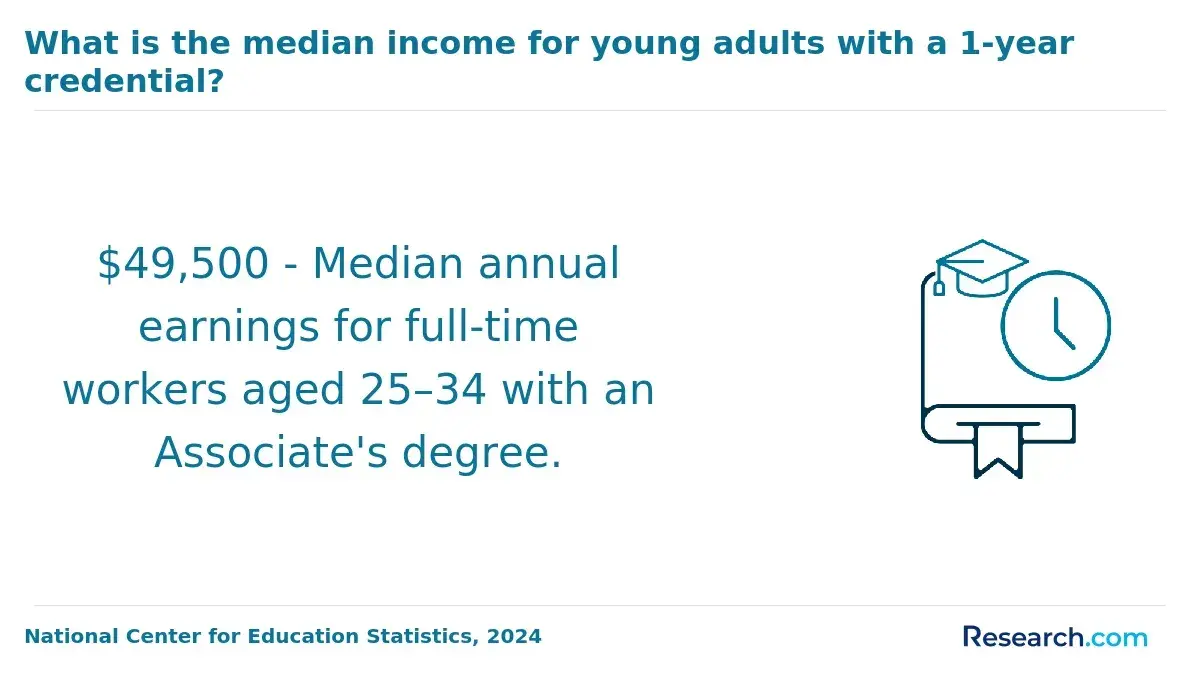
Median salaries for those holding a paralegal degree typically start between $50,000 and $60,000 early in their careers, rising to approximately $70,000 mid-career. Higher-paying pivots usually appear in industries where legal-adjacent work connects directly to revenue, risk, regulation, technology, or client delivery.
- Financial services: Compliance analyst, risk operations, fraud support, regulatory reporting, and financial operations roles can exceed traditional paralegal salary paths. Entry-level roles like compliance analyst or financial operations associate frequently surpass $70,000, with mid-career professionals earning over $100,000. Bonuses, retirement benefits, profit-sharing, and equity may affect total compensation.
- Management consulting: Consulting teams value structured thinking, research, writing, client communication, and the ability to learn complex topics quickly. Early career pay around $75,000 can climb beyond $110,000 as professionals advance. The trade-off is often heavier workloads, travel expectations, and performance pressure.
- Enterprise technology: Legal operations, privacy operations, contract lifecycle management, vendor risk, software implementation, and customer success roles can fit paralegal graduates who develop technical fluency. Starting salaries near $65,000 can grow to $100,000 or more by mid-career.
- High-growth startups: Startups may need flexible professionals who can manage contracts, compliance, operations, HR documentation, vendor records, and investor materials. Mid-career pay can outpace traditional benchmarks by 20-40%, but compensation may depend heavily on equity and company performance.
Higher pay usually comes with trade-offs. Finance and technology may demand specialized systems knowledge. Consulting may require long hours and frequent client deadlines. Startups may offer faster growth but less stability. Government and nonprofit roles may pay less but offer mission alignment, public-service value, or stronger work-life predictability.
Evaluate total compensation, not only base salary. Compare bonuses, equity, retirement contributions, health benefits, paid time off, remote work flexibility, professional development budgets, and promotion timelines. A pivot that pays more on paper may not be the best choice if it requires expensive credentials, unpaid time, or a risk level that does not fit your life.
Which High-Growth Sectors Are Actively Recruiting Professionals With a Paralegal Background?
High-growth sectors that recruit professionals with a paralegal background tend to share one feature: they are dealing with more rules, more data, more contracts, more oversight, or more documentation than before. That creates demand for people who can read carefully, organize evidence, follow procedures, and communicate risk.
- Healthcare and life sciences: Regulatory complexity, patient data management, clinical documentation, privacy obligations, and compliance processes create opportunities in healthcare compliance, clinical trials support, regulatory affairs, and records administration.
- Technology and cybersecurity: Data privacy, cybersecurity policies, vendor risk, software contracts, and platform governance have expanded the need for professionals who can support documentation and compliance workflows.
- Financial services: Regulatory changes, fraud monitoring, transaction review, audits, and consumer protection requirements create openings in compliance, risk, and financial operations.
- Environmental and energy: Environmental rules, sustainability reporting, permitting, public filings, and compliance documentation can create roles for researchers and documentation specialists.
- Government and public policy: Agencies, legislative offices, advocacy groups, and public contractors need people who can track rules, summarize policy, manage records, and support formal processes.
- Education and training: Accreditation, student records, institutional policy, compliance reporting, and regulatory standards create demand for professionals with documentation and procedural skills.
Growth alone is not enough reason to pivot. Fast-growing sectors can also be volatile, competitive, or credential-heavy. Review job postings for recurring requirements, talk with professionals already doing the work, and identify the shortest credible path from your current background to the target role.
Professionals who combine a paralegal foundation with sector-specific language tend to do better. For example, “legal research” becomes “regulatory monitoring” in healthcare, “policy analysis” in public affairs, “privacy documentation” in technology, and “risk control support” in finance. This reframing aligns with labor market insights from the Bureau of Labor Statistics, LinkedIn Emerging Jobs reports, and the World Economic Forum's Future of Jobs data.
How Does Earning a Graduate Certificate Help Paralegal Degree Holders Pivot Successfully?
A graduate certificate can help paralegal degree holders pivot when it provides a recognized, targeted skill signal for the new field. These programs are typically shorter than master’s degrees and often focus on a specific employment need such as analytics, compliance, project management, public health, nonprofit leadership, UX research, or financial analysis.
Graduate certificates typically require 12 to 18 credit hours and usually take six months to a year as reported by the National Center for Education Statistics (NCES). That shorter timeline can make them appealing to working adults who need evidence of new skills without committing immediately to a full graduate degree.
- Time and cost: A certificate can be a faster and less expensive way to test or support a career pivot than a multi-year degree. It is still an investment, so compare tuition, fees, schedule flexibility, and employer recognition before enrolling.
- Career signal value: The American Council on Education notes that certificates indicate targeted expertise but do not equal graduate degrees. In fields affected by credential inflation, the provider’s accreditation, curriculum, employer recognition, and alumni outcomes matter.
- Common fields: Useful certificate areas for paralegal graduates include data analytics, project management, UX research, nonprofit management, public health, financial analysis, compliance, privacy, and legal technology. Data analytics certificates can boost median salaries by 10-15%, while project management credentials are favored by employers across sectors.
- Program evaluation: Review job postings before choosing a certificate. If employers in your target role do not mention the credential or the underlying skills, the return may be limited.
Timing matters. Some candidates earn a certificate before applying to meet basic requirements. Others enroll while applying to show commitment. Some wait until after landing a role and use the credential to advance internally.
Over 30% of post-bachelor's certificates are earned by career changers for faster re-entry or upskilling, according to a report from the American Council on Education. If you are still strengthening your legal foundation before choosing a pivot, comparing the best online paralegal programs can help clarify what formal paralegal training includes and how it may support later specialization.
Some graduates also explore fields farther from law, such as marketing or digital communications. In those cases, compare certificates with full academic options such as online social media marketing degree programs and choose the path that matches the job requirements you actually see.
What Role Do Professional Certifications Play in Validating a Paralegal Career Pivot?
Professional certifications can validate a paralegal career pivot by proving that you have current, industry-recognized knowledge beyond your academic background. They are especially useful when your target field has clear credential expectations or when employers may not immediately understand how paralegal training applies.
A certification is most valuable when it is common in job postings, respected by hiring managers, and connected to the work you want to do. Before paying for any exam or preparation course, review job ads, search LinkedIn profiles of people in the target role, and ask professionals which credentials actually influence hiring.
- Project Management Professional (PMP): Requires 35 hours of project management education and 4,500-7,500 hours of project leadership experience; preparation time is typically 3-6 months with an exam fee around $555. It can support pivots into project coordinator, program manager, operations, consulting, and IT-related roles.
- Certified Analytics Professional (CAP): Requires a bachelor's degree plus 3+ years in analytics-related experience; preparation varies. It is relevant for candidates moving toward data analysis, business intelligence, compliance analytics, or research-heavy roles.
- SHRM-CP (Society for Human Resource Management - Certified Professional): Useful for HR pivots, especially employee relations, policy, compliance, and HR operations. It requires HR-related experience or education, and exam fees range from approximately $300 to $400.
- Salesforce Administrator: Has no formal prerequisites; typical preparation lasts 2-3 months; exam fee about $200. It can help paralegal graduates move into CRM administration, legal tech operations, sales operations, or customer success support.
- Certified Paralegal (CP): Requires a paralegal degree and passing the NALA exam; preparation takes 2-4 months. This is most useful for graduates who want to deepen legal credibility rather than leave the legal field entirely.
Do not collect certifications without a strategy. A certification should close a specific gap: project management credibility, analytics ability, HR knowledge, platform fluency, compliance specialization, or legal expertise. Listing a certification in progress can also help if you are actively preparing and can explain how it connects to the role.
For broader education planning, compare certifications with graduate degrees and labor-market demand. Resources on the most in-demand master's degrees can help you decide whether a shorter certification is enough or whether a larger credential is more appropriate.
How Can Paralegal Degree Holders Leverage Freelance or Contract Work to Break Into a New Field?
Freelance and contract work can help paralegal degree holders build proof of ability in a new field before they have a traditional job title in that field. This route is especially useful for career changers who need portfolio samples, references, industry vocabulary, or practical experience. Contract and freelance work is also common enough to be a realistic option: 36% of the workforce now engages in gig economy roles.
Relevant freelance or contract opportunities may include research support, content development, contract review support, virtual assistance, data entry and validation, policy summaries, project coordination, CRM cleanup, compliance documentation, and communications support.
- Build a portfolio: Save work samples when confidentiality permits. If client materials are private, create anonymized case studies that describe the problem, your process, and the outcome.
- Generate references: Short projects can produce credible client testimonials that help offset limited direct experience in the new field.
- Gain domain knowledge: Freelance assignments expose you to industry terms, tools, workflows, and expectations that are hard to learn from coursework alone.
- Test a pivot before committing: A few projects can reveal whether you actually enjoy policy research, compliance documentation, data cleanup, HR support, or legal tech operations.
Start by packaging services around problems you already know how to solve. Instead of advertising yourself broadly as a “freelancer,” offer specific services such as regulatory research summaries, contract template organization, document management cleanup, meeting notes and action tracking, policy drafting support, or compliance record audits.
Freelancing is not ideal for everyone. Income can be inconsistent, benefits are usually not included, and some regulated sectors limit outside contractor access. But for candidates with enough financial flexibility, contract work can create the evidence employers need to take a career pivot seriously.
What Networking Strategies Are Most Effective for Paralegal Graduates Pursuing a Career Change?
Networking is often more effective than cold applications for paralegal graduates pursuing a career change because many adjacent-field employers need help understanding how the background fits. Research from Harvard Business Review and labor market sociology highlights the value of weak ties and referrals, and LinkedIn's 2023 workforce report shows 85% of jobs are filled through networking-driven referrals.
The goal is not to ask strangers for jobs. The goal is to learn the hiring language of the field, identify realistic entry points, and build relationships with people who can explain how decisions are made.
- Activate alumni networks: Search for graduates from your paralegal program or college who now work in compliance, HR, policy, operations, legal tech, privacy, or contracts. Send a brief message asking for advice, not a referral immediately.
- Join professional associations: Choose associations tied to your target field, not only legal groups. Attend webinars, volunteer for committees, and participate in discussions where hiring managers and practitioners are present.
- Run informational interview campaigns: Request 20 to 30 minutes with professionals in target roles. Ask about common job titles, useful credentials, typical entry paths, mistakes applicants make, and how your paralegal background might be perceived.
- Use LinkedIn strategically: Personalize connection requests by mentioning a shared school, group, role interest, or article. Comment thoughtfully on relevant posts before asking for time.
- Join communities of practice: Online groups, local meetups, Slack communities, and industry forums can help you learn tools, vocabulary, and hiring norms while demonstrating genuine interest.
A simple outreach message works best: “I’m a paralegal graduate exploring a move into compliance operations. I noticed your work in the field and would appreciate 20 minutes to learn how you entered the role and what skills employers value most.”
Track your conversations. Note names, roles, advice, suggested credentials, job titles, and follow-up dates. A disciplined weekly routine—such as five targeted messages and one informational interview—can produce better results than sending dozens of untailored applications.
What Graduates Say About the Best Career Pivot Options for People With a Paralegal Degree
- : "Graduating with a paralegal degree helped me recognize the transferable skills I already had: critical thinking, attention to detail, legal research, and careful documentation. Moving into financial compliance felt like a natural fit because the work still involved rules, records, and risk. My advice is to choose a targeted credential, such as Certified Compliance & Ethics Professional, only after confirming that employers in your target roles value it. —Nathanael"
- : "My paralegal experience taught me that networking is not just exchanging business cards. Industry events and legal associations helped me discover entry-level options in mediation and dispute resolution. Rewriting my resume around client communication, case management, and conflict documentation made a major difference in getting interviews. —Russell"
- : "I used my paralegal degree as a bridge into legal technology. The field valued my understanding of legal workflows, but I still had to build technical confidence. Learning e-discovery tools and legal operations language helped me move from being “a paralegal applicant” to someone who could solve product and process problems. —Jose"
Other Things You Should Know About Paralegal Degrees
Paralegal degree holders should emphasize transferable skills-such as legal research, document management, and client communication-over specific legal jargon. Highlighting proficiency in project coordination, compliance understanding, and analytical thinking can appeal to employers outside traditional legal settings. Tailoring the resume to focus on applicable competencies relevant to the target industry increases the chances of passing applicant tracking systems and attracting hiring managers' attention.
Paralegal degree holders can pivot to industries like compliance, human resources, and real estate in 2027. Their skills in research, organization, and legal knowledge make them valuable for roles like compliance officer, HR specialist, or real estate manager, giving them diverse career avenues outside traditional legal fields.
Graduate programs provide structured learning that strengthens credentials and fills knowledge gaps essential for new career paths. For paralegal graduates, degrees in fields like business administration, information technology, or public administration offer credible pathways to advance beyond entry-level roles. Such programs also expand professional networks and often include internship components, which facilitate smoother transitions into different industries.
References
- Pros and Cons of Different Paralegal Certificate Programs https://www.paralegalinst.com/pros-and-cons-of-paralegal-certificate-programs
- Paralegal Career Milestones https://www.meegle.com/en_us/topics/paralegal/paralegal-career-milestones
- Graduate-Level Paralegal Studies: Is It Worth Your Time? https://www.legalstudies.com/graduate-level-paralegal-studies-is-it-worth-your-time/
- Paralegal Certifications: Best Credentials to Advance Your Career | Teal https://www.tealhq.com/career-paths/paralegal-certifications
- Career Crossroads: How Paralegal Skills Open Unexpected Doors – NCBarBlog https://www.ncbarblog.com/pd-career-crossroads-how-paralegal-skills-open-unexpected-doors/
- Pre-Employment Tests For Paralegals and Legal Assistants https://www.criteriacorp.com/solutions/pre-employment-testing-for-paralegals-and-legal-assistants
- Exploring Paralegal Career Paths Beyond the Law Firm https://www.proalt.com/paralegal-career-paths-beyond-law-firm/
- A Comprehensive Guide to Paralegal Career Change https://pathwise.io/paralegal-career-change/
- Competencies as Currency – How to Get Employers to Show You the Money https://paralegal.edu/blog/competencies-as-currency-how-to-get-employers-to-show-you-the-money/
- BEST ALTERNATIVE CAREERS FOR PARALEGALS https://www.generations.edu/best-alternative-careers-for-paralegals/