2027 Best Online Bachelor's in Data Analytics With SQL Coursework

Co-Founder and Chief Data Scientist
Companies requiring data analysts fluent in SQL face two critical hurdles: identifying candidates with both the theoretical knowledge and practical SQL skills, and enabling working professionals to gain these competencies without sacrificing current employment. The U. S. Department of Education reports that online degree enrollment has grown by 15% since 2023, driven largely by adult learners balancing careers and education.
This trend signals a shift toward flexible, career-aligned coursework as a necessity rather than a convenience in higher education. This article evaluates the best online bachelor's programs integrating SQL coursework to guide prospective students through choosing a program that optimizes career readiness and accessibility.
Key Things You Should Know
- Programs emphasizing SQL proficiency alongside data analytics report 23% higher employer preference rates nationally, per 2025 Burning Glass Technologies, signaling stronger hiring prospects but narrowing focus risks overlooking broader toolsets.
- Employers increasingly demand applied project experience; a 2024 National Association of Colleges and Employers survey finds 68% of data analytics interns translate SQL coursework into direct job readiness, framing curricula as a workforce gatekeeper.
- Average program costs rose 12% since 2023, with accredited online bachelor's requiring 4-5 years to complete; this timing-cost ratio constrains mid-career pivoters balancing opportunity costs against rapidly evolving skill demands.
What is an online bachelor's in data analytics with SQL coursework and who is it for?
An online bachelor's in data analytics programs with SQL coursework serve as a distinct bridge between theoretical data handling and applied relational database skills, critical in today's data-driven roles. This bachelor's degree in data analytics focusing on SQL coursework equips learners to manipulate large, complex datasets and generate reports that directly impact decision-making processes.
For instance, a marketing analyst might leverage SQL to measure campaign results across multiple sales channels, while a healthcare administrator can optimize patient data tracking and compliance reporting. These programs tend to attract professionals already embedded in analytical or technical jobs seeking credentialed depth, as well as career changers aiming to enter data-centric industries such as finance, technology, and government.
Prospective students should anticipate rigorous coursework spanning statistics, programming fundamentals, and effective communication. This pathway demands solid quantitative reasoning and prior exposure to computing principles due to its technical nature. Cost considerations remain substantial; tuition often surpasses $40,000, although options like Southern New Hampshire University's model reduce expenses through credit transfer, e.g., lowering tuition from $42,480 to $31,860 for 30 accepted credits.
The investment aligns with employer demand for proficiency in SQL and related tools, which are essential for roles like database administrator or business intelligence analyst. Candidates weighing long-term impact may also explore advanced credentials such as an online data science doctorate to deepen their expertise and increase market competitiveness.
How does an online data analytics bachelor's compare to a campus-based program?
Choosing between an online and a campus-based data analytics bachelor's degree involves tradeoffs in cost structure, scheduling, and professional networking that directly affect career trajectory. Online programs, including those priced on a flat-rate model like Western Governors University's $3,875 per six-month term tuition, offer students the ability to accelerate completion and reduce overall expense-important for working professionals balancing income continuity and skill acquisition.
This illustrates core differences between online and campus-based data analytics bachelor degrees, especially for mid-career professionals seeking targeted SQL and analysis skills without forfeiting current employment. Employers prioritize technical proficiency and concrete project experience more than the mode of delivery.
Online degrees often emphasize applied SQL training using real-world datasets, suiting roles in business intelligence or healthcare analytics. Campus programs, however, provide in-person collaboration opportunities, spontaneous peer problem-solving, and access to on-site career services and internships, which can be critical for students with less professional experience or limited industry networks.
A practical evaluation reveals key distinctions:
- Online programs require disciplined independent study and time management to navigate assignments and projects.
- Campus programs foster immersive cohort engagement and live mentorship that influence complex problem-solving.
- Online courses provide scheduling flexibility vital for full-time workers undertaking career pivots.
The choice often depends on individual circumstances and career objectives, balancing employer expectations and personal learning preferences. For those seeking cost-effective and flexible routes with recognized credentials, an online artificial intelligence degree program might parallel benefits found in comparable analytics pathways, providing scalable options for emerging tech fields.
Which accredited schools offer the best online data analytics bachelor's with SQL?
Employers in sectors like healthcare, retail, and manufacturing increasingly demand SQL competency combined with broader analytical skills, which shapes the value proposition of the best accredited online data analytics bachelor's programs with SQL. Rowan University's online BS in Data Analytics features a rigorous sequence with SQL integrated into core database management, priced at $609 per credit and totaling $73,080 for 120 credits.
Higher tuition versus an in-depth grounding in SQL critical for roles in finance and health informatics where complex relational queries are routine. Arizona State University's program balances SQL training with coding and advanced analytics, emphasizing practical applications for professionals targeting sectors like business intelligence or marketing analytics.
Its lower per-credit cost increases affordability, an important consideration for working adults seeking a career pivot without excessive debt. University of Wisconsin-Milwaukee complements its SQL coursework with modules in big data and predictive analytics, orienting graduates toward operational data roles in logistics or manufacturing where SQL remains foundational.
Choosing among these top online bachelor's degrees in data analytics featuring SQL coursework requires weighing curriculum scope against total cost and alignment with industry demands. SQL mastery remains non-negotiable; however, each program's approach affects employability and career mobility differently. Prospective students should also assess additional fees and course sequencing to optimize return on investment. For those exploring adjacent fields, such as medical billing and coding, further resources are available on medical billing and coding programs.
What SQL and data analytics courses are typically included in these online programs?
Online bachelor's data analytics programs with sql coursework emphasize technical mastery of SQL alongside complementary analytic tools. Core courses cover writing complex queries, data normalization, indexing, transaction controls, and stored procedures, forming the foundation for manipulating relational databases in professional environments. Such skill sets are mandatory in financial analysis, marketing intelligence, and healthcare data interpretation where precise querying directly impacts decision accuracy.
Bachelor's degree courses in sql and data analytics extend beyond syntax to include statistical analysis, data visualization, and predictive modeling with languages like Python or R and platforms such as Tableau. These programs aim to develop professionals capable of not only retrieving data but interpreting and translating it into actionable business strategy.
Specialized instruction in data warehousing, ETL processes, and big data architectures prepares students for operational challenges typical in supply chain and logistics sectors. Knowledge of SQL integrated with these systems mitigates issues like data inconsistency and slow reporting that compromise real-time responsiveness.
The U.S. Bureau of Labor Statistics reports a median wage of $103,500 for this role, illustrating the market premium for combining SQL proficiency with analytic expertise that drives process improvements and strategic planning. Evaluating programs also involves considering alternative online degrees; for individuals seeking to align educational paths in adjacent fields, investigating an online degree for library science might be relevant depending on career goals.
What admission requirements and prerequisites do online data analytics bachelor's programs have?
Admission standards for online bachelor's programs that include SQL coursework often require more than just a high school diploma. Candidates must provide transcripts evidencing proficiency in key quantitative areas like algebra and introductory statistics, as these are essential prerequisites before engaging with SQL-specific content. Missing foundational computer science or programming experience creates a real barrier.
Many institutions mandate remedial or bridge courses, which can lengthen the timeline and increase the cost for working adults attempting a career pivot. Applicants with relevant work experience or prior college credits can sometimes bypass standardized testing, but programs prioritize demonstrable skills in logical reasoning and data interpretation to reduce attrition.
For example, a business professional with limited quantitative background might face extra assessments before admission to ensure alignment with the program's technical demands. This upfront validation helps employers by increasing the likelihood graduates can immediately contribute without extensive retraining.
Another significant filter is applicants' clarity of career intent. Data analytics programs require sustained commitment to technical learning, and entrants without focused goals risk struggling or dropping out. Early attrition has workforce implications since employers seek graduates ready to handle practical data challenges, especially given the U.S. Bureau of Labor Statistics projects a 23% increase in jobs for operations research analysts and data analytics specialists over the next decade.
How long do online bachelor's in data analytics take and what do they cost?
Choosing an online bachelor's degree in data analytics involves navigating a complex balance of time, cost, and skill acquisition aligned with employer demands. Full-time study typically spans four years but can be accelerated to roughly two and a half to three years through credit transfers or intensive course loads. For working adults, part-time enrollment often extends completion beyond five years, necessitating disciplined scheduling to prevent costly delays.
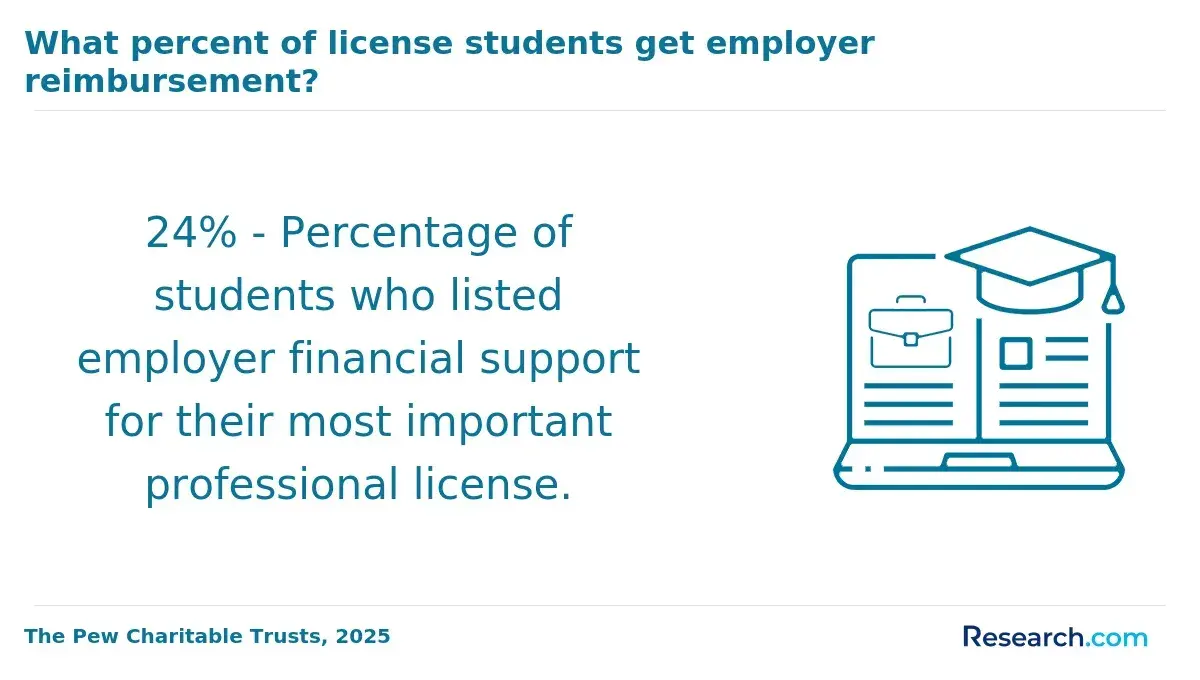
Financially, public in-state programs average $15,000 to $25,000, while private or out-of-state options frequently surpass $40,000. These variations require a strategic budget plan factoring in potential debt against likely career returns and often depend heavily on financial aid or employer tuition reimbursements.
Technical skills remain the gatekeepers of employability. SQL proficiency, evidenced by its use among 51.2% of developers in the 2024 Stack Overflow Developer Survey, is essential. Degrees embedding rigorous, hands-on SQL with real-world datasets better position graduates for roles spanning business intelligence to data engineering. Omitting or postponing SQL training risks significant skill gaps that complicate job entry.
The pressure of condensing coursework into accelerated timelines can compromise mastery due to stress, while elongated programs increase exposure to shifting technologies and opportunity costs. Working professionals must therefore proactively maintain relevance beyond graduation through continuous upskilling.
How can I verify accreditation and program quality for online data analytics degrees?
Accreditation remains a pivotal factor when selecting an online bachelor's degree program with SQL coursework. Regional accreditation from bodies such as Middle States or WASC ensures adherence to rigorous academic standards and eligibility for federal aid, while specialized accreditors like ABET validate curriculum relevance in computing and business contexts. For example, a candidate pursuing a shift into data analytics must verify not only accreditation but also program outcomes tied to SQL proficiency, since employers in finance or healthcare prioritize candidates demonstrating applied skills over theoretical knowledge alone.
Employment metrics that show upward of 80% placement in roles requiring SQL within six months highlight programs aligned with actual labor market demand. This practical track record is often more predictive of career success than institutional brand recognition.
Students should also scrutinize credit transfer policies and the online learning platform's flexibility, as inefficient articulation or limited scheduling can extend completion time, raising opportunity costs. Programs embedding SQL training in hands-on analytics projects support smoother transitions into technical roles, reducing the risk that graduates will struggle meeting on-the-job expectations despite holding degrees.
Moreover, the economic advantages of completing an accredited bachelor's degree are significant: workers with such credentials earn roughly $1.2 million more over a lifetime compared to high school graduates, emphasizing long-term return on investment in data analytics education.
What entry-level and advanced careers can this degree in data analytics lead to?
SQL proficiency, embedded within a bachelor's degree in data analytics, directly shapes access to early-career roles such as data analyst or business intelligence analyst. These positions demand robust skills in data extraction and cleaning, with 69% of employers identifying SQL as essential for analytical problem-solving per the World Economic Forum's Future of Jobs Report 2025. Graduates face a pivotal decision: immediate employment in technically focused roles versus committing to ongoing skill development for more complex, strategic positions.
Notably, advancing to roles like data scientist or analytics consultant requires blending SQL expertise with predictive modeling and domain-specific knowledge. For instance, in healthcare, a data scientist leverages SQL queries alongside machine learning to forecast patient readmissions, illustrating how combined technical and analytical capabilities yield higher organizational impact.
Employers increasingly value candidates who translate data insights into actionable business strategies, underscoring a tradeoff between starting in operational SQL roles and investing in complementary programming languages such as Python or R. Practical experience with large datasets and understanding workforce demands affect employability trajectories, especially when foundational statistics and problem-solving skills are uneven across applicants.
Long-term resilience in this evolving field depends on continuous upskilling in SQL and emerging analytics tools. Data analytics students and professionals must weigh the immediate applicability of SQL-centric skills against the necessity to broaden competencies for sustained career relevance.
What salary ranges and job outlook can graduates in data analytics expect?
Graduates holding a bachelor's degree with SQL coursework generally enter the data analytics workforce with salaries ranging from $65,000 to $85,000 annually, but this varies significantly by industry and location. Finance and healthcare sectors tend to offer higher starting pay because their workflows depend heavily on data accuracy and regulatory compliance. In contrast, entry-level positions in retail or manufacturing usually sit at the lower end, though still competitive against similar-degree fields.
Mid-career salaries climb to between $95,000 and $120,000, assuming continuous skills development and geographic mobility. Projected occupation growth of 23% through 2032 by the U.S. Bureau of Labor Statistics aligns with global data expansion trends; IDC forecasts the datasphere will reach 394 zettabytes by 2028. These market dynamics pressure candidates to build competencies beyond SQL, including data visualization, cloud computing, and foundational machine learning. Without these complementary skills, wage progression and access to senior roles can stagnate.
Practical experience remains essential. Internships and domain-specific expertise-such as marketing analytics or supply chain insights-significantly boost hiring chances and negotiating power. However, competition intensifies as more graduates possess similar credentials. Professionals in metropolitan tech or financial centers often benefit from salary premiums compared to rural areas, where cost of living is lower but opportunities diminish.
How should I choose the right online data analytics program with strong SQL training?
Programs emphasizing hands-on SQL integrated throughout their curriculum better prepare students for complex, real-world database tasks-such as analyzing extensive retail customer data to optimize inventory or scrutinizing financial transactions for risk patterns. This project-based approach suggests graduates can meet employer demands where SQL is a core functional skill rather than a peripheral topic.
Prospective students should weigh outcomes data critically: the share of graduates placed in SQL-intensive roles like data analyst or database administrator can indicate program alignment with labor market needs. Partnerships with industry and internship opportunities in SQL-heavy environments further enhance readiness. However, many offerings label themselves "SQL courses" but restrict scope to basic syntax without covering performance tuning or advanced query strategies, which limits employability.
Workforce demographics reveal a persistent gender imbalance in computer and information sciences degrees-men earned 65% of these bachelor's degrees in 2022-23-pointing to underlying diversity challenges that affect networking and mentorship access. Students may benefit from programs with explicit inclusion initiatives to address these gaps.
Finally, balancing theoretical rigor with applied skills matters: too much theory can delay entry into the workforce, while insufficient depth hampers problem-solving in sectors like healthcare analytics or supply chain management. Flexible pacing options and credit for prior experience help accommodate working professionals seeking efficient upskilling.
Other Things You Should Know About Data Analytics
Yes, hands-on SQL practice is critical since SQL skills are tested extensively in entry-level and advanced data analytics roles. Programs that integrate substantial, project-based SQL coursework better prepare students for real-world tasks like database querying and data manipulation. Candidates lacking practical SQL experience often face a steeper learning curve when transitioning to work, which can delay productivity and limit early career advancement.
Choosing a curriculum that blends SQL with tools like Python, R, or Tableau provides broader marketability because employers value versatility alongside deep SQL knowledge. However, if your target roles emphasize database management or backend data tasks, pursuing SQL-heavy tracks yields sharper technical expertise. Assess the specific job requirements in your desired sector and weigh whether breadth or depth of technical skills aligns better with your career goals.
A strong program should require at least one capstone built from a real dataset, plus a portfolio with SQL querying, data cleaning, dashboarding, and basic statistical analysis. Employers often look for evidence that students can write JOINs, aggregate data, and present findings clearly in GitHub or similar repositories.
References
- Best Data Science Bachelor's Degrees Online https://www.computerscience.org/degrees/best-online-bachelors-data-science/
- CourseCareers https://coursecareers.com/blog-posts/how-data-analytics-courses-teach-skills
- Bachelor of Science in Information Technology – Data Analytics | Walsh - Graduate & Undergraduate Business Degrees https://walshcollege.edu/programs/bachelor-of-science-in-information-technology-data-analytics/
- Learn job-ready skills with Google Career Certificates https://grow.google/certificates/data-analytics/
- Top Bachelor's Degrees in Data Analytics | CyberDegrees.org https://www.cyberdegrees.org/listings/best-data-analytics-degrees/
- Online Analytics Degree Programs - OnlineEducation.com https://www.onlineeducation.com/analytics/
- Best Online Data Analytics Degree Programs - AnalyticsDegrees.org https://www.analyticsdegrees.org/data-analytics/online-bachelors/
- Best Master’s in Data Analytics Online: 2025 https://www.onlinemastersdegrees.org/best-programs/data-analytics/
- Online Data Science Degree – Bachelor’s Program | University of Phoenix https://www.phoenix.edu/online-information-technology-degrees/data-science-bachelors-degree.html
- Online SQL courses for data analysis | edX https://www.edx.org/learn/sql