2026 What Is a Forensic Nursing Master's Degree? Definition, Curriculum & Career Paths

Co-Founder and Chief Data Scientist
Rising complexities in legal and healthcare intersections highlight the urgent need for specialized expertise in forensic nursing. The field demands more than clinical skills; practitioners must navigate evidence collection, victim advocacy, and legal protocols with precision.
Recent 2024 data from the International Association of Forensic Nurses indicates growing employer demand for master's-prepared nurses capable of bridging healthcare and criminal justice systems. Graduates face evolving challenges, including enhanced forensic technology and regulatory requirements.
Understanding a forensic nursing master's degree involves analyzing its curriculum focus on applied forensic science, trauma-informed care, and legal processes, alongside the career trajectories it enables in medical-legal settings and beyond.
Key Benefits of Forensic Nursing Master's Degree
- Master's programs often require extensive clinical hours, adding to completion time and costs; this tradeoff necessitates planning around personal and professional obligations to avoid burnout or delayed graduation.
- With 68% of employers emphasizing specialized forensic expertise post-2023, graduates gain a distinct advantage in roles demanding nuanced legal-healthcare collaboration, affecting employability in niche forensic settings.
- Curricula integrate evolving legal protocols, reflecting 2024's shift toward trauma-informed evidence collection; this alignment ensures relevance but mandates ongoing education to adapt to changing standards.
Who Should Pursue a Forensic Nursing Master's Degree?
Graduate education delivers maximum value when it targets specific career objectives, skill gaps, and industry demands rather than serving as a default step after completing a bachelor's degree. The decision to pursue a forensic nursing master's degree hinges on how well it aligns with one's professional trajectory, workforce positioning, and advancement goals.
Understanding the functional benefits and practical implications of this degree enables prospective students to make informed choices about investing time and resources.
Below are key profiles of individuals for whom this master's program represents a strategically valuable credential based on current workforce trends and evolving role expectations.
- Experienced Registered Nurses Seeking Specialization: Nurses currently working in clinical environments who want to transition into forensic nursing will find this degree essential for developing expertise in evidence collection, victim advocacy, and court testimony.
- Career Changers from Nursing to Forensic Science or Criminal Justice: Individuals with nursing experience considering a pivot toward forensic science or criminal justice fields benefit significantly from the master's curriculum, which integrates medical and legal perspectives.
- Aspiring Leaders and Educators in Forensic Nursing: Nurses aiming for leadership or educational roles within forensic departments, public health agencies, or policy development initiatives gain advantage through the program's combined clinical and forensic training.
- Professionals Focused on Victim-Centered Care and Interdisciplinary Collaboration: The master's degree cultivates a deep understanding of vulnerable populations and equips practitioners for roles that demand coordination across healthcare, law enforcement, and social service sectors.
- Recent Graduates Seeking Clear Specialization Paths: For new nurses interested in aligning their practice with forensic nursing early on, the master's degree offers structured training in forensic pathology, pharmacology, and legal healthcare. Early specialization can accelerate placement in focused roles, though graduates should weigh this against alternate pathways such as online RN to BSN programs without clinical requirements.
What Are the Core Courses in a Forensic Nursing Master's Curriculum?
The core courses in a forensic nursing master's curriculum establish the critical foundation essential for advanced practice in the intersection of healthcare and criminal justice. Though specific course titles vary across programs, most emphasize a consistent set of subjects designed to develop expertise applicable to complex clinical and legal environments.
These courses not only provide theoretical knowledge but also build practical, analytical, and ethical competencies that support diverse career trajectories within forensic nursing and related fields.
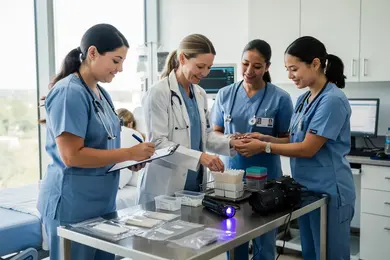
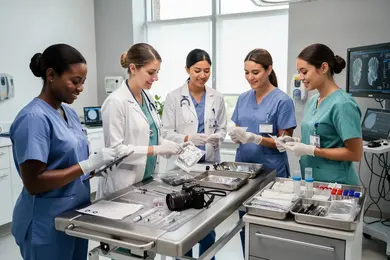
- Forensic Science and Evidence Collection: This course anchors students in the technical skills necessary for identifying, preserving, and documenting physical evidence in healthcare settings. Mastery here is vital for maintaining evidentiary integrity and complying with legal protocols, a constant expectation from employers demanding accuracy and rigor in the chain of custody.
- Advanced Clinical Forensic Nursing Care: Focusing on trauma-informed care, this course deepens clinical judgment related to abuse, neglect, and violence. It also emphasizes interdisciplinary teamwork, preparing students to coordinate with law enforcement and social services.
- Legal and Ethical Issues in Forensic Nursing: Graduates develop a nuanced understanding of the legal frameworks influencing patient care, confidentiality, reporting mandates, and courtroom responsibilities. This course cultivates professional accountability and helps prepare nurses for the legal complexities frequently encountered on the job.
- Research Methods and Evidence-Based Practice: Emphasizing critical analysis of forensic nursing literature and data, this class fosters skills that underpin lifelong professional development and adaptation in a rapidly evolving specialty. Employers increasingly value nurses who can integrate new evidence into protocols and case management effectively.
- Psychosocial Aspects of Forensic Nursing (common but not universal): Addressing emotional and psychological dimensions, this coursework equips students to manage victim advocacy and sensitive patient interactions, which are often pivotal in forensic contexts.
Collectively, these courses are designed to produce forensic nursing graduates who can embody the dual demands of clinical precision and legal awareness. For example, the Bureau of Labor Statistics highlights a growing demand for advanced nursing roles that require specialized expertise in interdisciplinary investigations and patient advocacy, underlining the workforce value of such an integrated curriculum.
One forensic nursing graduate recalled the uncertainty they faced during their program's rolling admissions process, where waiting weeks for acceptance forced a strategic reassessment of application timing and supporting materials.
They reflected, "I wasn't sure if delaying application to improve my clinical experience would cost me a spot, but the extra preparation ended up strengthening my coursework engagement." This experience underscores how timing and readiness factors interact with academic requirements in shaping one's educational pathway.

What Specializations Are Available in Forensic Nursing Master's Programs?
Master's programs in forensic nursing typically offer multiple specialization tracks that allow students to tailor their education toward particular professional niches within the field. While foundational coursework covers core principles of forensic healthcare, specializations enable deeper skill development in areas aligned with specific employer expectations and operational environments.
Choosing a focused pathway can significantly influence both immediate employability and long-term career trajectories by equipping graduates with targeted expertise valued in exacting, multidisciplinary roles.
- Sexual Assault Nurse Examiner (SANE): This specialization trains nurses to conduct forensic examinations on sexual assault survivors, emphasizing trauma-informed care, precise evidence collection, and legal protocols such as chain-of-custody.
- Death Investigation: Focused on supporting coroners or medical examiners, this track involves instruction in anatomy, toxicology, and forensic pathology techniques. Graduates gain competencies in documenting injuries and assisting with cause-of-death analysis.
- Legal Nurse Consulting: Encompassing legal case analysis, health law compliance, and expert witness training beyond direct care, this pathway aligns with careers in risk management, insurance, and legal consulting. It cultivates analytical and communication skills necessary to bridge nursing expertise with judicial processes.
- Elder Abuse and Domestic Violence: This track concentrates on forensic assessment and intervention strategies tailored to vulnerable adult populations. It implicates broader socio-legal perspectives and prevention frameworks, often leading to employment in social services, community health, or policy development sectors.
Employment data from the Bureau of Labor Statistics suggests a growing demand for forensic nursing roles with specialized skills, particularly where interdisciplinary coordination and legal interface are critical.
Understanding the nuances of each specialization helps students anticipate employer requirements and select pathways that align realistically with both their professional interests and labor market conditions.
How Long Does It Take to Complete a Forensic Nursing Master's Degree?
The average completion time for forensic nursing master's programs generally ranges from 1.5 to 2 years for full-time students, while part-time enrollment can extend the forensic nursing master's degree duration and program length to three years or more.
This distinction reflects how the intensity of coursework and clinical hours shapes progress. Full-time students often navigate structured semester schedules with a heavier course load each term, whereas part-time learners balance fewer credits alongside professional or personal commitments.
These timelines provide a baseline, but program design significantly influences how quickly a student can move through the curriculum.
Several factors affect the total time a student spends earning this degree, including the program's format, credit requirements, and experiential components like internships or thesis projects.
Online and hybrid formats offer flexible pacing that can accommodate working professionals but might also elongate the time to completion compared to cohort-based, on-campus models. Programs that require extensive clinical placements or research projects may demand additional months beyond course credits alone.
Students with prior graduate education or relevant clinical experience may shorten their pathway through credit transfers or waived requirements, while others may need to allocate extra time for comprehensive capstone work.
For many, balancing employment and family obligations further impacts the overall forensic nursing master's degree duration and program length, necessitating deliberate schedule planning and time management.
Strategically, some students choose to accelerate their studies to enter the workforce sooner or extend their enrollment to better integrate experiential learning, financial planning, or specialized certifications.
Adjusting the course load each semester or opting for programs with accelerated or self-paced tracks, such as those found among self paced online universities, can align educational progress with individual career objectives.
According to updated 2024 data from the American Nurses Association, most graduates complete their forensic nursing master's degree within two years, highlighting the prevalent balance between academic rigor and practical demands in this field.
Do Forensic Nursing Master's Programs Require Internships or Practicums?
Requirements for internships or practicums in forensic nursing master's programs differ significantly based on how programs balance academic rigor with professional preparation. Some programs, particularly those emphasizing clinical practice, mandate these experiential components to ensure students acquire hands-on skills essential for trauma assessment and evidence collection.
Conversely, research-focused or theoretical programs may offer these opportunities as electives or omit them entirely. Institutional priorities, partnerships with healthcare and legal entities, and evolving employer expectations shape whether practical training is compulsory or optional within each curriculum.
Practica and internships serve a critical function beyond fulfilling academic credits-they bridge classroom theory with the operational realities of forensic nursing. These placements allow students to navigate clinical environments, engage with multidisciplinary teams, and understand procedural standards that govern both healthcare and legal processes.
Such experience cultivates not only technical competency but also professional networks and credibility with employers, who often prioritize candidates demonstrating verified workplace readiness. The practical exposure also strengthens the ability to write defensible reports and testify effectively, skills difficult to develop through coursework alone.
One graduate recounted applying to several forensic nursing master's programs with rolling admissions, where the timing and availability of practicum placements introduced uncertainty in their decision.
While reviewing acceptance offers, the graduate hesitated because some programs required immediate commitment to practicums with fixed schedules, limiting flexibility as they transitioned from a full-time job.
Eventually, choosing a program with a later practicum start and clearer guidance on internship sites provided relief, emphasizing how these practical components influence not just training but also the admissions strategy and life planning for prospective students.

What Skills Do Students Gain From a Forensic Nursing Master's Degree?
A master's degree in forensic nursing is structured to cultivate advanced, specialized capabilities that extend significantly beyond undergraduate preparation. These proficiencies are forged through a blend of rigorous theoretical coursework, applied research projects, and real-world experiential learning designed to equip students for demanding professional contexts.
Developing such skills prepares graduates to meet employer expectations and navigate the complex intersections of healthcare, legal systems, and victim advocacy inherent in this field.
- Forensic Nursing Advanced Clinical Skills: Graduate coursework focuses on clinical techniques tailored for forensic populations, such as sexual assault survivors and abuse victims. These skills are honed through simulated patient assessments and clinical practicums that emphasize accuracy in evidence collection and trauma-informed care.
- Evidence Interpretation and Critical Analysis: Students refine their ability to interpret forensic evidence within legal frameworks via case studies and multidisciplinary projects. This analytical training supports accurate documentation and strengthens courtroom testimony.
- Interdisciplinary Communication and Collaboration: Programs embed training on effective communication with law enforcement, social services, and legal professionals. This is developed through collaborative assignments and community engagement, preparing graduates to contribute to multidisciplinary investigations with clarity and professionalism.
- Legal and Ethical Competency: Coursework on legal principles, ethics, and report writing equips students to navigate complex regulatory environments and ethical dilemmas. Practical exercises such as mock courtroom testimony reinforce confidence and clarity in expert witness roles.
- Leadership and Program Development: Some curricula include experiential modules on policy influence and forensic program administration. These prepare nurses for roles that oversee service development or manage forensic teams, responding to evolving demands in healthcare and law enforcement.
Given the demands on working students, programs balance rigorous academic workloads with opportunities for applied learning, recognizing that developing forensic nursing advanced clinical skills requires practical immersion alongside theoretical study. Employers consistently look for graduates who can integrate this specialized knowledge with operational realities.
Data from recent workforce analyses indicate a steady rise in demand for forensic nursing professionals equipped with master's degree forensic nursing career skills, highlighting how such training aligns with expanding healthcare and legal service needs across jurisdictions.
For prospective students comparing options, understanding these skill development pathways is crucial.
It also helps to consider alternative or complementary credentials that emphasize clinical or forensic competencies, such as those highlighted in the best online exercise science degree programs, which similarly blend applied science and real-world readiness in growing health-related fields.
What Careers Can You Pursue With a Forensic Nursing Master's Degree?
A master's degree in forensic nursing unlocks diverse career options by blending advanced clinical expertise with legal and investigative responsibilities. Graduates' professional trajectories depend heavily on their specialization choices, hands-on skills, and ability to navigate evolving workforce demands.
Prior healthcare experience and additional certifications also influence access to certain roles, while long-term career growth often correlates with acquiring leadership or teaching capacities within forensic nursing contexts.
- Sexual Assault Nurse Examiner (SANE): These practitioners perform thorough forensic examinations on assault survivors, meticulously collecting evidence under strict clinical and legal protocols. Master's-level training enhances their capacity to integrate patient care with accurate documentation and courtroom testimony, making them vital collaborators in criminal justice settings.
- Forensic Nurse Death Investigator: In this role, nurses apply clinical and forensic knowledge to support law enforcement agencies in determining causes of unexplained deaths. The position requires a combination of pathology understanding and adherence to legal procedures, which master's programs help develop.
- Emergency and Trauma Forensic Nurse Specialist: Graduates can work in acute care environments where they provide clinical treatment to violence victims while also securing admissible forensic evidence. This dual responsibility demands expertise in trauma care protocols combined with forensic sampling techniques.
- Forensic Nursing Program Director or Educator: With sufficient experience and academic credentials, masters-prepared nurses can transition into leadership or educational positions developing curricula, managing forensic nursing initiatives, or training new practitioners.
How Much Can You Earn With a Forensic Nursing Master's Degree?
Earning potential for forensic nursing master's graduates is highly variable and closely tied to how the degree is leveraged across distinct sectors and job functions within the field. Rather than a fixed salary outcome, compensation depends on whether graduates enter healthcare facilities, law enforcement, government agencies, or legal consulting roles.
Entry-level forensic nurses may see annual salaries generally ranging from $60,000 to $80,000 according to data from the U.S. Bureau of Labor Statistics and Lightcast, yet these figures shift considerably based on certification status, work environment, and geographic location.
Roles such as sexual assault nurse examiners (SANEs) or forensic nurse investigators often command higher pay, reflecting the specialized expertise and complexities involved. Consequently, a forensic nursing master's degree offers a foundation for a broad spectrum of earnings driven by the position's operational demands and institutional context.
The principal factors influencing compensation include the type and scale of employer, as well as the rarity and depth of technical skills such as forensic evidence collection and victim advocacy. Locations with established sexual assault response teams and integrated criminal justice collaboration typically provide better remuneration due to greater resource availability and demand.
Furthermore, leadership roles or program director positions, frequently requiring advanced certifications and extensive subfield experience, can surpass $110,000 annually.
Emerging digital tools and forensic data systems also heighten the value of professionals able to navigate complex medico-legal environments, reinforcing skill scarcity as a key salary driver. Those lacking these specialized competencies or operating in rural or less-resourced regions face constrained earning potential despite holding the same degree.
What Are the Disadvantages of Pursuing a Forensic Nursing Master's Degree?
While a forensic nursing master's degree equips graduates with specialized skills applicable in healthcare and legal settings, it also entails trade-offs that merit careful consideration.
The disadvantages vary based on personal goals, financial standing, program demands, and labor market realities. Understanding these challenges is essential to realistically weigh the investment of time and resources against expected career outcomes.
For those evaluating the challenges of forensic nursing master's programs, it is important to comprehend how these factors intersect with the niche nature of the field and evolving employer expectations.
- Narrow Job Market: Demand for forensic nursing specialists tends to concentrate geographically, often in urban centers or regions with established forensic infrastructure. This uneven distribution restricts job availability, potentially requiring relocation and limiting flexibility in career moves compared to broader nursing fields.
- Financial and Time Investment: The curriculum demands advanced coursework in both nursing and forensic science, typically spanning two years or more. Balancing clinical hours, internships, and academic obligations can strain working professionals and those with family commitments, sometimes delaying income growth or increasing student debt.
- Emotional and Psychological Strain: Forensic nurses routinely work with trauma victims, including those affected by violence and abuse, exposing them to secondary traumatic stress. This emotional toll can lead to burnout, a factor insufficiently addressed in program design but critical to long-term career sustainability.
- Certification and Credentialing Complexities: Beyond the master's degree, many forensic nurse roles require additional certification exams or continuing education, extending time and financial costs. This multilayered credentialing process may also encounter inconsistent employer recognition, complicating salary negotiations and advancement prospects.
- Slower Job Growth: According to labor market data from the U.S. Bureau of Labor Statistics and similar sources, forensic nursing grows more slowly compared to general nursing roles due to its specialized scope. Candidates must evaluate this slower growth against personal ambitions, considering alternative pathways such as accelerated nurse practitioner programs for broader clinical opportunities.
How Should Students Compare Forensic Nursing Master's Programs?
Not all forensic nursing master's programs deliver equivalent academic quality or career outcomes, even when their titles appear similar.
Students should critically assess programs based on how well they align with their specific career goals, the comprehensiveness of curriculum design, faculty expertise, availability of hands-on experiential learning, and connections to forensic and healthcare industries.
Recognizing these distinctions helps ensure the degree translates into practical skills and workforce readiness rather than a nominal credential.
- Accreditation and Recognition: Accreditation by reputable nursing bodies such as CCNE or ACEN is crucial. It guarantees adherence to rigorous academic and clinical standards, impacting eligibility for certifications and credibility with employers. Programs lacking proper accreditation may hinder licensure and limit career prospects in forensic nursing.
- Curriculum Focus and Relevance: Evaluating whether the curriculum integrates clinical nursing, forensic science, and legal knowledge effectively is essential. Programs emphasizing up-to-date forensic evidence collection, victim advocacy, and courtroom testimony better prepare graduates for current employer expectations, which shift with evolving legal and health landscapes.
- Flexibility and Delivery Methods: For working professionals or career changers, options such as part-time, online, or hybrid formats can be decisive. These formats facilitate balancing education with existing commitments while maintaining consistent progress toward degree completion. Checking if a program's delivery aligns with personal circumstances is vital.
- Graduation and Employment Outcomes: Reliable, recent data on graduation rates and forensic nursing job placements reveal a program's effectiveness at preparing students for the workforce. Labor market alignment, as highlighted by the U.S. Bureau of Labor Statistics and Lightcast data from 2024 onward, indicates sustained demand and relevance of the credential.
- Cost Versus Return on Investment: Beyond tuition, factoring in hidden expenses such as clinical site fees, certification preparation, and geographic job market differences shapes the program's financial feasibility. Balancing these costs with realistic career benefits in your region ensures practical decision-making rather than purely price-driven choices.
When comparing forensic nursing master's degree program options, candidates should also investigate flexible study approaches available through online medical programs if traditional attendance poses challenges. Prioritizing programs that match these criteria supports informed decisions that enhance both educational value and long-term career viability.
What Graduates Say About Forensic Nursing Master's Degree
- Kian: "The curriculum was comprehensive, particularly in covering evidence collection and legal procedures, which helped me build a solid foundation. However, I realized early on that many employers prioritize hands-on experience and certifications over just holding the degree. I spent additional time securing forensic internships and pursuing certifications, which ultimately opened doors to more competitive roles. The program is rigorous but offers a practical lens on the realities of working in forensic nursing."
- Leonard: "What stood out for me was the program's flexibility, enabling me to complete coursework remotely while working part-time in clinical settings. This made it easier to transition into the workforce without long gaps. On the downside, I did notice a plateau in salary growth unless I pursued advanced licensure, which requires a different track. Still, the program set me up well for roles in victim advocacy and consultation, areas that align with my career goals."
- David: "After graduating, I quickly learned that having a master's wasn't a golden ticket. Many employers emphasized the value of building a portfolio rich with forensic case work and preferred candidates with prior emergency or trauma nursing experience. I had to pivot slightly and take on roles that offered those opportunities before aiming for specialized forensic nursing positions. The program prepared me for these challenges by emphasizing critical thinking and forensic methodology but navigating hiring realities required more strategic career planning."
Other Things You Should Know About Forensic Nursing Degrees
The choice between online, hybrid, or traditional in-person formats significantly influences your study dynamics and professional integration. Online programs offer flexibility for working nurses but may limit hands-on skill development and peer interaction critical to forensic nursing practice. In contrast, in-person formats often provide richer experiential learning and easier access to simulation labs or clinical site partnerships but demand more rigid scheduling and greater time commitment. Prioritizing a program whose delivery matches your current responsibilities and learning preferences can prevent burnout and enhance practical competency.
Not all forensic nursing master's programs have equal accreditation, which directly impacts employer recognition and eligibility for certification exams. Graduates from programs lacking recognized accreditation may face barriers in securing positions or advancing to specialized roles. Focusing on degrees accredited by reputable nursing education bodies ensures alignment with industry standards and increases competitive advantage in forensic nursing job markets. This factor should weigh heavily in your program selection to safeguard your return on investment.
Graduates often encounter a dual workload where clinical duties intertwine with evidence collection, legal documentation, and courtroom testimony. This hybrid role demands strong time-management and emotional resilience, as forensic nurses must navigate both health care and criminal justice environments. Prospective students should assess their willingness to assume this complex workload, as some employers expect immediate competency in both realms without additional on-the-job training. Evaluating program emphasis on interdisciplinary preparation is essential for realistic career expectations.
Programs integrating board certifications or specialty credentials within their curriculum give graduates a defined edge in recruitment and career progression. Such certifications demonstrate verified expertise that employers highly value, often translating into better pay and leadership opportunities. However, not all programs provide direct paths to these credentials, requiring graduates to pursue them separately, which can extend time and financial investment. If rapid professional advancement and marketability are priorities, selecting a program that bundles certification preparation with degree requirements is advisable.
References
- Master's in Nursing - Forensic Nursing | Aspen University https://www.aspen.edu/nursing/msn-forensic-nursing/
- What is a Forensic Nurse in the USA? | Shiftmed Blog https://www.shiftmed.com/professionals/blog/what-is-a-forensic-nurse/
- How to Become a Forensic Nurse https://www.allnursingschools.com/specialties/forensic-nursing/
- Master's Degrees in Forensic Nursing - Online & On-Campus Programs https://www.forensicscolleges.com/programs/forensic-nursing/masters
- Forensic Nursing https://www.duq.edu/academics/colleges-and-schools/nursing/graduate-programs/masters-of-science-in-nursing/msn-forensic-nursing.php
- How Much Do Forensic Nurses Make? – Nursing Education https://nursingeducation.org/careers/forensic-nurse/salary/
- Forensic Nurse Certification Program https://aihcp.net/forensic-nurse-specialist-certification-program/
- Forensic Nurse Career Guide: How to Become a Forensic Nurse (2025 Guide) https://nurseslabs.com/forensic-nurse-career-guide/
- Forensic Nursing https://nursinglicensemap.com/advanced-practice-nursing/forensic-nursing/
- Forensic Nursing: A Comprehensive Guide - Madonna https://absn.madonna.edu/blog/forensic-nursing/