2026 Online Forensic Nursing Master's Curriculum Breakdown: Core Courses & Specializations

Co-Founder and Chief Data Scientist
Curriculum design in online forensic nursing master's programs directly impacts students' adaptability within a shifting workforce characterized by heightened demand for specialized clinical expertise and multidisciplinary collaboration. Selecting pathways aligned with emerging certifications and employer-identified skill gaps enhances professional positioning but can also introduce risks of overspecialization and limited flexibility amidst evolving casework demands.
Course sequencing affects immediate workload intensity and the practical applicability of theoretical content to forensic settings, influencing both certification preparedness and on-the-job efficacy. This analysis examines how factors such as specialization depth, core curriculum structure, and elective choices interact to shape career readiness and long-term employability in forensic nursing.
Key Things to Know About Online Forensic Nursing Master's Curriculum
- Core courses often emphasize medicolegal investigation alongside clinical practice, requiring students to balance in-depth scientific rigor with hands-on applicability, which can extend program duration and impact timely graduation.
- Employers prioritize specialization alignment with local forensic systems; programs lacking niche tracks may reduce graduates' immediate employability in distinct sectors like sexual assault response or pediatric forensics.
- According to 2024 workforce data, 38% of forensic nursing roles demand hybrid academic-clinical training, highlighting that online curricula must integrate practical modules to meet evolving certification standards and job readiness.
What Core Courses Are Included in an Online Forensic Nursing Master's Program?
Core coursework in an online forensic nursing master's program functions as a critical framework, reflecting the program's commitment to preparing students for the multifaceted realities of forensic healthcare practice. The sequencing and intensity of these courses directly correlate with professional expectations, demanding not only clinical aptitude but also proficiency in legal and investigative contexts, which together shape how graduates contribute effectively within multidisciplinary teams. Candidates must weigh the workload complexity of this core curriculum against the specialized knowledge and skills essential for roles that increasingly intersect with law enforcement and judicial processes.
- Advanced Pathophysiology: This course delves into the biological mechanisms behind trauma, injury, and disease processes relevant to forensic nursing practice. Understanding these complex physiological responses is crucial for interpreting clinical findings accurately and supports several specialized forensic interventions, reinforcing a nurse's ability to provide expert testimony or detailed case reports.
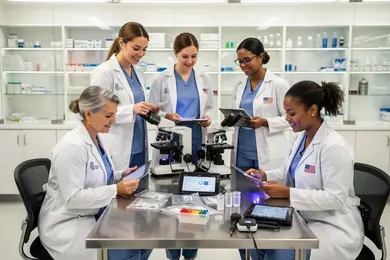
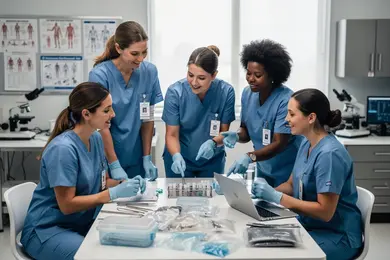
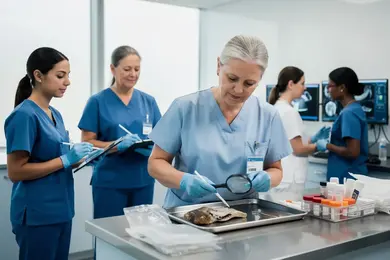
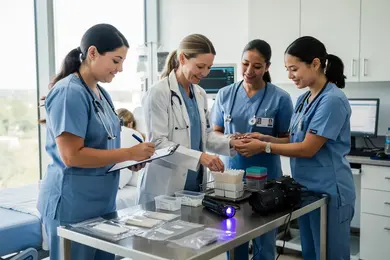
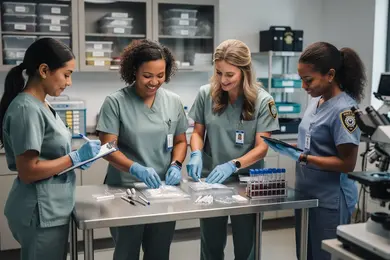
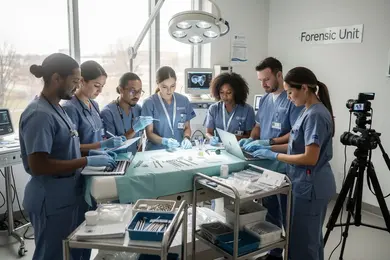
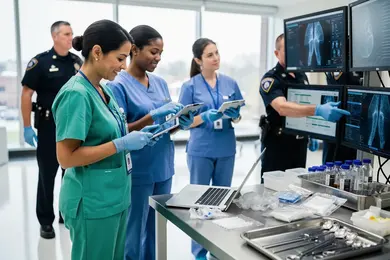
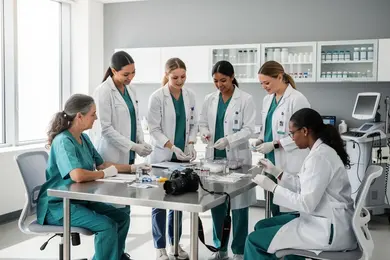
- Forensic Evidence Collection and Analysis: Students gain hands-on expertise in securing, documenting, and preserving physical evidence according to stringent legal and scientific standards. Mastery here is not merely procedural; it prepares nurses to engage confidently with investigative teams, ensuring that evidence withstands legal scrutiny and thus upholds case integrity.
- Legal and Ethical Issues in Forensic Nursing: Addressing statutory mandates, confidentiality, and the nurse's role as a mandated reporter, this course imparts essential knowledge on navigating legal responsibilities. Given employers' emphasis on ethical accountability, students learn to balance patient rights with legal processes, a critical capability in forensic healthcare settings.
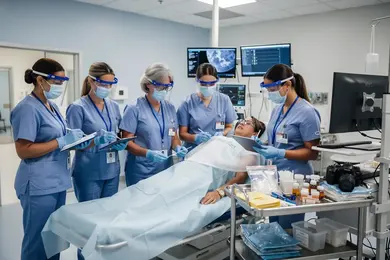
- Advanced Health Assessment: Tailored to the unique needs of forensic populations, this course sharpens clinical evaluation skills to identify subtle signs of abuse, neglect, or assault. The specialized focus prepares nurses for the nuanced assessments expected by healthcare and law enforcement partners, facilitating accurate documentation pivotal to case outcomes.
- Psychosocial Aspects and Trauma-Informed Care: Recognizing the psychological complexity forensic patients often present, students develop competencies in trauma-informed approaches that address mental health alongside physical care. This course aligns with workforce trends indicating increased demand for forensic nurses who can deliver integrated, empathetic care within legal frameworks.
- Forensic Pharmacology/Toxicology: Concentrating on substance identification and interpretation, this area equips nurses with the expertise to analyze toxicology results and their clinical implications within forensic cases. The course supports evidence-based decision-making critical to both clinical treatment and investigative accuracy.
- Research Methods and Healthcare Informatics: Training in data analysis and emerging forensic technologies prepares students to critically evaluate case data and adapt to advancements in the field. Given the expanding role of digital evidence and informatics in investigations, proficiency here enhances a nurse's ability to contribute thoughtfully to evidence-based practice and institutional research.
These elements collectively embody the online forensic nursing core curriculum, demanding a careful balance of medical knowledge, legal insight, and technical skill. For prospective students exploring a master's forensic nursing courses overview, recognizing the operational depth of these core courses helps clarify the professional readiness demanded by employers and the sector's evolving complexity. Those considering additional specialization should also evaluate how these foundational courses integrate with elective or concentration options without overextension.
Additionally, resources like medical billing and coding courses can support administrative competency that often complements forensic nursing expertise in interdisciplinary settings.
What Specializations Are Available in Online Forensic Nursing Master's Programs?
Specializations in online forensic nursing master's programs are critical strategic decisions that shape both skill development and long-term employability. They steer clinical training focus, dictate the intensity and type of practicum experiences, and influence alignment with market demand. Choosing the right concentration can affect job competitiveness, workload complexity, and access to certain forensic certifications.
- Sexual Assault Nurse Examiner (SANE) remains the dominant specialization due to persistent demand for nurses skilled in victim-centered forensic examinations. This track emphasizes hands-on clinical practice and evidence collection in legal contexts, which employers highly value for roles in hospitals and law enforcement collaboration.
- Death Investigation and Pathology Nursing appeals to nurses interested in medico-legal death analysis, focusing on postmortem assessment and working alongside coroners or medical examiners. The growing public scrutiny of unexplained deaths, represented by a 12% national rise in forensic pathology cases as reported in 2024, is driving modest demand growth for specialists with these niche forensic competencies.
- Elder Abuse Specialization addresses increased societal attention to protecting vulnerable older adults. This concentration requires familiarity with multidisciplinary legal mandates and partnerships, often involving adult protective services placements. Its practical focus suits nurses aiming for specialized advocacy roles but may limit broader forensic nursing flexibility.
- Trauma-Informed Care reflects broader healthcare trends prioritizing psychological safety and holistic patient treatment within forensic contexts. While this specialization enhances mental health integration skills, it typically involves fewer forensic procedural responsibilities, potentially narrowing certification and specialized job eligibility.

Can Students Choose Electives Outside Their Specialization?
Elective choices in online forensic nursing master's programs are often governed by strict curricular frameworks that emphasize sequential core courses and concentration-specific requirements. Students typically must obtain academic advising approval before enrolling in electives outside their specialization, ensuring that such selections align with credentialing standards and clinical training prerequisites. Limited availability of seats in popular electives and prerequisite chains further narrow flexibility, effectively prioritizing courses that reinforce forensic nursing competencies.
According to a 2024 study from the National Advisory Council on Nurse Education and Practice, only about 35% of these programs permit more than 20% of total credits to be allocated outside their designated focus, reflecting a controlled rather than open approach to cross-disciplinary coursework.
Electives beyond forensic nursing can expand analytical skills and interdisciplinary awareness, but pursuing courses too far afield risks extending time-to-completion and weakening the specialized knowledge highly valued by employers and certification bodies. For example, selecting electives in public health policy may benefit broader healthcare understanding, yet it may not contribute directly to forensic practice proficiency or clinical readiness. This tradeoff is particularly salient for working professionals balancing career transitions who must weigh whether broader electives enhance employability or simply dilute the depth needed for credential attainment and competitive differentiation within forensic nursing roles.
One student recalled navigating the program's rolling admissions cycle while deciding whether to pursue electives outside her forensic nursing track. She admitted feeling uncertain about deferring enrollment until she confirmed if interdisciplinary courses in legal studies would be accessible, especially since advisor input was essential to avoid delaying core clinical practicum registration. The eventual decision to proceed without those electives relieved pressure but underscored how elective restrictions and timing constraints can shape not just curricular breadth but also the strategic pacing of degree completion.
How Are Online Forensic Nursing Master's Courses Delivered?
Online forensic nursing master's programs primarily utilize a hybrid instructional model that combines asynchronous coursework with scheduled synchronous sessions to optimize both flexibility and engagement. Asynchronous elements, including recorded lectures and digital readings hosted on learning management systems, allow students to access foundational content on their own time. Meanwhile, live discussions, virtual office hours, and group work foster real-time interaction, enabling skill refinement under faculty guidance. This blend not only supports diverse learning preferences but also aligns delivery with program outcomes that emphasize critical thinking and practical competence.
Managing participation expectations within these flexible course delivery options for forensic nursing graduate students requires disciplined time management, particularly for those balancing clinical shifts or caregiving responsibilities. Synchronous components demand regular attendance at specific times, which can pose challenges but also reinforce accountability and peer connection. A 2024 education workforce study found nearly three-quarters of online nursing master's programs adopt this hybrid model, reflecting employer demand for graduates who can engage both independently and collaboratively. Consequently, students who underestimate the time required for active participation risk inconsistent learning progress, which can affect program completion timelines.
The tradeoff between flexibility and engagement in these delivery approaches impacts skill acquisition critical to forensic nursing roles. While asynchronous modules facilitate knowledge absorption at an individual pace, they may reduce immediate feedback opportunities on applied skills unless paired with interactive components. Local partnerships enabling nearby clinical practicums help mitigate this by offering real-world experience without disrupting students' home or work lives. For prospective learners evaluating their educational pathway, understanding how these delivery formats shape workload intensity and interaction quality proves essential for aligning academic commitments with professional goals and ensuring successful outcomes within this demanding specialization.
For those interested in healthcare management alongside clinical expertise, programs such as a health care administration masters offer complementary knowledge that can enhance career versatility post-graduation.
Which Core Classes Are Considered the Most Challenging?
Core courses in online forensic nursing master's programs that prove most demanding typically involve integrated application of scientific knowledge with legal frameworks, requiring both breadth and depth of expertise. Forensic pathology stands out because it requires mastery of detailed human anatomy intertwined with physiological responses to trauma, posing difficulties especially for students without a strong medical foundation.
Similarly, evidence collection and analysis challenges learners to combine clinical precision with rigid procedural adherence, such as chain-of-custody protocols, which are often unfamiliar to nursing professionals extending their scope into forensic contexts. Legal and ethical issues introduce abstract reasoning beyond clinical care, as students must interpret complex regulatory landscapes while balancing patient rights and judicial expectations-a convergence that intensifies cognitive workload and analytical rigor.
The stakes in mastering these courses extend beyond academic performance, directly influencing students' readiness for specialization choices and professional responsibilities. Employers increasingly expect forensic nurses to navigate legal intricacies and technical evidence handling with confidence, making underperformance a barrier to employability or advancement within forensic settings.
For example, a student encountering difficulties in legal-ethical courses may find fewer options to pursue certain forensic nursing roles that demand nuanced understanding of statutes and ethics. Reflecting this dynamic, a 2024 survey by the National Forensic Nurses Association reported that 57% of students identified legal and ethical coursework as the toughest part of the core curriculum, closely followed by 52% citing forensic pathology, underscoring these areas as critical pressure points that shape educational trajectories and labor market outcomes.
One online forensic nursing master's student recalled navigating the rolling admissions process while balancing full-time work and family commitments. Despite initial uncertainty about start dates and course sequencing, the student prioritized early completion of anatomy and pathology prerequisites, aware these subjects formed the foundation for later forensic specialization courses. When the legal and ethical issues class opened later than expected, the delay was both a source of anxiety and a strategic buffer to prepare adequately. This experience highlighted how timing and preparedness, alongside course difficulty, can affect progression decisions and students' confidence navigating the program's most demanding elements.

Do Online Forensic Nursing Master's Programs Require Internships or Practicums?
Most accredited online forensic nursing master's programs require internships or practicum experiences as essential components of their curriculum, reflecting the critical need for hands-on, supervised clinical practice in this field. These requirements typically involve between 200 and 300 clinical hours in forensic or healthcare environments that local agencies or institutional partnerships facilitate, though the degree of integration and flexibility varies by institution.
Some programs embed these experiential components directly into coursework, while others treat them as separate prerequisites, allowing students to complete them before or during their advanced studies. Data from the National Council of State Boards of Nursing reveals that about 85% of such programs mandate these practical experiences as part of degree completion, underscoring their importance in meeting accreditation standards and preparing students for forensic nursing responsibilities.
For working professionals and career changers, these internship requirements present operational challenges, including scheduling constraints and variability in placement availability, which can extend time-to-completion or increase logistical burdens. Programs that permit practicum hours to be completed at students' current workplaces-in cases where those settings meet forensic nursing criteria-offer notable flexibility, but this option depends heavily on individual circumstances and local resources. Absence of experiential requirements may expedite graduation but often leaves graduates less prepared for the investigative and clinical demands employers expect, potentially limiting employment opportunities and professional network development.
Prospective students should evaluate how these factors align with their career objectives and personal constraints while exploring specialization options, with comparative data available in related fields such as masters in dietetics, which similarly balance rigorous practicum demands alongside academic expectations.
Which Courses Are Required for Professional Certification Exams?
Universities offering online forensic nursing master's programs strategically design their curricula to correspond closely with the competencies required by professional certification bodies such as the International Association of Forensic Nurses. Core courses typically cover crucial domains including forensic pathology, injury assessment, evidence collection, and legal-ethical considerations, all of which map directly to certification exam content outlines.
This alignment ensures that coursework not only meets academic standards but also prepares students to demonstrate practical and theoretical mastery of the complex skills these certifications demand. Specialized classes, such as pediatric or geriatric forensic nursing, enhance this framework by addressing additional credentialing pathways and clinical scenarios frequently examined in certification processes.
The selection and sequencing of these courses carry tangible implications for students aiming at certification and subsequent employment in forensic nursing roles. Omission or substitution of key courses can delay eligibility for credentialing exams or necessitate remedial study, potentially extending time and financial investment. For example, a student bypassing advanced trauma assessment courses might struggle with exam sections on injury interpretation, limiting effective clinical performance and certification success.
Data from the National Institute of Justice in 2024 highlights that candidates completing prescribed, certification-aligned courses see roughly a 30% higher pass rate on the Sexual Assault Nurse Examiner exam, illustrating how curricular decisions directly impact readiness and long-term career opportunities in this specialized field.
Do Specialization Requirements Extend Graduation Timelines?
Specialization tracks in online forensic nursing master's programs typically integrate additional coursework and practicum requirements beyond the core curriculum, often ranging from an extra 6 to 12 credit hours. These specialized sequences are designed with prerequisite chains and course availability that can complicate the ideal pacing, sometimes resulting in extended degree timelines. Whether a student graduates on time depends largely on how these sequences align with the core credits and the flexibility within elective substitutions. Some programs strictly reserve specialized courses for certain terms, creating bottlenecks that necessitate extra semesters, whereas others offer more modular scheduling that helps maintain the standard 30 to 40 credit hour foundation.
Operational constraints such as limited practicum slots or mandatory sequential courses can delay course access and compress workloads for students balancing work and family commitments. For example, a student pursuing a pediatric forensic nursing specialization might face scheduling conflicts if key practicum placements are available only once a year, pushing back graduation by months despite completing other requirements on time. According to a 2024 graduate education report by the National Center for Education Statistics, enrollment in specialized health-related master's tracks corresponds with a 15% to 25% increase in program length, reflecting these common delays.
Prospective forensic nursing students should evaluate how specialization requirements influence not only the credit load but also course sequencing and experiential placements that ultimately shape their workforce entry and professional development timeline.
How Do Forensic Nursing Specializations Affect Career Opportunities?
Specializations within online forensic nursing master's programs serve as precise signals to employers about a candidate's technical skills and practical focus, often outweighing generic credentials in competitive hiring scenarios. Employers interpret specialized coursework, applied projects, and certifications as indicators of readiness for specific operational environments, whether in hospital units, legal consulting, or investigative settings.
The 2024 National Institute of Justice report highlights that graduates pursuing tracks like sexual assault examination or legal nurse consulting have a 27% greater chance of placement in specialized agencies compared to general forensic nursing graduates. This alignment of expertise directly addresses acute workforce needs, making specialization a strategic factor in shaping recruiter expectations and access to niche hiring pipelines within forensic nursing specialization impact on job prospects.
However, for students weighing career advancement through forensic nursing master's tracks, specialization presents tradeoffs in flexibility and role eligibility. While a focus on sexual assault nurse examiner (SANE) training might lead directly to hospital advocacy roles with clearer credentialing pathways, it can limit transitions to broader healthcare or investigative work, unlike a more generalist curriculum.
Conversely, opting for legal nurse consulting expertise can open litigation support roles but may exclude entry-level clinical functions. For example, a nurse specialized in child abuse investigations may find smoother access to child protective service collaborations but face barriers shifting to forensic lab technician roles. These decisions underscore the importance of evaluating local job market demands, certification requirements, and long-term career objectives, especially for working professionals and career changers considering the diverse pathways of careers with a bioinformatics degree.
How Should Students Compare Online Forensic Nursing Master's Curriculum?
Comparing online forensic nursing master's programs involves more than personal preference-it requires assessing how curriculum design impacts practical job readiness and academic pacing. Variations in course sequencing and specialization structure can influence time-to-completion, workload balance, and alignment with professional certification requirements, all critical for working professionals and career changers.
- Core Course Composition: Examine whether foundational topics such as forensic pathology, evidence collection, legal and ethical issues, and trauma-informed care are comprehensively covered, and how deeply. Programs differ in their emphasis on integrating clinical skills directly with forensic science, which affects your readiness for employer expectations in hands-on settings.
- Specialization Depth and Relevance: Evaluate how specialization tracks-like sexual assault nurse examiner (SANE) preparation or forensic mental health-are structured. Some programs offer richer, project-based learning and mentorship opportunities that foster niche expertise rather than surface-level exposure.
- Elective Flexibility and Interdisciplinary Options: Consider whether electives allow customization to your career goals, including interdisciplinary collaboration with legal or criminal justice fields. This flexibility can be pivotal for those targeting evolving roles within forensic nursing.
- Delivery Format and Learning Modality: Review the balance between asynchronous and synchronous learning. Programs with flexible scheduling can better accommodate working professionals but may trade off real-time interaction or experiential components.
- Practicum and Experiential Learning Integration: Prioritize programs offering virtual simulations, internships, or partnerships with law enforcement and medical examiner offices. The 2024 National Organization of Forensic Nurses survey found that 68% of employers prioritize graduates demonstrating applied clinical integration alongside theory, making these elements key for employability.
- Certification Alignment and Progression Sequencing: Some curricula are intentionally sequenced to prepare students for certification exams or professional milestones without extending time-to-degree. Understanding these pathways can prevent unnecessary delays and additional costs often associated with misaligned coursework.
For students weighing options, comparing online forensic nursing master's programs through these focused curriculum factors clarifies how well each aligns with career outcomes and personal circumstances. Those interested in details about program costs may also consult resources on online speech pathology school cost to contextualize financial planning within healthcare-related graduate education choices.
What Graduates Say About Online Forensic Nursing Master's Curriculum
- Kian: "After completing my core courses in forensic nursing, I found that employers really valued the portfolio of case studies I developed during my internship more than my certification alone. Navigating the job market, I realized that hands-on experience and the ability to demonstrate applied skills were crucial in landing roles, especially since some positions emphasized forensic evidence collection over general nursing licensure."
- Leonard: "Pursuing the specialization remotely gave me the flexibility to continue working full-time, which helped balance education and income. However, entering the workforce quickly meant I accepted roles with limited salary growth initially; without additional licensure, advancement felt slower, but the remote opportunities opened doors I hadn't imagined in forensic nursing."
- David: "I was optimistic that finishing the forensic nursing master's would immediately boost my career, but the reality was more nuanced. Many agencies preferred candidates with law enforcement experience or specific forensic certifications rather than just academic credentials, so I had to pivot and focus on gaining those certifications post-graduation to be competitive for the forensic examiner positions I sought."
Other Things You Should Know About Forensic Nursing Degrees
Core courses in online forensic nursing master's programs often demand a rigorous balance of theory, clinical reasoning, and applied case analysis. For working professionals, this means that time management becomes critical, as these courses require deep engagement beyond simple content review. Programs with heavier core requirements may limit flexibility and intensify workload during key terms, necessitating early planning or temporary work adjustments. Prioritizing programs that clearly outline workload expectations and offer asynchronous options can better accommodate full-time employment without compromising learning quality.
Choosing a specialization often means fewer elective options outside that track and a narrower but deeper skill set. While this focused expertise may align well with certain employer demands, it may also reduce exposure to broader forensic nursing areas that could diversify career options later. Prospective students should weigh the value of deep specialization against the flexibility of a more generalized curriculum, particularly if they anticipate shifting into interdisciplinary roles or adapting to evolving forensic healthcare trends.
Employers increasingly scrutinize how well graduates' coursework aligns with evidence-based forensic nursing practices and interdisciplinary collaboration. Program structures that integrate case simulations, interprofessional education, and current forensic technologies tend to produce candidates better prepared for complex workplace challenges. Conversely, curricula overly focused on theory with limited applied components may necessitate additional on-the-job training, affecting immediate readiness and professional credibility.
Some online forensic nursing master's programs sequence courses to build progressively from foundational knowledge to advanced applications, which aids retention but may extend program length. Accelerated pacing can shorten time to degree but risks surface-level learning and higher burnout, especially given the discipline's demanding content. Students should prioritize curriculums that balance efficient progression with cognitive assimilation-this is crucial for mastering complex forensic concepts and maintaining professional competence beyond graduation.
References
- Online Master’s in Forensic Nursing Programs (MSN-FN) https://www.forensicscolleges.com/online/masters-in-forensic-nursing
- Master's in Nursing - Forensic Nursing | Aspen University https://www.aspen.edu/nursing/msn-forensic-nursing/
- Forensic Nurse Certification Program https://aihcp.net/forensic-nurse-specialist-certification-program/
- Forensic Nursing https://www.duq.edu/academics/colleges-and-schools/nursing/graduate-programs/masters-of-science-in-nursing/msn-forensic-nursing.php
- Online Forensic Nursing Graduate Certificate Programs https://www.graduatecertificate.org/programs/forensic-nursing/
- FNCB Answers to Frequently Asked Questions - Forensic Nursing Certification Board https://goforensicncb.org/frequently-asked-questions/
- Forensic Nursing Degree Programs https://www.criminaljusticedegreeschools.com/degrees/forensic-nursing-degree/
- How to Become a Forensic Nurse https://www.allnursingschools.com/specialties/forensic-nursing/
- Forensic Nursing https://nursinglicensemap.com/advanced-practice-nursing/forensic-nursing/
- Forensic Nursing Course https://www.sifs.in/course-details/online-course-forensic-nursing-sciences