2027 Best Online RN to BSN Programs for Working Nurses

Co-Founder and Chief Data Scientist
Registered nurses balancing 40-plus weekly hours with family or other responsibilities often find rigid program schedules and on-campus requirements a career roadblock. In response, the U. S. Department of Education reports a 12% surge in enrollment for online undergraduate nursing programs since 2023, signaling rising demand for flexible, asynchronous learning options that accommodate shift work and unpredictable schedules. This trend reflects a shift toward prioritizing accessibility and adaptability, crucial for nurses aiming to complete a BSN without sacrificing current employment or income. This article evaluates the best online RN to BSN programs for working nurses, focusing on flexibility, accreditation, and alignment with employer expectations.
Key Things You Should Know
- RN to BSN programs offering accelerated 12- to 18-month tracks reduce opportunity costs but intensify workload, risking burnout for working nurses balancing clinical hours and coursework, per 2024 National Council of State Boards of Nursing data.
- Employers increasingly mandate BSN credentials, with 80% of U.S. hospitals aiming for 80% BSN-prepared nurses by 2027, driving significant wage premiums and leadership pipeline access, according to the American Association of Colleges of Nursing.
- Tuition variability from $5,000 to over $30,000 for online RN to BSN programs significantly impacts ROI, especially for mid-career nurses without employer tuition assistance, amplifying reliance on federal loans stated in 2024 DOE financial reports.
What is an online RN to BSN program and how does it work for registered nurses?
Online RN to BSN programs designed for working nurses often hinge on balancing rigorous academic expectations with demanding work schedules. These programs typically condense coursework into asynchronous modules, allowing students to manage lectures, clinical requirements, and assignments without interrupting full-time employment. This structure accommodates nurses navigating shift variability and familial obligations while advancing their qualifications.
Such programs reduce redundancy by recognizing previous clinical experience and ADN coursework, enabling completion in as little as 12 to 18 months. The core curriculum prioritizes skill gaps in leadership, community health, evidence-based practice, and healthcare technology-key areas employers value beyond foundational nursing competencies. For instance, a nurse working a hospital ward can complete policy analysis work during off-shifts, thus maintaining patient care continuity without academic compromise.
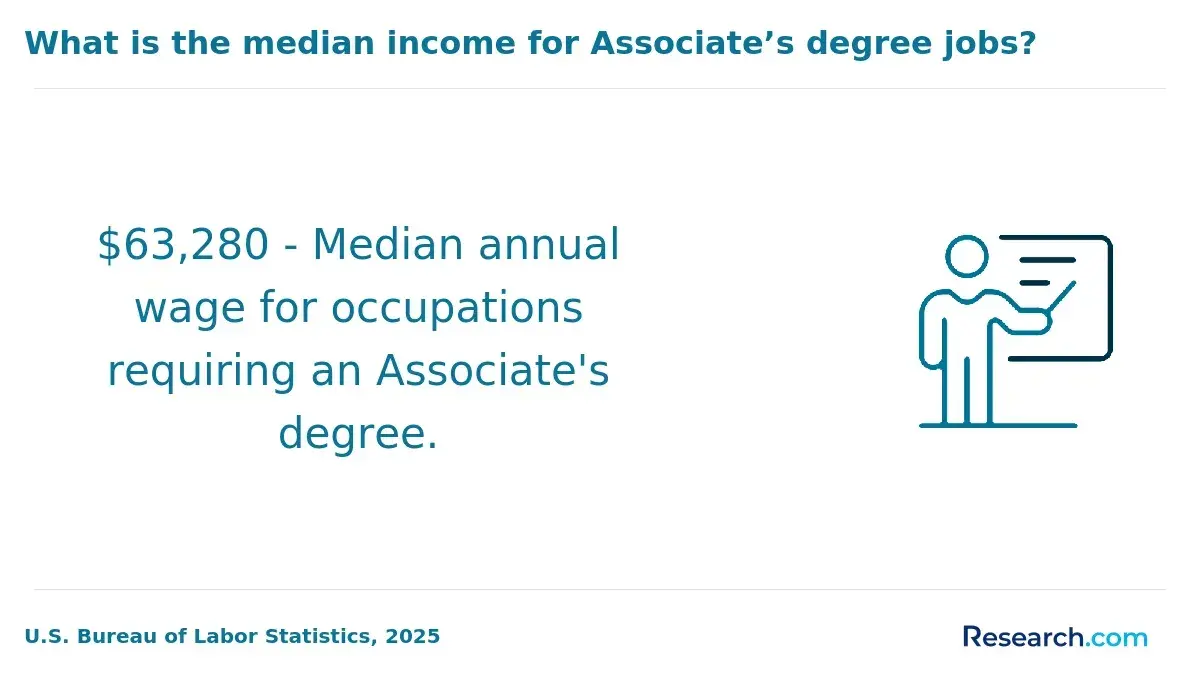
Employers increasingly favor BSN-prepared candidates for specialty roles and supervisory positions, reflected in salary data where BSN graduates average $18,000 more annually than those with an associate degree. Maintaining employment during the transition preserves income stability, a crucial factor for many students.
Practical considerations include ensuring stable internet access and local clinical placement support to avoid licensure or employment delays. Aspiring students should evaluate program accreditation rigorously and logistical fit to align educational investment with career objectives. The strategic advantages and challenges of RN to BSN online pathways deserve careful scrutiny for realistic planning and successful outcomes.
How online rn to bsn programs support registered nurses-through targeted curriculum flexibility, credit transfer, and real-world applicability-directly impacts long-term fiscal and professional trajectories.
What are the key benefits of completing an RN to BSN online while working full time?
Balancing a full-time nursing role while pursuing an RN to BSN online requires navigating both scheduling complexities and financial tradeoffs. Unlike traditional programs, flexible RN to BSN degree options for full time nurses allow asynchronous study, enabling education to fit varied clinical shift patterns-whether unpredictable ER hours or standard outpatient clinic rotations. This adaptability mitigates workflow disruption but demands rigorous time management to prevent burnout.
Cost is a critical factor shaping program choice. For example, the University of Central Florida's differential tuition approach-around ~$5,400 total for residents versus ~$23,000 for non-residents-illustrates the financial premium non-residents face, which can outweigh benefits if employer tuition support is absent. Leveraging in-state tuition often provides the most sustainable balance between expense and continued income from working.
The BSN credential increasingly influences employability and role trajectory, particularly in institutions aiming for Magnet recognition or federal funding compliance. Hospitals consistently report a 10-15% salary increase and expedited promotion for BSN-prepared nurses. However, the choice of a program with robust academic advising and accreditation is pivotal to preserving credit transferability and eligibility for advanced roles or graduate education.
Practical decision-making for working nurses also involves assessing employer tuition reimbursement policies alongside program flexibility. This integrated approach ensures that the investment in an RN to BSN program aligns with both immediate work demands and longer-term professional goals.
For those comparing degree pathways including broader fields, computational insights from a master's degree in marketing highlight how financial and time considerations shape return on educational investment.
How do I compare and choose the best online RN to BSN programs?
Cost disparities exceeding $23,000 among online RN to BSN programs can materially impact working nurses balancing budgets and career ambitions. For example, the University of Central Florida's tuition near $5,000 versus Chamberlain University's above $28,000 presents a stark choice between affordability and program features. Evaluating total cost must also weigh credit transfer policies, avoiding redundant coursework that inflates both expense and time to degree.
Top accredited RN to BSN programs for licensed nurses prioritize accreditation from bodies like CCNE or ACEN, ensuring employer recognition and curriculum relevance. Program flexibility is a practical necessity, especially for hospital nurses with rotating shifts who need asynchronous coursework and flexible deadlines, contrasting with office-based nurses who may handle synchronous sessions more easily.
Outcomes such as graduation rates and post-graduate employment statistics directly reflect program effectiveness. Those partnered with healthcare employers often facilitate smoother job transitions and meaningful networking. Specialty tracks and leadership training further align education with evolving workforce demands.
Faculty support and student services are vital; insufficient guidance can prolong completion and raise stress. Nurses seeking deeper academic engagement might consider a PhD in nursing education for advanced roles beyond clinical leadership, expanding career versatility within healthcare systems.
What accreditation and nursing licensure requirements should online RN to BSN programs meet?
Employer preferences and licensure constraints shape the practical value of online RN to BSN programs more than promotional materials often reveal. Accreditation standards for online RN to BSN programs-typically from the Commission on Collegiate Nursing Education (CCNE) or the Accreditation Commission for Education in Nursing (ACEN)-are not just academic formalities; they directly influence eligibility for employer tuition assistance, advanced certifications, and broader job mobility. Without this recognized accreditation, nurses risk limited career flexibility despite coursework completion.
Applicants must hold an active, unrestricted RN license from a U.S. state board prior to enrollment, underscoring nursing licensure requirements for online RN to BSN students as a gating factor. Since state boards vary on licensure portability, those considering relocation or interstate practice should verify how program clinical requirements align with target-state regulations, which can affect eligibility for licensing exams after graduation.
The workforce impact of completing a BSN over an ADN is measurable: PayScale data indicates a $18,000 annual salary premium for BSN-prepared nurses, enabling many students to recoup program costs priced under $10,000 within a year. However, program feasibility hinges on integrating clinical practicum elements without disrupting work schedules or regional licensing demands.
For a practical comparison of graduate-level nursing pathways, prospective students often consult the best online post master's FNP program options to navigate specialization choices alongside RN to BSN progression.
What are the typical admission requirements for online RN to BSN programs?
Admission to online RN to BSN programs typically hinges on an unencumbered RN license, a minimum GPA around 2.5, and completion of prerequisite courses like anatomy, physiology, microbiology, and statistics. Most programs expect candidates to hold an ADN from an accredited institution, though diploma-prepared RNs may qualify if they complete additional coursework. Beyond transcripts, proof of clinical experience and a professional goals statement are commonly required. Employment verification serves both as readiness confirmation and an indication of a candidate's ability to balance study with work.
Operationally, prerequisite policies often introduce bottlenecks, delaying enrollment for those lacking foundational courses. For instance, RNs with critical care experience may bypass some requirements, while those from outpatient settings frequently need supplemental certifications. Data from nurse.org in 2026 reveals that major hospital systems increasingly prefer BSN-prepared nurses for leadership and specialty roles, amplifying the practical value of these programs for upward mobility within healthcare organizations.
Application processes often feature standardized deadlines, occasional entrance exams, and interviews, but many schools use rolling admissions to accommodate working nurses. Success demands strong digital literacy and advanced time management due to asynchronous coursework combined with clinical shift obligations. The attrition rate tends to rise when programs lack tailored advising or adequate support services, underlining the importance of institutional resources aligned with working professional needs.
How long does it take to finish an online RN to BSN, and can I accelerate it?
Accelerated RN to BSN programs can significantly shorten degree completion to 8-12 months by requiring full-time study and increased course loads. While appealing for faster credential acquisition, these options often clash with the demanding schedules of nurses working 40+ hours weekly, risking burnout and suboptimal performance without flexible employer policies.
Many programs accept transfer credits from associate degrees or diplomas, which can reduce time by focusing on upper-division courses, potentially cutting completion by up to six months. However, aggressive acceleration typically limits access to financial aid and employer tuition reimbursement, increasing immediate out-of-pocket costs-a critical consideration for working nurses balancing personal finances and career advancement.
By contrast, slower-paced programs allow more manageable integration of work and study, preserving grade quality and well-being, though at the expense of longer timeframes.
Emerging employer partnerships and institutional initiatives have introduced tuition-free or heavily subsidized RN to BSN pathways for eligible nurses. For example, institutions like the University of Rochester offer such funding tied to employer collaboration, making accelerated programs financially feasible when combined with flexible work arrangements.
Key considerations for working nurses evaluating RN to BSN programs include:
- Assessing weekly study capacity against work demands
- Evaluating transfer credit applicability for reducing coursework
- Understanding financial aid eligibility relative to program pacing
- Prioritizing sustainable balance over mere speed to degree
What courses and clinical experiences are included in most online RN to BSN curricula?
Completion of an RN to BSN program often requires balancing accelerated coursework with the practical demands of nursing roles, particularly when programs compress curricula into 10 to 12 months. This compressed timeline, while offering faster entry into advanced practice or leadership tracks, can constrain elective options and reduce clinical exposure depth, impacting experiential breadth crucial for roles in acute care settings. For instance, a nurse in a rural clinic may find community health-focused clinicals directly applicable, enabling implementation of localized wellness programs that align with employer expectations for public health competencies.
Core course components-ranging from healthcare policy and nursing informatics to evidence-based practice-target critical skill sets for broader care coordination and administrative responsibilities. Clinical hours frequently include virtual simulations complemented by supervised fieldwork, meeting state board requirements while accommodating working nurses. The emphasis on community nursing, chronic disease management, and population health reflects an employer-driven demand for nurses capable of addressing diverse patient needs beyond traditional hospital environments.
Decision-making around program selection should carefully weigh intensity and curricular focus against professional context. Leadership candidates in hospital systems may require programs offering more extensive, hands-on clinical experience, while outpatient or community care nurses benefit more from public health-oriented curricula. With programs charging approximately $10,515 for a 10-month track, prospective students must also consider the financial and time commitments relative to their occupational goals and existing workload.
- Blended curriculum includes advanced theory, leadership, research, and pathophysiology
- Clinical training integrates simulations and local practicum for state compliance
- Accelerated tracks demand disciplined management but shorten time to degree
- Employment settings influence curricular utility and clinical focus
How much do online RN to BSN programs cost, and what financial aid is available?
Tuition for online RN to BSN programs varies greatly, typically ranging from $15,000 to $40,000, driven by institutional policies, residency status, and credit transfer allowances. Nurses already possessing substantial prior credits can dramatically lower costs and shorten completion time-Drexel University's 2026 program permits transferring up to 135 of 180 quarter credits, effectively covering 75% of the degree and slashing expenses and study duration. This transfer flexibility reflects a critical consideration for working nurses balancing income and education.
Financial aid often combines federal Stafford Loans, Pell Grants, and sometimes employer tuition reimbursement plans. Stafford Loans offer fixed interest and income-driven repayment, but employer funding usually demands post-graduation service commitments in designated healthcare settings. Scholarships through professional nursing bodies exist but are competitive and limited.
The net out-of-pocket cost depends heavily on credit transfer eligibility: a nurse transferring 75% of credits might reduce a $30,000 tuition bill to approximately $7,500. Those with limited transferable credits face longer programs, higher costs, and potential income loss due to extended study, emphasizing the importance of evaluating program credit policies alongside financial aid options.
- Amounts owed hinge on a combination of transferable credits and financial aid availability.
- Programs granting flexible schedules and large credit transfers better support working professionals maintaining employment.
- Decisions should weigh immediate tuition savings against the longer-term impact on job prospects and income during study periods.
What career pathways and advanced roles can a BSN open for registered nurses?
A BSN credential directly impacts nurses' eligibility for specialized roles and promotions that an RN alone does not secure. For example, hospital employers increasingly require BSN-prepared nurses for frontline management, patient education coordination, and quality assurance, limiting advancement without this degree. This is supported by a recent study showing 70% of healthcare organizations prefer or mandate BSN credentials for promotion.
Beyond acute care settings, BSN holders are frequently prioritized in public health departments and outpatient clinics due to their training in managing population health-skills that align with expanding Medicare and Medicaid funding priorities. The degree also opens access to certifications like CCRN or CNOR, and roles such as nurse educator or clinical nurse leader, which typically yield 15-20% higher salaries compared to RN-only positions.
Working nurses must weigh program length and clinical practicum demands, typically spanning 12 to 18 months, to minimize employment disruption. Opting for a CCNE or ACEN accredited RN to BSN program enhances employer recognition but restricts options to these standards. Not completing a BSN constrains movement into healthcare policy, education, informatics, and specialized units-areas increasingly dependent on comprehensive clinical research and leadership skills embedded in accredited curricula. The tradeoff is clear: bypassing a BSN risks caps on both salary and career scope in evolving healthcare ecosystems.
How does earning a BSN affect nurse salary potential and long-term job outlook?
Registered nurses holding a BSN credential earn approximately 15% more annually than those with an associate degree, a difference rooted in employer preferences at hospitals meeting Magnet Recognition standards and large systems focused on evidence-based practice. This wage premium comes with longer-term job stability in roles that require advanced clinical skills and population health expertise-core to BSN curricula-that ADN-prepared nurses may lack.
In practical terms, nurses aiming to pivot or progress through rn to bsn programs face tangible tradeoffs: tuition costs versus potential salary gains. For example, University of Illinois Chicago offers a flat rate of $330 per credit, presenting a markedly lower cost than many public universities charging several times more for out-of-state students. Selecting a program with regional accessibility and reasonable pricing can mitigate financial strain while maintaining credential value.
Additional factors impacting the rn to bsn path include employer tuition assistance and the need to balance work-study commitments, which may temporarily reduce overtime income. Nurses should strategize by negotiating flexible schedules and confirming employer support to smooth the transition from RN to BSN.
- BSN credentials provide a competitive edge for permanent roles and advancement in healthcare organizations.
- The labor market increasingly favors BSN-prepared nurses due to rising educational requirements.
- Cost-effective program selection materially affects return on investment in further education.
Other Things You Should Know About RN to BSN Programs
Many online RN to BSN programs are designed with flexibility to accommodate full-time working nurses. They offer asynchronous courses, allowing students to complete coursework at their convenience. Some programs also provide accelerated options or part-time schedules to better fit the demanding schedules of working nurses.
Most healthcare employers recognize accredited online RN to BSN degrees equally to traditional degrees, especially when they come from reputable institutions. The key factor for employers is the program's accreditation status and whether the education enhanced the nurse's critical thinking and leadership skills. Nurses should verify that their program meets regional accreditation and offers clinical components or leadership projects that employers find relevant. Choosing programs with strong employer connections or known for graduate readiness improves job market outcomes.
Online RN to BSN programs typically require students to complete clinical or practicum hours in their local area rather than on campus. This approach can be beneficial because it allows students to integrate learning with their existing workplace. However, students must confirm that their current employer or a nearby healthcare facility can provide appropriate supervision. Failure to secure a clinical placement can delay graduation, so programs that assist with placement or use simulated clinical experiences offer a practical advantage.
For nurses aiming at management or advanced roles, completing an RN to BSN is a necessary but not sufficient step. The BSN enhances leadership, research, and community health skills central to administrative roles, but additional qualifications like an MSN or certifications are often required for significant advancement. Prioritize programs that integrate leadership development and evidence-based practice coursework if your goal is upward mobility. Without selecting those targeted curricula, the BSN alone may not substantially improve eligibility for advanced positions.
References
- Types of Nursing Careers & Specialties https://nursinglicensemap.com/nursing-specialties/
- What Does It Take to Go from RN to BSN? https://www.chamberlain.edu/blog/what-does-it-take-to-go-from-an-rn-to-bsn
- Online RN to BSN Degree Programs: Choosing a School https://www.edumed.org/online-schools/nursing-rn-programs/rn-to-bsn/
- The Role of Accreditation in RN to BSN Programs https://everynurse.org/role-accreditation-rn-to-bsn-programs/
- Online RN to BSN Costs: How Much Does It Cost to Pursue Your BSN? https://nightingale.edu/blog/rn-to-bsn-cost.html
- 5 Benefits of Pursuing an RN to BSN | University of Bridgeport https://www.bridgeport.edu/news/5-benefits-of-pursuing-an-rn-to-bsn-program/
- RN vs BSN Salaries | Is the Bachelor s Degree Worth Investment https://xpresshealth.co.uk/rn-vs-bsn-salaries
- The 61 Fastest Online RN to BSN Programs of 2025 https://www.rntomsn.org/fastest-online-rn-to-bsn-programs/
- Top Online Accredited RN-BSN Programs - Better Nurse https://betternurse.org/bsn-degrees/
- RN to BSN Online Program https://www.bsmcon.edu/rn-bsn-online-program