2026 What Can You Do with an Applied Psychology Doctorate? Careers, Salaries, Academic Roles, and Industry Paths

Co-Founder and Chief Data Scientist
A doctorate in applied psychology can move your career from helping individuals or teams to designing systems, leading research, shaping policy, or advising organizations. The decision matters because the Bureau of Labor Statistics reported a $94,310 median wage for psychologists in May 2024, while several leadership roles tied to behavioral expertise pay more.
This guide is for working professionals and graduate students comparing doctoral options. You will learn which careers the degree supports, how salaries vary, where online programs fit, and how to judge whether the investment aligns with your goals.
Key Things to Know About Online Applied Psychology Doctorate Career Outcomes
- An applied psychology doctorate is most useful when your target role requires advanced research, assessment, behavioral science, program evaluation, organizational consulting, or senior leadership rather than entry-level counseling work.
- Salary outcomes depend heavily on sector: BLS May 2024 data show psychologists overall had a $94,310 median wage, while industrial-organizational psychologists had a $109,840 median wage and management roles can exceed that range.
- Online doctorates can be respected when they come from accredited institutions, include rigorous research expectations, and match the learner's career goal; licensure-focused clinical paths usually require additional accreditation, supervised experience, and state-specific requirements.
What skills do you gain from Applied Psychology doctorate degrees?
An applied psychology doctorate teaches you to use psychological science to solve real problems in workplaces, schools, health systems, courts, communities, and public agencies. Unlike a purely theoretical degree, it usually emphasizes research translation: turning evidence about human behavior into interventions, policies, assessments, training systems, or organizational improvements.
The table below summarizes the major skill areas and why they matter for career outcomes. Use it to compare doctoral programs because strong programs should show how these competencies are built through coursework, research, practicum, consulting projects, or dissertations.
| Skill area | What it involves | Why employers value it |
| Research design | Building studies, evaluating interventions, and interpreting evidence | Supports evidence-based decisions instead of intuition-driven programs |
| Advanced statistics and analytics | Using quantitative, qualitative, or mixed-methods analysis | Helps organizations measure outcomes, risk, engagement, learning, and behavior change |
| Psychological assessment | Selecting, validating, and interpreting tests, surveys, or behavioral measures | Useful in talent selection, forensic evaluation, education, human factors, and program diagnostics |
| Behavior change strategy | Designing interventions that influence motivation, habits, performance, or wellbeing | Applies directly to health behavior, workforce development, coaching, safety, and learning |
| Consultation and communication | Explaining complex findings to executives, clients, boards, or policymakers | Turns doctoral expertise into decisions that non-specialists can act on |
| Ethics and cultural competence | Managing confidentiality, bias, equity, and responsible use of data | Reduces legal, reputational, and human risk in high-stakes decisions |
These skills are especially valuable because employers increasingly want professionals who can combine behavioral insight with data literacy. AI tools can summarize surveys or model patterns, but doctoral-level professionals are often better positioned to decide whether a measure is valid, whether an algorithm creates bias, and whether a proposed intervention is ethical and useful.
Before enrolling, review whether the program gives you a portfolio, not just a transcript. Strong evidence of readiness may include publishable research, an applied dissertation, consulting reports, assessment projects, program evaluations, or presentations to real stakeholders.
What specializations can you pursue within Applied Psychology doctorate degrees?
Applied psychology is broad, so specialization matters. Two students can both earn doctorates in applied psychology and end up in very different labor markets depending on whether they focus on organizations, health, education, forensic systems, behavior analysis, or community programs.
The table below connects common specializations with practical career directions. It is not a guarantee of employment, but it can help you avoid choosing a concentration based only on personal interest without checking where the market actually uses that expertise.
| Specialization | Best-fit career paths | When it makes sense |
| Industrial-organizational psychology | Talent analytics, assessment, leadership development, employee experience, organizational effectiveness | You want corporate, consulting, or government workforce roles |
| Health psychology | Behavioral health program design, patient engagement, wellness strategy, public health research | You want to improve health behavior, adherence, prevention, or care delivery |
| Forensic psychology | Correctional program evaluation, risk assessment support, legal system consulting, victim services leadership | You want to work around courts, public safety, corrections, or justice reform |
| Educational or school-applied psychology | Learning assessment, student support systems, instructional design, district-level research | You want to influence learning systems without necessarily becoming a classroom teacher |
| Applied behavior analysis | Behavior intervention leadership, autism services administration, behavioral systems consulting | You want behavior-change roles where credentialing and supervised experience may also matter |
| Community or social psychology | Nonprofit evaluation, community intervention design, equity initiatives, public policy research | You want to address population-level behavior and social conditions |
Forensic, clinical, child, and behavior-analysis interests often overlap with master's-level options, so compare levels carefully before committing to a doctorate. For example, some students begin by researching forensic psychology master's programs to decide whether they need doctoral research training or whether a specialized master's credential is enough for their target role.
A general applied psychology doctorate is better for flexibility when your goal is broad leadership, consulting, research translation, or cross-sector work. A niche specialization is better when your target field has clear hiring signals, such as I-O assessment, applied behavior analysis leadership, or health behavior research.
Are online Applied Psychology doctorate programs respected by employers?
Online applied psychology doctorates can be respected, but employers usually evaluate the institution, accreditation, curriculum rigor, faculty expertise, research expectations, and fit with the job more than the delivery format alone. The biggest mistake is assuming that "online" automatically means either lower quality or equal value; both assumptions can be wrong.
Distance education is now common in graduate study, especially for working adults, but doctoral psychology still requires close attention to fieldwork, research supervision, and any licensure implications. For licensure-oriented clinical, counseling, or school psychology roles, verify state board requirements and programmatic accreditation because many applied psychology doctorates are designed for non-licensure industry, education, consulting, or research roles.
The comparison below shows how online and hybrid formats usually differ. This can help you choose a format based on career fit rather than convenience alone.
| Format | Best fit | Potential limitations |
| Fully online | Working professionals pursuing research, leadership, consulting, or non-licensure applied roles | May offer fewer in-person labs, assistantships, or clinical placements |
| Hybrid | Students who want online flexibility plus residencies, campus intensives, or local practicum support | Travel costs and scheduling can add complexity |
| Campus-based | Students pursuing lab-heavy research, funded assistantships, or traditional academic pathways | Less flexible for full-time professionals and may require relocation |
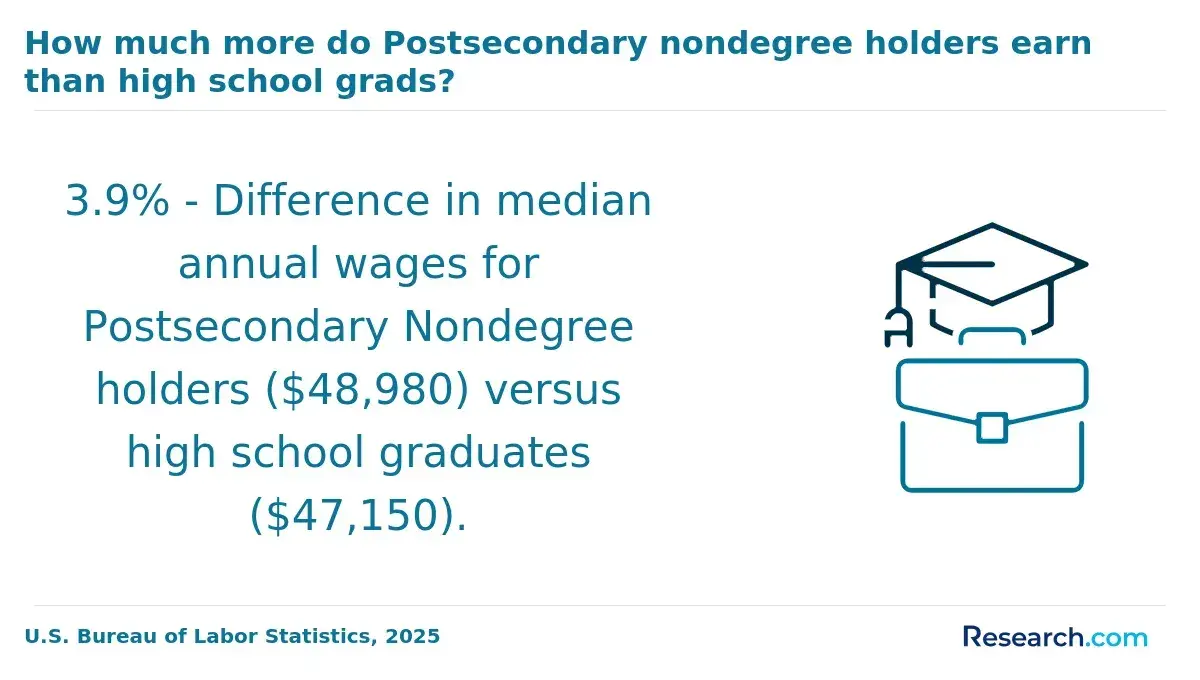
Cost also affects respect and ROI because debt can limit your career choices after graduation. The National Center for Education Statistics' Digest of Education Statistics released in 2024 reports average graduate tuition and required fees of roughly $12,600 at public institutions and about $29,900 at private nonprofit institutions for the 2022-23 academic year, before living costs and program-specific fees. Applied psychology doctorates can fall above or below those averages depending on credit load, residency requirements, dissertation fees, and whether tuition is charged per credit or per term.
Before you trust any online doctorate, verify these quality signals:
- Regional or institutional accreditation from an accreditor recognized by the U.S. Department of Education or CHEA
- Clear disclosure of whether the program is licensure-qualifying or non-licensure
- Faculty with applied research, industry, clinical, educational, or consulting experience aligned with your goals
- Published dissertation, capstone, practicum, internship, or residency expectations
- Transparent tuition, fees, time-to-completion ranges, and student support services
What industries value professionals with Applied Psychology doctorate degrees?
Applied psychology doctorate holders are valued in industries where human behavior affects performance, safety, learning, health, risk, or organizational outcomes. The degree is most marketable when paired with sector knowledge, such as healthcare operations, workforce analytics, legal systems, education policy, or product research.
The table below shows where the credential can translate into practical roles. Use it to identify which industries match your preferred work style: research-heavy, people-facing, strategic, technical, or policy-oriented.
| Industry | Typical doctorate-level contributions | Examples of roles |
| Healthcare and behavioral health | Program evaluation, patient behavior strategy, integrated care research, staff wellbeing | Director of behavioral health programs, health behavior researcher, patient experience strategist |
| Corporate and human resources | Selection systems, leadership assessment, engagement analytics, culture change | Organizational development director, people analytics leader, executive assessment consultant |
| Technology and product design | User research, human factors, trust and safety, behavior-informed product strategy | UX research lead, human factors scientist, behavioral insights director |
| Education | Learning assessment, intervention design, student support systems, district research | Director of assessment, educational researcher, learning scientist |
| Criminal justice and public safety | Risk analysis, correctional program evaluation, trauma-informed systems, crisis training | Forensic program evaluator, public safety training director, correctional services researcher |
| Government and nonprofits | Policy evaluation, community interventions, workforce wellbeing, grant-funded research | Program evaluation director, behavioral policy advisor, research and evaluation lead |
BLS May 2024 data show that industrial-organizational psychologists had a $109,840 median annual wage, which is a useful signal for students considering corporate or workforce-focused paths. The number does not represent every applied psychology doctorate holder, but it shows that specialized behavioral science roles in organizations can command higher pay than many entry-level human services positions.
Students focused on child development, schools, or youth services should also compare doctorate routes with child psychology master's programs, especially if their immediate goal is program support, case coordination, or school-adjacent work rather than doctoral-level research leadership.
What executive or leadership roles can Applied Psychology doctorate degrees qualify you for?
An applied psychology doctorate can support leadership roles when the job requires expertise in people systems, organizational behavior, assessment, program design, research interpretation, or behavioral risk. It does not automatically make someone an executive; leadership experience, budget responsibility, communication skill, and industry credibility still matter.
The following roles often make strong use of doctoral training because they require both strategic judgment and behavioral science expertise:
- Chief people officer or senior HR leader: Uses assessment, organizational culture, leadership development, and workforce analytics to guide people strategy.
- Director of organizational development: Designs change-management systems, succession planning, executive coaching, and employee engagement initiatives.
- Behavioral health program executive: Oversees service models, quality improvement, outcome measurement, and interdisciplinary teams.
- Director of research and evaluation: Leads evidence-building for public agencies, nonprofits, schools, healthcare systems, or private organizations.
- Learning and development executive: Builds training systems grounded in motivation, adult learning, performance science, and evaluation.
- Human factors or user research leader: Guides product, safety, usability, and customer behavior research in technology or complex systems.
For salary context, BLS reported a $125,040 median annual wage for training and development managers and a $140,030 median annual wage for human resources managers in May 2024. These are not psychology-degree-specific figures, but they show that leadership paths using applied psychology skills can sit in a higher compensation band than many direct-service roles.
This path makes the most sense if you already have management experience or can build it during the doctorate. If your resume is mostly academic or clinical, look for programs that include consulting projects, executive communication, program evaluation, and organizational partnerships.
Are there academic careers available for Applied Psychology doctorate holders?
Yes, applied psychology doctorate holders can pursue academic careers, but outcomes depend on the degree type, research record, teaching experience, publications, and the hiring priorities of the institution. A PhD is often the strongest fit for tenure-track research roles, while professional or applied doctorates may be well suited to teaching-focused, practitioner-scholar, program director, or adjunct roles.
Academic hiring is competitive, so the degree alone is rarely enough. You should assess whether the program gives you opportunities to teach, publish, present at conferences, serve as a research assistant, or build a coherent scholarly agenda.
The table below compares common academic paths for applied psychology doctorate holders. It can help you decide whether you need a research-intensive doctorate or a practice-oriented program.
| Academic path | What employers usually look for | Best-fit doctorate profile |
| Tenure-track professor | Peer-reviewed publications, research agenda, teaching experience, grant potential | Research-intensive PhD or highly scholarly doctorate |
| Teaching professor or lecturer | Strong teaching record, applied expertise, curriculum development | PhD, PsyD, EdD, or applied doctorate depending on institution |
| Program director | Academic administration, accreditation knowledge, faculty supervision, student support | Doctorate plus higher education or professional leadership experience |
| Adjunct faculty | Subject-matter expertise and graduate-level credentials | Doctorate aligned with course content and professional experience |
| Research center staff | Grant work, data analysis, project management, publication support | Doctorate with strong methods and applied research training |
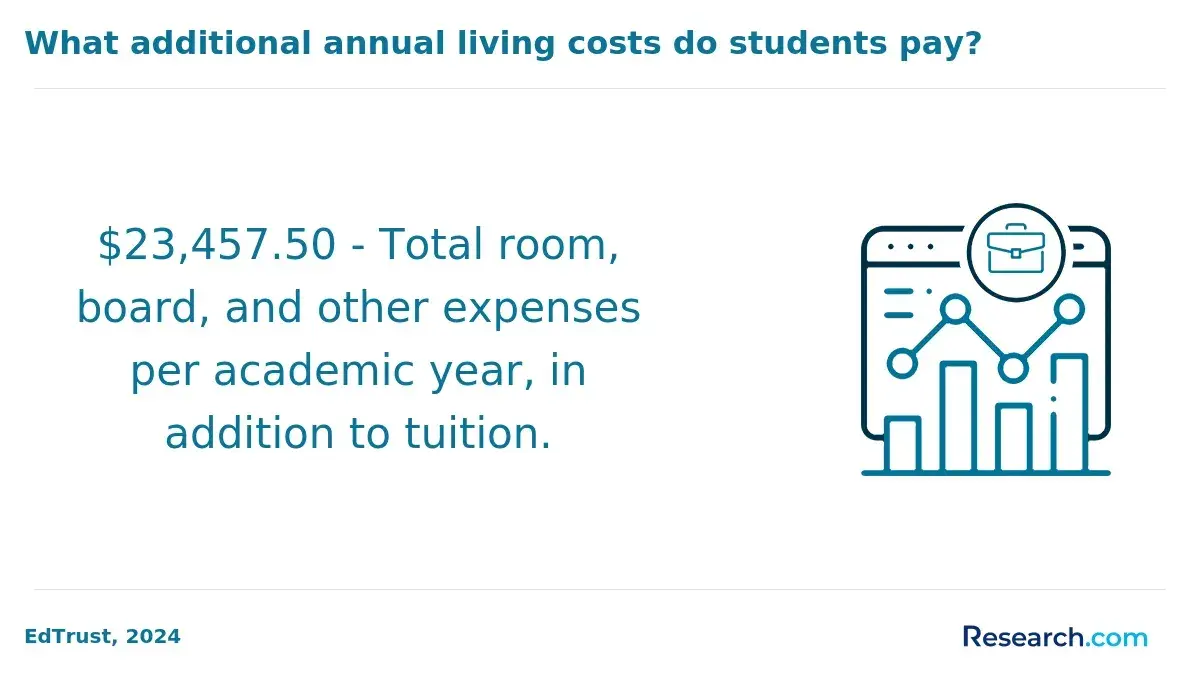
BLS May 2024 data reported a median annual wage of about $82,000 for postsecondary psychology teachers. That figure includes different institution types and career stages, so it should be used as a broad benchmark rather than a prediction for a new graduate.
If you are considering academic psychology but still comparing clinical preparation, reviewing online clinical psychology masters can help clarify whether you want a clinical pipeline, a research doctorate, or an applied non-licensure route before investing several years in doctoral study.
Are there consulting opportunities for Applied Psychology doctorate holders?
Consulting is one of the clearest ways to use an applied psychology doctorate outside traditional academic or clinical roles. Organizations hire consultants when they need specialized help with assessment, leadership, culture, behavior change, research design, program evaluation, workplace wellbeing, learning systems, or human factors.
Consulting can mean independent practice, boutique firm work, internal consulting inside a large organization, or advisory work alongside a full-time role. The right model depends on your risk tolerance, network, specialization, and ability to sell outcomes rather than credentials.
Common consulting services include:
- Employee selection and assessment system design
- Executive coaching and leadership assessment
- Organizational culture and change-management diagnostics
- Program evaluation for nonprofits, schools, agencies, or healthcare systems
- Behavioral insights research for products, campaigns, or public programs
- Training design, learning evaluation, and performance improvement
- Expert consultation in legal, forensic, safety, or risk contexts when qualified
BLS May 2024 data reported a $101,190 median annual wage for management analysts, a category that includes many consulting roles. Independent consultants can earn more or less depending on specialization, client base, billable hours, reputation, and business expenses, so it is safer to evaluate consulting as a business model rather than a guaranteed salary upgrade.
Consulting makes the best use of a doctorate when you can translate evidence into a measurable client outcome. It is a weaker fit if you dislike business development, ambiguous problems, contract negotiation, or having income tied to client acquisition.
What nonprofit or public sector roles are open to Applied Psychology doctorate holders?
Nonprofit and public sector employers value applied psychology when they need to understand behavior at scale, evaluate programs, improve services, support vulnerable populations, or design interventions with limited resources. These roles may pay less than corporate consulting or executive positions, but they can offer mission alignment, policy influence, and strong applied research opportunities.
Examples of roles include:
- Program evaluation director: Measures whether services are producing meaningful outcomes and helps improve grant-funded programs.
- Behavioral health policy advisor: Uses psychological evidence to inform public programs, access strategies, prevention efforts, or crisis-response systems.
- Community intervention researcher: Designs and studies programs addressing violence prevention, youth development, health behavior, or social wellbeing.
- Workforce wellbeing lead: Supports burnout prevention, trauma-informed management, and employee resilience in public agencies or nonprofits.
- Correctional or reentry program specialist: Applies behavioral science to rehabilitation, risk reduction, staff training, and service evaluation.
- Education agency research leader: Studies learning outcomes, school climate, student support systems, and intervention effectiveness.
These paths make sense if you want your doctorate to influence systems rather than only individual clients. They may be less attractive if your main priority is maximizing salary quickly, because public budgets and grant cycles can limit compensation growth.
For students interested in autism services, behavior intervention, or school-adjacent behavioral systems, a doctorate is not always the first required step. Some professionals compare applied psychology doctorates with the fastest BCBA program options because BCBA eligibility depends on specific coursework, supervised fieldwork, and exam requirements rather than a doctorate alone.
How do Applied Psychology doctorate degrees impact long-term earning potential?
An applied psychology doctorate can improve long-term earning potential when it helps you move into higher-responsibility roles: senior research, organizational leadership, consulting, program administration, assessment, or specialized expert work. The degree has weaker financial returns when it does not change your job level, licensure status, sector, or scope of responsibility.
The table below compares salary benchmarks for roles that may use applied psychology expertise. These are occupation-level BLS May 2024 medians, not guaranteed outcomes for doctorate holders, but they help show where doctoral skills may have stronger financial leverage.
| Role or occupation | Median annual wage, May 2024 | How an applied psychology doctorate may help |
| Psychologists, all other | $117,580 | Supports specialized research, assessment, consulting, or applied expert roles |
| Industrial-organizational psychologists | $109,840 | Aligns strongly with workforce analytics, leadership assessment, and organizational consulting |
| Psychologists overall | $94,310 | Provides a broad benchmark across psychology occupations |
| Management analysts | $101,190 | Relevant for consulting, evaluation, organizational diagnosis, and strategy roles |
| Human resources managers | $140,030 | Relevant when doctoral expertise is paired with leadership and business experience |
| Medical and health services managers | $117,960 | Relevant for behavioral health, patient experience, and health program leadership |
A useful comparison is the gap between master's-level helping professions and doctorate-level psychology or leadership roles. BLS reported a $59,190 median wage for substance abuse, behavioral disorder, and mental health counselors in May 2024, compared with $94,310 for psychologists overall. That gap does not mean every doctorate pays off, but it shows why role level, licensure, specialization, and sector matter more than the degree title alone.
To estimate ROI, calculate the full cost of attendance, not just tuition. Include fees, books, technology, residency travel, reduced work hours, dissertation continuation fees, loan interest, and the opportunity cost of time spent studying.
Use this sequence before deciding whether the degree is financially sensible:
- Identify the exact roles you want within three to seven years after graduation.
- Check whether those roles require, prefer, or merely accept a doctorate.
- Compare likely salary ranges in your state and industry using current occupation data and job postings.
- Ask programs for total program cost, median completion time, funding options, and recent graduate outcomes.
- Estimate whether the expected career move is realistic based on your current experience, not only the credential.
There is no single national career-advancement rate for applied psychology doctorate holders that applies across industries. Treat any program claiming universal salary growth with caution and ask for verifiable, program-specific outcomes.
How can you assess if a doctorate degree in Applied Psychology is aligned with your career goals?
The best way to assess fit is to start with the role you want, then work backward to the credential, specialization, format, cost, and experience you need. A doctorate is usually a strong fit for people who want to lead research, evaluate programs, consult on complex behavioral problems, teach at the college level, or move into senior organizational roles where psychological expertise creates strategic value.
It may not be the right next step if your target role only requires a master's degree, if you need licensure but the program is non-licensure, if you cannot commit to dissertation-level work, or if the debt would force you away from the lower-paying mission-driven work you actually want.
Ask yourself these questions before applying:
- What specific job title do I want, and do current postings require a doctorate?
- Is my goal clinical licensure, industry leadership, academic teaching, consulting, policy work, or research?
- Does the program's specialization match my intended sector?
- Will I graduate with applied projects, publications, datasets, evaluations, or consulting examples?
- Can I complete the program while maintaining my income, health, and family responsibilities?
- Have I verified accreditation, licensure limitations, tuition, fees, and realistic completion timelines?
- Would a specialized master's, certificate, supervised credential, or employer-funded training reach my goal faster?
Common red flags include vague career outcome claims, unclear dissertation support, no faculty in your specialty, limited transparency around total cost, and language suggesting that the doctorate automatically qualifies graduates for licensed practice. You should also be cautious about choosing a specialization only because it sounds interesting; market demand and required credentials vary substantially across applied psychology fields.
A practical next step is to create a three-column comparison: target role, required qualification, and best educational route. If the doctorate repeatedly appears as preferred or required for the roles you want, it may be a strong investment. If master's-level preparation appears sufficient, delay the doctorate until your career goal clearly requires it.
Other Things You Should Know About Applied Psychology
Sometimes, but not always. Licensure depends on the program type, accreditation, supervised experience, exams, and state board rules. Many applied psychology doctorates are designed for research, consulting, leadership, or education roles rather than clinical licensure.
Many programs take about three to seven years depending on transfer credits, enrollment pace, dissertation progress, residency requirements, and whether the student works full time. Always ask each program for its recent median completion time.
A PhD is often best for research-intensive or tenure-track goals, a PsyD may fit practice-oriented psychology pathways, and an EdD can fit education, leadership, or organizational learning roles. The best choice depends on your target job, not the degree initials alone.
Work experience can be valuable, especially for consulting, organizational leadership, nonprofit administration, and applied research roles. It helps you choose a relevant specialization and gives you real problems to investigate during doctoral study.
References
- Your Guide to Psychology Salaries in the UK for 2026 https://www.stonebridge.uk.com/blog/psychology/salary-in-psychology-or/
- Applied Psychology Career Opportunities & Paths https://jgu.edu.in/opjgublog/applied-psychology-career-opportunities/
- What Can You Do With A Ph.D. In Psychology? | Psychology.org https://www.psychology.org/resources/jobs-with-a-doctorate-in-psychology/
- Careers That Require a Doctorate Degree in Psychology https://www.psychologycareercenter.org/graduate-degree-career-options.html
- Jobs | APS Employment Network https://jobs.psychologicalscience.org/jobs/
- Non-Academic Careers https://spsp.org/membership/resource-hub/nonacademic
- Top 5 Highest-Paying Psychology Careers - Rivier Academics https://www.rivier.edu/academics/online/resources/program-resources/top-5-highest-paying-psychology-careers-rivier-university/
- What Do Psychologists Earn? Highest Paying Psychology Jobs | Walbrook https://www.walbrook.ac.uk/subjects/psychology/psychologist-salaries-highest-paying-jobs/
- General Requirements https://abpp.org/application-information/general-requirements/
- Society for the Teaching of Psychology https://teachpsych.org/page-1784686/6279689