
2026 What Can You Do with a Special Education Doctorate? Careers, Salaries, Academic Roles, and Industry Paths

Co-Founder and Chief Data Scientist
A Special Education doctorate is usually pursued for one reason: to move from direct service into higher-level influence. NCES reported in its 2024 Condition of Education that 7.5 million U. S. public school students ages 3-21 received IDEA services in 2022-23, making advanced expertise in disability services, inclusive instruction, and systems leadership highly relevant. This guide is for educators, administrators, specialists, and advocates evaluating doctoral study. You'll learn where the degree can lead, how salaries vary, and how to decide whether it fits your career goals.
Key Things to Know About Online Special Education Doctorate Career Outcomes
- A Special Education doctorate most often supports advancement into district leadership, higher education, policy, consulting, research, program evaluation, assistive technology, and disability services administration rather than traditional classroom teaching alone.
- Federal salary datasets do not isolate "Special Education doctorate holders," so the best salary benchmarks come from related roles: BLS May 2024 data place many education administration, training management, and postsecondary roles in the mid-five-figure to six-figure range depending on sector and responsibility level.
- The credential is most valuable when the program's accreditation, dissertation or capstone focus, specialization, field experience, and delivery format align with a specific career target, such as professor, director of special education, state agency leader, inclusion consultant, or edtech accessibility strategist.
What skills do you gain from Special Education doctorate degrees?
A Special Education doctorate is designed to build advanced capacity beyond classroom practice. The degree typically prepares professionals to interpret research, lead complex programs, influence policy, evaluate interventions, and improve outcomes for learners with disabilities across schools, agencies, colleges, and education-focused organizations.
The most useful skills depend on whether you choose a research-oriented PhD, a practice-oriented EdD, or a program with a specific applied concentration. The table below connects common doctoral skills to the kinds of work where they matter most.
| Doctoral skill area | What it helps you do | Career relevance |
| Advanced special education law and policy analysis | Interpret IDEA, Section 504, ADA, state rules, due process trends, and compliance expectations | District administration, state education agencies, advocacy organizations, compliance consulting |
| Research design and data interpretation | Evaluate interventions, design studies, interpret assessment data, and judge evidence quality | Higher education, research institutes, program evaluation, grant-funded initiatives |
| Systems leadership | Improve special education service delivery across schools, departments, and multidisciplinary teams | Director of special education, assistant superintendent, nonprofit executive roles |
| Inclusive curriculum and instructional leadership | Design scalable supports for universal design for learning, co-teaching, and individualized instruction | Instructional leadership, curriculum administration, professional development |
| Assistive technology and accessibility strategy | Match tools to learner needs, assess accessibility, and guide technology adoption | Edtech, higher education disability services, school district technology leadership |
| Grant writing and program evaluation | Build funding proposals, measure program outcomes, and report impact to stakeholders | Nonprofits, universities, government agencies, research centers |
These skills are increasingly important because special education leaders are being asked to make evidence-based decisions while managing staffing shortages, compliance obligations, parent advocacy, and inclusive education goals. AI-enabled learning tools add another layer: doctoral-level professionals may be asked to evaluate whether adaptive learning platforms, screening tools, or accessibility products are valid, ethical, and appropriate for learners with disabilities.
One practical way to evaluate skill fit is to compare the program's required research sequence, field-based projects, and dissertation or capstone model. If your goal is university research, prioritize rigorous quantitative, qualitative, and mixed-methods preparation. If your goal is district or agency leadership, look for applied improvement science, finance, law, supervision, and organizational change.
What specializations can you pursue within Special Education doctorate degrees?
Specialization matters because a doctorate in Special Education is not a single career pathway. A broad program may give you flexibility, while a niche concentration can make you more competitive for targeted roles in autism services, behavior, assistive technology, disability policy, or higher education access.
The table below shows common specialization areas and the career directions they tend to support. Use it to compare whether a concentration matches the work you actually want to do after graduation.
| Specialization | Best fit for | Typical career directions |
| Autism and developmental disabilities | Professionals focused on intensive supports, family systems, and evidence-based interventions | Autism program director, clinical-education consultant, university faculty, nonprofit program leader |
| Behavior intervention and positive behavioral supports | Educators and specialists interested in schoolwide behavior systems and intervention design | District behavior services leader, consultant, researcher, professional development provider |
| Special education leadership and administration | Teachers, coordinators, and administrators seeking district or agency leadership roles | Director of special education, assistant superintendent, compliance administrator |
| Assistive technology and accessibility | Professionals interested in accessible learning environments and disability-support technology | Accessibility strategist, assistive technology director, edtech advisor, disability services leader |
| Early childhood special education | Professionals focused on early intervention, preschool special education, and family-centered systems | Early intervention administrator, faculty member, policy specialist, program evaluator |
| High-incidence disabilities and inclusive instruction | Educators focused on learning disabilities, ADHD, mild intellectual disability, and inclusive classrooms | Instructional leader, curriculum specialist, teacher educator, inclusion consultant |
| Transition services and secondary special education | Professionals focused on college, career, independent living, and postsecondary pathways | Transition director, agency partner, vocational program leader, disability services administrator |
A niche specialization usually makes the most sense when your target market clearly values it. For example, assistive technology and accessibility can be useful in edtech companies, universities, and large districts, while autism and behavior specializations may be stronger for intervention leadership, consulting, and nonprofit services.
A broader leadership concentration may be better if you want mobility across districts, state agencies, or higher education administration. If your interests overlap with digital learning, accessibility, and adult education, reviewing adjacent options such as the best online instructional design master's programs can also help you decide whether you need a doctorate now or a more targeted master's-level credential first.
Are online Special Education doctorate programs respected by employers?
Online Special Education doctorates can be respected by employers when they come from accredited institutions, include serious research or applied leadership work, and produce evidence that the graduate can solve real educational problems. Employers generally care less about whether coursework was online and more about institutional credibility, program quality, licensure alignment where relevant, and the applicant's leadership record.
The strongest online programs are not simply convenient versions of campus programs. They usually include live seminars, cohort work, research methods, field-based leadership projects, faculty mentoring, dissertation or capstone supervision, and opportunities to apply doctoral learning in the student's current workplace.
Use the following checks before assuming an online doctorate will carry weight with a district, university, agency, or employer:
- Verify institutional accreditation through an agency recognized by the U.S. Department of Education or the Council for Higher Education Accreditation.
- Ask whether the program is an EdD, PhD, or another doctoral model, because research universities, school districts, and industry employers may interpret those credentials differently.
- Confirm whether the program supports your state-specific leadership, administrative, or special education licensure goals if licensure is part of your plan.
- Review faculty expertise to see whether professors publish, consult, or lead in the specialization you want to enter.
- Ask for examples of dissertation or capstone topics from recent graduates to judge whether the program produces applied work aligned with your career goals.
Online format is especially practical for working educators because many doctoral students cannot pause full-time employment. However, faster is not always better. Accelerated options, including 1 year EdD programs online, may fit experienced leaders with a clear project focus, but they may be too compressed for students who need extensive research training, licensure preparation, or a major career pivot.
Hybrid programs can be stronger for students who want face-to-face faculty access, campus research networks, or intensive residencies. Fully online programs can be better for professionals who need geographic flexibility, steady employment, and the ability to conduct applied research in their own schools or organizations.
What industries value professionals with Special Education doctorate degrees?
Special Education doctorate holders are valued in sectors where disability services, inclusive learning, compliance, research, training, and program improvement intersect. K-12 education remains the most common sector, but it is not the only one.
The table below summarizes where the credential can be useful and why each sector may value doctoral-level expertise. Salary outcomes vary by employer type, location, prior experience, and whether the role is administrative, academic, consulting-based, or technical.
| Industry or sector | Why the doctorate is valued | Examples of roles |
| K-12 school districts | Districts need leaders who understand compliance, instruction, staffing, intervention systems, and family engagement | Director of special education, executive director of student services, behavior systems director |
| Higher education | Colleges need faculty, researchers, disability services leaders, and teacher preparation experts | Professor, clinical faculty member, disability services director, research center staff |
| State and local government | Agencies need policy, monitoring, technical assistance, and program evaluation expertise | IDEA program specialist, policy analyst, compliance monitor, state training lead |
| Nonprofit organizations | Disability, advocacy, and education nonprofits need leaders who can build evidence-based programs and secure funding | Program director, executive director, grant evaluator, advocacy strategist |
| Education technology | Companies need accessibility, inclusive design, and evidence validation as AI and adaptive learning products expand | Accessibility consultant, learning science advisor, product research lead |
| Professional training and consulting | Schools and agencies often need external expertise for compliance audits, intervention training, and program redesign | Independent consultant, professional development provider, program evaluator |
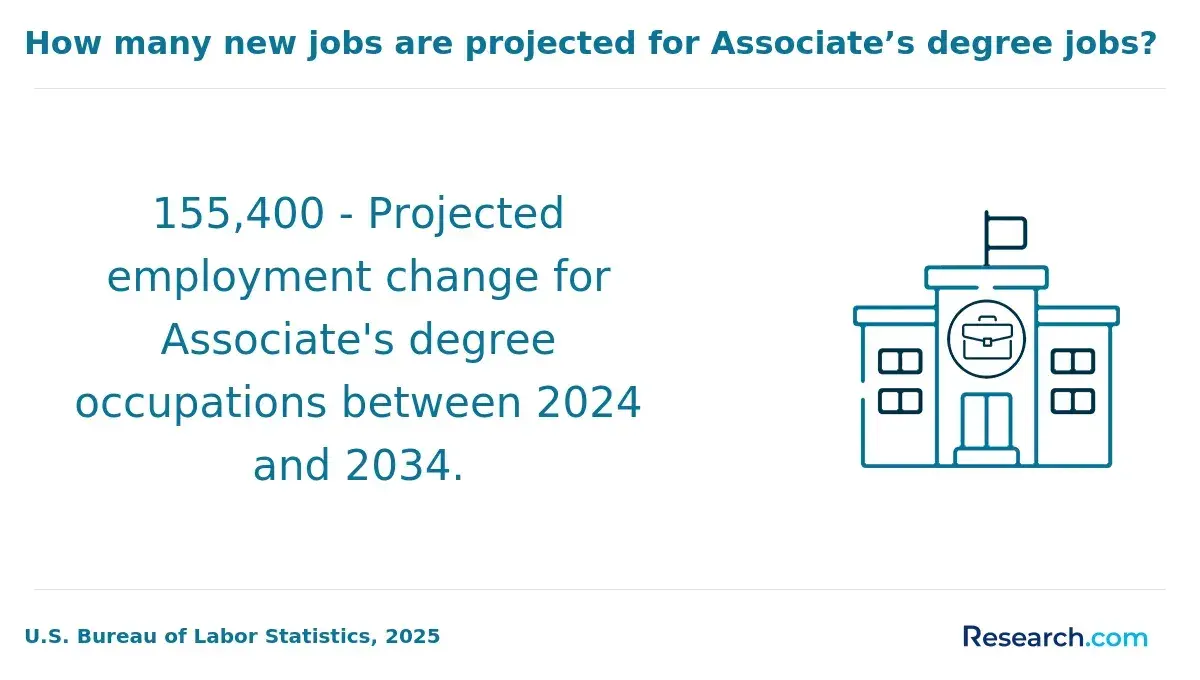
BLS occupational projections released for the 2023-33 period show faster growth for some adjacent education and training roles than for traditional K-12 teaching roles. For example, training and development manager roles are projected to grow faster than average, which matters for doctorate holders who can translate special education expertise into adult learning, workforce training, accessibility, and organizational improvement.
The main decision is whether you want to remain close to students and schools or move into broader systems. School district roles keep you near service delivery and compliance. Higher education and research roles emphasize scholarship and teacher preparation. Edtech and consulting roles may offer more flexibility but often require business development, product knowledge, or a portfolio beyond the degree itself.
What executive or leadership roles can Special Education doctorate degrees qualify you for?
A Special Education doctorate can strengthen your candidacy for leadership roles that require advanced knowledge of disability law, instructional systems, program evaluation, and organizational change. It does not automatically qualify you for every executive job, but it can be a differentiator when paired with administrative experience and the right credentials.
The table below uses related U.S. labor market salary benchmarks to show how leadership pathways can differ. These are role-level salary references, not guaranteed outcomes for every doctorate holder.
| Leadership role | Where it is commonly found | Salary context |
| Director of special education | School districts, charter networks, education service agencies | Often aligned with education administrator pay scales; BLS May 2024 data show elementary and secondary education administrators have median wages above many classroom teaching roles |
| Executive director of student services | Districts and regional education agencies | Compensation varies widely by district size, but the role may sit near senior administrative salary bands |
| Assistant superintendent for special programs | Large districts and county education offices | Typically requires substantial leadership experience and may require superintendent or administrator licensure |
| Chief learning or accessibility officer | Education companies, universities, large nonprofits | May align more closely with training, learning, or product leadership compensation than traditional education pay scales |
| Nonprofit executive director | Disability advocacy, family support, or education access organizations | Salary depends heavily on organization budget, funding stability, and grant portfolio |
Leadership roles usually require more than the doctorate. Employers often look for supervision experience, budget responsibility, IEP systems knowledge, conflict resolution skills, and a track record of improving measurable outcomes.
If executive advancement is your goal, build evidence while you are enrolled. Strong doctoral projects often focus on reducing evaluation backlogs, improving inclusive placement decisions, increasing family engagement, evaluating intervention fidelity, or strengthening transition outcomes. These projects can become interview evidence, not just academic requirements.
Are there academic careers available for Special Education doctorate holders?
Yes, academic careers are available, especially for graduates with strong research training, publication potential, teaching experience, and a specialization that aligns with faculty hiring needs. However, academic outcomes differ sharply between tenure-track faculty positions, clinical faculty roles, adjunct teaching, research staff positions, and higher education administration.
BLS May 2024 data show postsecondary teachers as a broad occupational group had a median annual wage in the low-to-mid five figures, with higher pay possible in some institutions and fields. The limitation is that this broad category includes many disciplines and appointment types, so it should be used as a general benchmark rather than a precise Special Education faculty salary.
Academic paths generally fall into these categories:
- Tenure-track professor: Best for graduates who want to publish research, teach graduate or undergraduate courses, advise students, and contribute to university service.
- Clinical or practice professor: Best for experienced practitioners who want to teach future special educators while maintaining a strong applied focus.
- Research associate or project director: Best for graduates who prefer grants, intervention studies, technical assistance, and data-driven program evaluation.
- Disability services administrator: Best for professionals interested in ADA/504 compliance, accommodations, accessibility, and student support in higher education.
- Adjunct instructor: Best as a supplemental role, but usually not a stable primary career unless combined with consulting, administration, or full-time employment elsewhere.
A PhD is often the stronger fit for tenure-track research roles because it usually emphasizes original scholarship and research methodology. An EdD can still lead to academic work, particularly in clinical faculty, practitioner-scholar, leadership, and teacher preparation roles, but applicants should study faculty job postings before enrolling.
If your goal is academia, do not rely on the degree title alone. Ask programs about graduate teaching opportunities, faculty mentorship, conference funding, publication support, research assistantships, and placement history. A doctorate without a research agenda, writing sample, or teaching portfolio may not be enough in a competitive faculty market.
Are there consulting opportunities for Special Education doctorate holders?
Consulting can be one of the most flexible paths for Special Education doctorate holders, especially for professionals with recognized expertise in compliance, behavior, inclusion, autism, assistive technology, transition services, or program evaluation. The doctorate can add credibility, but clients usually buy practical problem-solving, not credentials alone.
Consulting may be full-time, part-time, or combined with a district, university, or nonprofit role. It tends to work best when you can clearly define the problem you solve and show evidence of results.
Common consulting services include:
- Special education program audits that review compliance, staffing, service delivery, and documentation practices
- Professional development for inclusive instruction, co-teaching, behavior supports, or legal updates
- Expert support for assistive technology selection, accessibility planning, or universal design for learning
- Program evaluation for grants, pilot initiatives, nonprofit services, or district improvement plans
- Transition planning support for secondary programs, vocational partnerships, and postsecondary readiness
- Family engagement, mediation preparation, or systems redesign support, depending on professional qualifications and state rules
Consulting is attractive because it can offer autonomy and income diversification, but it also carries risk. Independent consultants must manage contracts, liability coverage, taxes, marketing, client acquisition, and scope boundaries. Some work may also require licensure, legal expertise, board certification, or supervised clinical credentials, depending on the service provided.
A good consulting strategy is to start with a narrow, evidence-backed niche. For example, "districtwide inclusive scheduling for students with extensive support needs" is easier to market than "special education consulting." The more specific your service, the easier it is for districts and organizations to understand when to hire you.
What nonprofit or public sector roles are open to Special Education doctorate holders?
Nonprofit and public sector roles can be a strong fit for Special Education doctorate holders who want system-level impact without necessarily working in a university or corporate environment. These roles often involve policy implementation, advocacy, grant management, technical assistance, compliance monitoring, and program improvement.
Public sector positions may be found in state education agencies, local education agencies, developmental disability agencies, workforce agencies, early intervention systems, and federally funded technical assistance centers. Nonprofit positions may be found in disability advocacy groups, family support organizations, research nonprofits, foundations, and community-based service providers.
The following roles commonly make use of doctoral-level special education expertise:
- State special education program specialist: Supports districts with IDEA implementation, monitoring, corrective action, and technical assistance.
- Policy analyst: Interprets disability, education, workforce, or early childhood policy and helps organizations respond to rule changes.
- Grant director: Oversees funded initiatives, budgets, staff, reporting, and outcome measurement.
- Program evaluator: Measures whether services are improving access, achievement, transition, inclusion, or family outcomes.
- Advocacy organization leader: Builds campaigns, trains families, informs policymakers, and coordinates community partnerships.
- Technical assistance provider: Helps schools and agencies implement evidence-based practices at scale.
The trade-off is that nonprofit and public sector salaries may be lower than some executive private-sector or consulting paths, but the mission alignment can be stronger. These roles are often best for professionals who value policy influence, equity, disability rights, and statewide or community impact.
Before choosing this path, review whether the role requires administrative licensure, grant experience, policy writing, data reporting, or prior agency work. A dissertation or capstone tied to statewide implementation, family outcomes, compliance monitoring, or intervention scale-up can make your doctorate more directly marketable.
How do Special Education doctorate degrees impact long-term earning potential?
A Special Education doctorate can improve long-term earning potential when it helps you move into higher-responsibility roles. The degree is less likely to produce a strong financial return if it only adds salary-lane movement without changing your role, employer, consulting capacity, or leadership scope.
There is no federal dataset that reports the average income of U.S. Special Education doctorate holders as a standalone group. A more responsible approach is to compare the salaries of roles the doctorate may help support, then weigh those against program cost, time, debt, and opportunity cost.
The table below compares common career directions using role-based salary logic. It is meant to help you think about earning potential, not predict an individual salary.
| Career direction | How the doctorate may affect earnings | Important limitation |
| Classroom special education teacher | May increase salary through district salary lanes if the contract rewards doctoral credits or degree attainment | The increase may be modest compared with tuition cost if the role does not change |
| District special education administrator | Can support movement into administrative pay scales and senior leadership roles | Usually requires leadership experience and possibly state administrative licensure |
| University faculty member | Can qualify applicants for professor, clinical faculty, or teacher education roles | Tenure-track competition depends on research productivity and institutional hiring needs |
| Consultant or program evaluator | Can raise credibility and support higher-value projects when paired with a clear niche | Income can fluctuate and depends on client pipeline, reputation, and business skills |
| Edtech or accessibility leadership | Can position graduates for roles involving research, inclusive design, and product strategy | May require additional experience in product development, UX, data analysis, or corporate operations |
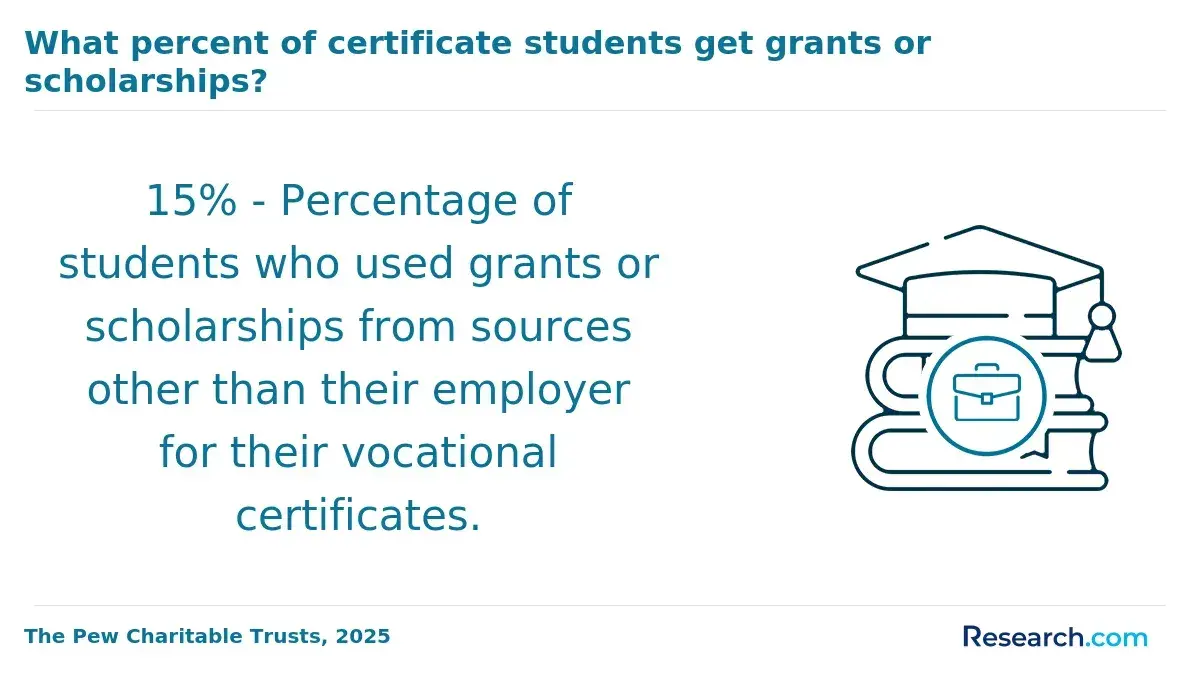
Cost is the other side of return on investment. Federal data do not publish an average cost of attendance specifically for Special Education doctorates, but NCES data released in 2024 show average graduate tuition and required fees differ substantially by institution type, with public institutions generally lower than private nonprofit institutions. Because cost of attendance also includes fees, books, technology, travel, and living expenses, students should calculate total program cost rather than comparing tuition per credit only.
If minimizing debt is central to your decision, compare employer tuition reimbursement, assistantships, dissertation support, transfer credit, and total credits required. Reviewing cheapest online EdD programs can be a useful starting point, but affordability should be weighed alongside accreditation, faculty fit, specialization, and completion support.
The strongest financial case usually exists when the doctorate is tied to a concrete advancement path: a district administrator moving toward executive leadership, a specialist building a consulting practice, a researcher seeking funded projects, or a teacher educator pursuing faculty work. The weakest case is enrolling primarily for prestige without a plan for how the credential changes your labor market position.
How can you assess if a doctorate degree in Special Education is aligned with your career goals?
The right question is not simply whether a Special Education doctorate is "worth it." The better question is whether a specific doctoral program moves you toward a specific professional outcome at a cost, pace, and level of academic intensity you can sustain.
Use this decision process before applying:
- Define your target role first, such as professor, district director, state agency specialist, consultant, nonprofit leader, or accessibility strategist.
- Identify the credential expectations in real job postings for that role, including degree type, licensure, years of experience, research skills, and preferred specializations.
- Choose between an EdD and PhD based on your goal: EdD for applied leadership and practice improvement, PhD for research-intensive academic or scholarly careers.
- Compare program format honestly, including whether online, hybrid, or campus delivery fits your work schedule, family responsibilities, research needs, and networking goals.
- Calculate total cost of attendance, not just tuition, including fees, travel, books, technology, lost work time, and dissertation extension costs.
- Ask whether the dissertation or capstone can become a career asset, such as a publishable study, district improvement project, consulting case study, or policy evaluation.
- Check completion support, including advising frequency, research mentoring, cohort structure, writing support, and clear dissertation milestones.
Common mistakes are avoidable if you evaluate programs like a career investment rather than a credential purchase. The biggest red flags include vague specialization options, unclear accreditation, limited faculty availability, no transparent dissertation process, weak student support, and marketing that implies guaranteed promotion or salary gains.
The table below summarizes common applicant mistakes and how to avoid them before committing to a program.
| Common mistake | Why it causes problems | Better approach |
| Choosing a program based only on speed | A fast timeline may leave too little room for research development, career planning, or dissertation quality | Match pace to your experience level, support needs, and target role |
| Ignoring accreditation | Employers, licensing boards, and universities may reject or discount degrees from unrecognized institutions | Verify institutional accreditation before applying |
| Selecting a specialization based only on personal interest | The concentration may not align with job postings or consulting demand | Compare specialization options with real employer needs |
| Assuming online means easier | Online doctoral work still requires advanced reading, research, writing, and independent project management | Ask about weekly workload, residency requirements, and dissertation expectations |
| Overlooking licensure requirements | Some leadership roles require state administrator or superintendent credentials beyond the doctorate | Contact your state education agency and confirm requirements before enrolling |
| Underestimating opportunity cost | Time spent in doctoral study can reduce consulting, family, or leadership bandwidth | Build a realistic multi-year schedule and financial plan |
Also consider whether another graduate path would better fit your goals. If your interest is school counseling, behavioral health, or student mental health rather than special education leadership, a lower-cost option such as a cheapest online counseling degree may align more directly with licensure-focused work.
A Special Education doctorate is most aligned when you want to influence systems, prepare educators, conduct research, lead programs, shape policy, or build specialized consulting expertise. It may not be the best next step if your main goal is immediate classroom salary growth, a clinical license in another field, or a career change that does not require doctoral-level education expertise.
Other Things You Should Know About Special Education
Many programs prefer or require professional education experience because doctoral coursework often assumes familiarity with schools, IEPs, disability services, and instructional systems. Some research-focused programs may admit applicants from related fields, but lack of field experience can limit applied project options and leadership credibility.
Most PhD programs require a traditional dissertation. Many EdD programs require either a dissertation, dissertation-in-practice, or applied capstone project. The format matters because a research dissertation may support academic careers, while an applied capstone may be more useful for district leadership or consulting.
Yes, but the transition is easier when you build transferable evidence. Employers outside schools may value expertise in accessibility, learning science, disability policy, program evaluation, training, and inclusive design, but they may also expect skills in business operations, technology, data analysis, or product strategy.
Institution type alone does not determine quality or return on investment. Compare accreditation, total cost, faculty expertise, specialization fit, dissertation support, employer reputation, and graduate outcomes. Public universities may cost less for some students, while private nonprofit universities may offer formats or concentrations that better fit specific goals.
References
- EdD Salary - How much can you make with a Doctor of Education (EdD) degree? (2025 Update) https://www.onlineeddprograms.com/faqs/edd-salary
- The Demand for Special Education Faculty: An Analysis of Paired Open Data https://riseopenjournal.org/article/id/2547/
- Covered Research Areas and Related Disciplines https://oapub.org/edu/index.php/ejse/pages/view/covered
- How to Advance Your Career with a Doctorate in Special Education - Graduate Programs for Educators https://www.graduateprogram.org/blog/how-to-advance-your-career-with-a-doctorate-in-special-education/
- What Can You Do with a PhD in Education https://aituedu.org/what-can-you-do-with-a-phd-in-education/
- 7 Types of Epidemiologists and Salary Comparison https://www.publichealthdegrees.org/careers/epidemiologist/types-of-epidemiologists-and-salary/
- What is the Difference Between a Ph.D in Special Education and an Ed.D.? https://www.masters-in-special-education.com/faq/what-is-the-difference-between-a-ph-d-in-special-education-and-an-ed-d/